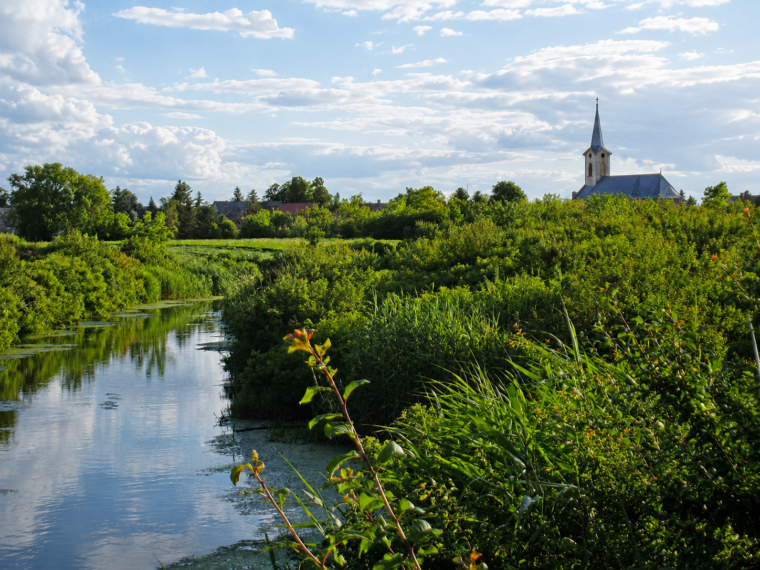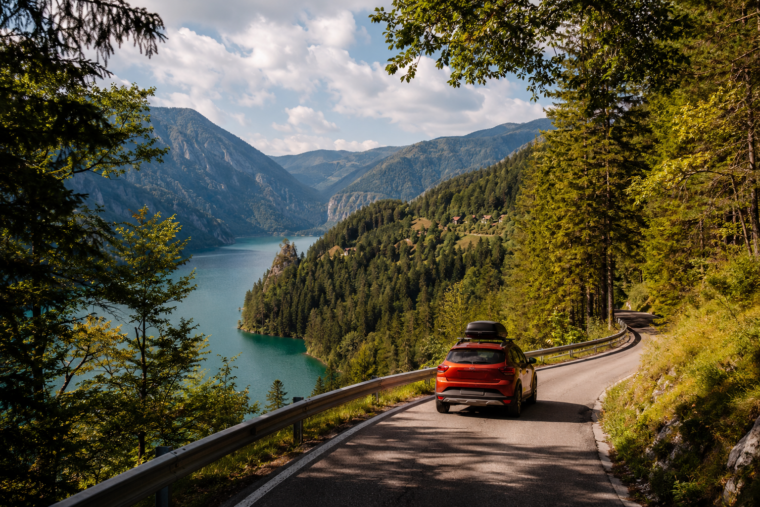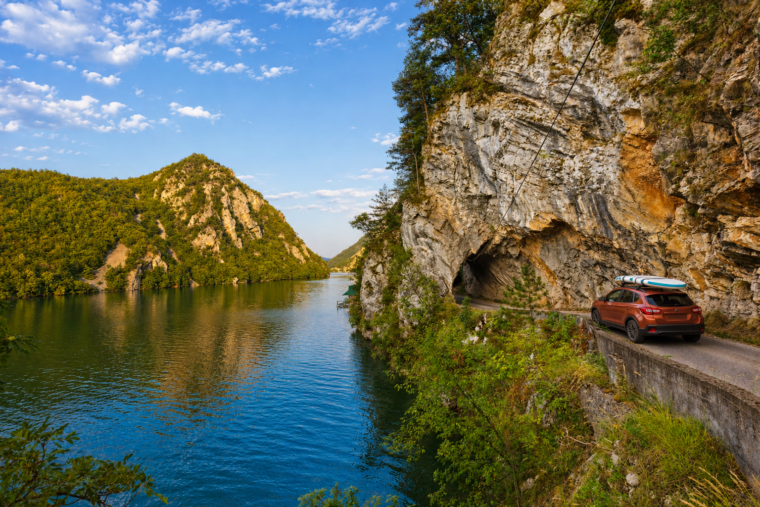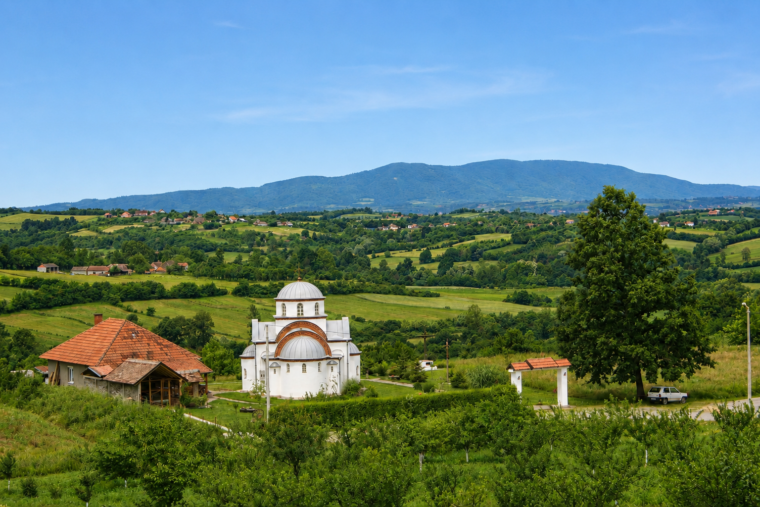

Spring is one of the most beautiful seasons to explore Serbia. Nature awakens, rivers become powerful and clear, forests turn vibrant green, and historic sites seem even more magical in the mild sunshine. Across the country, landscapes range from dramatic gorges and waterfalls to medieval fortresses, monasteries, and charming towns full of culture and tradition.
Whether you are passionate about history, breathtaking scenery, or authentic local cuisine, Serbia offers unforgettable journeys.
Here are five perfect spring tours through Serbia that combine history, nature, culture, and spectacular views.
1. The Eastern Serbia Jewels
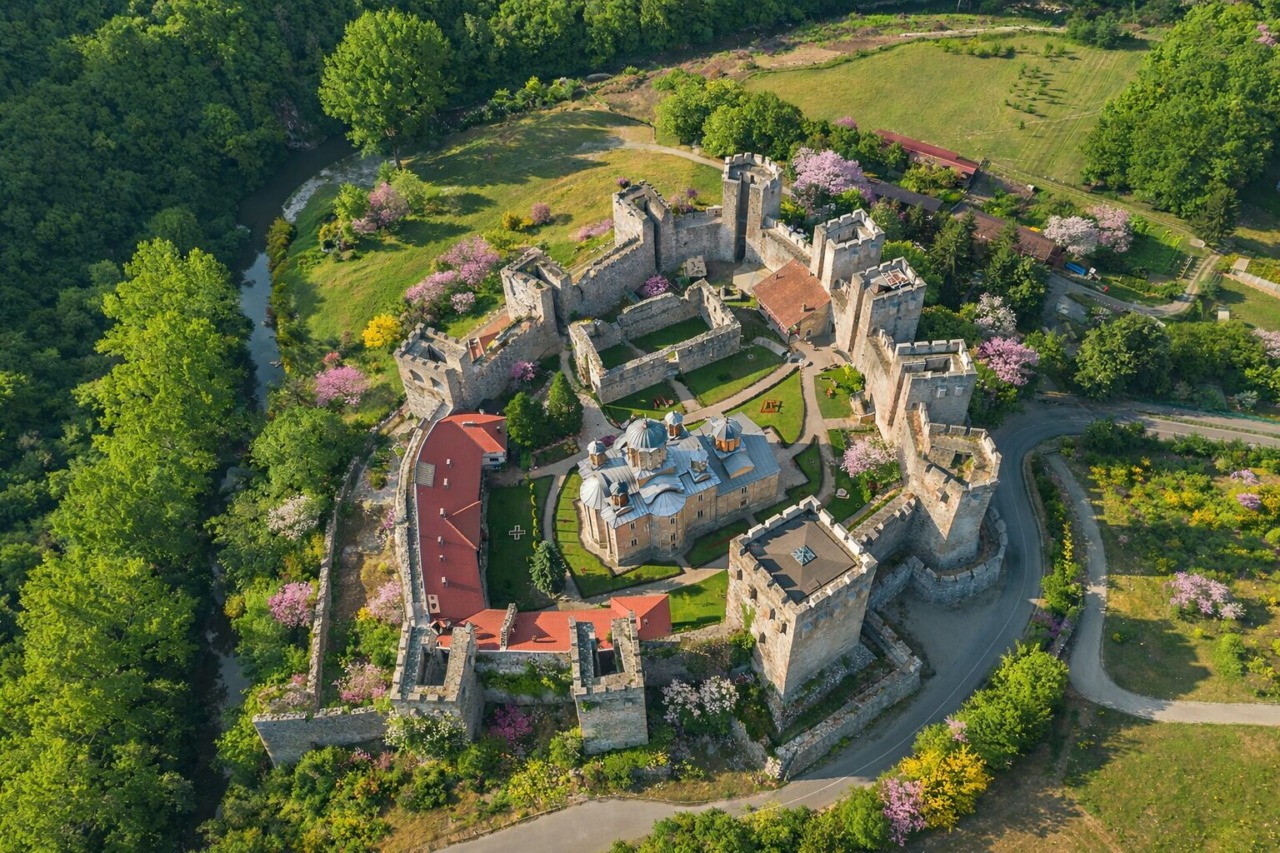
The journey begins at Manasija Monastery, one of the most magnificent medieval monasteries in Serbia. Built in the early 15th century by Despot Stefan Lazarević, a Serbian ruler, knight, and patron of art and literature, the monastery is still surrounded by impressive stone fortifications that once protected it from invaders. Inside, visitors can admire breathtaking 700-year-old frescoes, among the finest examples of medieval Serbian art.
From here, the tour continues toward one of the greatest natural wonders of Serbia – Resava Cave. Discovered in 1962 and estimated to be around 80 million years old, this cave is famous for its luxurious halls decorated with spectacular stalactites and stalagmites formed over hundreds of thousands of years. Walking through its illuminated passages feels like stepping into an underground palace sculpted by nature itself.
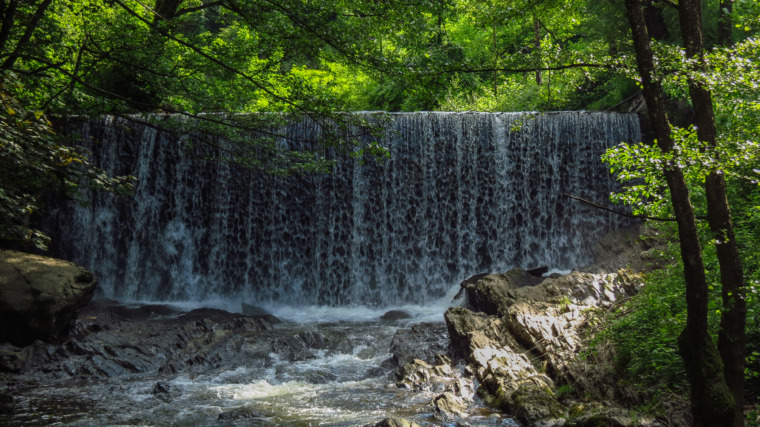
Our search for natural wonders continues with a visit to Veliki Buk Waterfall (Lisine), one of the most beautiful waterfalls in Serbia. Surrounded by lush forests and wooden bridges, the waterfall cascades powerfully down limestone cliffs, creating a refreshing and dramatic spring atmosphere.
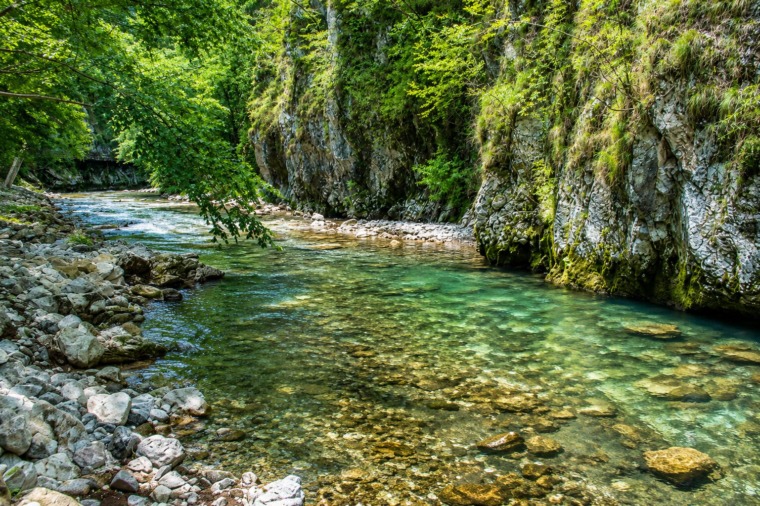
Nearby lies another magical place – the Krupaja River Spring, often called “Serbian Thailand” because of its turquoise waters and tropical-like surroundings. Hidden beneath the limestone slopes of Beljanica Mountain, the spring is surrounded by fascinating legends and mysteries that locals love to share.
After a day full of exploration, visitors can relax in a family-owned traditional restaurant near the Krupaja River and local fishponds, where authentic Eastern Serbian cuisine offers the perfect ending to a nature-filled adventure.
This tour beautifully blends medieval history and extraordinary natural beauty, making Eastern Serbia a perfect spring destination.
2. The Golubac Fortress & Đerdap National Park Tour
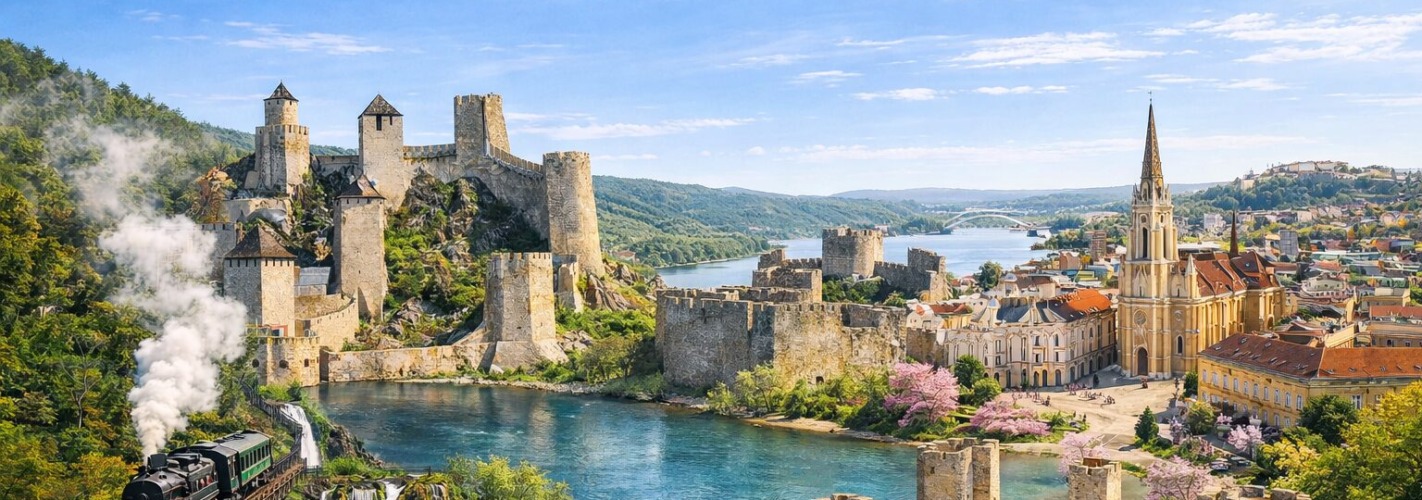
If you visit the guardian of the Danube – Golubac Fortress – you will instantly understand its legendary reputation.
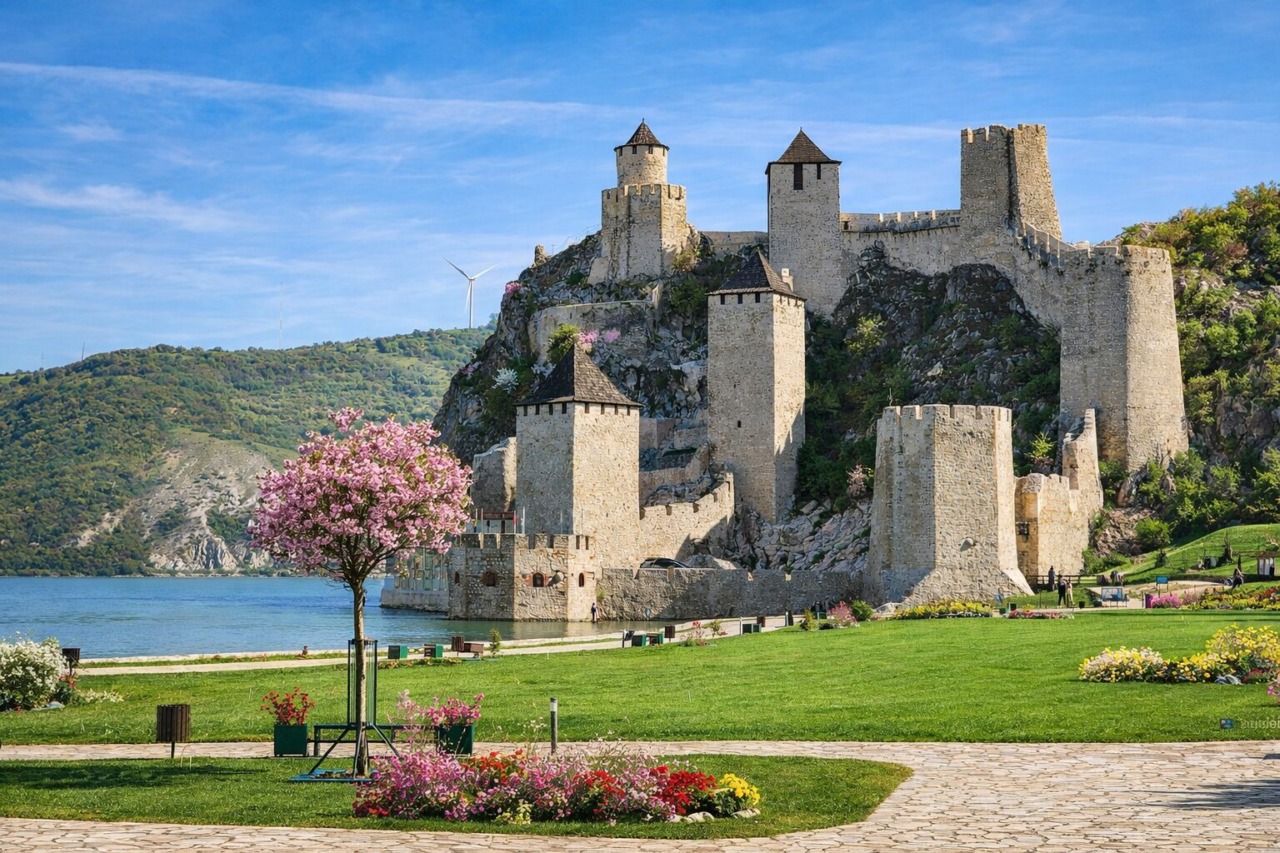
Located at the entrance to the Đerdap Gorge, where the Danube is both widest and deepest, Golubac rises dramatically above the river like a castle from a fairytale. The fortress originally had nine towers, arranged across the upper, lower, and rear sections of the fortification. Later, the Ottomans added a tenth tower and reinforced the walls with cannon openings.
Most towers are square in shape, except for the famous Šešir Tower (Hat Tower) — the donjon of the fortress – which has a polygonal base and cylindrical top. Beyond its fascinating architecture, Golubac is surrounded by spectacular scenery and is one of the most photogenic locations in Serbia.
After exploring the fortress, the journey continues into the breathtaking Đerdap National Park, home to the largest gorge in Europe. Towering cliffs, deep blue waters, and dramatic viewpoints create unforgettable landscapes.
The tour also includes a visit to Lepenski Vir, one of the most important prehistoric archaeological sites in Europe. This Stone Age settlement reveals remarkable information about the early inhabitants of the Danube region and their mysterious fish-shaped sculptures.
This tour combines history, archaeology, and some of the most impressive landscapes in Europe.
3. The Šargan Eight & Tara National Park
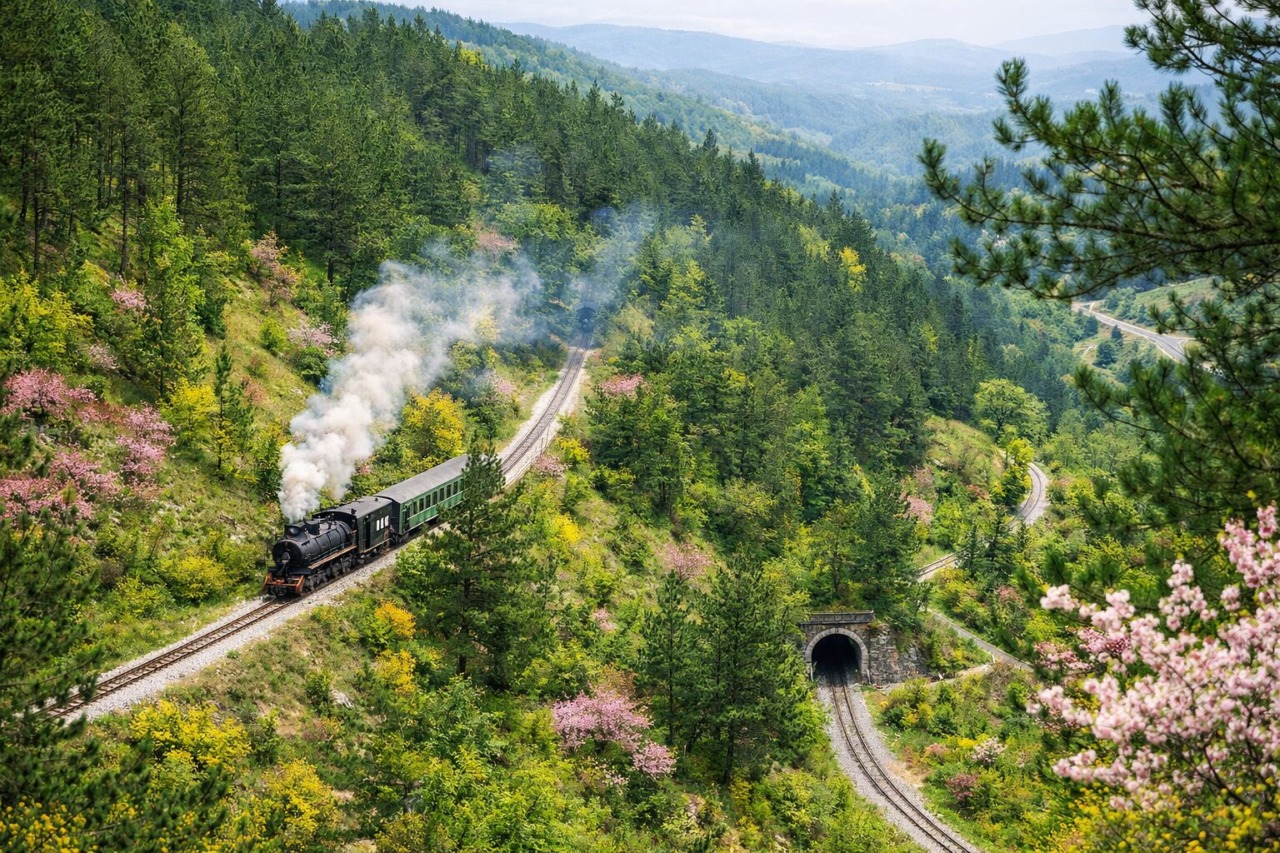
Among Serbia’s most fascinating attractions is the famous Šargan Eight railway, an engineering masterpiece that winds through the mountains of Western Serbia. The railway received its name from its figure-eight shape, designed to help trains overcome the steep terrain of the Šargan Pass.
Today, visitors can ride the nostalgic Šargan Eight train, passing through tunnels, bridges, and breathtaking viewpoints while enjoying spectacular landscapes.
The journey continues to Drvengrad (Wooden Town), a unique ethno-village built by the renowned Serbian film director Emir Kusturica. Constructed entirely from wood, this charming village blends traditional architecture with art, film, and culture.
From there, the tour leads to the majestic landscapes of Tara National Park, one of Serbia’s most beautiful natural areas and home to dense forests, dramatic viewpoints, and the country’s largest population of brown bears.
Along the way, travelers can admire stunning views over the Drina River and see the iconic Drina River House, a tiny wooden house perched on a rock in the middle of the river. The photograph of this unusual house once appeared in National Geographic, earning the title of “Photo of the Year.”
4. Novi Sad & Fruška Gora National Park
For more than two decades, Novi Sad has been known worldwide as the home of EXIT Festival, one of Europe’s most famous music festivals. Yet the city offers much more than nightlife and concerts.
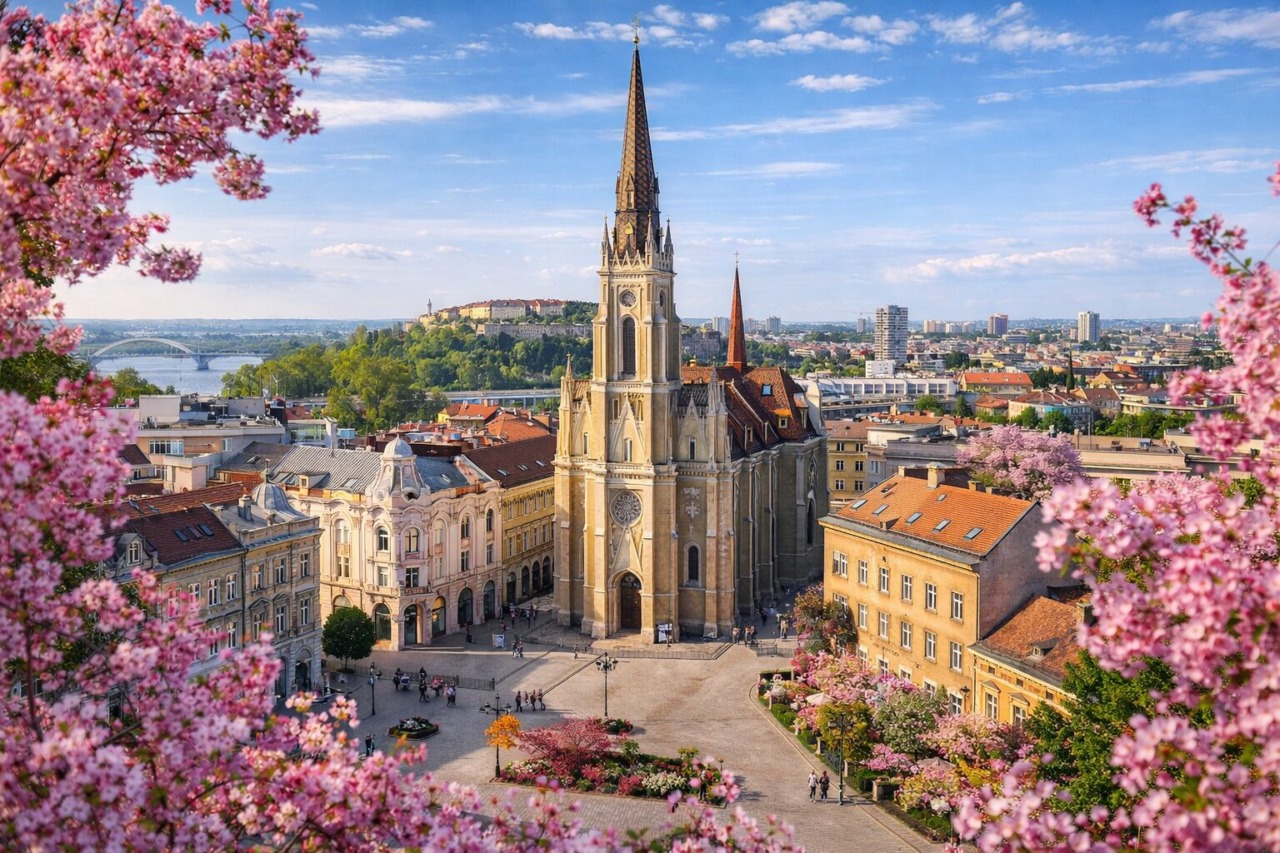
Often described as Serbia’s most relaxed and multicultural city, Novi Sad charms visitors with its colorful streets, cafés, and welcoming atmosphere. Its most recognizable landmark is the mighty Petrovaradin Fortress, built during the Austro-Hungarian period but standing on foundations that date back to earlier centuries. From its walls, visitors can enjoy stunning views of the Danube and the city skyline.
Just a short drive away rises Fruška Gora, the only mountain in the vast Pannonian plain. Once an island in the ancient Pannonian Sea, this mountain is now covered with forests of oak, beech, hornbeam, and linden. Hidden among its hills are sixteen historic monasteries, built between the 16th and 18th centuries. Because of this remarkable concentration of monasteries, Fruška Gora is often called the “Serbian Mount Athos.”
The mountain also offers beautiful lakes, scenic viewpoints, and peaceful hiking trails. After exploring nature and history, visitors can enjoy traditional cuisine at one of the region’s authentic farm restaurants, where locally sourced ingredients and old recipes create unforgettable flavors.
5. Three Danube Fortresses
Serbia’s fortresses tell stories of battles, rulers, romance, and centuries of turbulent history. Along the Danube River, several magnificent medieval strongholds still stand proudly above the water.
Smederevo Fortress
Smederevo Fortress is one of the largest lowland medieval fortresses in Europe and the final monumental work of Serbian medieval architecture. Built in the 15th century as the capital of the Serbian Despotate, it consists of two sections: the Small Town, where the ruler’s family once lived, and the Big Town, which served as a refuge for citizens during Ottoman attacks.
Archaeological excavations continue today, and in 2012 the tomb of an unknown noblewoman with priceless jewelry was discovered, adding even more mystery to this historic site.
Golubac Fortress
Standing dramatically above the Danube at the entrance to the Đerdap Gorge, Golubac Fortress has guarded the river for centuries. Its origins remain uncertain, but it likely dates back to the 14th century.
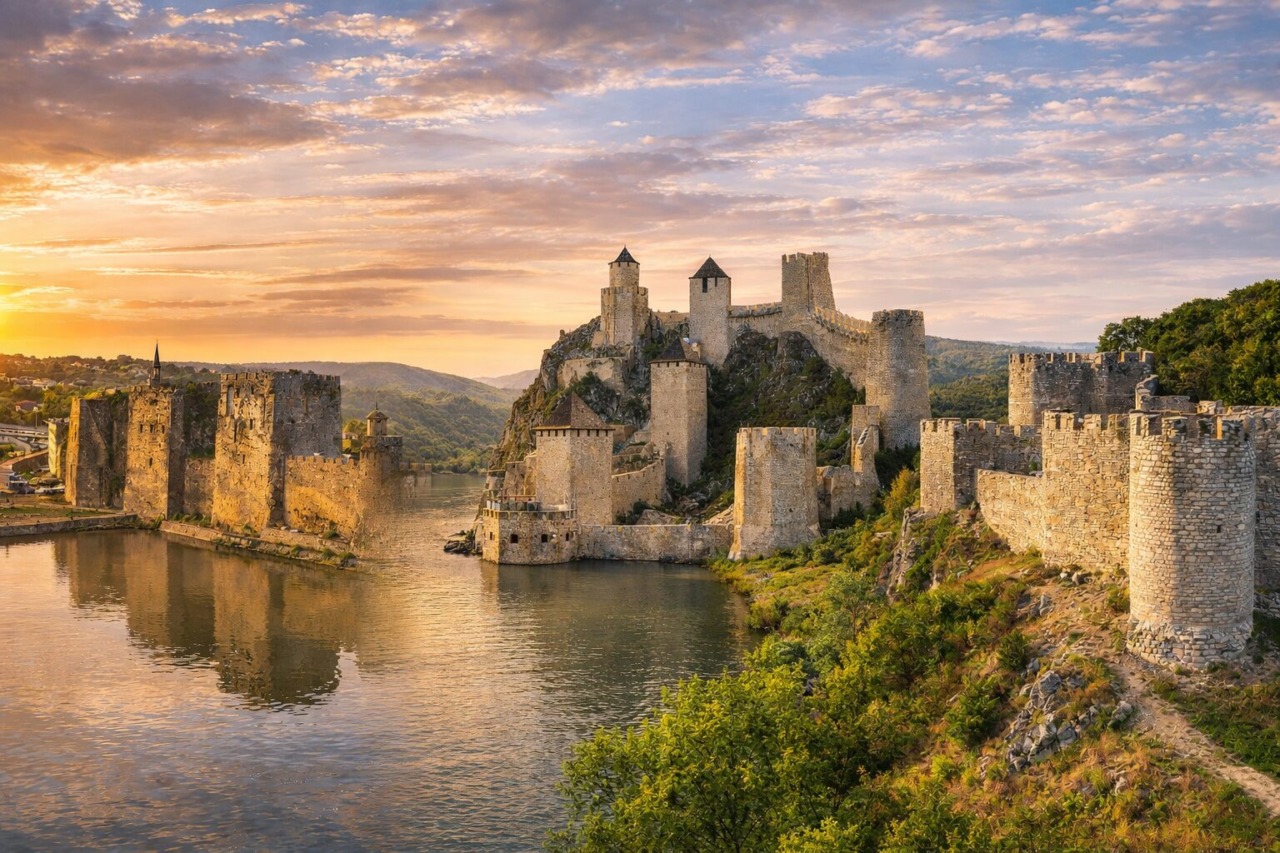
Throughout history, many conquerors fought for control of this strategic stronghold. Yet one master has always remained constant – the Danube, whose waters still flow beneath the fortress walls.
Ram Fortress
Further downstream lies Ram Fortress, built in 1483 during the reign of Ottoman Sultan Bayezid II. According to legend, the sultan chose this location after falling asleep on a hill overlooking the Danube and dreaming of a powerful fortress rising from the landscape.
The fortress has a rectangular base and five towers with 36 cannon openings, meaning it required at least one hundred soldiers to operate its artillery. Its unique design earned it the nickname “the miracle fortress.”
Spring is the perfect season to discover Serbia’s landscapes, legends, and history. From ancient monasteries and prehistoric settlements to waterfalls, national parks, and mighty fortresses, these journeys reveal a country full of surprises waiting to be explored.
Related Articles