
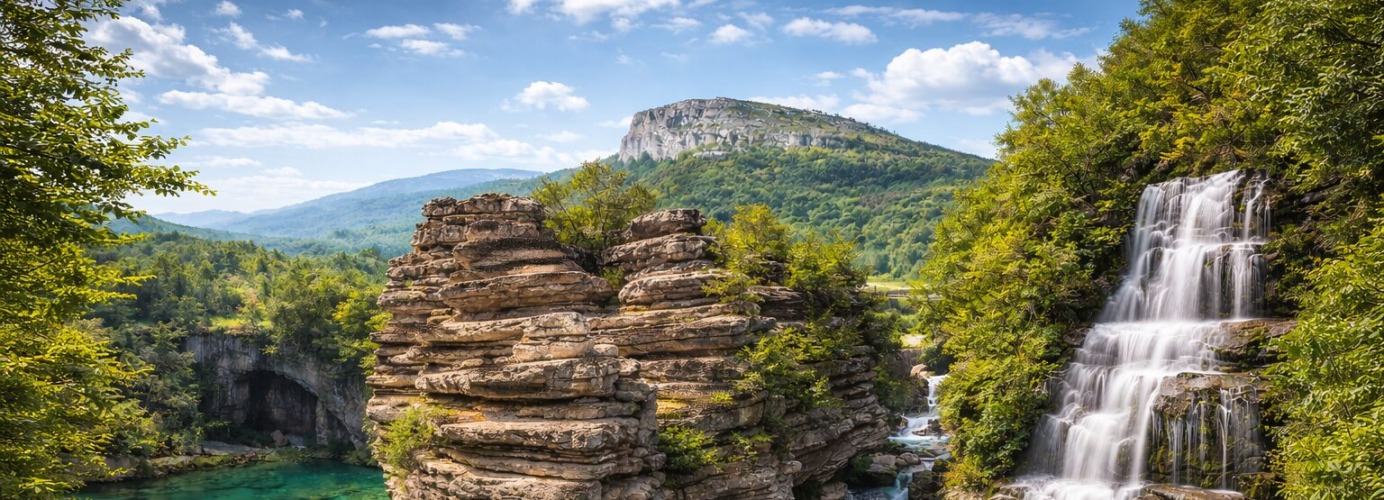
Spring is one of the most magical times to explore Serbia. As the snow melts in the mountains and rivers fill with fresh water, waterfalls become more powerful, forests turn bright green, and hidden landscapes come alive after winter. While many travelers focus on Belgrade, Novi Sad, or popular mountain resorts, Serbia is filled with lesser-known places that reveal their true beauty in spring.
From emerald springs and dramatic canyons to peaceful villages and secret waterfalls, these destinations offer an authentic glimpse into the country’s wild nature and quiet charm. If you are looking for unique places far from crowds, these hidden gems are perfect for a spring escape.
Taorska Vrela – Cascading Springs on Povlen Mountain
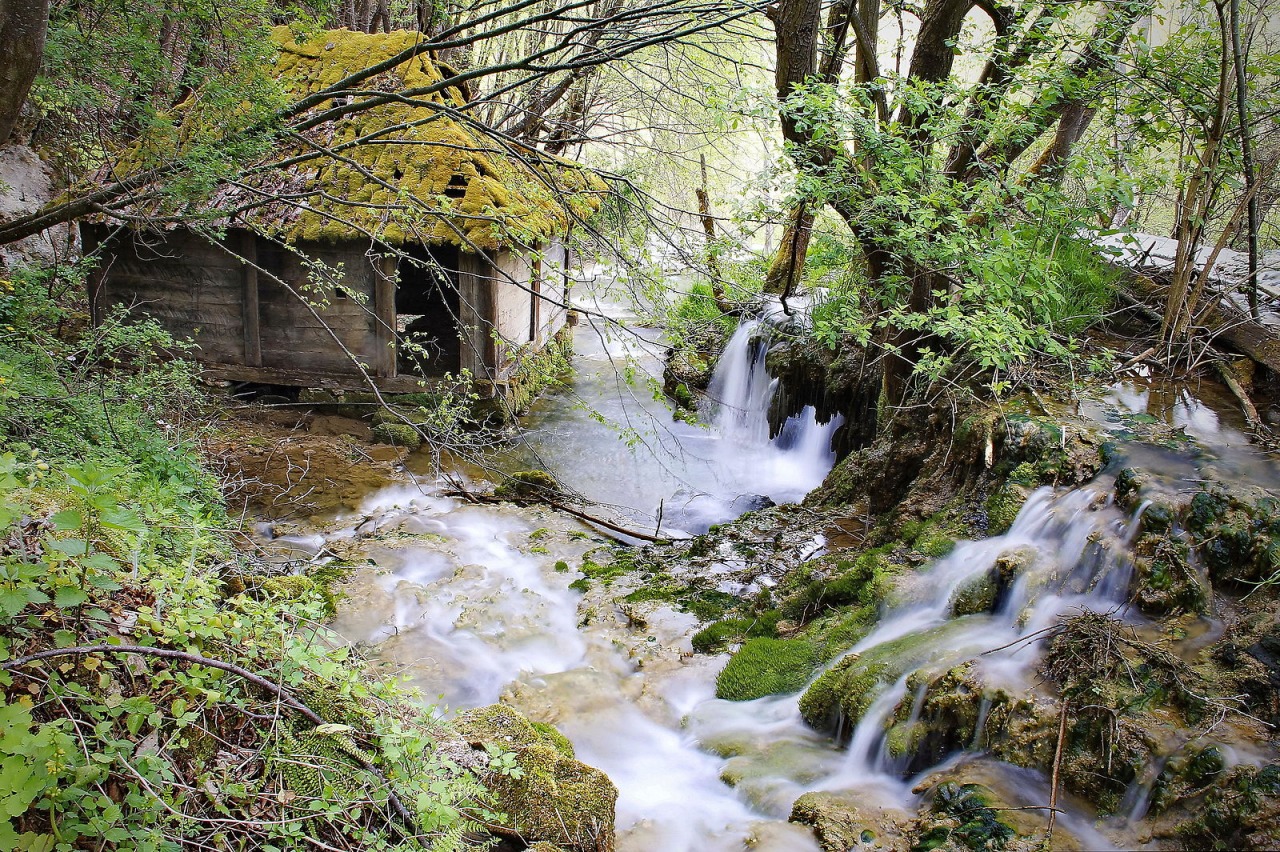
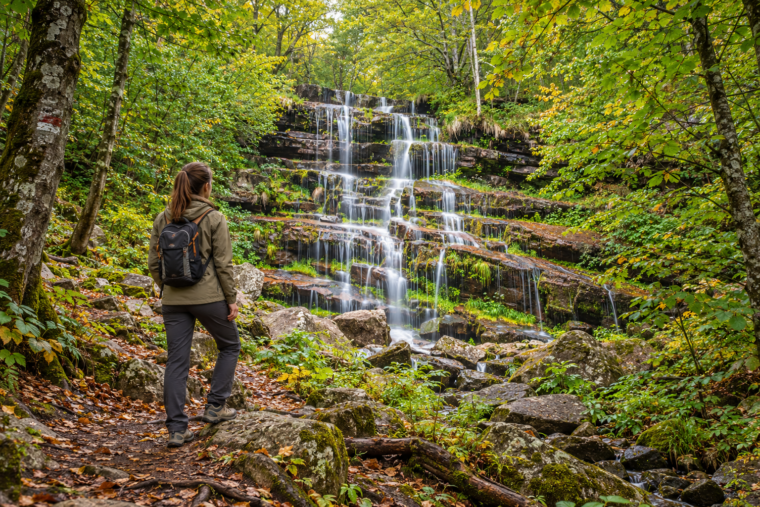
Hidden in the village of Donji Taor on Povlen Mountain, Taorska Vrela is one of the most enchanting natural sites in western Serbia. Here, crystal-clear spring water flows over natural limestone terraces, creating a series of small waterfalls and cascades that look almost like a natural sculpture.
Spring is the best time to visit because the water flow becomes stronger after winter rains, and the surrounding forests burst into fresh greenery.
Interesting fact:
Taorska Vrela once powered small traditional watermills that local villagers used for grinding grain. Some remains of these mills can still be seen today, giving the area a special historical charm.
Nearby, visitors can explore Povlen Mountain or visit the famous village of Struganik, birthplace of Serbian Field Marshal Živojin Mišić.
Bledarija Waterfall – A Hidden Waterfall of Eastern Serbia
Deep within the forests of Miroč Mountain near Kladovo lies Blederija, one of the most photogenic waterfalls in Serbia. The waterfall gently cascades over moss-covered rocks into a turquoise pool surrounded by untouched nature. In spring, the waterfall becomes especially impressive thanks to increased water flow, while the surrounding forest comes alive with fresh leaves and birdsong.
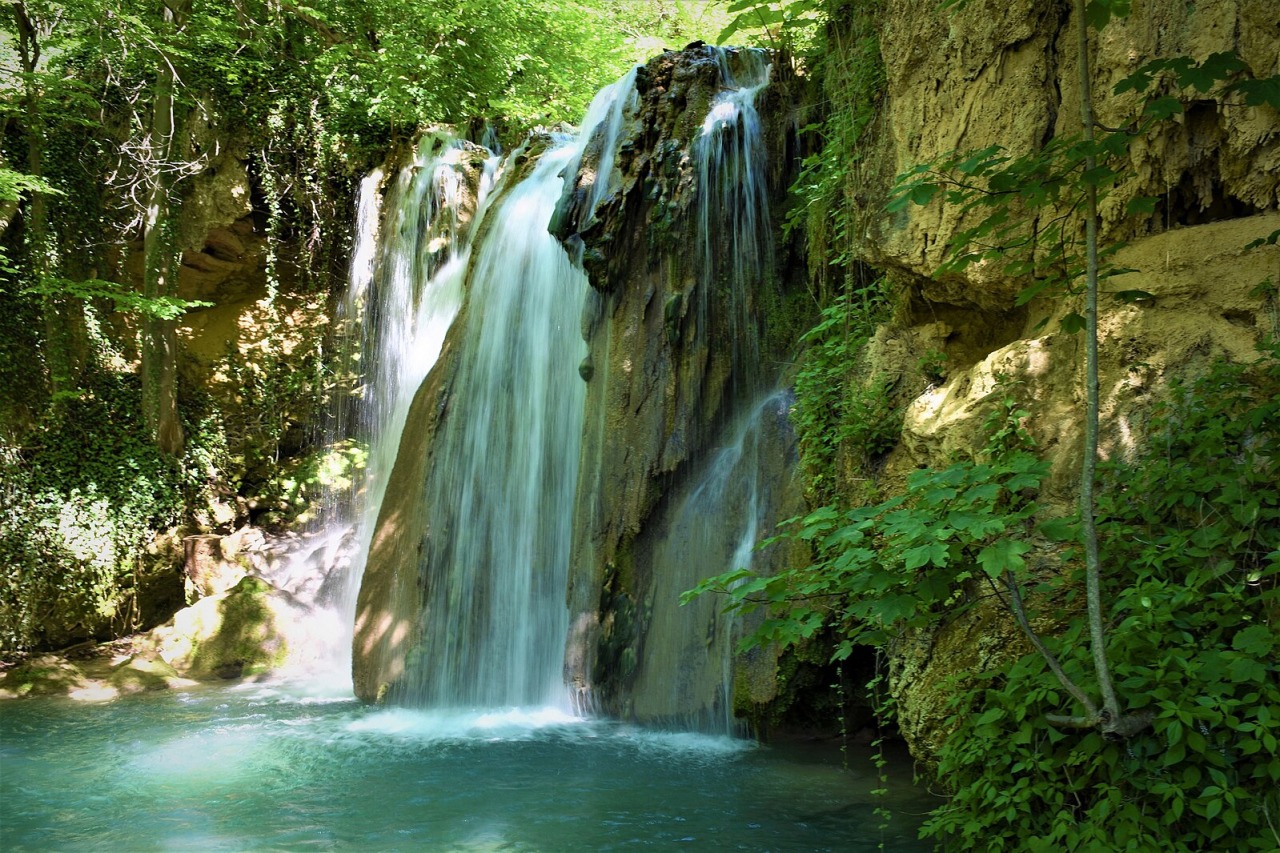
Interesting fact:
Blederija is part of the wider Đerdap region, an area known for its dramatic landscapes along the Danube and its rich biodiversity.
The nearby Đerdap National Park and the famous Lepenski Vir archaeological site make this region perfect for a longer nature trip.
Rosomački Lonci – Serbia’s “Mini Colorado”
Rosomački Lonci is a spectacular canyon located on the slopes of Stara Planina in eastern Serbia. Carved by the Rosomača River over thousands of years, the canyon features smooth rock formations shaped by water erosion. Because of its unusual geological formations, many locals call it the “Serbian Colorado.”
Spring is the most beautiful season here: moss covers the rocks, the river flows stronger, and the surrounding hills turn vibrant green.
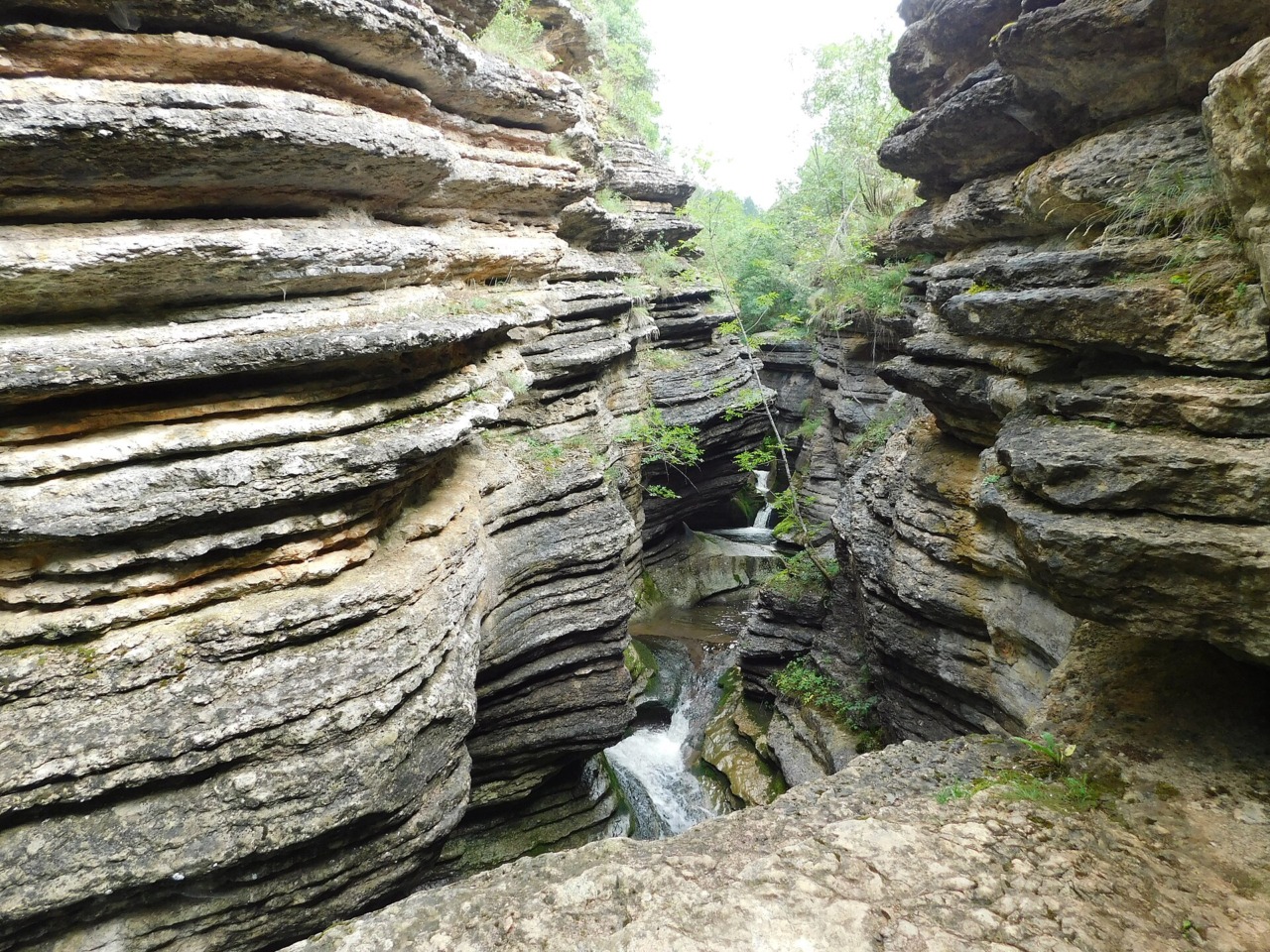
Interesting fact:
The rock formations here resemble giant natural pots or bowls, which is why the place is called “lonci” (pots) in Serbian.
Tupavica Waterfall – One of the Most Beautiful Waterfalls on Stara Planina
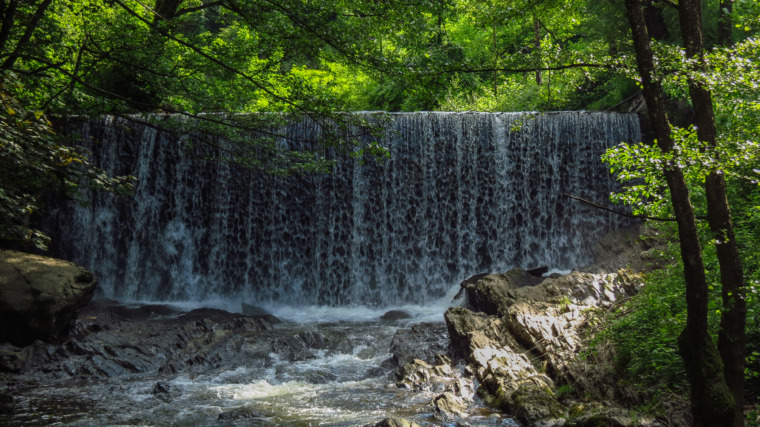
Tupavica Waterfall is among the most famous waterfalls of Stara Planina, yet it still feels wonderfully secluded. Unlike narrow waterfalls that fall in a single stream, Tupavica forms a wide curtain-like cascade spreading across the rock face.
During spring, melting snow from the mountain feeds the streams, making the waterfall particularly powerful.
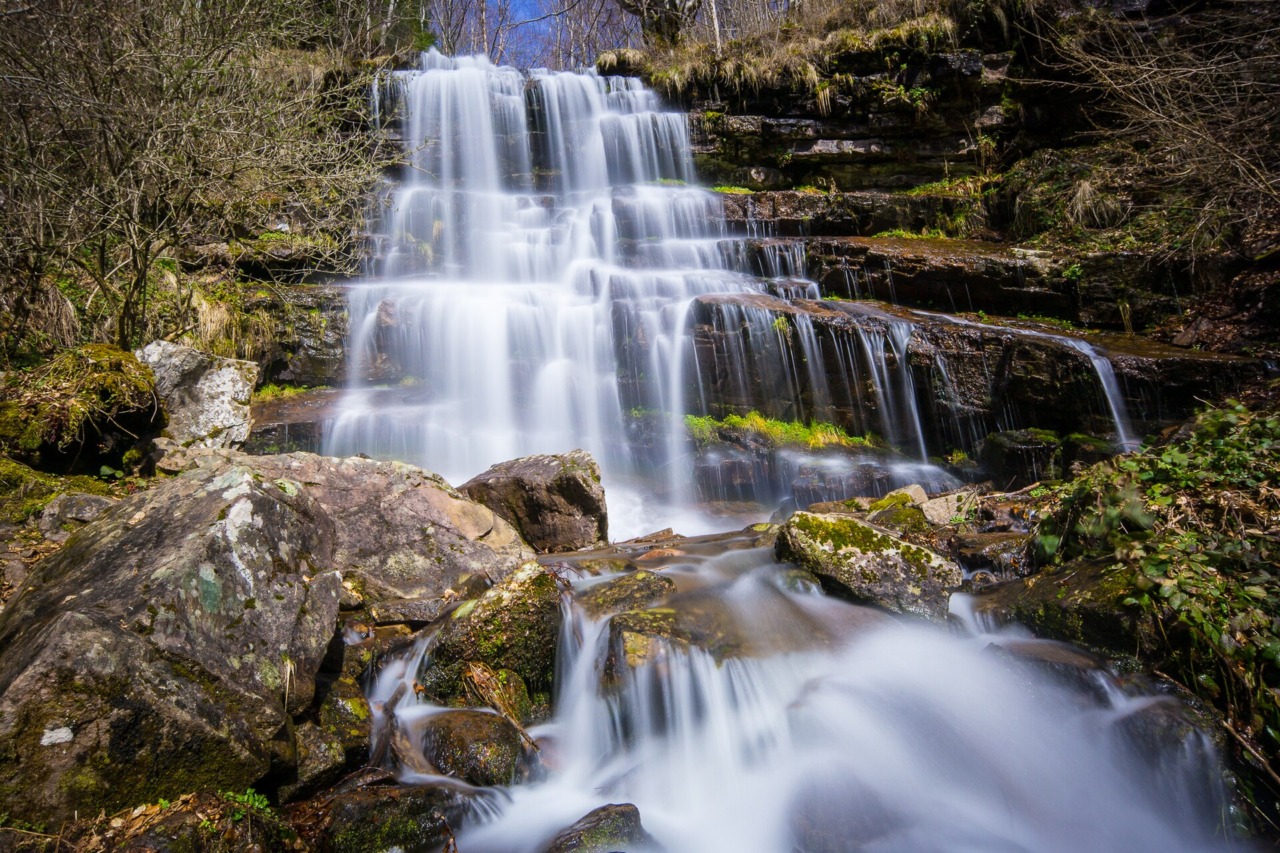
Interesting fact:
The meadow surrounding Tupavica becomes covered with wildflowers in spring, making it a favorite destination for photographers and hikers.
Stol Mountain – A Dramatic Limestone Landscape
Rising above the mining town of Bor, Stol Mountain is one of the most striking peaks in eastern Serbia. Its sharp limestone ridges and steep slopes give the mountain a dramatic alpine appearance.
Spring is the ideal season for hiking here, before summer heat arrives. From the summit, visitors are rewarded with panoramic views of eastern Serbia’s forests and mountains.
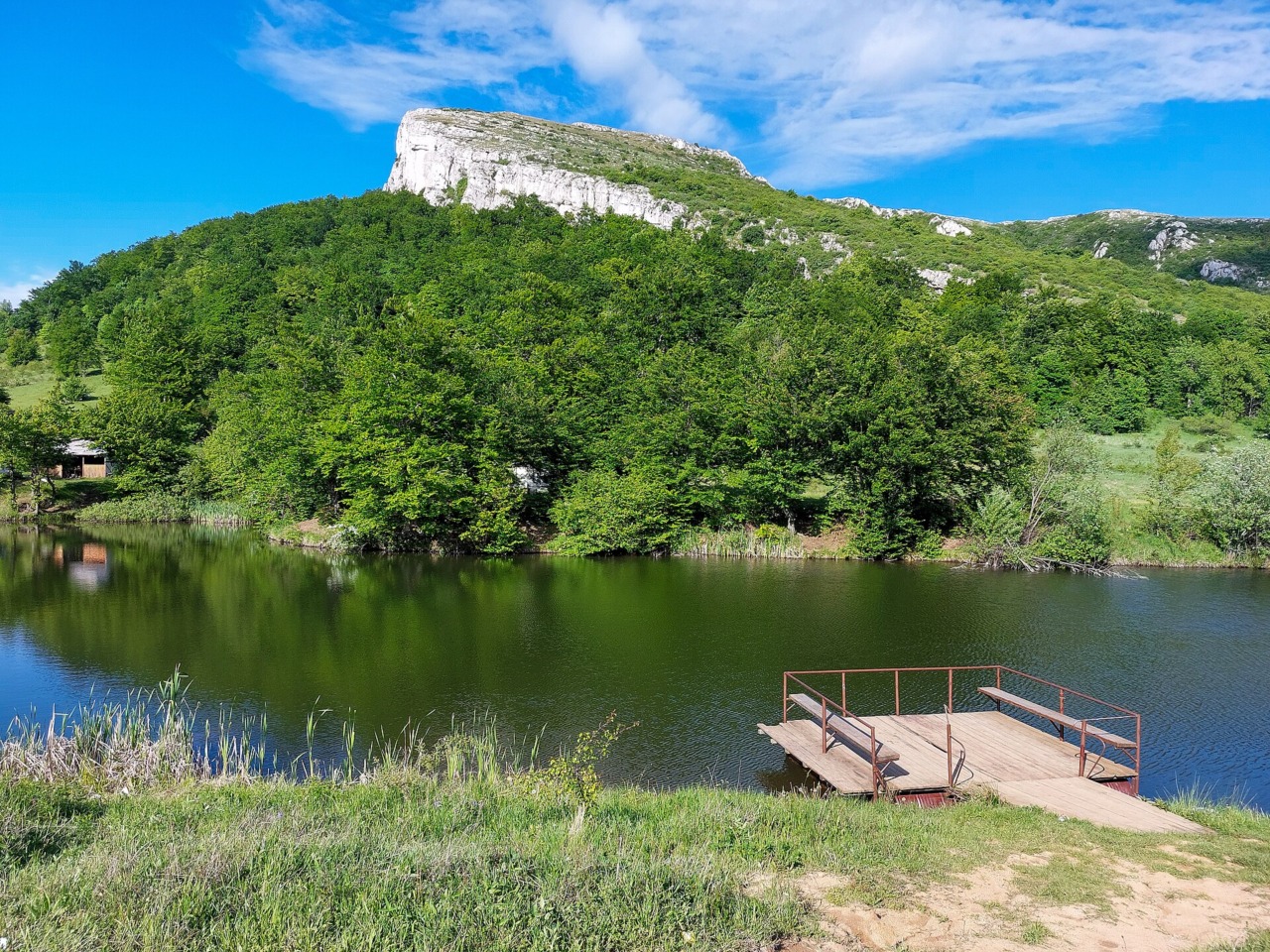
Interesting fact:
Stol is considered one of the best hiking mountains in Serbia, with trails suitable for both beginners and experienced mountaineers.
Jerma River Canyon – One of Serbia’s Wildest Landscapes
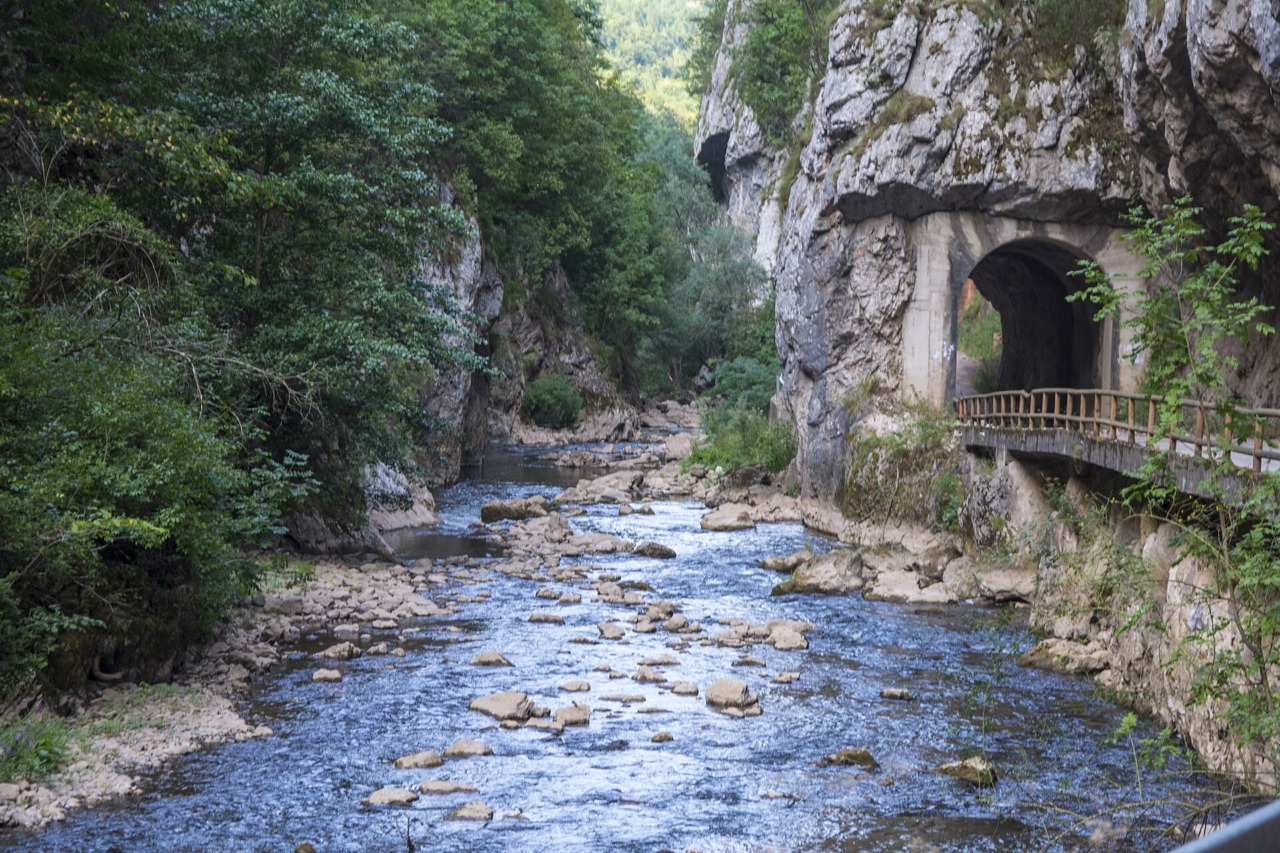
The Jerma River Canyon near the Bulgarian border is one of Serbia’s most dramatic and least explored natural landscapes. The river carved a deep gorge between steep cliffs, creating a wild and peaceful environment far from busy tourist routes.
Spring is an especially rewarding time to visit, when the river is strong and the canyon is covered in lush vegetation.
Interesting fact:
The canyon hides several historic monasteries and churches, including the beautiful Poganovo Monastery, famous for its medieval frescoes.
Krupajsko Vrelo – A Turquoise Spring Beneath Beljanica
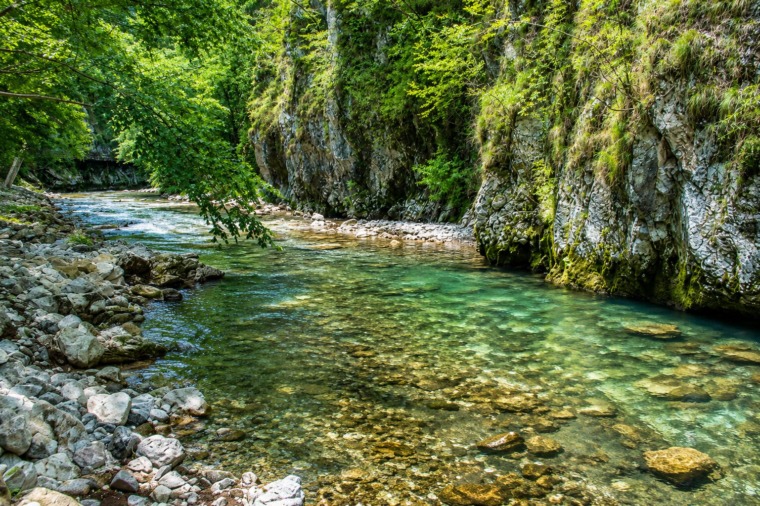
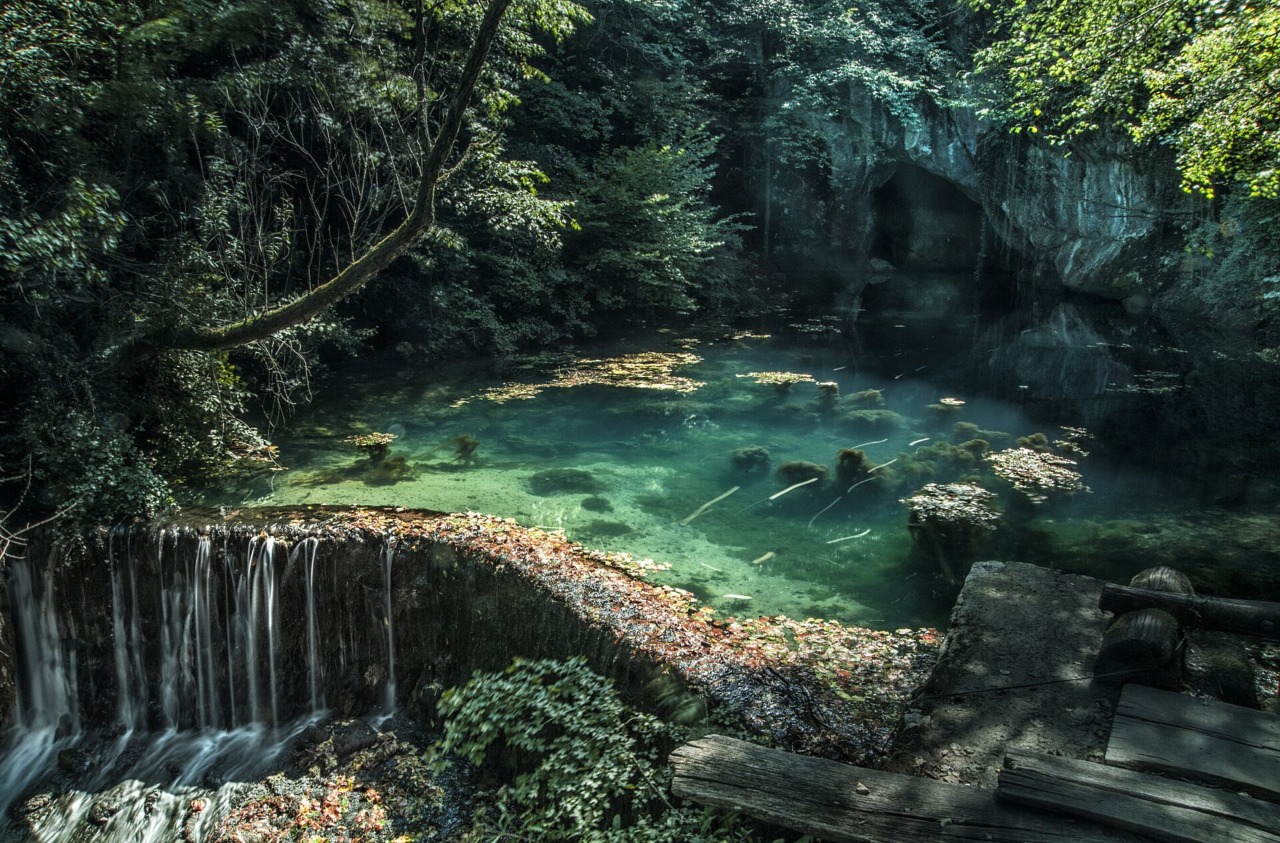
At the foot of Beljanica Mountain in the Homolje region lies Krupajsko Vrelo, one of Serbia’s most mesmerizing natural springs. The water emerges from a deep cave beneath towering cliffs, forming a vivid turquoise pool.
In spring, the surrounding landscape becomes lush and vibrant, making the spring even more picturesque.
Interesting fact:
The exact depth of Krupajsko Vrelo is still unknown. Divers have explored its underwater cave system for years, but its deepest parts remain a mystery.
Zavojsko Lake – A Peaceful Mountain Lake
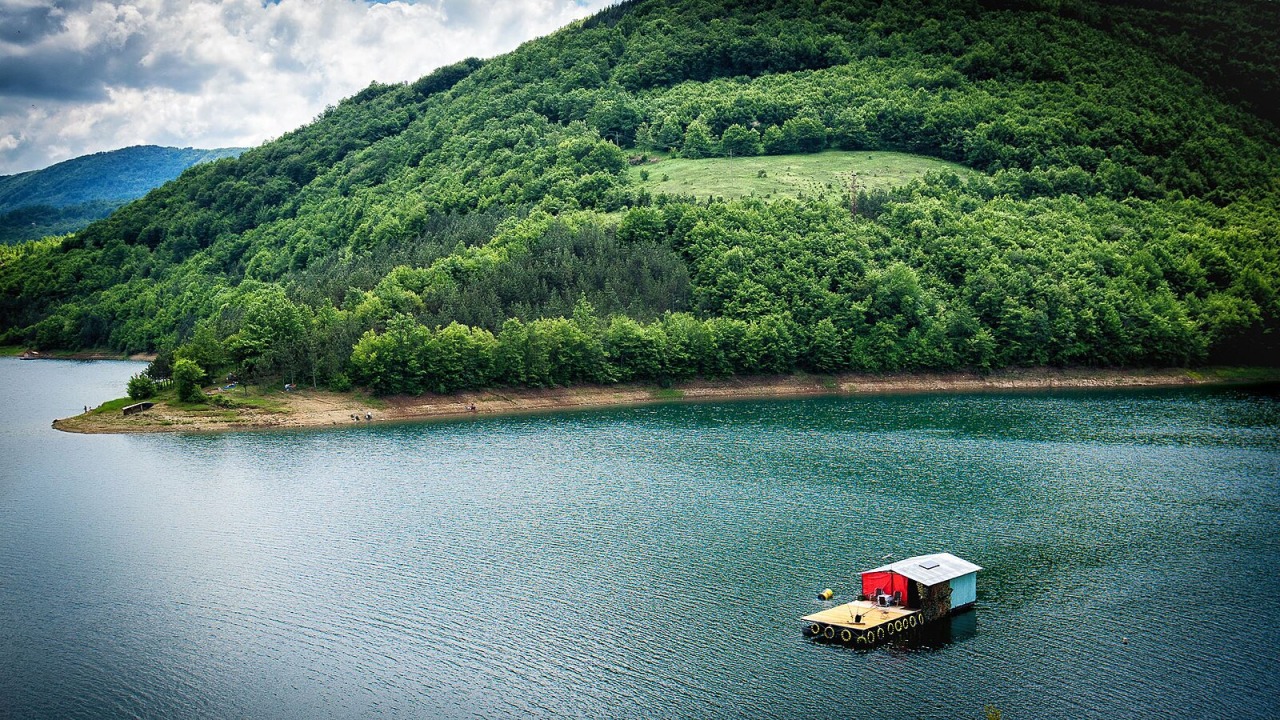
Located near Stara Planina, Zavojsko Lake is a tranquil reservoir surrounded by forested mountains and quiet villages. The lake formed after a landslide in the 1960s blocked the river valley.
Spring transforms the area into a beautiful landscape of green hills and mirrored reflections on calm water.
Interesting fact:
The lake hides the remains of an old flooded village beneath its waters, adding a mysterious element to this peaceful destination.
Rudno – A Highland Village on Golija Mountain
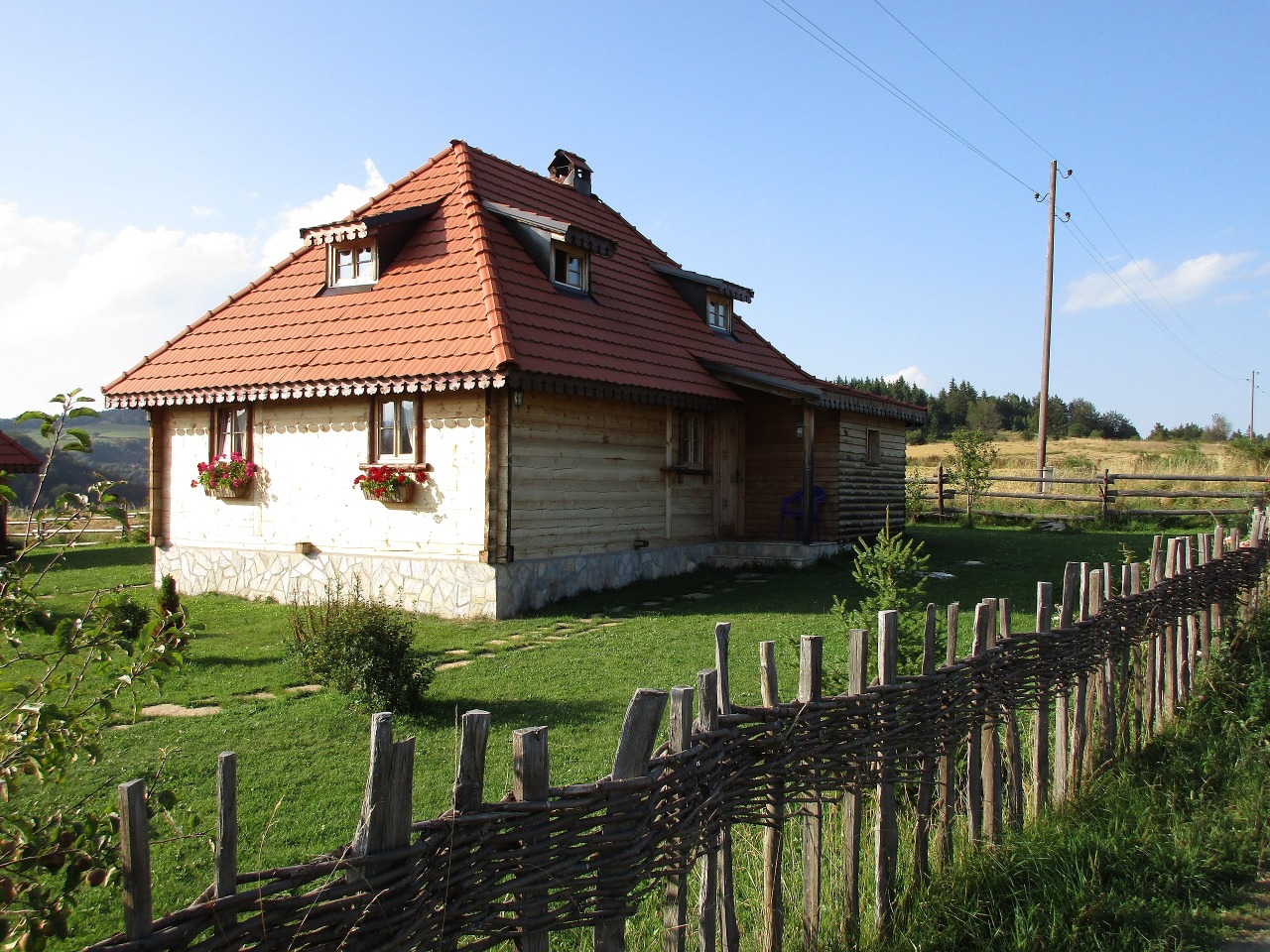
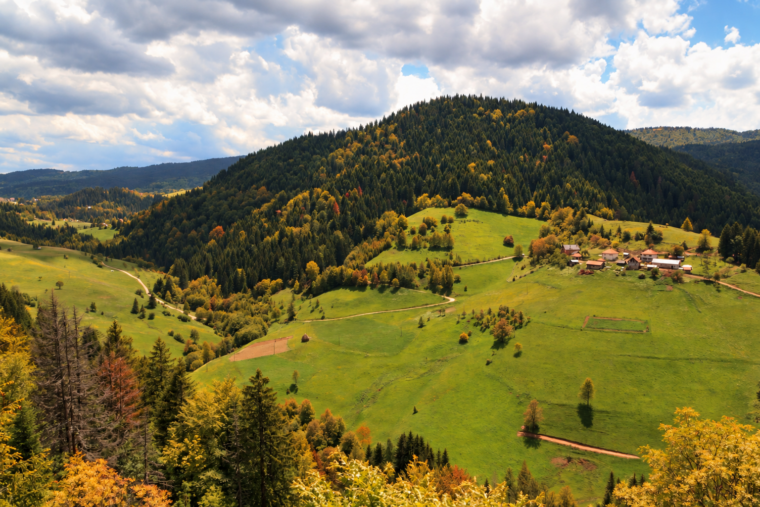
Rudno is a charming mountain village located on the slopes of Golija, one of Serbia’s most pristine mountain regions. Known for its clean air, traditional wooden houses, and wide meadows, the village offers a perfect escape into nature.
Spring brings blooming wildflowers and fresh mountain air, making it an ideal place for hiking, cycling, and slow travel.
Interesting fact:
Golija Mountain is part of a UNESCO biosphere reserve thanks to its exceptional biodiversity and well-preserved forests.
Gostilje Waterfall – A Hidden Jewel of Zlatibor
Located in the village of Gostilje near Zlatibor, this waterfall drops about 20 meters over layered rock formations. Wooden walkways allow visitors to approach the waterfall while enjoying views of the surrounding valley.
Spring brings stronger water flow and lush greenery that makes the waterfall particularly photogenic.
Interesting fact:
The Gostilje area is also famous for traditional rural households where visitors can taste homemade prosciutto, kajmak, and other specialties of western Serbia.
Discover Serbia Beyond the Usual Routes
Serbia’s beauty is often found far from its most famous landmarks. Hidden springs, quiet mountain villages, and secret waterfalls reveal a side of the country that many travelers never experience. Spring is the perfect time to explore these landscapes, when nature awakens and the countryside becomes vibrant and alive.
For those willing to venture beyond the usual tourist routes, Serbia offers countless places that feel untouched, authentic, and surprisingly beautiful.
Related Articles
5 Easy Hikes in Serbia for People Who Don’t Usually Hike
September 15, 2026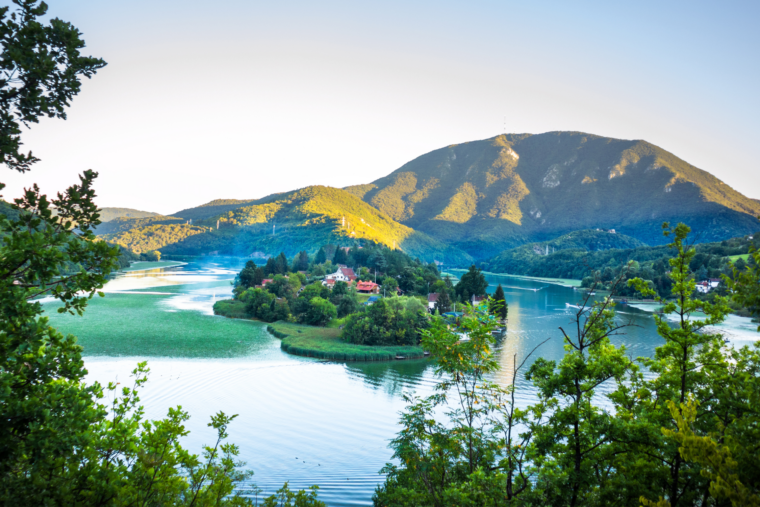
7 Places in Serbia Where Summer Lasts a Little Longer
September 3, 2026