
Serbia lies in the central part of the Balkan Peninsula, at the geographical and cultural crossroads between Central and Southeast Europe. Its position has connected the Danube basin with the Adriatic, Aegean, and Black Sea regions for centuries, making the country an important meeting point of routes, peoples, and cultures.
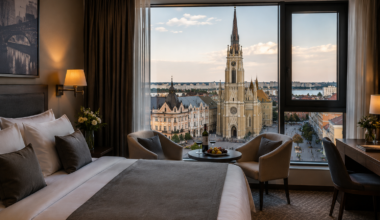
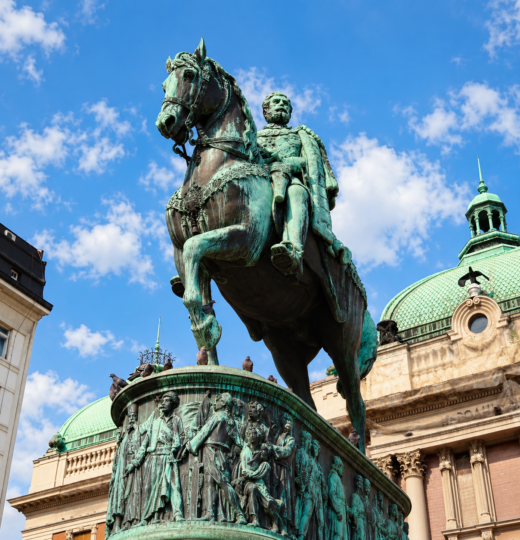
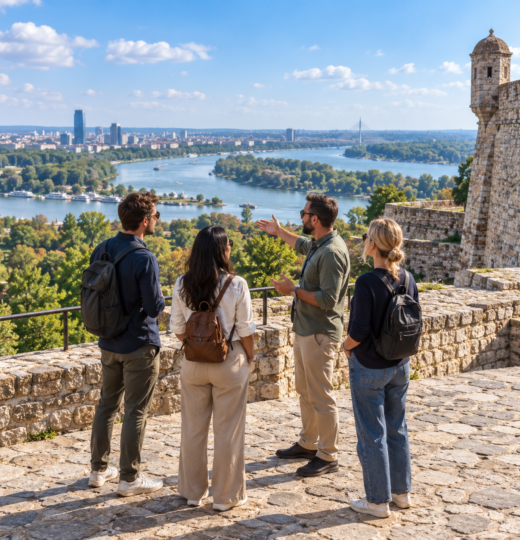
Although Serbia has no coastline, it occupies a central position in the region and is within relatively easy reach of many European capitals. Belgrade, the country’s capital and largest city, stands at the confluence of the Sava and Danube rivers and serves as Serbia’s principal transport, economic, and cultural centre.
Serbia shares borders with Hungary to the north; Romania and Bulgaria to the east; North Macedonia to the south; Montenegro, Bosnia and Herzegovina, and Croatia to the west. Under Serbia’s constitutional framework, its territory also extends to the border with Albania through Kosovo and Metohija, whose political status remains disputed internationally.
Serbia’s Geography
Serbia covers approximately 88,500 square kilometres according to official Serbian data. Its landscape changes considerably from north to south, creating a country of striking geographical contrasts within a relatively compact territory.
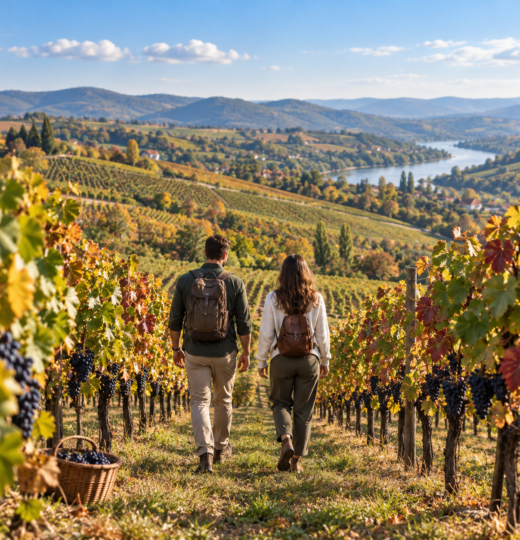
The northern province of Vojvodina forms part of the Pannonian Plain. This predominantly flat region is characterised by fertile agricultural land, wide horizons, rivers, wetlands, vineyards, and the low slopes of Fruška Gora and the Vršačke Mountains.
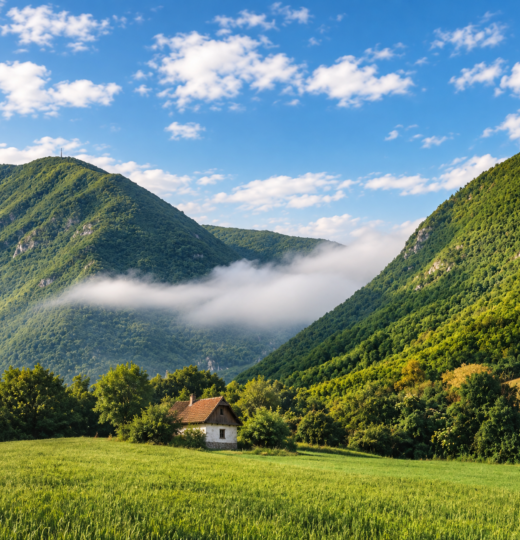
Central Serbia is shaped by river valleys, rolling hills, orchards, forests, and cultivated landscapes. Šumadija, the country’s historic central region, is particularly known for its gentle hills, villages, fruit-growing areas, and wooded countryside.
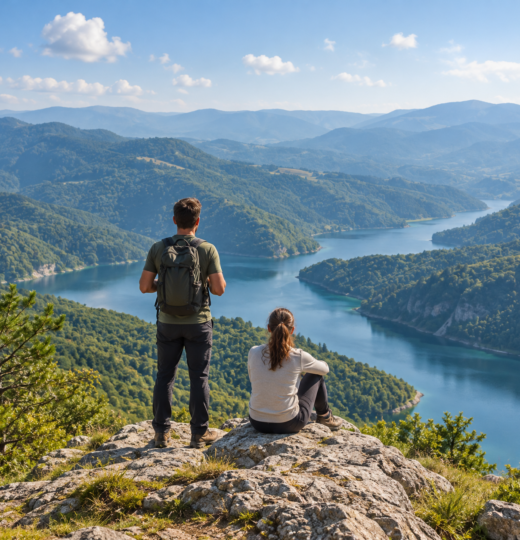
Western, eastern, and southern Serbia are more mountainous. These parts of the country contain deep gorges, caves, waterfalls, forests, high plateaus, and some of Serbia’s most dramatic natural landscapes. The Dinaric Alps influence the west, while the Carpathian and Balkan mountain systems shape much of the east.
Rivers and Lakes
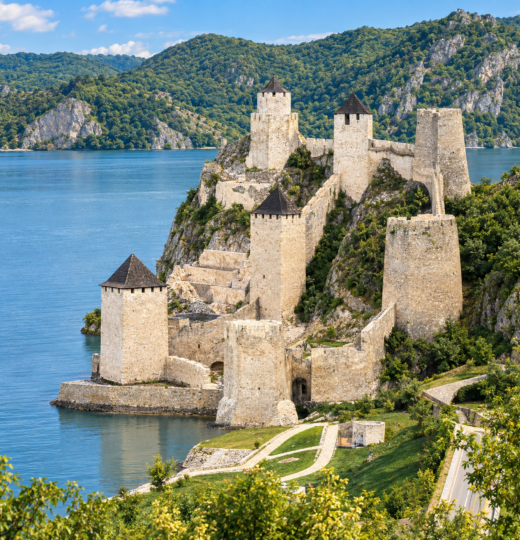
Rivers have played an important role in Serbia’s geography, settlement, trade, and cultural development. The Danube is the country’s most significant river and flows through Serbia for approximately 588 kilometres. It passes through Novi Sad and Belgrade before continuing towards the dramatic Đerdap Gorge on the border with Romania.
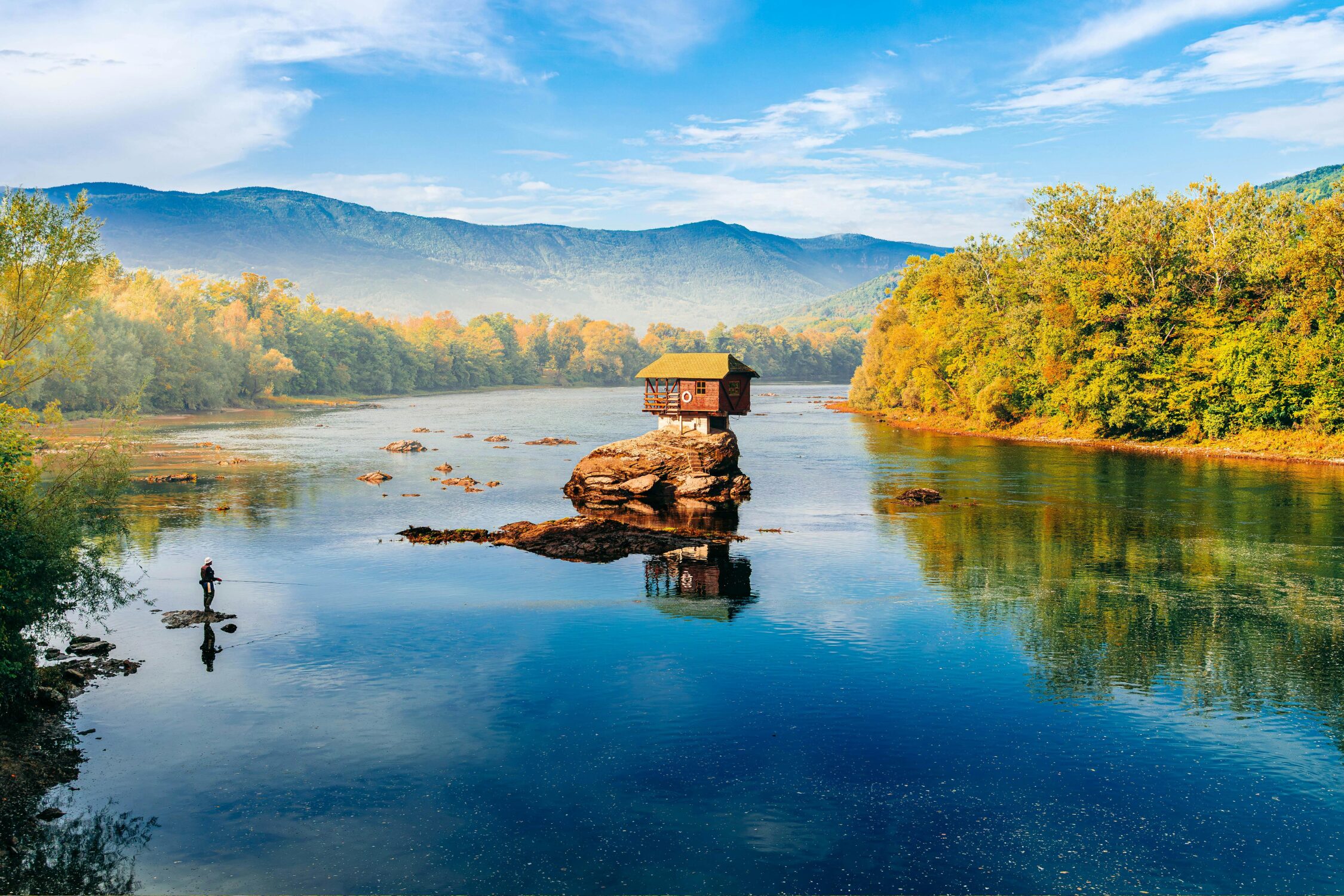
Other major rivers include the Sava, Tisa, Drina, Velika Morava, Zapadna Morava, Južna Morava, Ibar, and Timok. Together, they create fertile valleys, wetlands, reservoirs, and important natural corridors across the country.
Serbia has numerous natural and artificial lakes. Palić, Perućac, Zaovine, Vlasina, Uvac, and the Đerdap reservoir are among the best known, each surrounded by a distinctive combination of landscapes, settlements, and ecosystems.
Mountains, Plains, and Valleys
Serbia’s varied relief makes it possible to travel from the flat landscapes of Vojvodina to forested hills and high mountain areas within a few hours.
The northern plains are crossed by the Danube, Tisa, and Sava, while the central parts of the country are characterised by hills and broad river valleys. Further south and west, the landscape becomes increasingly mountainous.
Kopaonik, Stara Planina, Tara, Zlatibor, Golija, Zlatar, Rtanj, and the mountains of the Šar and Prokletije ranges are among the country’s most prominent mountain areas. Many are known for protected ecosystems, forests, traditional villages, hiking routes, winter sports, and wide panoramic views.
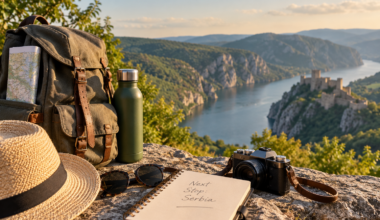
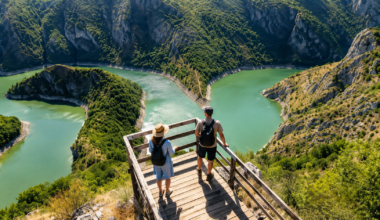
The country’s mountain relief has also created numerous gorges and canyons, including Đerdap, Ovčar–Kablar, Sićevo, Uvac, and the Lazarev Canyon.
Climate and Seasons
Most of Serbia has a moderate continental climate, although conditions vary considerably according to altitude and region.
Northern and central areas generally experience warm summers and cold winters, while mountain regions have lower temperatures, longer winters, and more frequent snowfall. Southern and eastern parts of the country can experience warmer summers, while valleys and sheltered areas often have their own local climate.
Spring and autumn are usually mild but changeable. Summer temperatures can rise considerably, particularly in cities and lowland areas, while winter weather ranges from rain and fog in the plains to deep snow and freezing temperatures in the mountains.
These differences allow visitors to experience four distinct seasons – from flowering landscapes and warm summer rivers to colourful autumn forests and snow-covered mountain peaks.
Basic Facts About Serbia
Official name: Republic of Serbia
Capital: Belgrade
Location: Central and Southeast Europe, on the Balkan Peninsula
Area: Approximately 88,500 km² according to official Serbian data
Population: Approximately 6.6 million
Official language: Serbian
Official script: Cyrillic
Currency: Serbian dinar (RSD)
Time zone: Central European Time – CET (UTC+1); CEST (UTC+2) during daylight saving time
International calling code: +381
Internet domains: .rs and .срб
Vehicle registration code: SRB
Driving side: Right
Serbian is written in both Cyrillic and Latin scripts, and both are widely used in everyday life. English is commonly spoken in larger cities, hotels, restaurants, and major tourist destinations.
A Country of Geographic Contrasts
Serbia’s location and varied terrain have shaped every aspect of the country – from its settlements and architecture to its food, traditions, and ways of life.
The plains of the north reflect Central European influences, while the mountain landscapes and river valleys of the south connect Serbia more closely with the wider Balkans. Along the Danube, historic towns, fortresses, archaeological sites, and natural areas reveal the importance of the river as one of Europe’s great cultural and geographical corridors.
This meeting of plains and mountains, Central Europe and the Balkans, urban centres and rural landscapes gives Serbia its distinctive character and makes its geography an essential part of understanding the country.