
Serbian literature developed through centuries of political change, cultural encounters, migrations, conflicts, and transformations. From medieval religious manuscripts and epic poetry preserved through oral tradition to modern novels, drama, and contemporary writing, literature has played an essential role in protecting the country’s language, memory, and cultural identity.
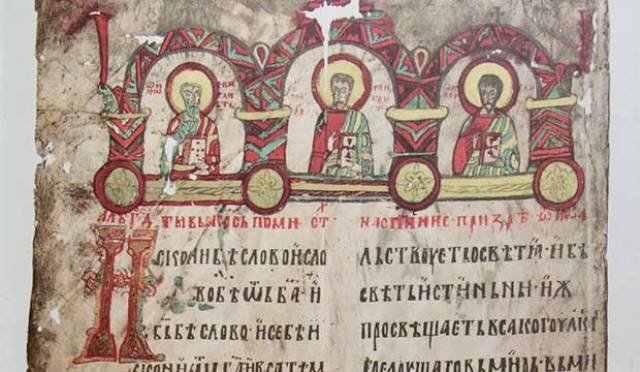
The earliest chapters of Serbian literary history are closely connected with medieval monasteries, religious texts, biographies of rulers and saints, and the development of Slavic literacy. Among its greatest treasures is the Miroslav Gospel, an illuminated manuscript from the 12th century included in UNESCO’s Memory of the World Register.
During centuries of Ottoman rule, oral literature became one of the principal ways in which stories, historic events, customs, and collective memories were preserved. Epic poems were performed to the sound of the gusle, while lyric songs explored love, family, sorrow, nature, work, and everyday life.
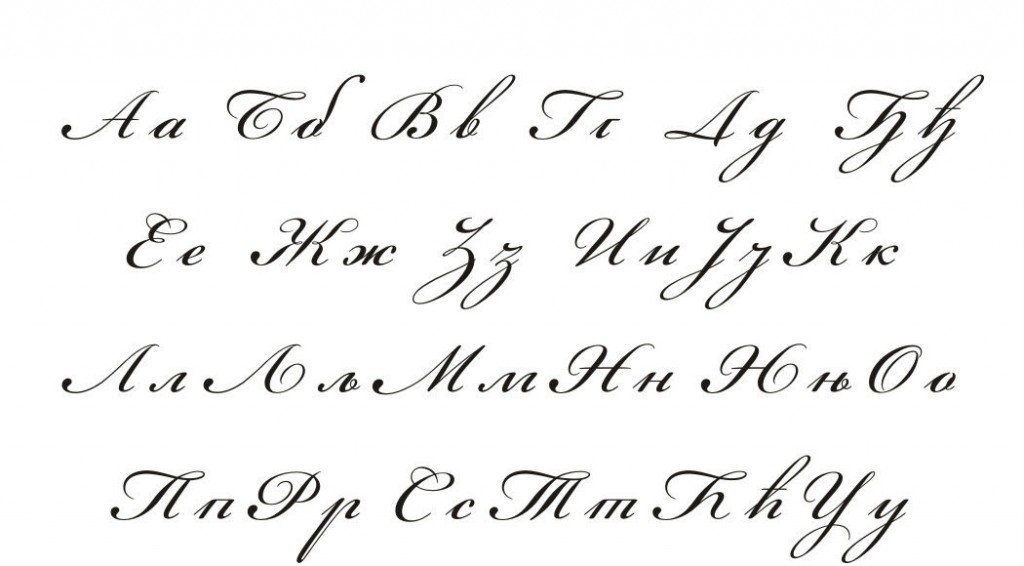
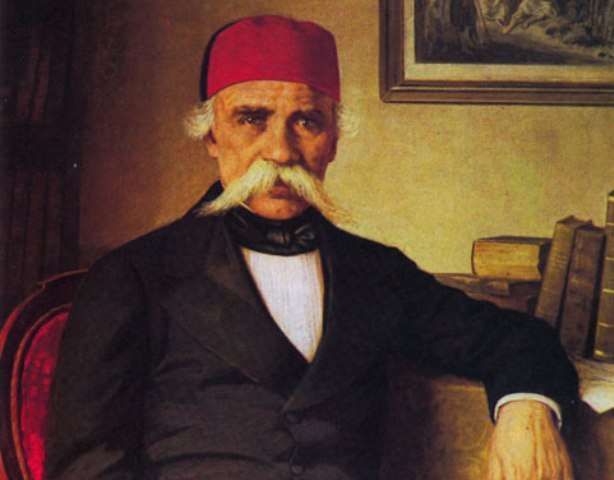
The language reforms of Vuk Stefanović Karadžić brought literature closer to ordinary people and helped establish the foundations of the modern Serbian literary language. Writers who followed explored questions of freedom, identity, social change, morality, belonging, and the individual’s place within history.
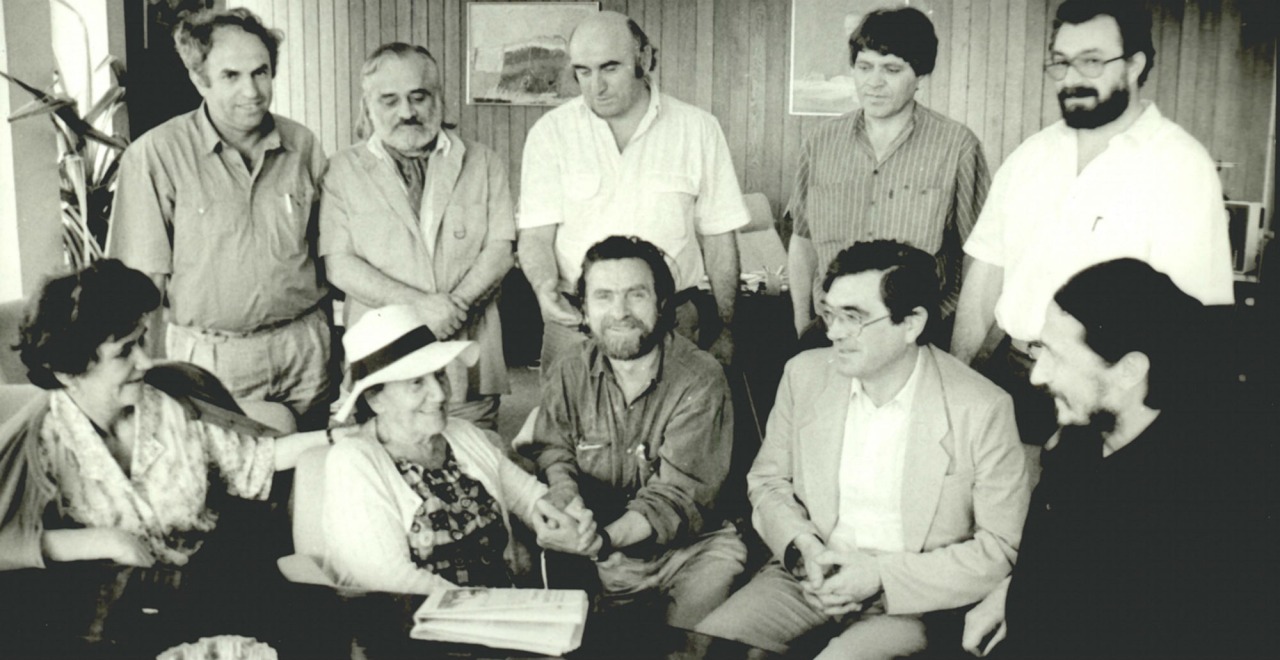
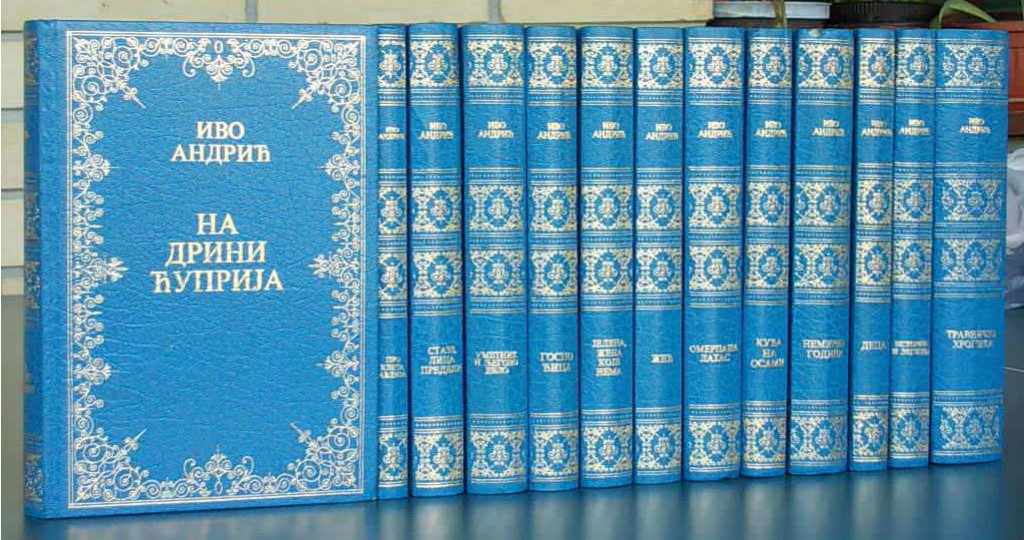
In the 20th century, Serbian and Yugoslav literature reached wider international audiences. Ivo Andrić received the Nobel Prize in Literature in 1961, while writers such as Miloš Crnjanski, Meša Selimović, Danilo Kiš, Borislav Pekić, Desanka Maksimović, and Milorad Pavić created works that continue to be read, translated, and discussed around the world.