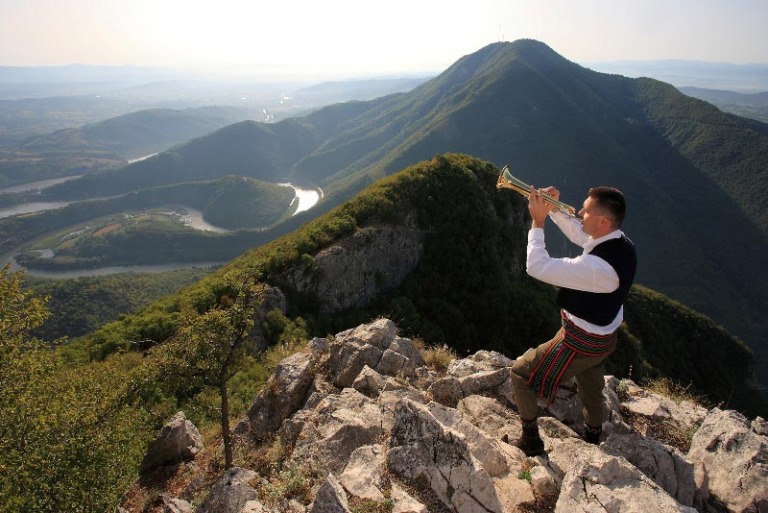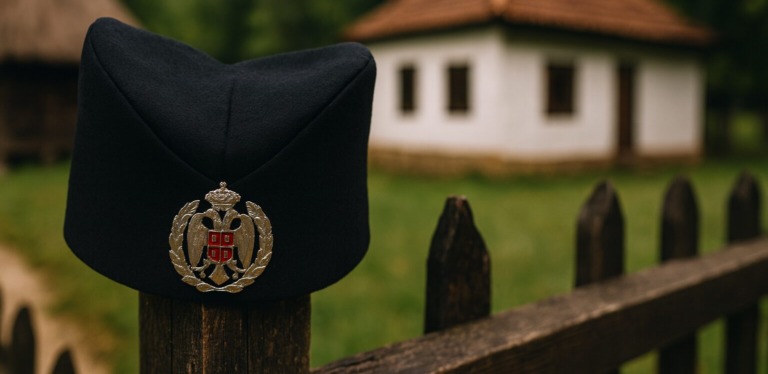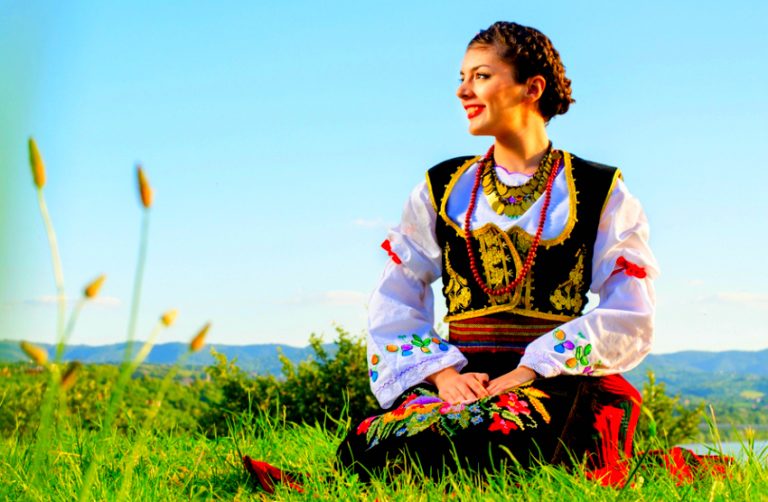

Serbia’s ethnic heritage developed through centuries of migrations, cultural encounters, changing borders, and everyday life shared between different communities. Its customs, clothing, music, dance, beliefs, and regional identities reflect both continuity and constant cultural exchange.
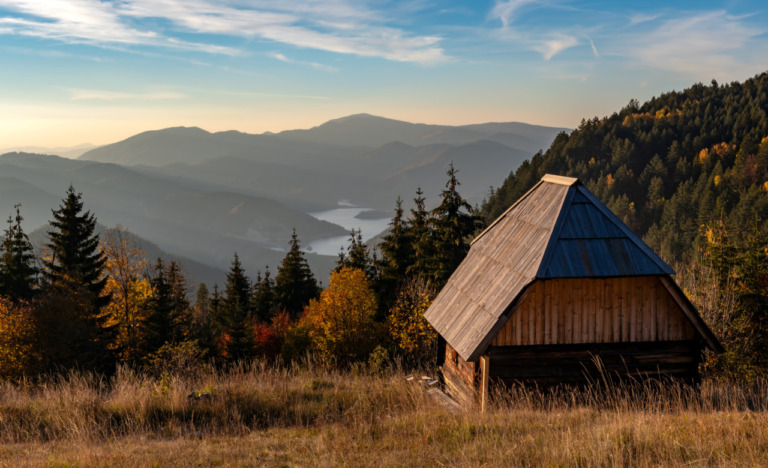
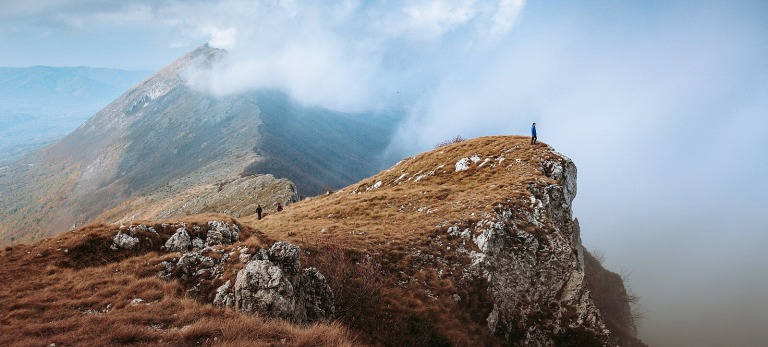
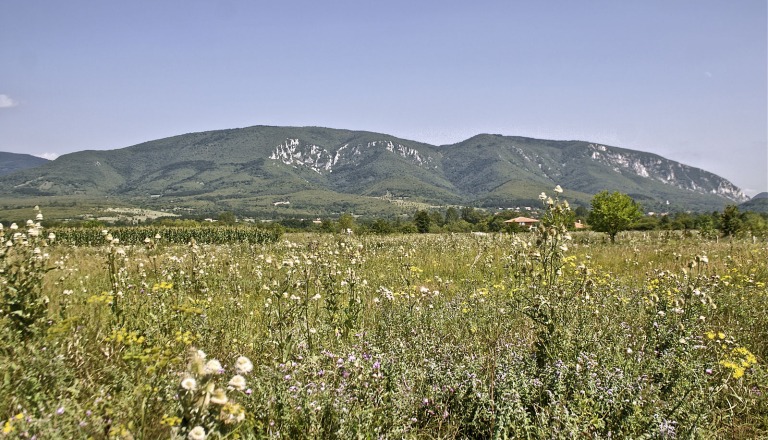
Geography played an important role in shaping this heritage. Life in the Pannonian plains differed from life in the mountains, river valleys, pastoral regions, and southern towns. Climate, available materials, occupations, religion, and contact with neighbouring cultures influenced what people wore, how they celebrated, and how they expressed their identity.
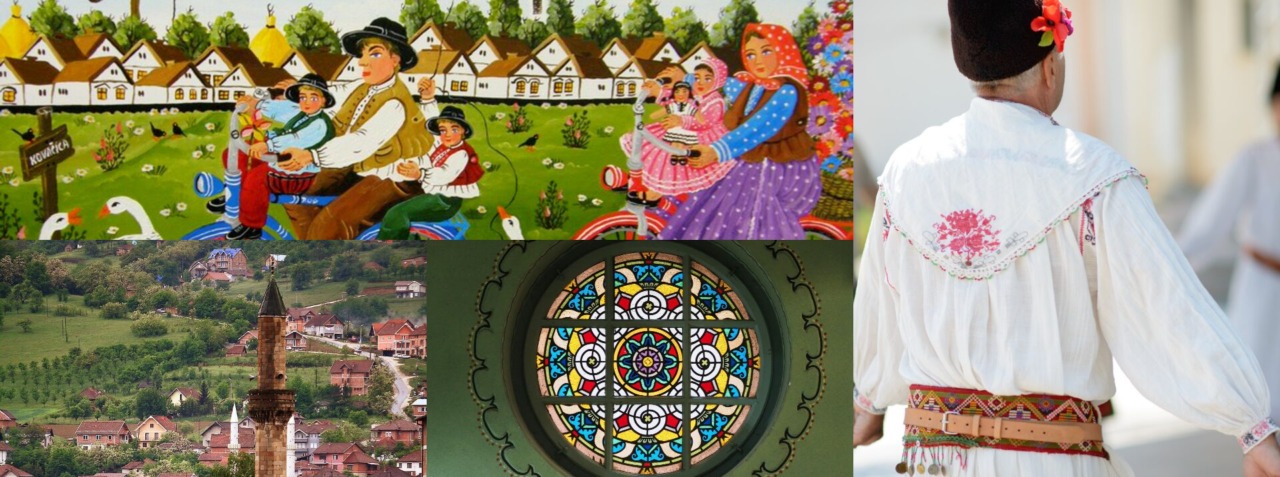
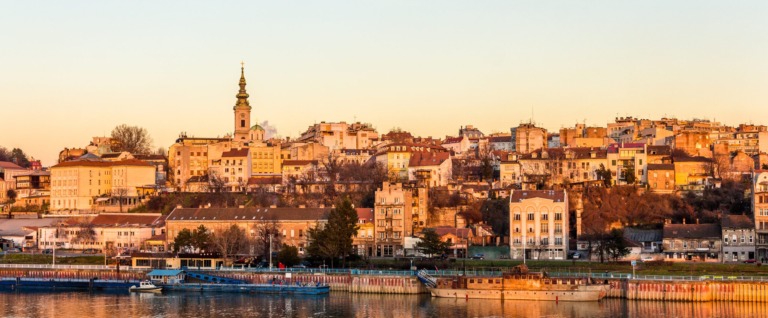
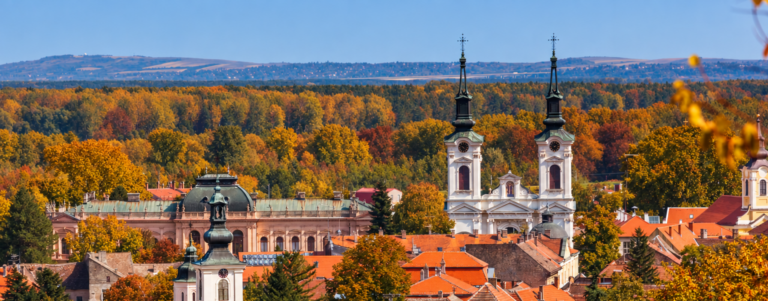
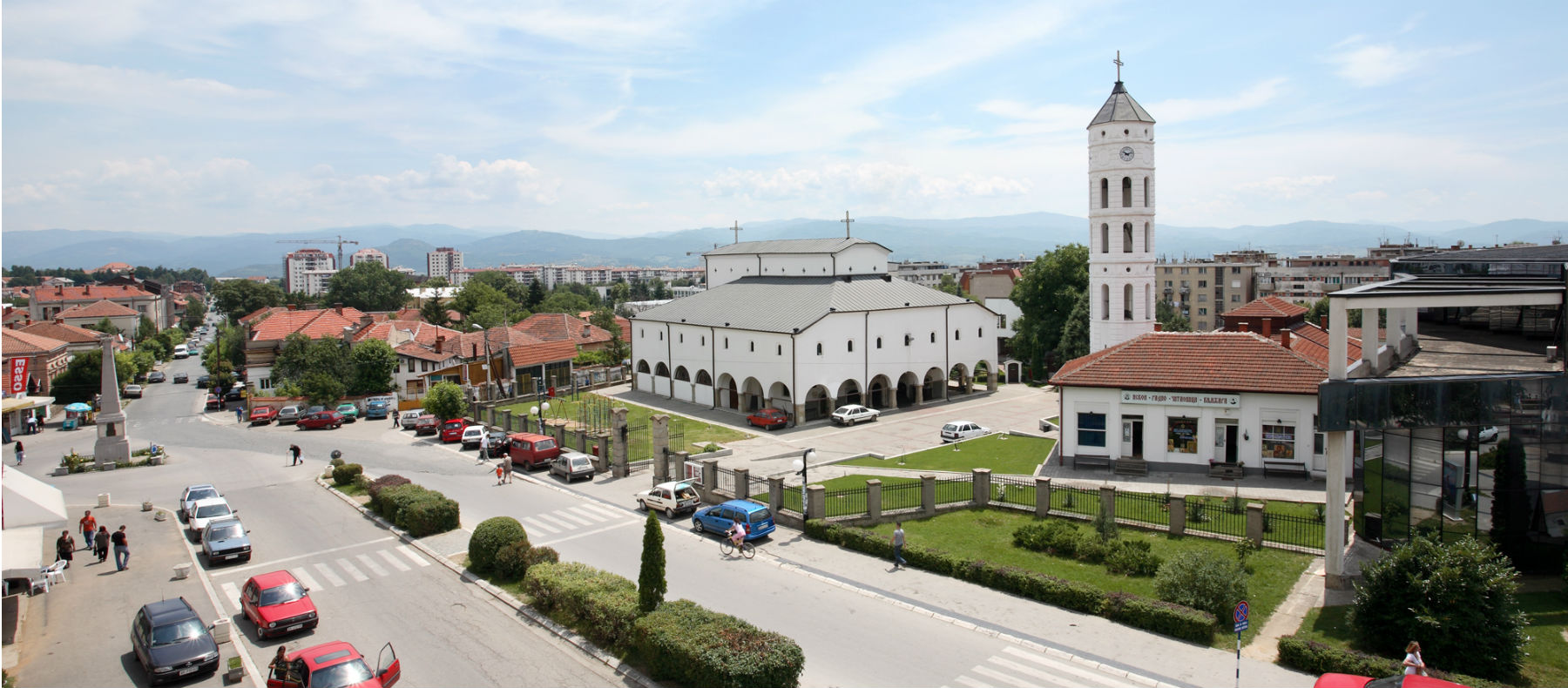
Eastern and Western traditions met on the territory of Serbia, while Byzantine, Ottoman, Central European, Balkan, and Mediterranean influences became visible in architecture, clothing, music, food, and social life.
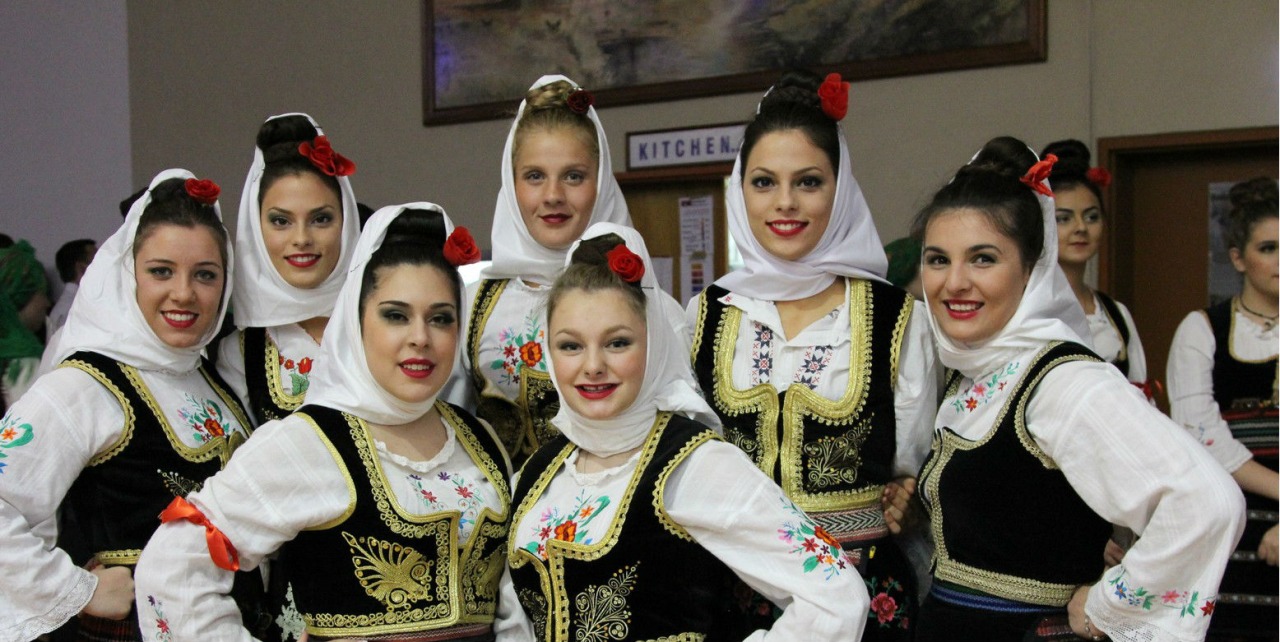
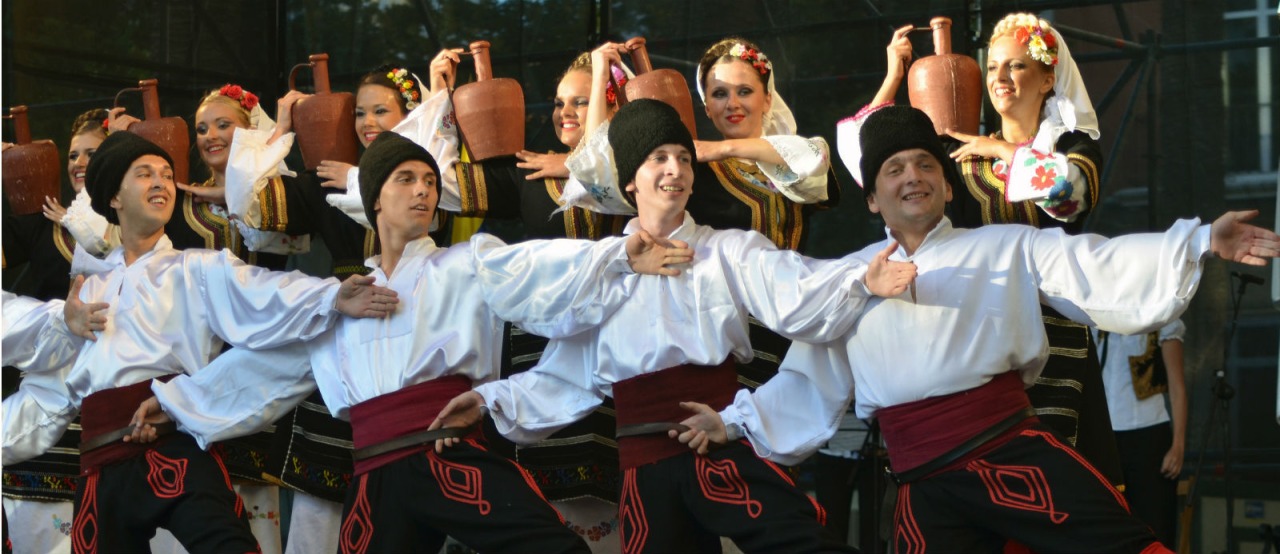
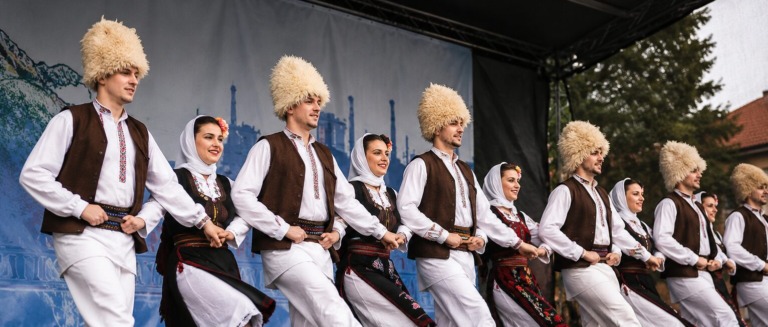
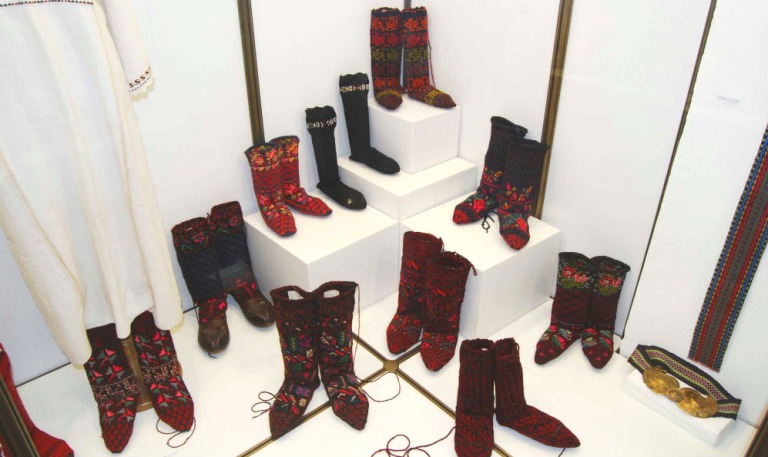
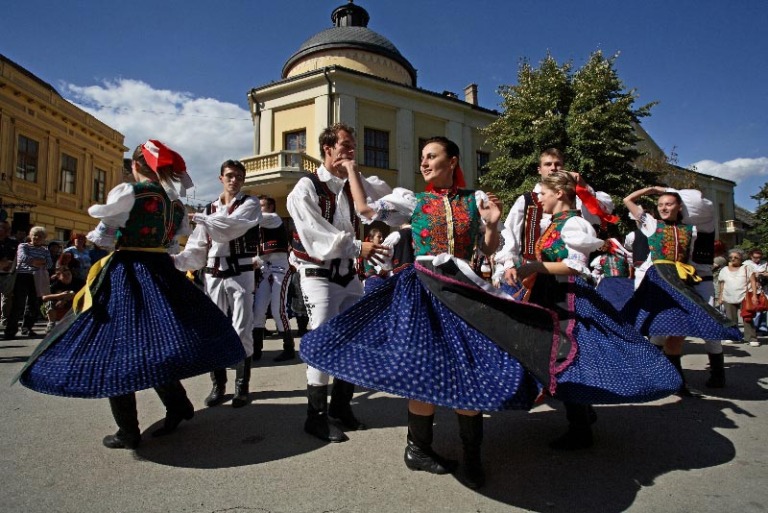
Traditional customs helped communities mark important moments such as birth, marriage, religious holidays, seasonal work, and the transition from one stage of life to another. Folk costumes revealed a person’s origin and social position, while music and dance brought communities together at celebrations and gatherings.
Today, this heritage is preserved through families, museums, cultural institutions, folklore ensembles, craftspeople, local events, and communities that continue to protect its regional diversity.