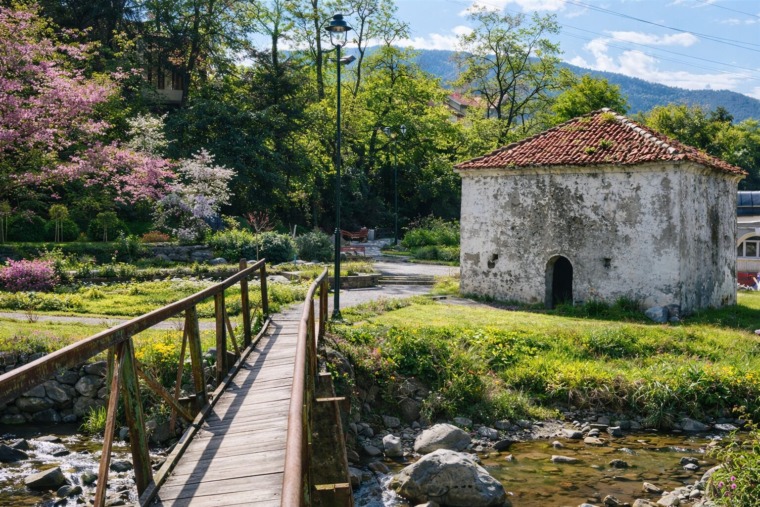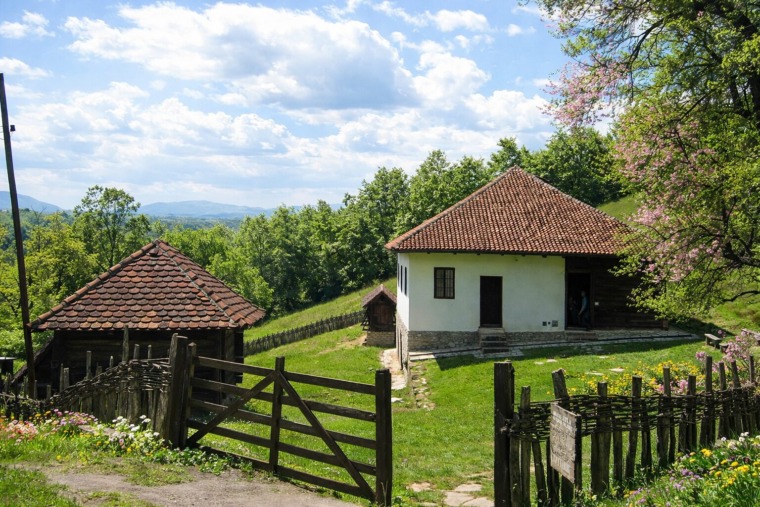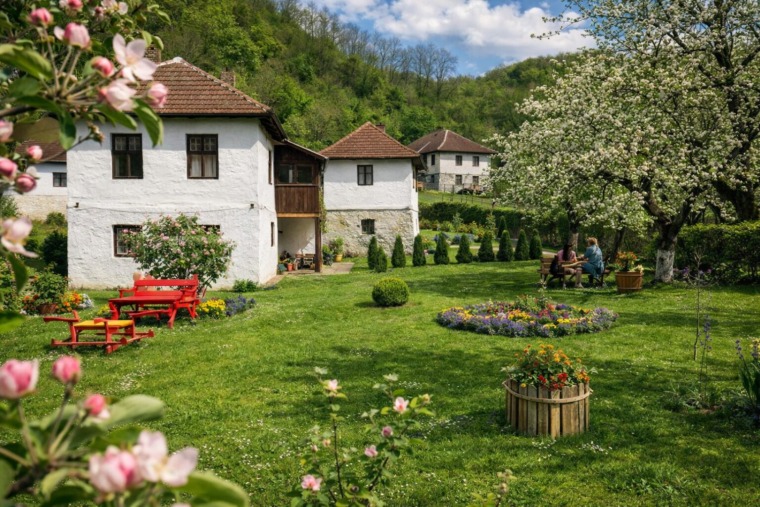
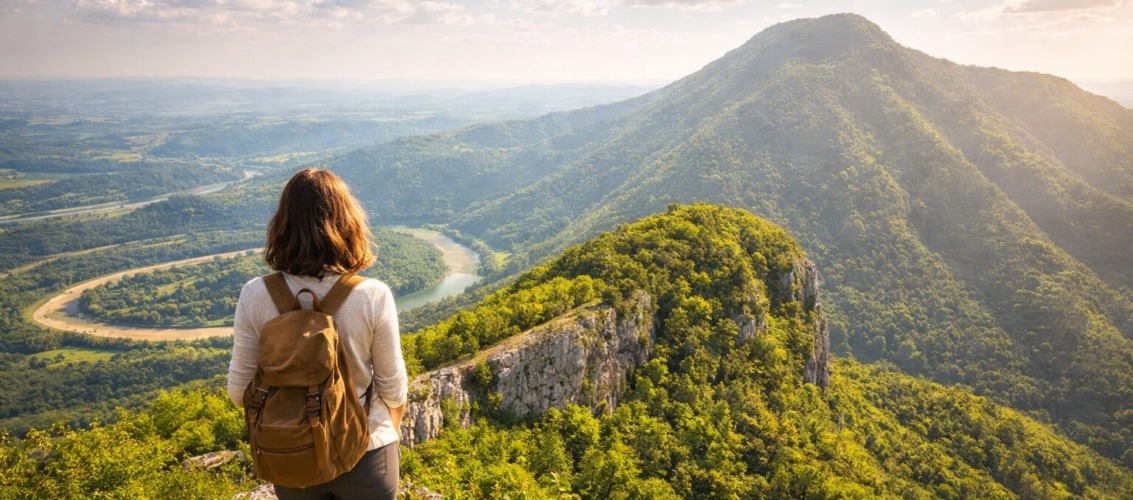
March in Serbia is a transition month. While higher mountains may still hold traces of snow, valleys, riverbanks and lower elevations begin to change. Days are longer, terraces reopen, hiking trails are quiet, and nature slowly shifts from muted winter tones to fresh green.
If you want to experience Serbia before the peak tourist season – and see the first signs of spring – these are the places where it happens first.
Fruška Gora
Forest Walks, Monasteries & Early Blossoms
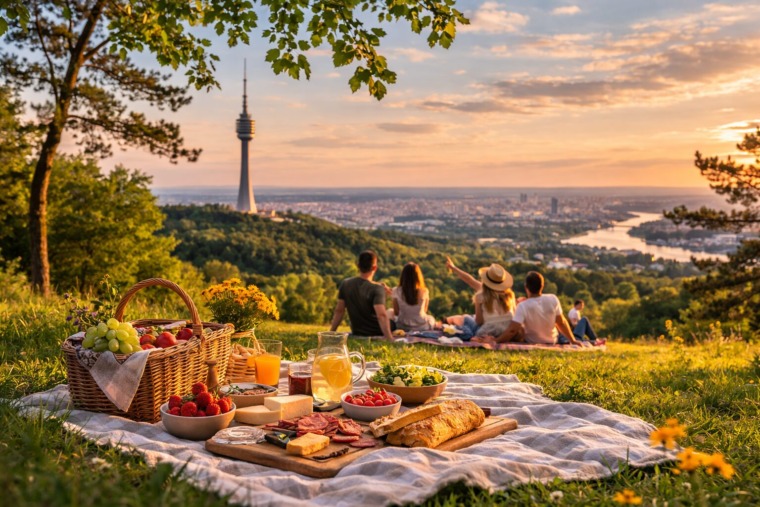
Located just an hour from Belgrade, Fruška Gora is one of the easiest early-spring escapes. By early March, forest trails begin to fill with snowdrops and early wildflowers. The air feels fresher, and hiking routes are still peaceful before the April crowds arrive.
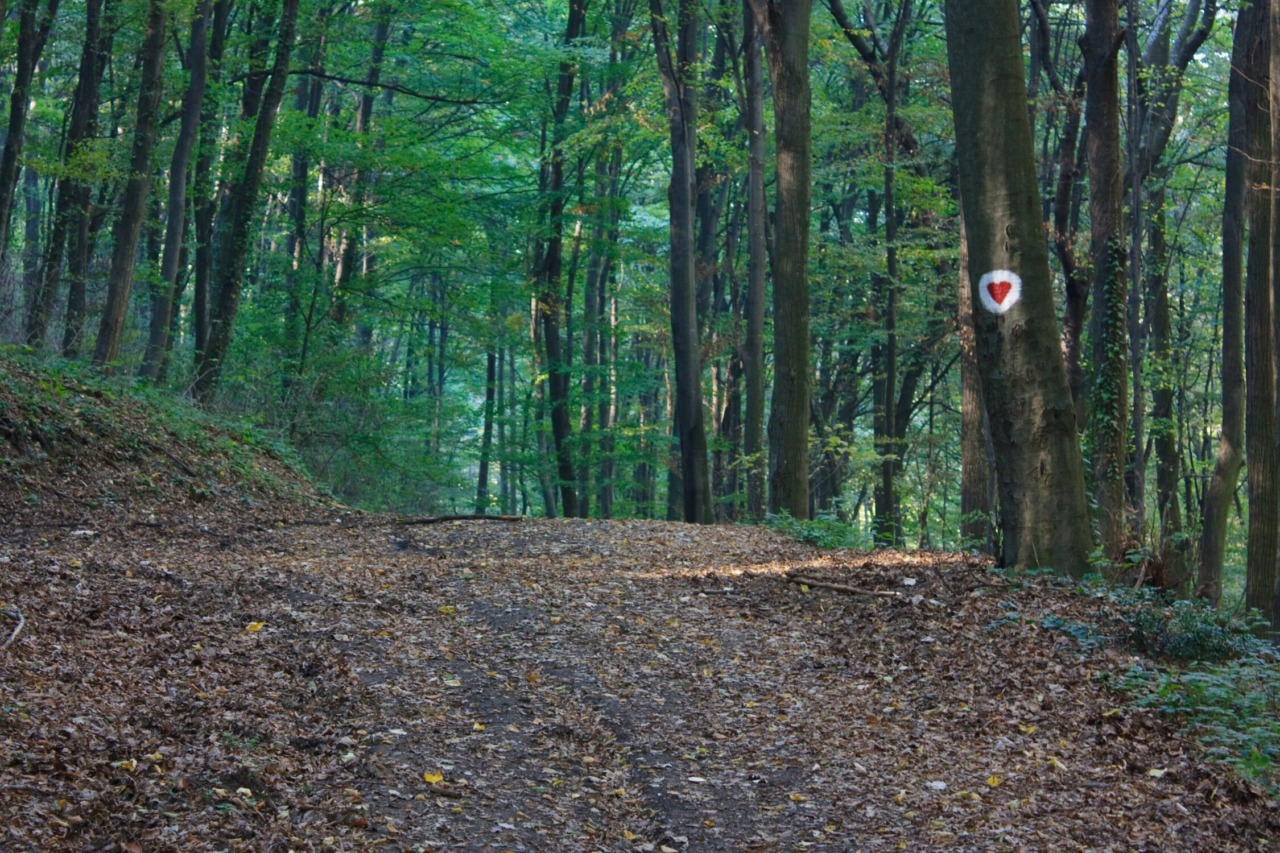
This is also a perfect time to combine light hiking with visits to the region’s historic monasteries. Vineyards surrounding the mountain slowly wake up as well, making it a relaxed weekend destination with a mix of culture, nature and wine experiences.
Best for: short weekend trips, easy hikes, monastery visits, wine tasting.
Đerdap National Park
Dramatic Landscapes & The Danube in Early Light
In early spring, the Danube through Đerdap feels powerful and calm at the same time. The cliffs of the Iron Gates soften under brighter skies, and walking paths along the river become ideal for long, scenic strolls.
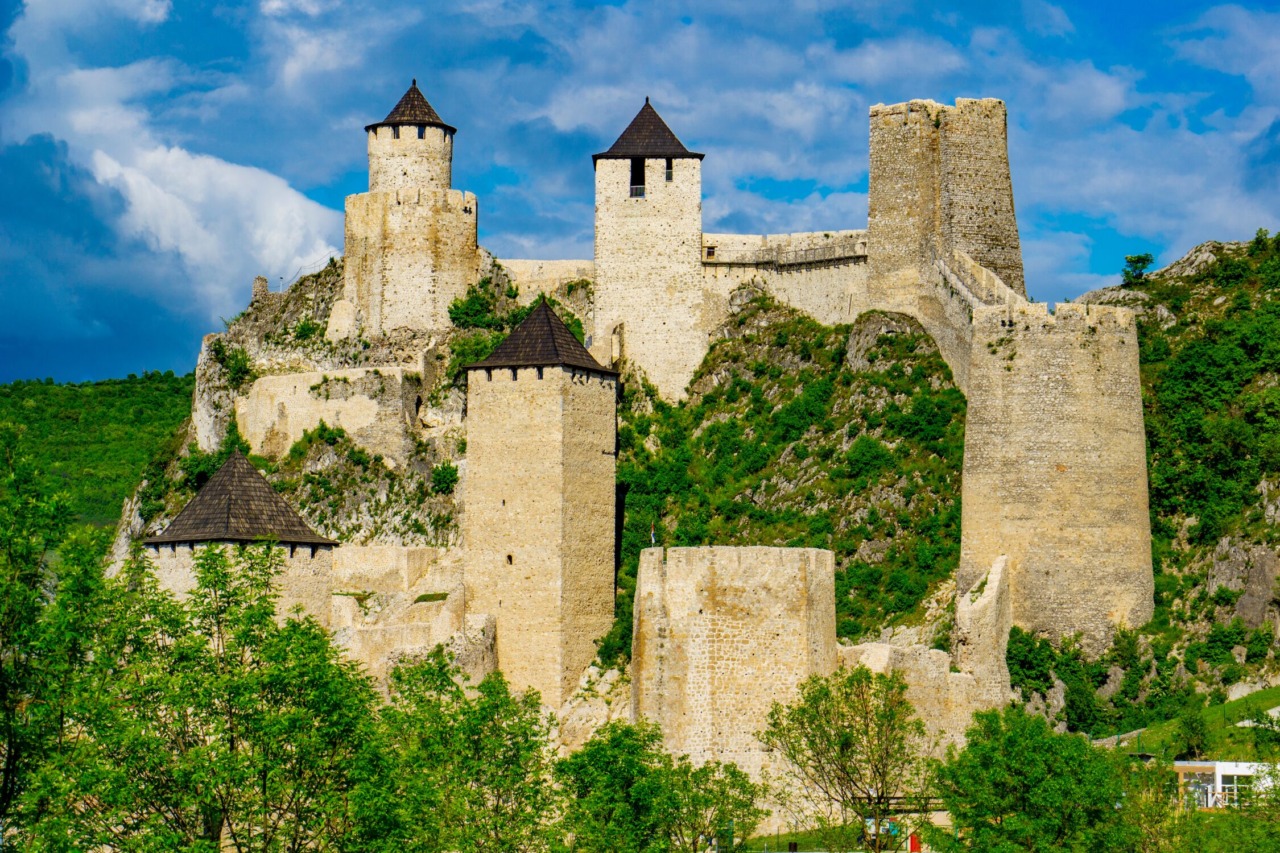
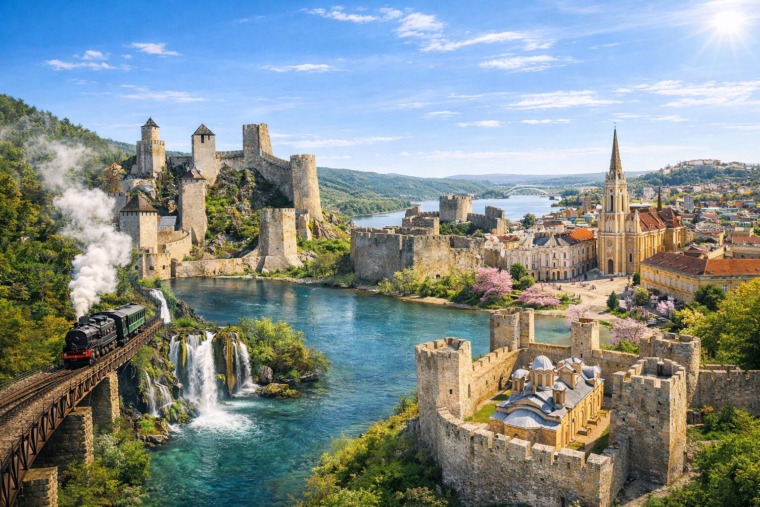
March is also a great time to explore viewpoints without summer heat. The nearby Golubac Fortress looks especially striking against the wide Danube and shifting spring light.
Best for: panoramic views, photography, road trips, combining nature with cultural landmarks.
Vrelo Grza
Clear Water & Quiet Forest Trails
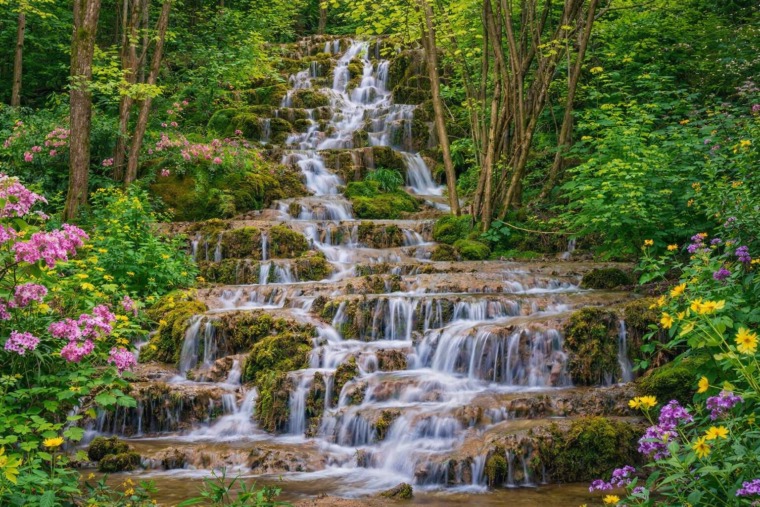
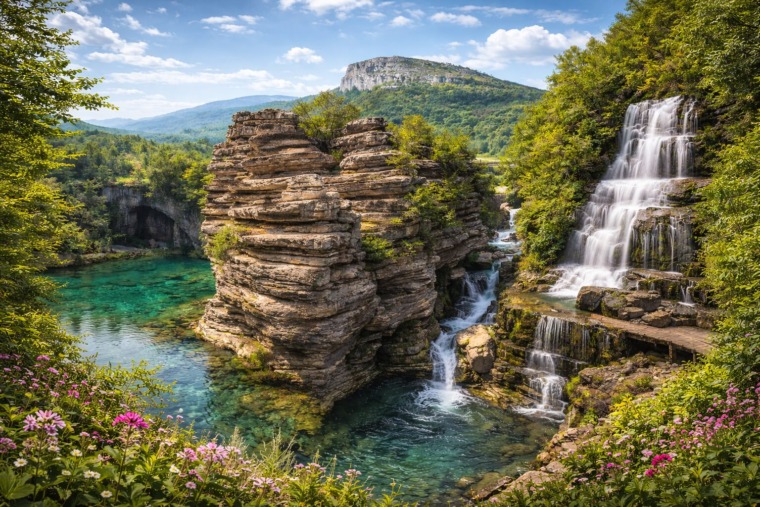
Early spring is when mountain springs are at their strongest. Fed by melting snow, Grza becomes especially vibrant in March. The water is crystal clear, the surrounding forest still quiet, and the area ideal for relaxed walks and short nature breaks.
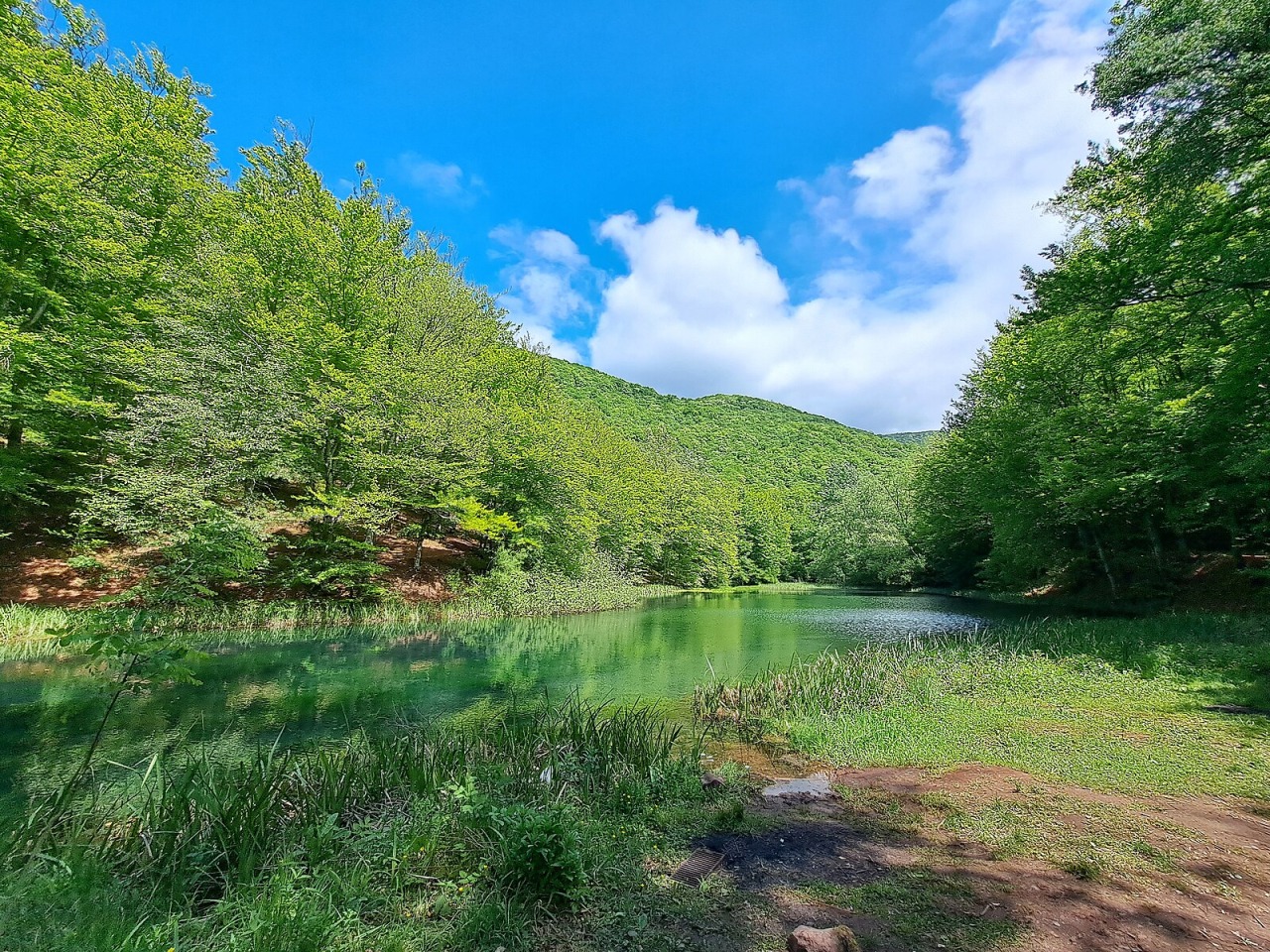
Because it is still off-season, you can enjoy the landscape without crowds – making it perfect for couples, photographers and travelers looking for peaceful outdoor experiences.
Best for: nature lovers, easy outdoor walks, peaceful day trips.
Rtanj
Hiking Between Winter and Spring
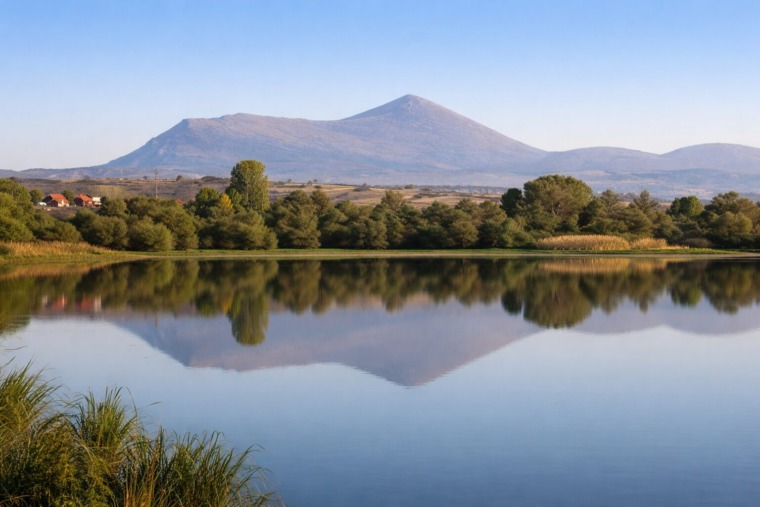
Rtanj in March offers a unique landscape contrast. The pyramid-shaped peak may still hold snow, while the lower slopes start turning green. This makes it an attractive period for hikers who enjoy dramatic scenery without extreme temperatures.
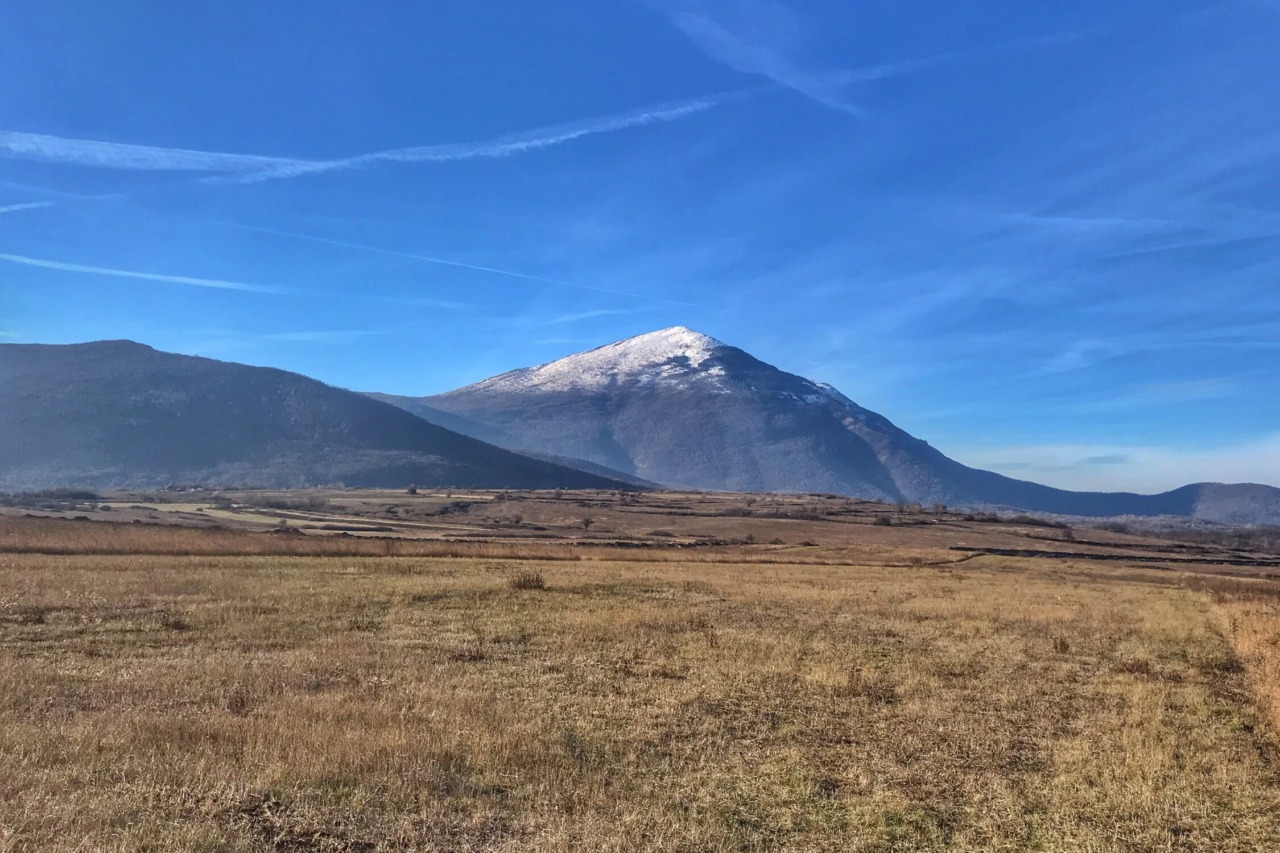
The air is crisp, visibility is often excellent, and the trails feel more authentic without summer traffic.
Best for: active travelers, experienced hikers, dramatic photography.
Ovčar-Kablar Gorge
River Views & Hillsides Turning Green
Valleys warm up earlier than mountain peaks, which makes the Ovčar-Kablar Gorge one of the first areas to visibly change. The West Morava flows calmly below, and hiking trails overlooking the river become ideal for half-day excursions.
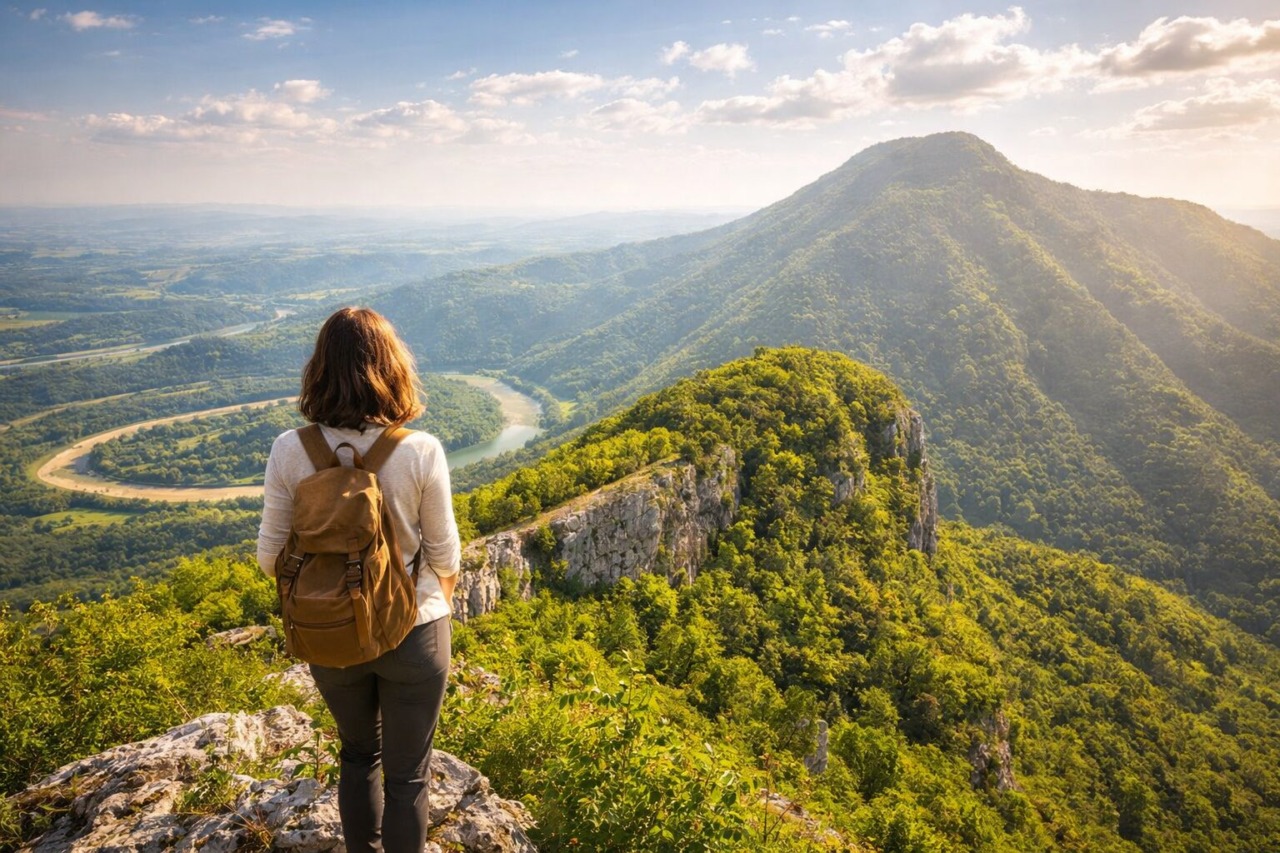
This region also combines nature with monastery heritage, making it a balanced destination for travelers who want both outdoor activity and cultural exploration.
Best for: scenic viewpoints, moderate hikes, slow travel experiences.
Why Travel in Early Spring?
- Fewer crowds
- Lower accommodation prices
- Comfortable hiking temperatures
- More authentic local atmosphere
- Nature at the beginning of its seasonal transformation
March in Serbia is not about peak bloom – it’s about catching the country in transition. And that’s exactly what makes it special.