Serbia’s job market in 2026 is experiencing a noticeable surge in opportunities, creating new possibilities for professionals looking to relocate or return home after years abroad. For returnees, this moment presents a valuable opportunity to bring international experience back to Serbia, while for expats, the country is increasingly seen as an accessible and strategic entry point into Europe.
Professionals who have worked in Germany, Austria, Switzerland, Scandinavia, or other highly regulated markets often return with valuable workplace standards, including structured organisation, clear communication, strong accountability, and practical expertise. At the same time, multinational companies continue expanding their presence in Belgrade, Novi Sad, and other growing industrial hubs, creating demand for both skilled professionals and technical workers.
Job growth is being fueled by major investments in infrastructure, along with continued expansion in the manufacturing, transportation, and energy sectors. According to IMF projections reported by Reuters, Serbia’s economy is expected to continue growing, supported by export-oriented industries, public investments, and large-scale infrastructure projects.
IT & Digital Services: A Sector That Continues To Evolve
The technology sector remains one of the strongest and most appealing career paths in Serbia, particularly for expats and returnees with international experience. Companies continue recruiting software developers, QA testers, DevOps engineers, cybersecurity specialists, data analysts, and product managers, while demand is also growing for professionals in digital marketing, SEO, e-commerce, and business process automation.

However, Serbia’s tech landscape has become increasingly competitive. Basic coding skills alone are often no longer enough to secure premium positions. Employers now place greater emphasis on proven project experience, communication skills, teamwork, business understanding, and strong English proficiency.
Candidates with hands-on expertise in artificial intelligence, advanced analytics, cloud systems, or cybersecurity are particularly well-positioned in today’s market. For returnees, there is an additional advantage: the ability to combine international technical experience with a strong understanding of the local business environment.
Manufacturing & Technical Services: Strong Demand Across Regional Hubs
Serbia’s manufacturing sector continues to face labour shortages, keeping demand for skilled technical workers consistently high. Roles related to machine operation, CNC systems, welding, electrical work, industrial maintenance, production engineering, and quality control remain among the most sought-after.
While Belgrade and Novi Sad continue to attract investment, opportunities are increasingly spread across regional industrial centres such as Kragujevac, Subotica, Zrenjanin, Čačak, Niš, and Kruševac, where manufacturing activity continues to expand.

For foreign workers, manufacturing often represents a practical entry point into the Serbian labour market, especially within companies already experienced in employing international staff. For returnees with backgrounds in automotive production, factory operations, logistics, or industrial maintenance, the sector can offer both stability and clear opportunities for career progression.
Construction & Infrastructure: Major Projects Continue To Drive Hiring
Serbia’s ongoing construction boom continues to create strong demand for skilled workers. Large residential developments, commercial projects, road construction, railway modernisation, and EXPO-related infrastructure are all contributing to labour shortages across the sector.
Demand remains particularly strong for tradespeople, technical specialists, engineers, and site supervisors. Construction can also offer one of the more accessible employment paths for foreign workers, especially for candidates with practical experience and technical qualifications.

At the same time, applicants should carefully review employment terms before accepting a role. This includes understanding contract conditions, working hours, accommodation arrangements, health insurance, and legal work permits.
For many returnees with international construction experience, the current market is also creating opportunities for entrepreneurship. An increasing number are launching specialised businesses focused on renovations, finishing works, smart home systems, interior design, and higher-end construction services.
Logistics, Transport & Warehousing: Growth Fuelled by Trade and E-Commerce
The rapid growth of e-commerce, combined with expanding retail networks and manufacturing output, has placed increasing pressure on Serbia’s logistics infrastructure. Companies continue to recruit commercial drivers, warehouse staff, transport coordinators, dispatchers, and supply chain specialists to support regional distribution and online retail operations.
Candidates with reliability, strong organisational skills, and flexibility often have a competitive advantage. Certain roles may also require commercial licences or experience with logistics software and warehouse systems.
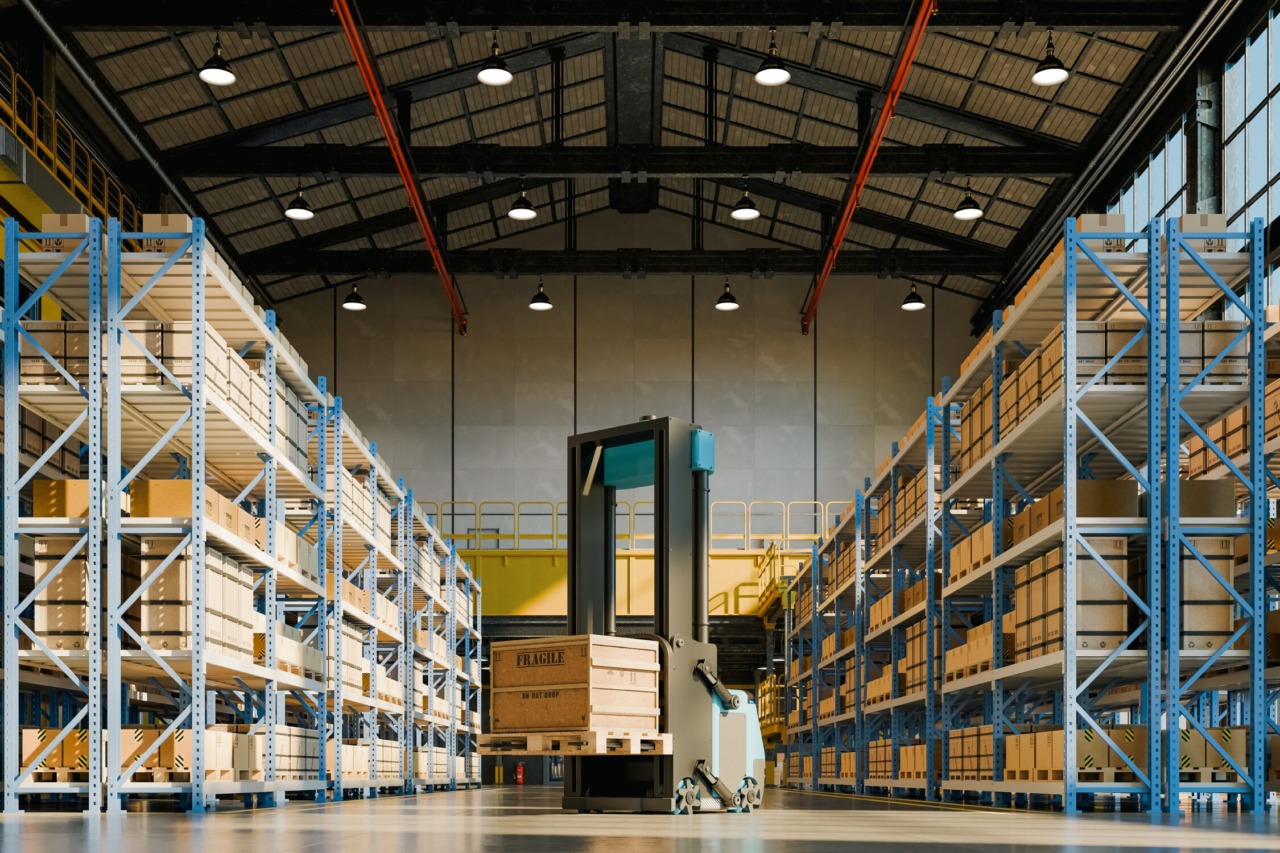
For returnees with previous experience in European transport networks, international logistics experience can be especially valuable. Familiarity with structured systems, transport regulations, and cross-border operations often creates opportunities for more senior or supervisory positions.
Hospitality & Tourism: Rising Expectations and Growing Opportunities
Tourism and hospitality continue to play an important role in Serbia’s service economy, with employers actively seeking qualified staff for hotels, restaurants, resorts, and accommodation businesses.
Although Belgrade and Novi Sad remain key employment centres, strong demand also exists in destinations such as Kopaonik and Zlatibor, traditional spa towns including Vrnjačka Banja and Sokobanja, and nature-focused destinations such as Tara National Park and Silver Lake.

Employers are increasingly looking for candidates who can meet international hospitality standards. Strong English language skills are often considered a major advantage, while conversational Serbian can significantly improve opportunities, particularly in guest-facing roles.
For returnees with overseas hospitality experience, this sector can be especially attractive, offering the chance to apply international service standards in a rapidly modernising tourism industry.
Healthcare & Care Services: High Demand, But Strict Regulations
Healthcare and care services remain among the sectors with the highest long-term demand. Serbia continues to seek qualified nurses, medical technicians, physiotherapists, caregivers, and patient support staff, particularly as private healthcare expands and demand for senior care services grows.
However, healthcare is also one of the most regulated sectors for foreign professionals. Candidates are generally required to complete a formal recognition process for foreign qualifications, obtain local licences where necessary, and comply with Serbian legal requirements.

For most patient-facing positions, fluency in Serbian is essential. At the same time, returnees with international medical experience may find strong opportunities in private healthcare, specialised clinics, and senior care facilities that increasingly value international standards and expertise.
What Expats and Returnees Need To Know Before Working in Serbia
Understanding Serbia’s legal and administrative procedures is an important part of a successful relocation.
Foreign nationals who require a visa generally need to apply for a Type D Employment Visa before arriving in Serbia. However, citizens of visa-free countries are often able to apply for residence and work permits after entering the country, allowing them to stay and work in Serbia for an extended period.

Before signing an employment contract, candidates should confirm that the employer is legally authorised to sponsor foreign workers where necessary. It is equally important to clarify employment conditions in writing, including salary structure, working hours, health insurance, probation periods, accommodation arrangements, and termination clauses.
Candidates should also verify whether salary figures are quoted as net (after tax) or gross (before tax), and clarify who covers document translation costs or other administrative expenses.
Job Search Strategies: Preparing for Success
For expats and returnees entering Serbia’s labour market, preparation can make a significant difference.
Having an updated CV in English is essential, while a Serbian version can also be beneficial depending on the sector. Candidates should focus on measurable achievements and practical experience rather than simply listing previous responsibilities.
Using multiple channels is equally important. Alongside job platforms such as Jooble, LinkedIn, company career pages, and professional networks can all play an important role in finding opportunities, particularly within multinational organisations.
Preparing documents in advance can also speed up the hiring process. Diplomas, references, certifications, and proof of international work experience are often easier to organise before relocation begins.
Preparation Remains the Key to Success
Serbia’s labour market in 2026 is increasingly shaped by practical skills, international experience, digital literacy, and adaptability. Among the sectors offering some of the strongest long-term opportunities are technology, manufacturing, infrastructure, logistics, hospitality, and healthcare.
For expats, Serbia offers growing career opportunities, relatively competitive living costs, and increasing connections with international business markets. For returnees, the current moment creates an opportunity to bring overseas experience back into an economy that increasingly values international standards and professional expertise.
Whether relocating for the first time or returning home after years abroad, success often comes down to preparation, realistic expectations, and choosing opportunities that support long-term career growth.
Author

Related Articles