There are events that remain in history. And there are those that remain in the places around us. In Serbia, the memory of March 24 is not held only in dates and facts. It lives in cities, in bridges we cross every day, in mountains where people come to rest, in places that may look unchanged – but are never quite the same.
This is a story about places that remember.
Belgrade – General Staff Building
In the very center of Belgrade, between Nemanjina and Kneza Miloša streets, stands one of the city’s most recognizable buildings. The General Staff complex is not just architecture – it has become a symbol of a time that has not passed.
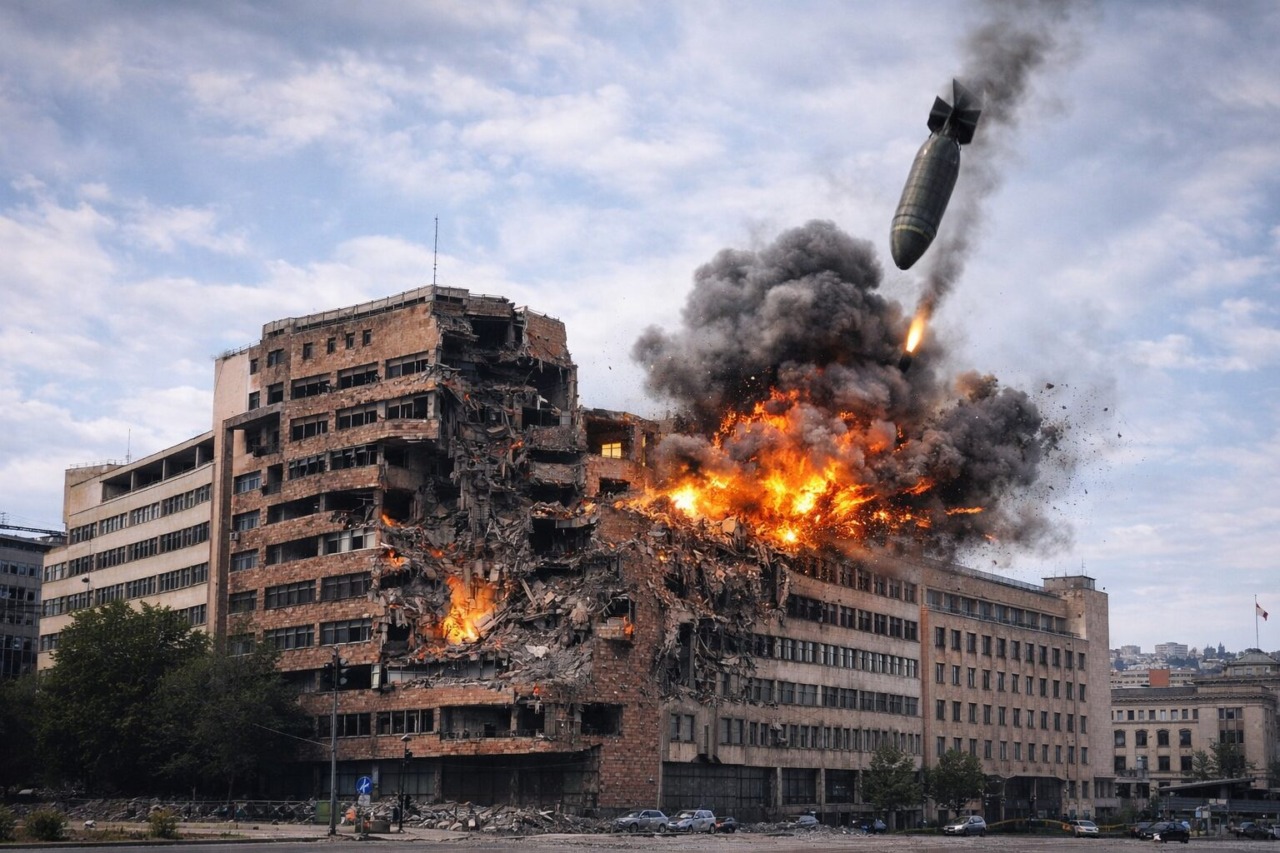
During the 1999 bombing, the building was heavily damaged. Its structure remains partially open, fractured, almost as if it continues to bear witness. Decades later, it still stands much the same, surrounded by the rhythm of everyday life.
People pass by it on their way to work, in traffic, or in quiet walks. Some barely notice it, others pause. But even when we don’t look directly, we know it is there – and what it represents.
Novi Sad – The Bridges Over the Danube
Novi Sad is a city of bridges. Or at least, it once was. In 1999, all bridges over the Danube were destroyed – the Varadin Bridge, the Liberty Bridge, and the Žeželj Bridge. For a time, the city was divided, its everyday life disrupted in a way that reshaped how people moved, lived, and connected.
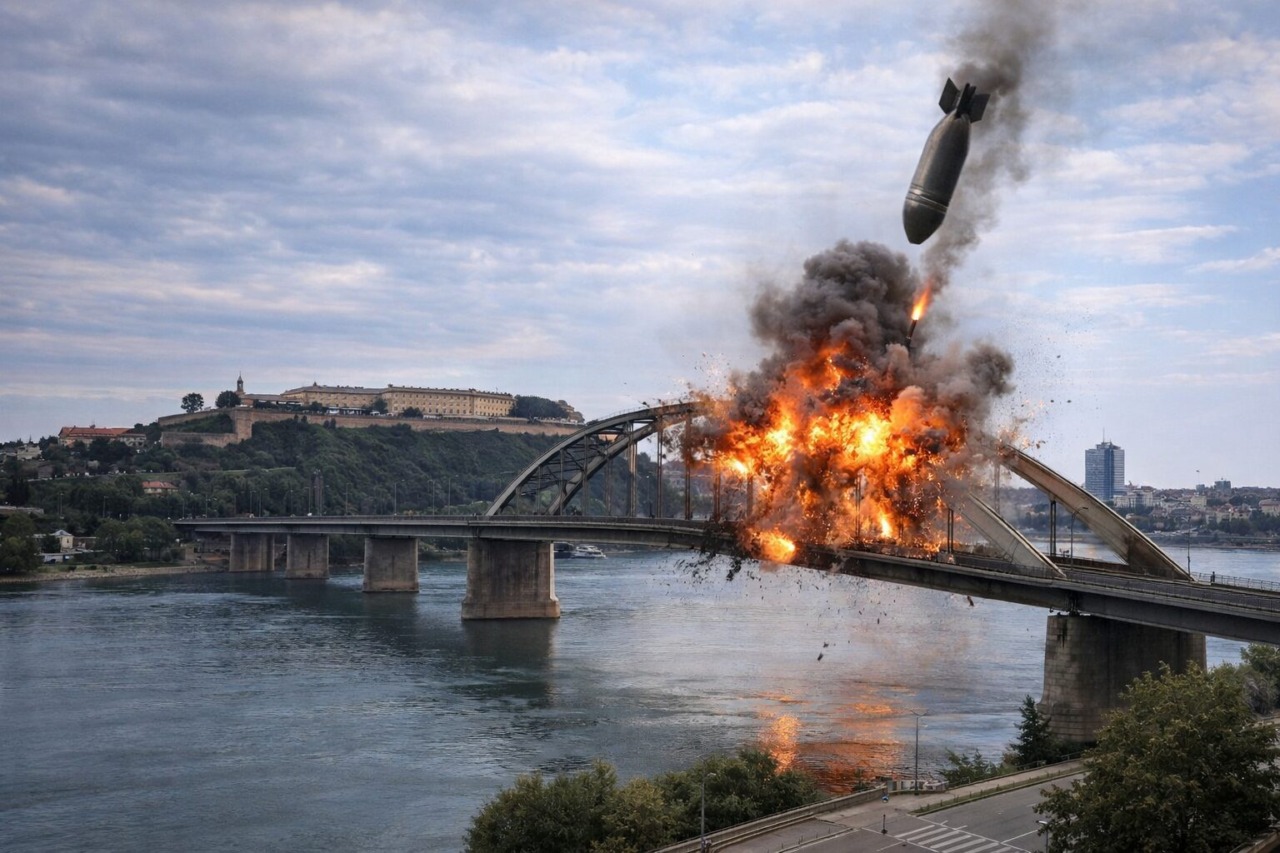
Today, the bridges stand again. Rebuilt, modern, and full of life. People cross them without thinking – by car, on foot, by bicycle. And in that very normality lies their meaning. They are no longer just structures. They are symbols of connection that was once broken – and restored.
Grdelica Gorge – The Bridge Over the South Morava
One of the most frequently remembered places from that period lies in southern Serbia, in the Grdelica Gorge. A railway bridge over the South Morava became the site of one of the most tragic moments of the time. The surrounding landscape remains as it always was – green, powerful, almost untouched in its natural beauty – but the story it carries has changed how it is seen.
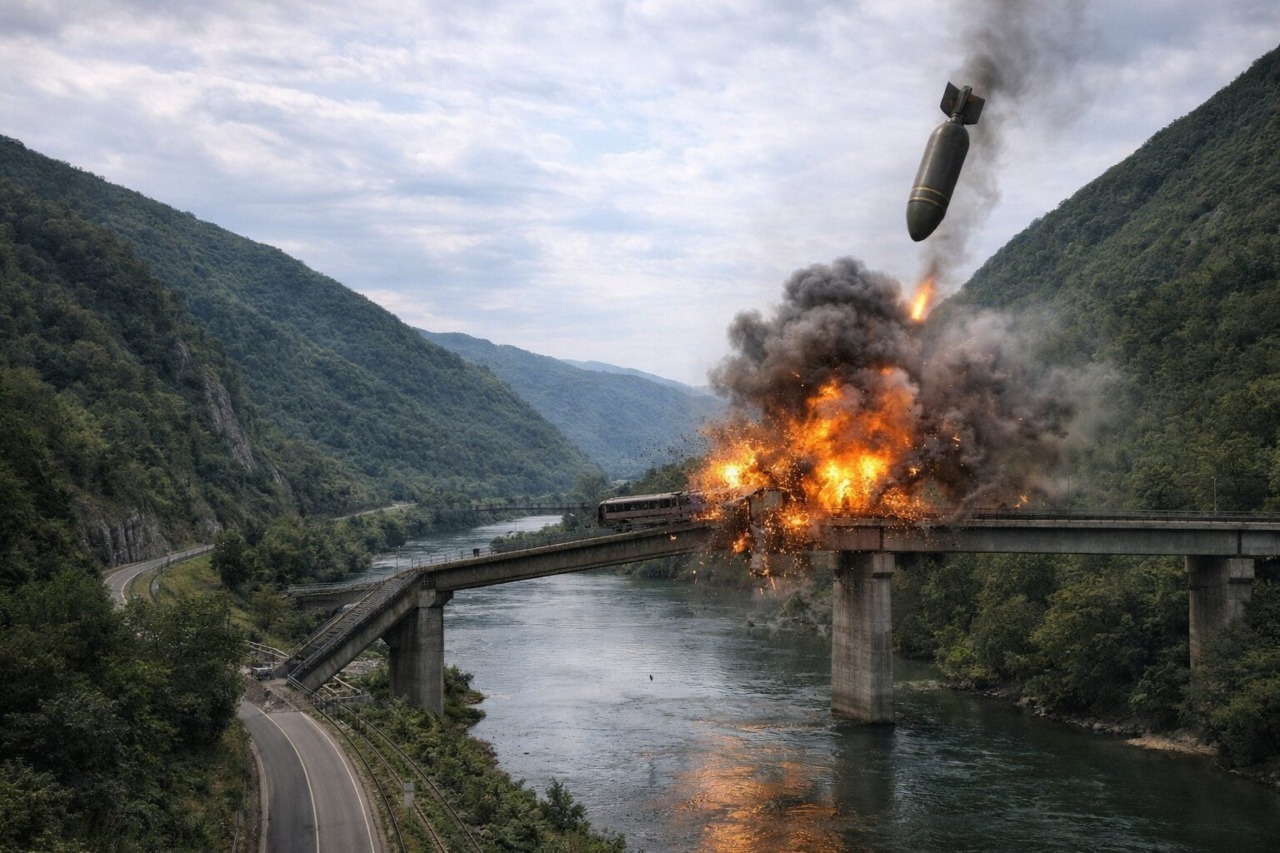
Today, trains pass again, the river flows, and the gorge appears calm. Yet for many, this is not just a landscape. It is a place of memory.
Kopaonik National Park
Kopaonik is now one of Serbia’s most popular mountain destinations – known for its nature, its silence, and its sense of escape. What many do not know is that parts of this mountain were also affected during the bombing, including areas near Pančić’s Peak, one of its most iconic points.
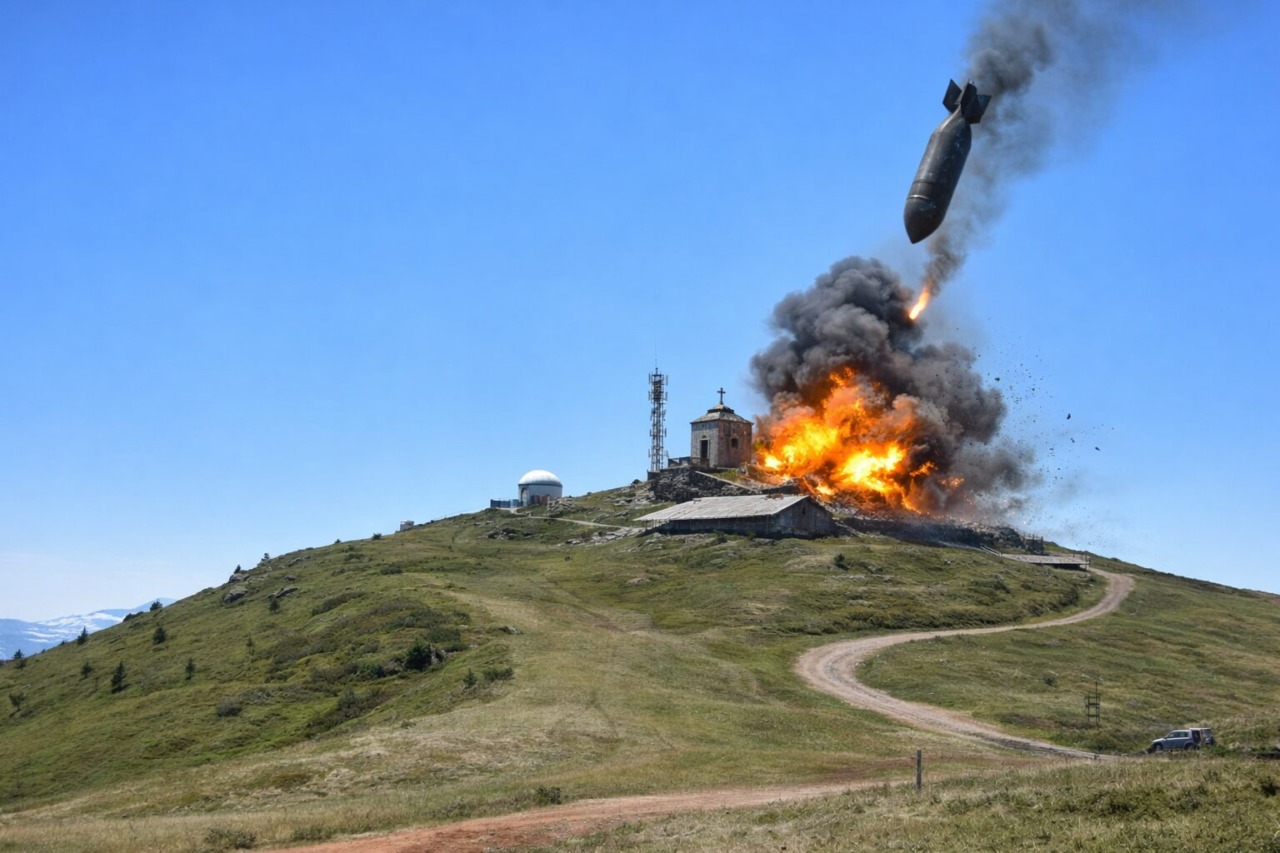
Nature has a way of recovering. Forests grow back, trails fill with people, and life continues. But knowing that even this landscape was once touched changes the way it is experienced. Kopaonik today feels peaceful. But its quiet holds more than it shows.
Varvarin – The Bridge Over the Great Morava
Varvarin is a small town, often overlooked on the map. Yet its name carries a deep place in collective memory. The bridge over the Great Morava here became the site of one of the most tragic events of the time. Today, the setting appears calm – the river flows, the bridge connects once more, and life moves forward.
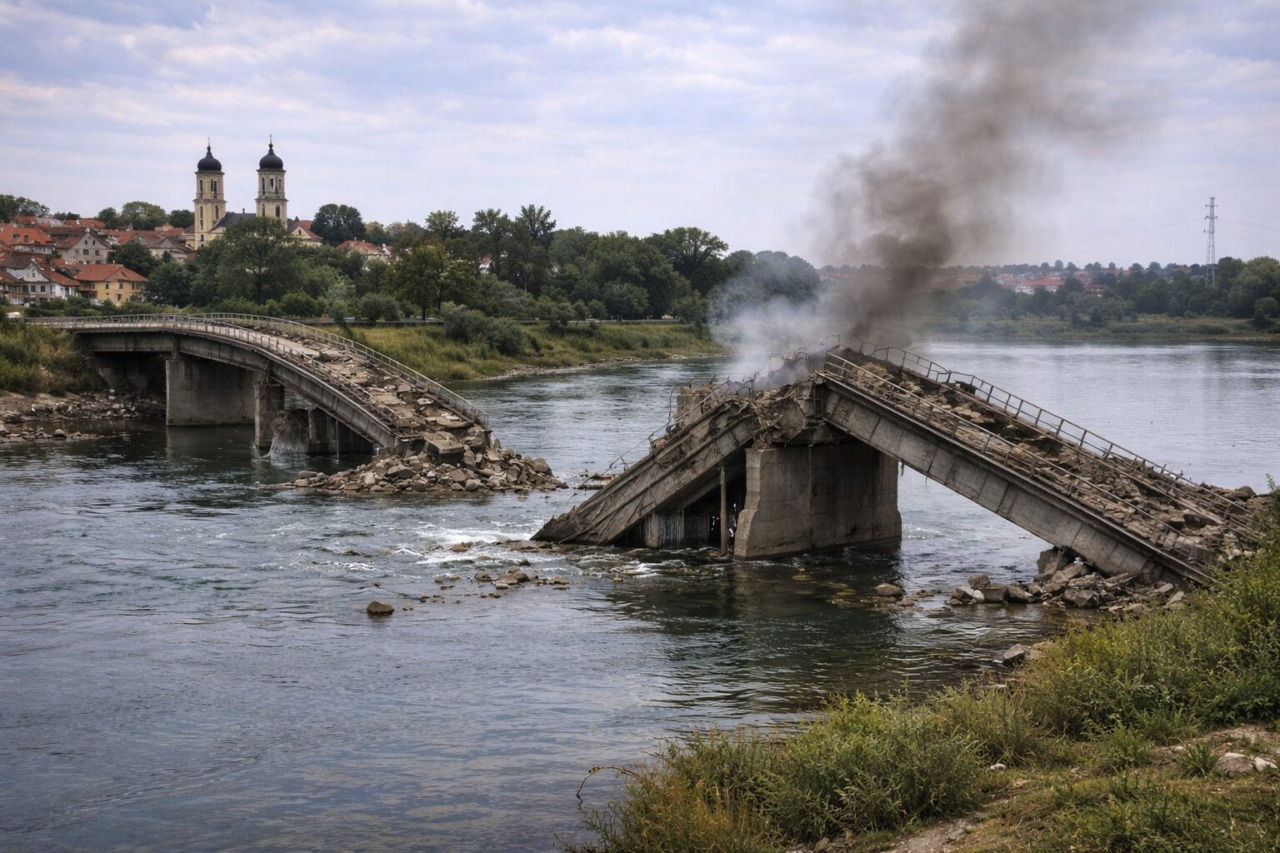
But for those who live here, this is not just a crossing. It is a place of remembrance. A place where silence carries meaning, and where the past is not forgotten, but quietly lived with.
A Country That Remembers
During 1999, more than 500 sites across Serbia were affected – including bridges, roads, hospitals, schools, natural areas, and cultural landmarks. Some of these places have been rebuilt. Others have changed. Some still carry visible traces.
Among them are: bridges across the country – from Beška to Ostružnica, national parks such as Tara and Fruška Gora, monasteries like Žiča and Gračanica, the Ovčar-Kablar Gorge and its historic monasteries, Deliblato Sands, one of Europe’s unique landscapes.
And many other places that may not appear in travel guides – but remain part of lived memory.
Today
Today, Serbia feels different. Cities are alive, nature is thriving, roads connect, and bridges stand. Yet some places remain distinct. Not because they stayed the same – but because of what they carry.
For those visiting for the first time, these places are part of the journey. For those returning, they are part of a story.
And for those who remember – they are part of life.
Related Articles

Interesting Facts About Sretenje You May Not Know
February 16, 2026
The Sretenje Route: A Guide to Serbia’s Historic Sites
February 15, 2026