
-
Serbia at a Glance
Discover All -
Arts & Culture
Discover All -
Identity & Heritage
Discover All -
Famous Serbs
Discover All
-
Regions
Discover All -
Cities
Discover All -
Nature
Discover All -
Cultural Landmarks
Discover All
-
Outdoor & Wellness
Discover All -
Food & Drink
Discover All -
Tours
Discover All -
Urban Experiences
Discover All -
Seasonal Experiences
Discover All
Partner with Serbia.com
Let's create lasting impact together
Partner with Serbia.com to reach travellers through trusted recommendations, inspiring editorial stories and thoughtfully designed campaigns. Together, we create meaningful visibility that supports your goals and remains valuable long after publication.
Explore partnership opportunities- Serbian Favorite Rituals Everyday traditions and little things that make life in Serbia special.
- Villages of Serbia Charming villages, local stories and authentic rural life.
- Serbia Told By You Personal stories, local perspectives and authentic experiences from across Serbia.
- Is it Worth Visiting in Serbia? Honest destination guides to help you decide which places are worth visiting.
A place that looks exactly as you imagine – and feels different once you’re there
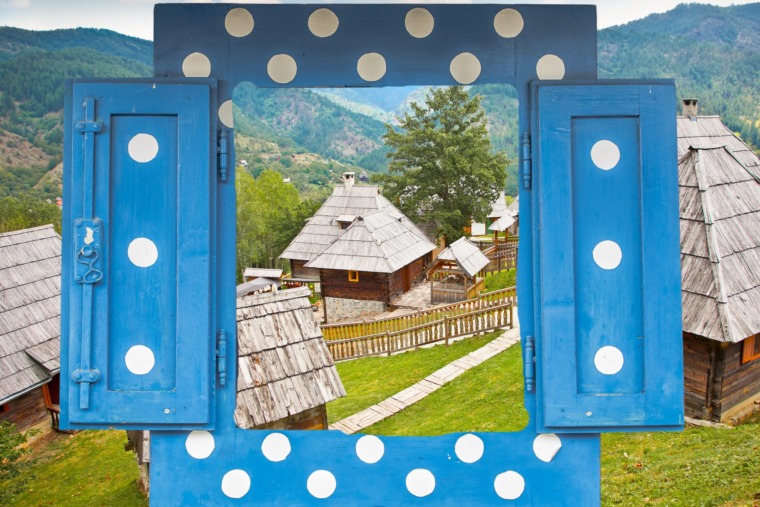
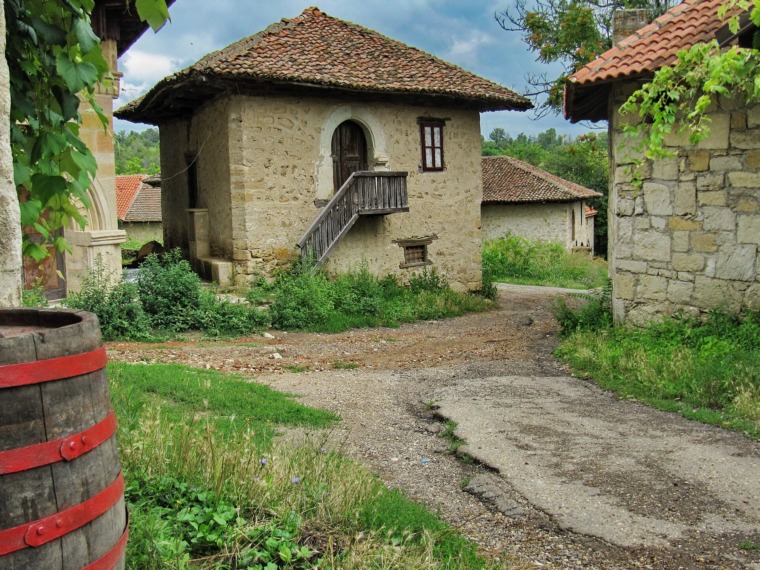
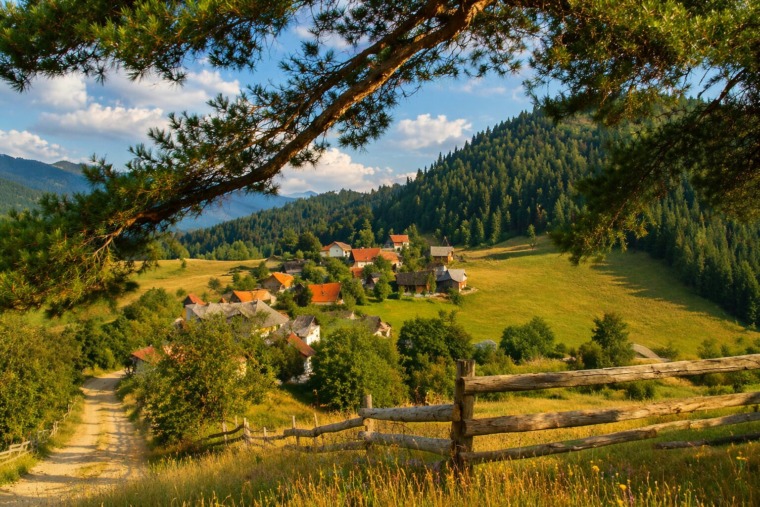
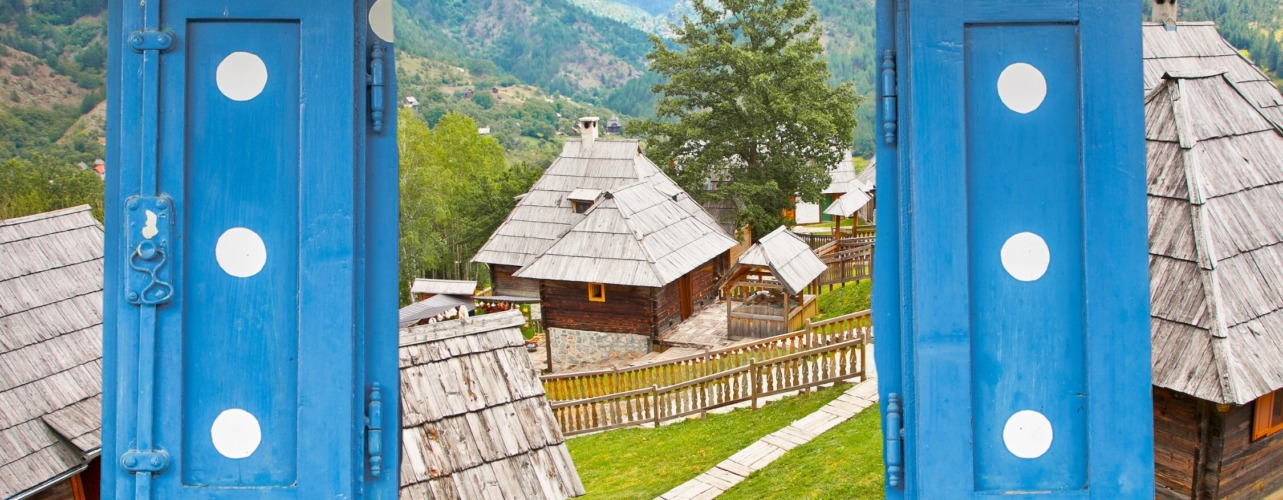
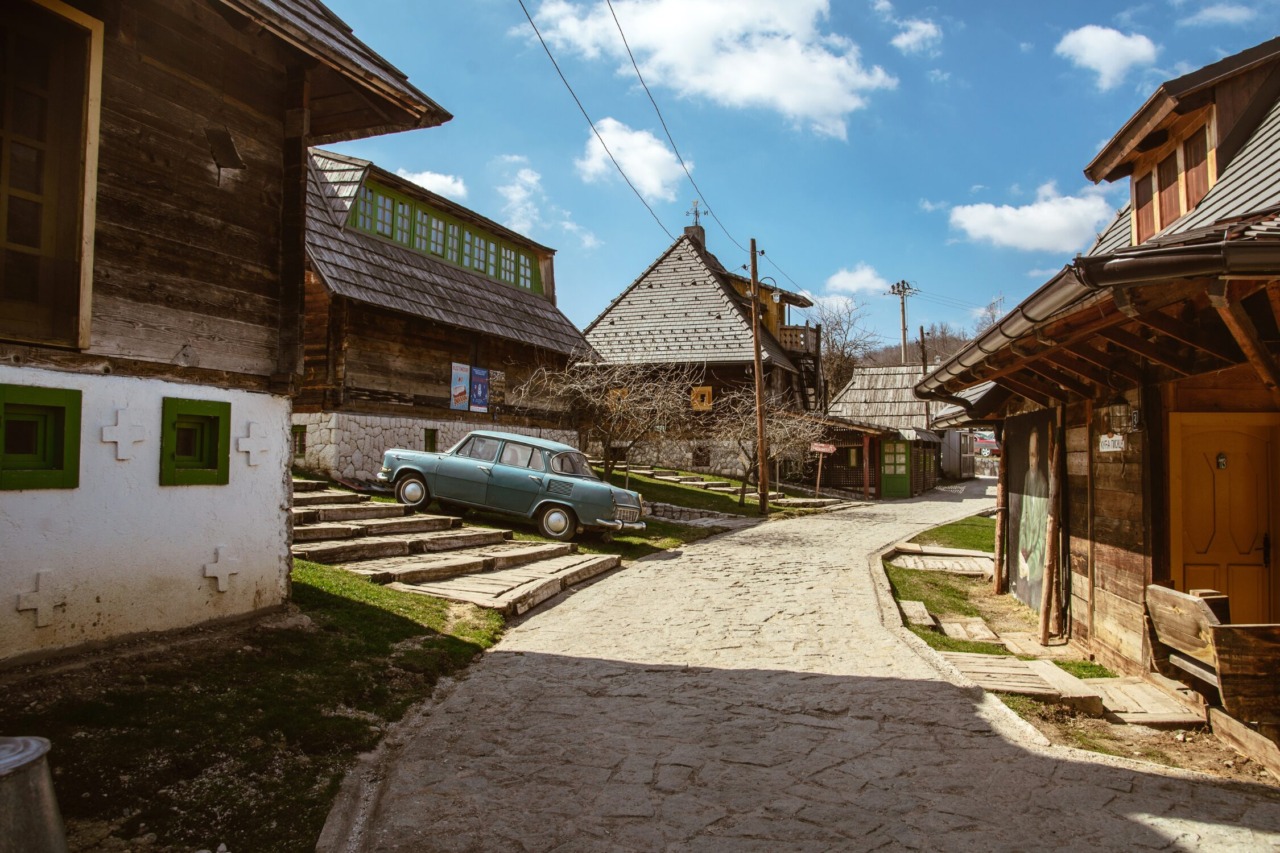
At first glance, Drvengrad is easy to understand. A wooden village on a hill, traditional architecture, quiet streets, mountain views – everything looks carefully composed, almost like a scene from a film. Which, in a way, it is. Built by Emir Kusturica, Drvengrad was never meant to be a typical village.
And that’s where expectations begin to matter.
What Drvengrad actually is
Drvengrad is not a preserved historical settlement, nor a place where everyday local life unfolds. It is a constructed space with a clear artistic vision. Every house, every street, every detail has been intentionally designed. The atmosphere is calm, ordered, and visually consistent.
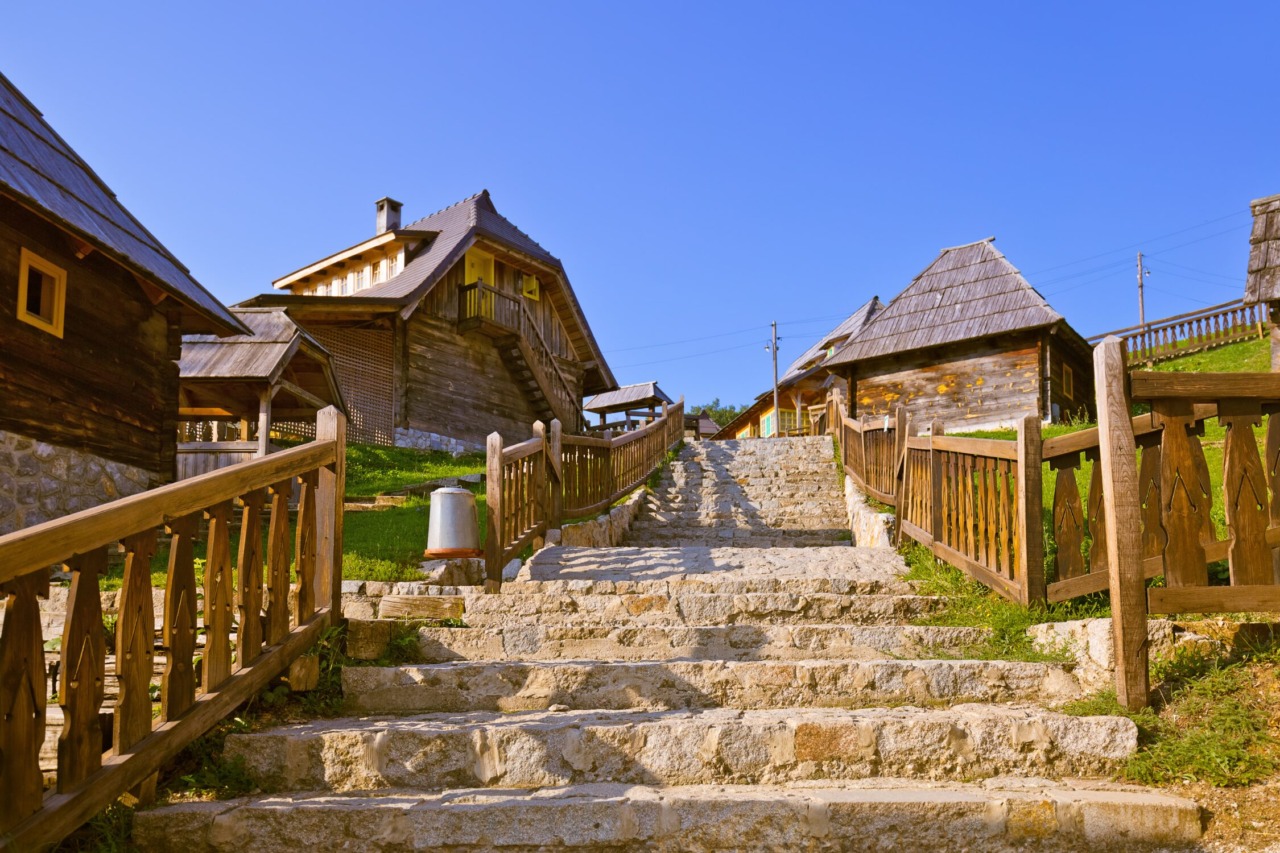
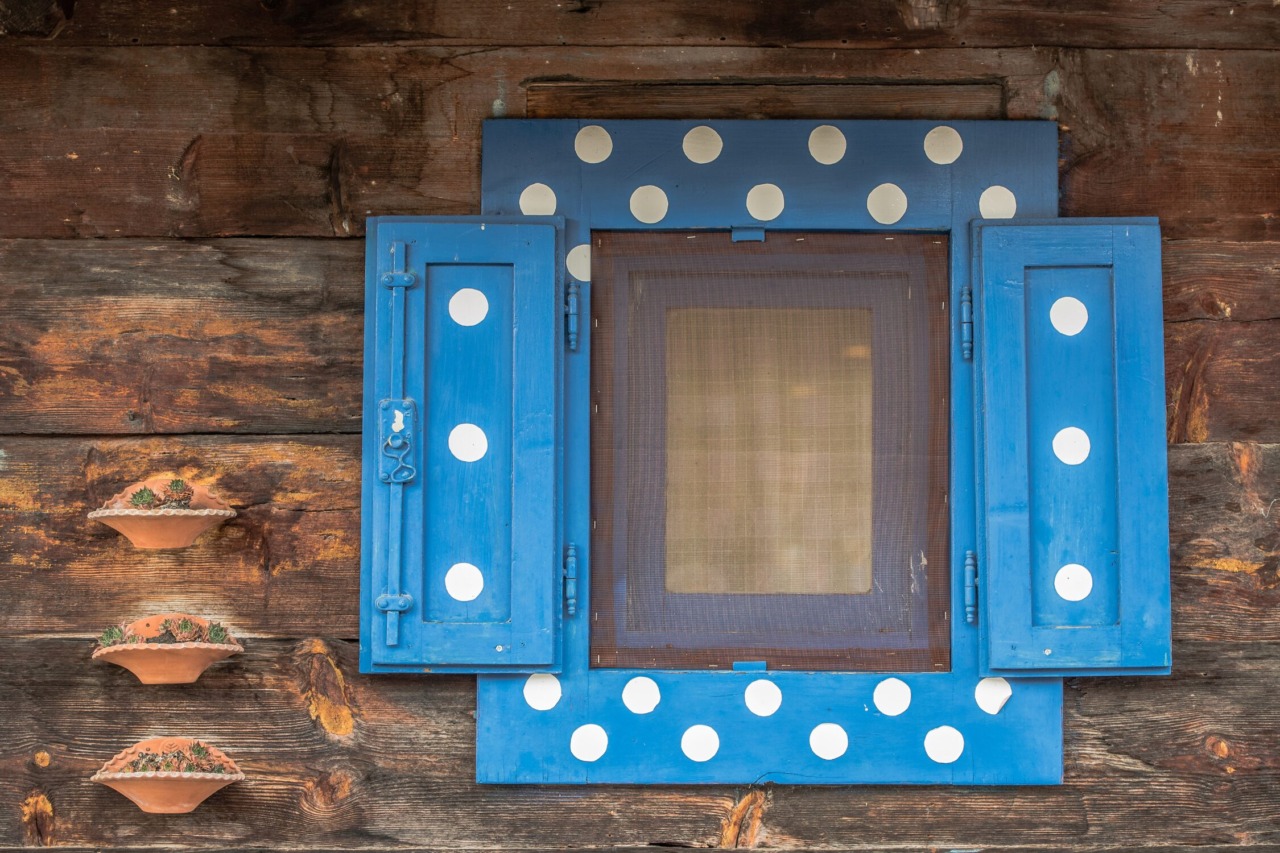
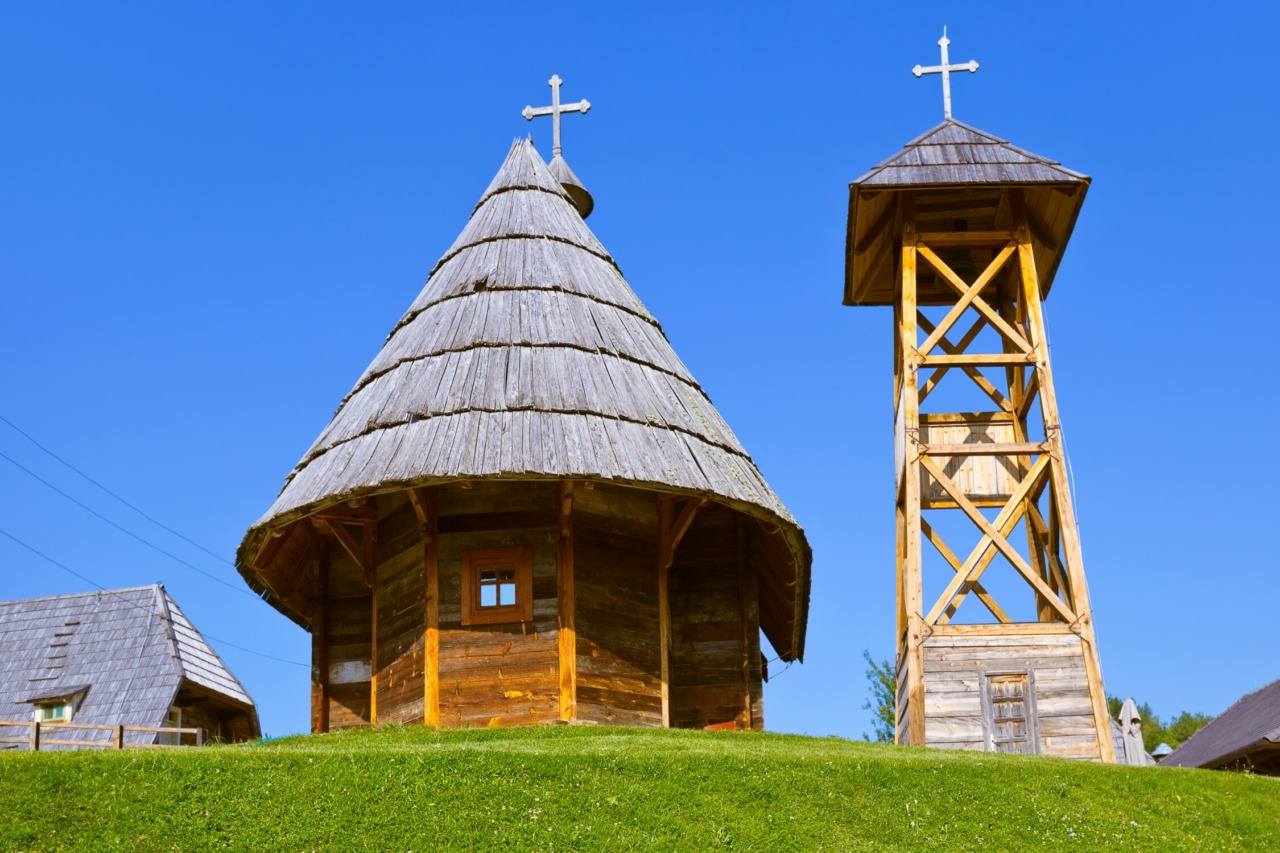
For some visitors, this creates a strong sense of place – something unique, almost symbolic.
For others, it can feel staged, even slightly detached from the surrounding reality. Neither impression is wrong.
What works – and why people enjoy it
Drvengrad’s main strength is its clarity of identity. It’s compact, easy to explore, and visually striking without needing explanation. You don’t come here for a list of activities, but for a specific kind of experience – slow, aesthetic, and contained.
If you’re already in the Mokra Gora area, it fits naturally into the day. Combined with a ride on the Šargan Eight Railway or time spent in nature, it becomes part of a broader, well-rounded experience.
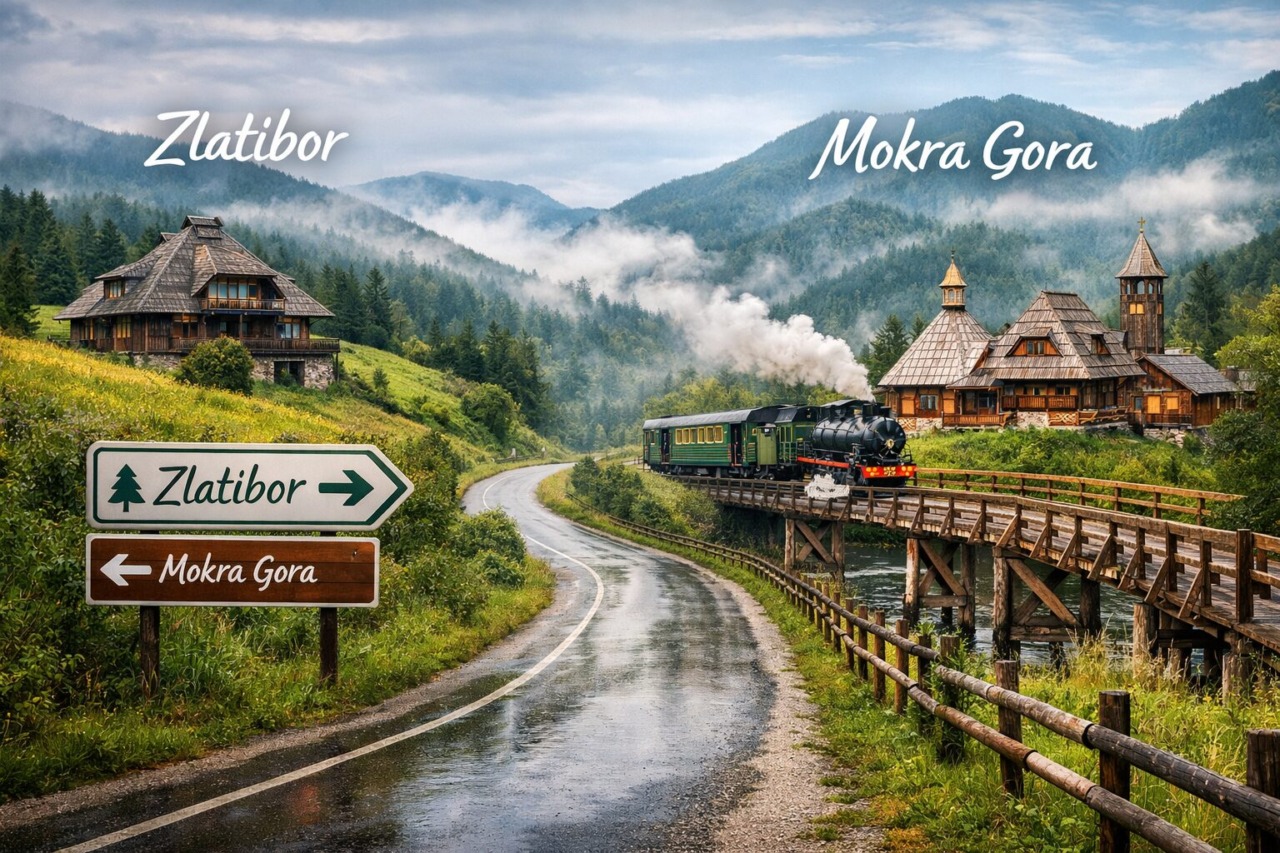
There’s also a certain appeal in its atmosphere – quiet streets, wooden textures, small details that invite you to pause rather than rush.
Where expectations and reality can differ
Most of the hesitation around Drvengrad doesn’t come from what it is – but from what people expect it to be. If you arrive looking for: an authentic village with local life, a destination filled with activities and a place to spend several hours exploring – you may find it limited.
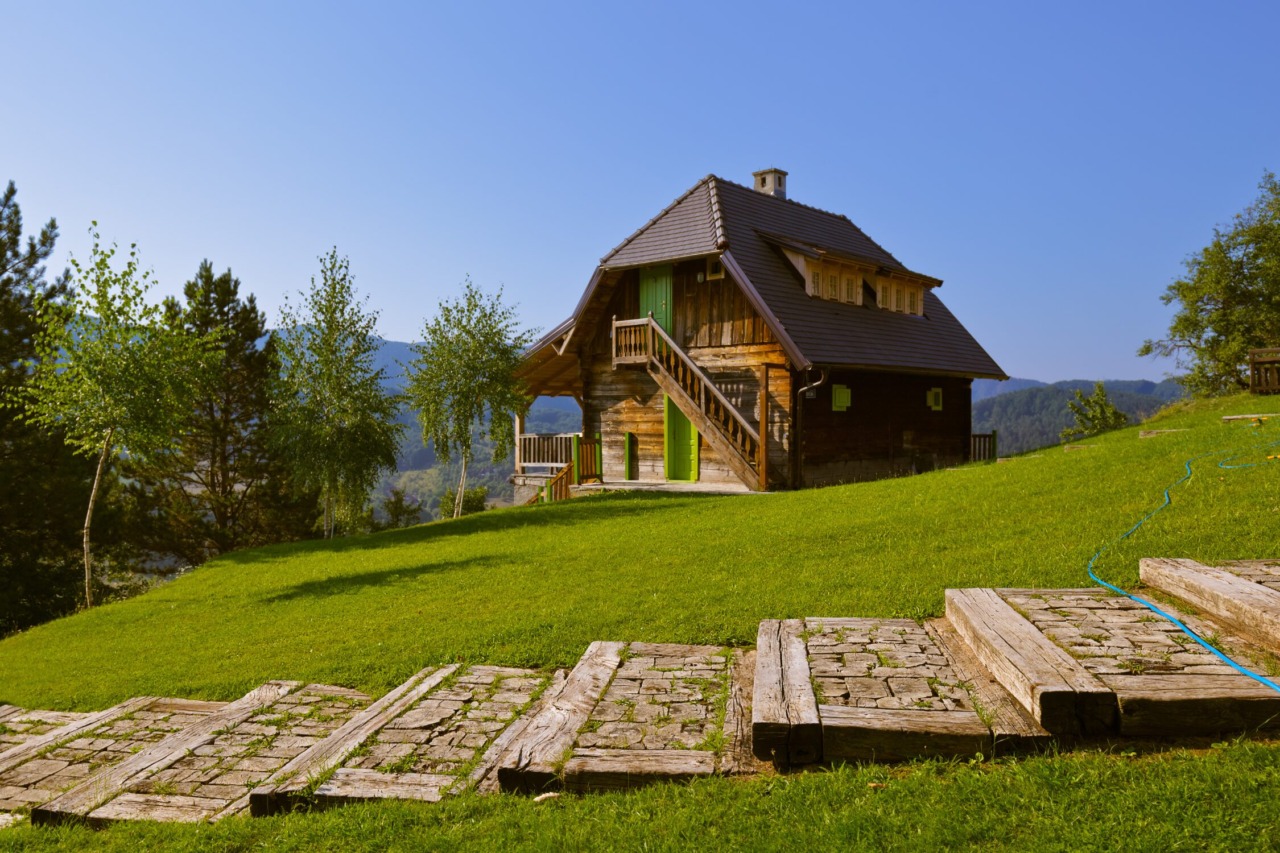
Drvengrad is relatively small. Once you walk through it, sit for a coffee, and take in the views, the experience is largely complete. That doesn’t make it disappointing – but it does make it shorter and more focused than some expect.
Who will genuinely enjoy it
Drvengrad works best for travelers who appreciate concept, atmosphere, and design. If you enjoy places that are curated, visually coherent, and slightly removed from everyday life, it offers something distinctive. It also appeals to those interested in film, architecture, or cultural storytelling.
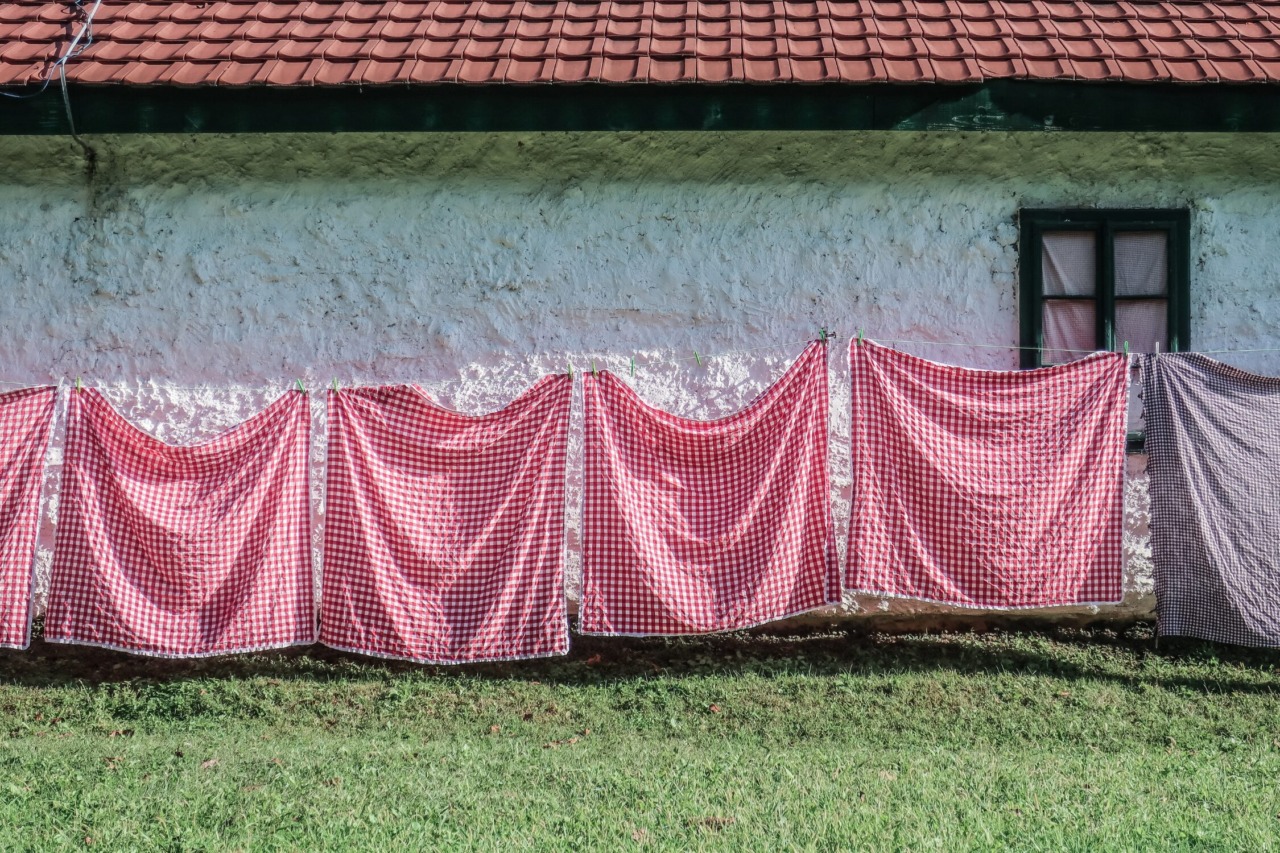
Couples, slow travelers, and anyone building a relaxed itinerary through western Serbia tend to get the most out of it.
Who might want something different
If your travel style leans toward activity, movement, or discovery, Drvengrad on its own may feel insufficient. Families with children, for example, might find more engagement in nearby nature or attractions rather than within the village itself.
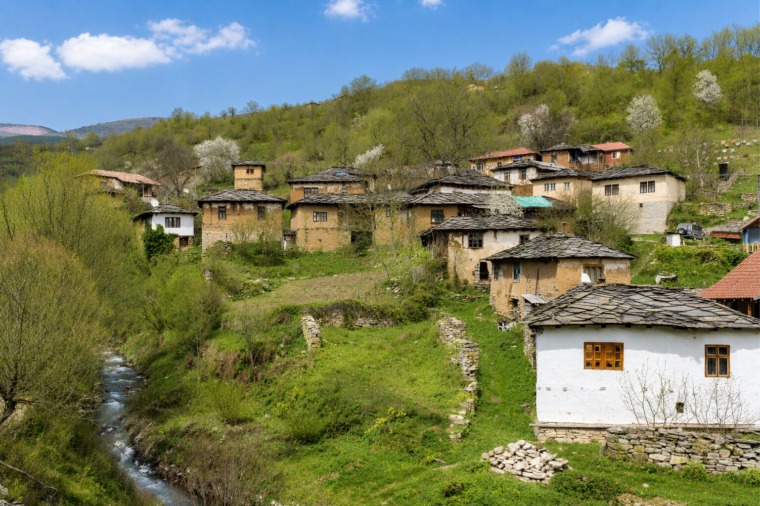
Travelers looking for spontaneous, lived-in environments may prefer traditional villages in the region. In those cases, Drvengrad works better as a short stop – not the main reason for the trip.
How to experience it in the right context
Drvengrad rarely works as a standalone destination. Its value becomes clearer when it’s part of a route – alongside Mokra Gora, the Šargan railway, or a wider exploration of western Serbia.
Seen this way, it adds a different layer to the journey: something conceptual, calm, and visually distinct from everything around it.
Is It Worth Visiting?
Drvengrad is not trying to be everything. It offers a specific experience – and delivers it consistently.
Is it worth visiting?
Yes – if you understand what it is, and plan your visit accordingly.
If you expect more than that, it may feel limited.
If you take it for what it is, it can be quietly memorable.
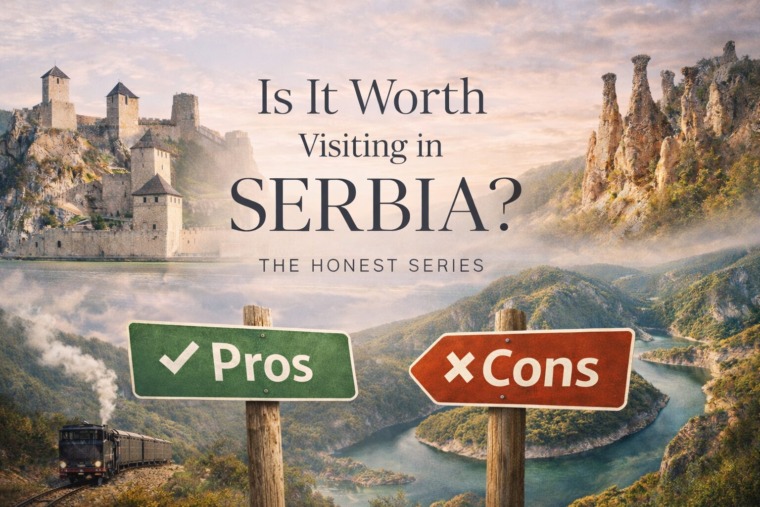
This article is part of our series Is It Worth Visiting in Serbia? – where we explore some of the country’s most well-known destinations, their strengths, and what you can realistically expect when you visit them.
Plan your visit
Everything you need to plan your perfect trip.

Related Articles