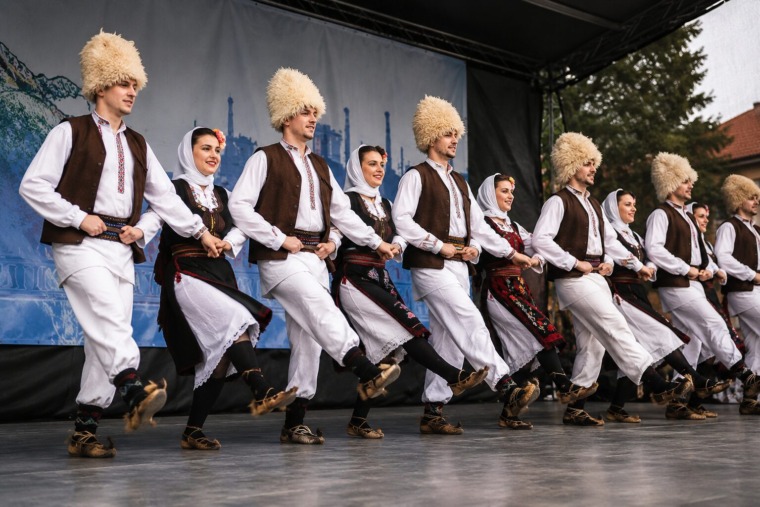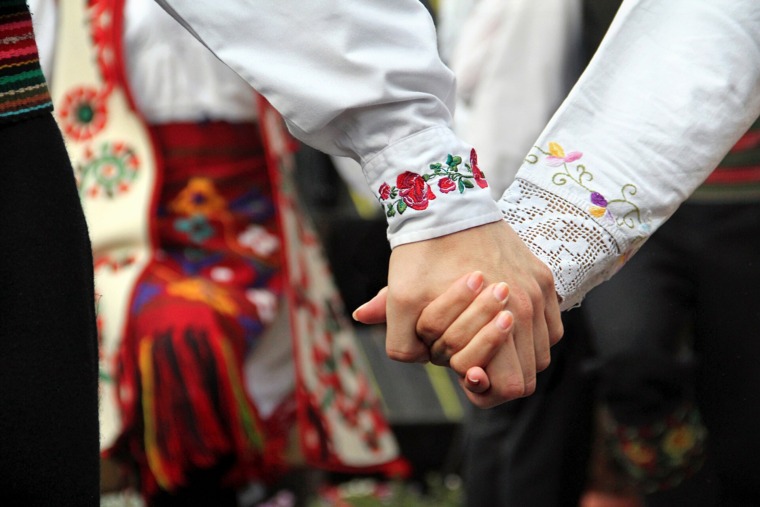

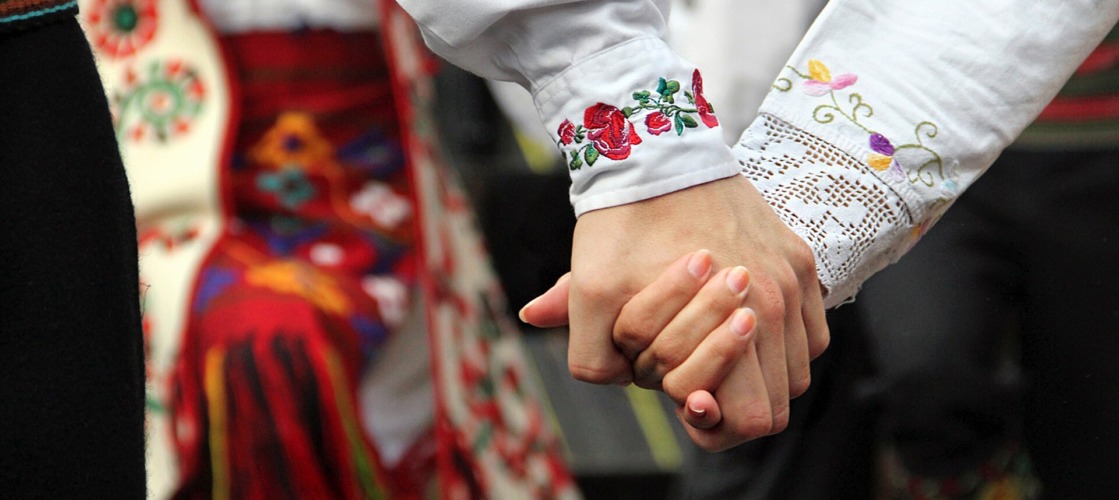
It takes only a few familiar notes for chairs to move aside, hands to reach out and space to open up for dancing. Some people join confidently, others watch the feet of the dancer beside them, and some return to the dance after many years. Kolo brings them all into the same rhythm. Its steps carry local traditions, family memories and the joy of celebrating together.
To understand kolo, we need to look beyond the familiar image of dancers in traditional costumes. Behind it lies a whole world of different steps, melodies, handholds and unwritten rules. Sometimes the dance is delicate and almost restrained; sometimes it is full of hops and strong accents. One kolo may be easy for a beginner to follow, while another demands precision, stamina and careful listening even from an experienced dancer.
This variety makes kolo one of the most fascinating ways to discover Serbia’s cultural heritage – through something people still do together today.
What Exactly Is Kolo?
In its broadest sense, kolo is a communal dance in which participants are linked together, moving in a circular or chain formation. In everyday speech, however, the word can also refer to a particular dance, a specific pattern of steps or a musical composition played for dancing.
That is why different kolo names do not always describe entirely different dances. Several melodies may accompany a similar step pattern, while the same dance can take on a different style from one community to another.
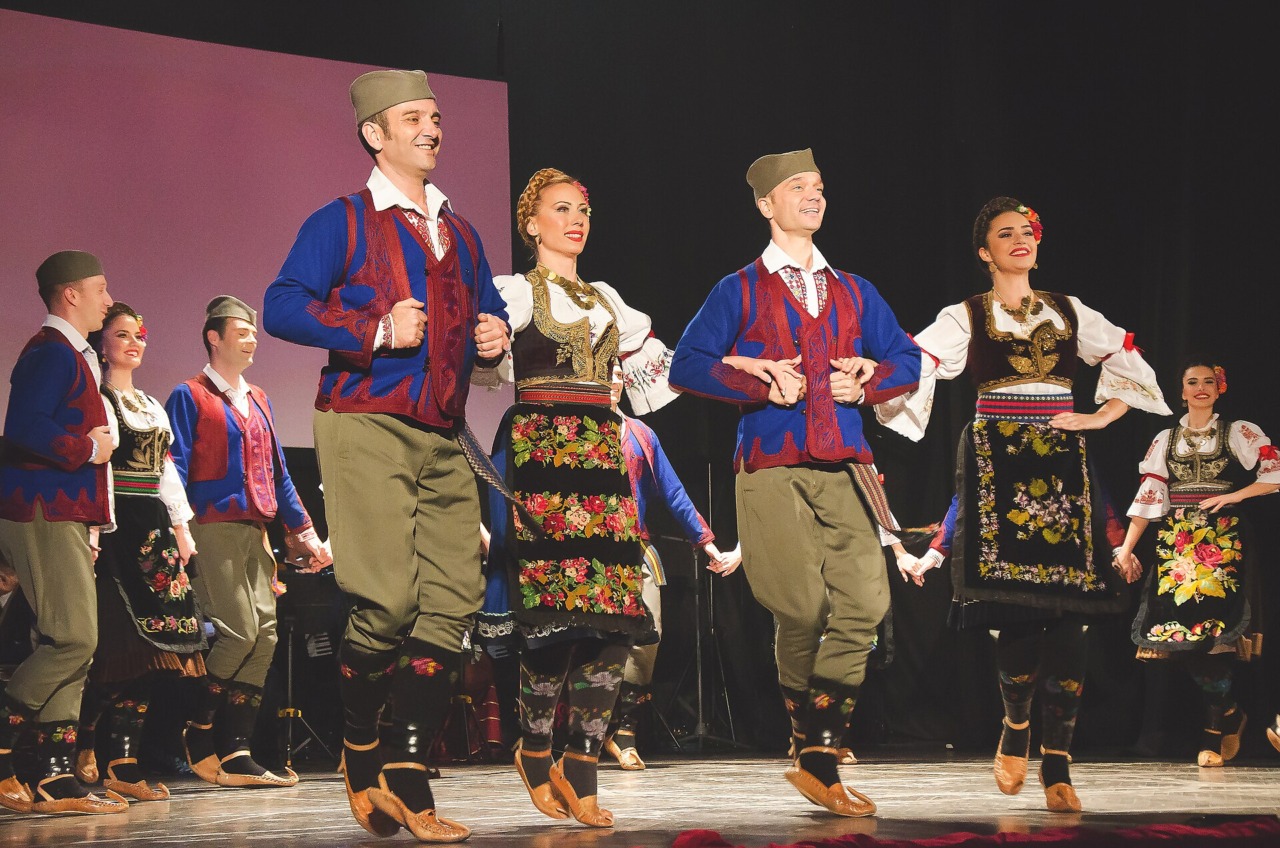
Serbia’s National Register of Intangible Cultural Heritage describes a widely practised form known as kolo, kolo u tri or kolo u šest. Its basic pattern involves moving to the right, dancing in place, then moving to the left and dancing in place again, with a continuous gentle bouncing of the knees.
On paper, this may sound simple. In practice, small details make all the difference: how weight is transferred, the length of a step, the musical accent and the moment a dancer adds a personal flourish.
Kolo Does Not Have to Be a Closed Circle
One of the first surprises is that kolo often takes the shape of an open circle or semicircle. This allows dancers to join, while giving those at either end particular roles.
The first dancer is the kolovođa, or dance leader, while the last is often called the kec. The leader guides the movement and, depending on the dance and occasion, may have greater freedom to embellish the steps. The last dancer also helps the chain maintain its shape and coordination.
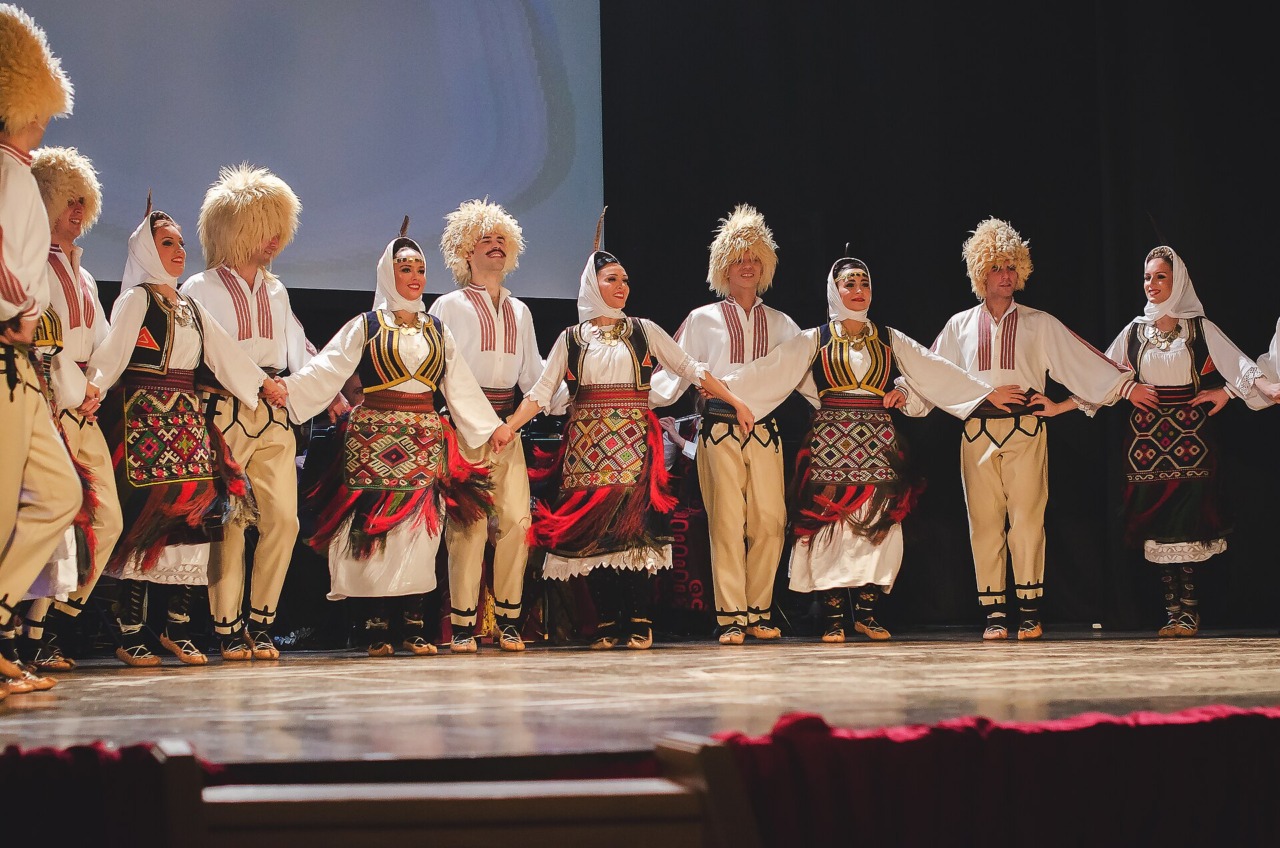
Some formations may curve into a winding line or a spiral. Kolo is therefore constantly adapting to the space, the music and the people taking part.
An observer will first notice the movement of the whole chain. Only by looking more closely at the dancers’ feet does the extent of individual expression within the shared dance become apparent.
How Old Is Kolo?
Kolo belongs to a long tradition of folk dancing, but its origins cannot be reduced to a single year, place or creator. It is important to distinguish the wider tradition of circular and chain dances from the history of particular step patterns and melodies.
According to the catalogue of Serbia’s Centre for Intangible Cultural Heritage, Moravac and Kukunješ are among the earliest documented versions of the widely practised kolo, recorded in central Serbia during the second half of the nineteenth century. Different musical and dance variants subsequently spread and evolved. This tells us when those versions were documented, rather than when all dances in kolo formation originated.
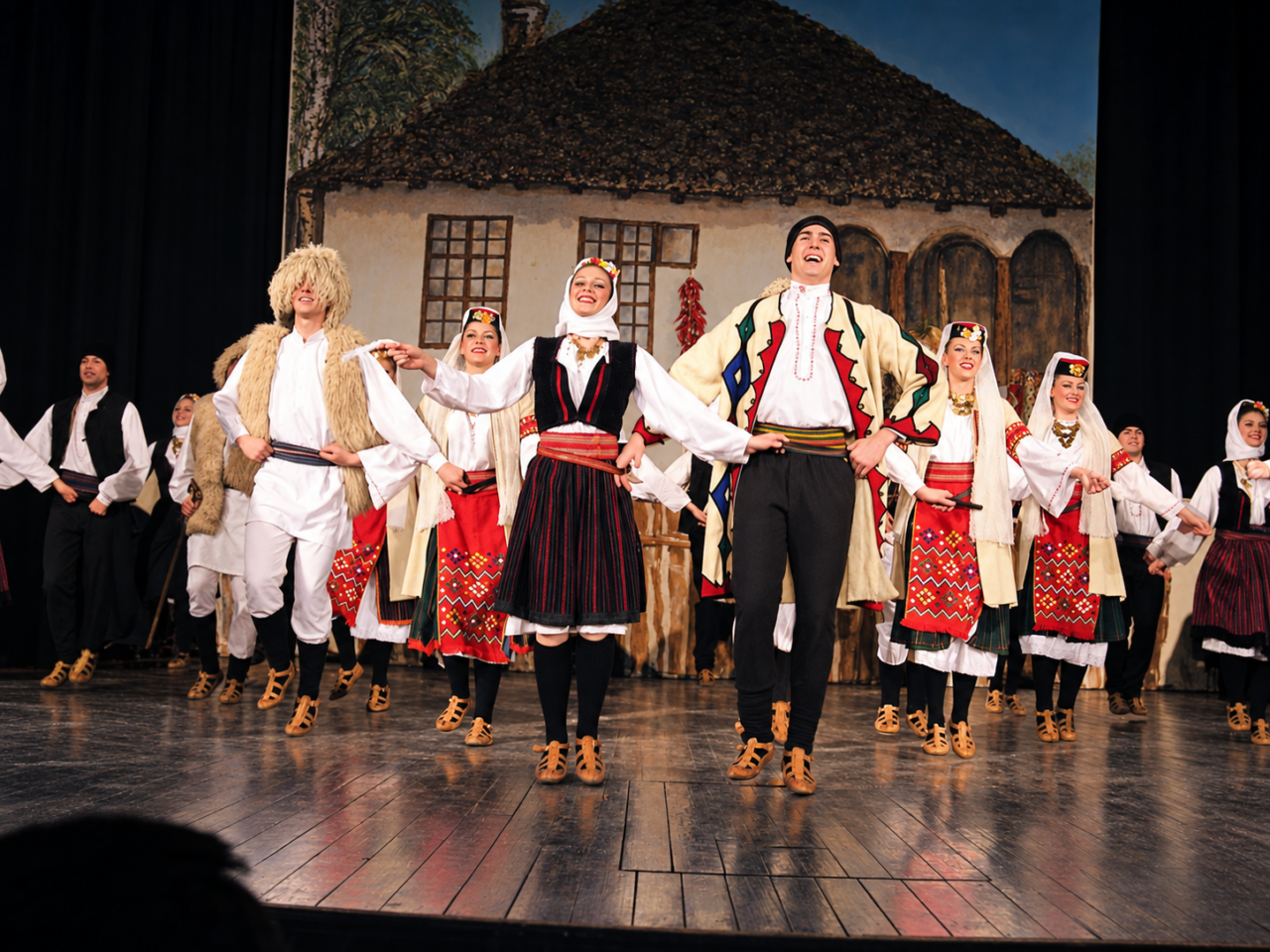
That history reveals something important: tradition develops through the people who pass it on. Musicians reshape melodies, dancers add flourishes, and dances travel with families and communities.
What Types of Kolo Are There?
There is no single short list that includes them all. Kolo can be considered according to its formation, step pattern, regional associations or the names by which particular dances and melodies are known. For a first introduction, several examples reveal its remarkable variety.
Moravac: A Familiar Way into the Shared Rhythm
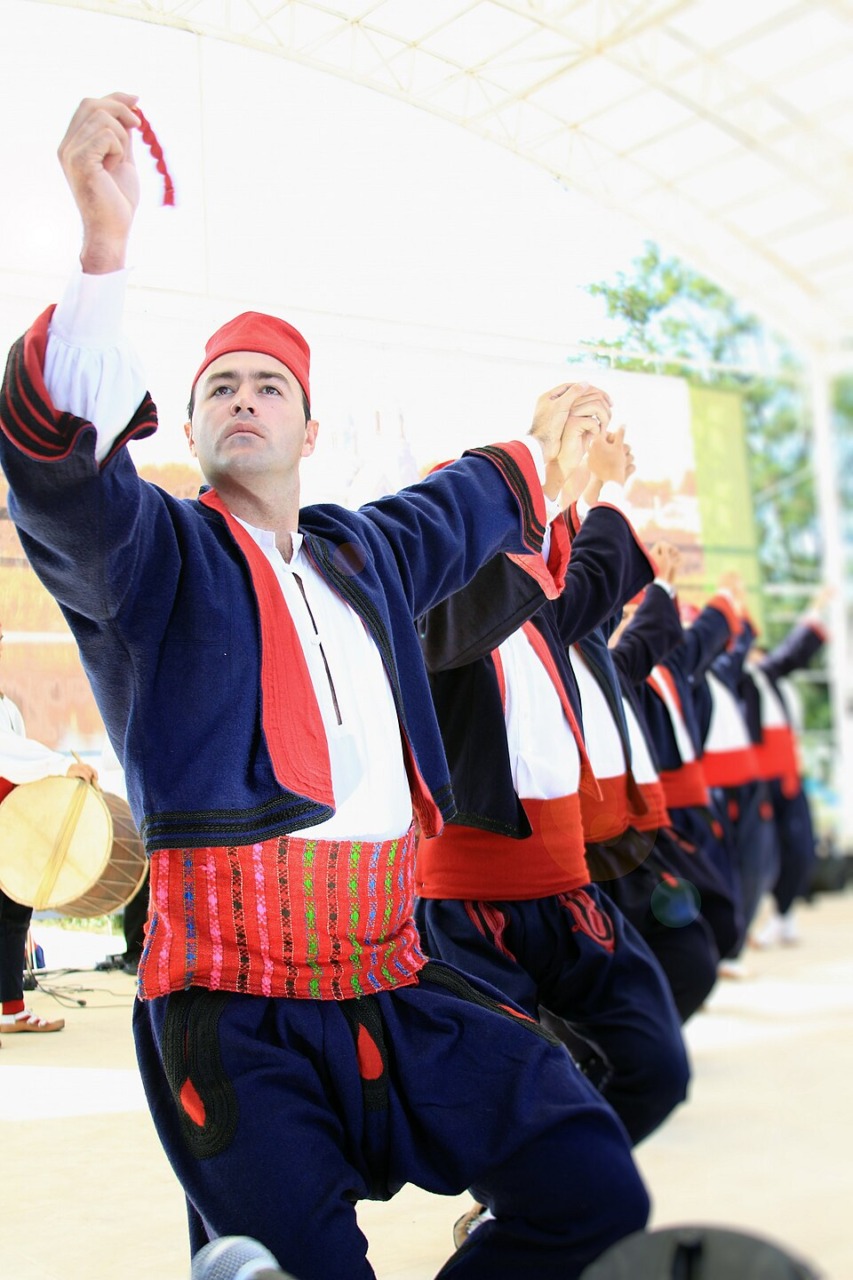
Moravac is one of the recognisable names in the kolo repertoire and belongs among its early documented variants. For many people, familiar dances like this provide their first introduction to kolo. They learn by watching, trying and repeating, often beside someone who already knows the steps. At first, following the basic direction and rhythm is enough; confidence and embellishments come later.
The beauty of that experience lies in the moment when you stop thinking about every step and begin to feel the shared movement carrying you along.
Užičko Kolo: A Melody That Is Hard to Miss
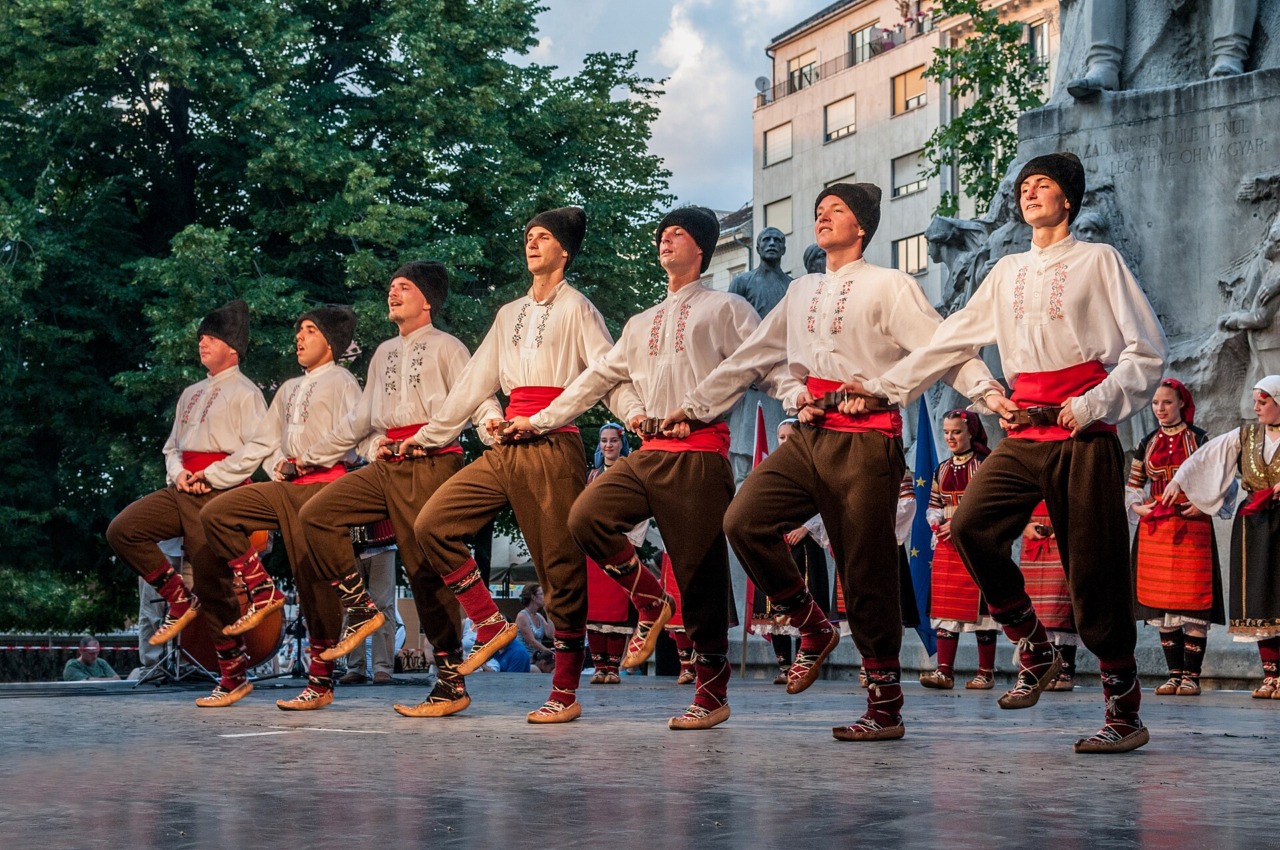
Užičko kolo holds a special place among Serbia’s best-known kolos. For many, its opening notes are an almost immediate invitation to dance.
It also offers a fascinating insight into how tradition develops: the famous Užičko kolo melody was composed by accordionist Milija Spasojević. Something now experienced as part of a shared cultural inheritance can have a known author.
Here, it is useful to distinguish the melody from the step pattern performed to it. Their close connection in everyday practice does not mean they share the same history.
Čačak: One Name, Many Variants
Čačak is another important name in the world of traditional dance. It exists in numerous local variants and should therefore not be imagined as one fixed choreography.
Dances like this show why knowing the name alone is not enough. A dancer familiar with one variant may recognise similarities elsewhere, while encountering a different sequence of steps, musical accents or style of execution.
These local differences give a dance its character. They are a reason to watch carefully, even when its name or melody feels familiar.
Rumenka: The Richness of Eastern Serbia
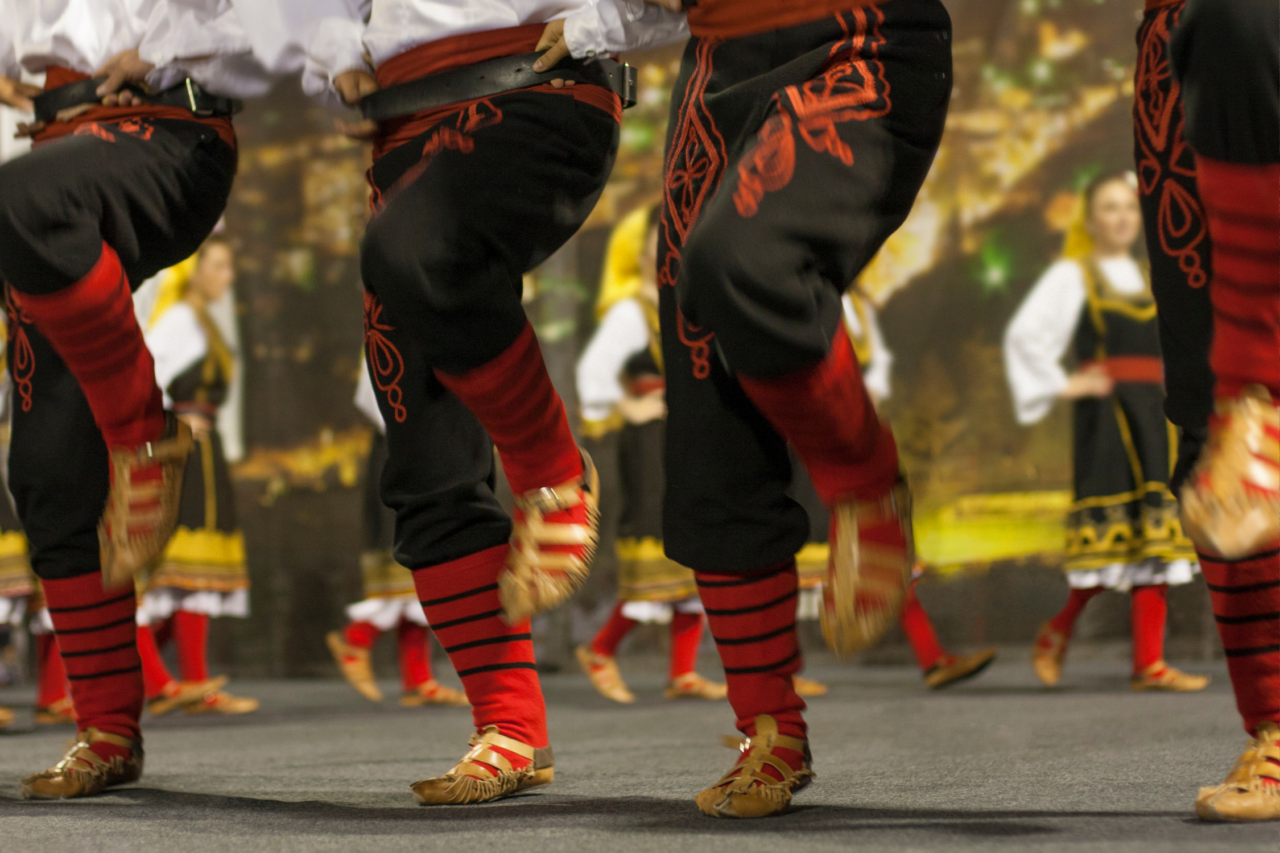
Rumenka is a dance performed in kolo formation across parts of eastern Serbia, including Crnorečje, the Timok area, the Svrljig basin, the surroundings of Niš and part of the Pirot plain.
It has a symmetrical pattern that dancers enrich with smaller, quicker steps, hops and a distinctive movement known as pozdvoženje: one foot begins the movement, and the other quickly joins it. Documented patterns may last eight, ten or sixteen bars. Rumenka has its own entry in Serbia’s National Register of Intangible Cultural Heritage.
For an observer, its appeal lies in the precision of these small movements. Seemingly modest steps reveal considerable dancing skill.
Malo Kolo: Vojvodina’s Tradition of Shared Dance
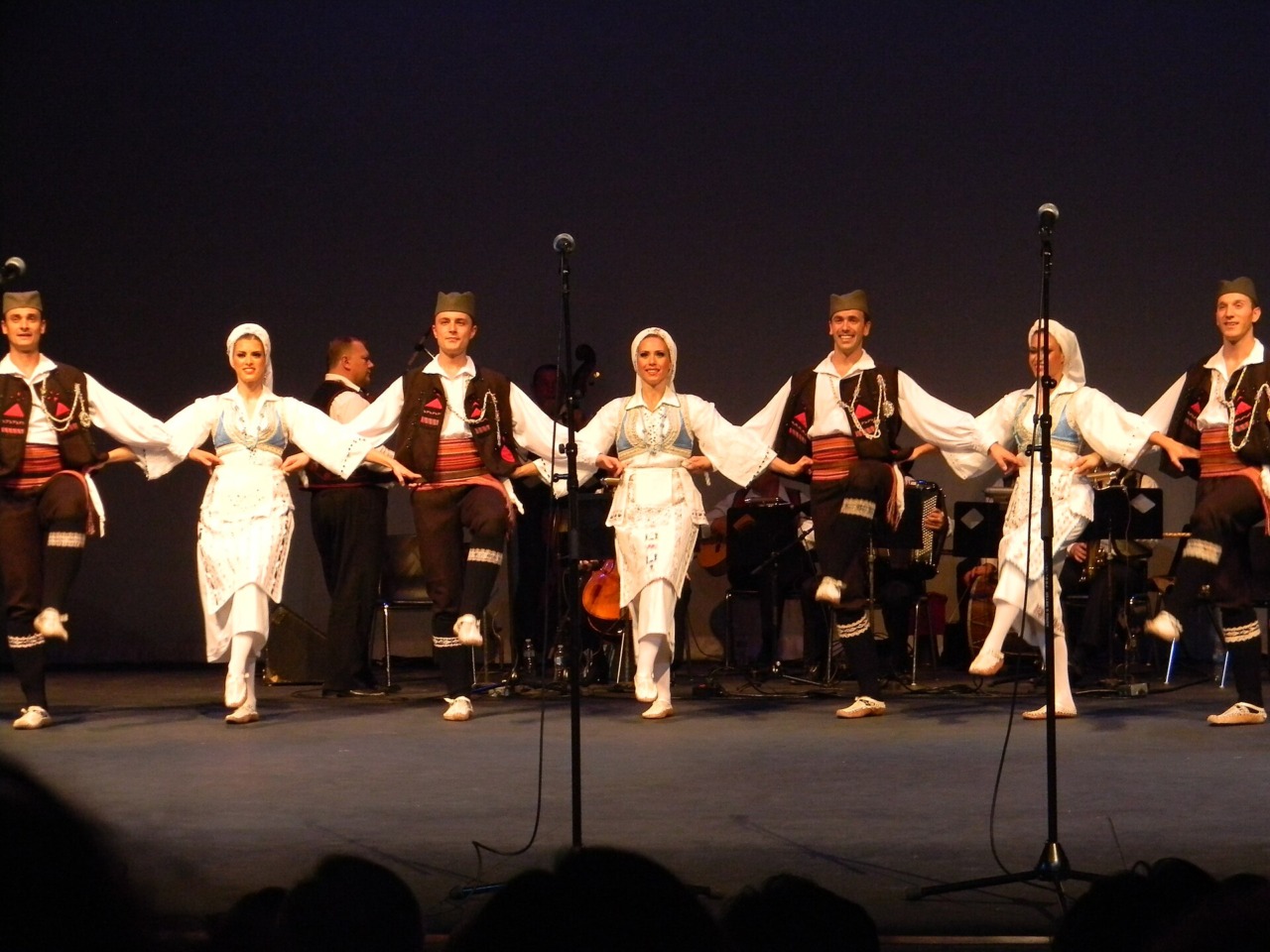
Malo kolo, meaning “small kolo”, is associated with Srem, Banat and Bačka. It is danced in an open or closed circle using a characteristic Vojvodina hold: female dancers place their hands on the male dancers’ shoulders, while the men link hands behind the women’s backs.
The basic pattern consists of two steps to the right and two to the left, but its simplicity leaves room for different styles and individual embellishments. People of different generations take part, and malo kolo is also included in the National Register.
It demonstrates beautifully that a dance’s complexity does not depend only on the number of steps. Expression can lie in rhythm, posture and the smallest shift of the body.
Kukunješ, Žikino Kolo and Other Familiar Names
The wider repertoire also includes Kukunješ, or Kokonješte, Žikino kolo and numerous other names. Their histories, melodies and ways of dancing cannot all be explained by a single formula.
Getting to know kolo is therefore rather like learning a language: a basic pattern helps you take part, while local details reveal the richness of an entire world.
Regional Differences: Recognising a Place Through Its Dance
Kolo’s diversity goes beyond its names. Two groups may perform a related pattern yet create a very different impression.
The difference may lie in the height of a hop, the delicacy of the steps, the position of the arms or the relationship between a still upper body and highly active feet. Some dances draw attention through stronger movements; others reveal their precision only when watched closely.
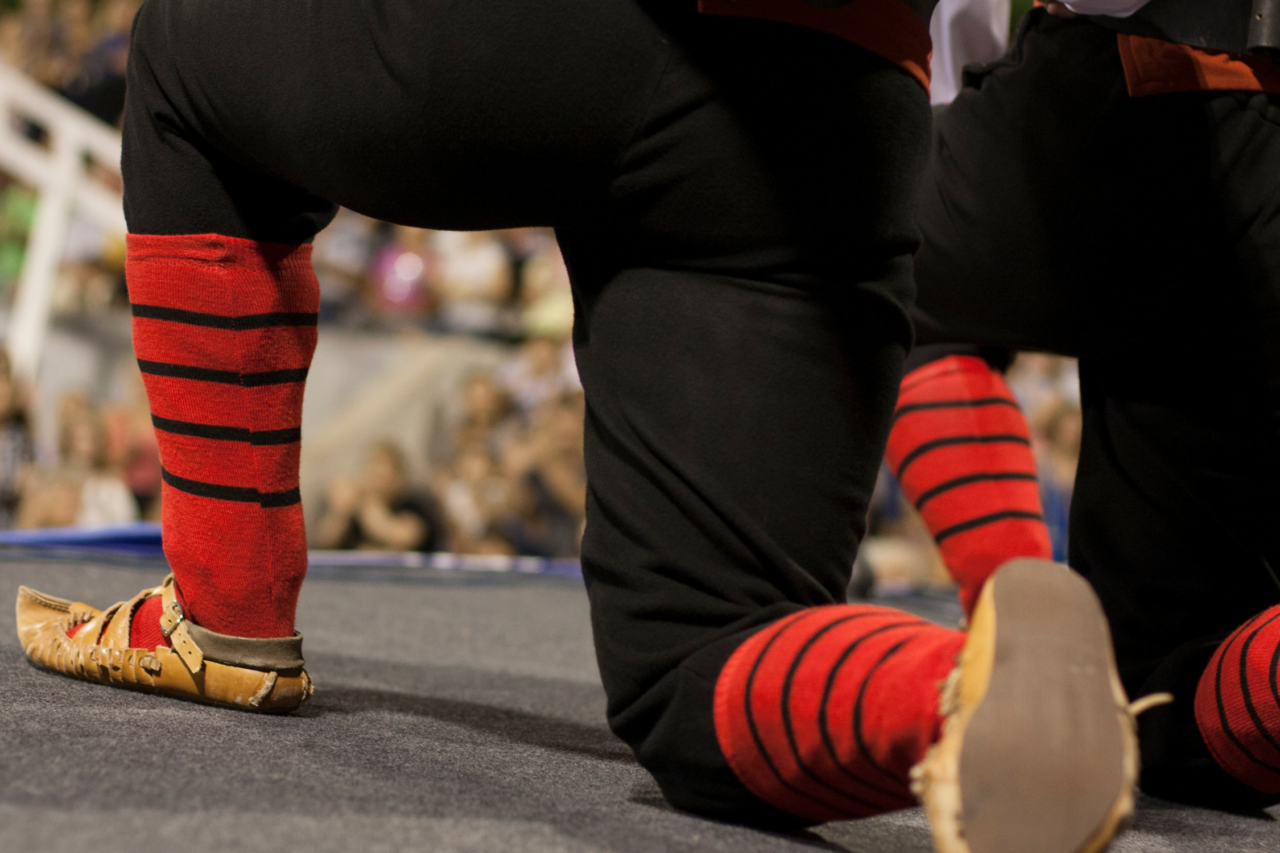
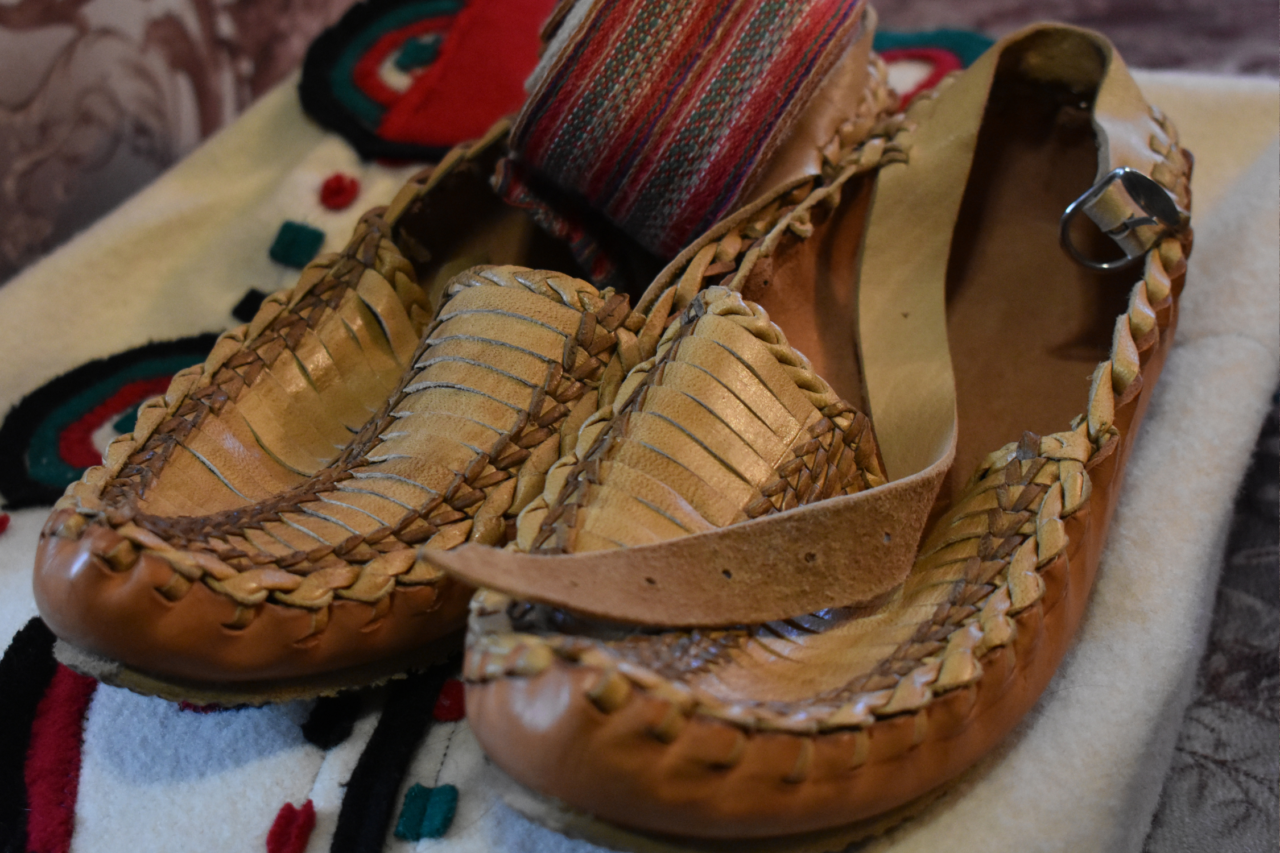
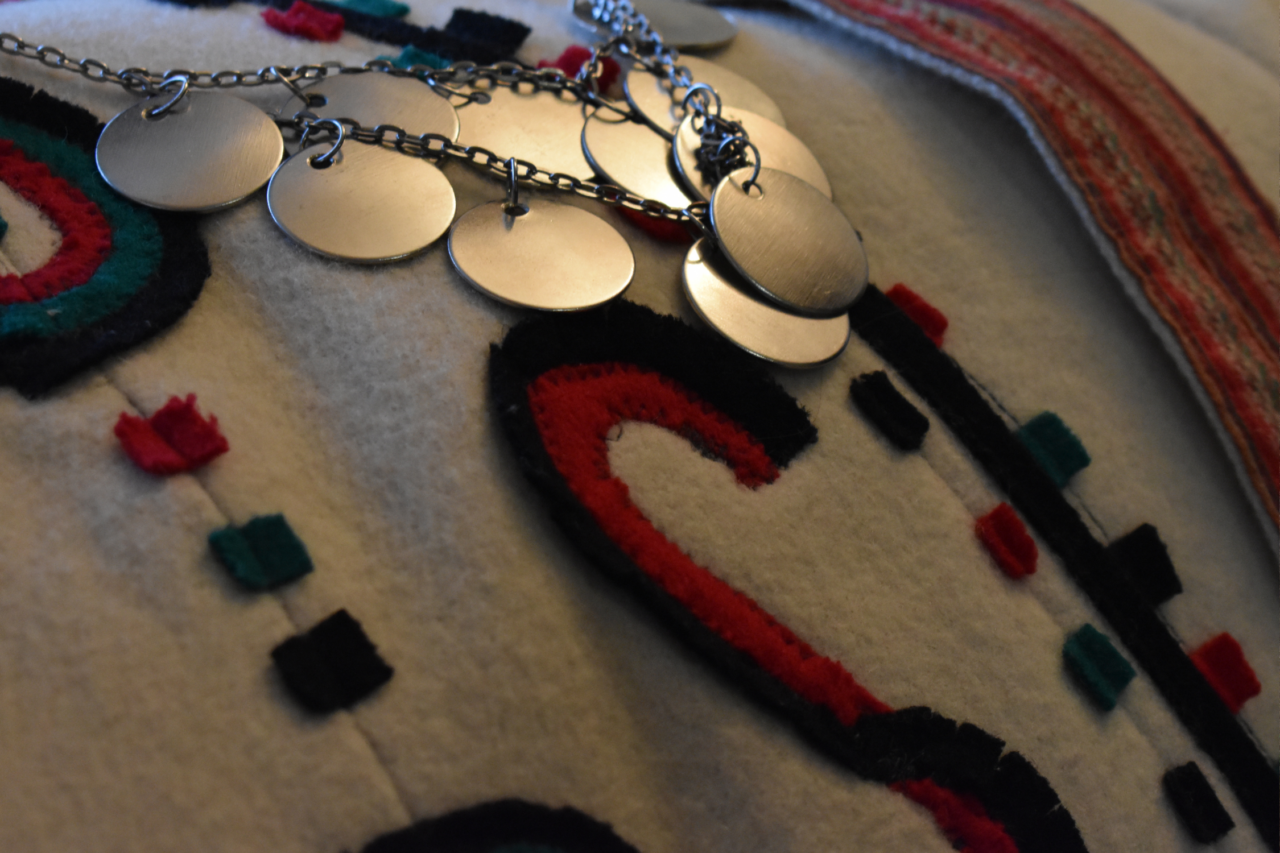
Rumenka and malo kolo illustrate this well. One reveals the richness of eastern Serbia’s dance patterns, while the other features a distinctive way of linking dancers and moving together in Vojvodina.
Regional identity, however, does not form an impenetrable boundary. Dances are passed on, adopted and adapted. At a single celebration, melodies and steps brought by families from different parts of the country may meet.
The Dance Leader, Skill and Unwritten Rules
Leading a kolo means taking responsibility for the movement of the group. A good kolovođa responds to the music, the available space and the abilities of the dancers following. In some wedding traditions, particular people are expected to lead certain dances, giving the role a social significance as well.
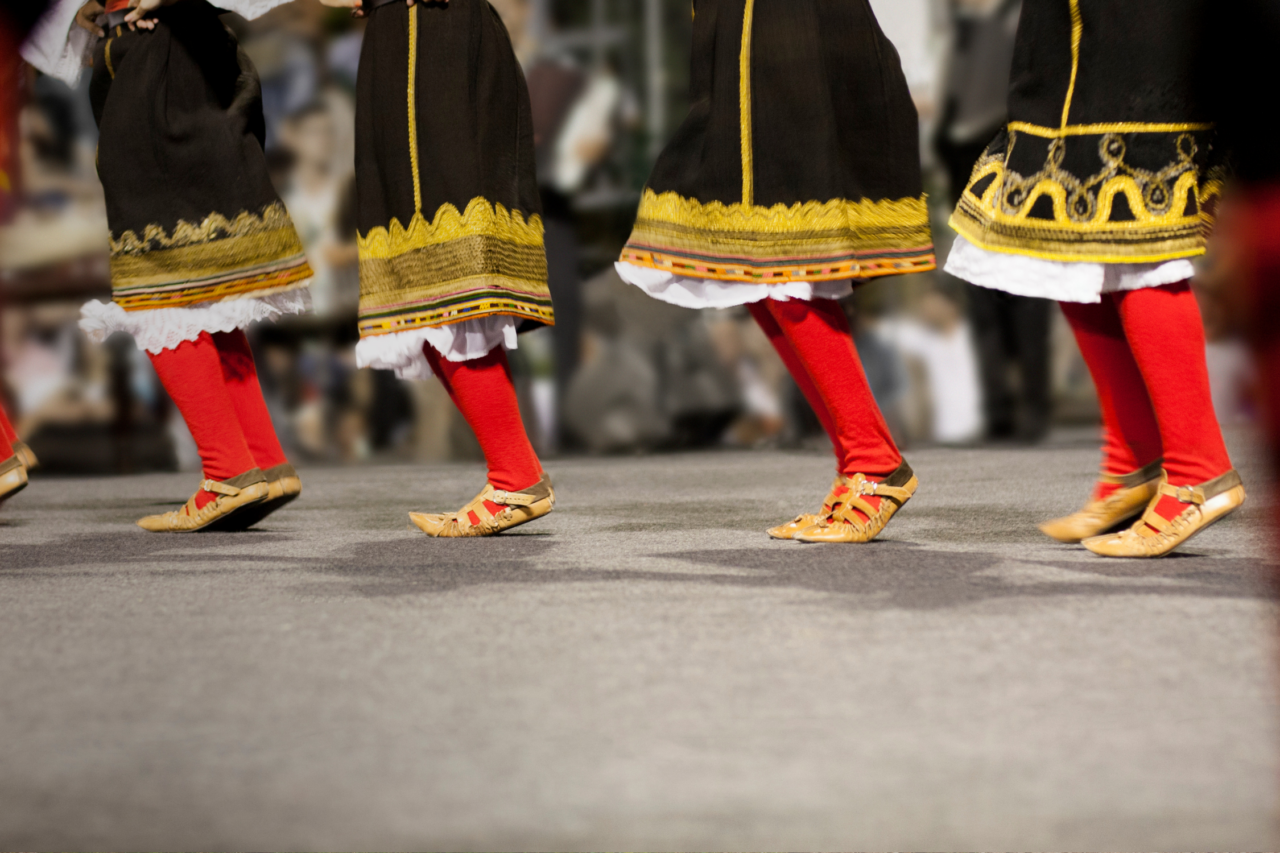
For someone joining for the first time, observation matters most. Are the dancers holding hands or using another hold? How much space do they leave between one another? Are they taking large steps or moving almost in place?
Kolo asks you to adapt your own dancing to the shared rhythm. A personal flourish works best when it fits the movement of the whole group.
Why Does Kolo Matter in Serbian Tradition?
Kolo has a powerful social role. It is performed at family celebrations and public gatherings, bringing different generations together. UNESCO recognises it as a practice that connects communities and expresses local, regional and national identities.
At a celebration, this becomes immediately visible. People who had been sitting at different tables suddenly follow the same music. An experienced dancer adjusts to a beginner, a child watches the adults, and someone hears a familiar melody that brings back a family memory.
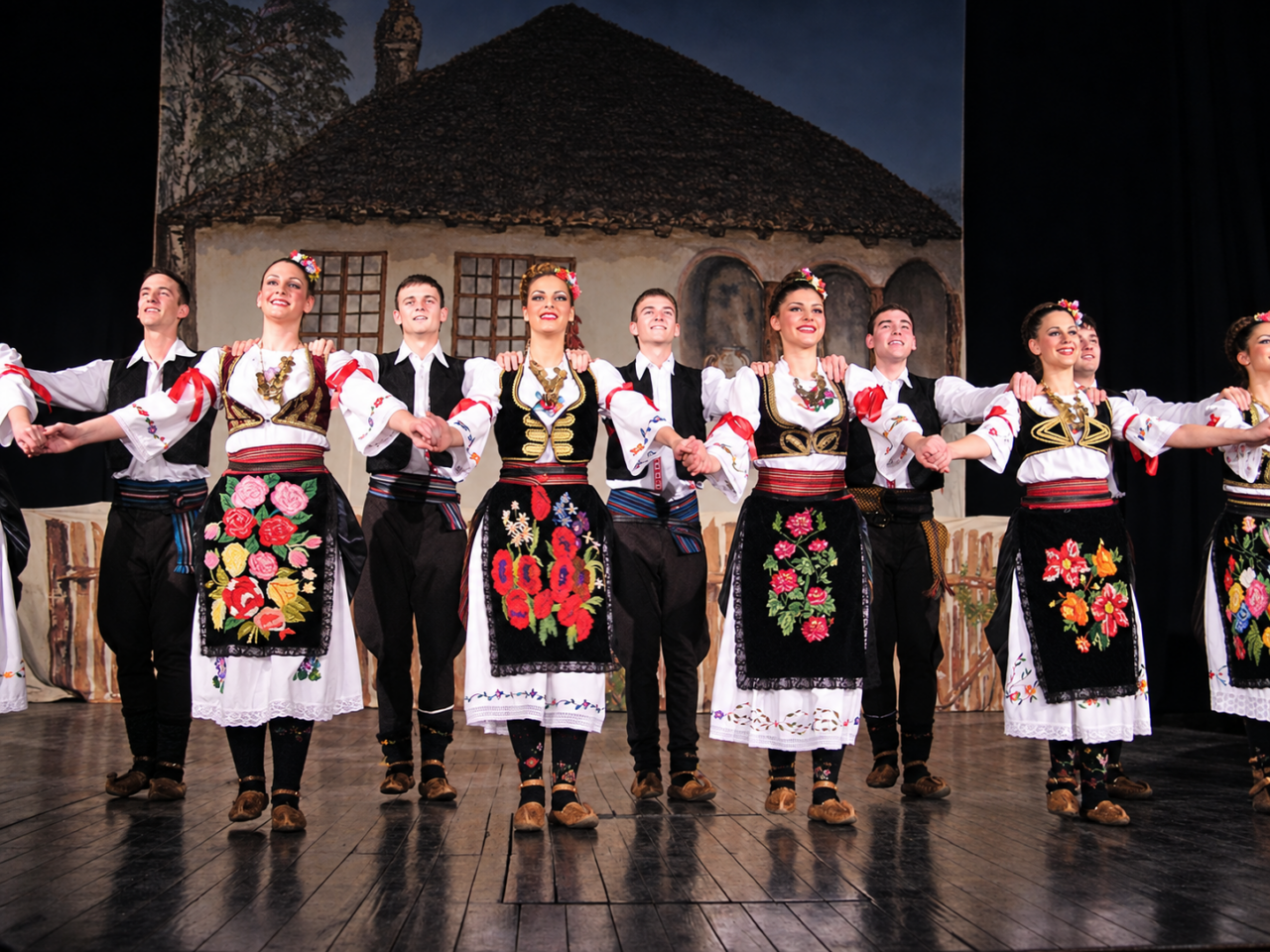
Kolo can therefore be a deeply personal experience. A particular tune may take someone back to their parents’ wedding, the courtyard of a family home or their first folk dance rehearsals. The steps become a way of maintaining a connection with people and places.
What Does UNESCO Recognition Mean?
Kolo, traditional folk dance, was inscribed on UNESCO’s Representative List of the Intangible Cultural Heritage of Humanity in 2017.
The recognition concerns a living practice, the people who sustain it and the ways knowledge is passed on. Learning through direct participation is particularly important: watching other dancers, joining in and gradually improving. Cultural and artistic societies and folk dance ensembles also play a significant role.
Such recognition draws attention to something that can easily be taken for granted. Tradition survives because people practise it, teach it and pass it on.
Kolo on Stage and at Celebrations
The folk dance stage offers an opportunity to bring dance, music, costume and coordinated performance together with great care. Audiences can notice details that might be missed at a crowded celebration.
At a celebration, the group of dancers changes, the space shapes the movement, and beginners may share the same chain with people who have years of experience. Here, another side of tradition becomes visible: its ability to remain part of everyday life.
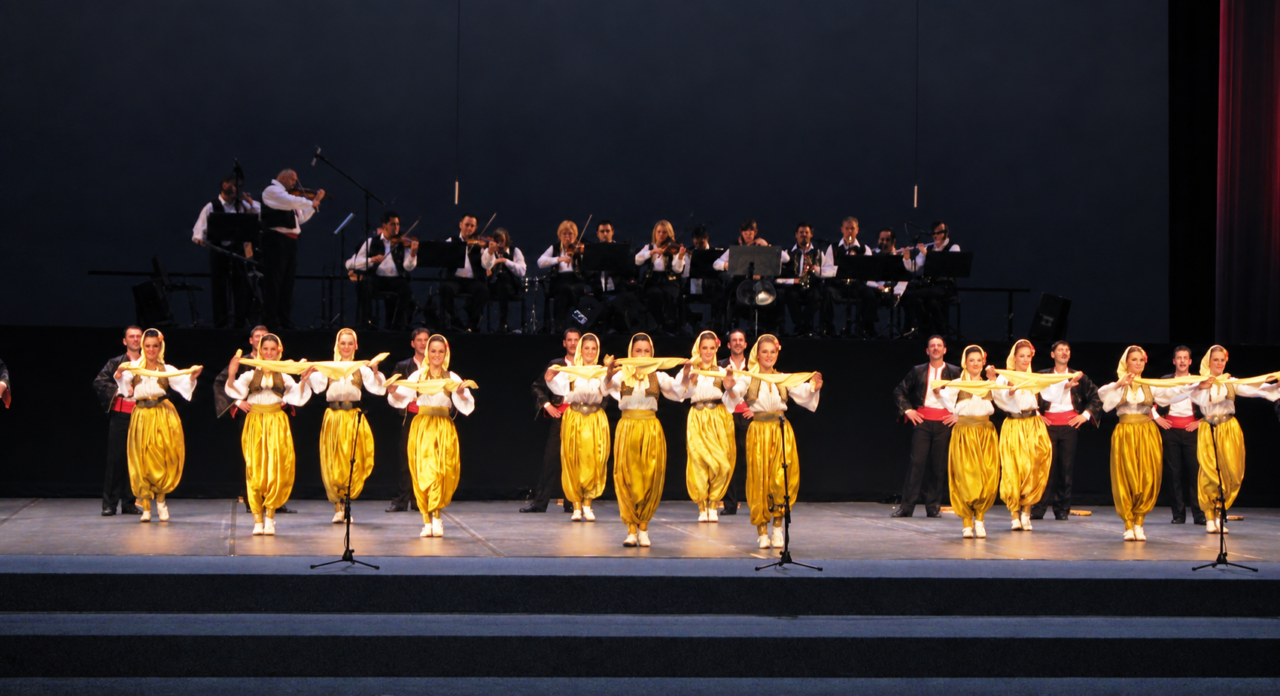
The National Ensemble “Kolo”, founded in 1948, holds an important place in the history of presenting Serbia’s folk dances and songs on stage.
Both experiences are valuable for understanding kolo fully: watching a skilfully prepared performance and seeing people come together spontaneously through dance.
How Do You Join for the First Time?
If you are a guest at a celebration, watch for a moment before joining. Notice when the dancers move sideways, when they stay in place and how they transfer their weight.
The easiest way to begin is beside someone who dances confidently and is willing to help. Take small steps, keep your arms relaxed and try to follow the basic rhythm. Leave flourishes and hops for later.
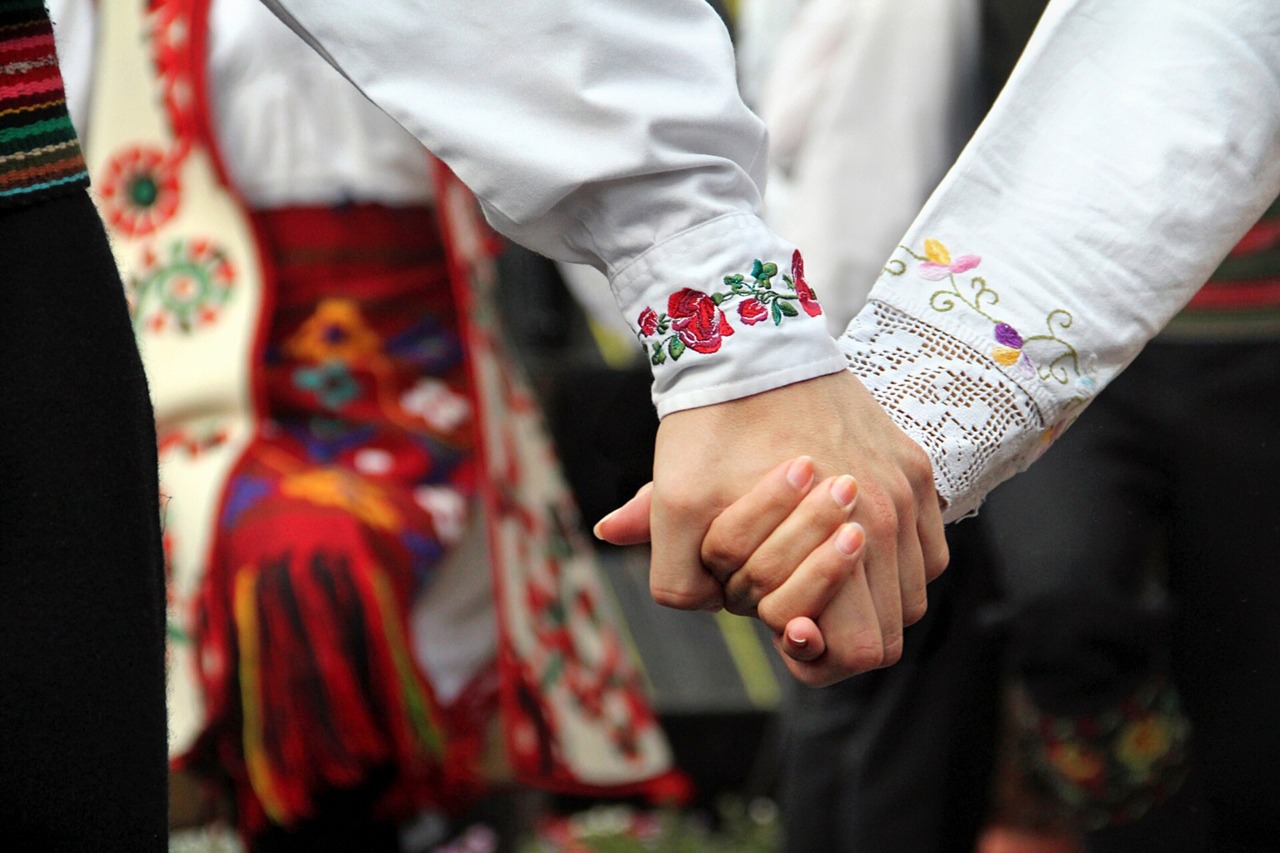
For a more demanding dance, learning the pattern at a rehearsal or workshop can be helpful. Not every kolo is equally easy, and knowing its name is not enough to know all its steps.
The best moment often comes when you no longer need to keep looking down at your feet. Then you can listen to the music, look at the people around you and feel that you belong to the dance.
A Tradition Remembered Through Movement
Kolo can reveal a great deal about Serbia: the differences between its regions, the place of celebration in people’s lives, the importance of music and the ways knowledge passes between generations.
Some discover it through a folk dance group, others at a family wedding, and some only when they visit Serbia for the first time. Each encounter creates an opportunity for the tradition to welcome another participant.
So when a hand reaches out and space opens up in the kolo, the invitation is simple: find the rhythm, watch the steps and join in.