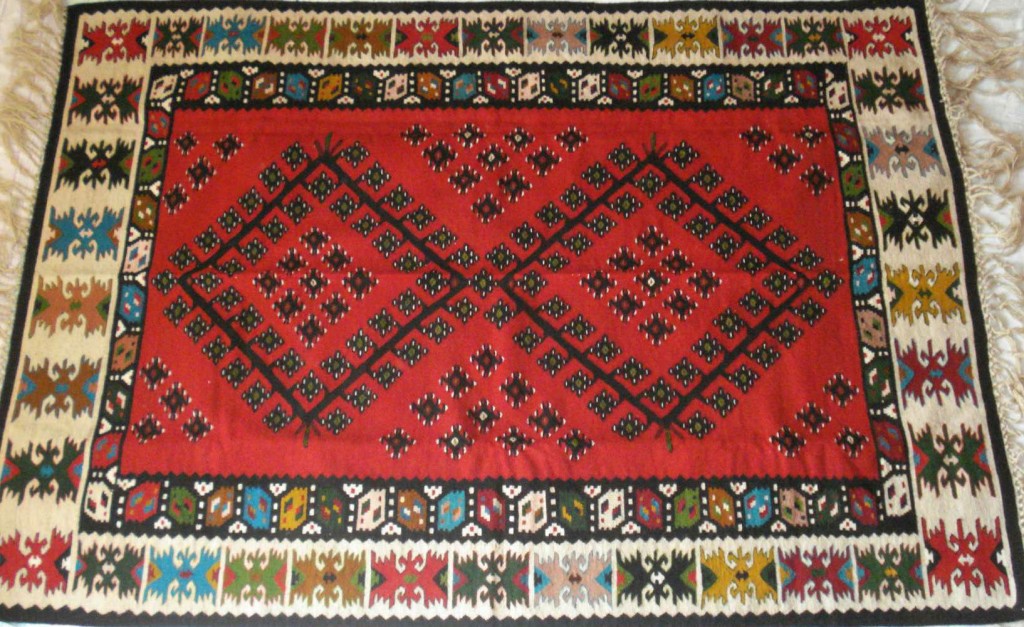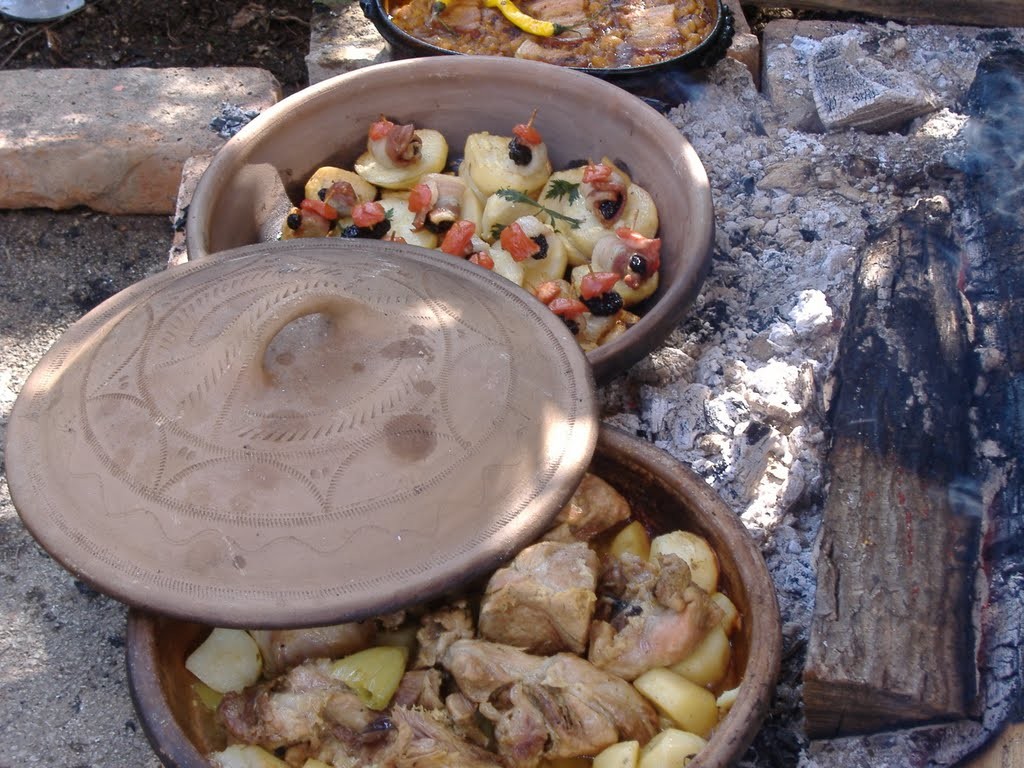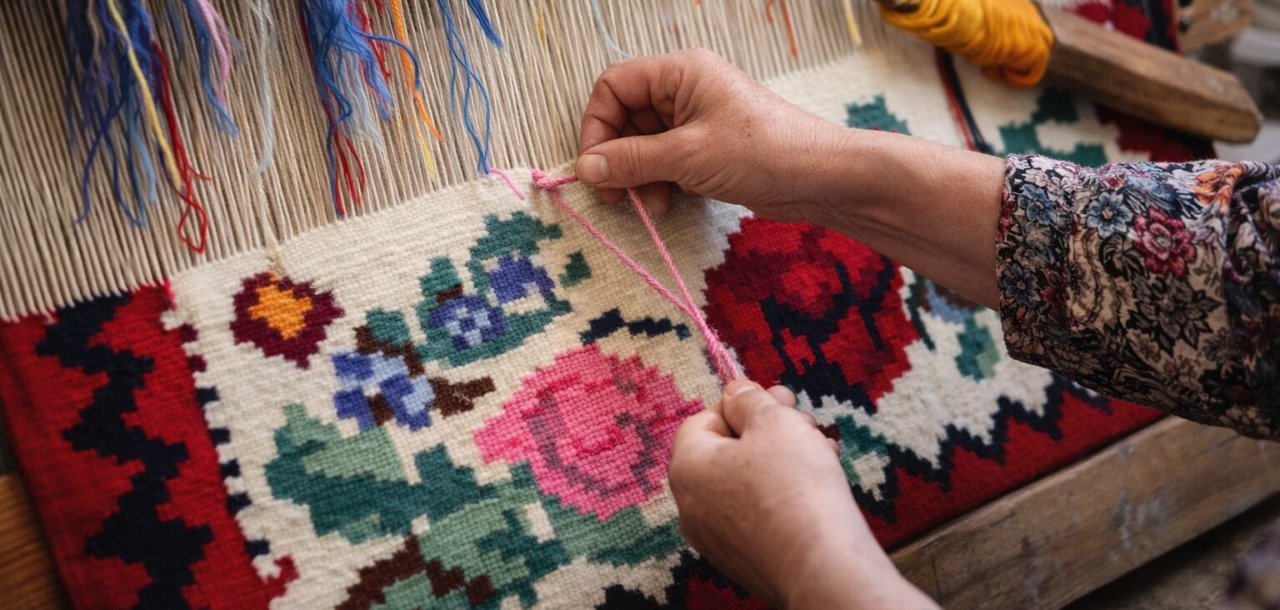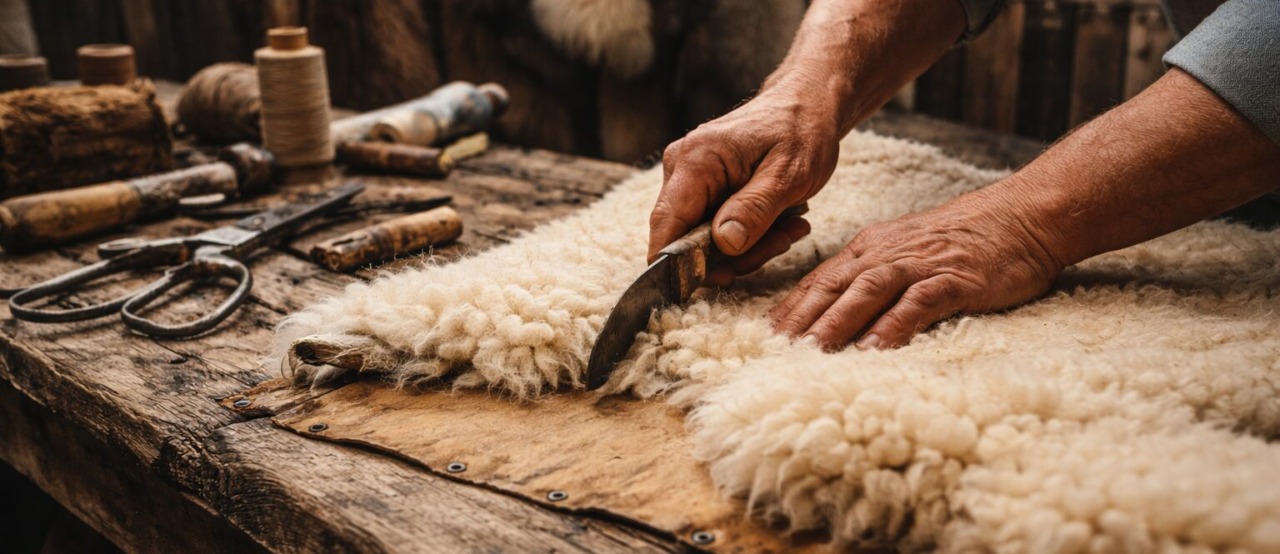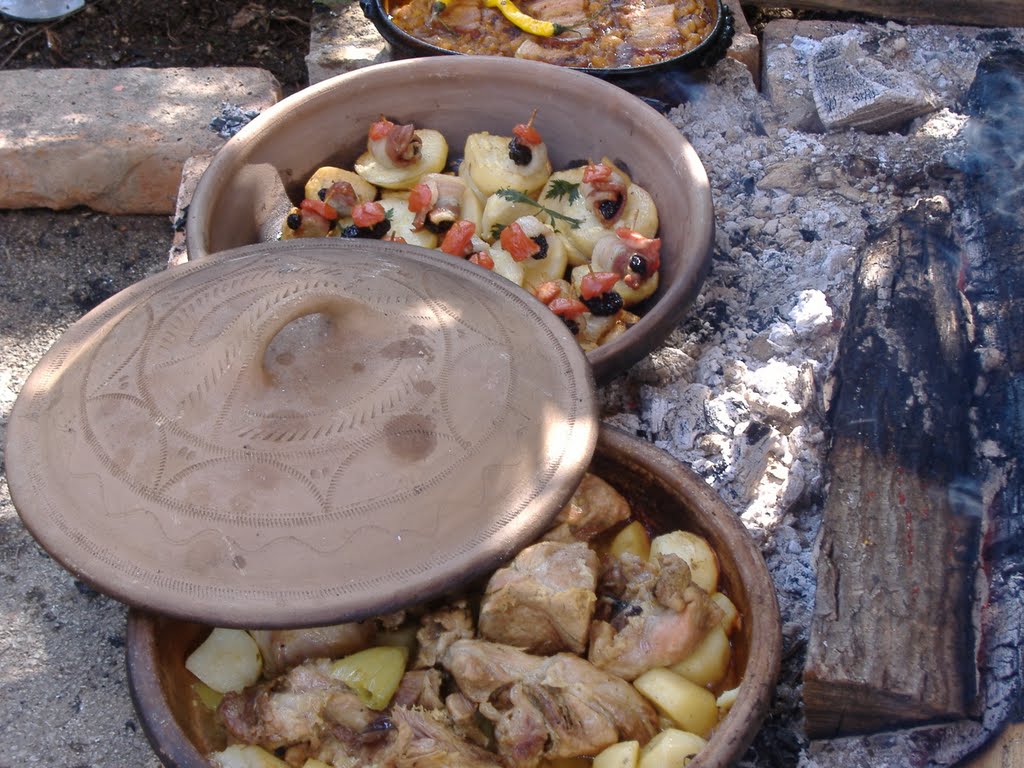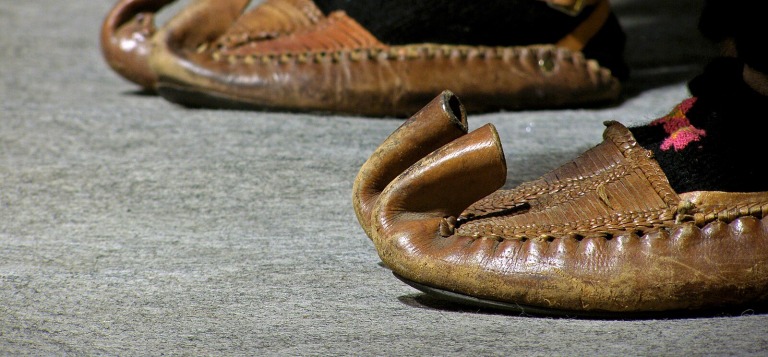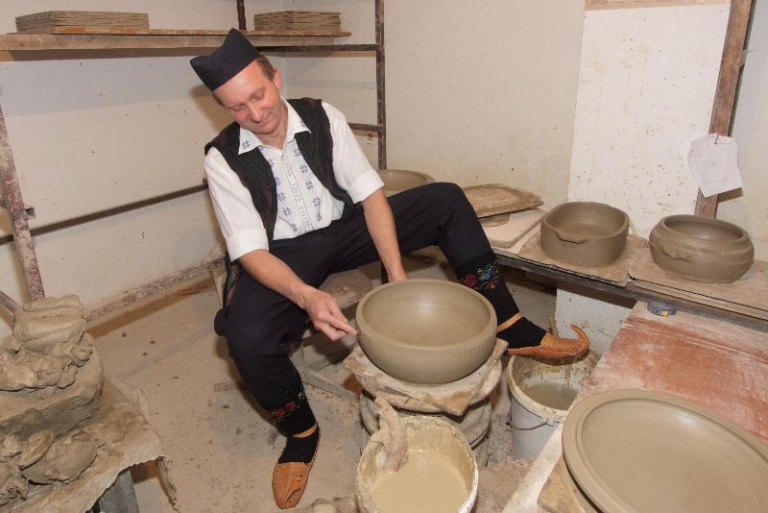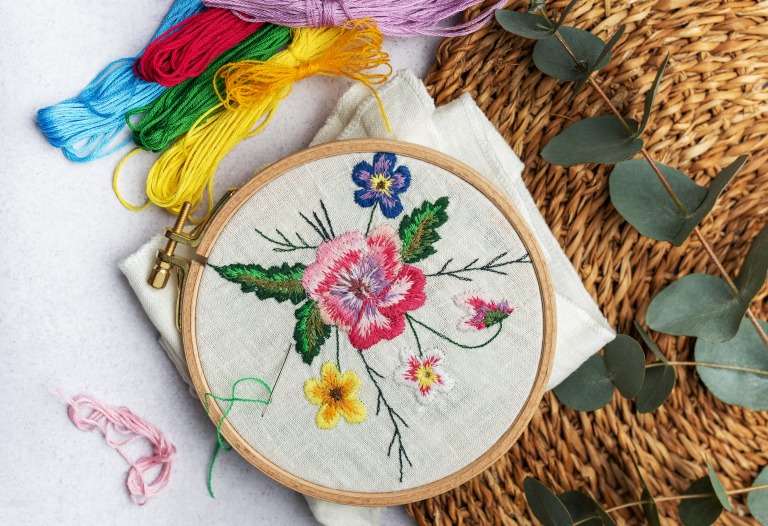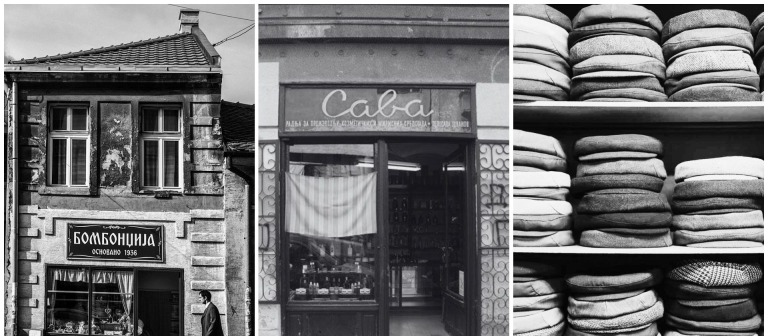
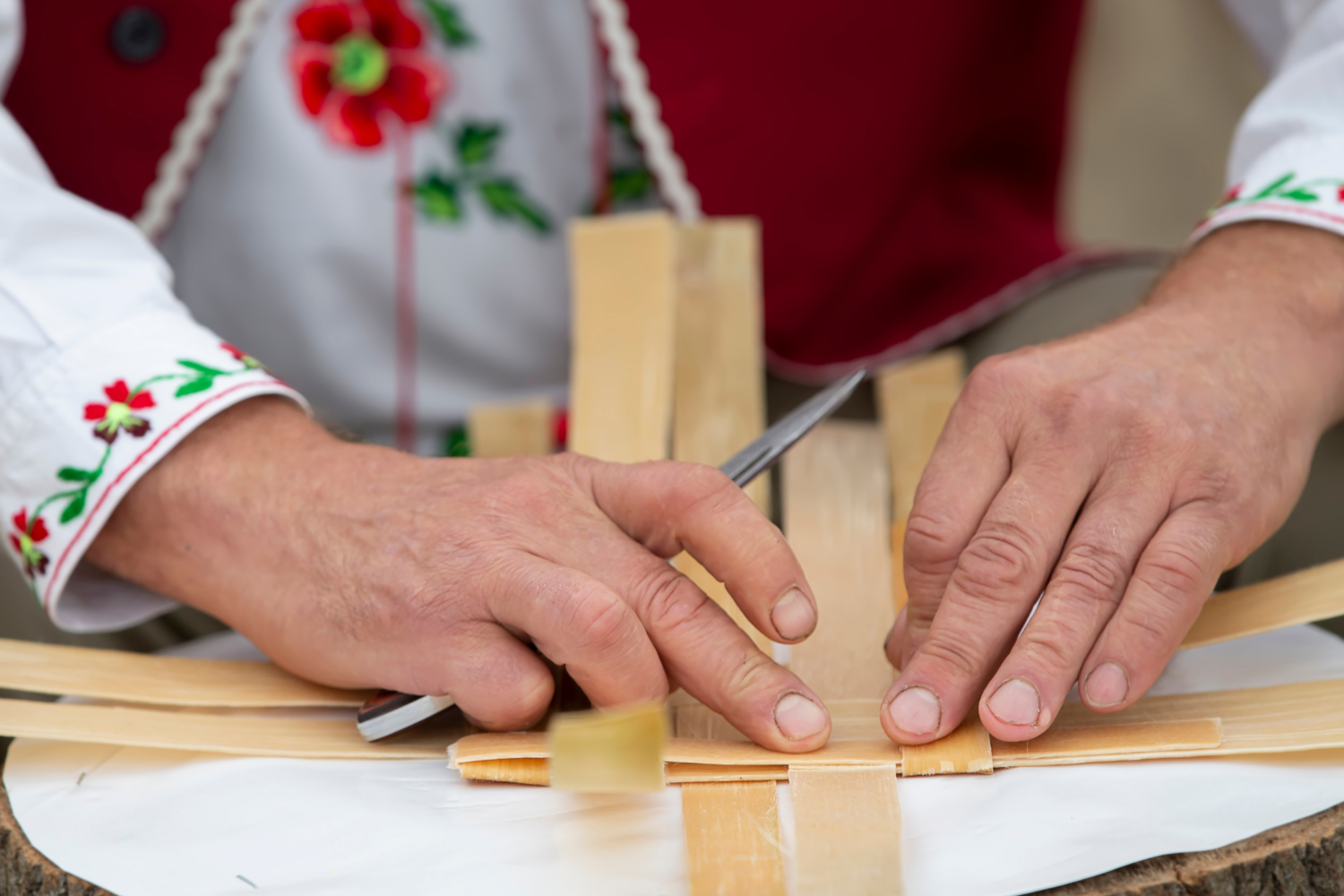
Before industrial production transformed everyday life, almost every Serbian town and village depended on skilled craftspeople. Potters made vessels for cooking and storing food, weavers produced rugs and household textiles, leatherworkers created durable clothing, while blacksmiths, coppersmiths, woodcarvers, embroiderers, and opanak makers supplied objects needed for daily life.
These crafts were practical, but they were never merely functional. Materials, shapes, colours, patterns, and techniques reflected the landscapes, resources, customs, and visual identities of different regions. Knowledge was usually transmitted directly within families and workshops. Young artisans learned by observing experienced masters, repeating movements, understanding materials, and gradually developing the precision required to create objects designed to last.
Many traditional crafts declined during the 20th century as handmade objects were replaced by cheaper industrial products. Some disappeared almost completely, while others survived thanks to determined artisans, family workshops, cultural associations, museums, and local communities.
Today, Serbia’s craft heritage is finding new meaning. Traditional techniques are being used to restore family heirlooms, create contemporary products, support local tourism, and introduce new generations to the value of patient, skilled work.