
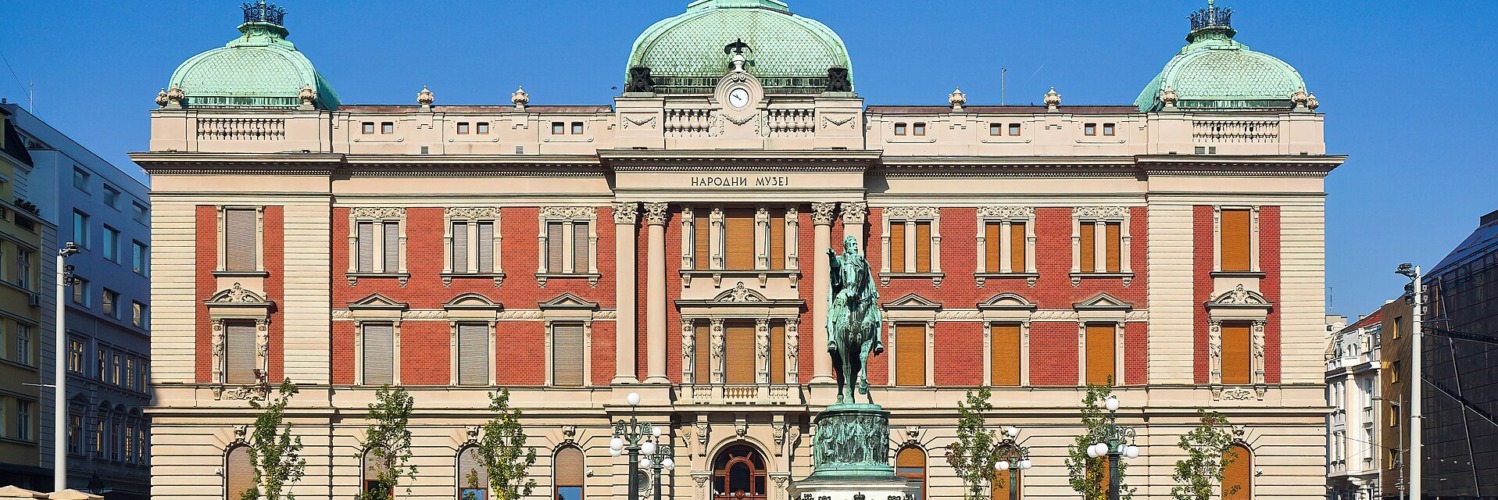
From prehistoric sculptures and medieval icons to Serbian masterpieces and French Impressionists, the National Museum offers one of the most rewarding journeys through history and art in Belgrade.
When autumn arrives in Belgrade, the city gradually begins to turn inwards. Café terraces become quieter, the light over Republic Square grows softer, and the first colder or rainy days invite a different kind of exploration. It is the perfect season to step behind the imposing façade of the National Museum of Serbia and discover the stories preserved inside.
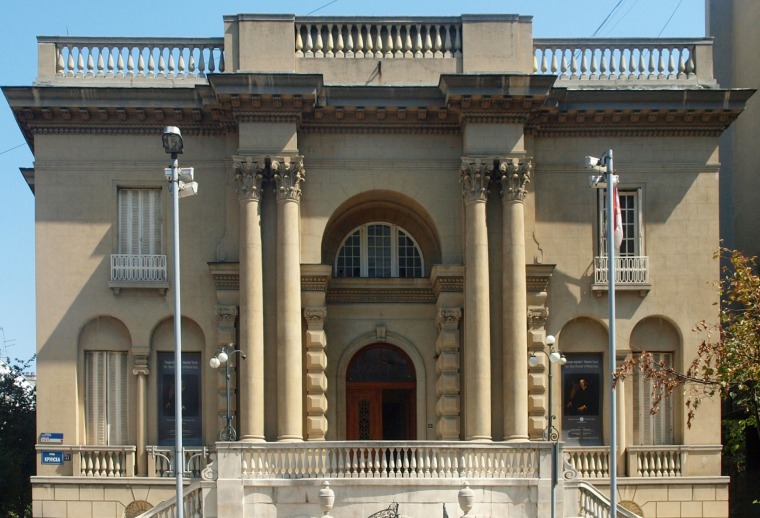
Standing in the very centre of Belgrade, the museum is so familiar a part of the cityscape that it can easily be overlooked. Yet beyond its monumental entrance lies an extraordinary journey stretching from the distant Paleolithic era to the defining art movements of the 20th century.
Spread across three levels and approximately 5,000 square metres, the permanent exhibition brings together archaeology, medieval heritage, Serbian art and works by internationally renowned artists. It is a place where visitors can encounter some of the earliest known artistic expressions from the Danube region, follow the rise of the medieval Serbian state and, only a few rooms later, stand before paintings by European modern masters.
For first-time visitors, the scale of the collection can feel overwhelming. This guide will help you understand how the museum is organised, which objects deserve special attention and why the National Museum is far more than a rainy-day alternative in Belgrade.
More Than a Museum: A Journey Through Time
The permanent exhibition follows a broad chronological path, beginning with prehistoric communities and continuing through antiquity, the Middle Ages and the development of modern art. This makes a visit feel less like walking through a series of unrelated galleries and more like following a continuous story. Objects created thousands of years apart reveal how people lived, worshipped, governed, dressed, traded and expressed their understanding of the world.
The archaeological collections introduce visitors to cultures that developed on the territory of present-day Serbia and the wider Central Balkans. Medieval galleries explore the political, spiritual and artistic legacy of the Serbian state, while the upper levels trace the transformation of Serbian and European art from traditional religious imagery to modernism.
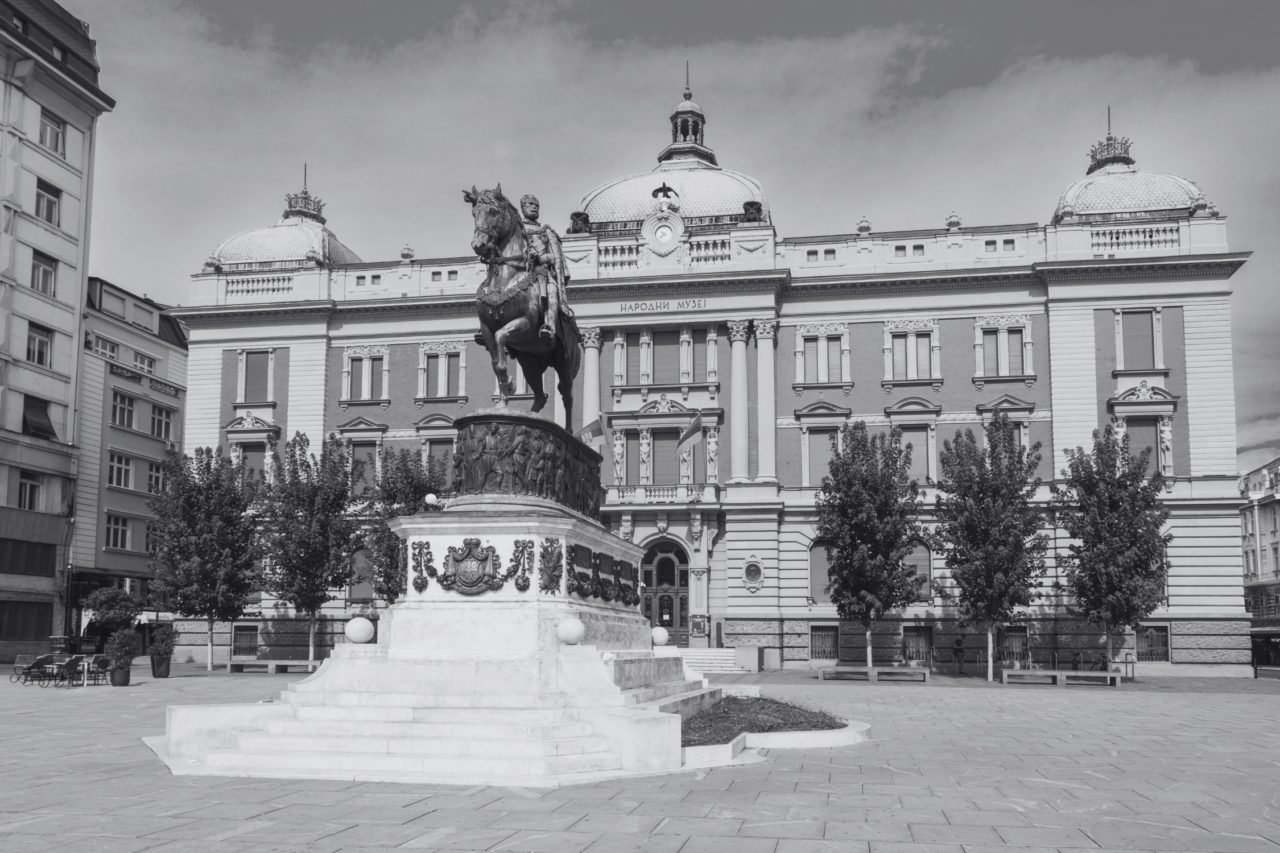
The museum’s importance also lies in its scale. Its collections contain more than 400,000 objects, although only a carefully selected part can be displayed at any one time. Together, they form one of the most significant records of archaeology and art history in Serbia and this part of Europe.
From the Serbian Museum to a National Institution
The National Museum was founded on 10 May 1844 by a decree issued by Jovan Sterija Popović, one of Serbia’s most influential writers and intellectuals, who was serving as Minister of Education at the time.
Originally named Muzeum serbski, the institution was created to collect antiquities in one place and preserve them for future generations. Its founding marked the beginning of the systematic protection and study of cultural heritage in Serbia.
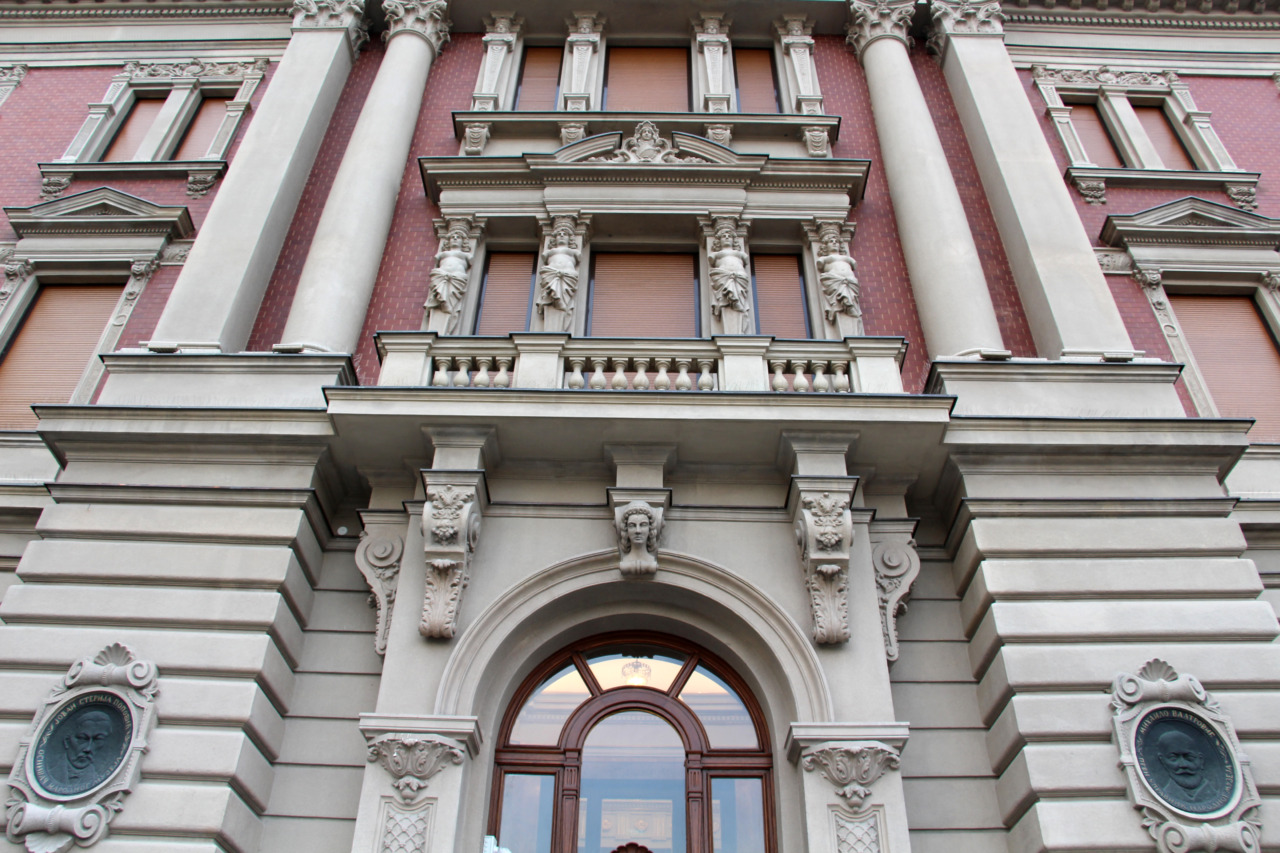
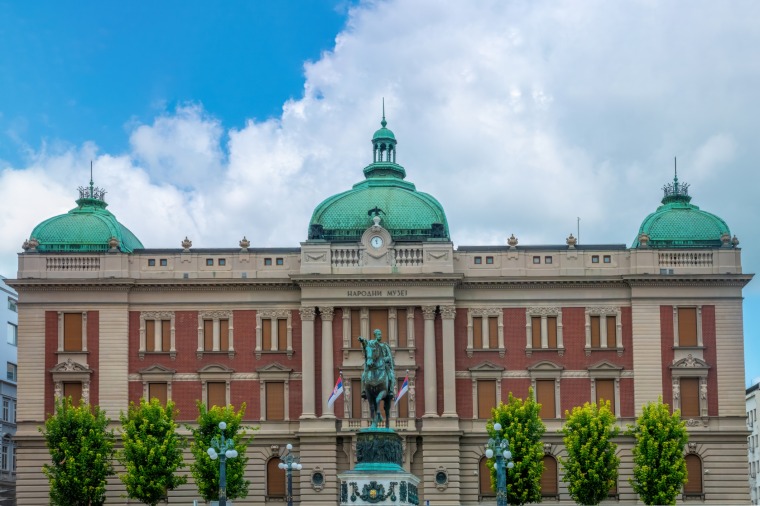
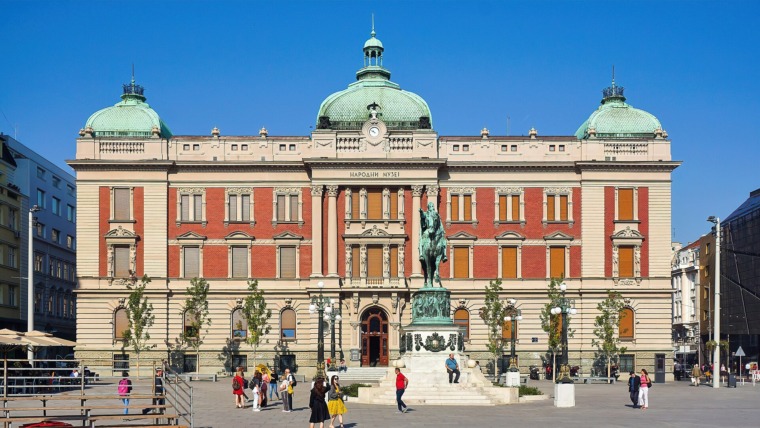
The museum did not always occupy its present home. During the first century of its existence, its collections were moved no fewer than eleven times. The museum finally received the building on Republic Square in 1950. Originally constructed as a bank, this imposing early-20th-century building is today recognised as a cultural monument of great importance.
Following an extensive reconstruction, the museum reopened to the public in 2018 with a renewed permanent exhibition. Today, the building is not merely a container for the collections. Its high ceilings, broad staircases and grand exhibition rooms are part of the experience, creating a gradual transition from the energy of Republic Square to the quieter world of objects, images and historical memory.
Begin with Prehistory
The archaeological galleries are the natural starting point for a visit. They offer a glimpse into a world that existed long before written history, when communities along the Danube developed complex settlements, rituals and artistic traditions.
Some of the most remarkable objects are connected with Lepenski Vir, the prehistoric settlement discovered on the banks of the Danube in eastern Serbia. The site is known for its planned dwellings and enigmatic stone sculptures, created by a community that lived in the region thousands of years ago.
With their broad faces, deeply carved features and forms that appear partly human and partly aquatic, the sculptures are unlike almost anything else in European prehistory. Their appearance is often connected with the community’s close relationship with the Danube, although their exact meaning remains open to interpretation.
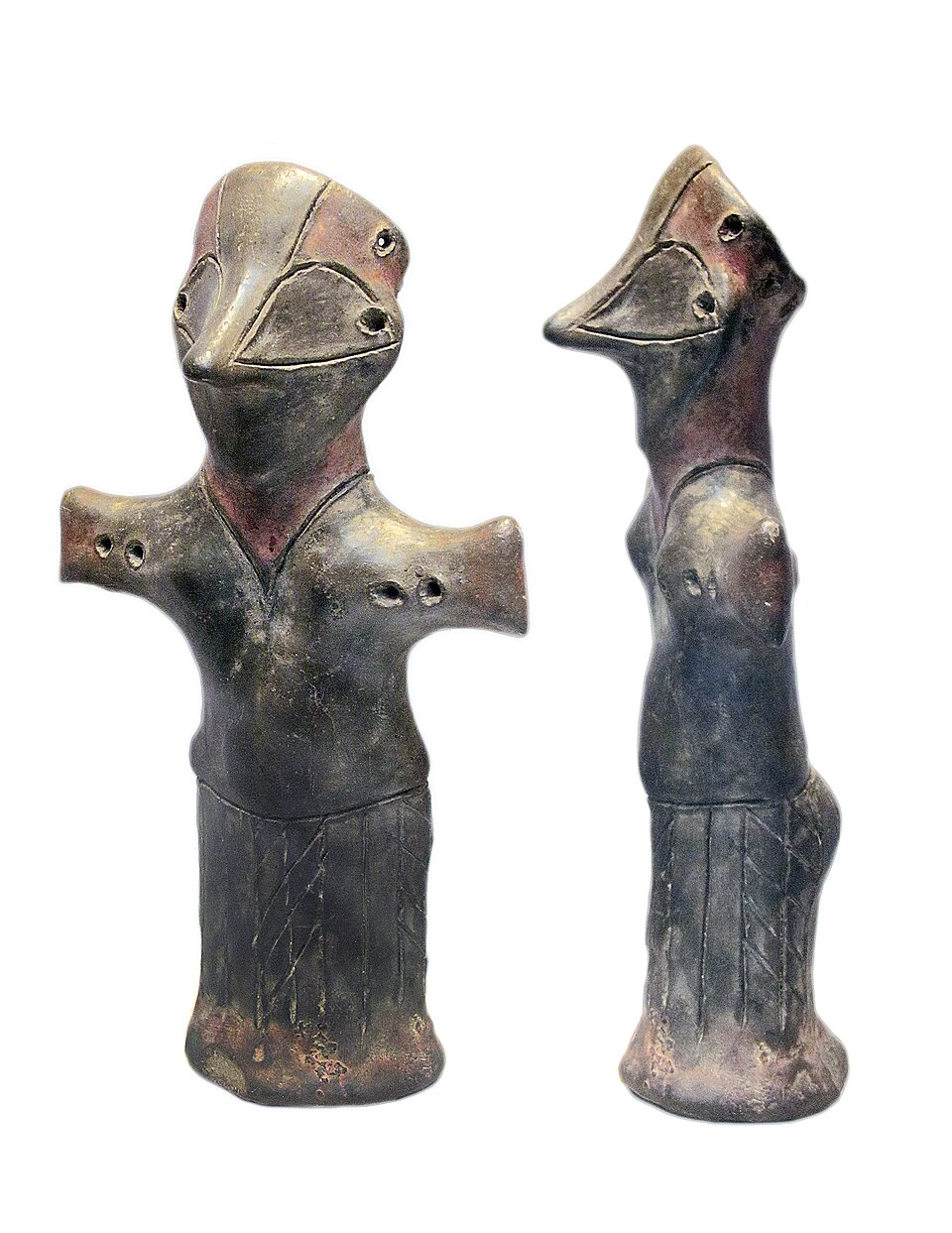
Rather than passing them quickly, take time to look at their expressions. Some seem calm, some severe and others almost startlingly modern. Despite their great age, they remain among the museum’s most immediate and memorable objects.
The prehistoric collection also introduces visitors to the Vinča culture, one of the most developed Neolithic cultures in southeastern Europe. Its finely made pottery, tools and stylised figurines reveal communities with sophisticated craft traditions and a strong visual language. Among the works worth seeking out is the Lady of Vinča, often known in Serbian as the Vidovdanka. Its elongated face and carefully modelled features have made it one of the most recognisable figures associated with the Vinča culture.
Another compelling object is the Dupljaja Chariot, a ceremonial clay model discovered near the village of Dupljaja in Vojvodina. Its unusual form and symbolic decoration continue to raise questions about belief, ritual and representations of divinity during the Bronze Age.
Gold, Gods and the Ancient World
As the exhibition moves into antiquity, the objects begin to reveal the many civilisations and cultural influences that passed through the Central Balkans.
Greek and Hellenistic objects, Roman sculptures, coins, jewellery, weapons and items from everyday life show that the territory of modern Serbia was never isolated. It stood along important routes linking Central Europe, the Adriatic, the Aegean and the eastern parts of the Roman Empire.
One of the great archaeological highlights is the group of luxurious objects from Trebenište, a necropolis discovered near Lake Ohrid. The finds include gold funerary masks and richly decorated grave goods associated with the elite of the ancient Balkans.
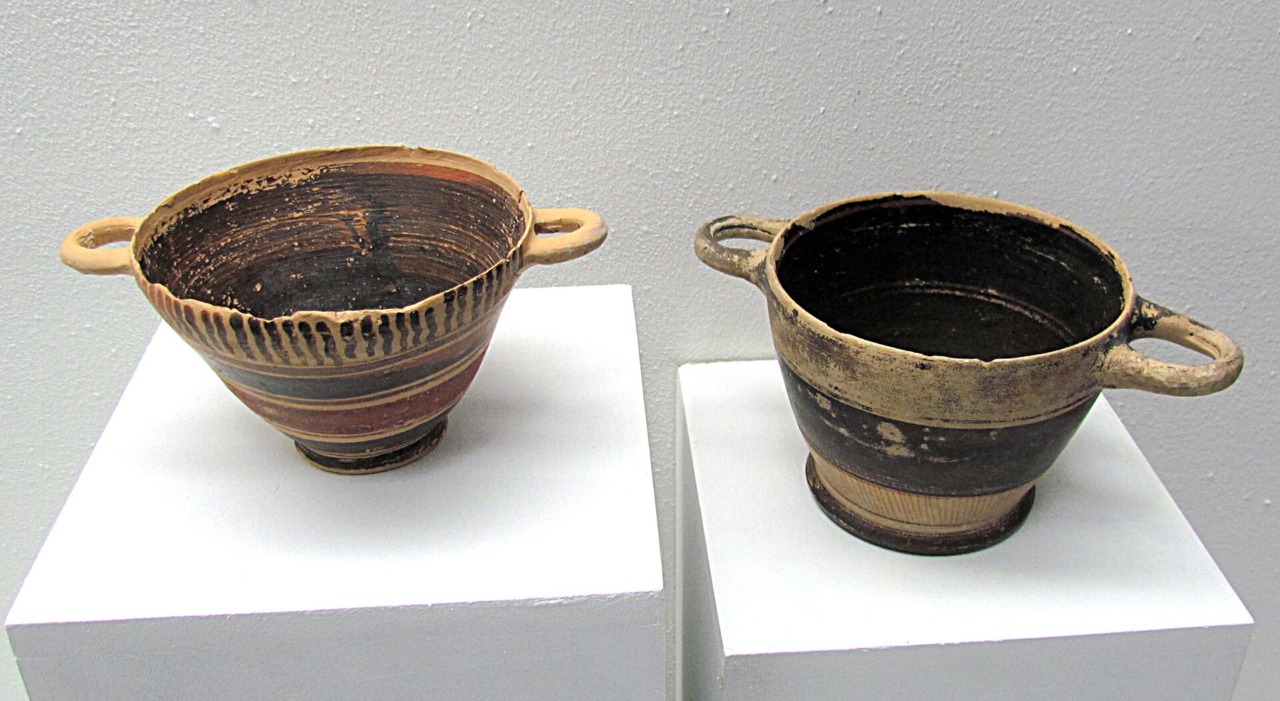
The gold masks are visually striking, but their value goes beyond the precious material from which they were made. They speak of status, ideas about death and the cultural connections that existed across the region long before modern national borders appeared.
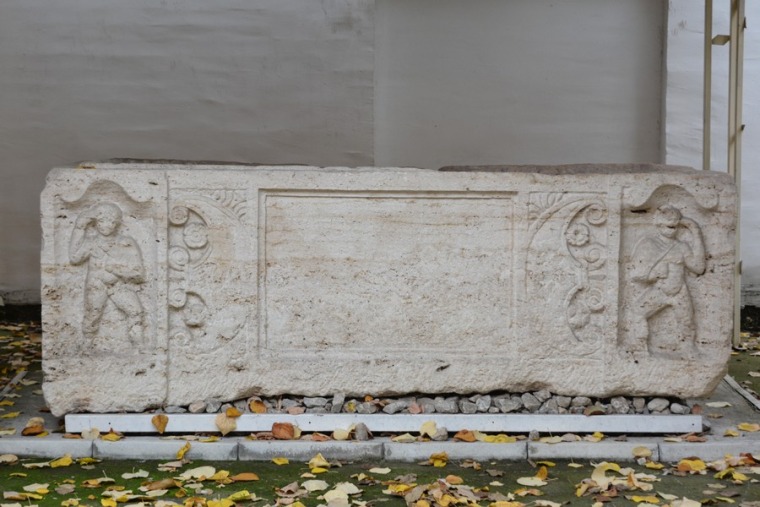
The Roman galleries offer another change of atmosphere. Portraits, inscriptions, military equipment and domestic objects help visitors imagine life in the towns and provinces of an empire that shaped this region for centuries. The Roman presence becomes something tangible – not only a sequence of emperors and battles, but also a world of merchants, soldiers, craftsmen and families.
The Medieval Heart of the Museum
For visitors interested in Serbian history, the medieval collection is one of the most important parts of the museum. Through icons, frescoes, manuscripts, jewellery, ceremonial objects, coins and fragments of architectural decoration, the galleries trace the emergence and development of the medieval Serbian state. Particular attention is given to the era of the Nemanjić dynasty, when Serbia developed some of its most significant monasteries, artistic centres and cultural traditions.
The objects are often intimate in scale, but they tell large stories. A piece of jewellery can reveal the wealth and artistic influences of a medieval court. A coin can show how a ruler presented his authority. An icon can reflect both personal devotion and the wider spiritual world of the period.
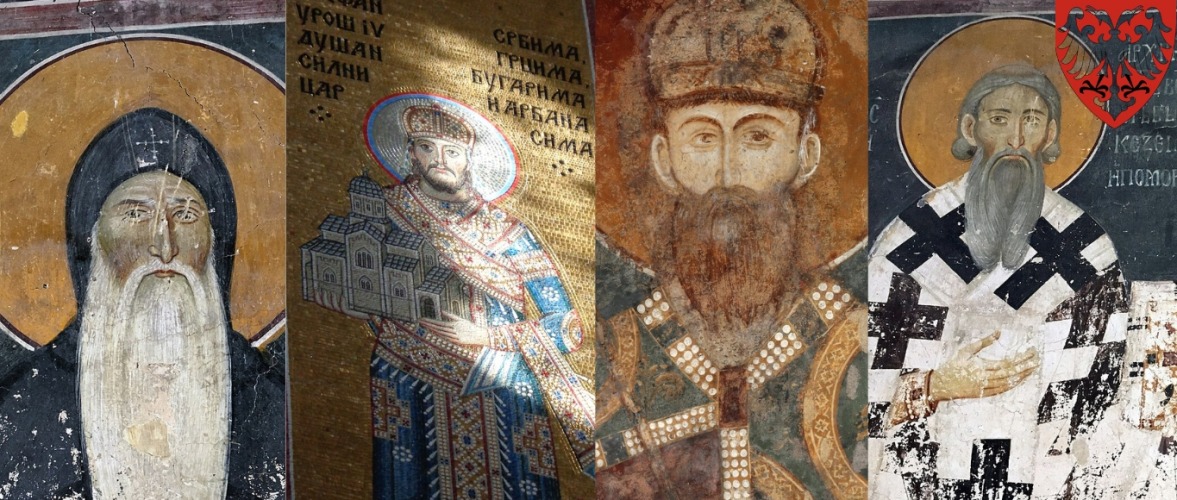
The displays of medieval frescoes and icons are especially worth seeing slowly. Instead of viewing them simply as decorative religious works, notice their gestures, colours and carefully constructed expressions. Many once formed part of much larger sacred interiors, where architecture, painting, candlelight and ritual created a unified experience.
Can You See the Miroslav Gospel?
One of the greatest treasures preserved by the National Museum is the Miroslav Gospel, the oldest surviving Serbian illuminated Cyrillic manuscript.
Commissioned in the 12th century for Prince Miroslav of Hum, brother of Stefan Nemanja, the manuscript is written on parchment and richly decorated with hundreds of miniatures and ornamental initials. It is both a religious book and an exceptional work of calligraphy and medieval art.
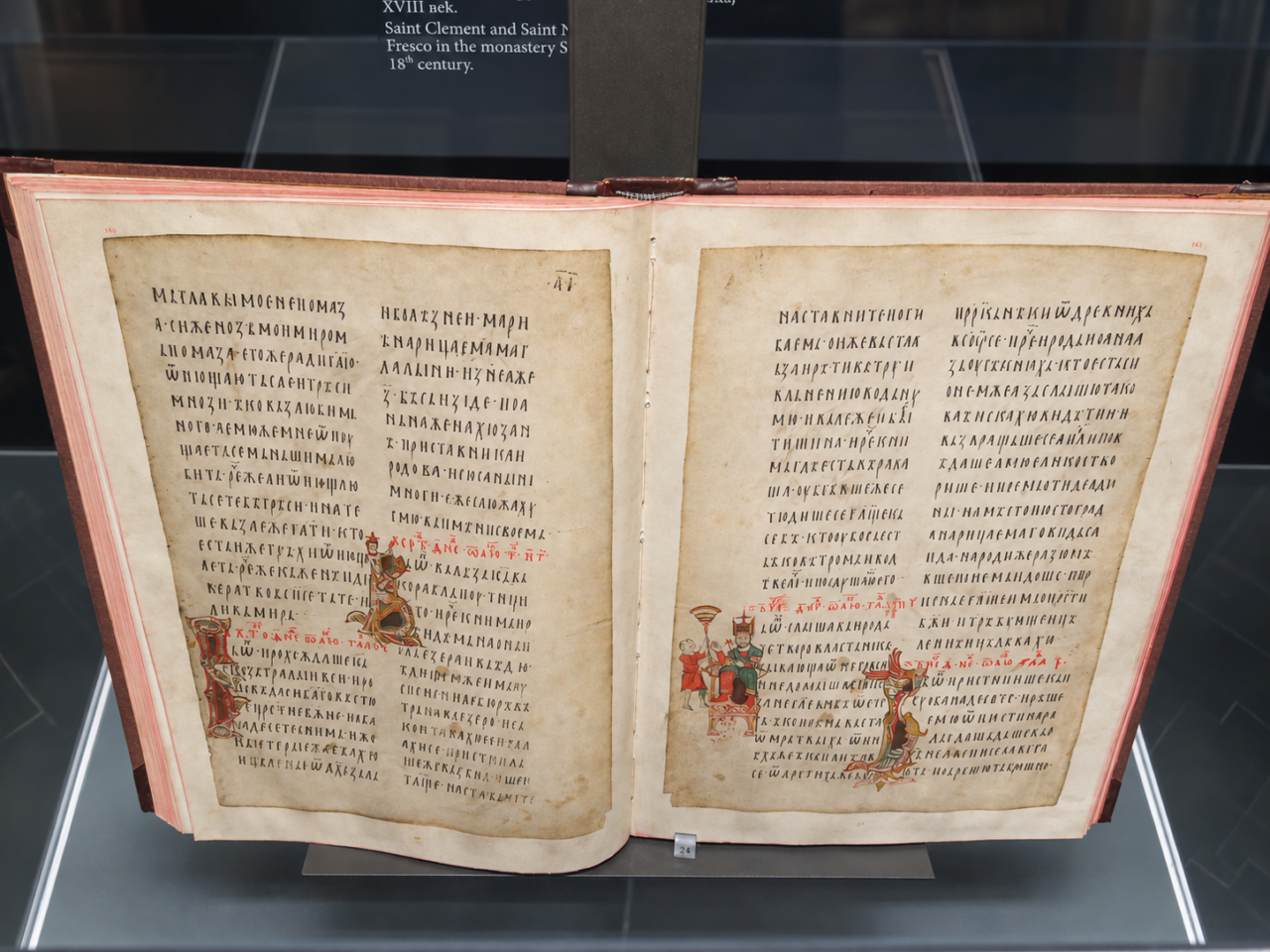
The Miroslav Gospel was added to UNESCO’s Memory of the World Register in 2005. However, visitors should know that the original manuscript is not permanently displayed. Because light and changes in environmental conditions could damage its delicate pages, conservation rules allow it to be exhibited for only a limited number of days each year.
If seeing the original is especially important to you, check the museum’s current programme before your visit. Special presentations are usually announced in advance. Its limited availability does not diminish its importance. On the contrary, it is a reminder that museums must balance public access with their responsibility to protect irreplaceable objects for future generations.
Serbian Art: From Tradition to Modernism
As the visit continues, the focus gradually shifts from archaeological and historical objects towards painting and sculpture.
The collection of Serbian art allows visitors to follow the transformation of artistic life from the 18th century through the dramatic changes of the 19th and 20th centuries. Religious commissions and formal portraits slowly give way to historical compositions, landscapes, scenes from everyday life and increasingly modern approaches to colour and form.
Among the artists to look for are Paja Jovanović and Uroš Predić, two central figures of Serbian academic realism. Their technical precision and narrative compositions helped shape some of the most familiar visual interpretations of Serbian history and society.
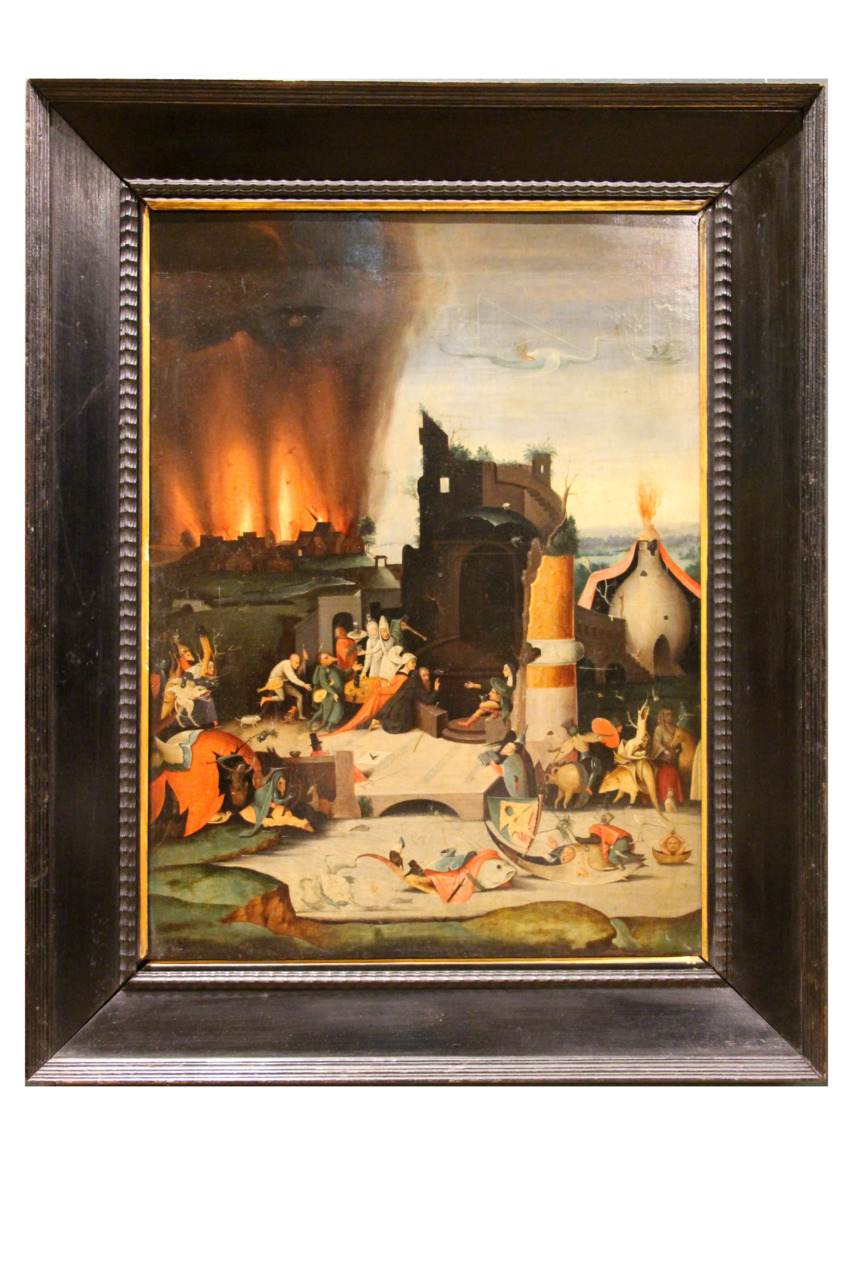
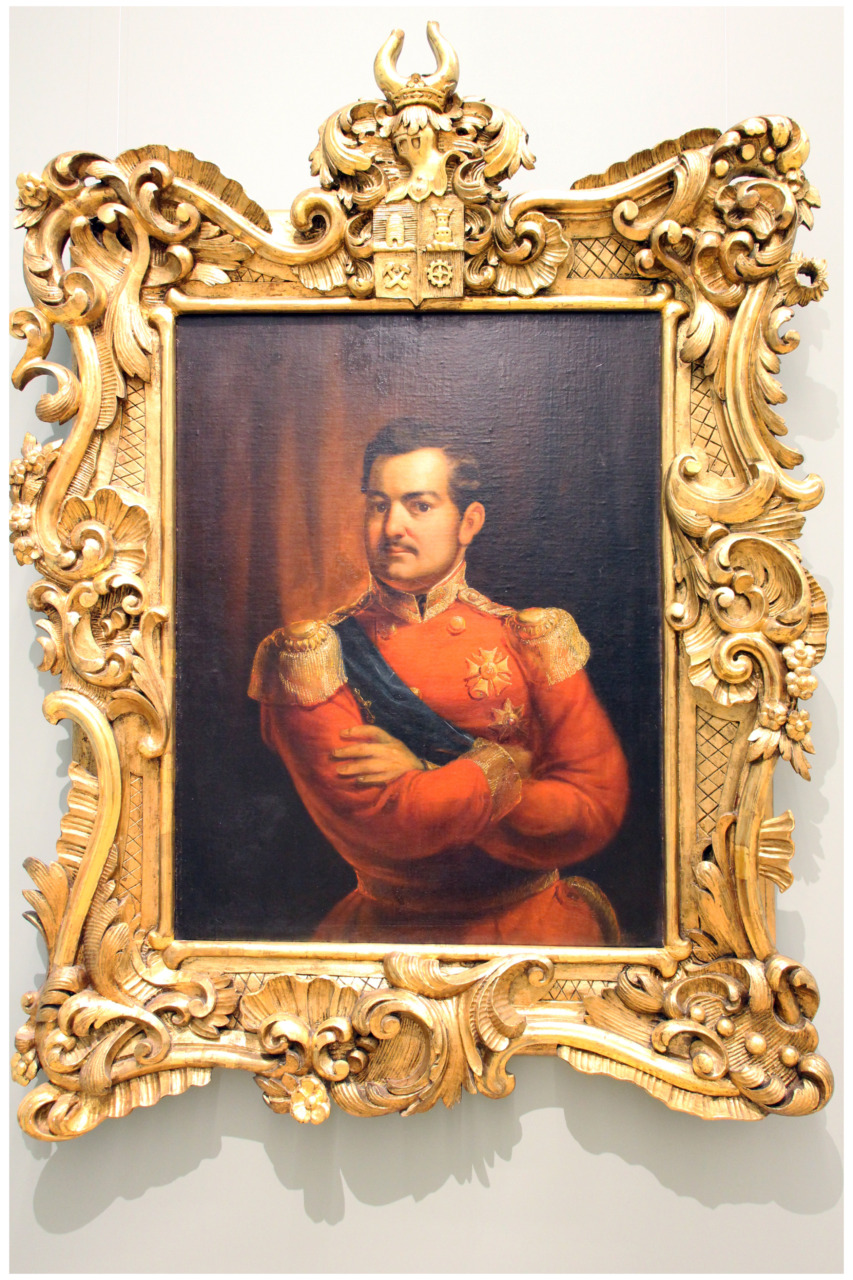
The museum also provides an opportunity to understand why Nadežda Petrović occupies such a special place in Serbian art. Her bold colours and expressive brushwork brought a new emotional and modern energy to Serbian painting at the beginning of the 20th century.
Works by Sava Šumanović, Milan Konjović, Petar Lubarda and other leading modernists reveal how rapidly artistic expression changed during the first half of the 20th century. Here, landscapes, portraits and familiar scenes are no longer simply recorded. They are reconstructed through colour, rhythm and the artist’s individual vision.
This part of the museum is particularly rewarding when viewed after the historical galleries. The contrast makes it easier to understand how radically ideas about art, identity and representation changed over time.
A European Art Collection Many Visitors Do Not Expect
One of the museum’s greatest surprises is its collection of foreign art. Many travellers enter expecting Serbian archaeology and national art, only to discover works connected with some of the most influential names in European art history. The collection includes Italian, Dutch, Flemish, Austrian, German, Russian and French works dating from the late medieval period to the 20th century.
Its particularly valuable French section represents major artistic movements through artists such as Camille Corot, Edgar Degas, Claude Monet, Pierre-Auguste Renoir, Camille Pissarro, Paul Gauguin, Henri de Toulouse-Lautrec, Paul Signac and Henri Matisse. The modern collection also includes works by figures such as Pablo Picasso, Wassily Kandinsky and Marc Chagall.
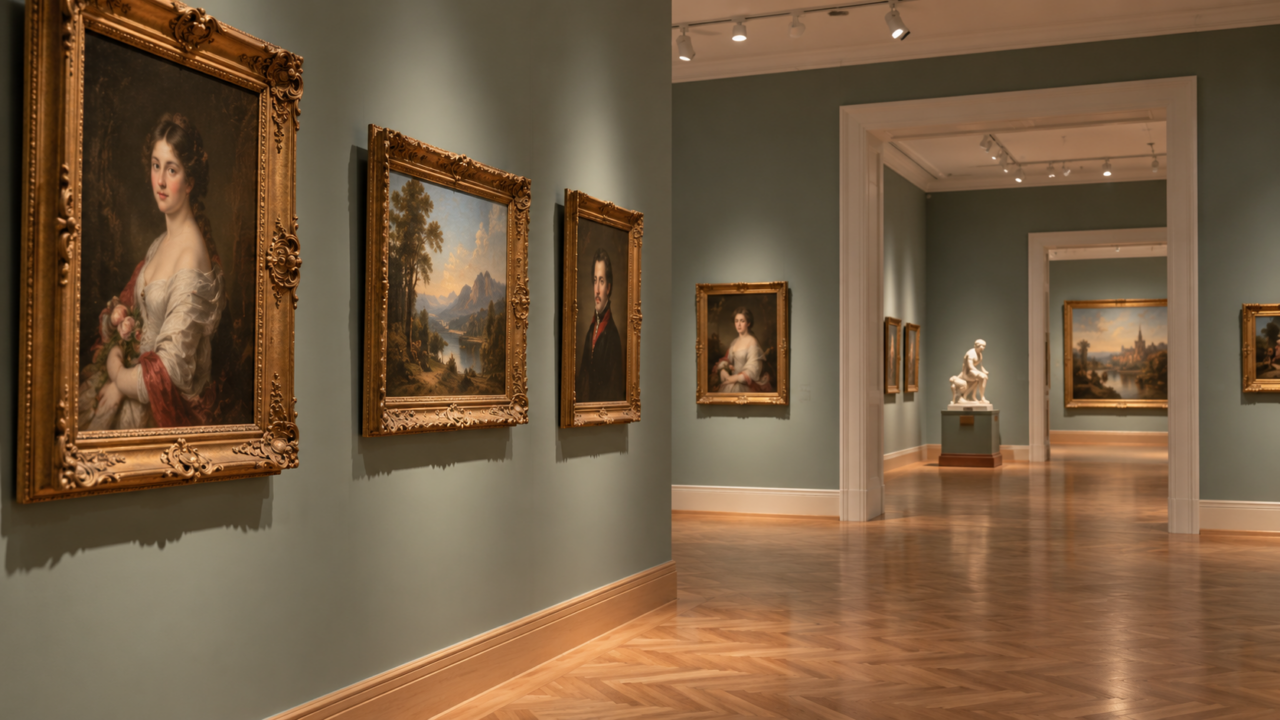
Not all of these artists’ works are necessarily displayed at all times, as museum presentations may change and certain works may be loaned or temporarily removed for conservation. Still, this section adds an important international perspective to the visit.
It also changes the way the rest of the museum is understood. Serbian art did not develop in isolation; it evolved through continuous contact with European academies, cities, movements and ideas.
What Should You See If You Have Only One Hour?
The museum deserves a slow visit, but even a shorter tour can be meaningful. If you have approximately one hour, focus on several defining highlights:
- the stone sculptures associated with Lepenski Vir
- Vinča figurines and prehistoric ritual objects
- the gold funerary finds from Trebenište
- medieval frescoes, icons and royal heritage
- works by Nadežda Petrović, Paja Jovanović and Sava Šumanović
- the galleries of French and European art
This route offers an overview of the museum’s remarkable chronological range without attempting to see every display case.
For a more complete visit, allow at least two to three hours. Archaeology or art enthusiasts could easily spend much longer, particularly if a temporary exhibition is open at the same time.
Practical Information for Your Visit
The National Museum of Serbia is located at Trg Republike 1a, in the heart of Belgrade. Knez Mihailova Street, Skadarlija, the National Theatre and Kalemegdan are all within walking distance, making the museum easy to include in a day of exploring the historic centre.
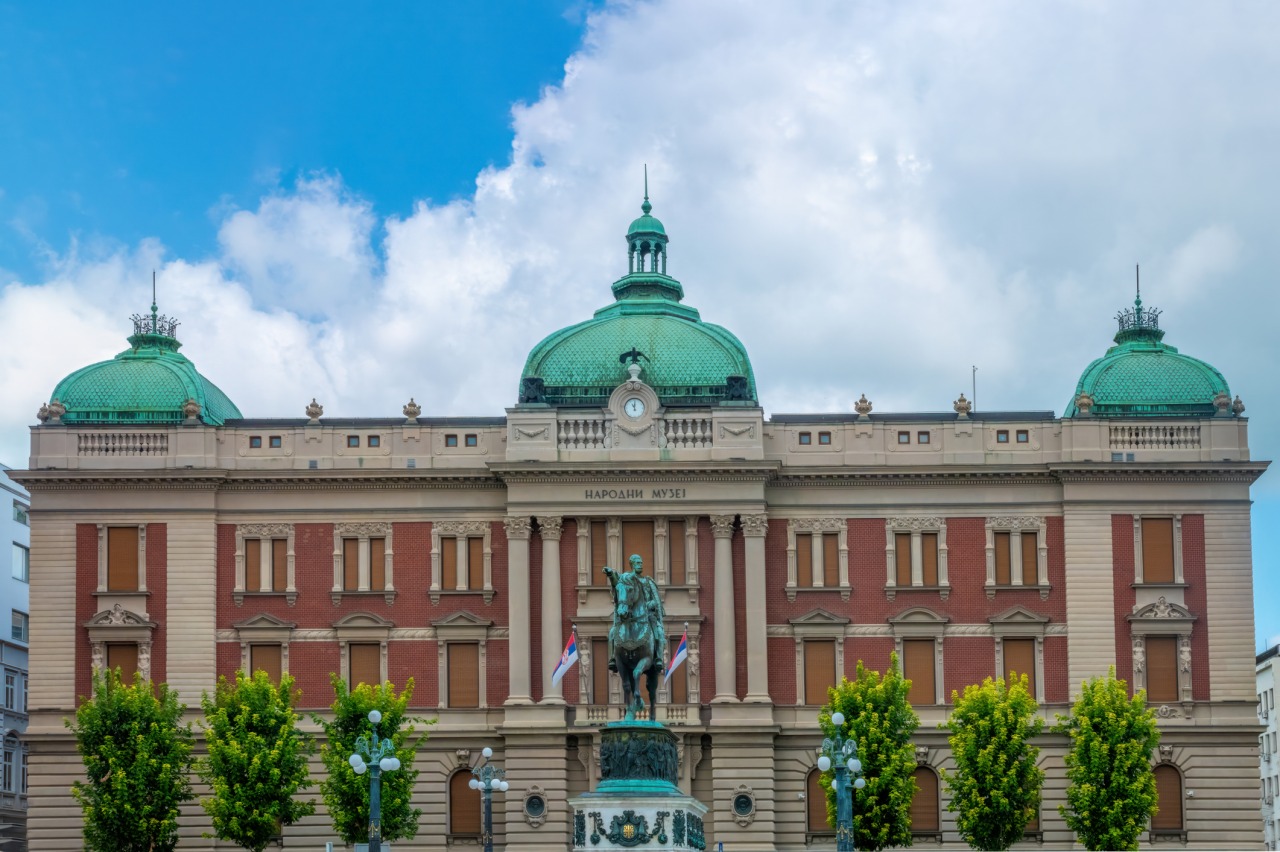
At the time of writing, the museum is open:
- Tuesday and Wednesday: 10:00–18:00
- Thursday: 12:00–20:00
- Friday: 10:00–18:00
- Saturday: 12:00–20:00
- Sunday: 10:00–18:00
- Monday: closed
Admission to the permanent exhibition is free on Sundays. Regular individual admission to the permanent exhibition is currently 300 RSD, while combined and temporary-exhibition tickets are also available. Opening times, ticket prices and access to special exhibitions may change, so it is advisable to check the museum’s official website before visiting.
Why Autumn Is the Perfect Time to Visit
The National Museum should not be considered merely a backup plan for bad weather. It is one of Belgrade’s essential cultural experiences in every season. Still, autumn gives the visit a particular atmosphere.
When rain begins to fall over Republic Square and the city’s pace slows, the museum offers several hours of discovery without ever feeling disconnected from Belgrade. Through its collections, the city becomes part of a much longer story—one shaped by prehistoric settlements, Roman roads, medieval rulers, European cultural exchange and generations of artists.
Outside, autumn may be settling over the capital. Inside, thousands of years of history are waiting within a few steps of one another. And that may be the most remarkable thing about the National Museum of Serbia: you enter from the centre of modern Belgrade and emerge having travelled through almost the entire cultural history of the region.
Related Articles

Inside Ćele Kula: The Largest Skull Tower in the World
February 28, 2025