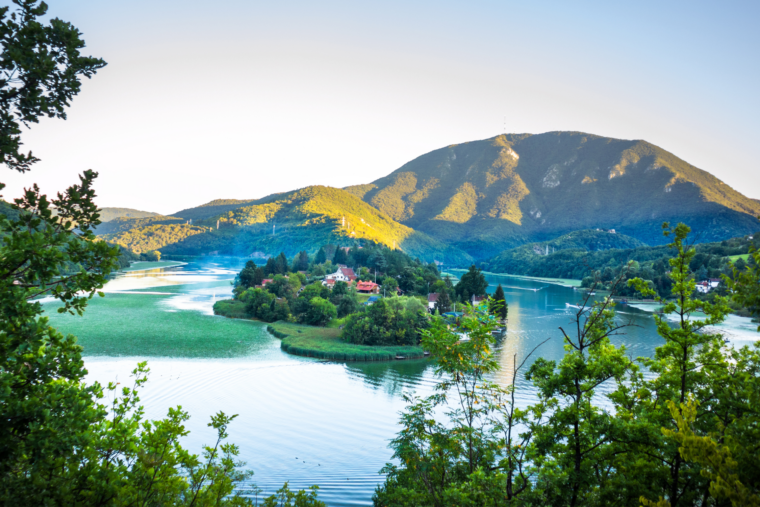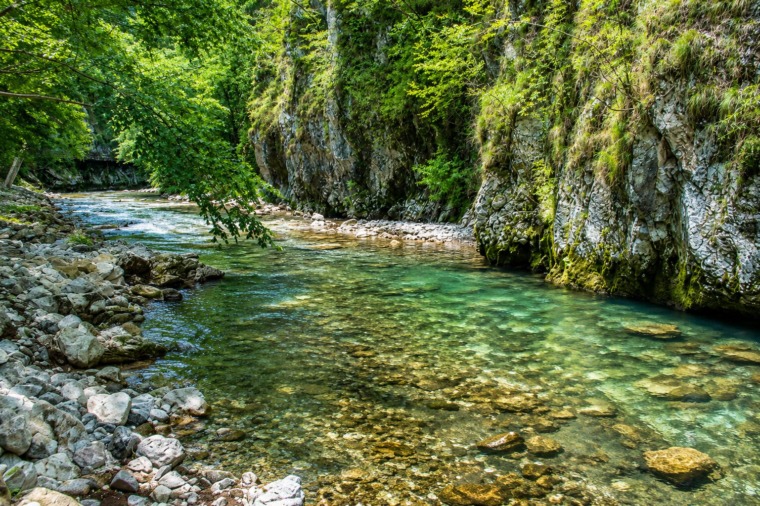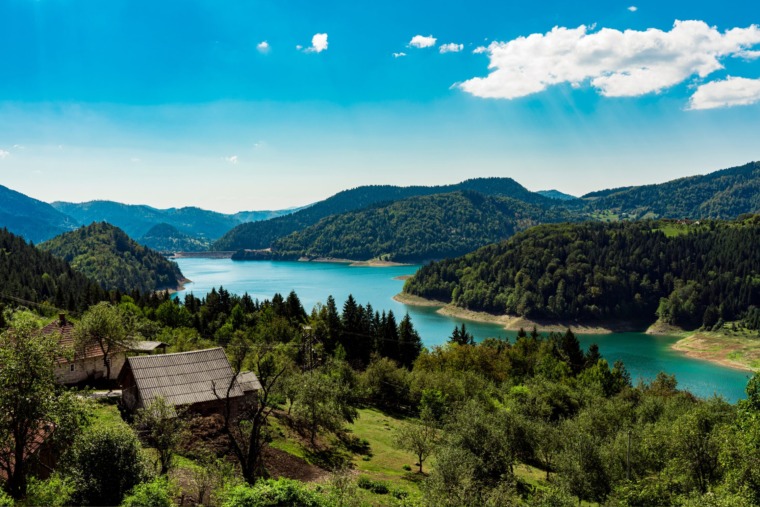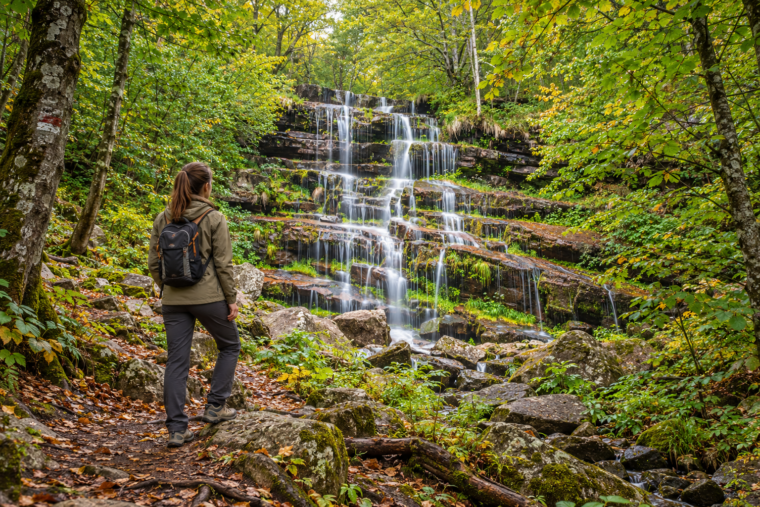

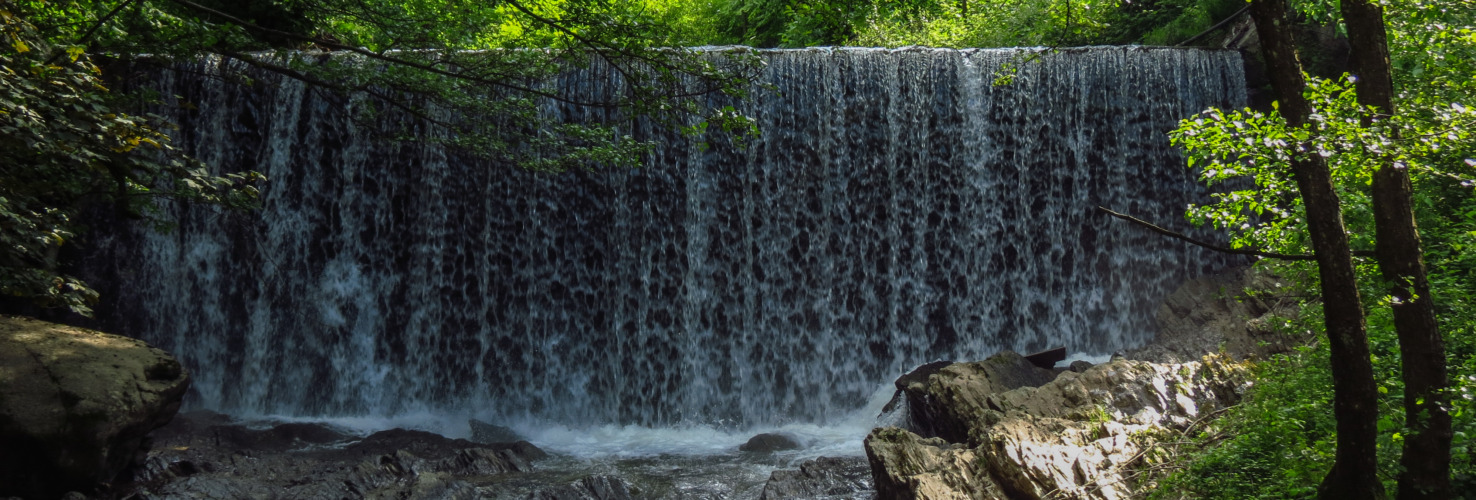
Just over 20 kilometers from Leskovac, the Vučjanka River has carved a spectacular gorge through the forested slopes of Mount Kukavica, creating one of the greenest and most picturesque landscapes in southern Serbia.
Crystal-clear waters, rocky cliffs, old watermills, medieval fortresses, and one of the most important hydroelectric power plants in Serbian history come together to make Vučje a destination that surprises nearly everyone who visits for the first time.
While many travelers pass through southern Serbia on their way to more famous attractions, Vučje remains one of the region’s best-kept secrets – a place where nature has remained remarkably untouched, history hides behind every bend, and the sound of the river accompanies you throughout your journey.
If you’re looking for a destination that combines pristine nature, fascinating history, cultural heritage, and peaceful surroundings far from the crowds, Vučje is one of southern Serbia’s most rewarding places to discover.
The Vučjanka River – The Heart of Vučje
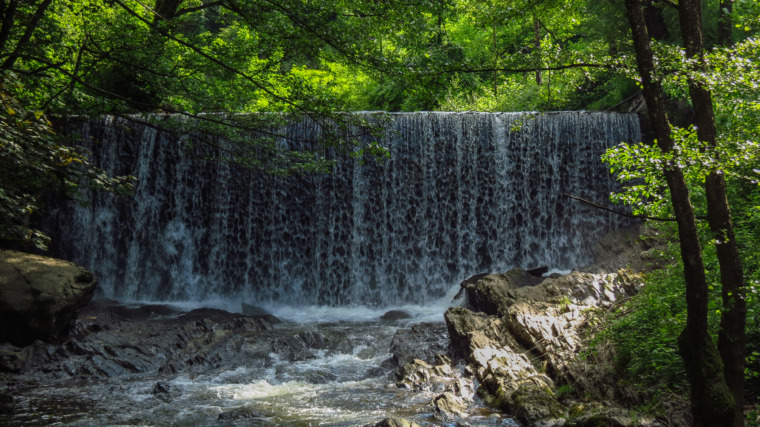
Everything in Vučje begins with the river. Rising on the slopes of Mount Kukavica, the Vučjanka flows through a dramatic gorge, creating rapids, small waterfalls, rocky cascades, and lush vegetation along its banks. During the hot summer months, when temperatures in the Leskovac valley often soar above 30°C, the river gorge offers welcome relief thanks to its dense forests and refreshing mountain waters.
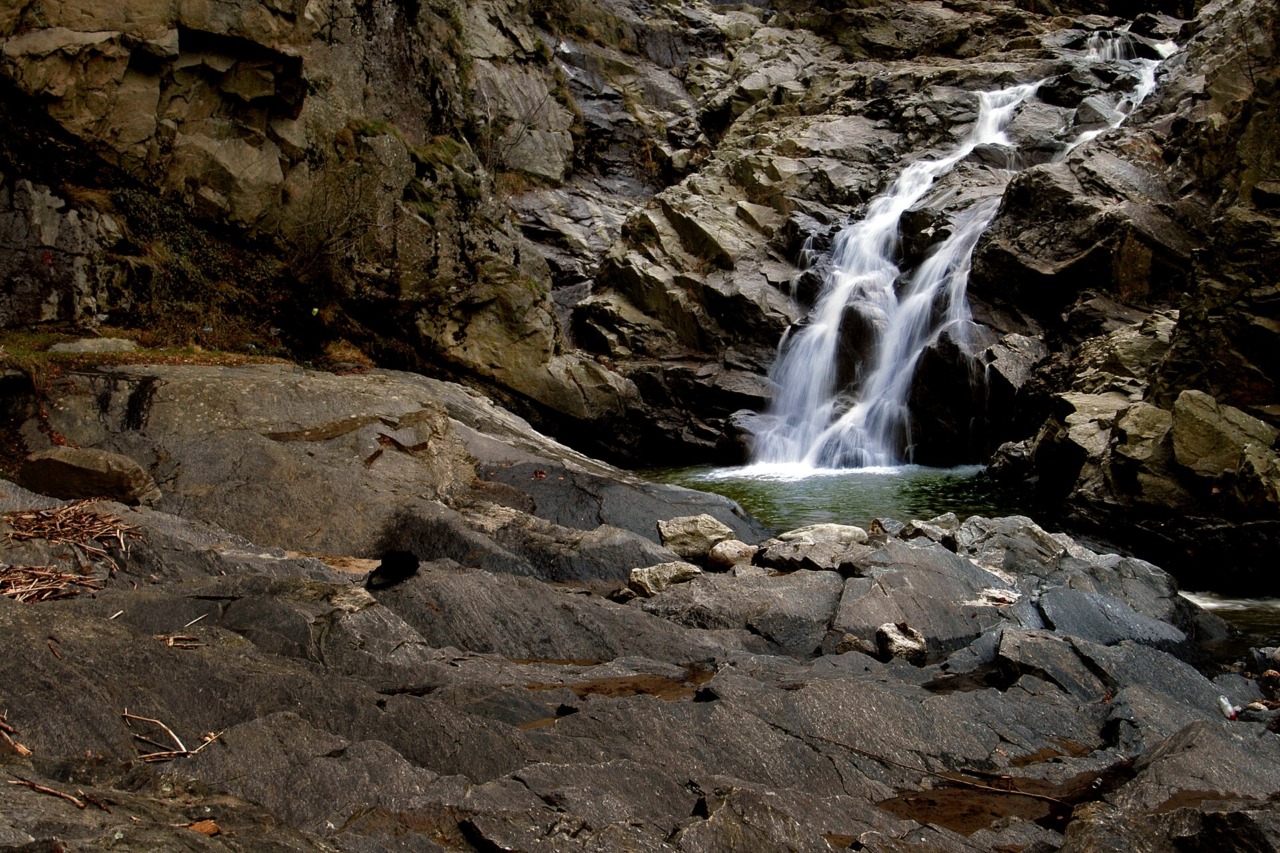
A walk along the river is one of the highlights of any visit. The soothing sound of flowing water, the scent of the forest, and the almost untouched landscape make it feel as though you’re deep in the wilderness, despite being only a short drive from the city. It’s no surprise that Vučje has become increasingly popular with hikers, photographers, and travelers searching for authentic natural escapes.
The Hydroelectric Power Plant That Changed Southern Serbia
Standing beside the Vučjanka River is a building that represents far more than an engineering achievement. Built in 1903, only a few years after Serbia’s first hydroelectric power plant in Užice, the Vučje Hydroelectric Power Plant is one of the country’s oldest preserved hydroelectric facilities. Constructed according to Nikola Tesla‘s alternating current principles, it marked the beginning of electrification in this part of Serbia and played a crucial role in the region’s development.
Its elegant architecture blends seamlessly into the surrounding landscape, making it appear as though it has always belonged to the gorge. For generations, the power plant has symbolized progress, innovation, and the close relationship between the people of Vučje and the river that shaped their community.
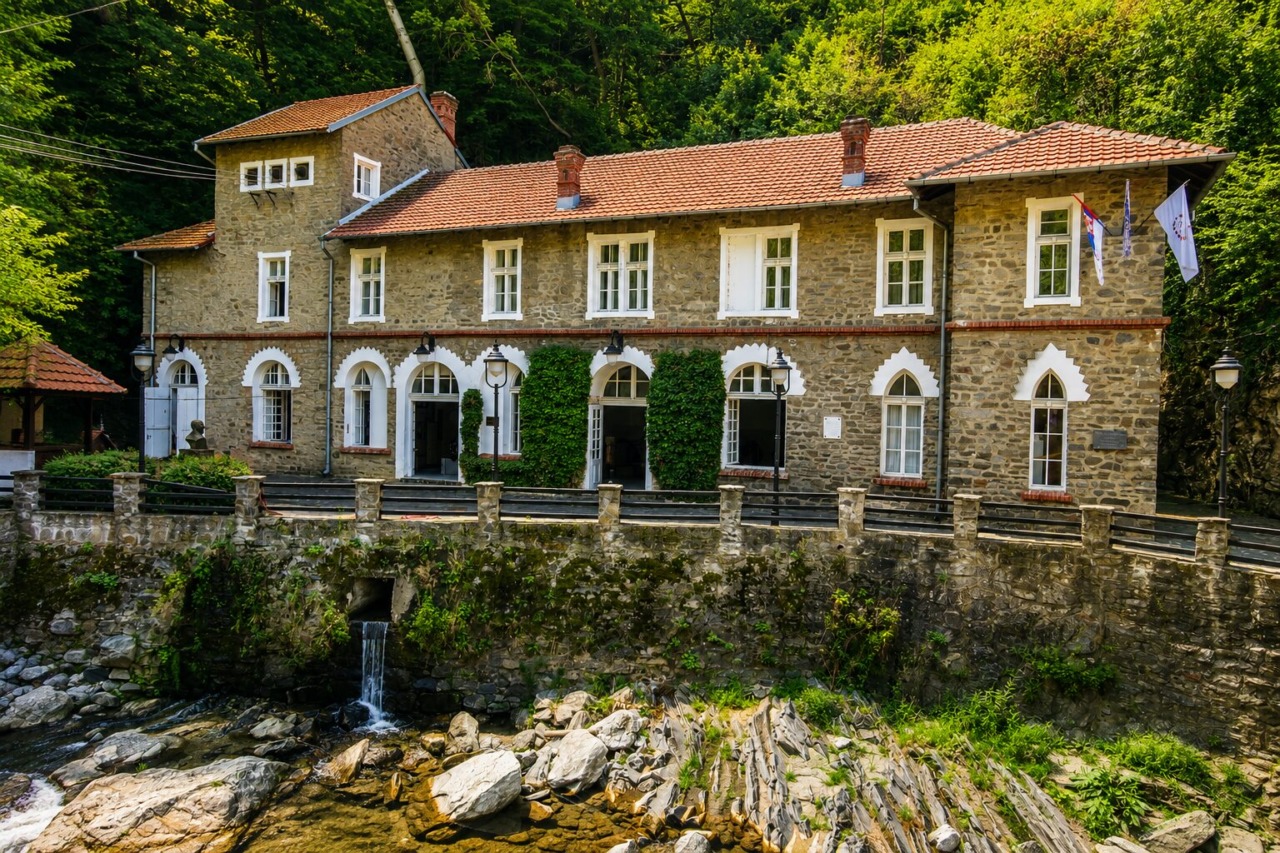
Its importance extends well beyond Serbia. In 2005, the Institute of Electrical and Electronics Engineers (IEEE) included the Vučje Hydroelectric Power Plant in its prestigious Milestone Program, which recognizes sites and achievements of outstanding significance in the global history of electrical engineering.
More than a century after it first began operating, the power plant still generates electricity, with all of its production supplied to Serbia’s national power grid.
Following the Footsteps of Skobaljić Town
Long before Vučje became known for its historic hydroelectric power plant, this valley held great strategic importance. Perched high above the Vučjanka Gorge are the remains of Skobaljić Town, also known as Zelen Grad (Green Town). These two names refer to the same medieval fortress, which once guarded the entrance to the gorge and played an important role in defending this part of medieval Serbia.
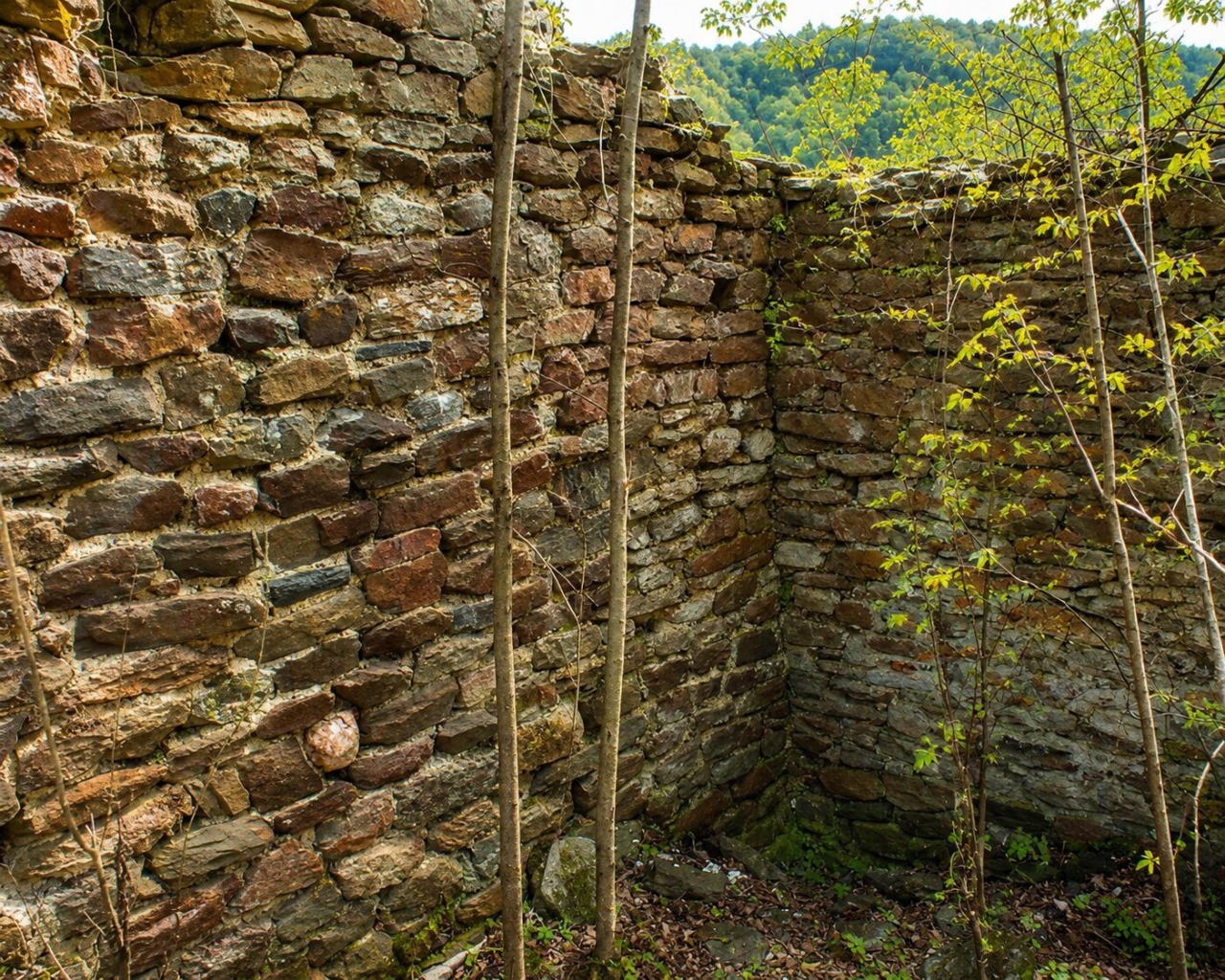
The fortress is closely associated with Nikola Skobaljić, the legendary 15th-century Serbian nobleman and military commander remembered for his courageous resistance against the advancing Ottoman Empire. Despite commanding a much smaller force, his victories in the early battles became part of Serbian folklore, earning him a lasting place among the greatest historical heroes of southern Serbia.
Today, sections of the fortress walls and foundations still remain, while the hilltop continues to offer spectacular views over the Vučjanka Gorge and the surrounding forests. For visitors, Skobaljić Town combines medieval history, scenic hiking, and some of the most beautiful panoramas in the region.
Church of Saint John the Baptist
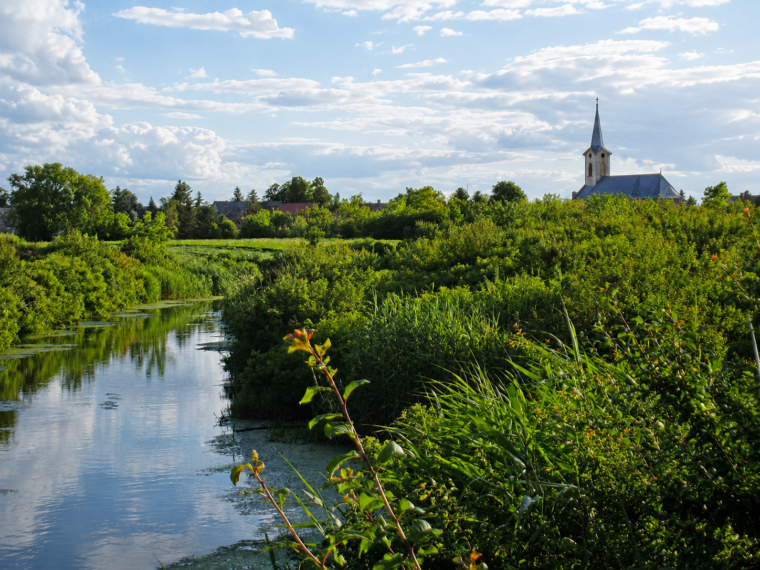
In the center of the town stands the Church of Saint John the Baptist, an important spiritual and cultural landmark for the local community.
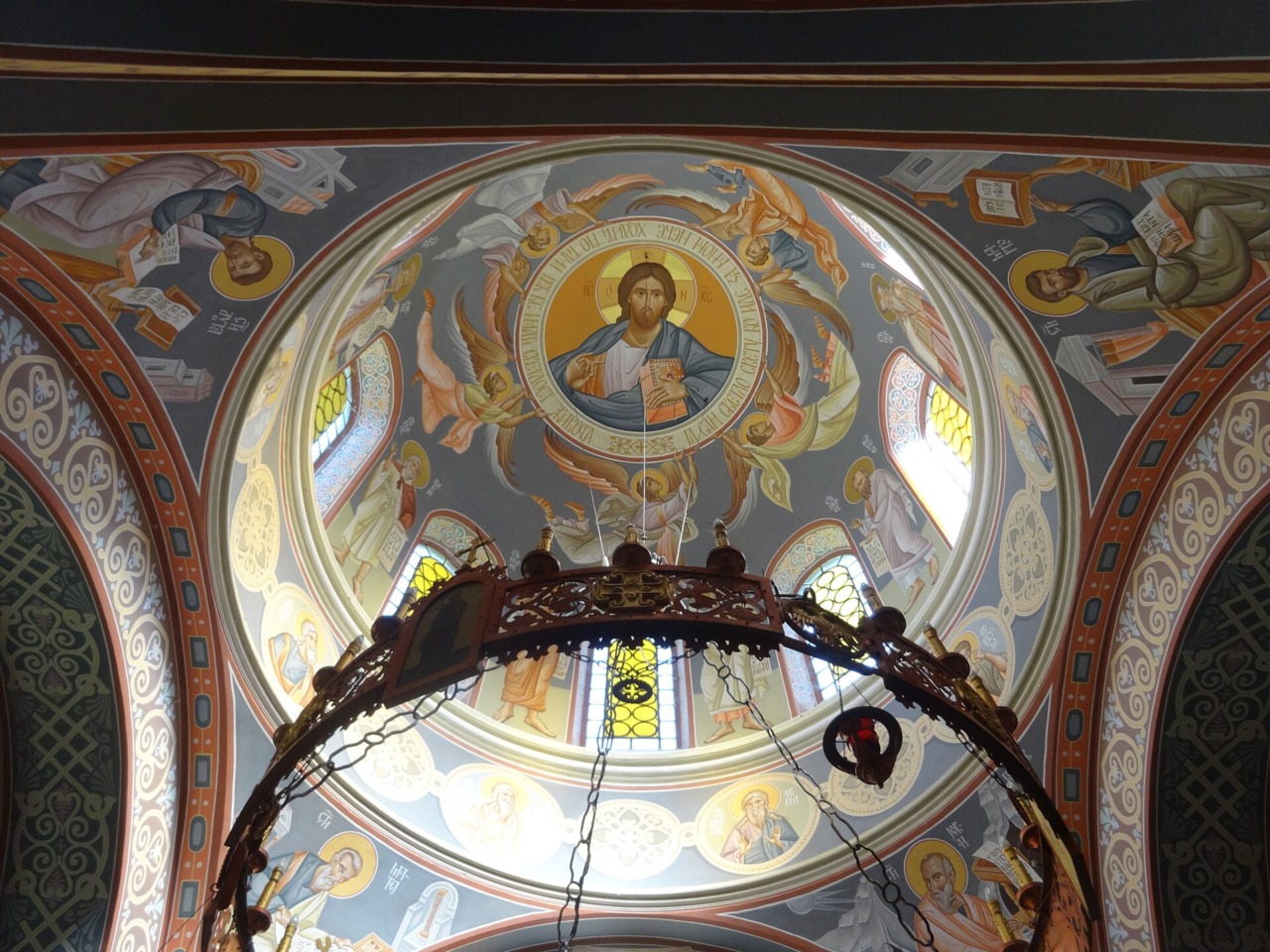
Surrounded by greenery and the peaceful atmosphere of the river valley, the church blends naturally into the landscape and adds another layer to the authentic character of Vučje. Many visitors choose to stop here before continuing their exploration of the surrounding natural and historical attractions.
A Landscape Made for Exploring
One of Vučje’s greatest treasures is its remarkably well-preserved natural environment. Instead of large tourist complexes, you’ll find forest trails, mountain springs, quiet riverside picnic spots, and the kind of tranquility that’s becoming increasingly rare.
Outdoor enthusiasts can spend the day hiking through the surrounding hills, following the river, exploring the medieval ruins, or simply relaxing beside the cool waters of the Vučjanka.
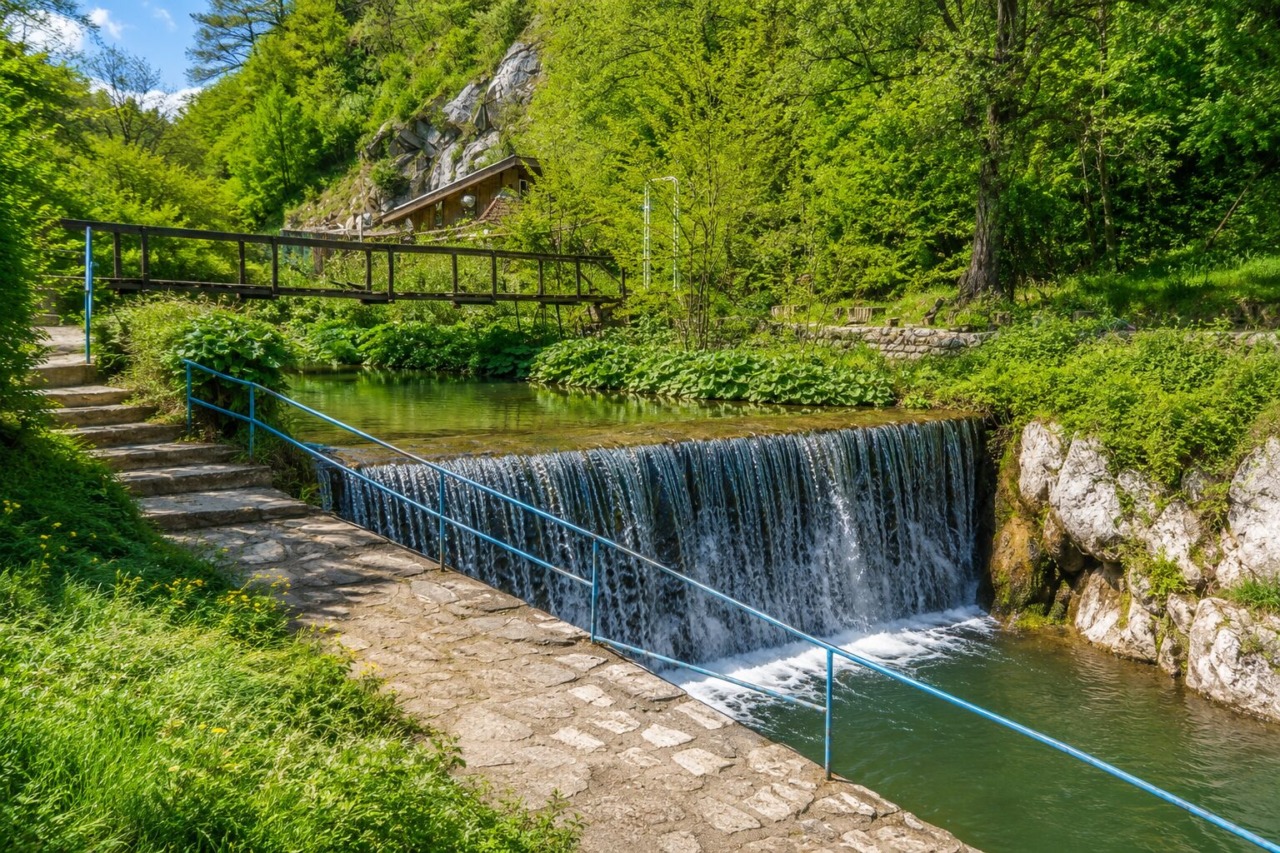
This simplicity is precisely what makes Vučje so special. It isn’t a destination where you rush from one attraction to another. It’s a place where you slow down, breathe in the fresh mountain air, and reconnect with nature at its own pace.
For the finest panoramic views of the region, head to Sokolica Viewpoint. From here, you’ll enjoy sweeping vistas over the Vučjanka Gorge, the surrounding forests, and the rolling slopes of Mount Kukavica. On clear days, the scenery stretches for miles, while autumn transforms the forests into a spectacular palette of gold, orange, and crimson. Whether you visit at sunrise or just before sunset, Sokolica is one of the best photography spots in southern Serbia.
Mill Days – Celebrating Local Heritage
Every October, Vučje comes alive during Mill Days (Dani Vodenice), one of the town’s most cherished annual events. Dedicated to preserving the traditions that once revolved around the Vučjanka River and its historic watermills, the festival features traditional crafts, local cuisine, folklore performances, music, and cultural programs celebrating the heritage of the region.
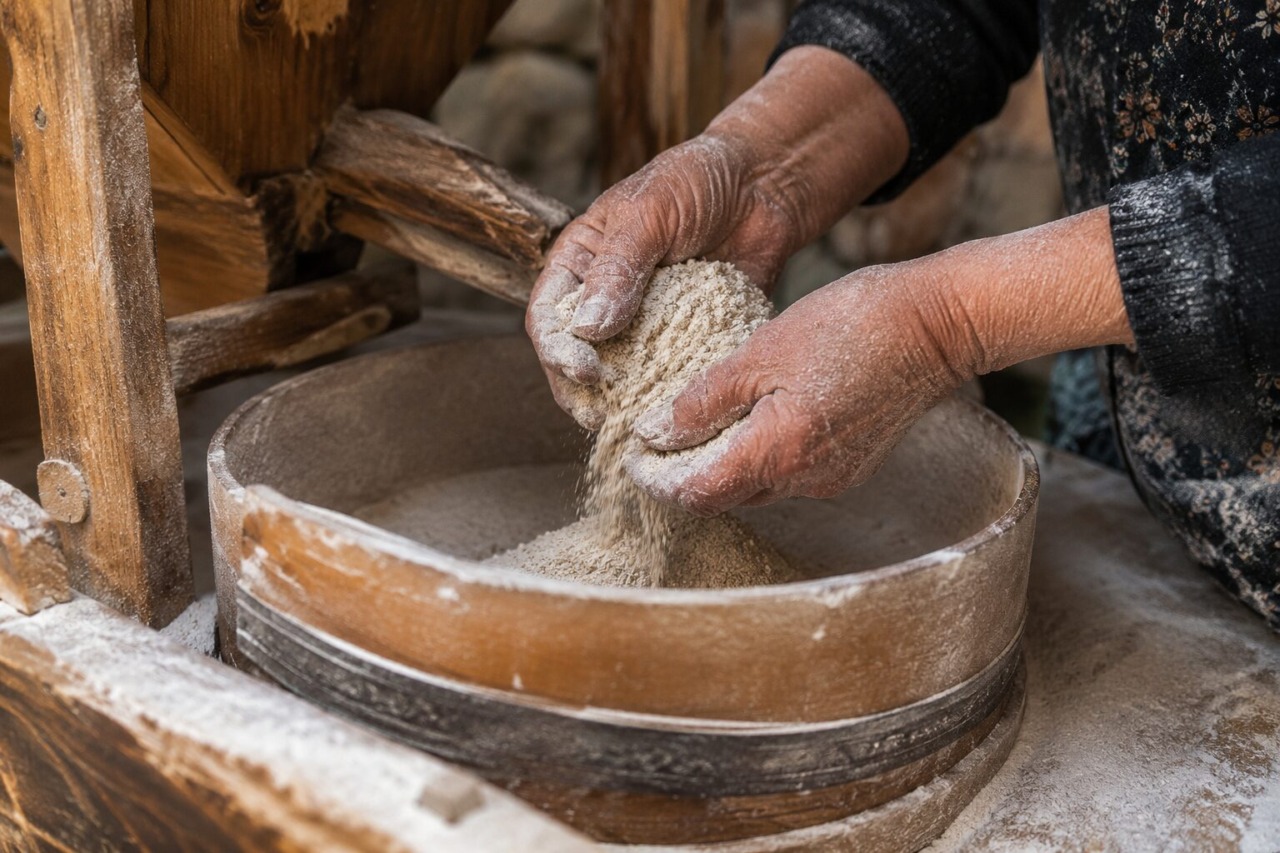
For visitors, it’s a wonderful opportunity to experience Vučje beyond its natural beauty and discover the customs and traditions that continue to shape local life.
What to See Nearby
Vučje is an excellent base for exploring southern Serbia. Just twenty minutes away lies Leskovac, famous for its exceptional barbecue tradition and the annual Leskovac Grill Festival (Roštiljijada). History enthusiasts can continue to Caričin Grad (Justiniana Prima), one of the most significant Early Byzantine archaeological sites in the Balkans.
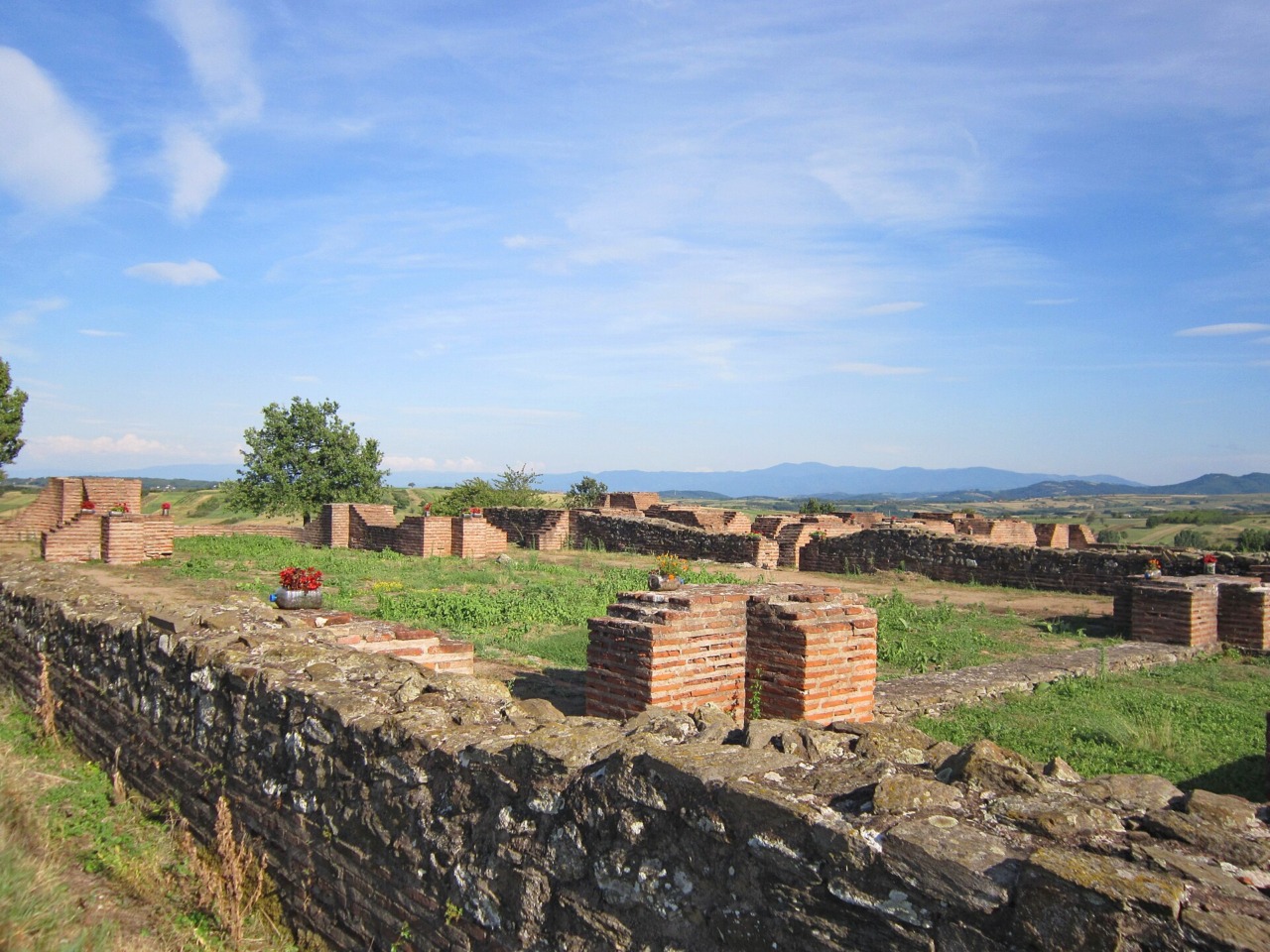
Nature lovers can venture into Mount Kukavica, known for its dense forests and scenic hiking trails, while slightly farther away are Radan Mountain and the extraordinary rock formations of Devil’s Town (Đavolja Varoš), one of Serbia’s most remarkable natural wonders.
Thanks to its location, Vučje fits perfectly into both day trips and longer journeys through southern Serbia.
One of Southern Serbia’s Best-Kept Secrets
Vučje may not be among Serbia’s best-known destinations, but that’s exactly what makes it so appealing. Here you’ll discover a river that has shaped the landscape for centuries, a hydroelectric power plant that helped transform the region, medieval fortresses overlooking the gorge, and a landscape that remains wonderfully untouched.
It’s a place where history isn’t confined to museums, but lives on in ancient stone walls, a century-old power plant that still operates today, and the endless sound of the Vučjanka River flowing through one of southern Serbia’s most beautiful valleys. For travelers looking to experience a quieter, more authentic side of Serbia, Vučje is a destination that offers far more than they might expect.
Featured photo: Milos Golubovic, Flickr.com