
Part pancake, part tradition, and entirely tied to the spirit of eastern Serbia – why plašinte are one of the region’s most fascinating traditional dishes.
Some dishes are simply food. Others tell a story. In eastern Serbia, there is one traditional specialty that many people outside the region have never heard of – yet for generations, it has carried memories of family gatherings, celebrations, village life, and recipes passed from one kitchen to another. They are called plašinte.
At first glance, they may remind visitors of pancakes. But locals will quickly tell you that comparison barely scratches the surface. Plašinte are something different. Rustic, comforting, deeply connected to Vlach tradition, and still made today in homes across parts of eastern Serbia – especially around Majdanpek, Negotin, Bor, Homolje, and nearby villages.
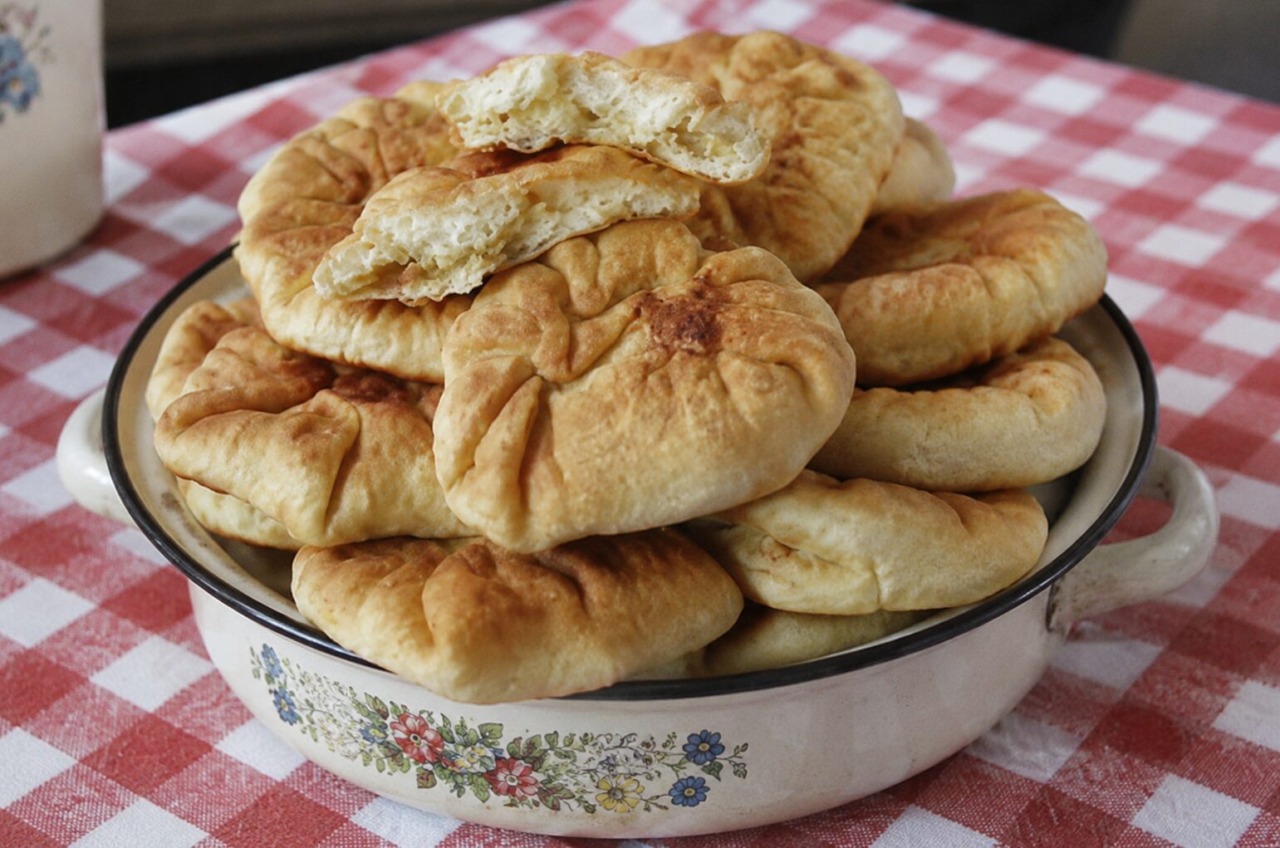
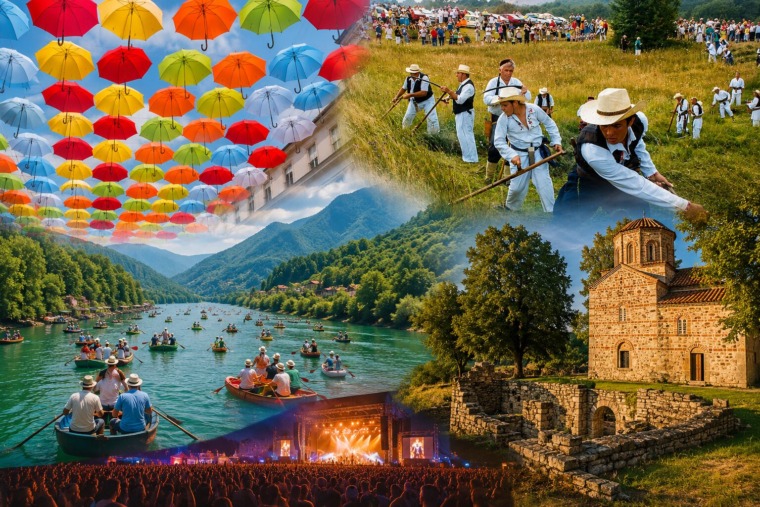
And while modern life has changed many old customs, plašinte continue to survive – so much so that they even have their own festival.
This year, Plašintijada – a celebration dedicated entirely to this traditional specialty – will be held on May 30 in Rudna Glava, organized by the association Vredne Vlajne and the Municipality of Majdanpek.
But what exactly are plašinte – and why do people in eastern Serbia care about them so deeply?
More Than Pancakes – But Not Quite What You Expect
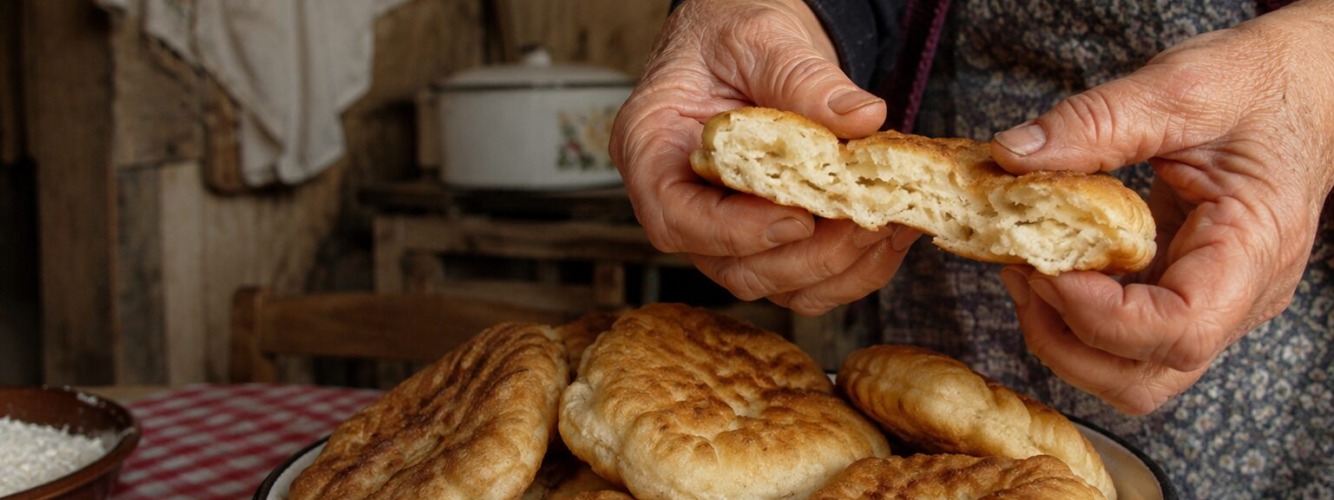
Calling plašinte “pancakes” is technically not wrong. But it also doesn’t fully explain them. Unlike thin, delicate crêpe-style pancakes most people know, traditional plašinte are usually more rustic, slightly thicker, and heartier. The dough is simple, yet the final result feels surprisingly rich and satisfying.
Traditionally, they were prepared using ingredients available in rural households – flour, water, eggs, milk when available, and generations of intuition rather than written recipes. The result is comfort food at its purest. Simple, warm, filling – and deeply nostalgic for many locals.
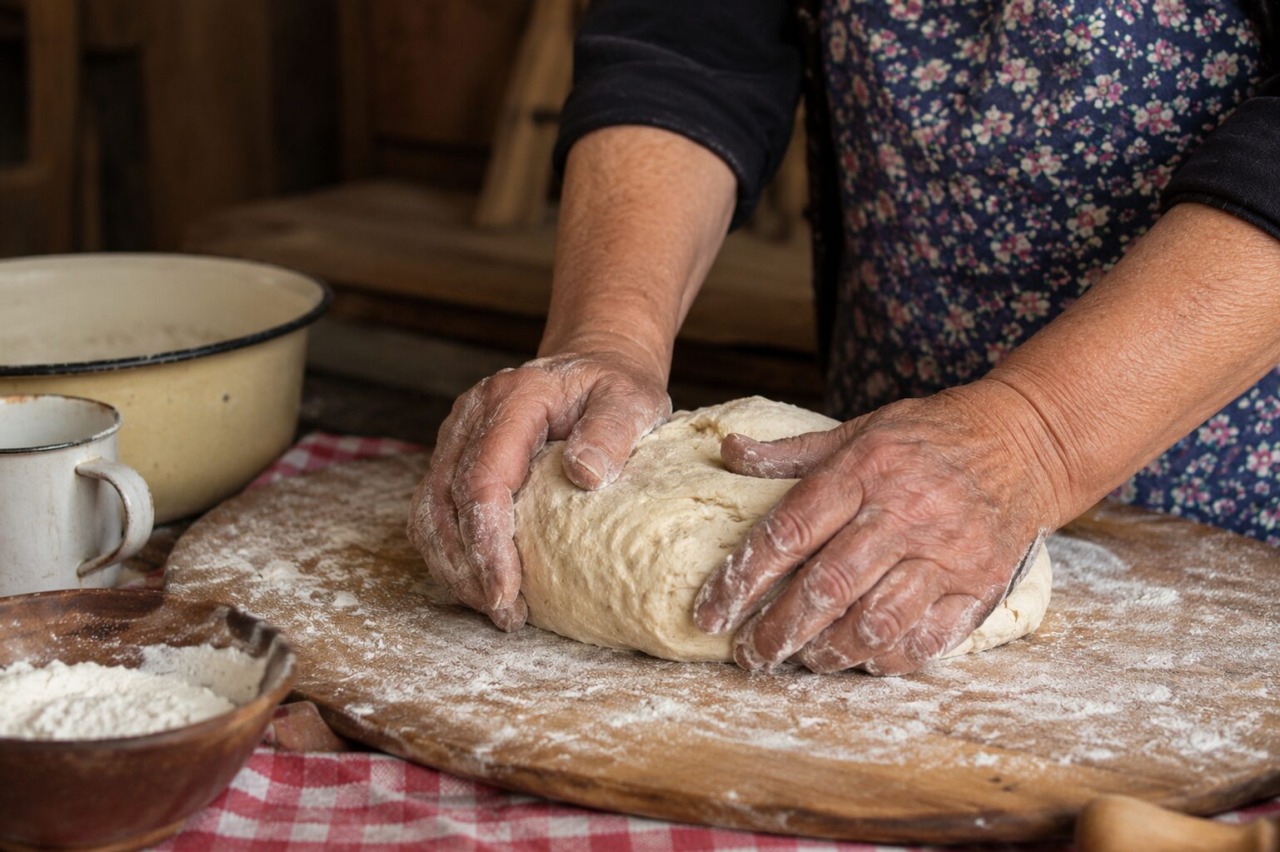
In villages across eastern Serbia, plašinte were never treated as something special or luxurious. They were simply part of life. And perhaps that is exactly what makes them special today.
A Dish Closely Tied to Vlach Tradition
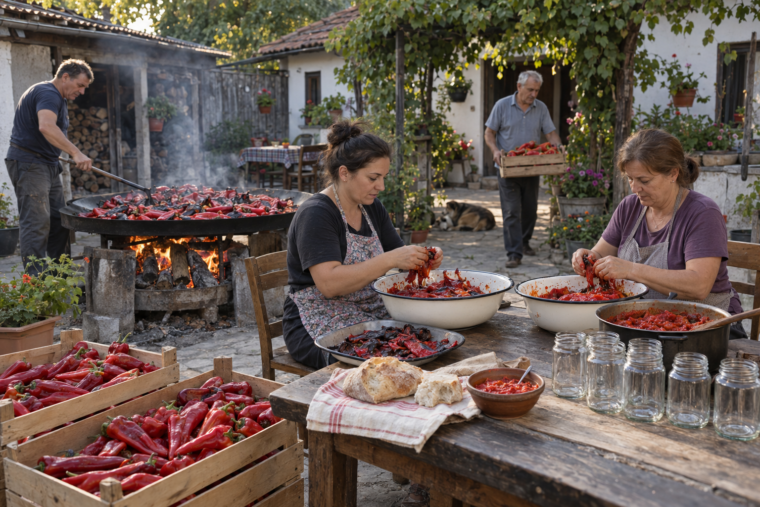
Plašinte are strongly connected to Vlach culture, one of the most distinctive cultural traditions of eastern Serbia. For generations, women prepared them during family gatherings, holidays, village celebrations, and ordinary days when everyone gathered around the table after long work in the fields.
In many households, recipes were never written down. They were learned by watching. Mothers teaching daughters. Grandmothers quietly adjusting dough by instinct. Family kitchens where exact measurements mattered far less than experience.
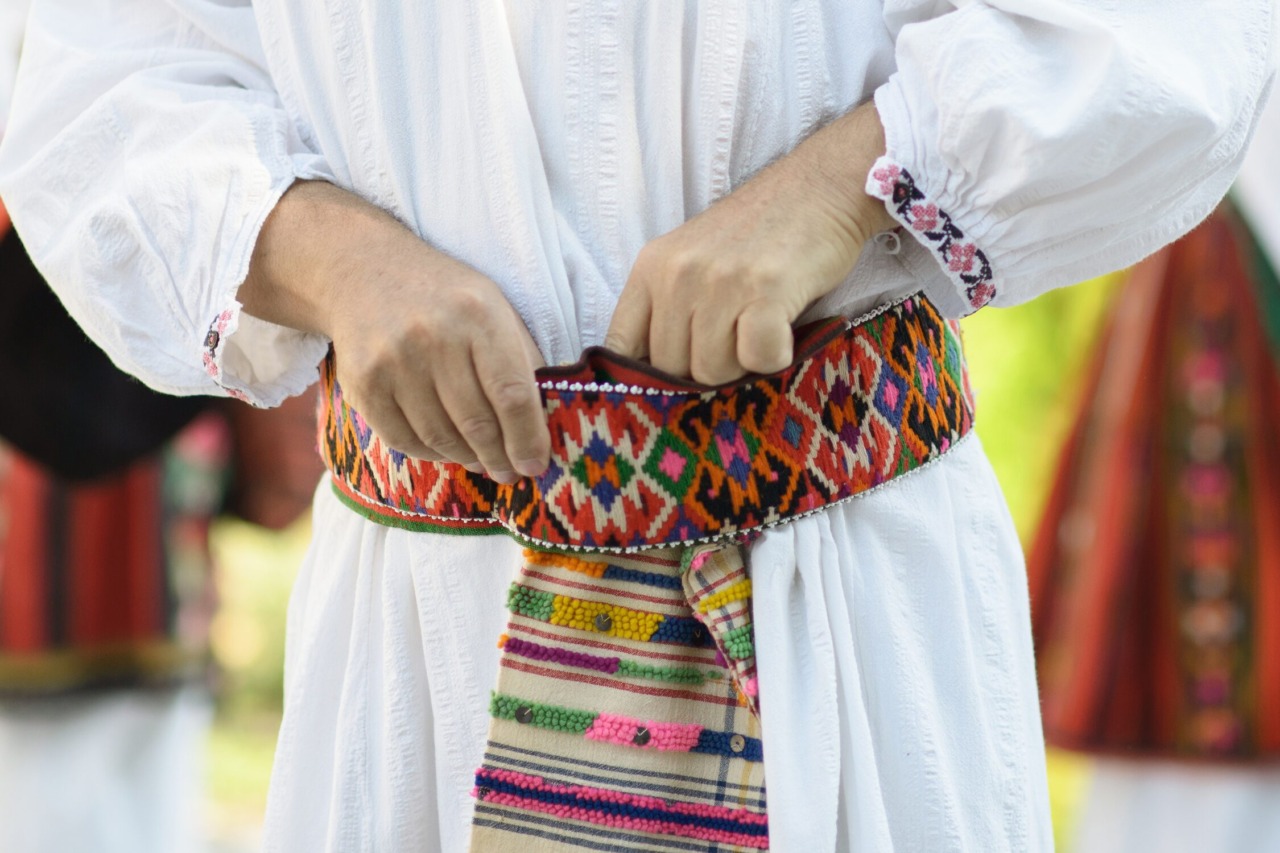
There is even an old local saying that once reflected how important plašinte were in everyday life: A girl was not considered ready for marriage if she did not know how to make plašinte. Today, the saying feels symbolic more than literal – but it reflects just how deeply this dish was woven into local identity.
Sweet or Savory – Plašinte Come in Many Forms
Part of what makes plašinte so beloved is their versatility. They can be both savory and sweet, depending on the occasion, ingredients, and family tradition.
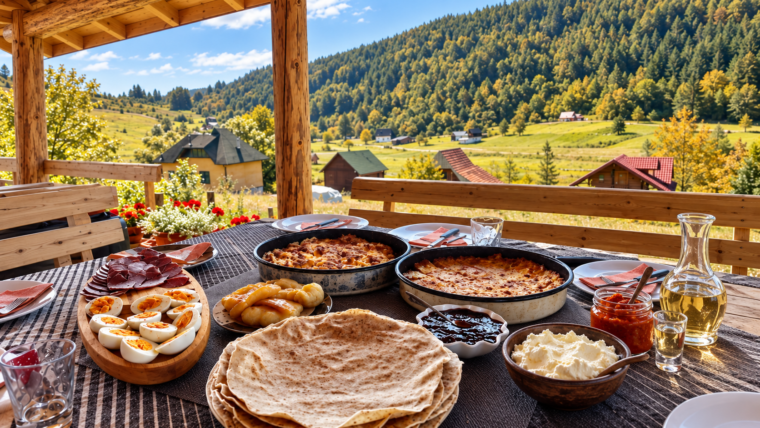
Savory plašinte are often enjoyed with homemade cheese, kajmak, eggs, greens, or simple dairy fillings that reflect the flavors of rural eastern Serbia. Warm, slightly crispy, and deeply comforting, they are the kind of food that naturally brings people together around a table.
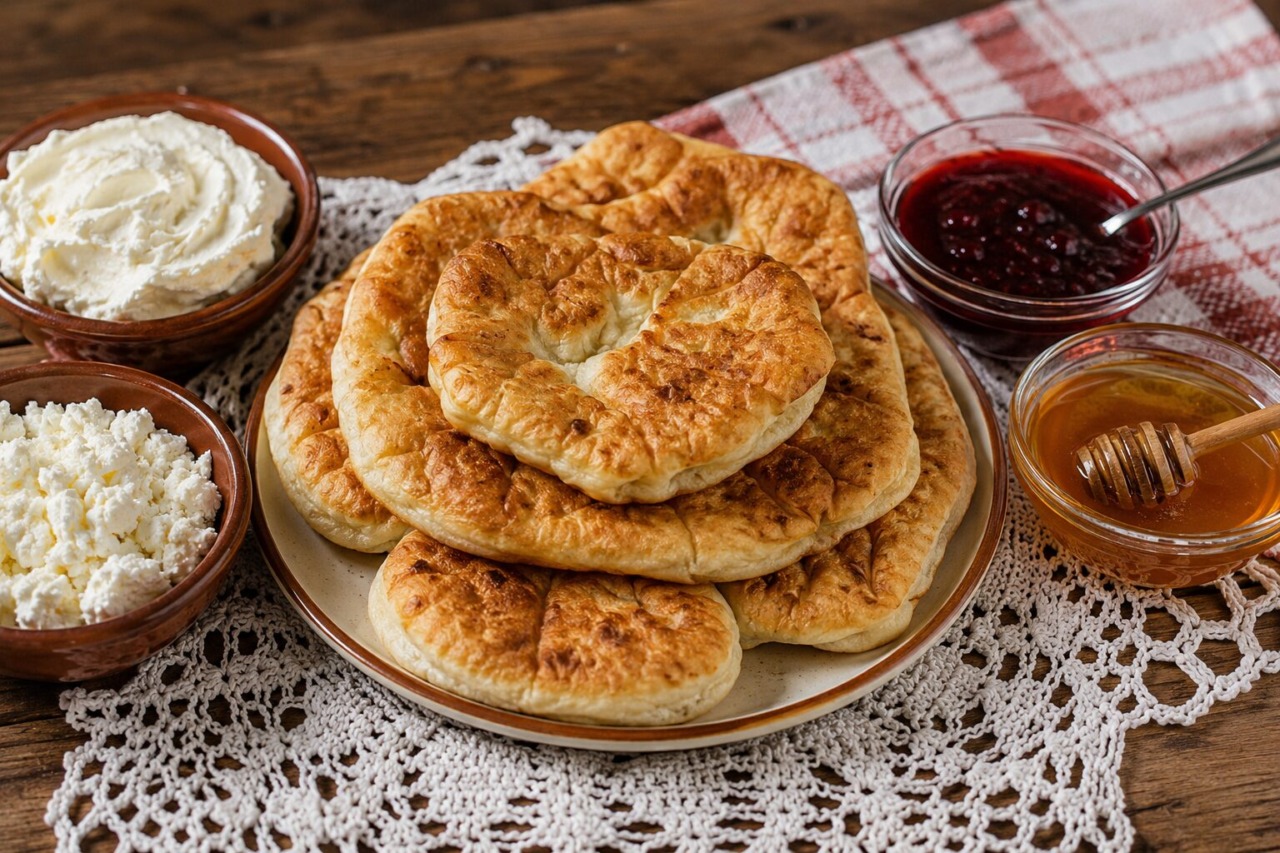
Sweet versions tell another story. Served with honey, homemade jams, walnuts, sugar, or local preserves, they often appear during gatherings and celebrations – simple desserts that somehow feel richer because of the tradition behind them.
And like many traditional foods, no two families make them exactly the same way. Everyone insists theirs are the best.
Why Are Plašinte So Special Today?
In a world increasingly shaped by fast food and modern dining habits, dishes like plašinte quietly become rarer. Many traditional recipes survive only because families continue making them at home or because local communities actively preserve them through festivals and cultural events.
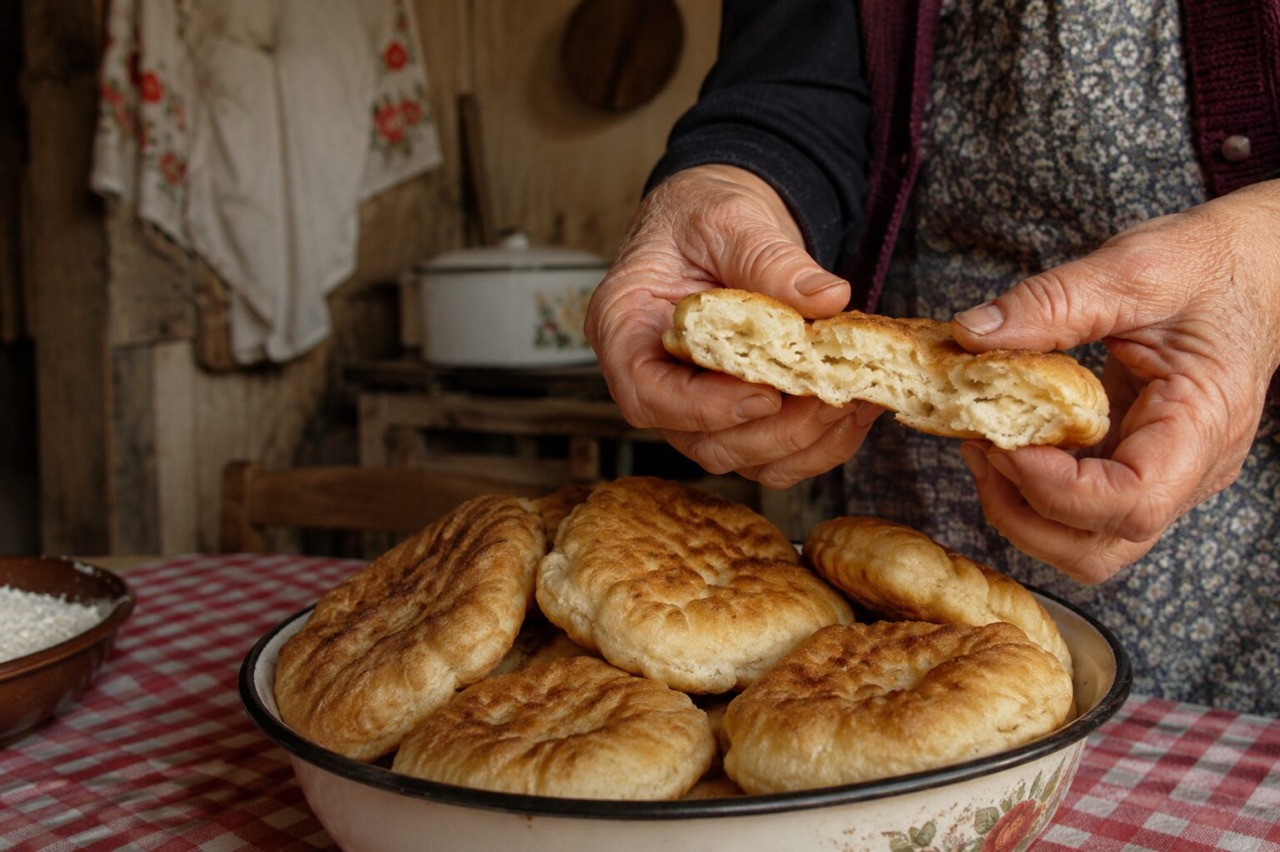
That is precisely why plašinte matter. They represent something increasingly difficult to find – food that still carries regional identity. You cannot fully understand eastern Serbia only through landscapes. Sometimes, understanding begins at the table. Through flavors, stories, and recipes that survived much longer than anyone expected.
Plašintijada: A Festival Dedicated to Tradition
For anyone curious to experience plašinte beyond reading about them, there is perhaps no better moment than Plašintijada in Rudna Glava.
Held this year on May 30, the festival celebrates one of eastern Serbia’s most recognizable traditional dishes through cooking, gatherings, local atmosphere, and shared heritage. Organized by Vredne Vlajne and the Municipality of Majdanpek, the event brings together locals, visitors, cooks, and lovers of traditional cuisine – all centered around plašinte.
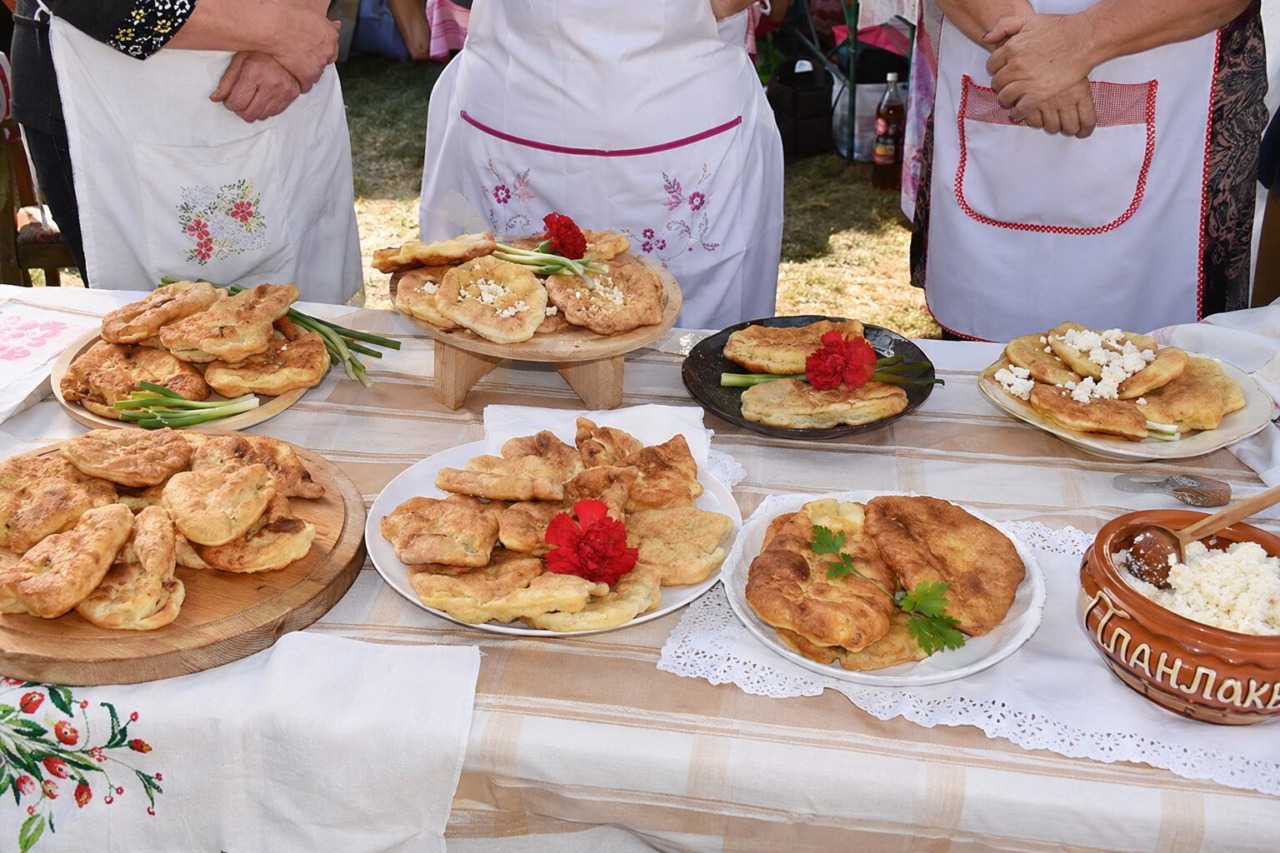
But festivals like this are about more than food. They are about preserving identity. About keeping traditions alive in a way that still feels joyful and shared. And perhaps most importantly – about making sure younger generations continue to know the flavors that shaped the region.
Why You Should Try Plašinte At Least Once
Because some of the best travel experiences begin with food you were not expecting. Plašinte may not appear on international food lists. They are not trendy. They are not designed for social media. And yet, they carry something many modern dishes no longer do – a feeling of place.
Simple ingredients. Generations of tradition. And a story you can actually taste. Sometimes, the most memorable flavors are also the quietest ones.
Related Articles