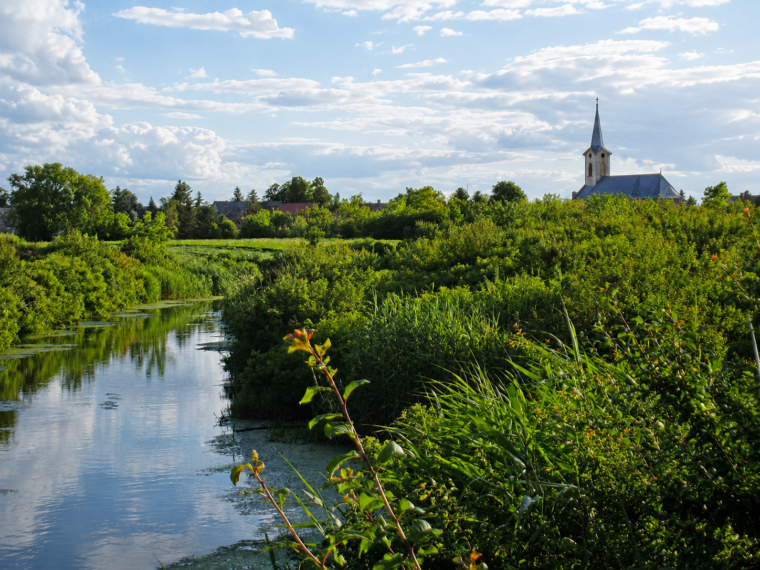

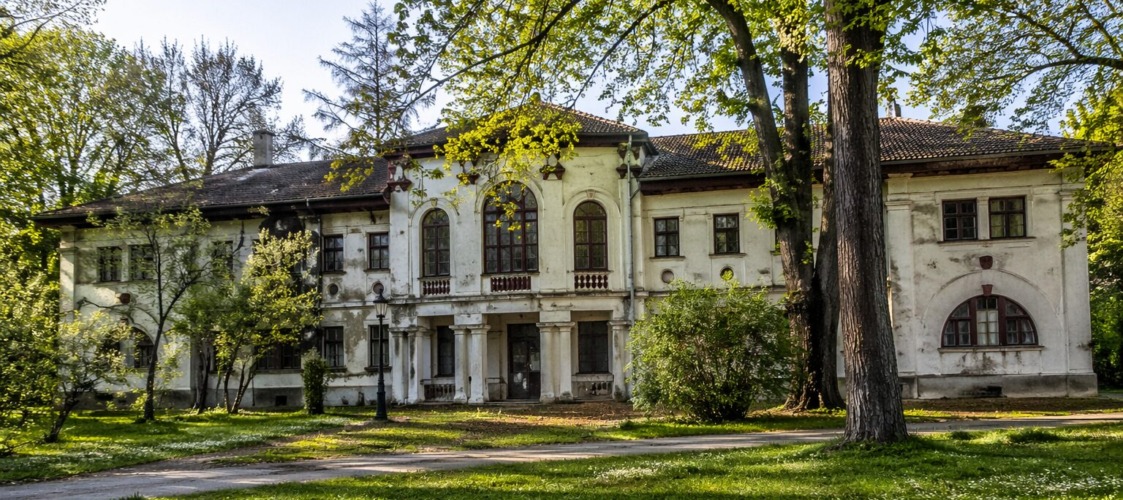
There was a time when people arrived in Mataruška Banja dressed elegantly for evening walks through its vast parks. Music drifted from hotel terraces, fountains shimmered beneath old trees, and wealthy families came here searching for both healing and prestige.
Long before modern wellness centers and luxury spa resorts became fashionable, this small spa near Kraljevo was considered one of the most important and best-equipped spa destinations in former Yugoslavia. At one point, it was even said to be more visited than Vrnjačka Banja.
Today, silence has replaced much of that grandeur. What remains is a place suspended between memory and decay – a spa town that still carries traces of elegance beneath layers of abandonment.
A Spa Built on Healing Waters
Mataruška Banja is one of the oldest spas in the former Yugoslavia, famous for its thermal mineral springs rich in sulfur. Its water is considered among the most sulfur-rich in Europe, known for helping treat rheumatic diseases, bone and joint conditions, neurological disorders, and post-traumatic recovery.
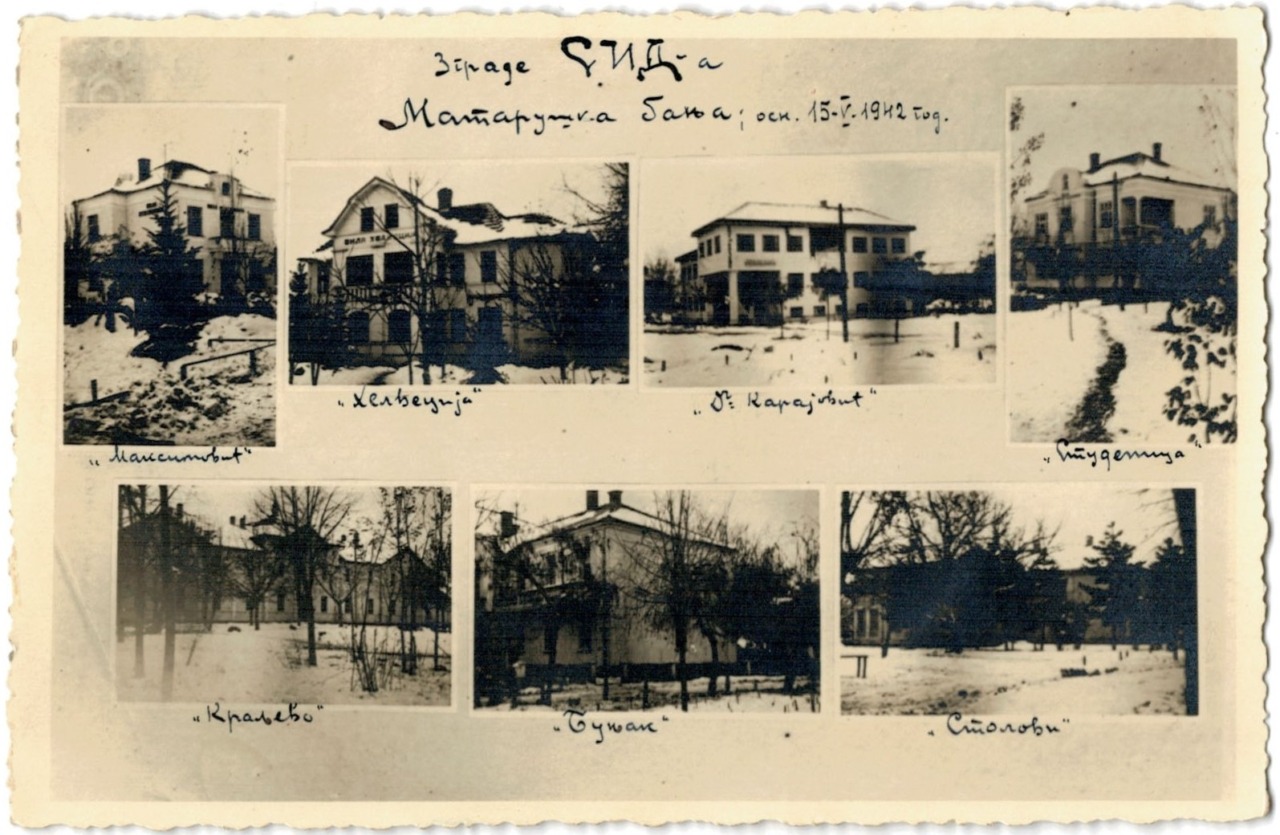
For decades, people traveled here not only from across Serbia but from all parts of Yugoslavia. Doctors recommended the spa for rehabilitation and healing, while visitors returned year after year for its atmosphere – a mixture of health tourism, nature, and old-world elegance.
The spa became a symbol of status as much as recovery.
The Lost Elegance of Old Yugoslav Spa Culture
During its golden years, Mataruška Banja was filled with grand villas, promenades, restaurants, and carefully designed parks stretching across nearly 12 hectares. Many of the villas dated back to the Kingdom of Yugoslavia era. Wealthy families built summer residences here, and the spa attracted politicians, military officers, intellectuals, and well-known public figures.
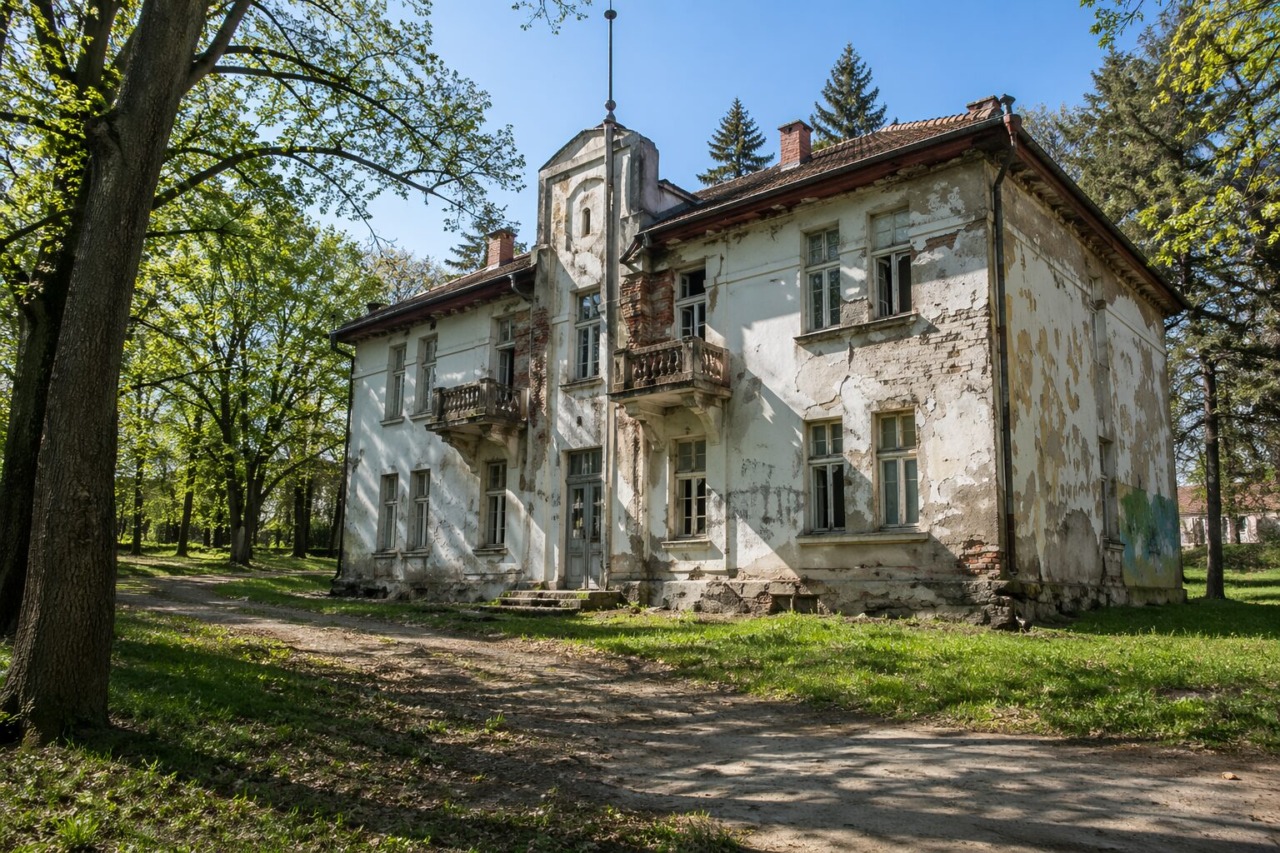
One of its greatest symbols was the famous Hotel Žiča – once considered among the most luxurious spa hotels in the region. According to local stories, its architecture was inspired by spa hotels in Karlovy Vary, one of Europe’s most famous historic spa towns.
Visitors dressed formally for walks through the park. Concerts and social evenings were organized during the summer season. The spa had the atmosphere of a refined Central European retreat hidden in the heart of Serbia.
Today, much of that world survives only in photographs and memories.
A Park That Once Defined the Spa
The tragedy of Mataruška Banja is perhaps most visible in its park. Once known as one of the most beautiful spa parks in the region, it now feels abandoned. Benches are broken or missing. The fountain no longer works. Paths that once welcomed generations of visitors now pass beside empty buildings and silent facades.
Around the park stand villas that were once symbols of prestige. Today many of them are devastated – abandoned, looted, collapsing under years of neglect. Some windows are shattered, roofs damaged, interiors stripped away. What was once elegance has become ruin.
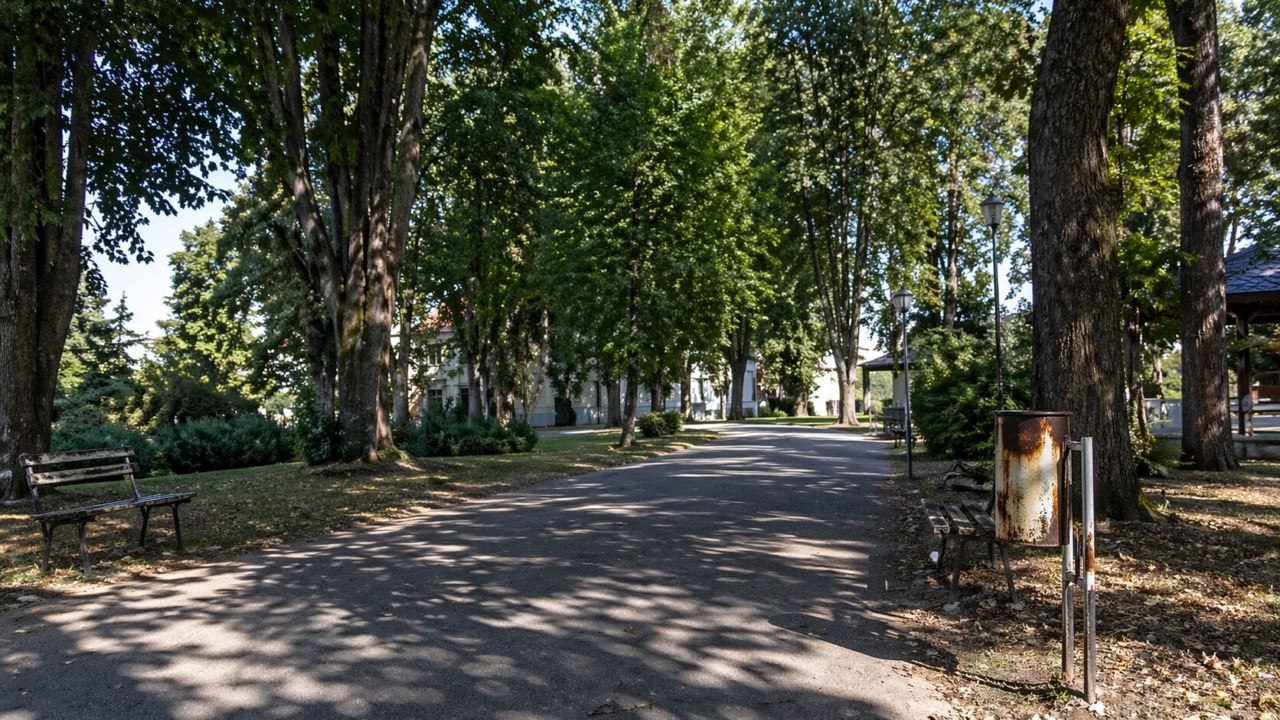
And yet, even in that decay, there is something hauntingly beautiful about the place. Tall trees still create deep shade over the old walkways. Fragments of facades hint at another era. In certain moments, especially during quiet afternoons or foggy mornings, it is possible to imagine what this spa once was.
Another Forgotten Spa: Bogutovačka Banja
A similar fate has reached nearby Bogutovačka Banja. Known for its peaceful forest surroundings and healing waters, this spa once attracted visitors searching for clean air and recovery in nature. Like Mataruška Banja, it slowly faded through years of neglect, failed privatizations, and disappearing investment.
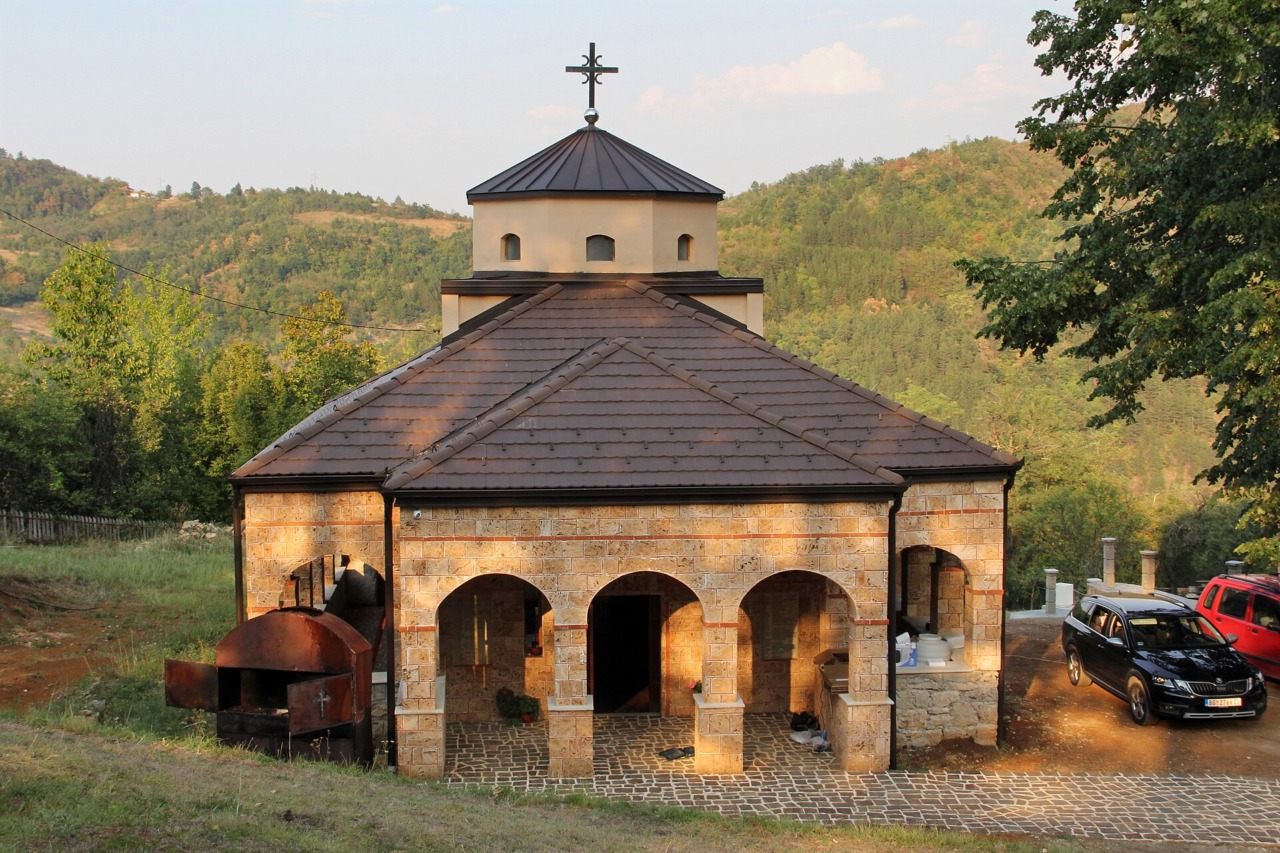
Today, both spas carry the feeling of places left behind by time – locations that once represented pride, health tourism, and architectural elegance, but now stand somewhere between memory and uncertainty. Both have even been offered for sale, becoming symbols of the difficult fate many former Yugoslav spa complexes experienced after decades of transition.
Can Its Story Still Continue?
Despite everything, many people still believe Mataruška Banja deserves another chance. Its healing water still flows. Its location near Kraljevo and the medieval Žiča Monastery remains valuable. The old villas, though damaged, still carry architectural beauty beneath the ruins.
What the spa lacks is not history, nature, or healing resources. It lacks restoration, vision, and care. And perhaps that is why places like this leave such a strong impression. They remind visitors how easily grandeur can disappear – but also how deeply places can endure in collective memory.
Even now, among ruined villas and silent promenades, Mataruška Banja still feels like a place waiting to be remembered again.
Related Articles