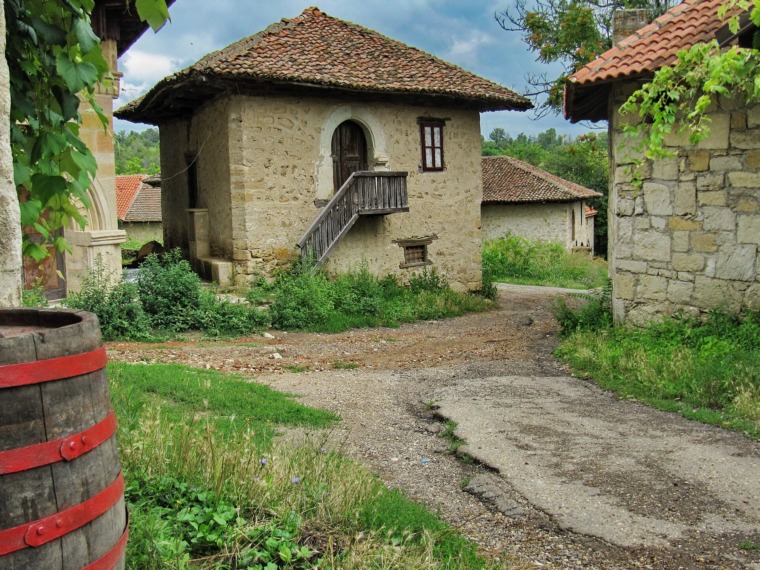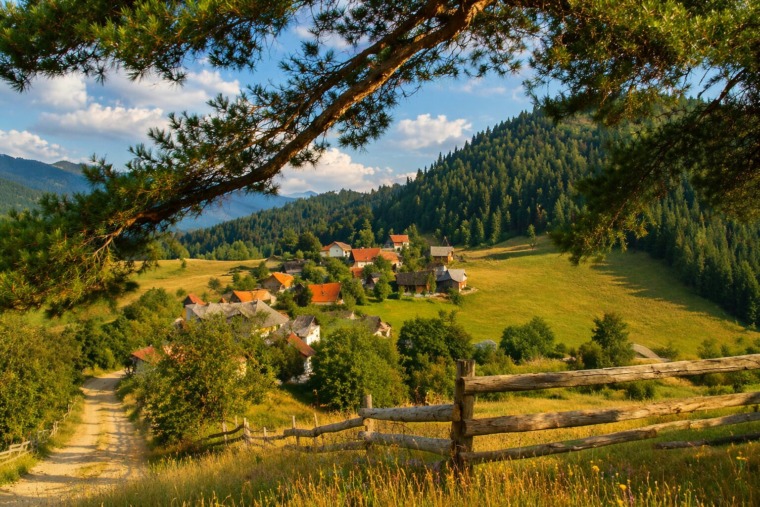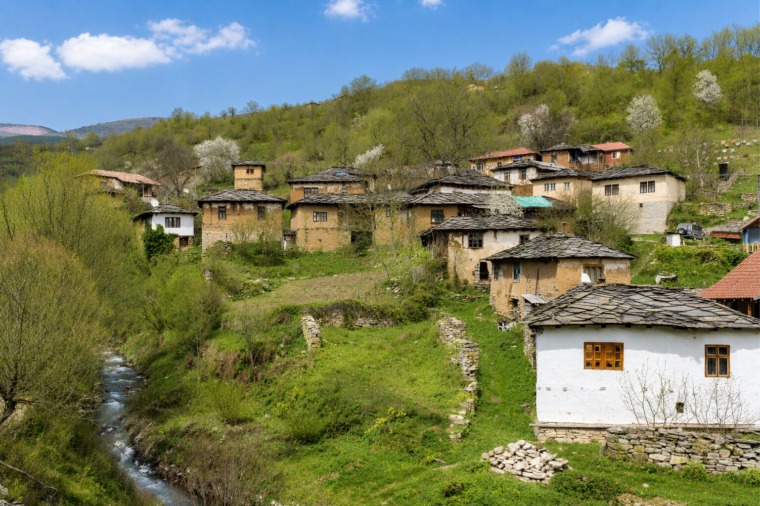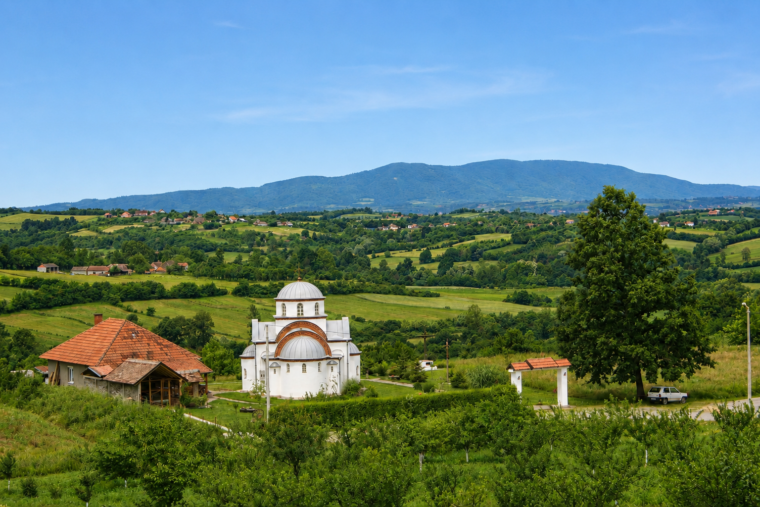

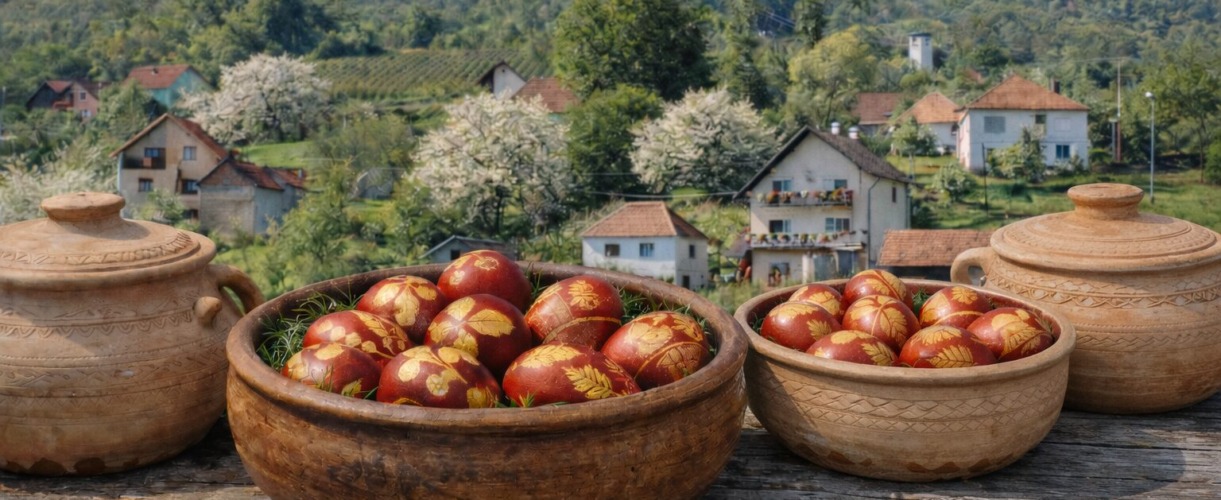
Not far from Užice, in a landscape that opens toward gentle hills and quiet villages, lies Zlakusa – a place where tradition has never been separated from everyday life.
In spring, as the air becomes softer and the land begins to shift in color, the village takes on a different kind of rhythm. It is not louder, nor more crowded, but more present. The days leading to Easter carry a quiet sense of preparation, one that unfolds through small, familiar gestures rather than visible change.
Here, tradition is not performed. It continues.
Clay as memory and continuity
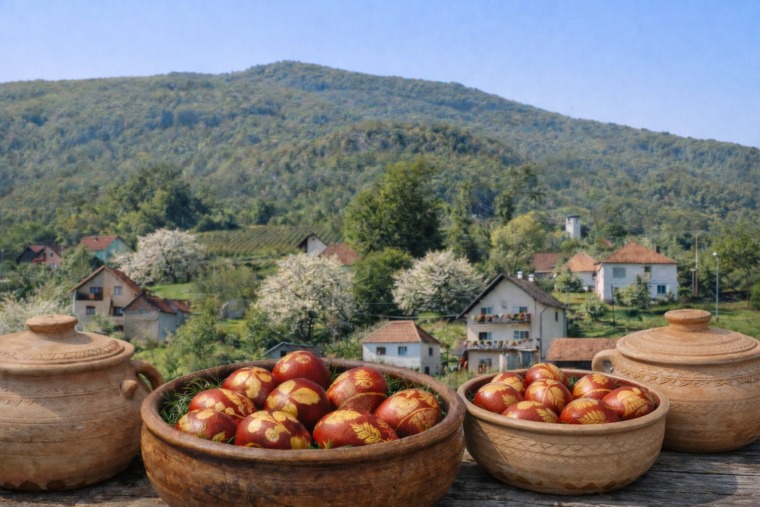
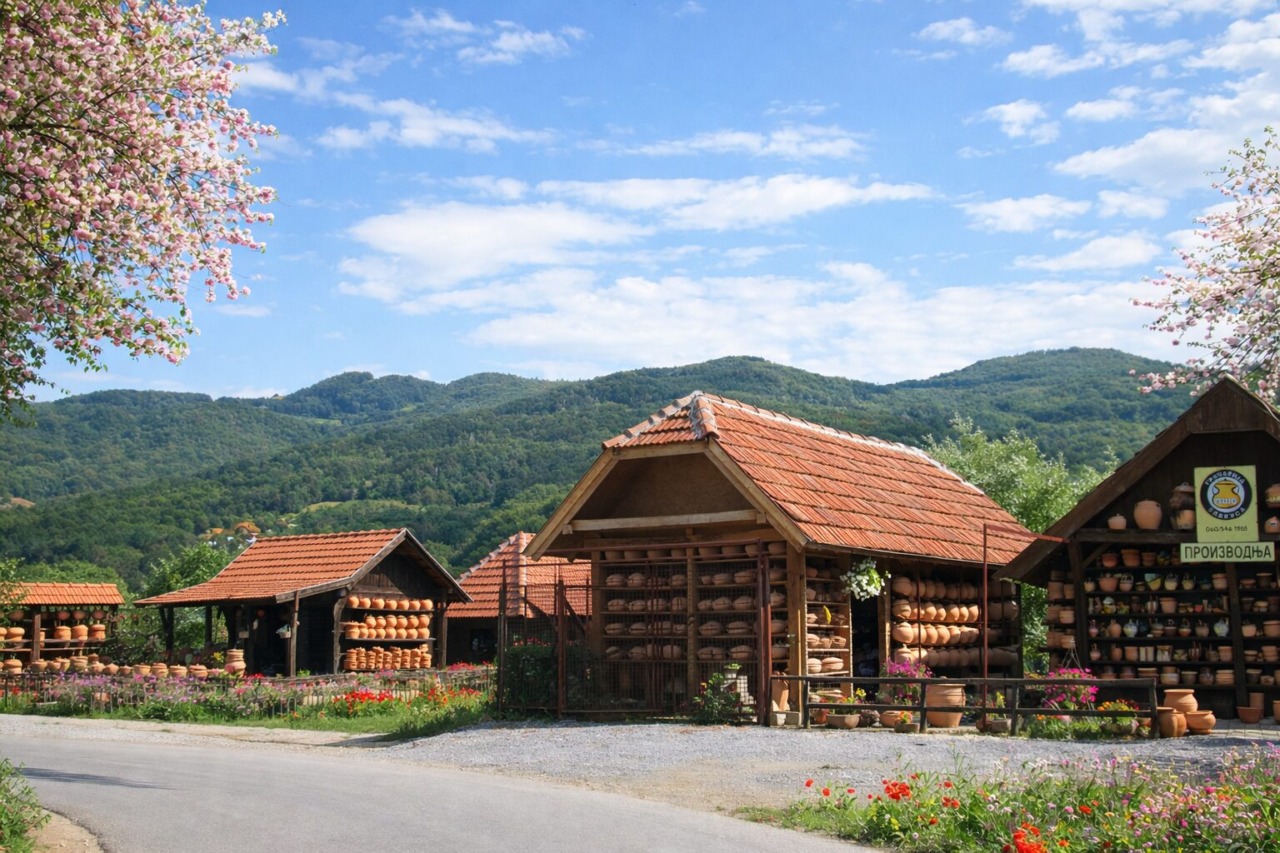
Zlakusa is known for its pottery, but what defines it is not the objects themselves, but the process behind them. The craft of hand-shaping clay, recognized as part of Serbia’s intangible cultural heritage, has been preserved through generations in a way that feels uninterrupted. The mixture of clay and calcite, formed without molds and fired in open flames, carries a knowledge that is both practical and deeply symbolic.
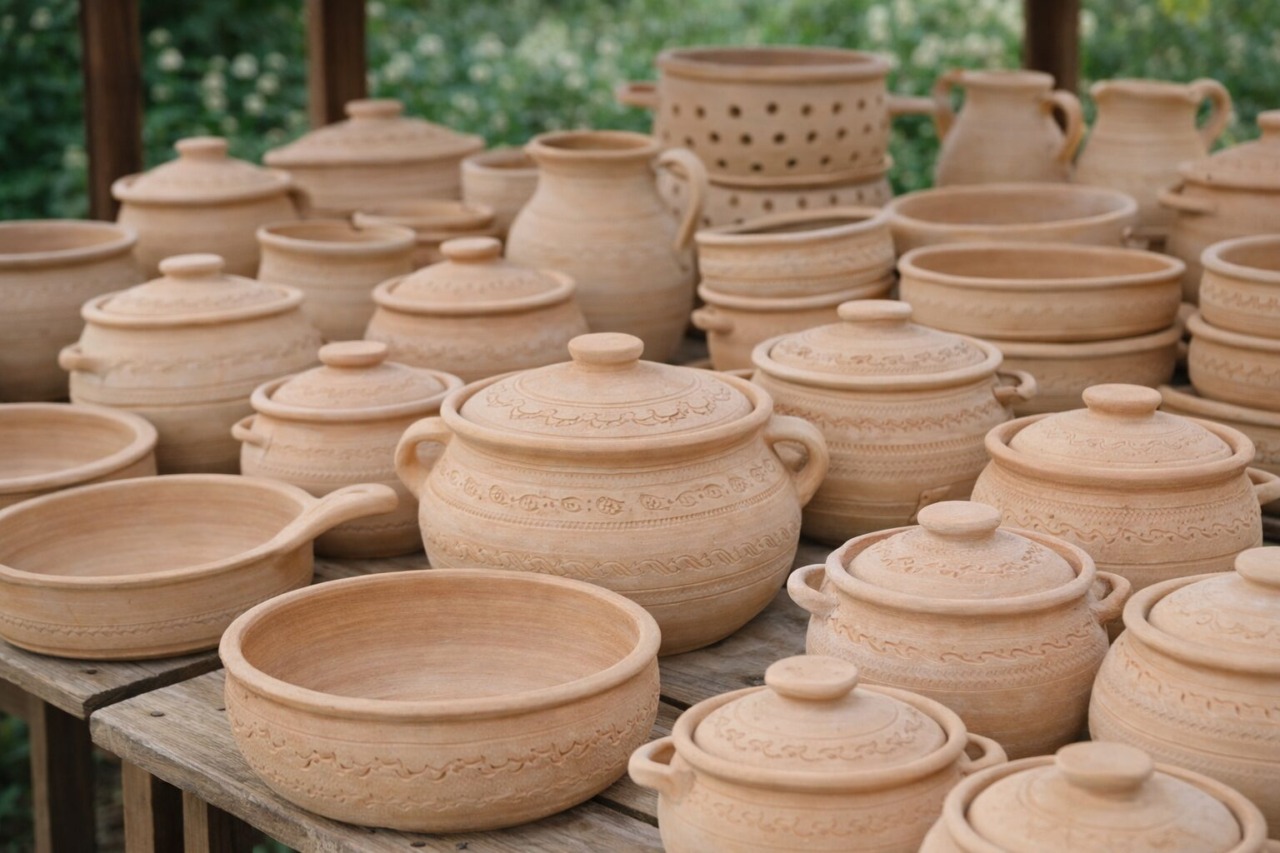
During the days before Easter, this connection becomes even more visible. Pots, dishes, and traditional cookware are not simply items to observe, but part of a living rhythm – used, exchanged, and often taken home as something that continues the story elsewhere. In Zlakusa, even the smallest object feels rooted in time.
Easter as a lived experience
Spending Easter in Zlakusa does not feel like attending an event. It feels like stepping into something already in motion. On the day before Easter, the village moves through preparation without urgency. Food is made slowly, in ways that follow tradition rather than instruction. The scent of wood fire and fresh ingredients lingers in the air, while homes and courtyards reflect a quiet readiness.
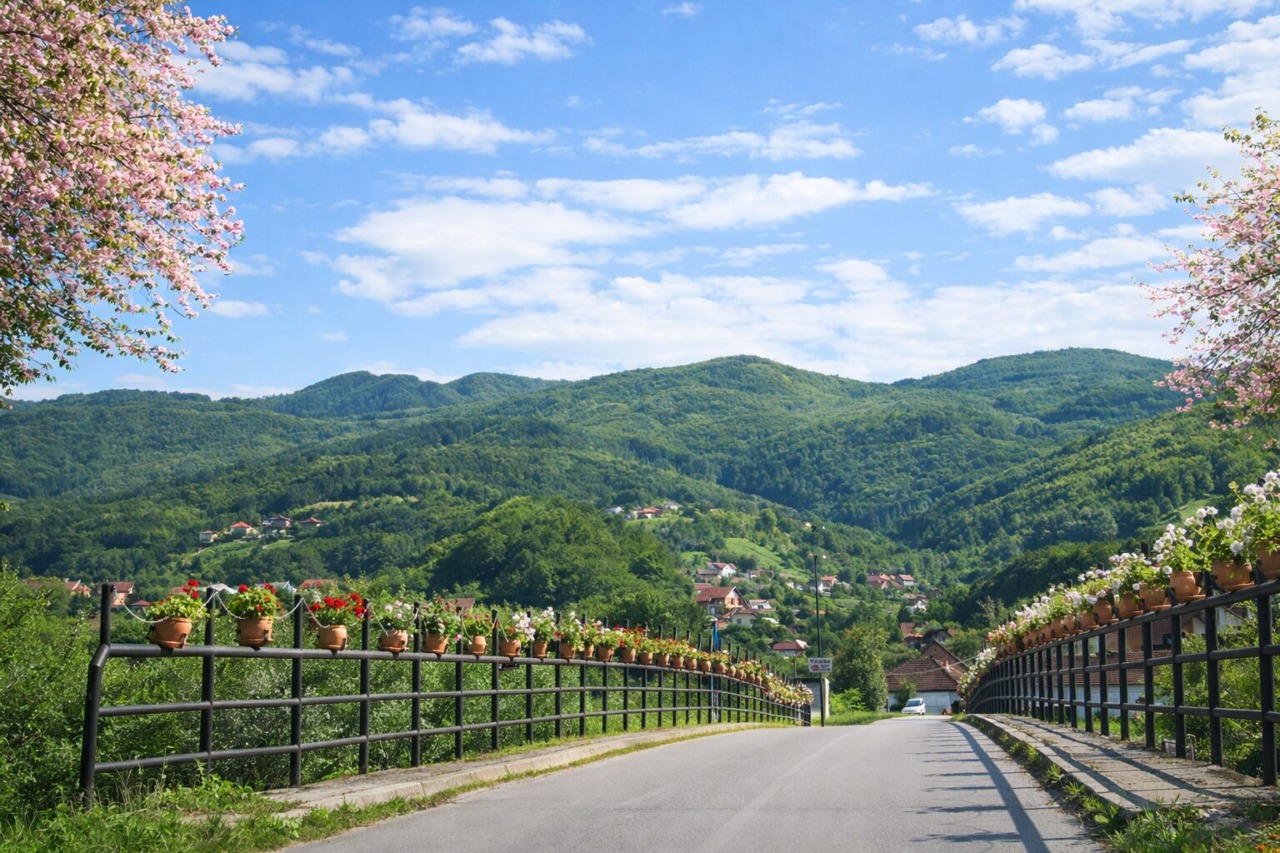
By Sunday, the atmosphere shifts almost imperceptibly. There is a sense of gathering, of shared time, of moments that are understood rather than explained. The holiday is present, but never overwhelming. It exists in the details – in the table, in conversation, in the pace of the day.
Between the village and Terzića Avlija
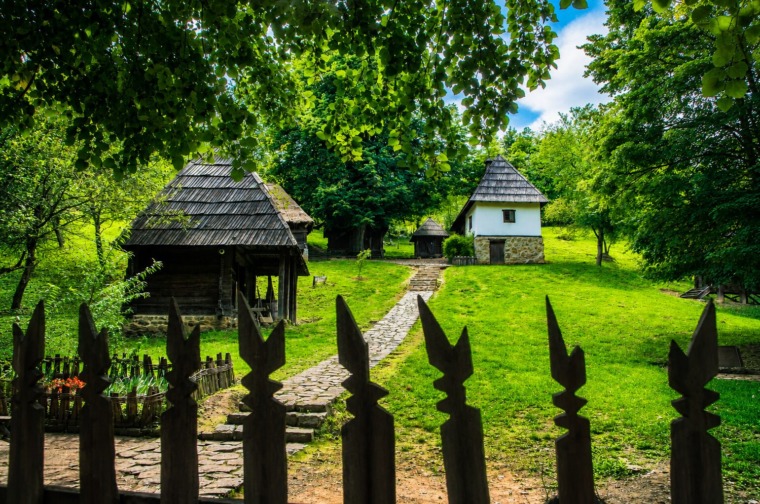
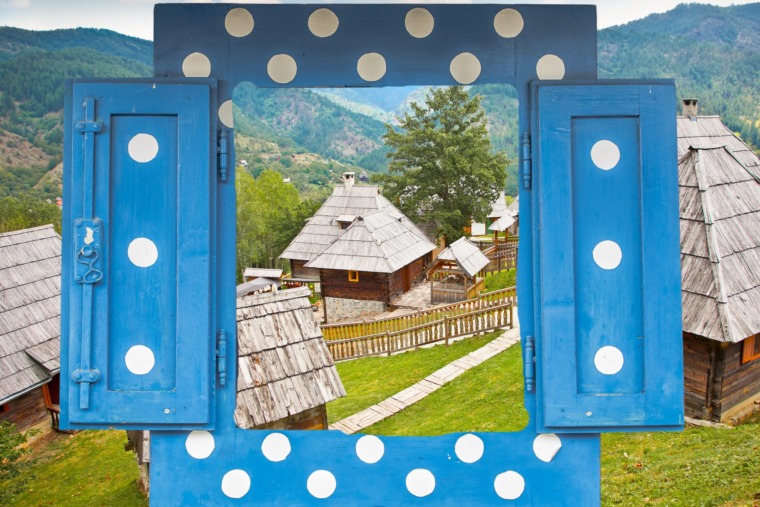
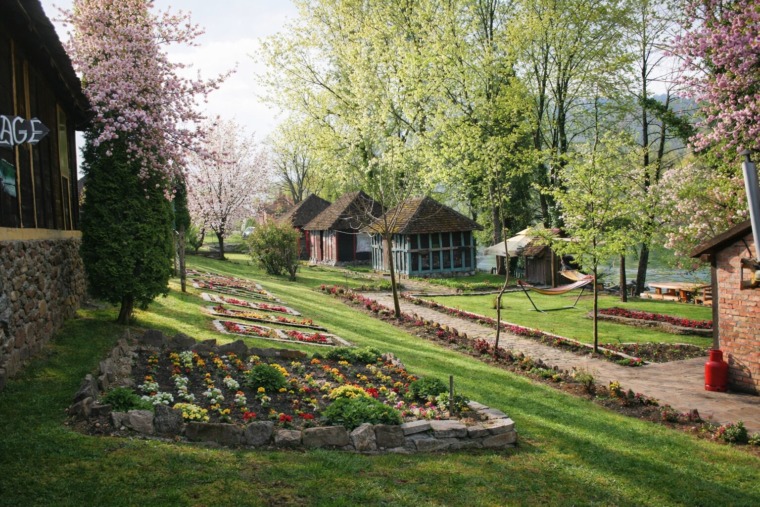
Within Zlakusa itself, places like Terzića Avlija offer a deeper immersion into this atmosphere. Rather than standing apart, this ethno complex extends the feeling of the village. Traditional architecture, carefully preserved spaces, and an environment shaped by wood, stone, and time create a setting where the experience of Easter becomes more tangible.
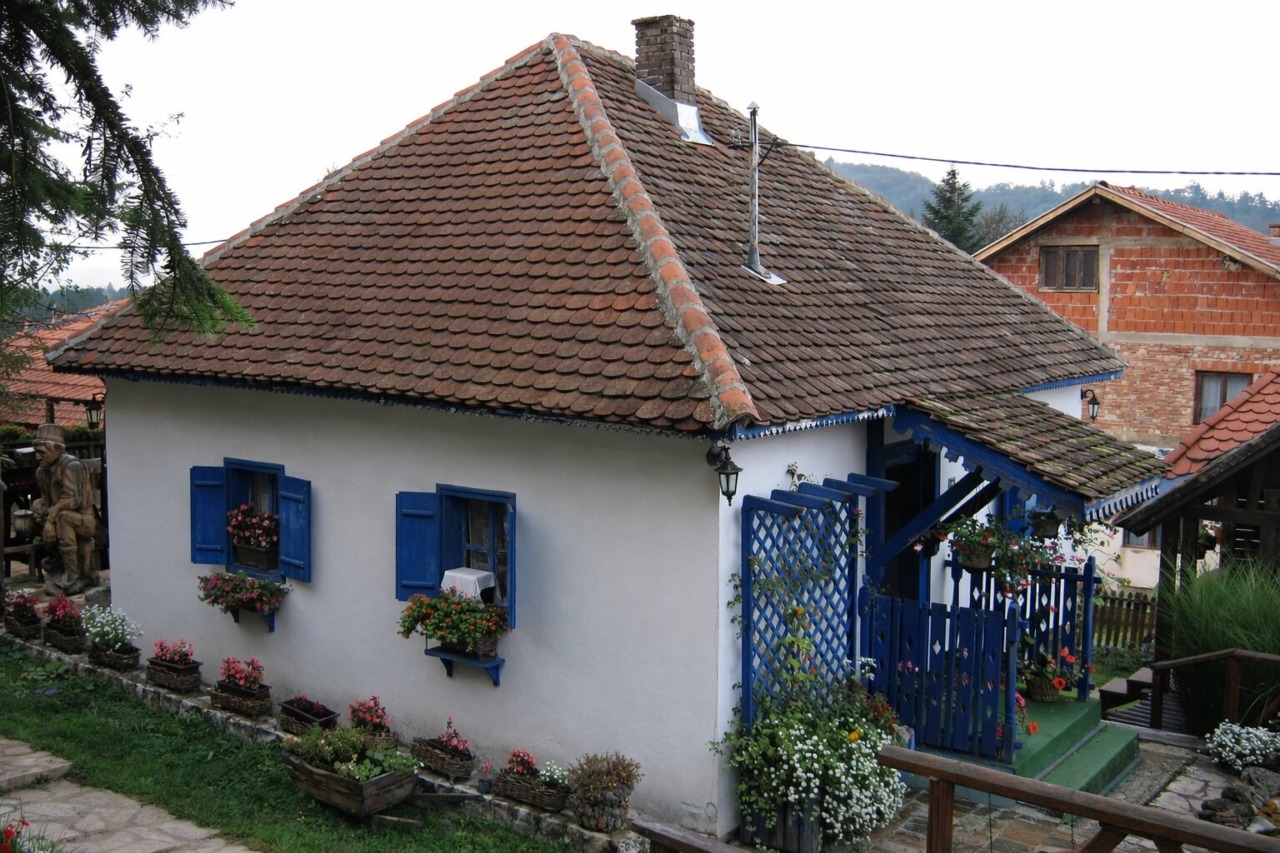
Meals reflect local recipes, the surroundings encourage slow movement, and everything feels aligned with the rhythm of the place. It is not a reconstruction, but a continuation.
What surrounds Zlakusa
Beyond the village, the landscape continues to unfold in ways that feel both close and expansive. Not far from here lies Potpeće Cave, where the natural formations of stone create a completely different kind of space – one shaped over time, silent and vast. The transition from the open fields of Zlakusa to the interior of the cave feels almost symbolic, moving from one form of continuity to another.
The wider region around Užice offers viewpoints, river valleys, and small roads that lead through western Serbia without ever fully revealing everything at once. Each turn feels like a continuation of the same story.
A place to arrive without rushing
Zlakusa is not a place that asks for time – but it rewards it. Whether arriving on the day before Easter, when the village quietly prepares, or staying through Sunday, when everything settles into a shared rhythm, the experience remains the same in essence. Nothing is staged, nothing is imposed.
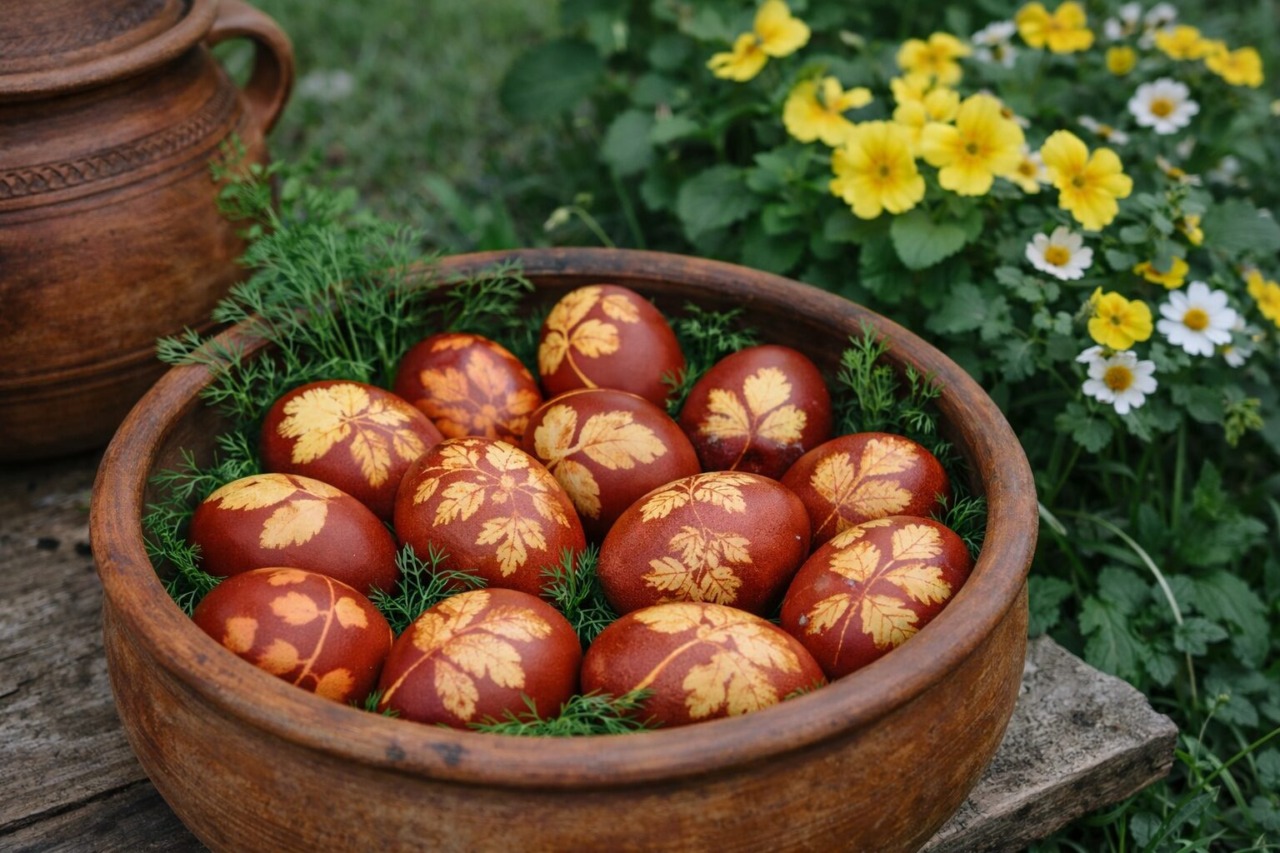
What you encounter is not an event, but a way of being. And in that space between clay, fire, and tradition, Easter in Zlakusa becomes something that feels both simple and deeply meaningful.
This article is part of the series “Villages of Serbia: Return to the Roots,” through which we explore authentic villages across the country – places where life still unfolds at a slower pace, more simply and closer to nature. Through stories about people, food, and landscapes, our goal is to encourage a different way of traveling and to highlight the importance of preserving rural Serbia.
Related Articles