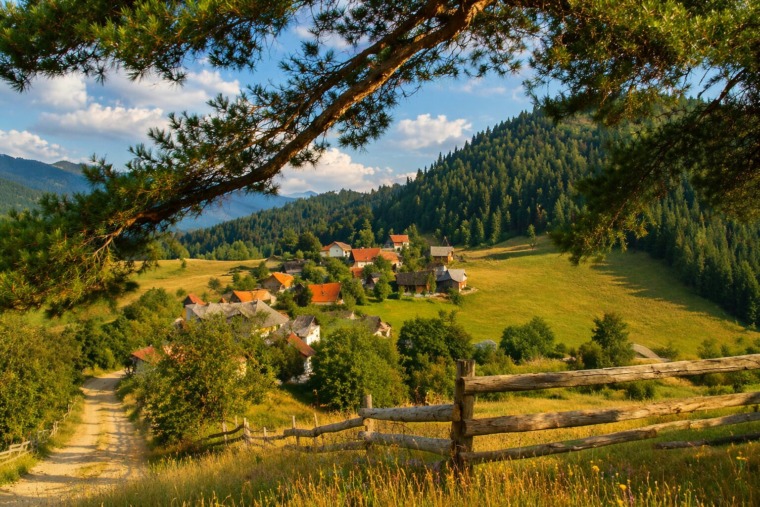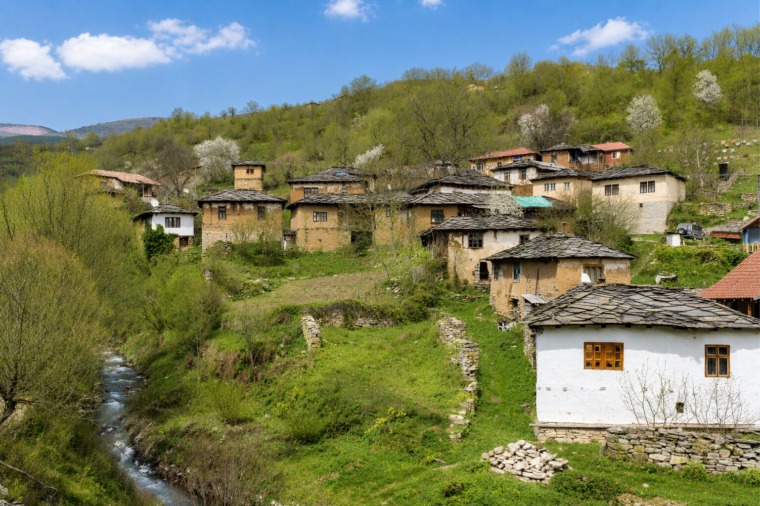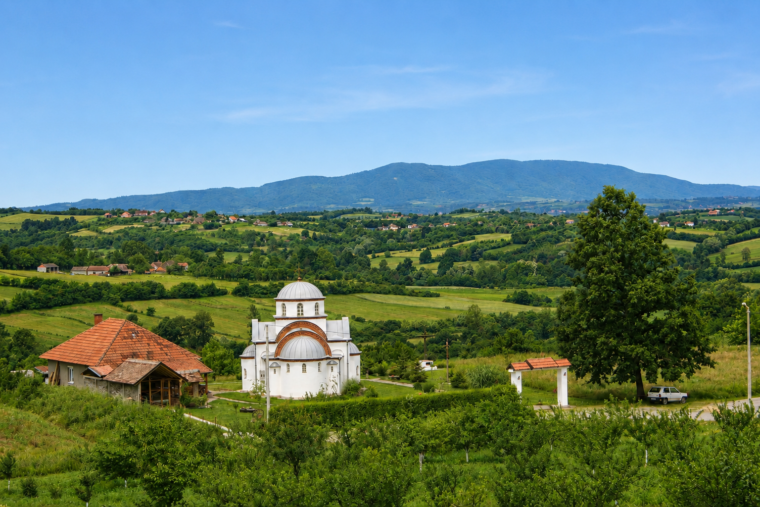

At the foot of Stara Planina, where the landscape begins to rise and the air becomes noticeably clearer, lies Kalna – a village that feels less like a destination and more like a quiet transition.
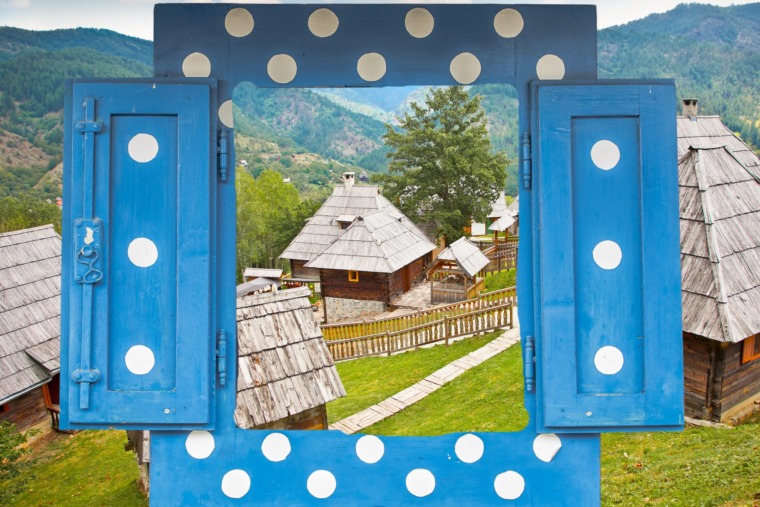
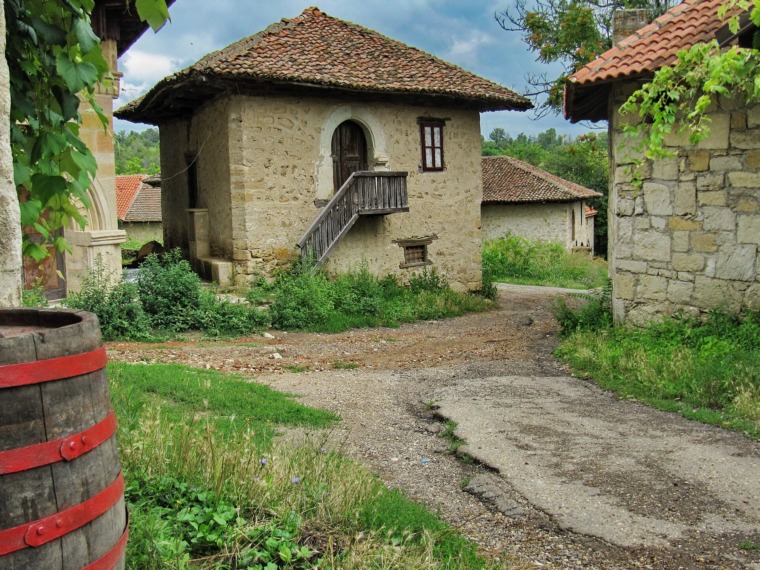
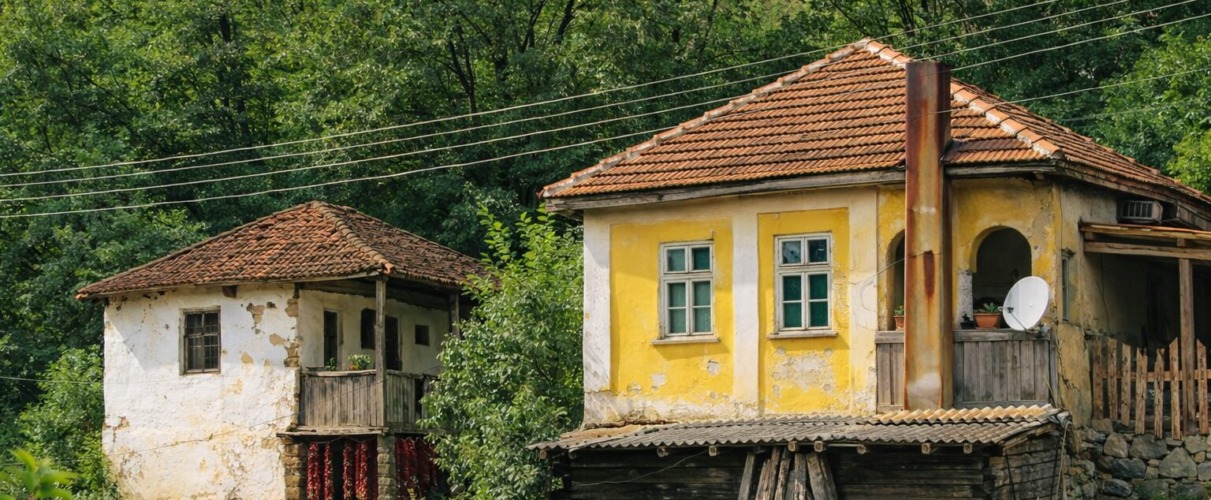
The road does not end here, but it changes. It slows, softens, and gradually gives way to something less defined. Houses appear without order, shaped more by the terrain than by intention, while the mountain stands close enough to feel present in every movement of light and shadow.
In Kalna, there is no clear boundary between village and nature. One simply continues into the other.
A place shaped by distance and time
Kalna has never been arranged to meet expectations. It has remained as it is, shaped by the mountain and the lives that have adapted to it over time. The rhythm here is subtle, almost imperceptible at first. Mornings arrive quietly, without urgency, and the day unfolds without the need to be filled.
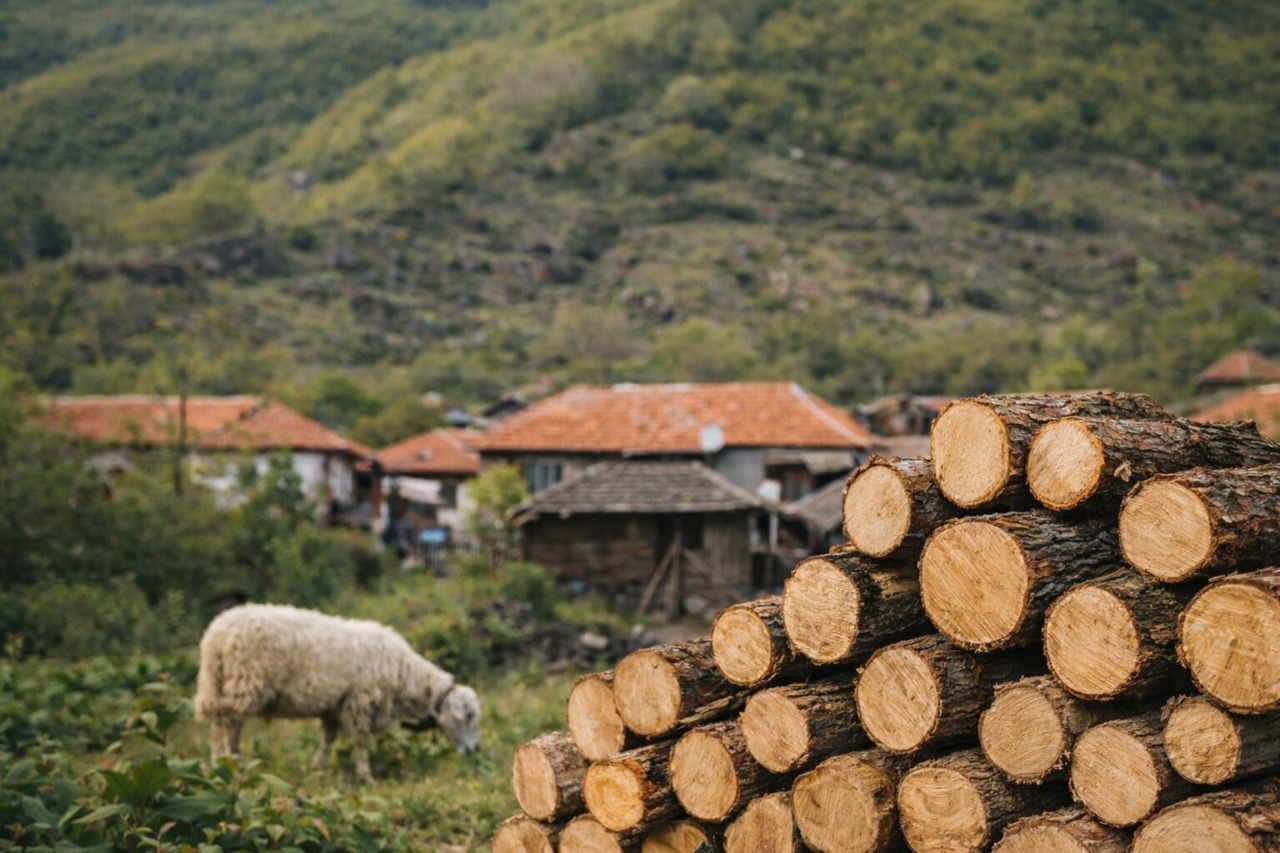
What might seem like stillness reveals itself as something more layered – a space where attention shifts toward small details, toward the sound of water nearby, the movement of clouds over the slopes, or the way light settles on the landscape. It is not a place that offers explanations, but one that gradually allows you to understand it.
Moving through Kalna and into the mountain
Spending time in Kalna naturally leads outward, though not in a structured way. Paths begin without announcement, often as narrow roads or trails that follow the terrain rather than impose on it. Walking through the village becomes a continuation of the same movement – from houses toward open land, and from there into the first layers of the mountain.
As the landscape rises, the presence of Stara Planina becomes more defined. Forests grow denser, streams appear unexpectedly, and the terrain begins to shift between open views and enclosed, quieter spaces. Somewhere beyond these gradual changes lies Babin Zub, a landmark that has long shaped the identity of this part of the mountain, though the journey toward it rarely feels direct.
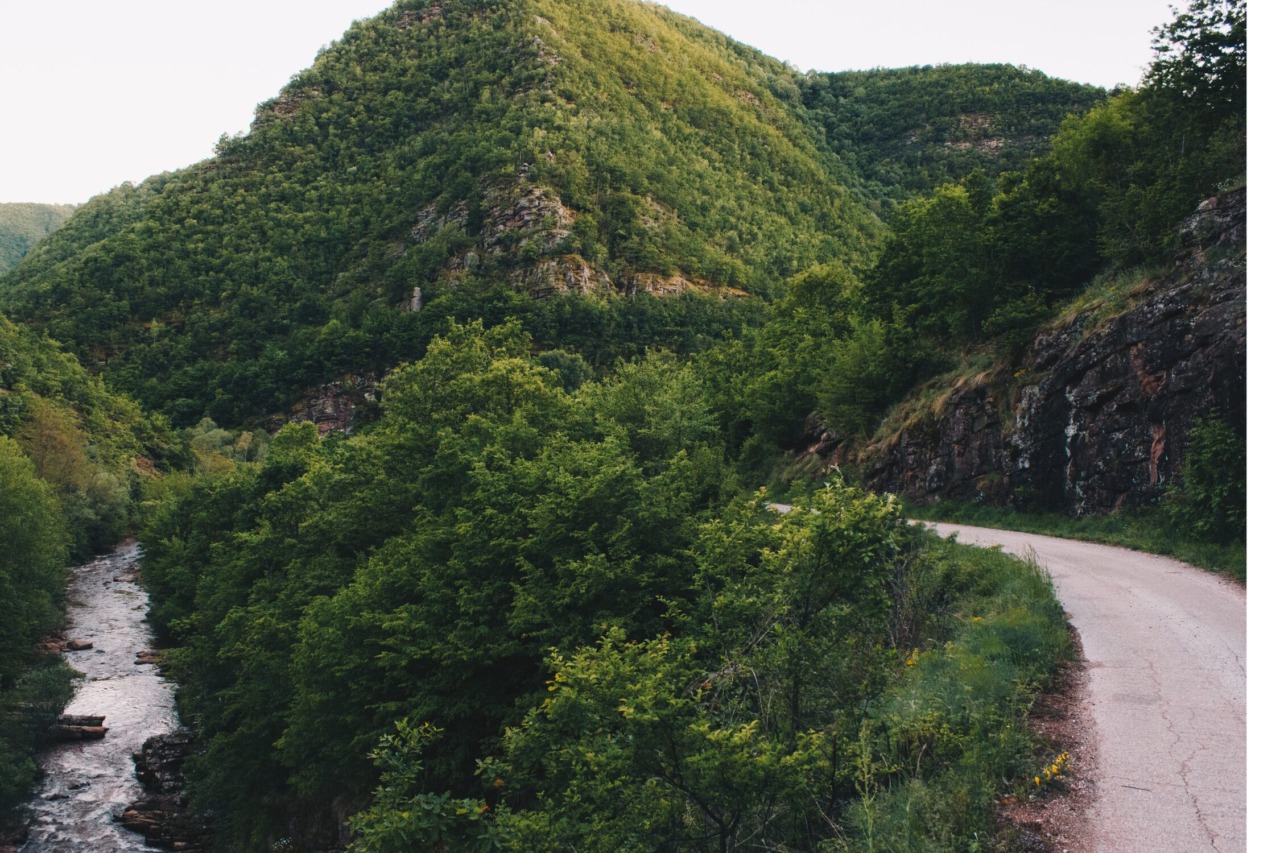
Along these slopes, water is never far away. It moves quietly through the terrain before revealing itself more fully in the waterfalls that Stara Planina is known for. Some appear suddenly, emerging from forested cliffs, while others require a longer walk, hidden deeper within the mountain. Their presence changes the atmosphere entirely – the sound of falling water breaking the silence, the air becoming cooler, the landscape more dynamic. In these moments, the mountain feels less distant and more immediate.
Places nearby that carry the same silence
The surroundings of Kalna do not interrupt its atmosphere – they extend it. Not far from here, the road continues toward Topli Do, a place often described as being at the very edge of the mountain. The journey itself becomes part of the experience, as the landscape gradually grows more remote, the space more open, and the sense of isolation more complete. Topli Do does not present itself all at once, but appears quietly, almost unexpectedly, surrounded by peaks and water that shape its entire existence.
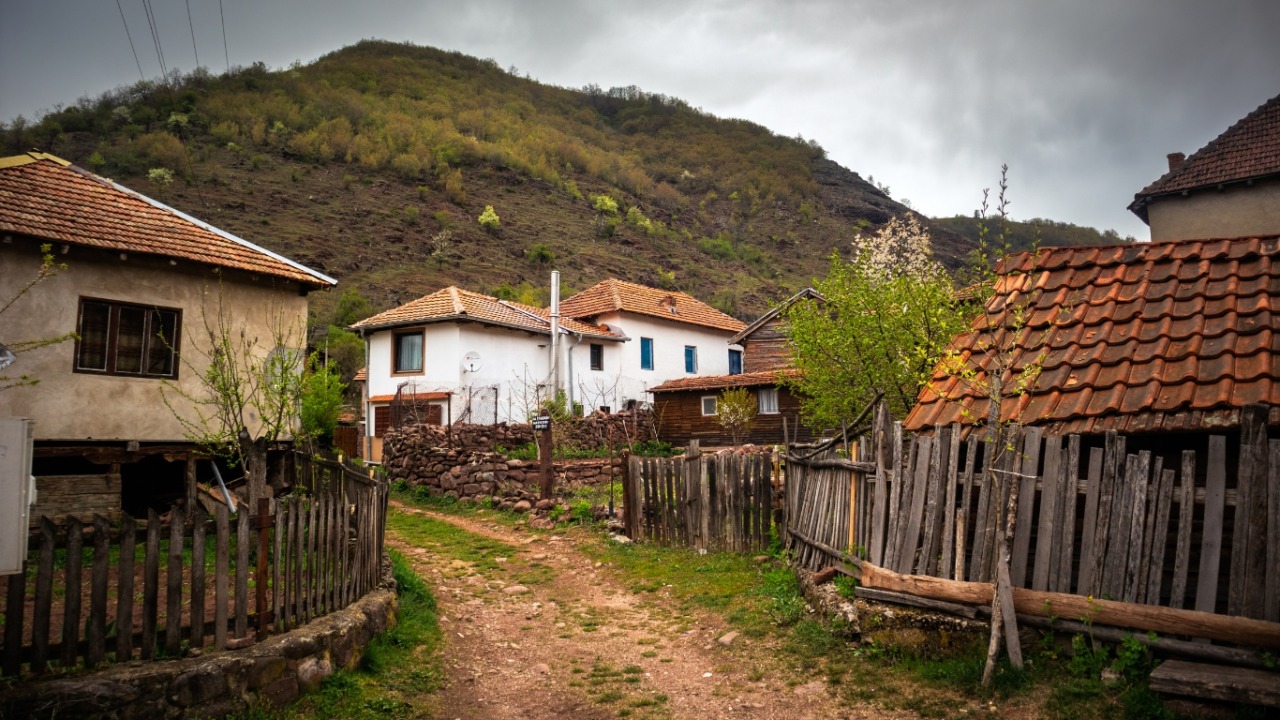
In another direction, the village of Temska reflects a different side of the region, where the river defines the rhythm of life and the connection between settlements feels more continuous. Between these points, smaller paths lead to places that remain unnamed on most maps – clearings, streams, and viewpoints that are discovered rather than sought.
Kalna sits within this network of quiet places, not as a center, but as a point of passage between them.
A quiet memory of traditional life – The Museum of Old Crafts
In the village of Kalna, there is a place where traces of everyday life have been carefully preserved, not as something distant, but as something still close and recognizable.
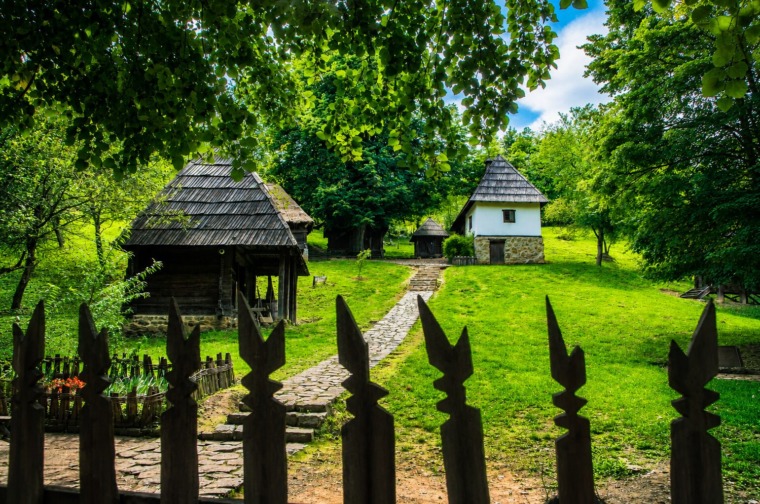
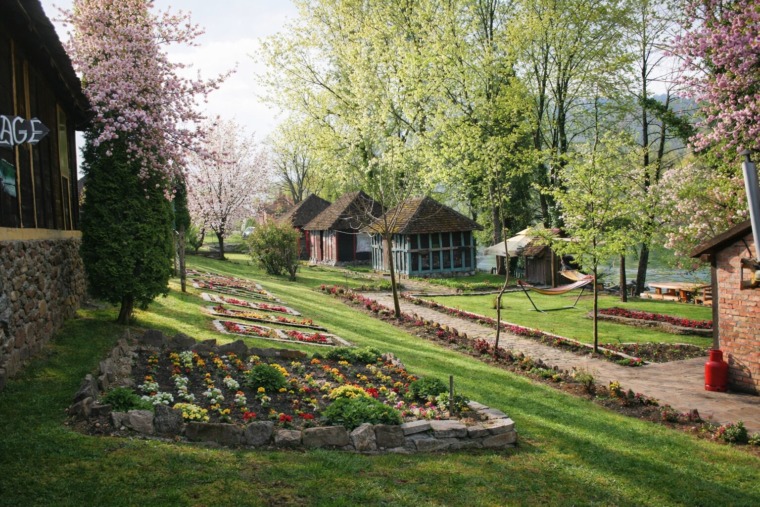
The Museum of Old Crafts, located in the Ethno Village Stara Planina, does not present history through explanation, but through presence. Objects that were once part of daily life remain here in their original form – tools shaped by hand, fabrics created through time and patience, and details that reflect a way of living closely tied to the land.
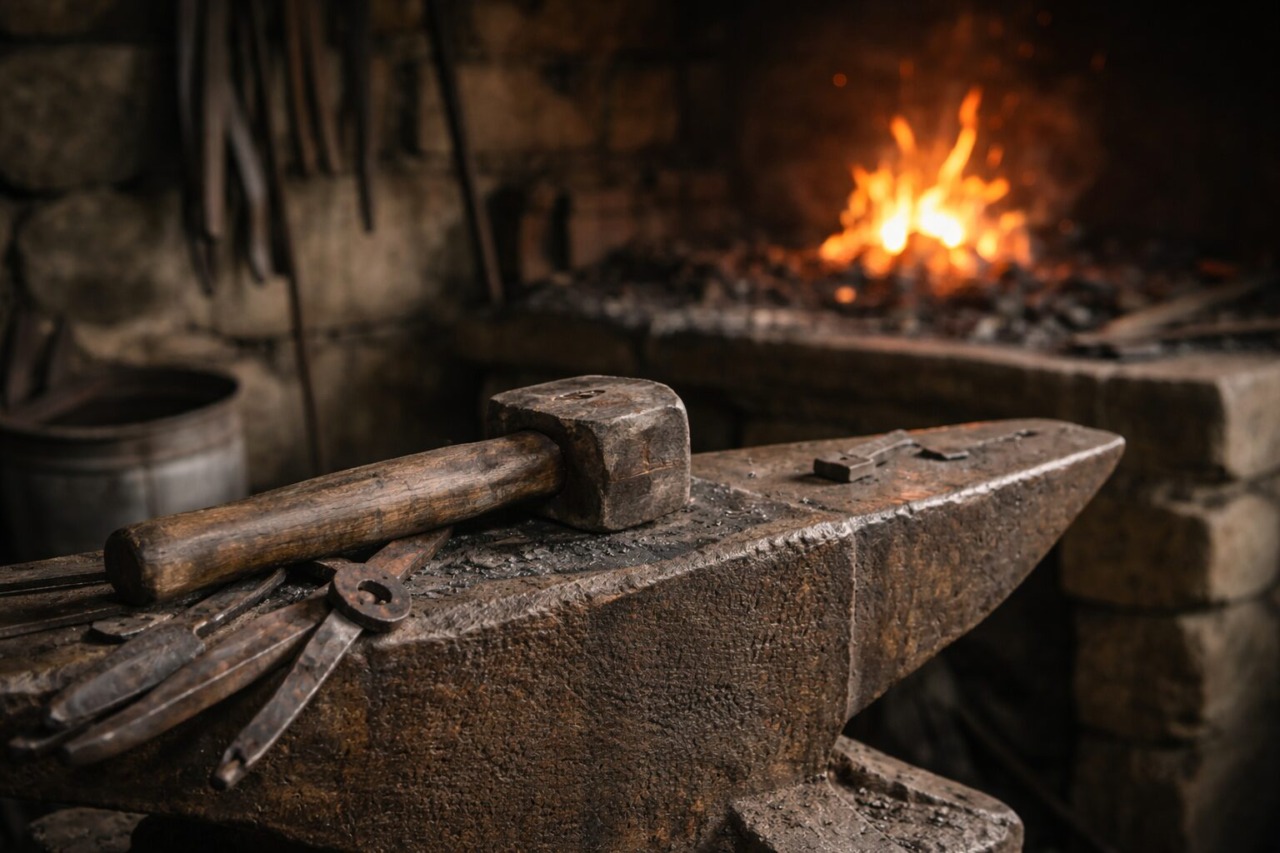
Moving through this space feels less like visiting a museum and more like entering a quiet continuation of the village itself. The past does not stand apart, but blends into the present, revealing how much of that rhythm still exists, even if it has changed. In Kalna, this is not an attraction set aside from everyday life. It is simply another layer of it.
The mountain on the table
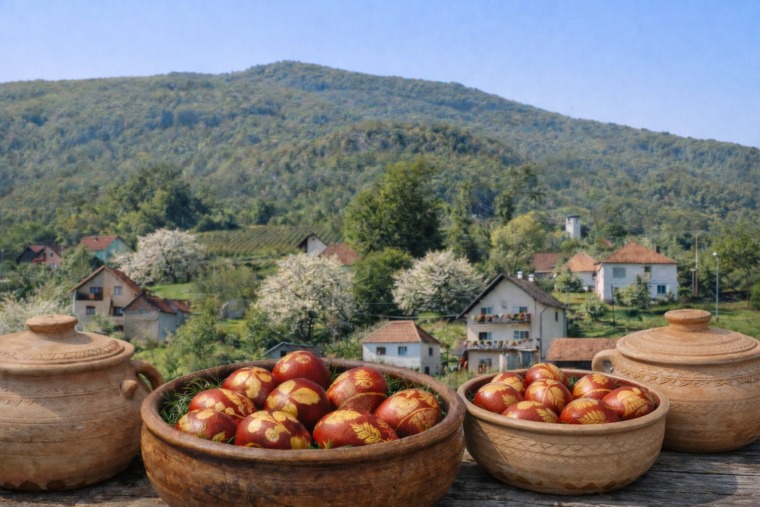
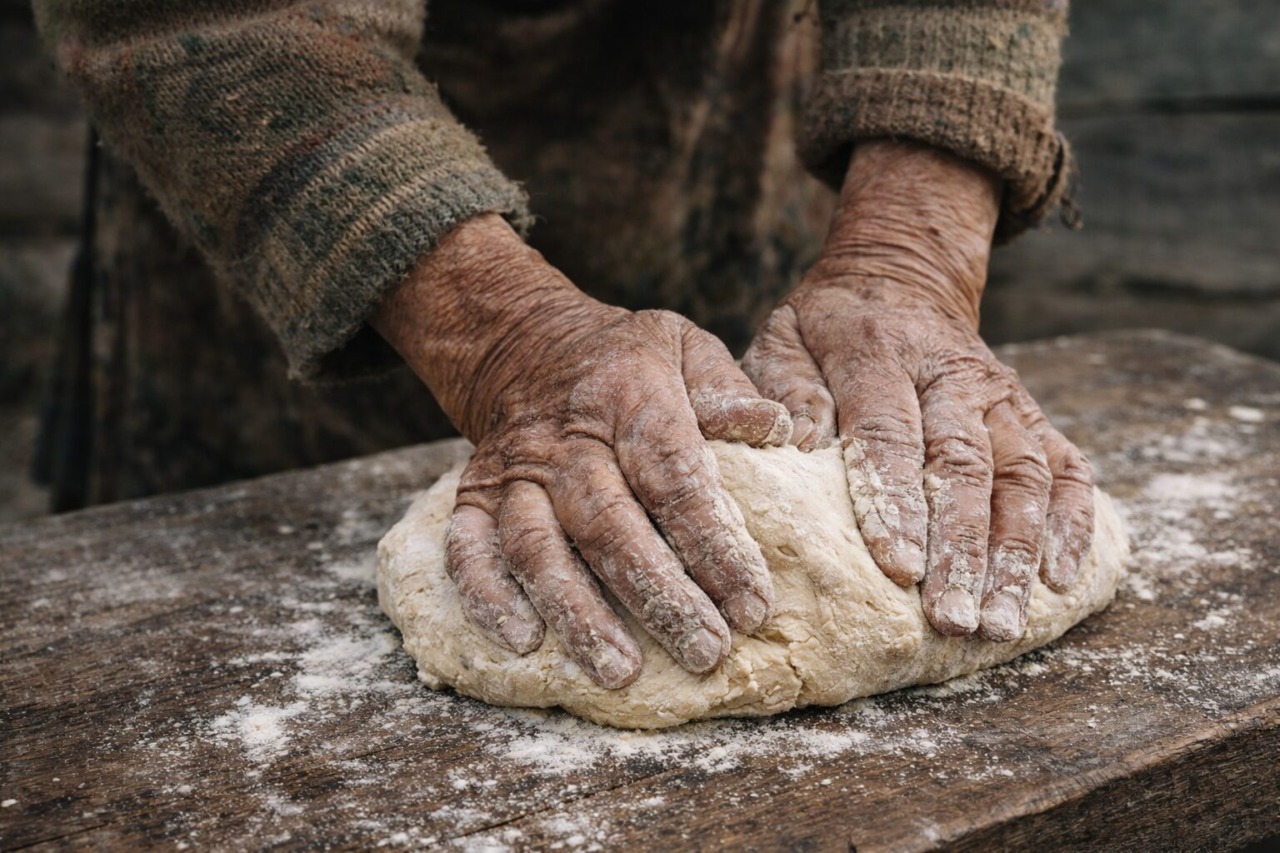
In Kalna, food follows the same logic as the landscape – simple, direct, and shaped by what is available nearby. What appears on the table carries the imprint of the mountain, not through presentation, but through origin. Ingredients are seasonal, often coming from the immediate surroundings, prepared in ways that preserve their character rather than transform it.
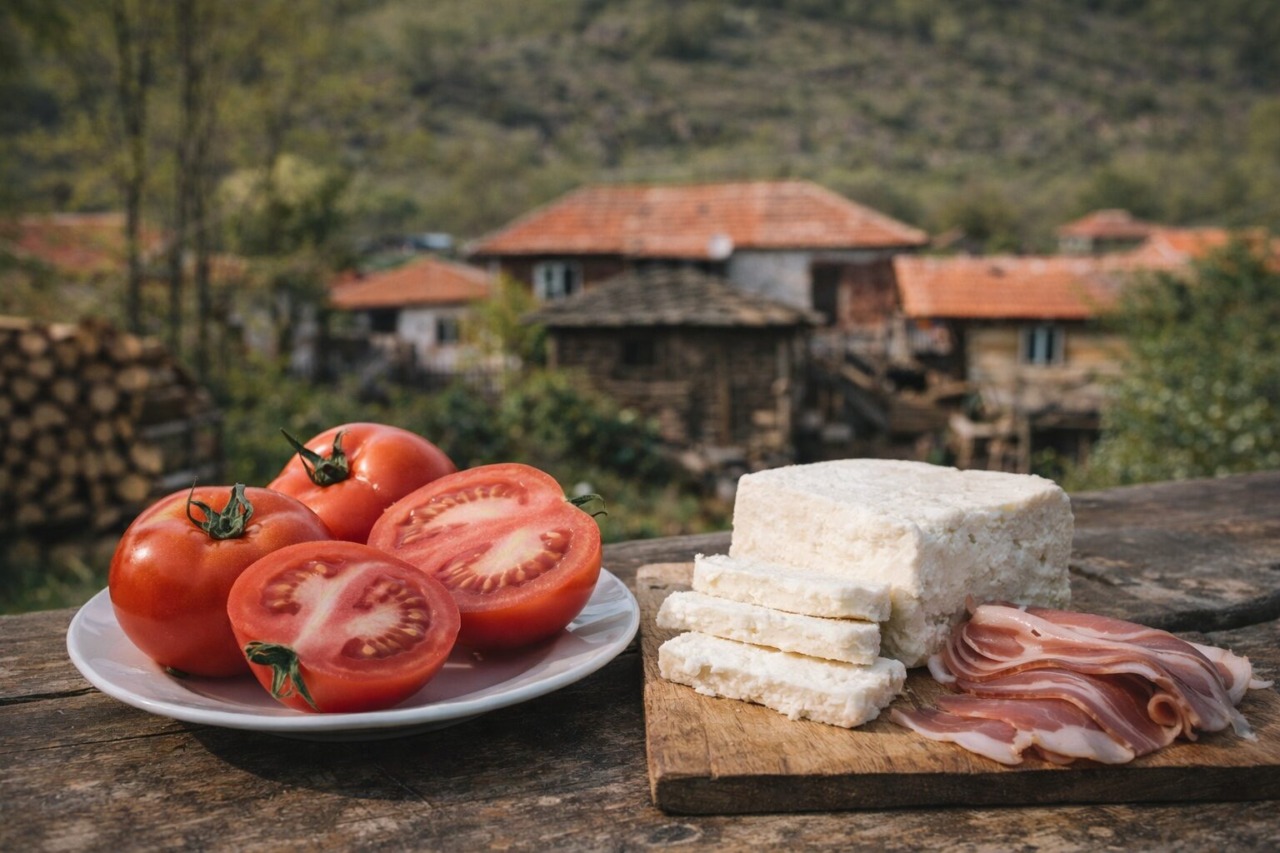
Meals are shared without formality, becoming part of the same rhythm that defines the day. Nothing feels separated here – not the food, not the place, not the time in which it is experienced.
A place that remains after you leave
Kalna does not ask to be remembered, yet it stays. There is no single moment that defines it, no viewpoint that captures its essence. Instead, it lingers through fragments – the quiet of the morning, the sound of water somewhere beyond sight, the gradual shift from village to mountain without a clear beginning or end.
As the light fades behind the slopes of Stara Planina, the village settles further into stillness. The same quiet continues, uninterrupted, as if nothing needs to change. And perhaps that is what Kalna offers most – not something to see, but something to carry with you long after you have left.
This article is part of the series “Villages of Serbia: Return to the Roots,” through which we explore authentic villages across the country – places where life still unfolds at a slower pace, more simply and closer to nature. Through stories about people, food, and landscapes, our goal is to encourage a different way of traveling and to highlight the importance of preserving rural Serbia.
Related Articles