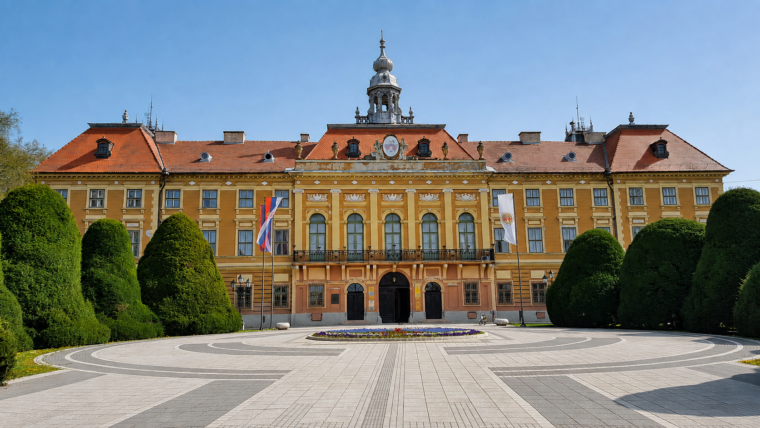

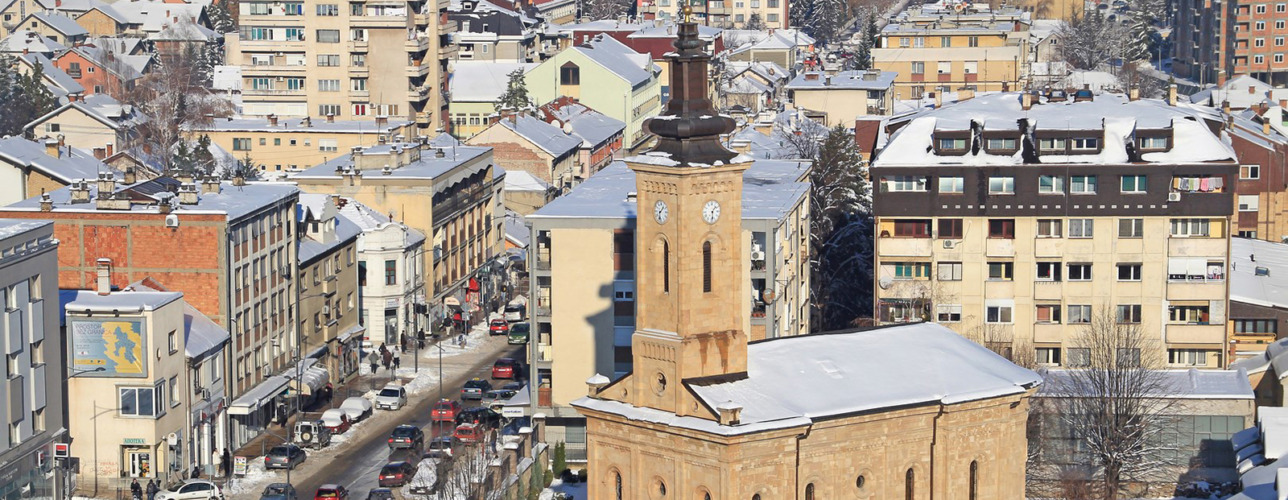
There are towns in Serbia that don’t demand attention, yet stay with you long after you leave. Gornji Milanovac is one of them. Set between Šumadija and western Serbia, beneath the gentle slopes of Rudnik, Suvobor, and Maljen, the town moves at a rhythm that doesn’t change much with the seasons. In winter, especially in the quieter weeks after the holidays, that rhythm becomes even clearer – slow, calm, and unforced.
Gornji Milanovac is deeply connected to one of the defining moments of Serbian history. Just outside the town, in nearby Takovo, the Second Serbian Uprising began in 1815, shaping the foundations of the modern Serbian state. This legacy feels woven into everyday life rather than preserved as a distant monument.
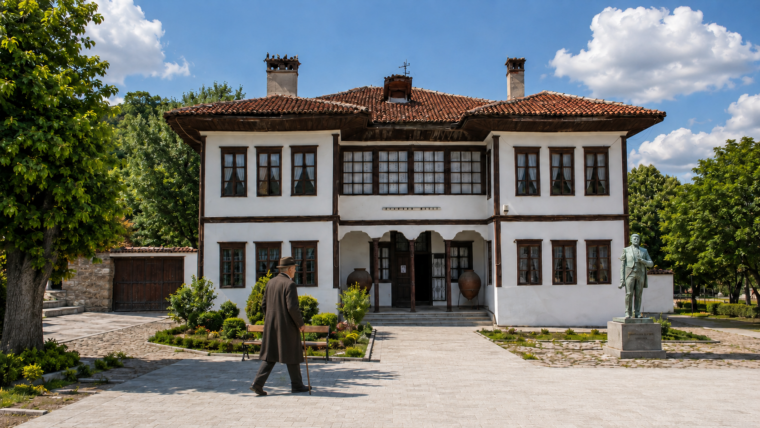
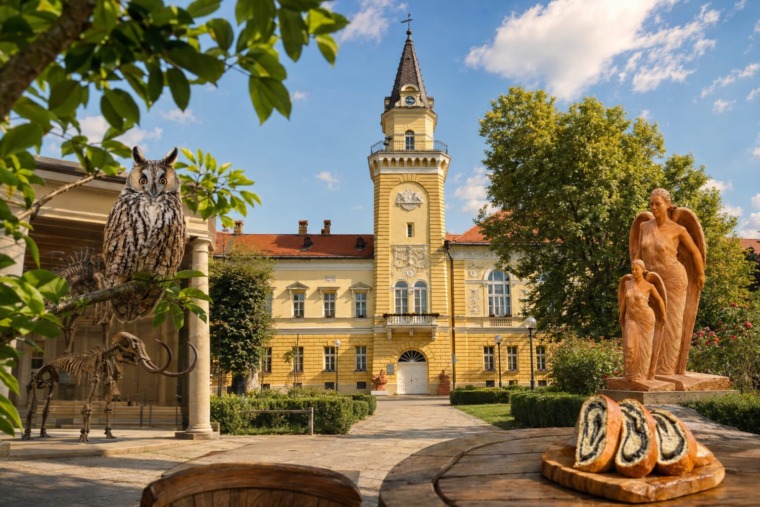
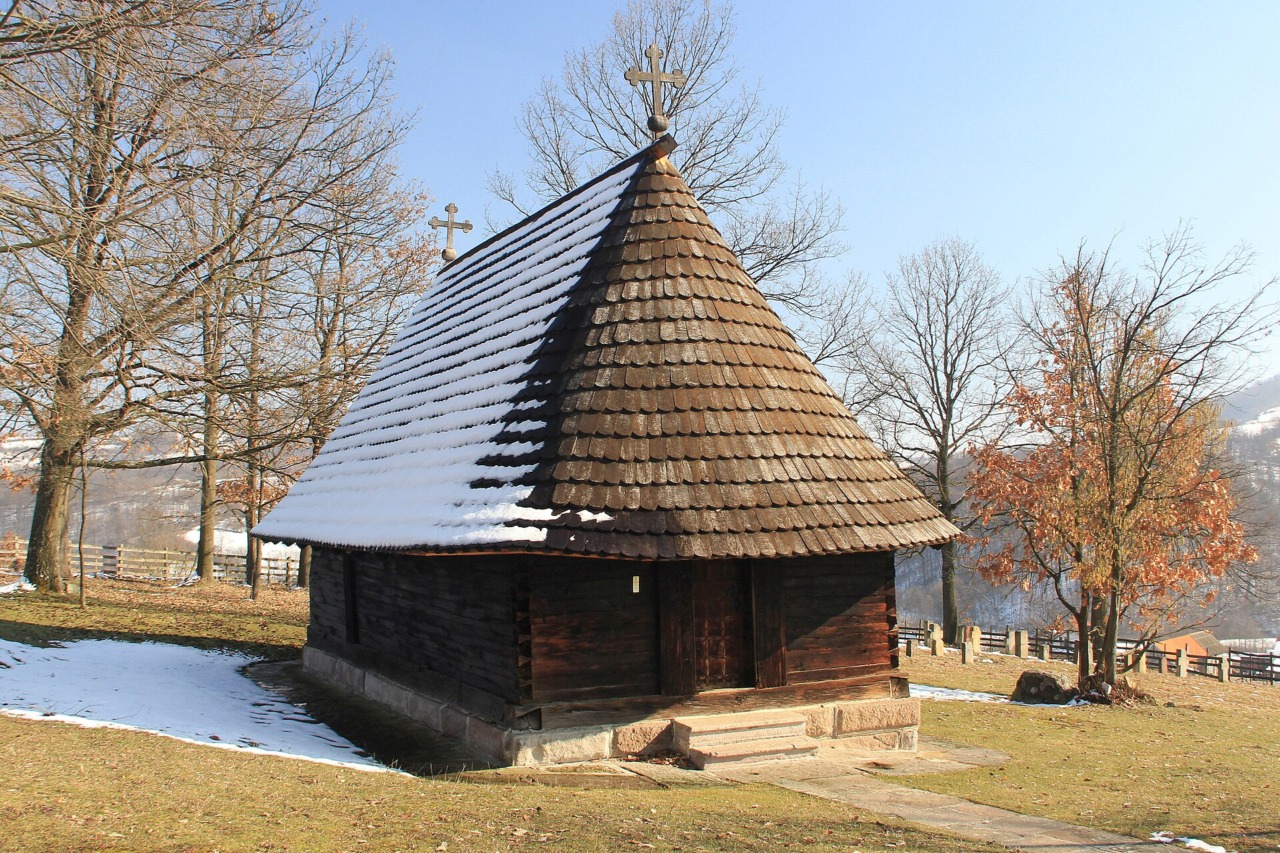
The Takovo memorial complex and its wooden church are part of the wider landscape of memory, while the Museum of Mining and the Takovo Region in town offers a clear and thoughtful introduction to the area’s layered past.
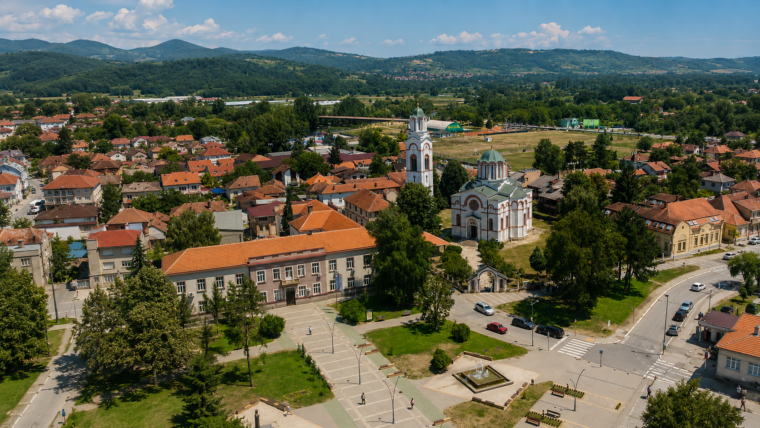
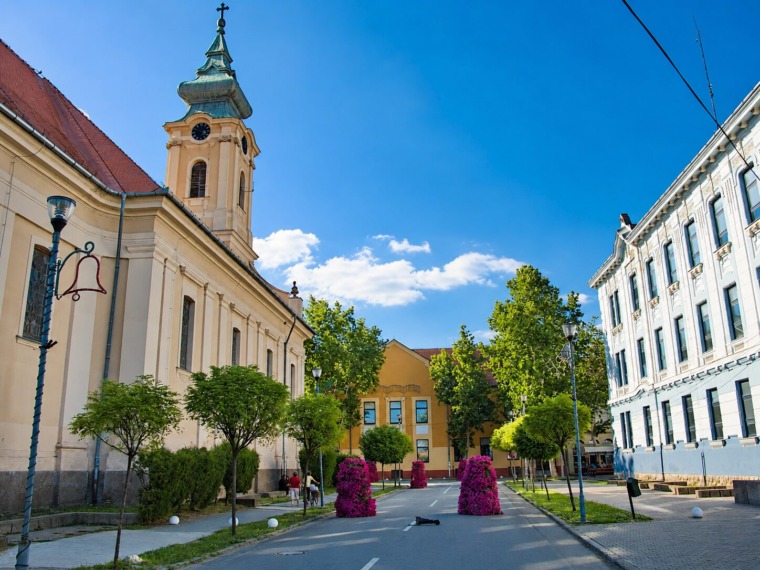
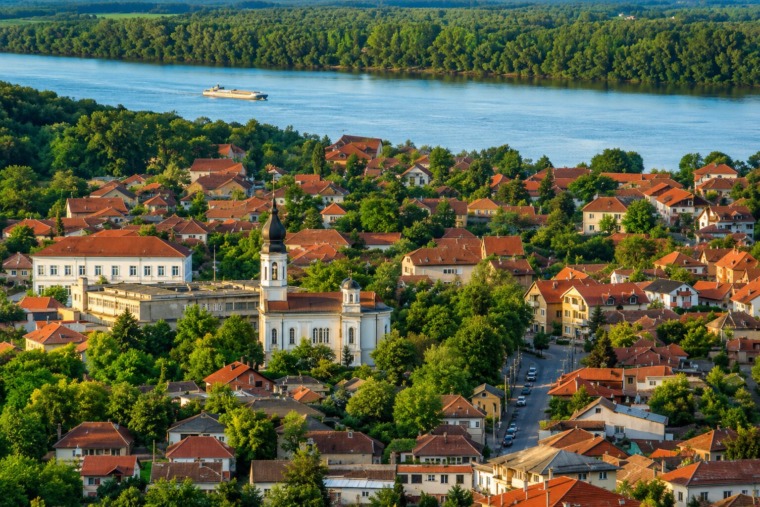
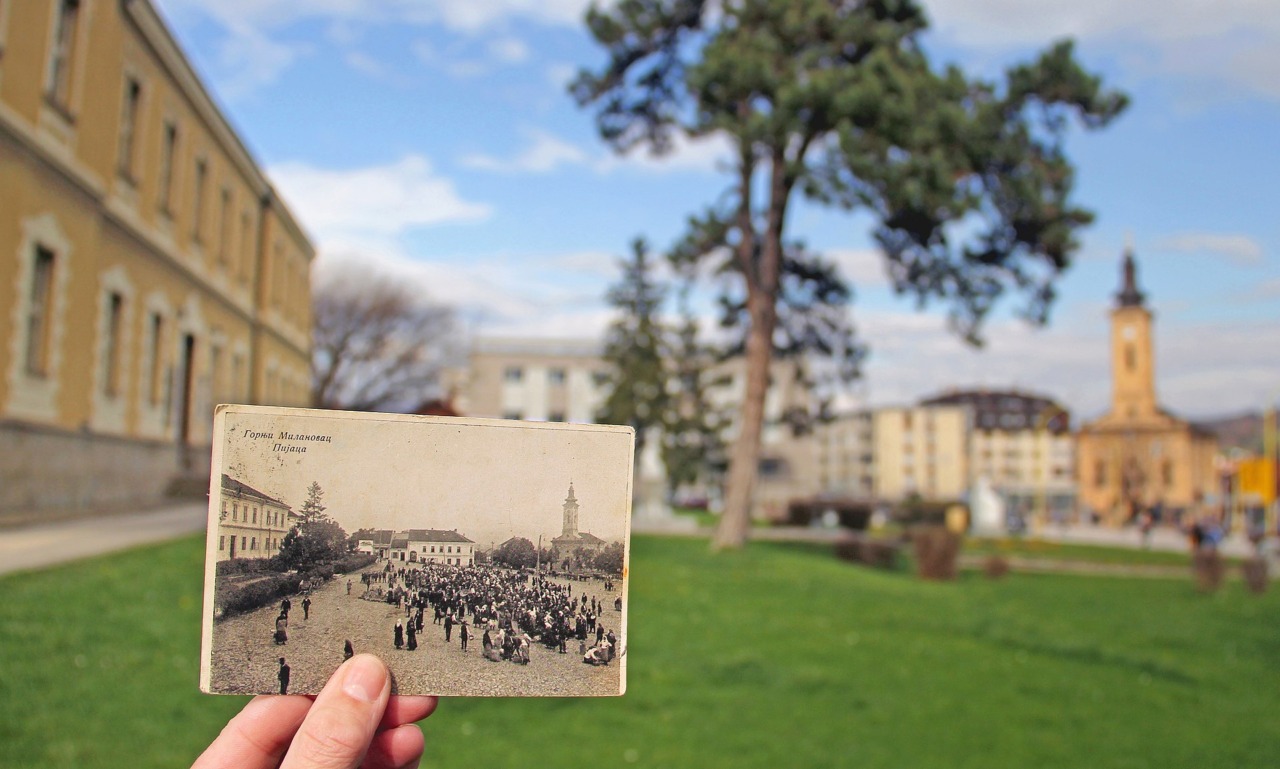
Walking through the town, its identity reveals itself naturally. The central square and parks are orderly and welcoming, reflecting a place that was carefully planned and built to human scale. Above the town, the Peace Hill memorial park offers wide views over rooftops and surrounding hills – a quiet space that feels especially fitting in winter, when the landscape is bare and the air sharp.
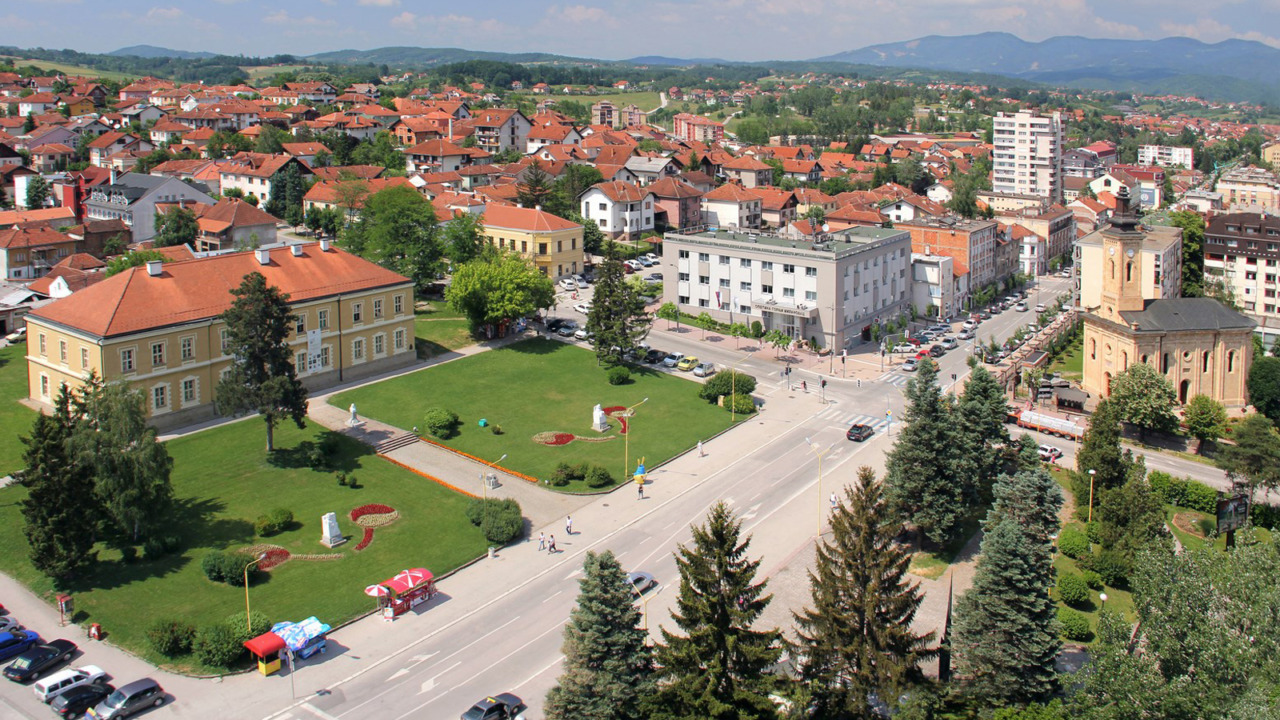
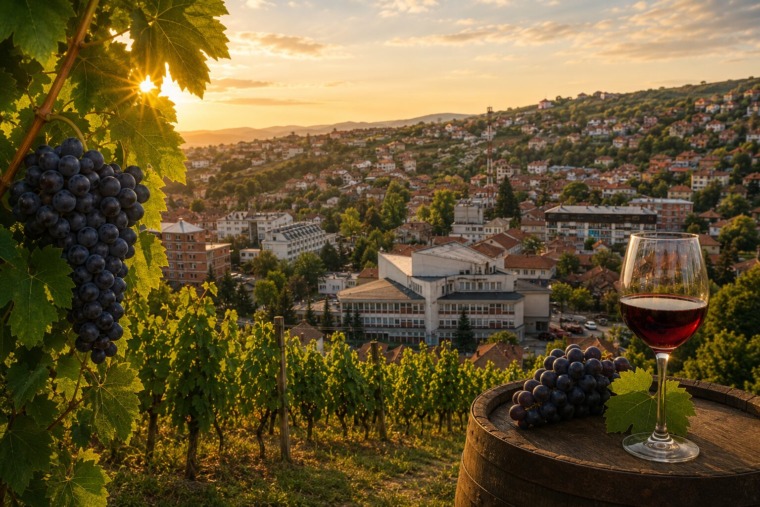
Gornji Milanovac also carries a discreet industrial heritage. For decades, it was known as one of Serbia’s important industrial centers, and traces of that period remain visible in its urban layout and architecture. Rather than nostalgia, this past gives the town a sense of stability and continuity that still shapes daily life.
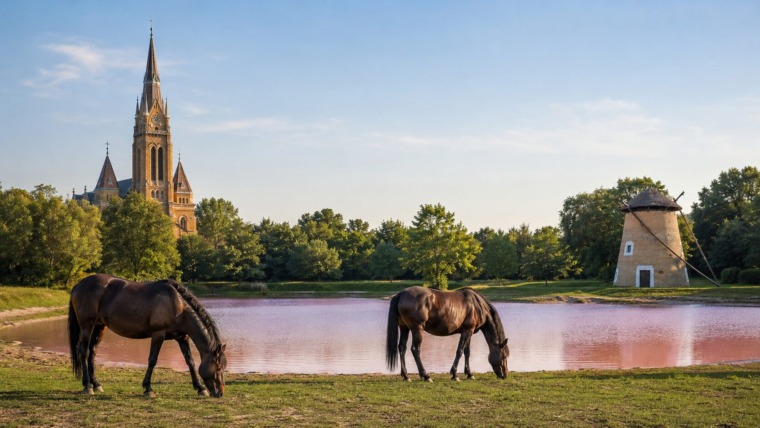
Nature is always close, but never overwhelming. The surrounding mountains – Rudnik, Suvobor, and Ravna Gora – form a natural amphitheater around the town, offering forests, viewpoints, and empty winter paths. Nearby villages, monasteries, and river valleys are easily reached, making Gornji Milanovac a convenient base for short, unhurried excursions.
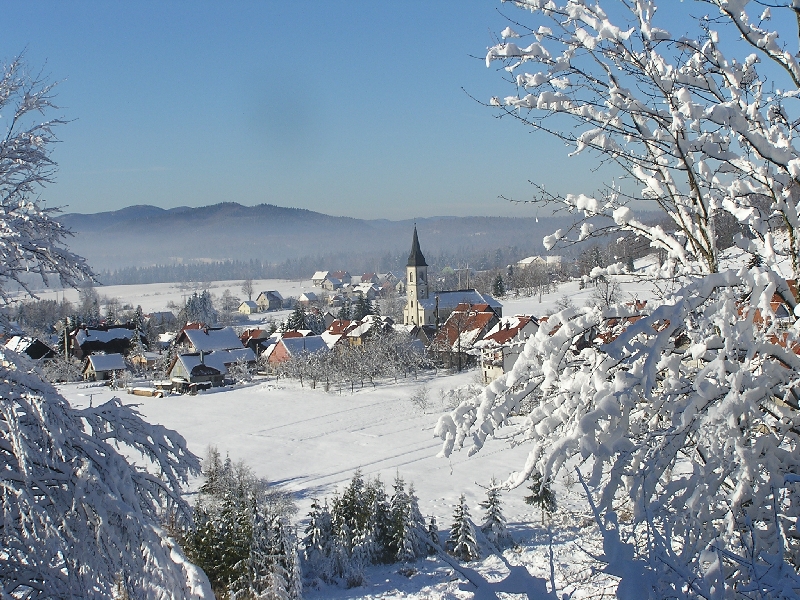
Its location is one of its quiet strengths. From here, places such as Takovo, Ravna Gora, and Mount Rudnik are only a short drive away, while the Ovčar-Kablar Gorge lies within easy reach. The town works as a calm anchor point, allowing travelers to explore central Serbia without constantly changing accommodation.
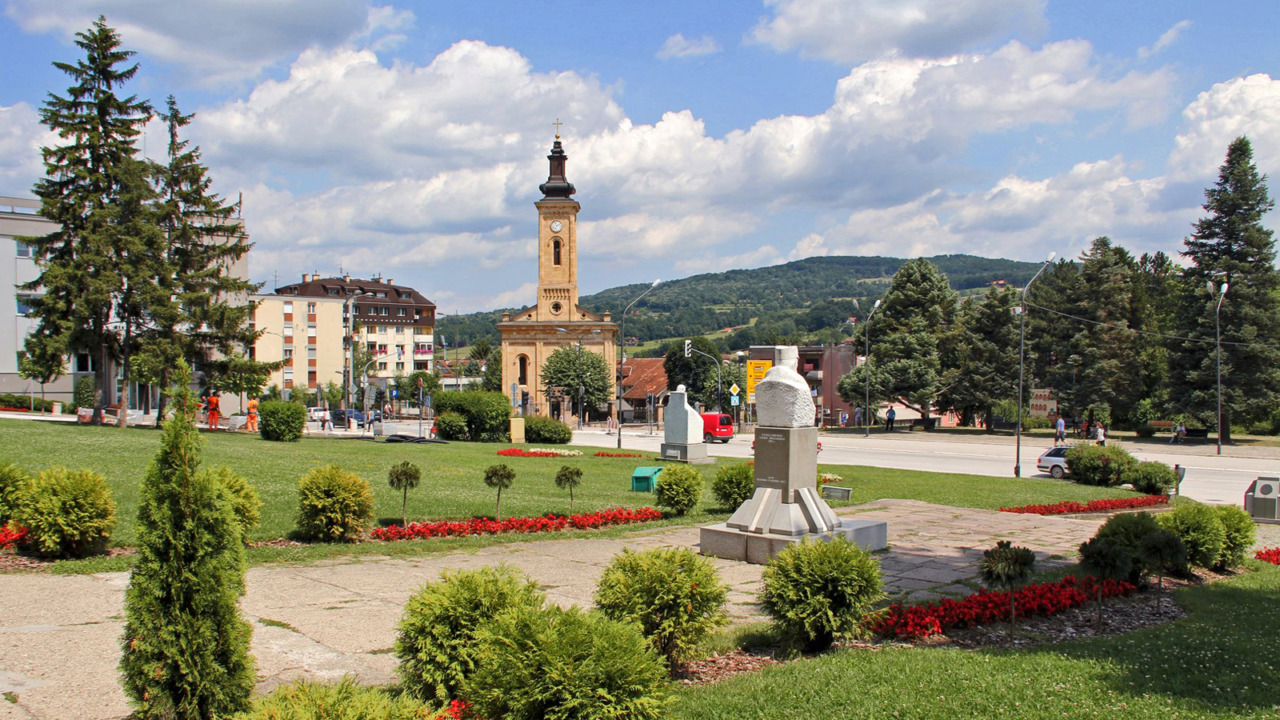
In the off-season, Gornji Milanovac shows its most authentic face. Without events and crowds, the focus returns to everyday life. Cafés feel like living rooms, walks stretch longer, and conversations slow down.
Gornji Milanovac is not a destination of spectacle, but of balance – between history and modern life, town and nature, silence and story. It is precisely this balance that makes the quieter months the best time to experience it.
Featured photo: BrankaVV, CC BY-SA 4.0 https://creativecommons.org/licenses/by-sa/4.0, via Wikimedia Commons
Related Articles