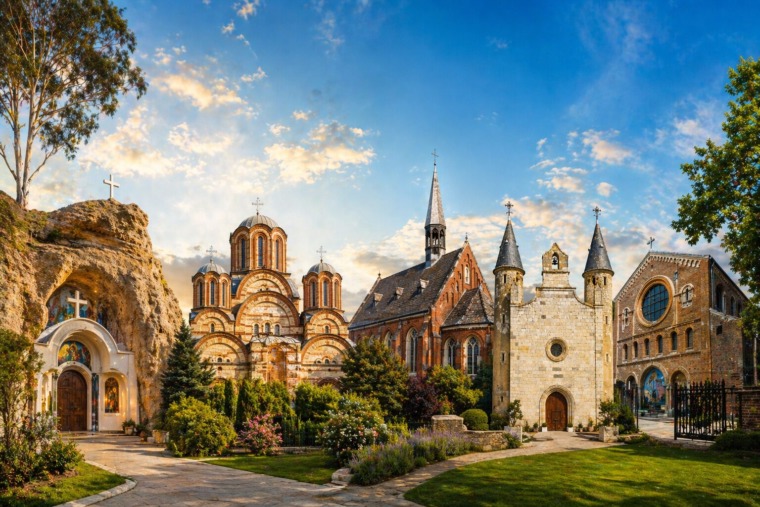

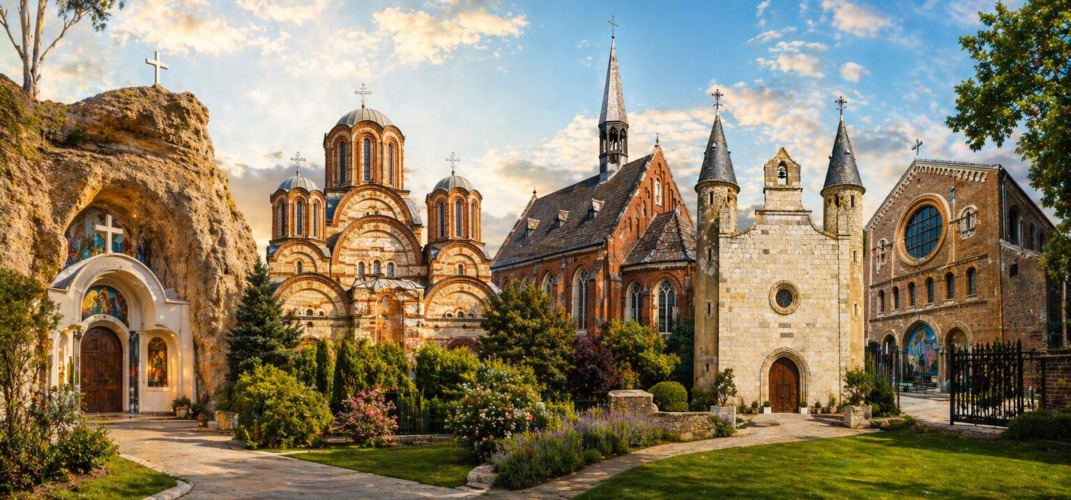
For centuries, Serbian Orthodox churches and monasteries have stood as places of faith, memory, and identity. While many of the most famous Serbian shrines are found across Serbia, Kosovo and Metohija, and the Balkans, Serbian spiritual heritage also lives far beyond its homeland – hidden in deserts, large world capitals, quiet European villages, and even underground caves carved into stone.
Built by generations of Serbian emigrants, monks, and communities determined to preserve their faith and traditions, these churches became more than places of worship. They became cultural anchors – spaces where language, customs, icons, slava celebrations, and collective memory survived thousands of kilometers away from home.
From a cave church in Australia to a Serbian monastery in rural France, these remarkable places reveal how Serbian spirituality found its place across the world.
This is only the first part of the story.
1. The Underground Serbian Cave Church in Australia
Perhaps one of the most unusual Serbian Orthodox churches in the world lies beneath the surface of the Australian desert. Located in the remote mining town of Coober Pedy in South Australia, the Church of Saint Elijah was carved directly into the sandstone rock underground. The town itself is famous for its extreme desert temperatures and underground homes, where residents escaped the unbearable summer heat by building entire living spaces beneath the earth.
In this surreal landscape of red dust and endless desert horizons, Serbian immigrants created something extraordinary. The church was completed in the 1990s, largely through the efforts of the Serbian community connected to mining work in the region. Instead of traditional stone walls and domes rising into the sky, this sacred space descends into the earth itself.
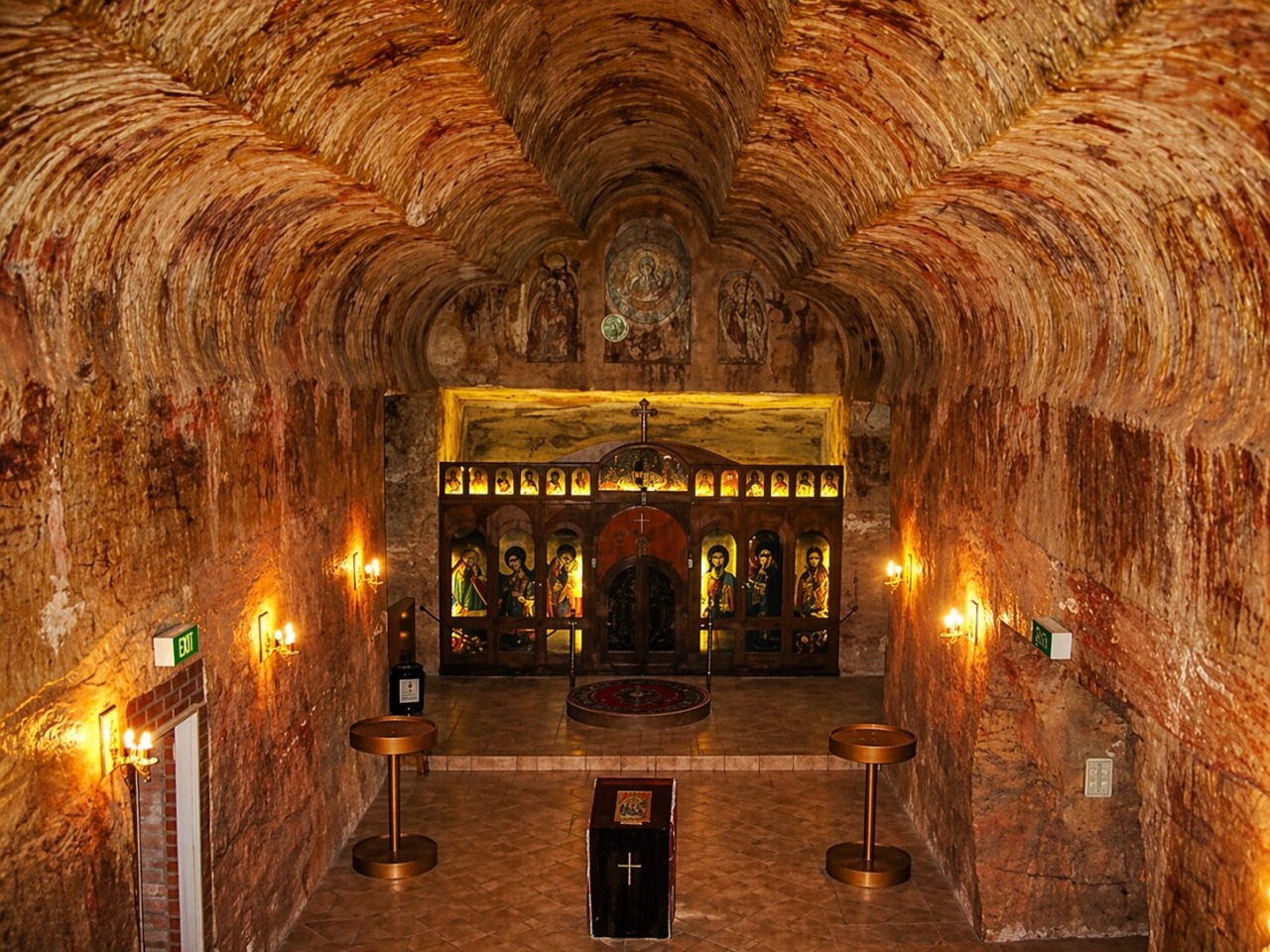
Its interior feels almost otherworldly. The raw carved rock curves across the ceiling in organic shapes, creating a cave-like atmosphere unlike most Orthodox churches. Warm light reflects against the reddish stone walls, while the iconostasis glows in gold tones against the underground setting. The silence inside feels deep and heavy, amplified by the natural stone surrounding the church.
Despite its unusual structure, the church preserves the essence of Serbian Orthodox tradition through icons, liturgical space, and symbolism. The contrast between harsh Australian desert landscapes and ancient Serbian spirituality makes this church one of the most fascinating examples of Serbian sacred heritage abroad.
2. New Gračanica Monastery in Illinois
In the American Midwest, not far from Chicago, stands one of the most important Serbian Orthodox spiritual centers in North America. New Gračanica Monastery was built as a symbolic continuation of the medieval Gračanica Monastery in Kosovo and Metohija – one of the greatest masterpieces of Serbian medieval architecture.
Constructed in the 1980s, the monastery was designed in the spirit of the original 14th-century Gračanica built by King Milutin. Its architecture reflects the Serbian-Byzantine style through layered arches, domes, brick-and-stone patterns, and vertical composition that immediately evokes medieval Serbian monasteries.
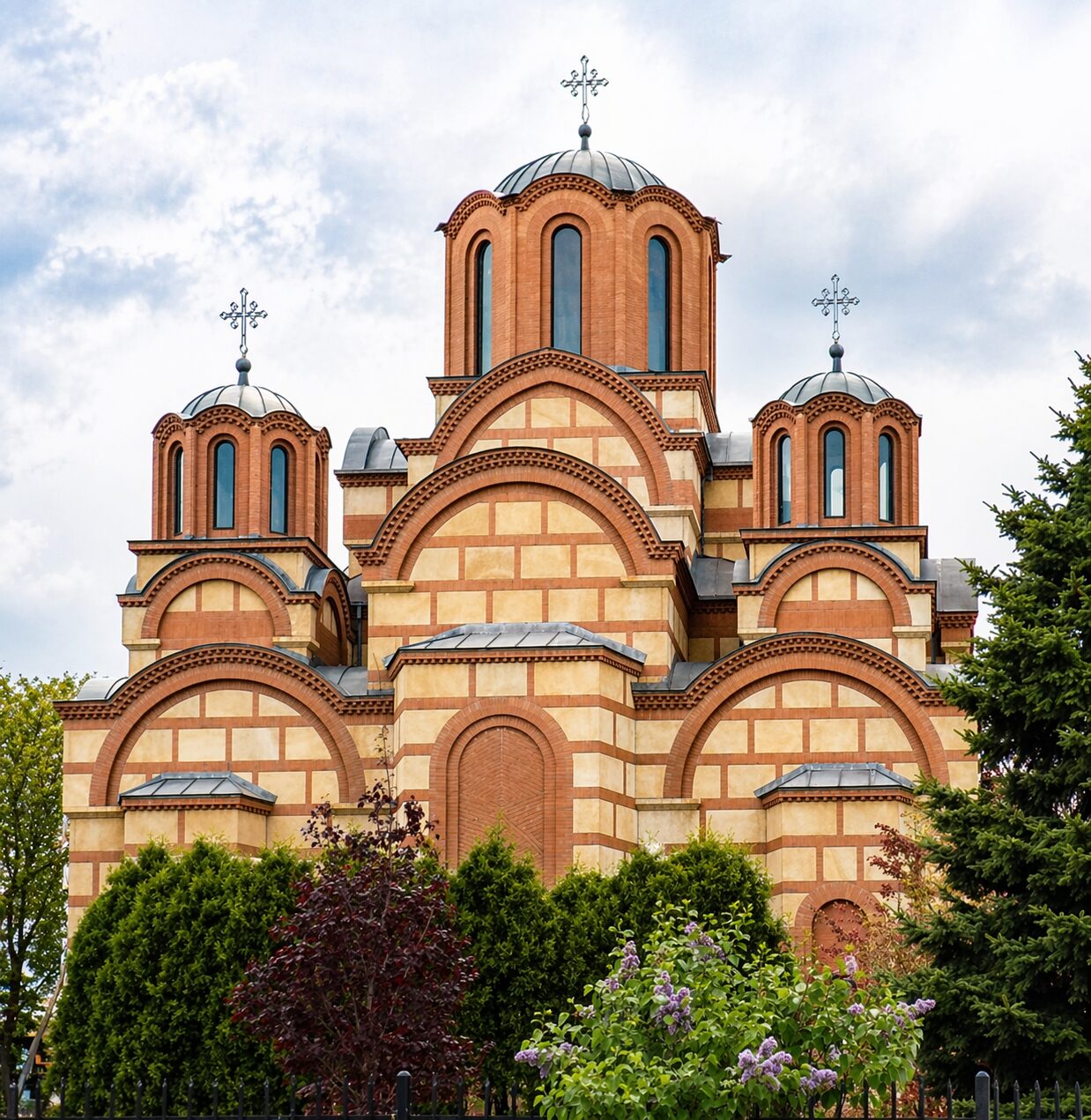
For many Serbian immigrants, this monastery became more than a church. It became a reminder of historical roots, Kosovo heritage, and spiritual continuity far from the Balkans. Inside, the atmosphere follows the traditions of Orthodox sacred art. Frescoes, icons, and liturgical elements preserve the visual language of Serbian spirituality, while the spacious interior creates a sense of monumentality rarely expected in suburban Illinois.
The monastery complex also became an important gathering place for the Serbian diaspora — hosting religious celebrations, folklore events, memorial gatherings, and community life for generations of Serbian families in America.
Today, New Gračanica remains one of the strongest symbols of Serbian identity in the diaspora.
3. Saint Sava Serbian Orthodox Church in London
Hidden among the streets of London stands a Serbian Orthodox church with a unique story of transformation. The Church of Saint Sava was originally built as an Anglican church before later becoming part of the Serbian Orthodox Church. This unusual transition created a fascinating architectural blend where elements of Western ecclesiastical architecture meet Orthodox spirituality and Serbian liturgical tradition.
From the outside, the building retains much of its historic British church appearance – brick façades, arched windows, and restrained architectural lines typical of London church architecture.
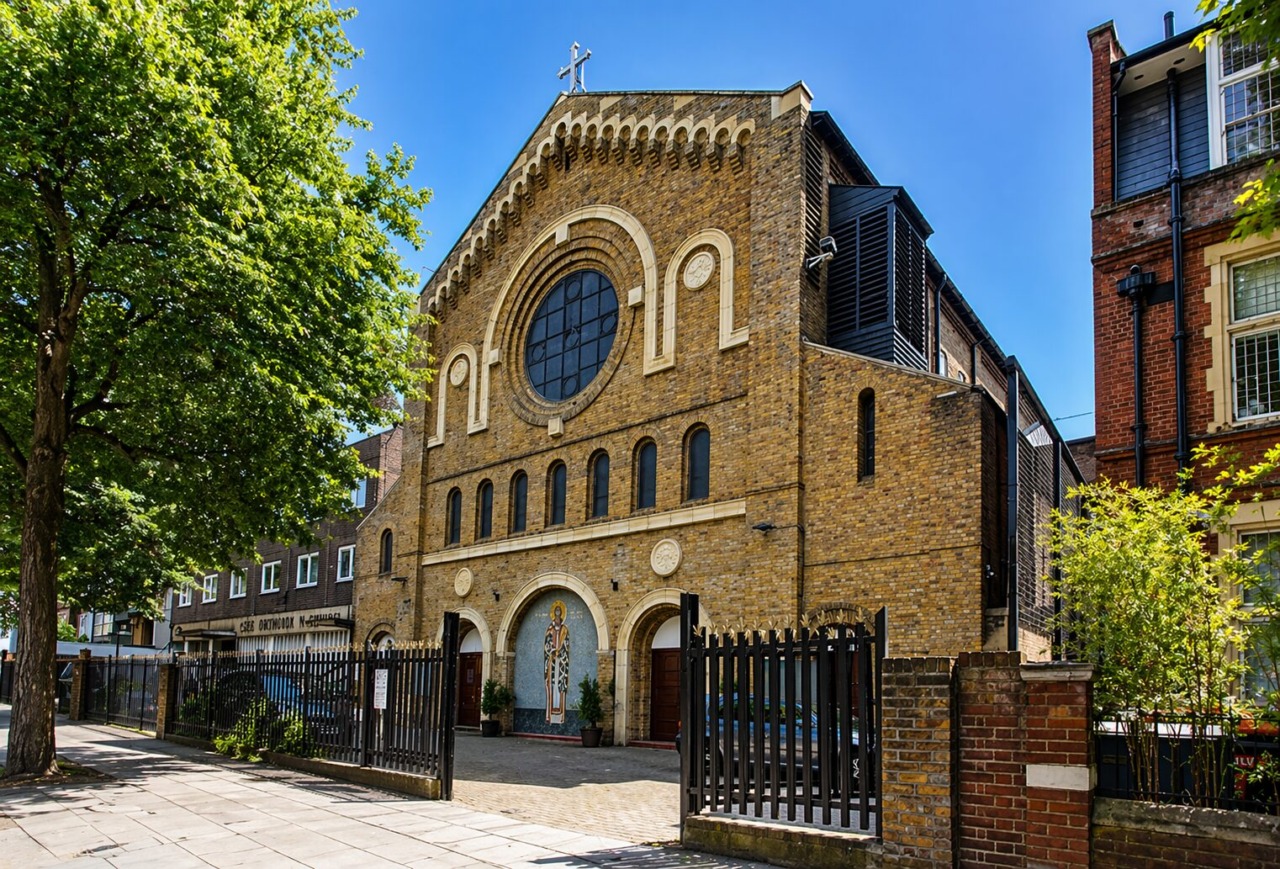
Inside, however, the atmosphere changes completely. Orthodox icons, candlelight, and liturgical elements transformed the interior into a Serbian spiritual space in the heart of one of the world’s largest cities. The iconostasis introduces the visual identity of Orthodox worship, creating a striking contrast with the building’s original architectural framework.
For decades, this church has served as a spiritual home for Serbs living in the United Kingdom. Beyond religious services, it became a cultural meeting point where language, traditions, and identity continued through generations born far from Serbia. Its existence reflects an important story repeated across the diaspora: adapting existing spaces while preserving spiritual identity.
4. The Dormition Monastery in Himmelsthür, Germany
In the quiet German district of Himmelsthür near Hildesheim stands another remarkable example of Serbian Orthodox presence in Europe. The Monastery of the Dormition of the Most Holy Theotokos is housed within a former Western Christian church structure, creating a fascinating architectural fusion between German ecclesiastical architecture and Serbian Orthodox tradition.
Its exterior preserves steep roofs, Gothic-inspired windows, and northern European architectural forms unusual for Serbian monasteries. Yet once inside, Orthodox spirituality reshapes the atmosphere through icons, liturgical arrangements, and sacred imagery.
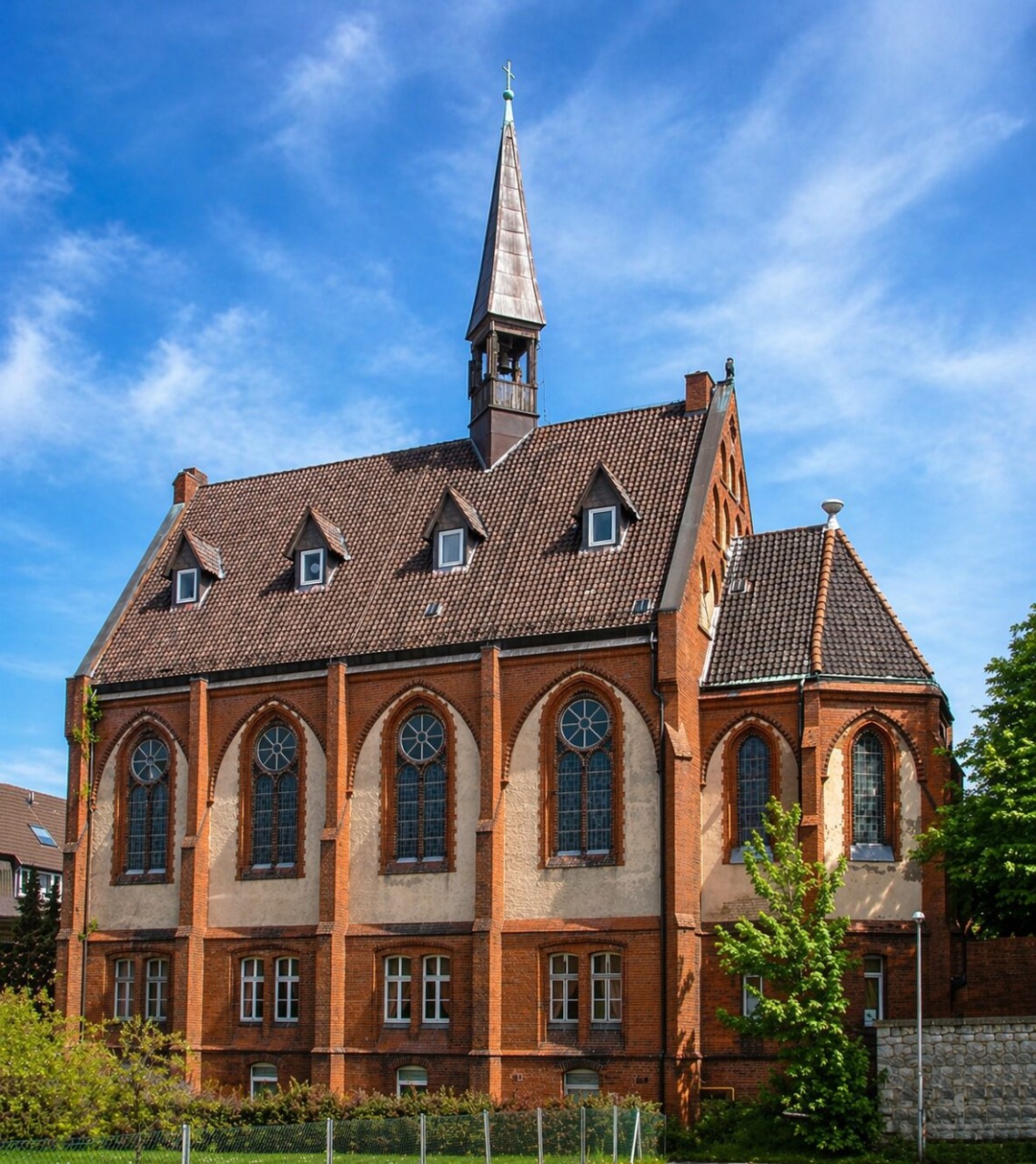
This blending of worlds gives the monastery a unique identity. For Serbian communities in Germany, monasteries like this became places of spiritual stability during decades of migration and displacement. They offered continuity in unfamiliar surroundings and preserved connections to Serbian religious life and customs.
The monastery also represents the wider story of Orthodoxy adapting to new cultural and architectural environments while maintaining its spiritual essence.
5. Saint Gény Monastery in France
Few places reflect the layered history of Europe quite like the Monastery of Saint Gény in southern France. Originally connected to an ancient abbey tradition dating back centuries, the site carries traces of multiple historical periods. Earlier structures were destroyed and abandoned, while later reconstructions introduced elements of Renaissance and southern Gothic architecture.
Today, the monastery holds an unexpected chapter in its history: it became home to the Serbian Orthodox Church in the 21st century. The building itself feels deeply atmospheric. Stone walls, medieval forms, and quiet courtyards create a setting far removed from the landscapes usually associated with Serbian monasteries.
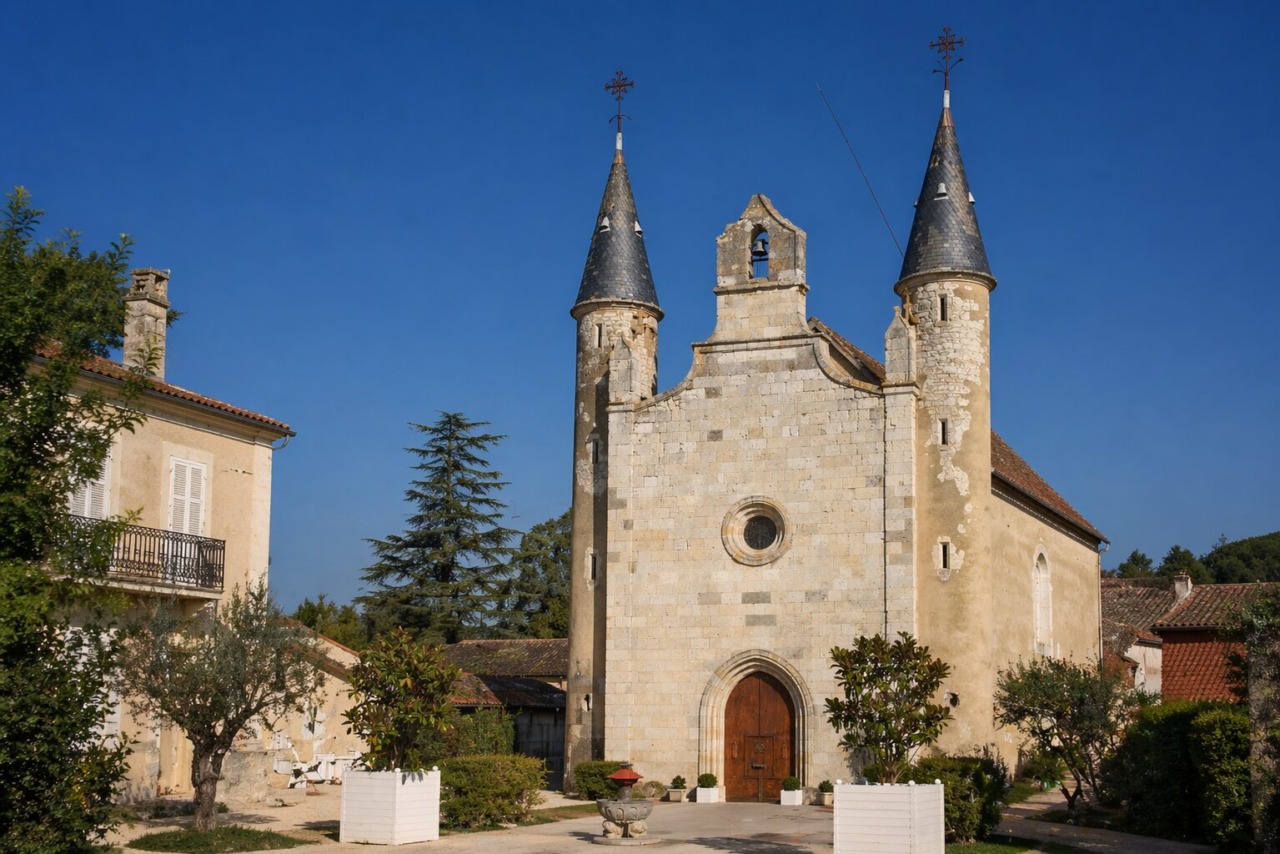
Inside, visitors can discover Orthodox icons created by monks, along with sacred objects connected to the site’s earlier history, including the Merovingian sarcophagus of Saint Gény. The monastery stands as a powerful example of how Serbian Orthodox spirituality expanded into historic European spaces, creating new layers of meaning within ancient buildings.
Serbian Sacred Heritage Beyond Borders
These churches and monasteries are only a small part of the wider network of Serbian Orthodox holy places across the world. From Scandinavia to Canada, from South America to Africa, Serbian communities built churches wherever they settled – preserving language, customs, slava traditions, and spiritual identity far from home.
Among many others are Serbian Orthodox churches and monasteries in: Australia, Argentina, Sweden, Norway, Austria, Canada, South Africa, Switzerland, France and the United States.
Each carries its own story of migration, memory, resilience, and belonging. And many of them are just as surprising as the ones on this list.
Part 2 coming soon.
Related Articles