There are cities that captivate you instantly – loud, confident, eager to be noticed. And then there are those quieter places that reveal themselves slowly, only if you allow them the time. Vrbas belongs to the latter. It does not demand attention. It does not compete. Instead, it gently draws you into its rhythm, almost unnoticed, like a conversation that begins without grand words and ends in understanding.
Set in the heart of the Bačka plain, Vrbas preserves the spirit of old Vojvodina – a region where life once moved unhurriedly, where diversity was natural, and where neighborly ties mattered more than daily schedules. Multiculturalism here is not a slogan; it is a legacy. You see it in the architecture, hear it in the languages, taste it in the food, and feel it in the openness of the people.
A Town of Seven Sanctuaries and Quiet Harmony
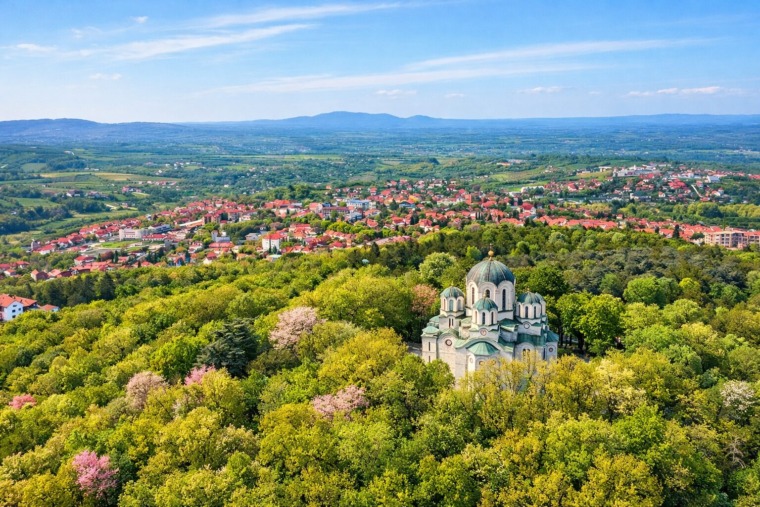
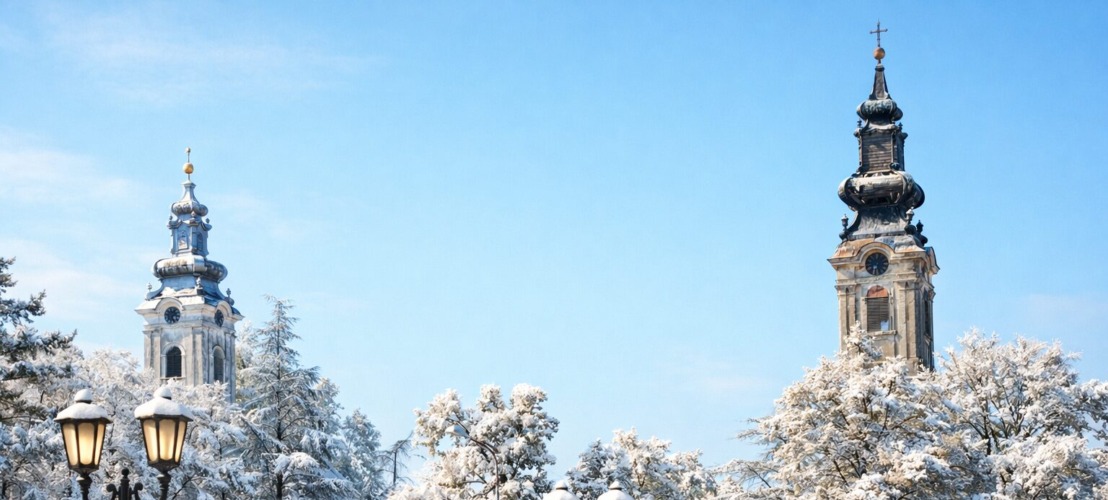
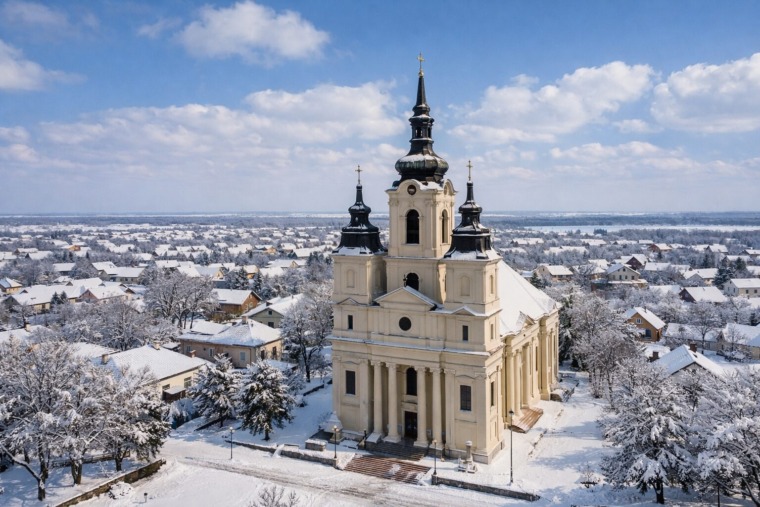
One of Vrbas’s most remarkable features is the presence of seven places of worship scattered throughout the town. The Orthodox, Roman Catholic, Evangelical, Reformed, Greek Catholic and Methodist churches, along with the Vodice chapel, stand not in opposition but side by side – in a silent agreement of coexistence.
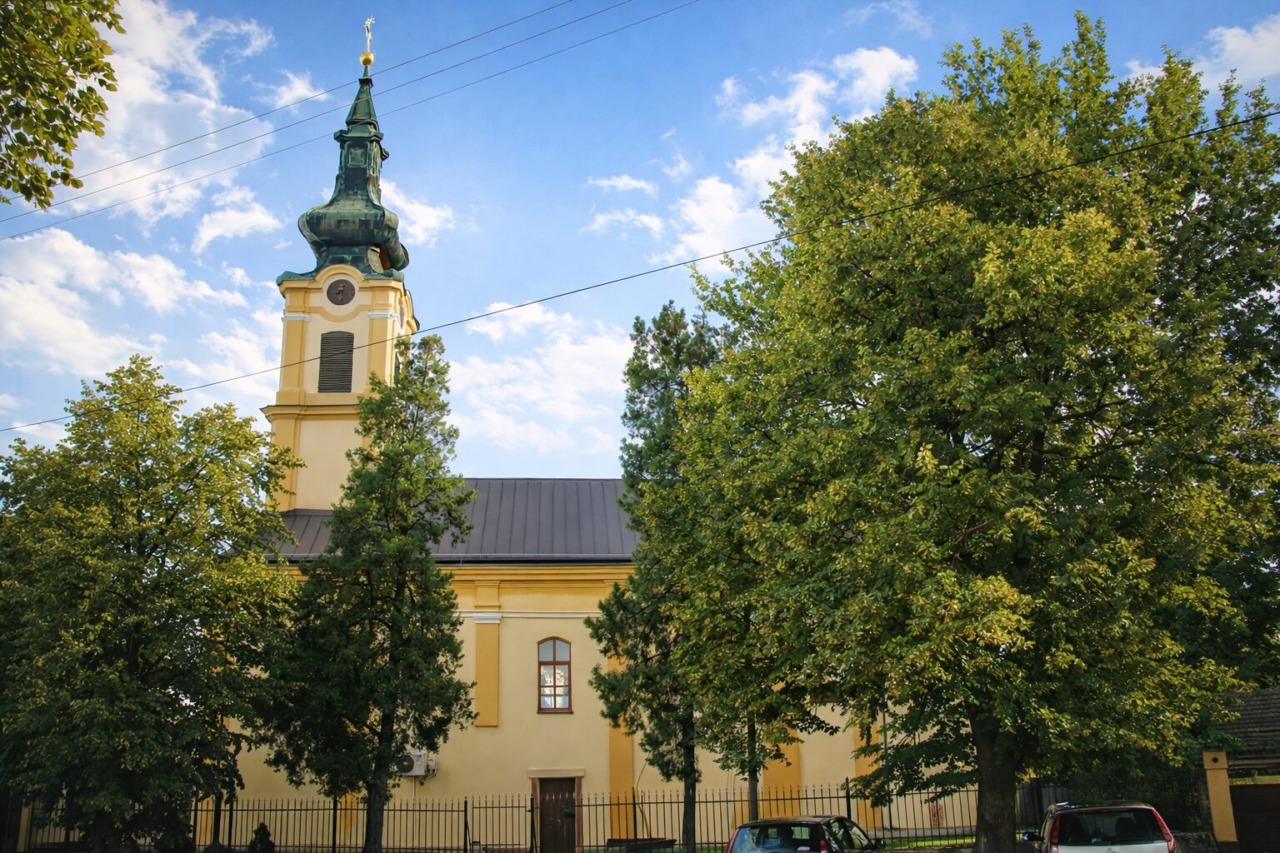
These buildings are more than religious landmarks. They are symbols of a town shaped by different cultures and beliefs, woven into a single, balanced whole. Walking through Vrbas often feels like moving through layers of history, where every street carries a memory and every corner tells a story.
Between these sanctuaries, everyday life unfolds calmly. People greet one another, pause for a chat, take their time. In Vrbas, time is measured differently.
Poetry, Tamburicas, and the Art of Celebration
If Vrbas is known beyond the borders of Bačka, it is largely thanks to its deep connection with art and poetry. Since the late 1960s, the Festival of Young Poets has turned this small town into a regional center of literary creativity. For many writers, Vrbas was the first place where their words were truly heard.
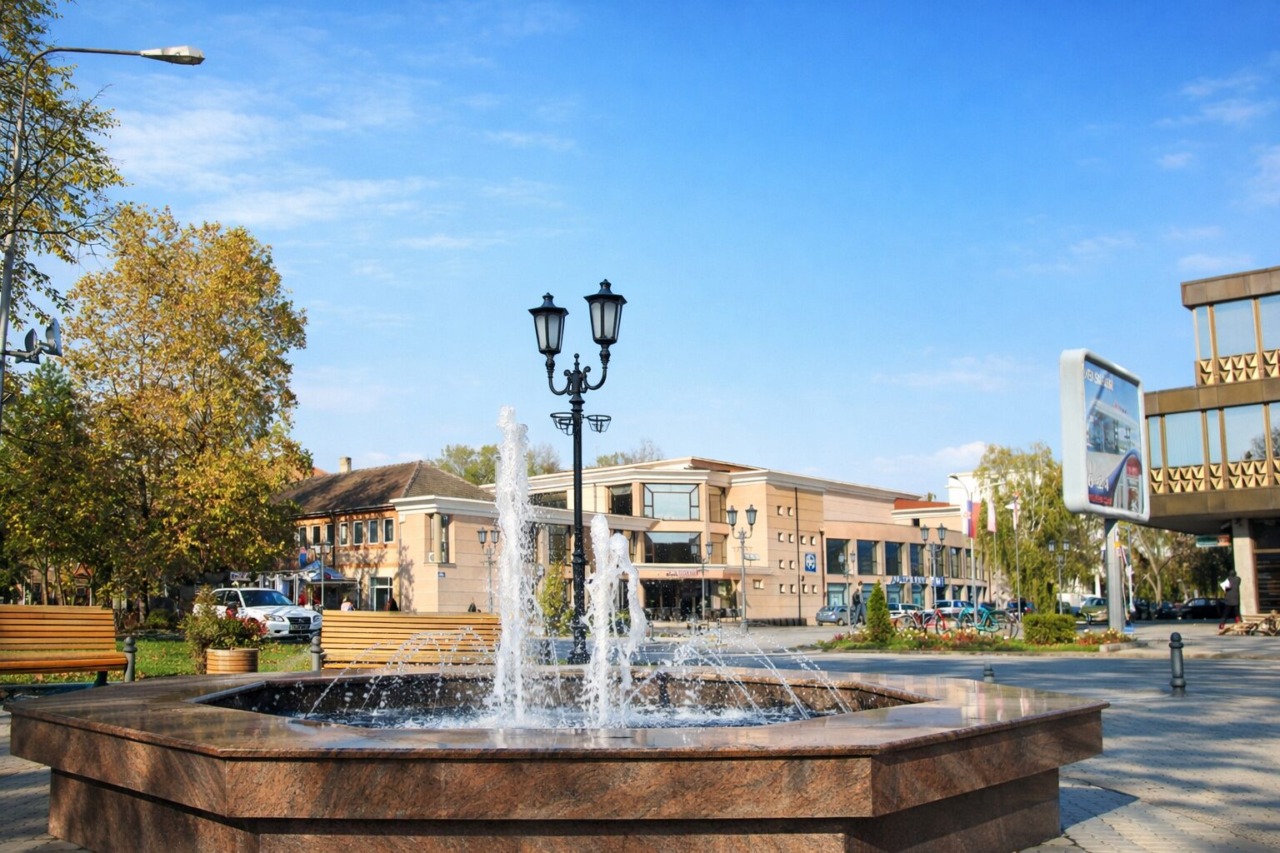
Yet art here is not confined to books. It resonates through the sound of tamburica music, lives in folklore performances, and comes alive during the many festivals held throughout the year. Carriage parades, folklore gatherings, art exhibitions, and music evenings transform the town into an open-air stage – always lively, never excessive, always warm.
During these moments, Vrbas becomes more vibrant, but it never loses its sense of belonging and balance. Celebration here is sincere, rooted in tradition and shared joy.
Flavors of Bačka and Everyday Rituals
You rarely stay hungry in Vrbas – at least not for long. Its cuisine reflects the many cultures that have shaped the region. Slow-cooked stews, homemade pasta, poppy-seed and walnut pastries, local honey, and family recipes passed down through generations create a culinary landscape that feels genuine and comforting.
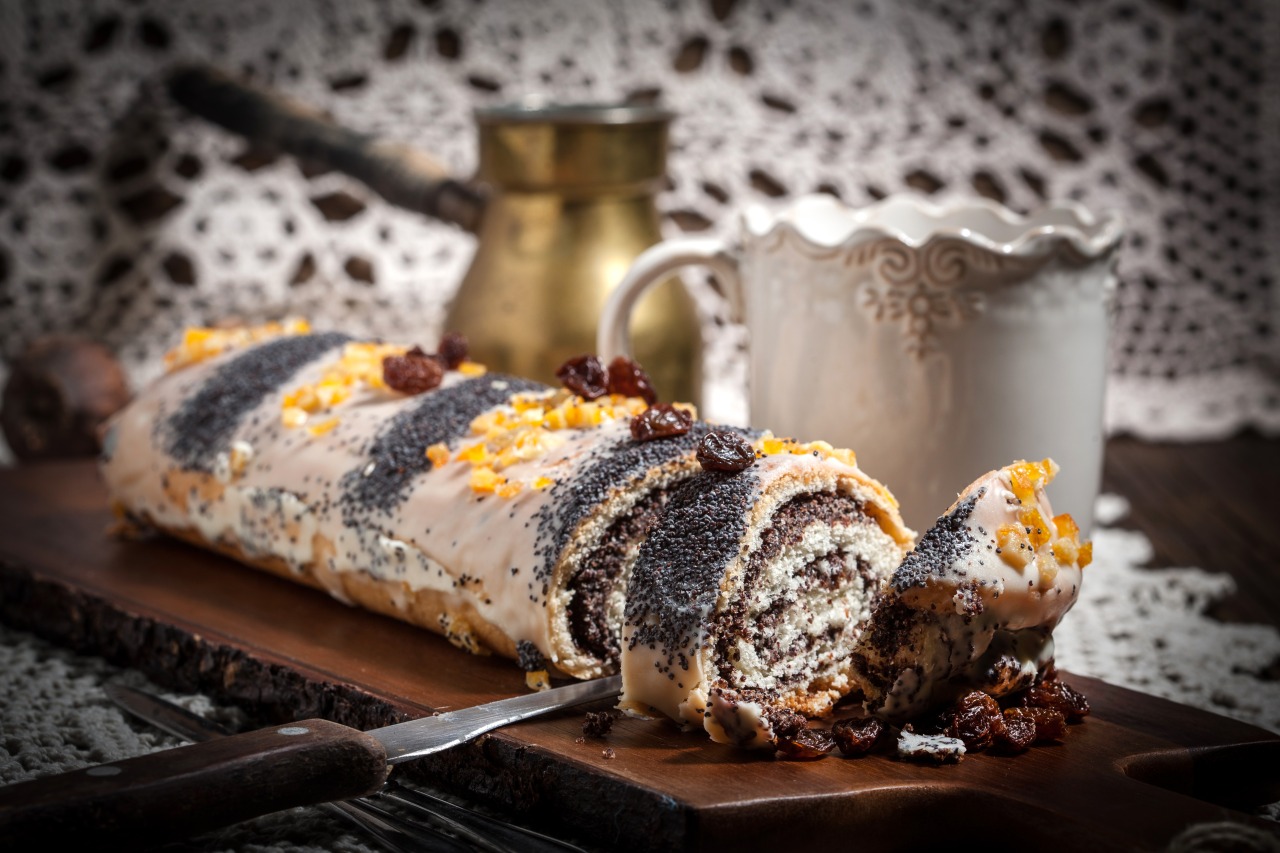
Food in Vrbas is not meant to impress – it is meant to be shared. It comes with long conversations, coffee that is never rushed, and that distinctive Vojvodinian habit of never letting a guest leave without “just one more story.”
Between meals, the town invites you to wander. The main promenade, green parks, and the banks of the Great Bačka Canal are perfect places to do “nothing” – which, in Vrbas, often means doing something essential: being present. Once a symbol of economic development, the canal is now a place of reflection, meetings, and quiet observation.
What Do You Actually Do in Vrbas?
In Vrbas, no one hands you a checklist of “must-see” attractions. You come here to experience, not to tick boxes. You sit on a bench, step into a church without a specific reason, listen to music in the square, and talk to strangers who treat you like an old friend.
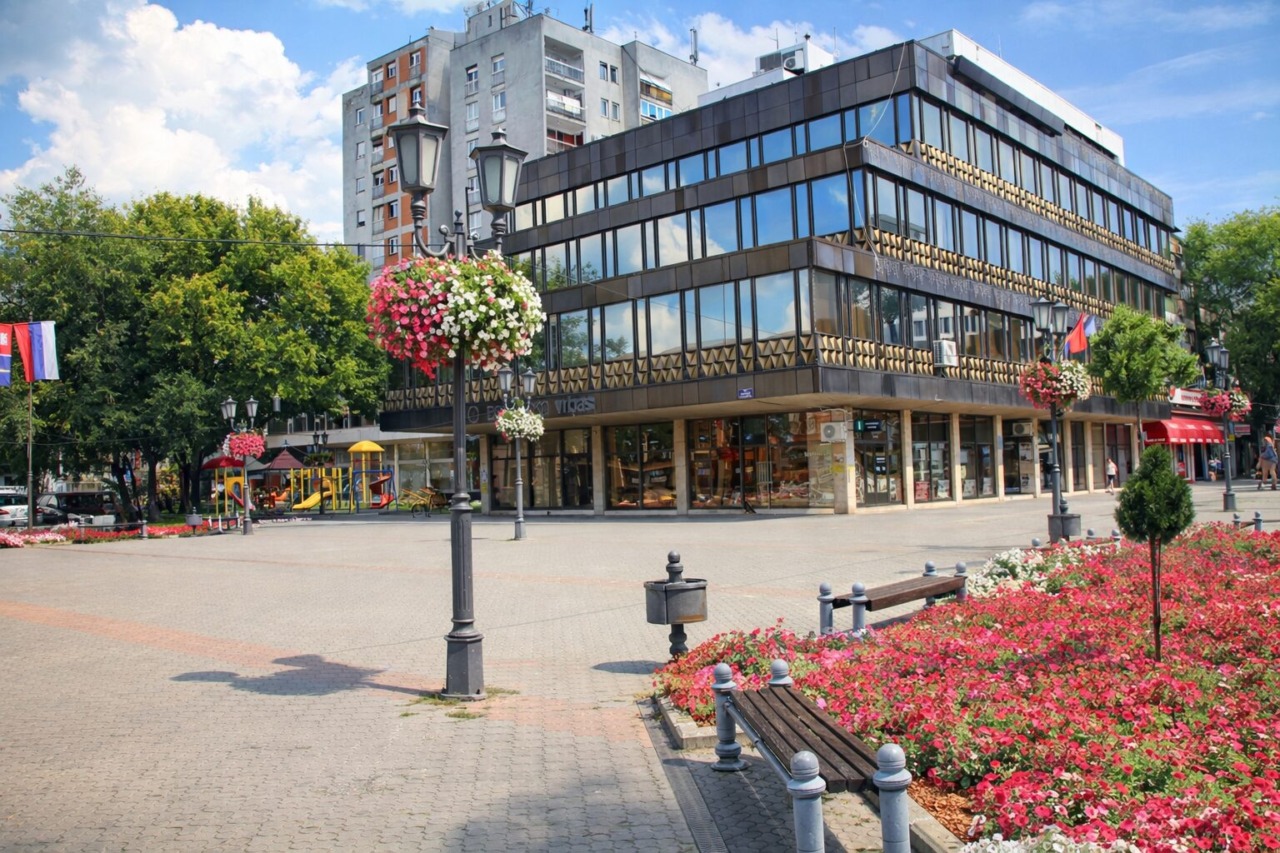
You might visit a gallery. You might stumble upon a folklore rehearsal. You might simply walk until you realize – without planning to – that you have fallen in love with the town.
That is Vrbas.
Not a destination you “complete,” but a place that stays with you. A reminder that life does not always have to be fast. A town that does not tell you what to see, but teaches you how to look more slowly.
Related Articles

5 Little Things in Serbia That Travelers Never Forget
February 20, 2026
Interesting Facts About Sretenje You May Not Know
February 16, 2026
The Sretenje Route: A Guide to Serbia’s Historic Sites
February 15, 2026