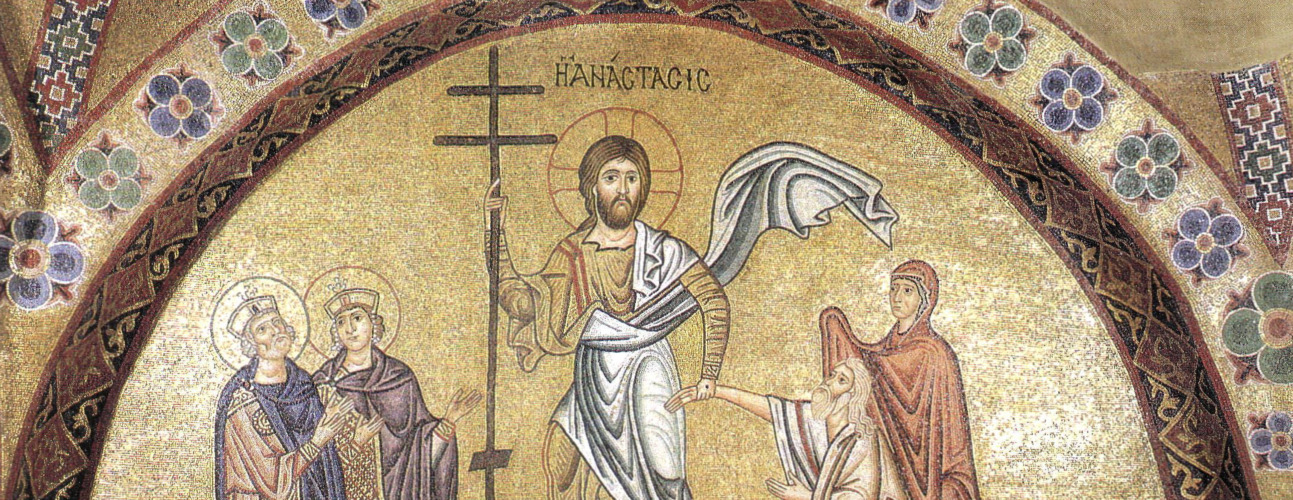
Velika Subota in Serbia is a day that exists between two worlds. It comes after the deepest silence of Good Friday and just before the joy of Easter. Because of that, it carries a unique atmosphere – not entirely solemn, but not yet celebratory. It is a pause, a transition, and a moment of quiet preparation.
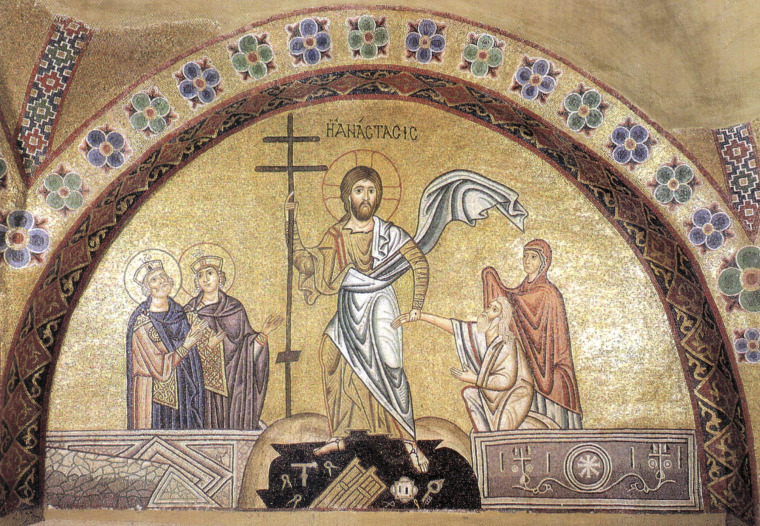
In Orthodox tradition, Velika Subota marks the day when the body of Christ rests in the tomb, while at the same time symbolizing the descent into Hades and the promise of resurrection. This dual meaning – stillness and hope – shapes how the day is experienced across Serbia.
How the Day Is Spent
Unlike Easter Sunday, Velika Subota is not a day of gatherings or festivities. Instead, it is marked by simplicity and intention.
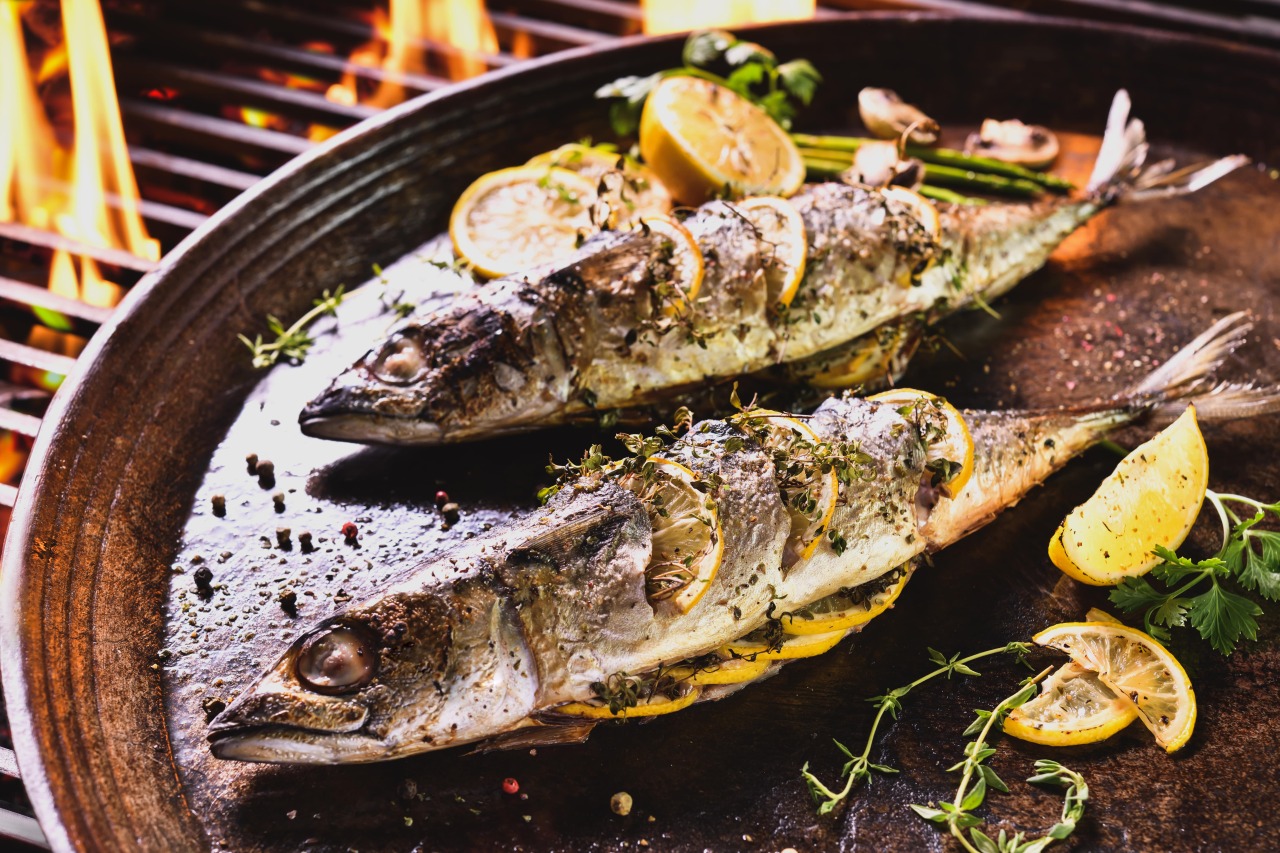
For many, fasting continues throughout the day, often in its strictest form. Meals are modest, usually prepared without animal products, reflecting both discipline and spiritual focus. The kitchen is active, but quietly so – with preparations that will only be fully revealed the next day.
Households are often cleaned and organized, not just practically but symbolically. The idea of entering Easter with a “clean” space – both physically and spiritually – is still deeply present, especially in smaller towns and rural areas.
At the same time, this is a day when families spend more time at home. There is less movement, fewer social obligations, and a noticeable shift toward calm routines.
Eggs, Bread, and What Comes Next
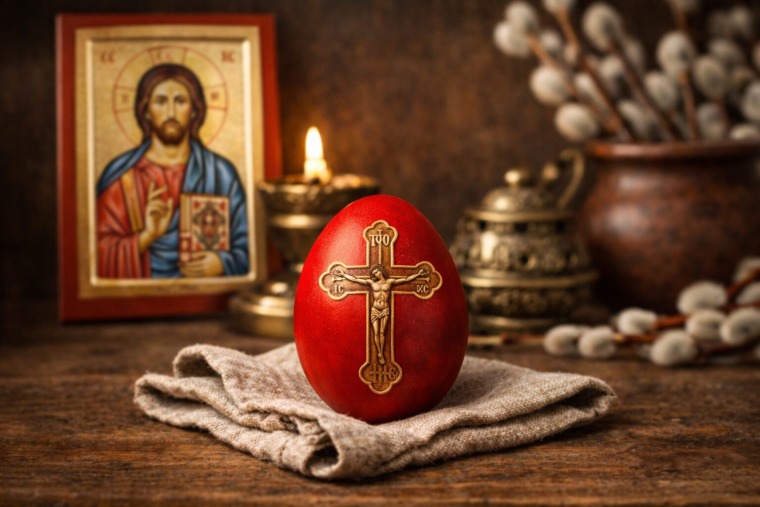
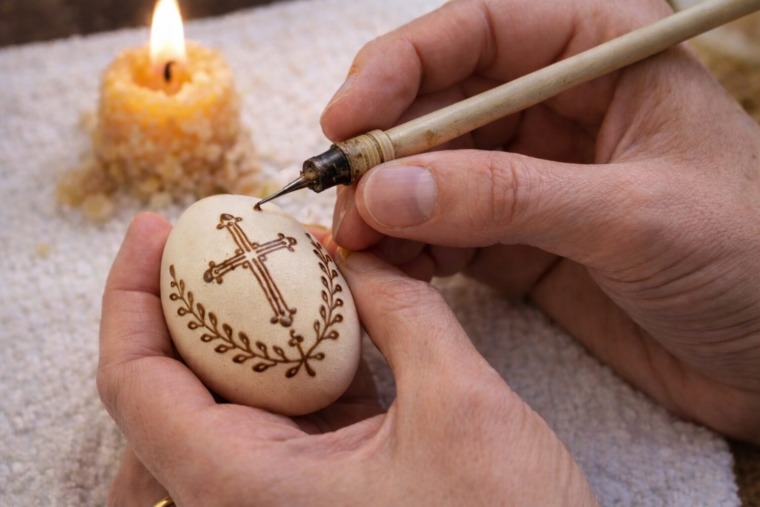
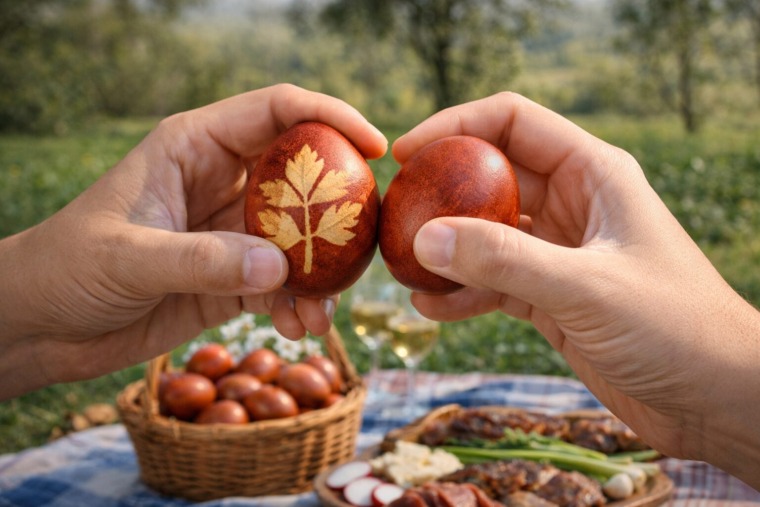
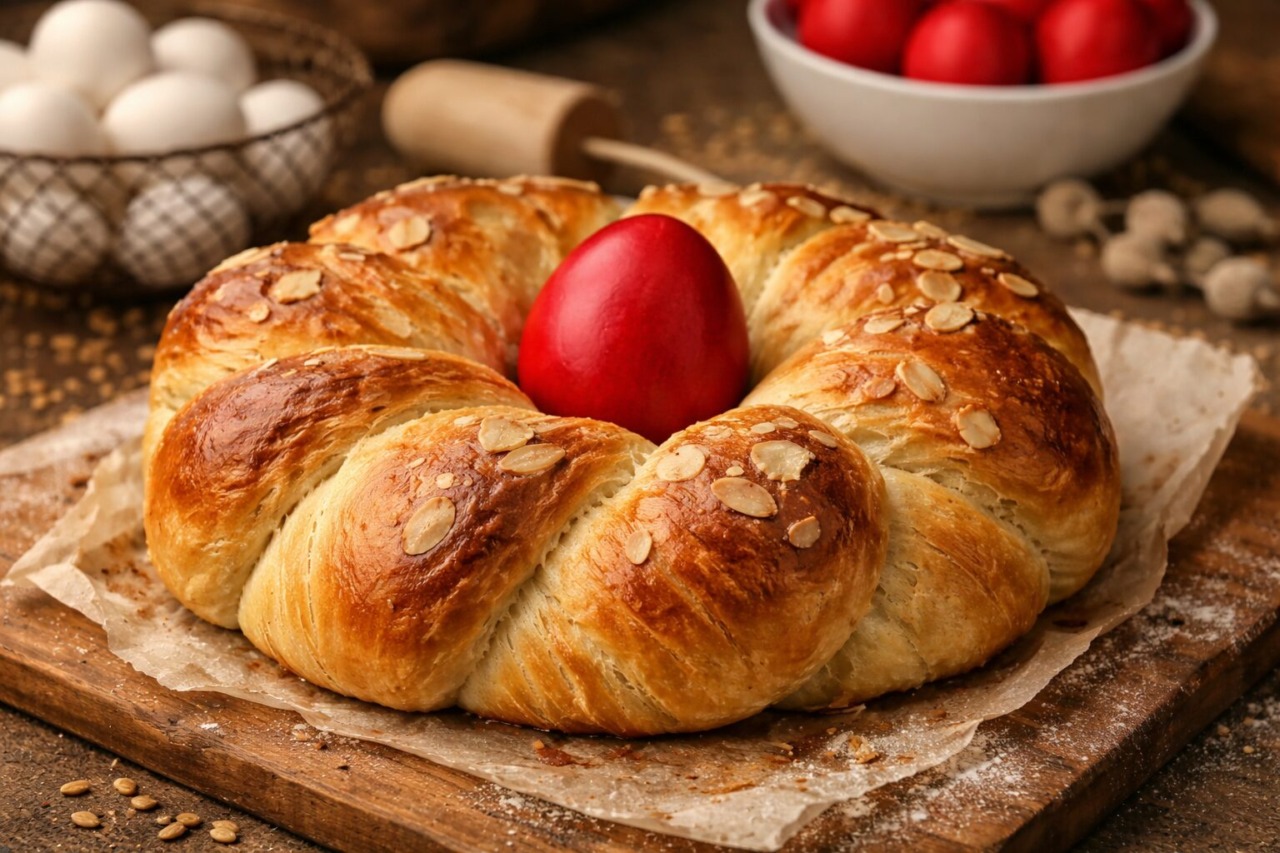
Although eggs are most commonly dyed on Good Friday, Velika Subota is when they begin to take their place in the home. The red egg – often the first dyed – holds special significance. It is usually kept aside as a “čuvarkuća,” a guardian of the household, believed to bring protection and well-being until the next Easter.
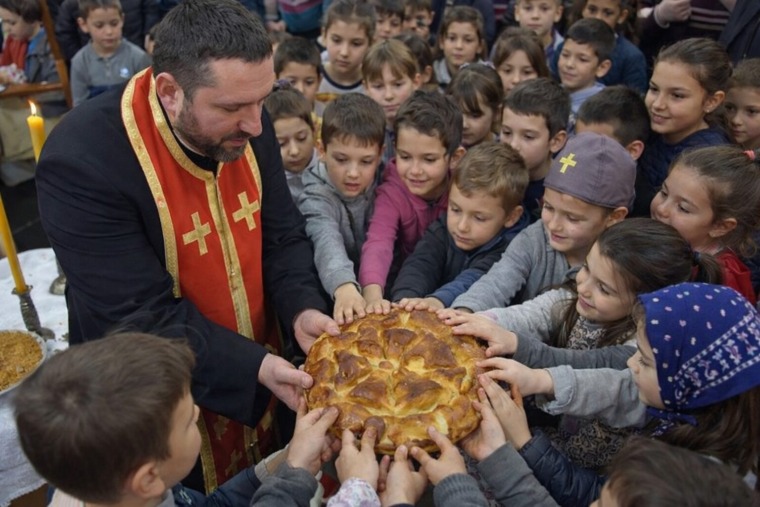
In some parts of Serbia, especially in villages, Velika Subota is also when special breads are prepared. These can include simple festive loaves or more decorative forms, sometimes shaped or marked with symbolic patterns. While not universal, these traditions still survive in certain regions and add to the quiet sense of anticipation.
Food that has been prepared during the previous days is carefully arranged, but not yet touched in a celebratory way. Everything waits.
A Time for Reflection
Velika Subota carries a strong spiritual dimension, even for those who may not actively participate in all religious practices.
It is considered a day of reflection – a time to step back, think, and reconnect. In many households, this is less about formal ritual and more about atmosphere: lowered voices, slower movement, and a general sense that the day should not be rushed.
There is also a traditional belief that this is not a day for loud behavior, arguments, or major work. While modern life has changed many routines, traces of this mindset remain – especially in the way people naturally adjust their pace.
Evening and the Gathering at Churches
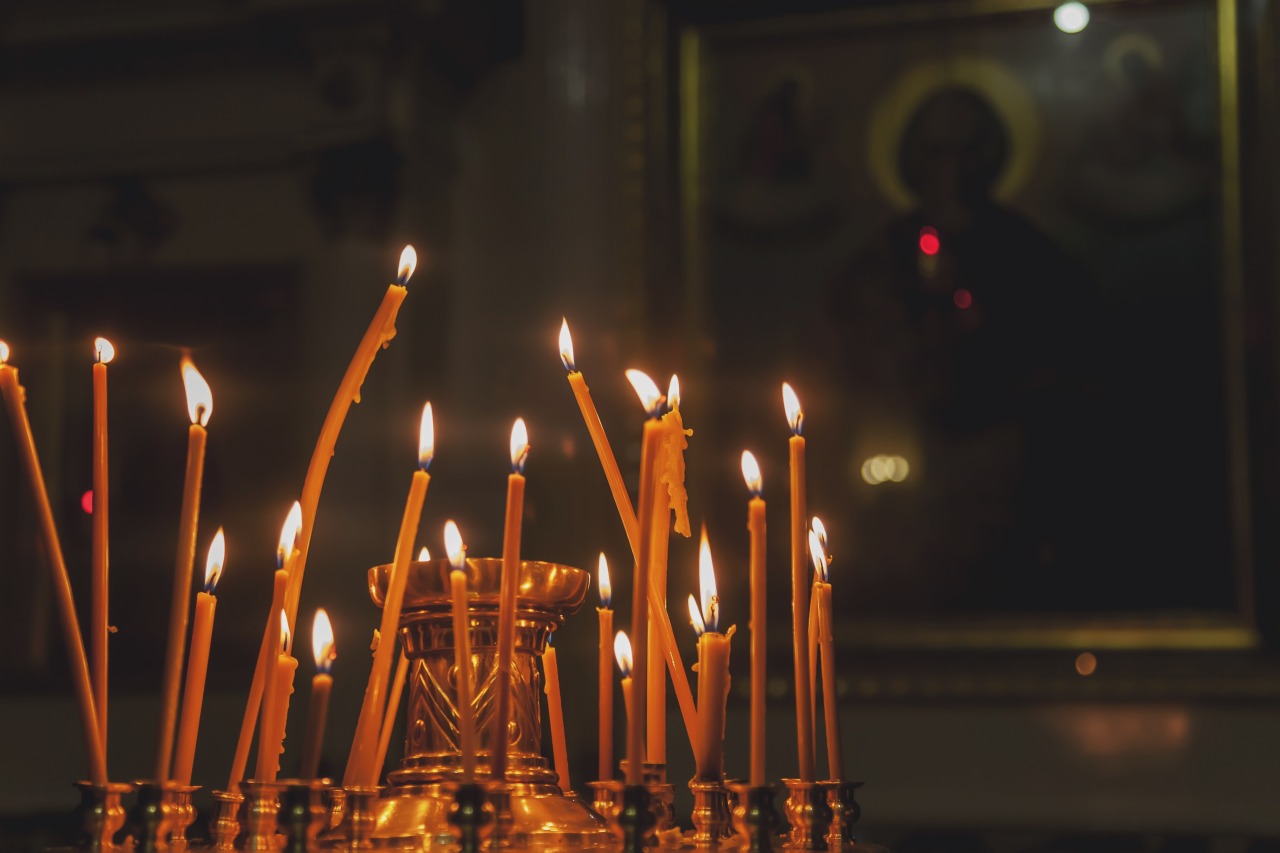
As the day moves toward evening, the focus gradually shifts. People begin preparing to attend church services, which take place late at night and lead into Easter itself. Candles are often brought along, and the act of gathering becomes more visible – though still calm and respectful.
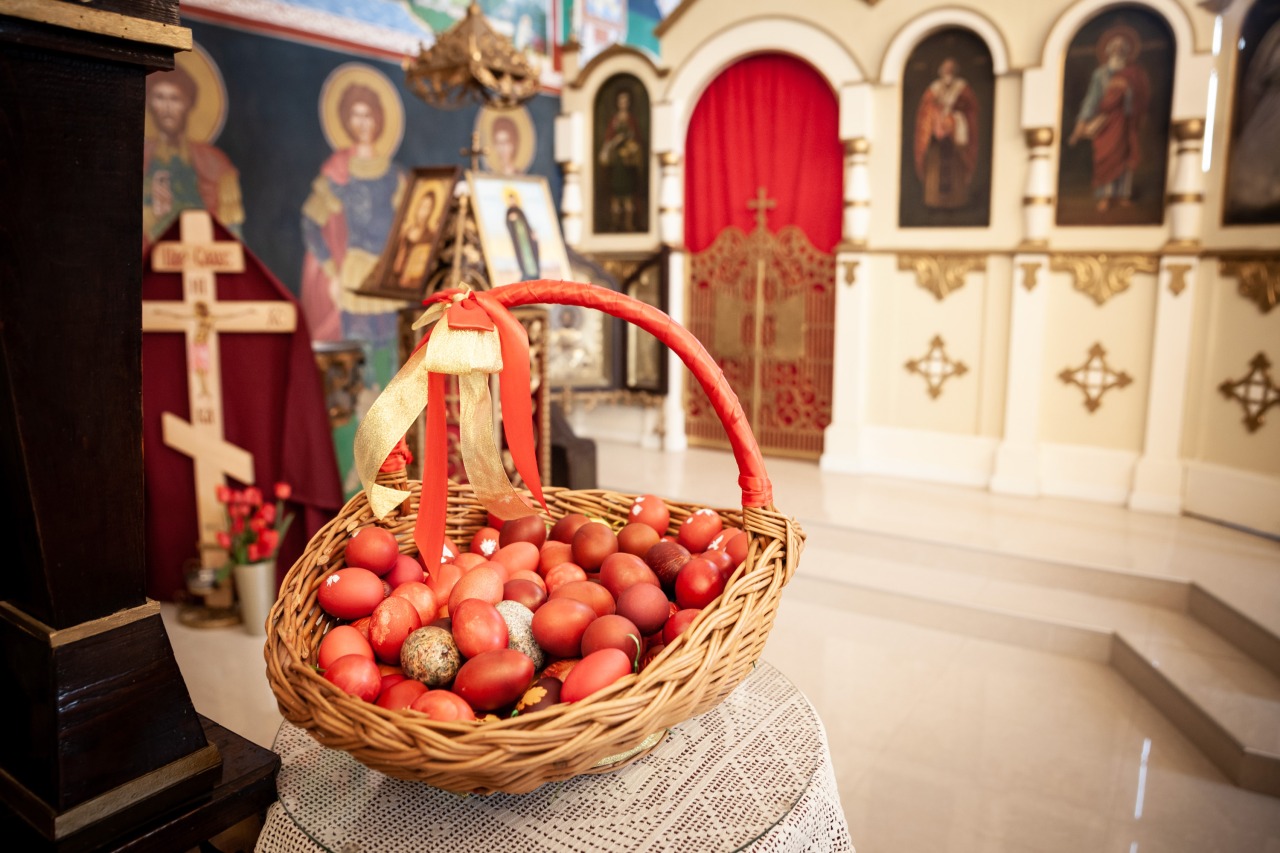
Churches across Serbia slowly fill, creating a very specific atmosphere: dim light, quiet conversations, and the shared feeling of waiting. Unlike the festive energy of the next day, this moment is defined by restraint.
For many, attending the midnight liturgy is one of the most important parts of the entire Easter celebration. It is not only a religious act but also a deeply rooted tradition that connects generations.
The Symbolism of Waiting
What makes Velika Subota truly unique is not what happens, but what does not happen – yet. It is a day of waiting, but not in an impatient sense. Instead, it reflects the idea that meaningful moments require preparation, stillness, and time.
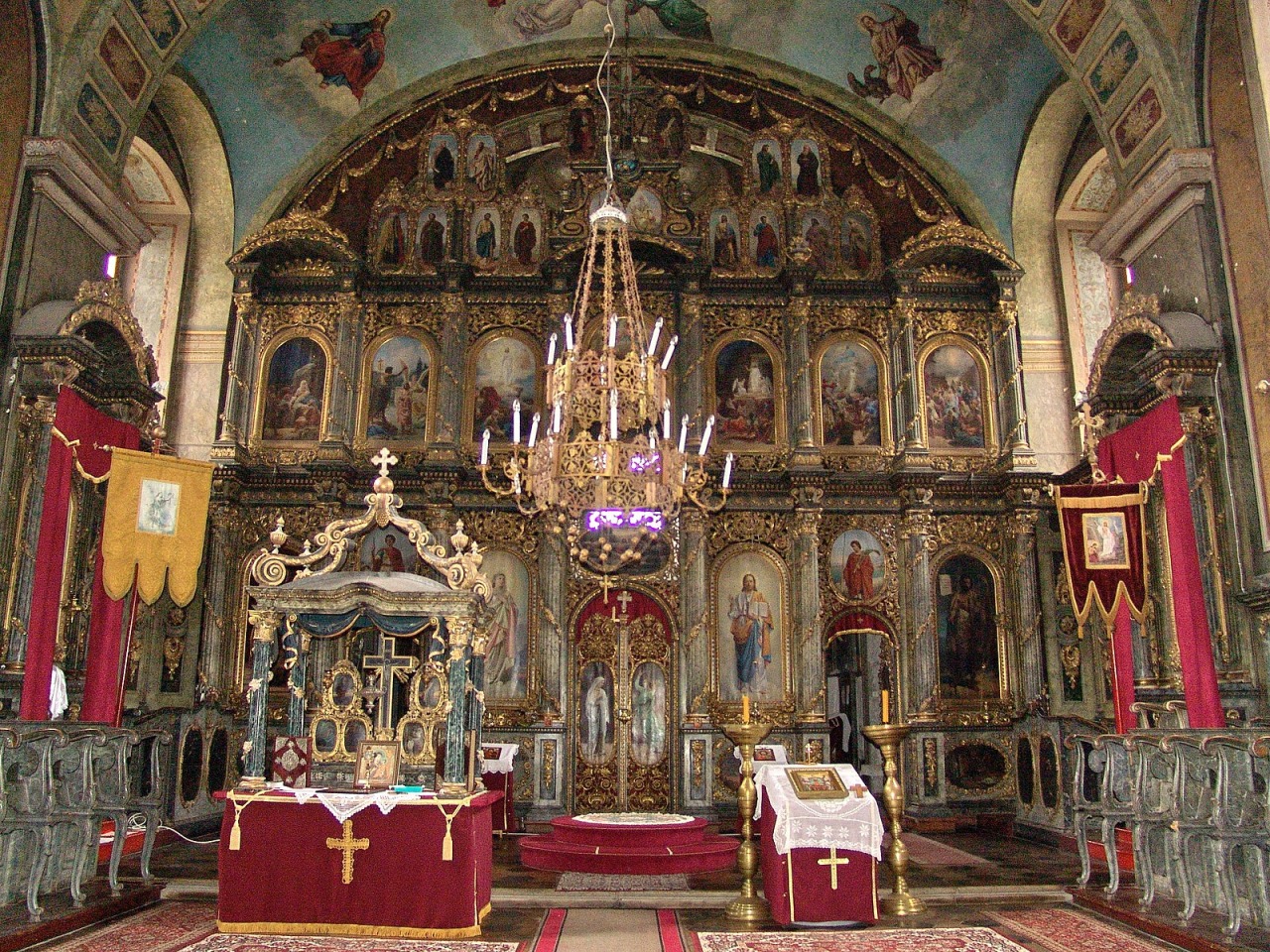
This is why Velika Subota feels different from most other days in Serbia. Even without strict adherence to tradition, the atmosphere carries through – in quieter streets, slower routines, and a subtle sense that something important is approaching.
Why It Still Matters Today
In modern life, where speed and constant activity dominate, Velika Subota offers something rare. It creates space – for pause, for reflection, and for reconnecting with both tradition and oneself. Whether experienced through religious practice, family rituals, or simply through its atmosphere, the day continues to hold meaning.
And perhaps that is why it remains so powerful. Because before the celebration begins, Serbia takes a moment to be still.
Featured image: Аутор: Anonymous – [1], Јавно власништво, https://commons.wikimedia.org/w/index.php?curid=6451545
Related Articles