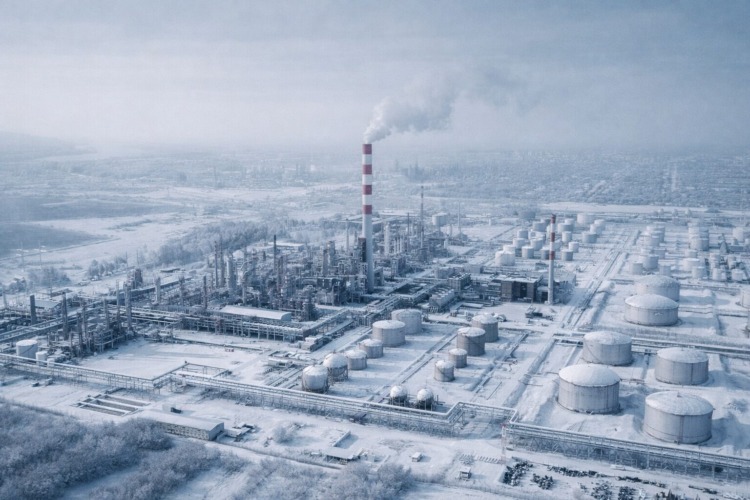
When the festive season ends and Serbia grows quieter, a different landscape comes into focus – one shaped by factories, power plants, workers’ towns, railways, and rivers. This is industrial Serbia: raw, monumental, and unexpectedly poetic, especially in winter when fog, empty streets, and muted colors give these places a cinematic quality.
For travelers drawn to urban exploration, architecture, photography, and social history, this journey reveals a Serbia rarely promoted – yet deeply authentic.
Belgrade: Industry Turned Identity
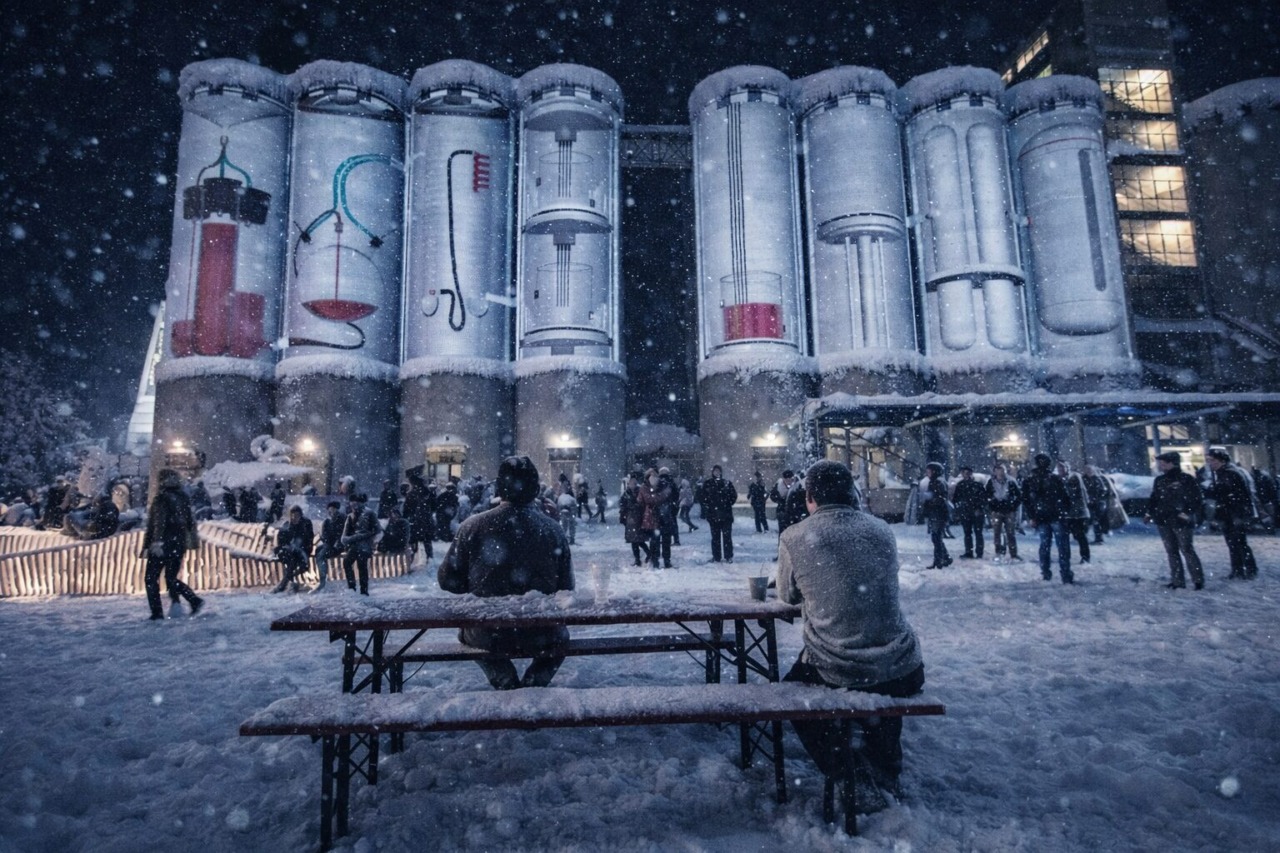
Silosi, Dorćol
Once the heart of Belgrade’s grain storage system, Silosi now stands as a striking example of industrial heritage evolving into contemporary urban life. Massive concrete towers rise directly above the Danube, creating a rare riverside landscape where brutalism meets creativity. In winter, the area feels calm and spacious – perfect for slow walks, photography, and observing how old industry is being reimagined rather than erased.
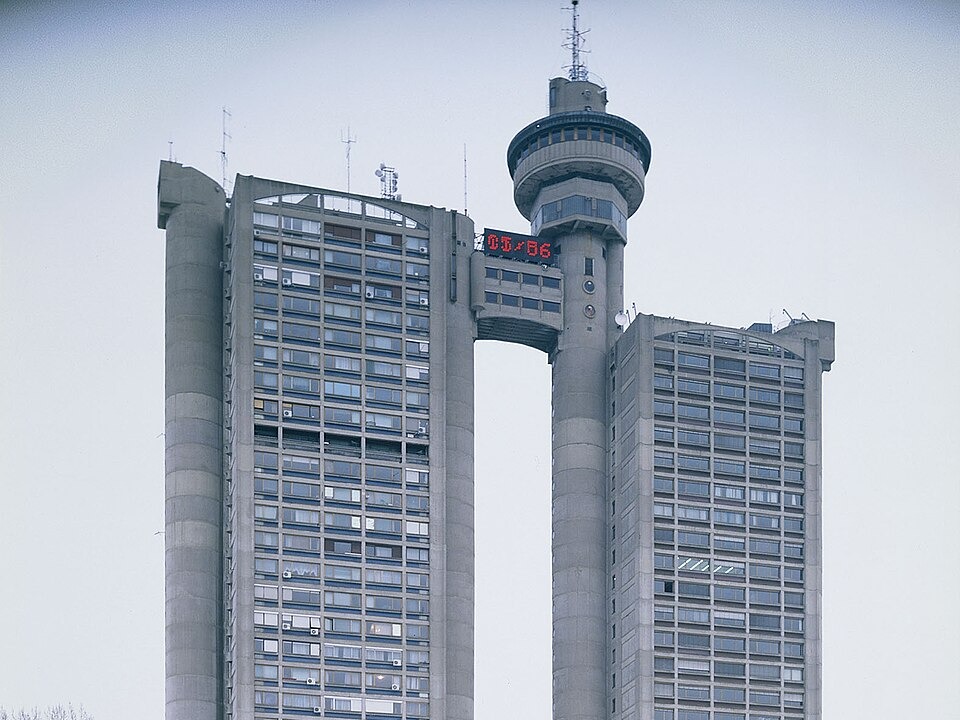
Genex Tower (Western Gate of Belgrade)
Visible from afar, the Genex Tower is one of the boldest architectural statements in the Balkans. Designed as a symbol of progress and openness, it reflects Yugoslavia’s confidence in concrete form. Standing beneath it, travelers sense scale, ambition, and ideology frozen in architecture. Winter emptiness amplifies its presence, making it feel almost monumental and solitary.
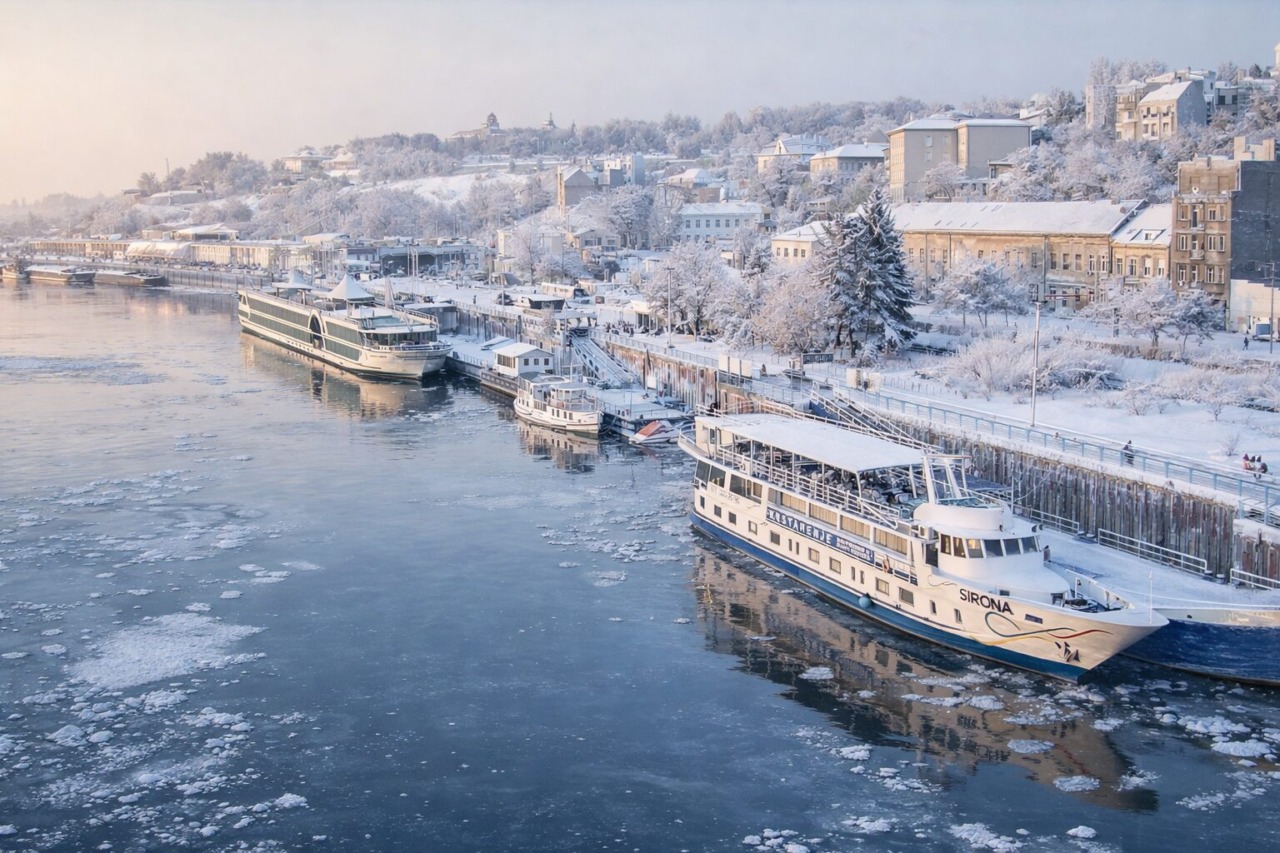
Belgrade Port & Old Warehouses
Along the Danube, cranes, rail tracks, and storage buildings tell the story of Belgrade as a trading city. Without summer crowds, this area becomes a quiet open-air museum of logistics, labor, and river commerce – ideal for those who enjoy discovering cities beyond their postcard views.
Pančevo: Raw Energy at the City’s Edge
Often overlooked, Pančevo offers one of Serbia’s most powerful industrial landscapes. Refineries, petrochemical plants, chimneys, and rail yards dominate the skyline, especially dramatic against winter skies. Walking through industrial zones and along the river reveals a city shaped by production rather than tourism — gritty, honest, and visually striking. For urban explorers, Pančevo feels unfiltered and real.
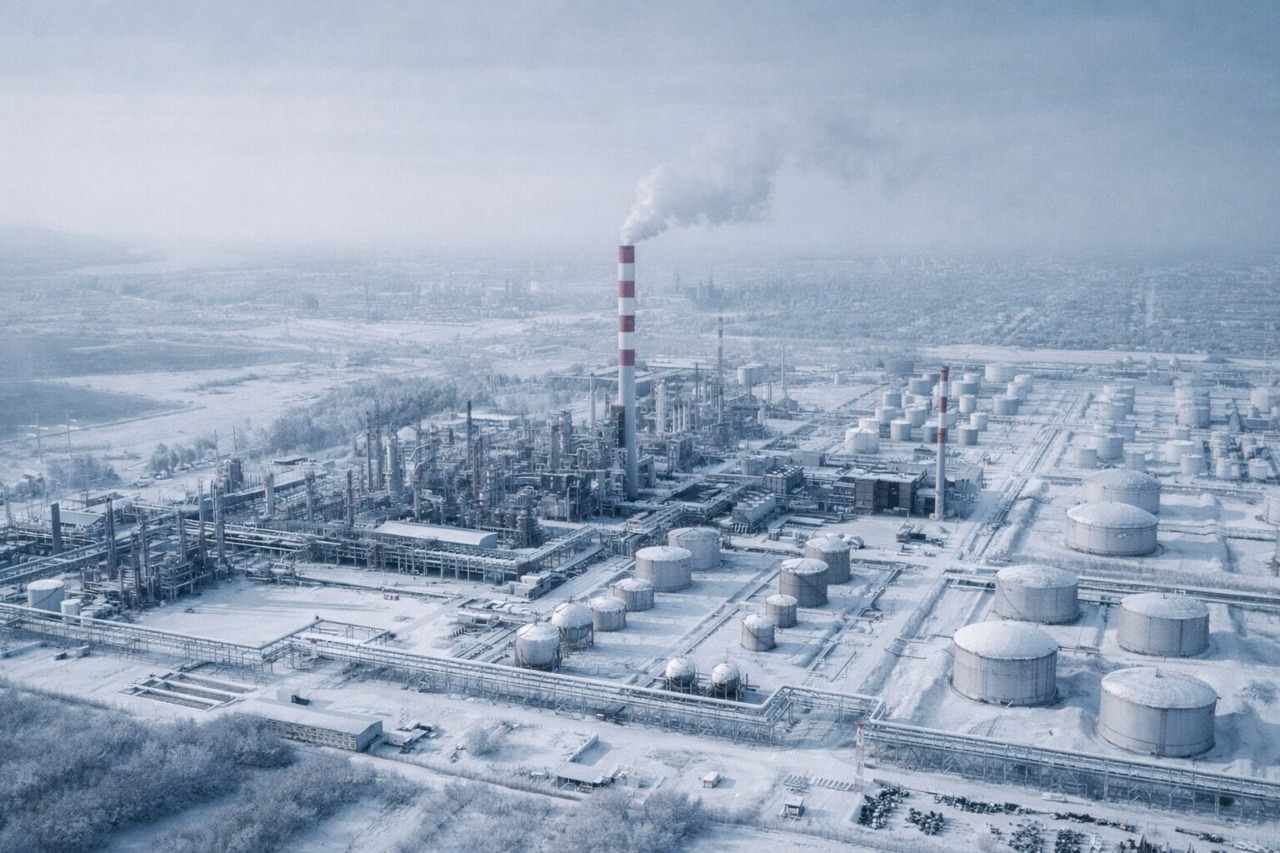
Smederevo: Steel, Wine, and the Danube
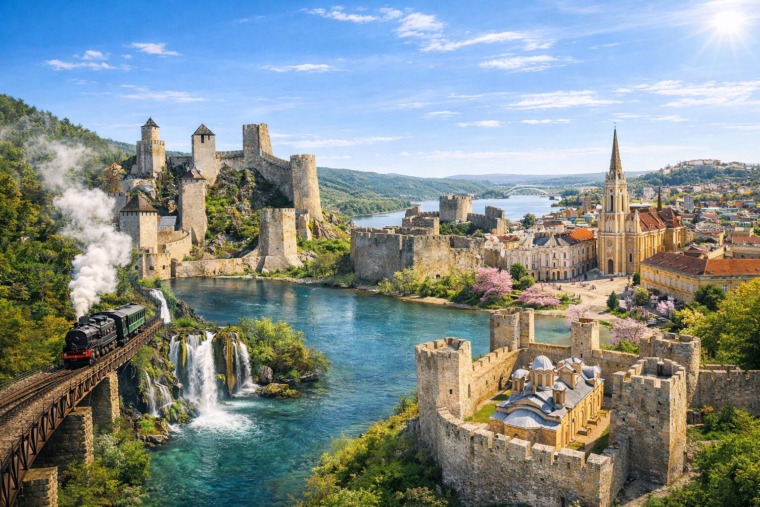
Smederevo Steelworks defines the modern city, rising beside the Danube just minutes from vineyards and the medieval fortress. This contrast is what makes Smederevo unique:
- 15th-century stone walls
- 20th-century steel giants
- the calm, steady flow of Europe’s great river
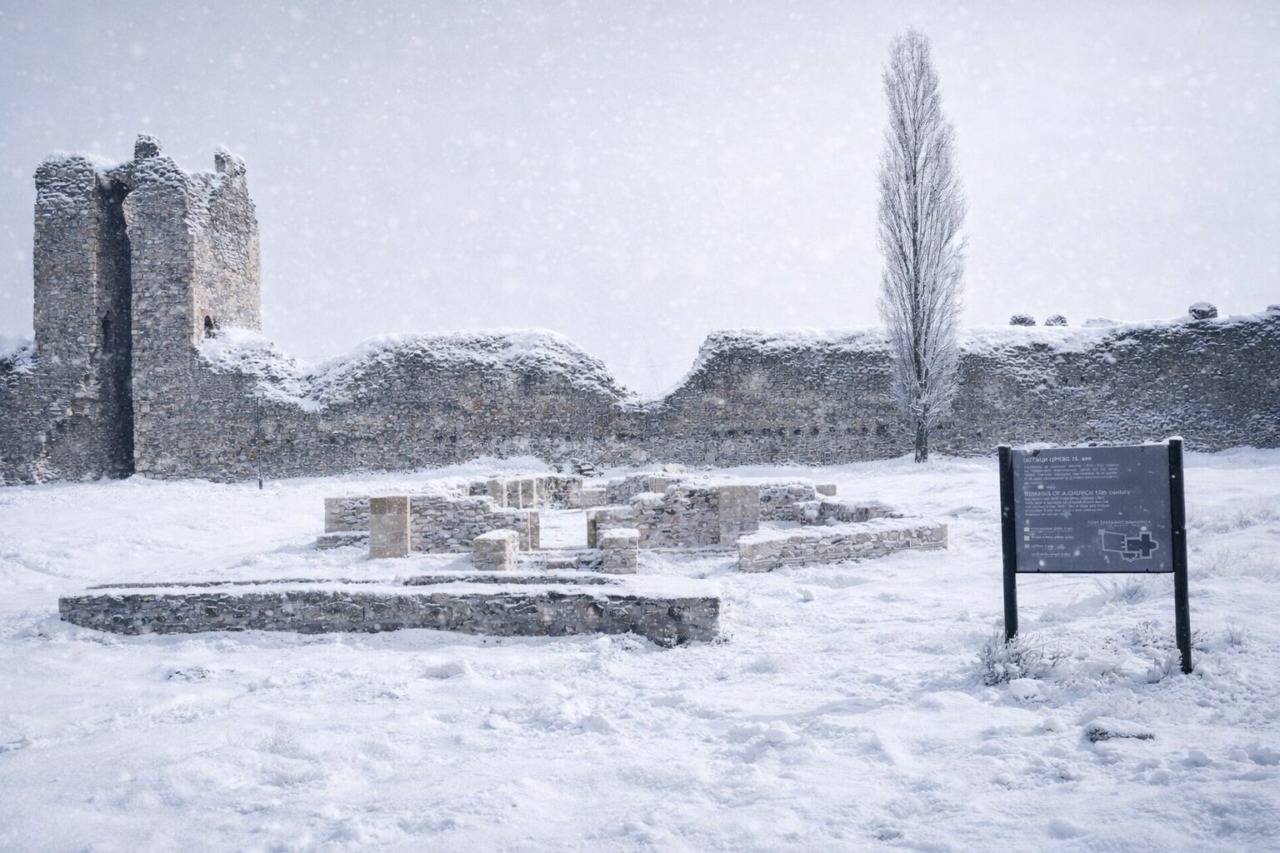
In winter, the atmosphere becomes introspective. Smoke, river mist, and empty paths create a layered story of Serbia’s past and present coexisting in a single frame.
Kostolac: Power Landscapes and Ancient Ruins
Near Požarevac, Kostolac presents one of the most surreal combinations in Serbia. Vast coal mines and thermal power plants stretch across the plains, with gigantic excavators slowly reshaping the land. Just nearby lies Viminacium, a Roman city once home to tens of thousands.
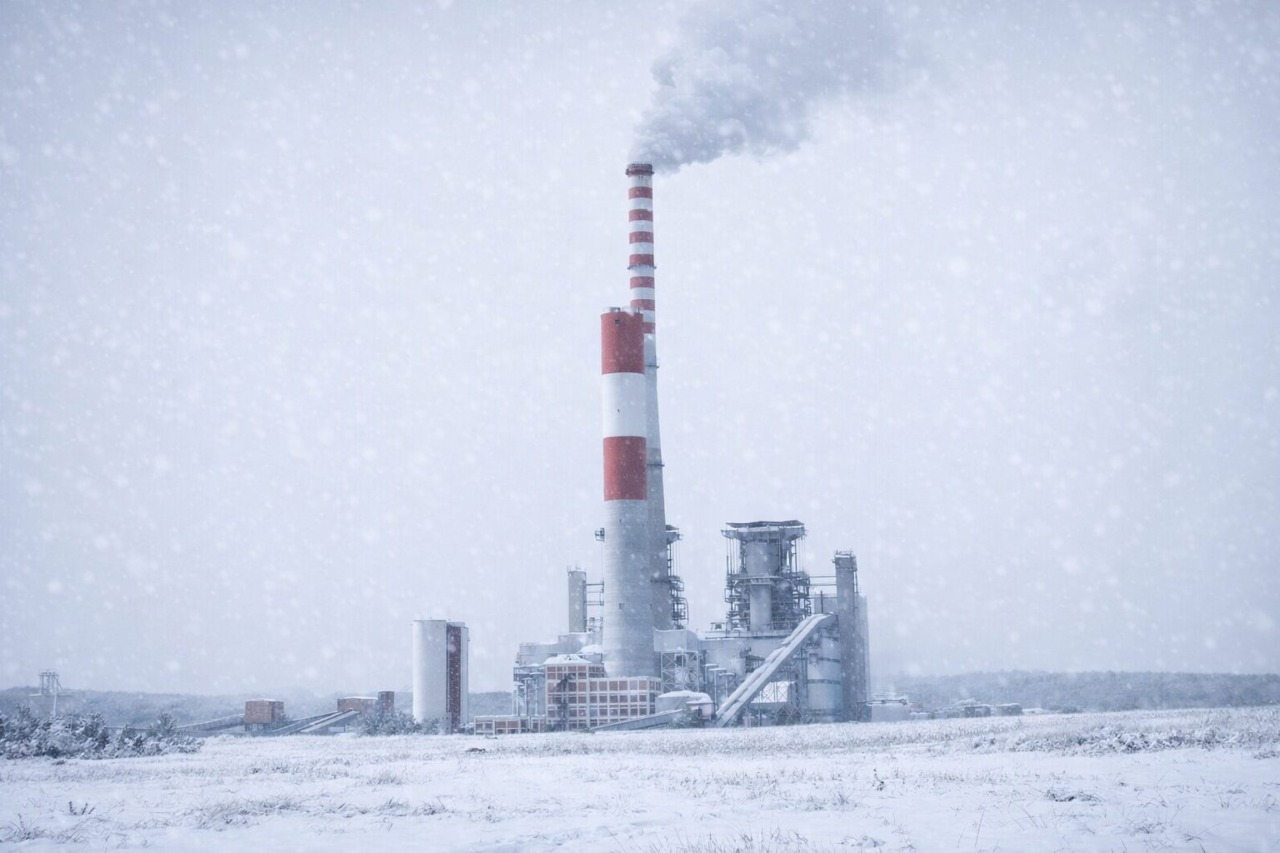
For travelers, this is a rare chance to see how ancient civilization and modern industry literally share the same ground, creating a landscape unlike anywhere else in Europe.
Kragujevac: The Birthplace of Serbian Industry
Kragujevac is where Serbia’s industrial story truly begins. From the historic Zastava arms factory to later automotive production, the city grew around manufacturing and engineering. Museums, factory complexes, and workers’ neighborhoods reveal how industry shaped not just the economy, but everyday life.
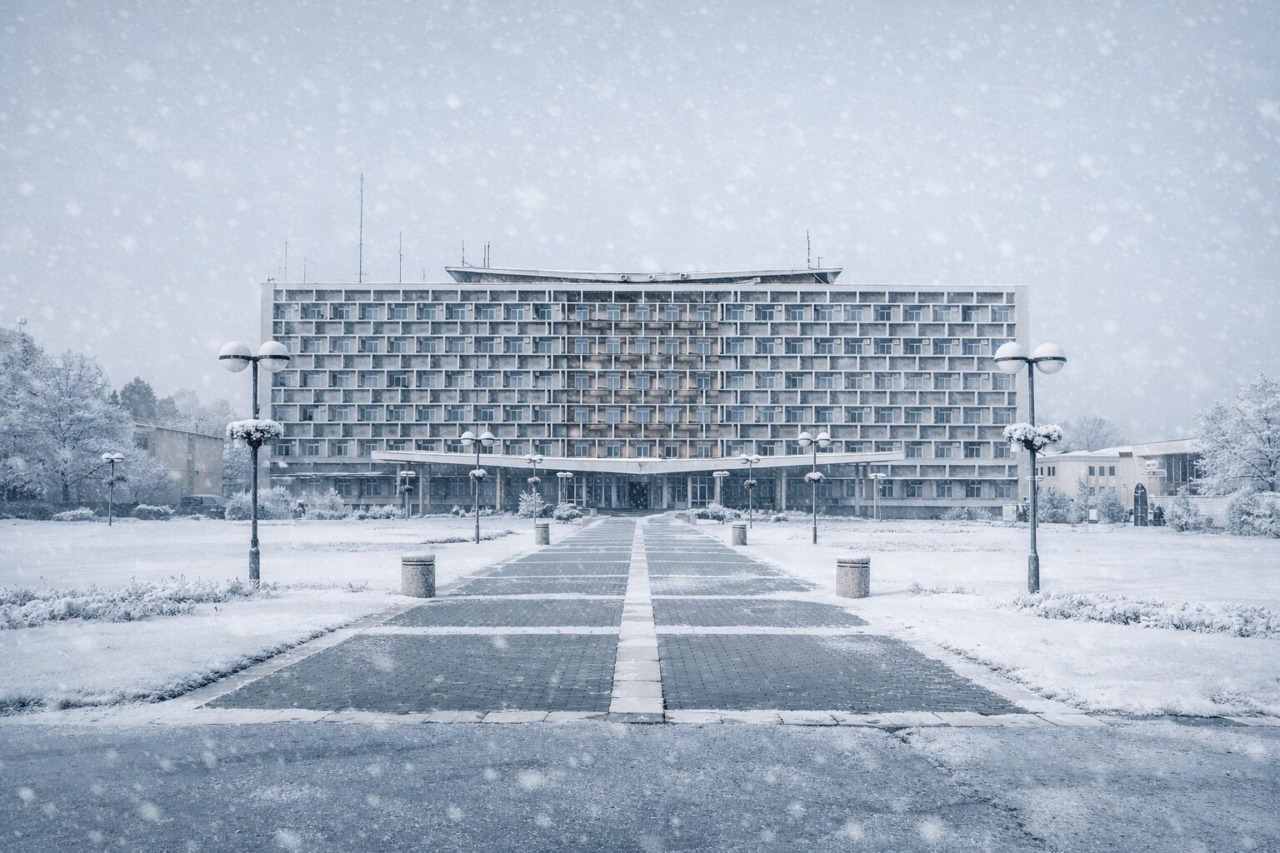
Winter adds a reflective tone – quieter streets, foggy mornings, and an almost archival feel to the city’s industrial heritage.
Bor: A City Carved by Copper
Few places in Serbia feel as visually intense as Bor. Open-pit copper mines, red earth, heavy machinery, and entire districts built for miners create a dramatic, almost otherworldly environment. The scale is overwhelming, and winter fog softens the harshness, adding depth and mystery.
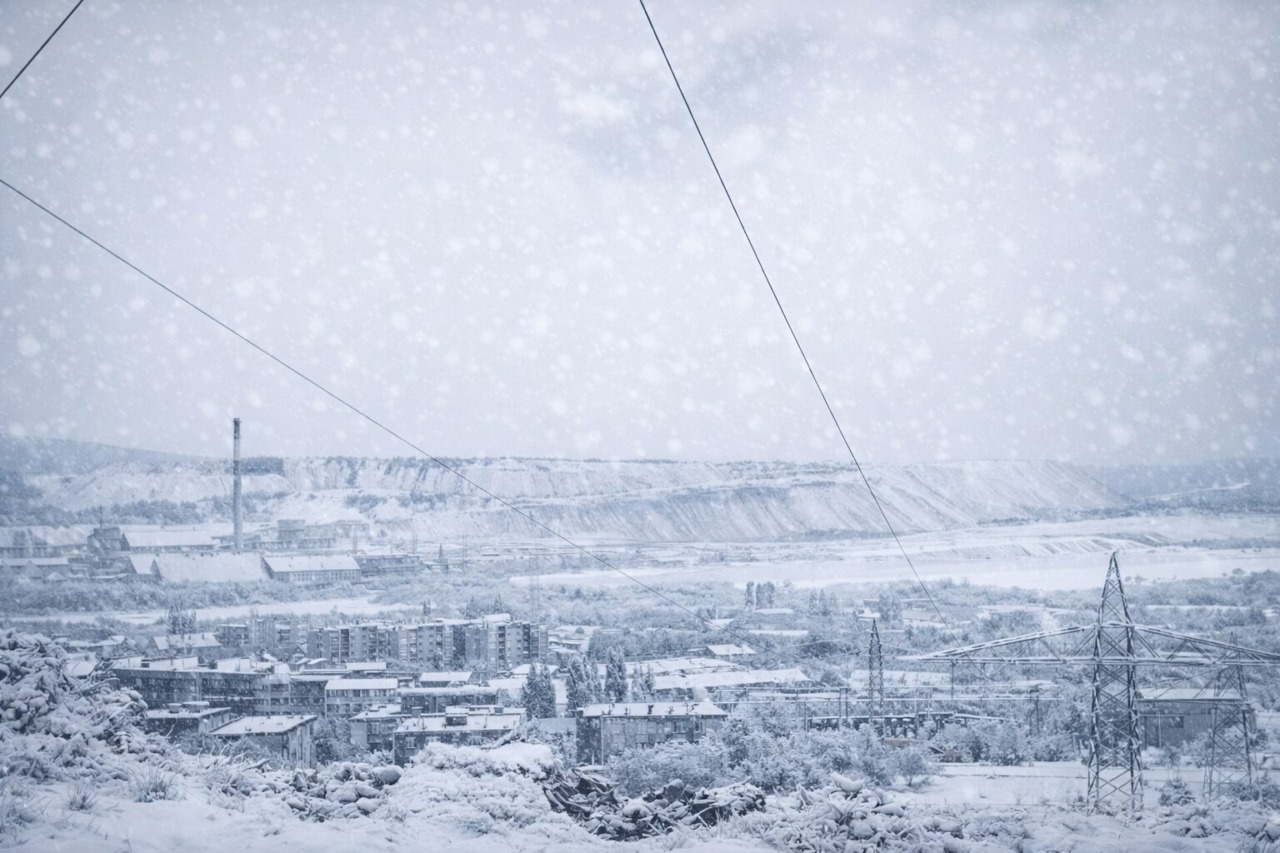
Bor is not traditionally “beautiful,” but it is unforgettable – a destination for travelers who seek landscapes shaped by human ambition.
Majdanpek: Industry Meets Wilderness
Less known but equally impressive, Majdanpek combines massive mining terraces with surrounding forests. The town sits at the edge of industrial power and natural silence. From viewpoints above the mine, travelers can see how deeply industry has carved into the land – a striking visual experience, especially for photographers.
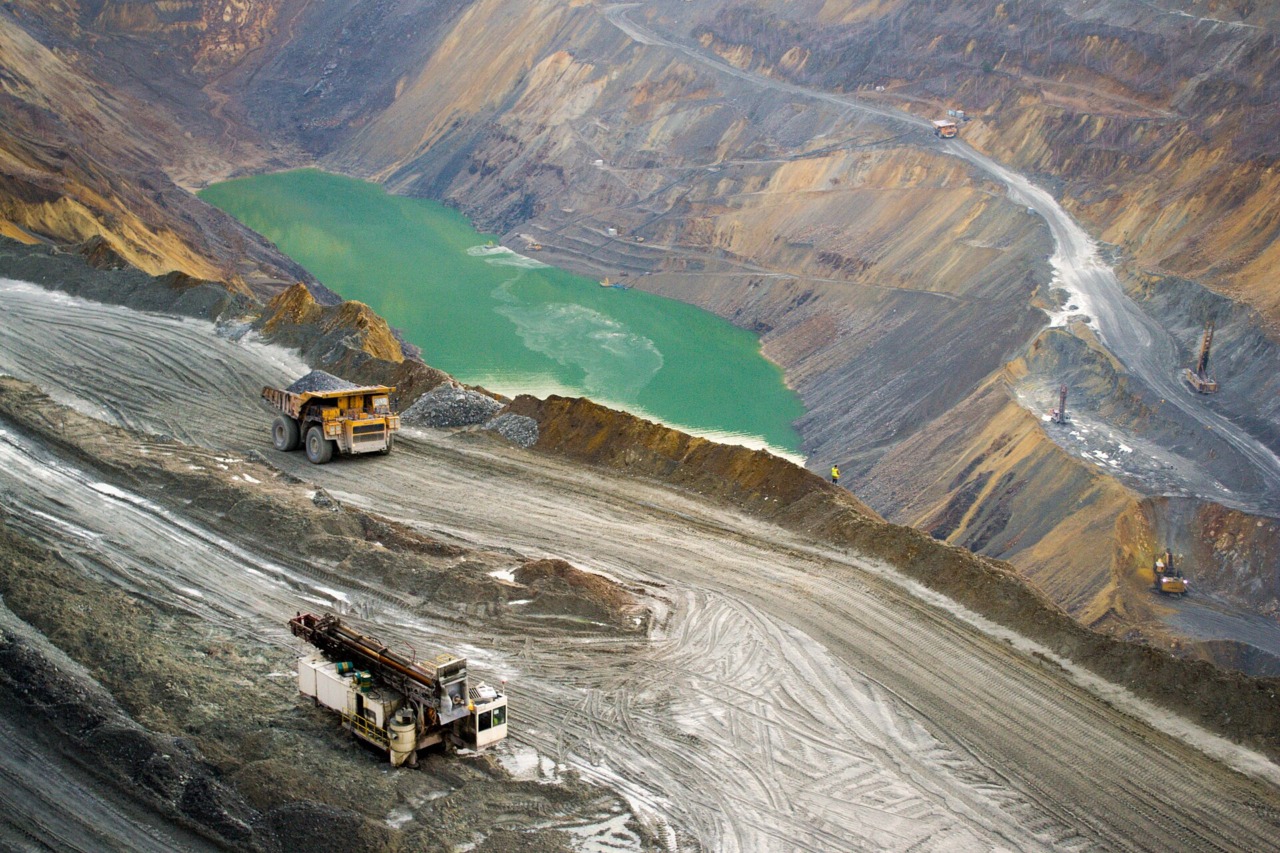
Majdanpek feels remote, quiet, and honest, ideal for those who want to explore Serbia beyond its tourist centers.
Zrenjanin: Factories of the Plain
Once one of Vojvodina’s industrial strongholds, Zrenjanin is filled with grand factory halls, abandoned breweries, and riverside plants along the Begej. The flat landscape and wide streets give the city a distinct atmosphere, while winter enhances its sense of faded grandeur.
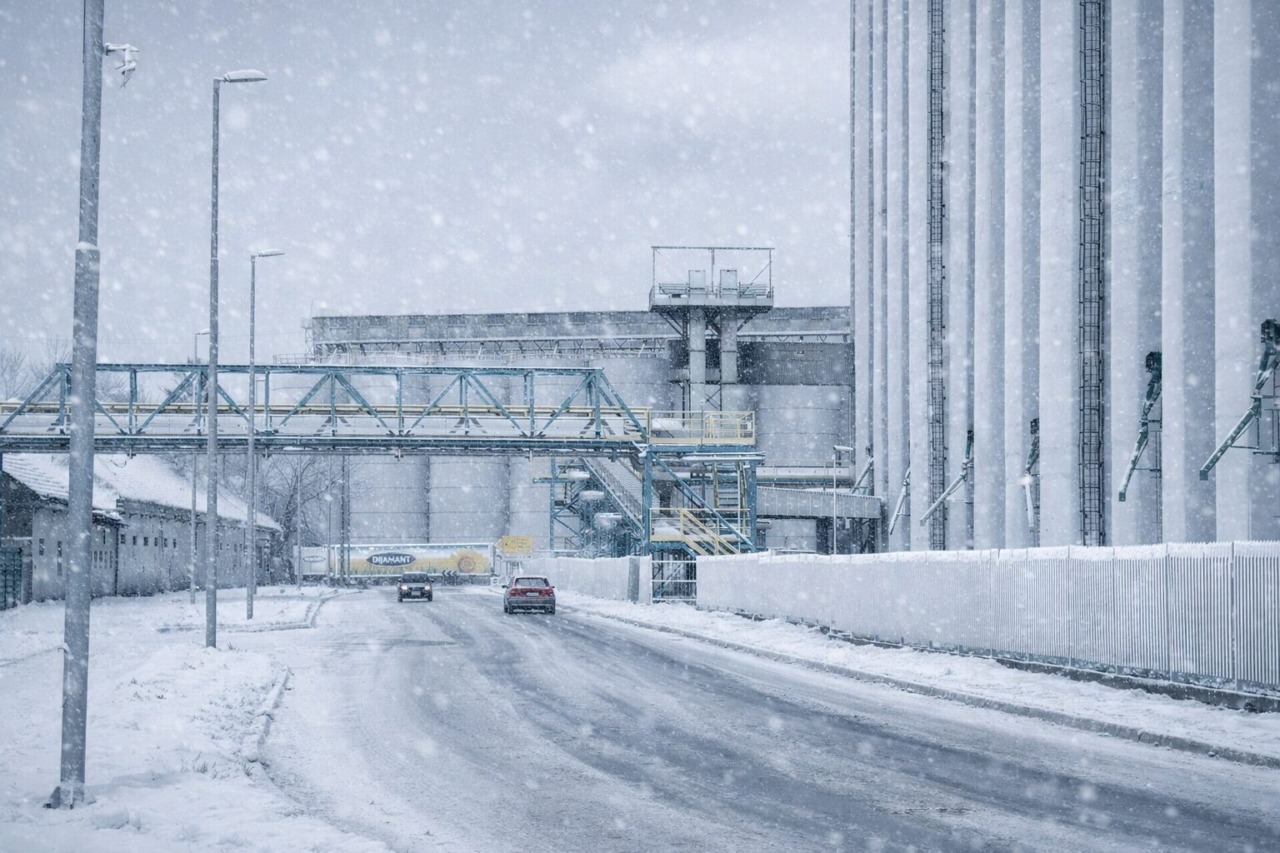
For travelers, Zrenjanin offers a slower, contemplative experience – a place where industry shaped urban elegance, not chaos.
Priboj: Echoes of Heavy Industry
The FAP factory once made Priboj a symbol of Yugoslav engineering. Today, much of it stands silent, surrounded by workers’ housing blocks and infrastructure built for a different era. Walking through Priboj feels like stepping into a living archive of industrial optimism and transition.
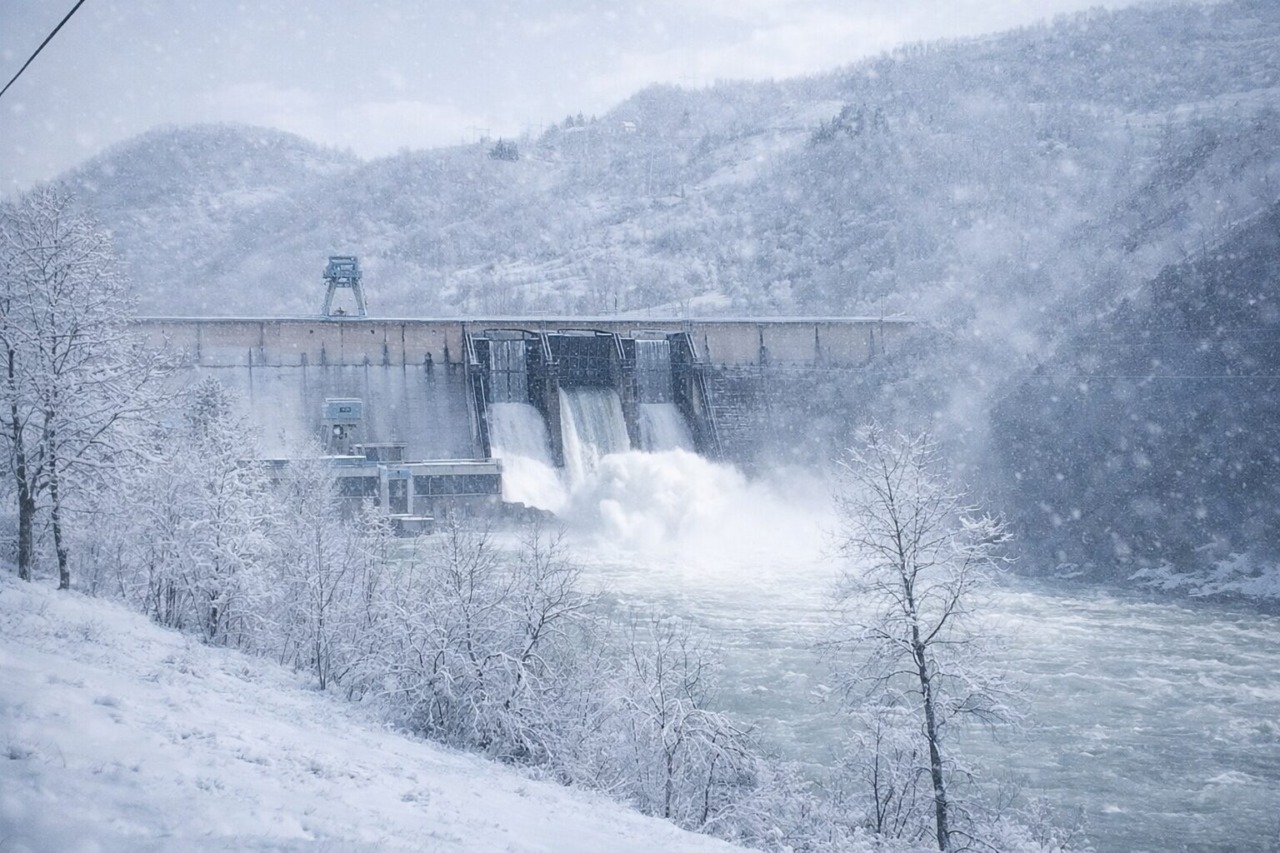
This destination speaks strongly to travelers interested in post-industrial stories and social change, rather than polished attractions.
Why This Journey Works Best in Winter
- Industrial landscapes look most dramatic without crowds
- Fog, snow, and muted light enhance atmosphere
- Towns slow down, revealing daily life
- Perfect for photography, reflection, and slow travel
This is not classic sightseeing, but a journey through space, time, and identity.
A Suggested Industrial Route Through Serbia
Belgrade → Pančevo → Smederevo → Kostolac → Kragujevac → Bor → Majdanpek → Zrenjanin → Priboj
Short distances, strong contrasts, and a completely different understanding of Serbia.