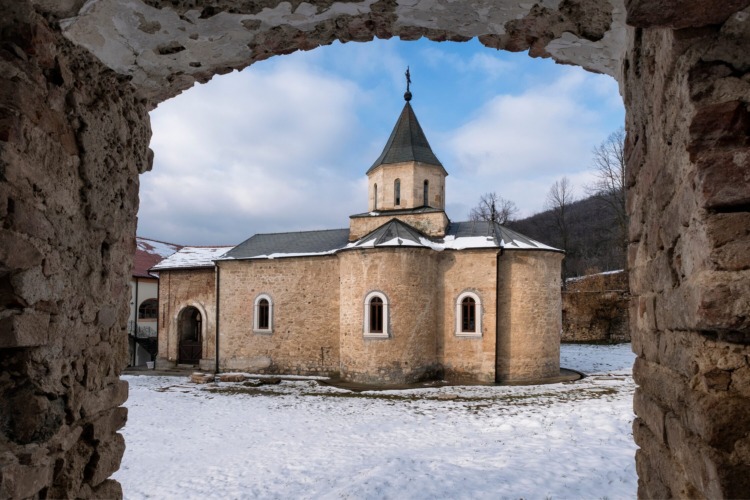
Winter in Serbia brings a rare kind of silence and a light that is hard to find in any other season. Monasteries and sacred sites become places where art, landscape, and an almost tangible calm intertwine — perfect for travelers who want to slow down, breathe deeper, and feel a quieter rhythm of reality. Here is why each of these sacred places becomes a special experience during the winter months.
St. Sava Temple – Winter Light Above Belgrade
Why visit in winter:
Snow on Vračar amplifies the whiteness of the marble and creates a perfect contrast with the golden mosaics of the domes. Winter light is clearer and colder, making the St. Sava Temple look even more monumental than in any other season.
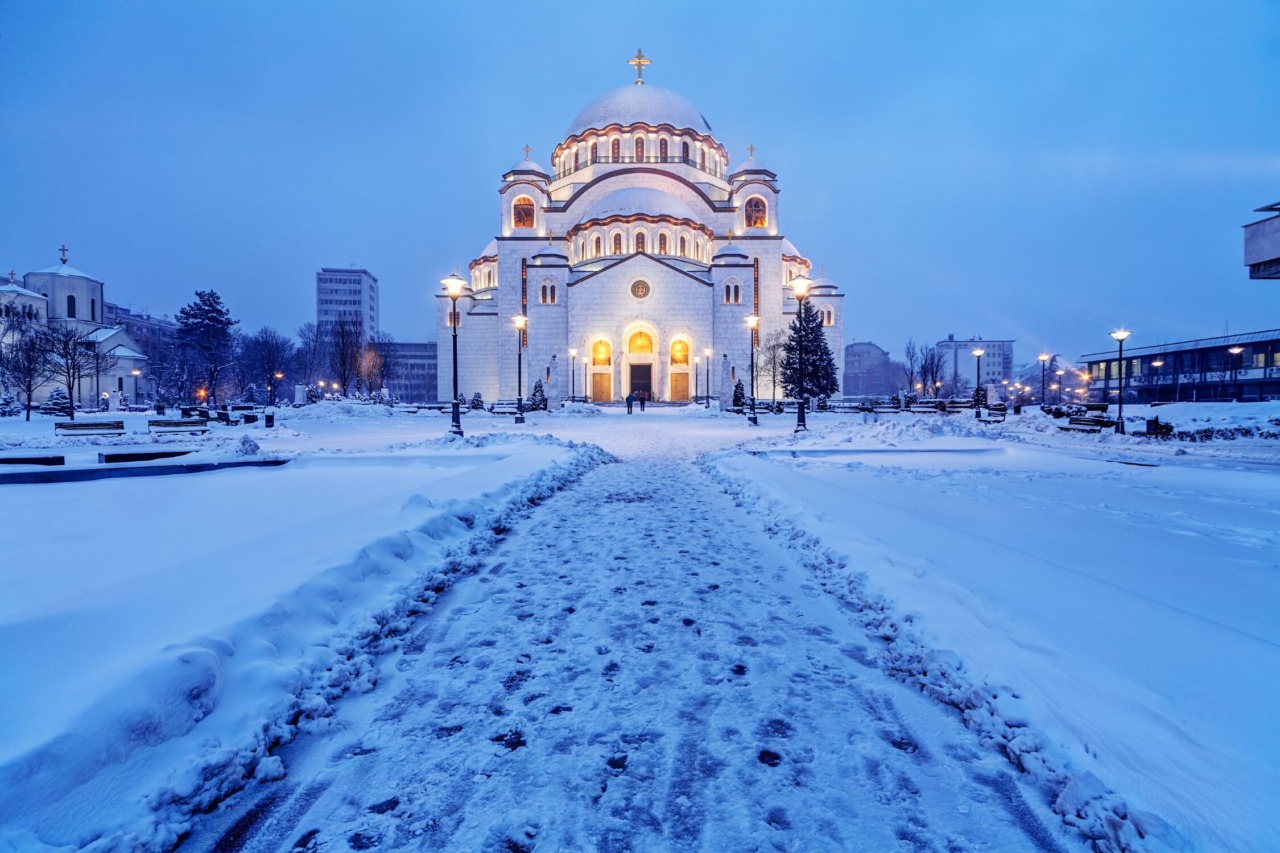
What makes it special:
- evening illumination reflecting on the snow
- almost cinematic contrast between the white façade and the blue winter sky
- a quieter Belgrade, especially early in the morning
- the wide square becomes an ideal spot for “holiday Serbia” photographs
In winter, standing before the temple feels like being in a Northern European capital — only with Balkan warmth.
Manasija – Medieval Silence in the Fog of Resava
Why visit in winter:
The fortress walls of Manasija look dramatic and almost unreal when wrapped in winter fog. The cold highlights the defensive character of the complex and reminds visitors of the centuries it has survived.
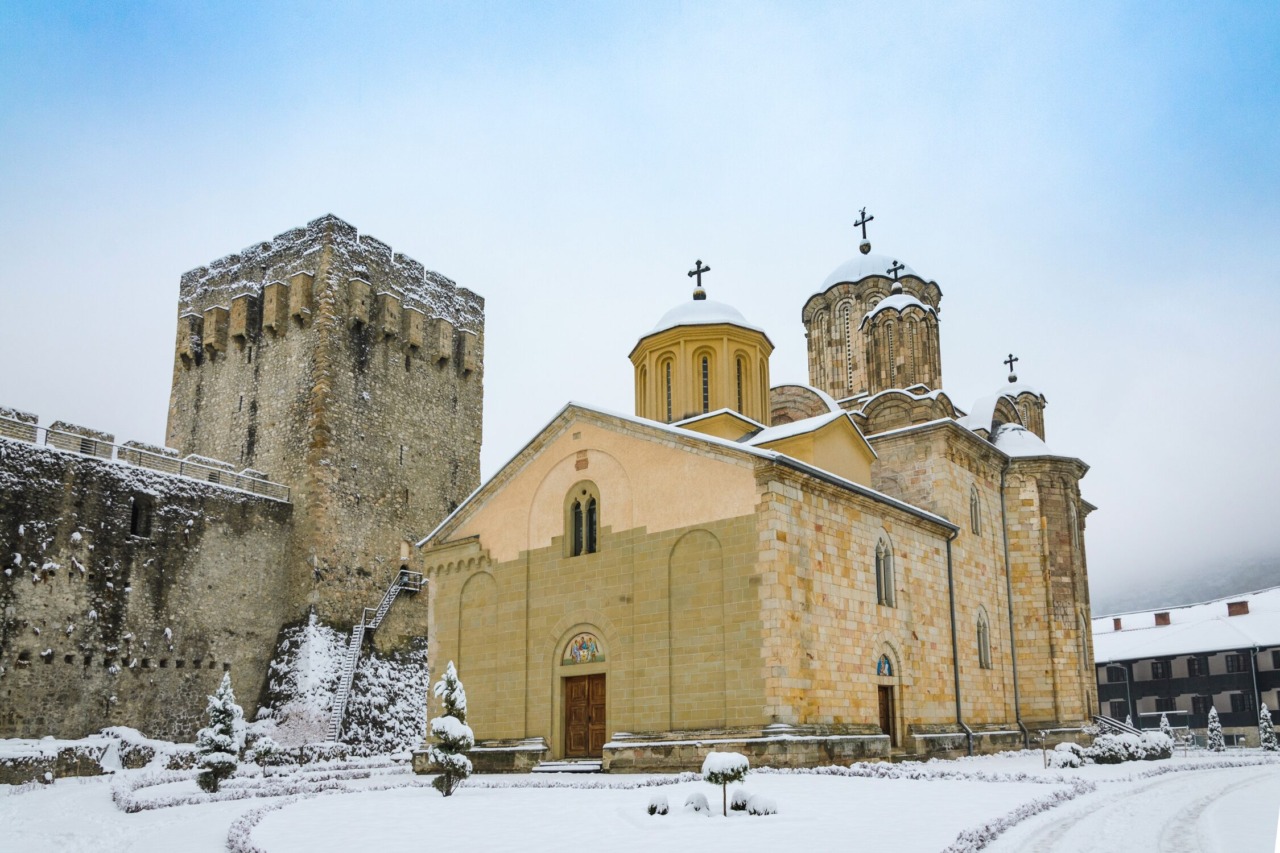
What makes it special:
- snow on the tall towers looks like a sugar glaze
- one of the most mystical atmospheres in Serbia
- fewer visitors — the entire space feels private and meditative
- frescoes appear older, deeper, and more powerful under the dim winter light
In winter, Manasija becomes a time machine — as if the walls pull you straight into the 15th century.
The Church of Saints Peter and Paul – Winter Silence of Serbia’s Oldest Sanctuary
Why visit in winter:
The Church of Saints Peter and Paul, known as Petrova Crkva, is considered one of the oldest preserved churches in Serbia. Set on a gentle hill near Novi Pazar, it gains a unique stillness in winter — the kind that exists only in places where centuries echo through layers of ancient stone.
Covered in frost or surrounded by snow, the church appears timeless. Its circular shape, simple architecture, and weathered stone walls radiate a quiet, contemplative atmosphere that invites visitors to pause, breathe, and connect with the deep history that permeates the site.
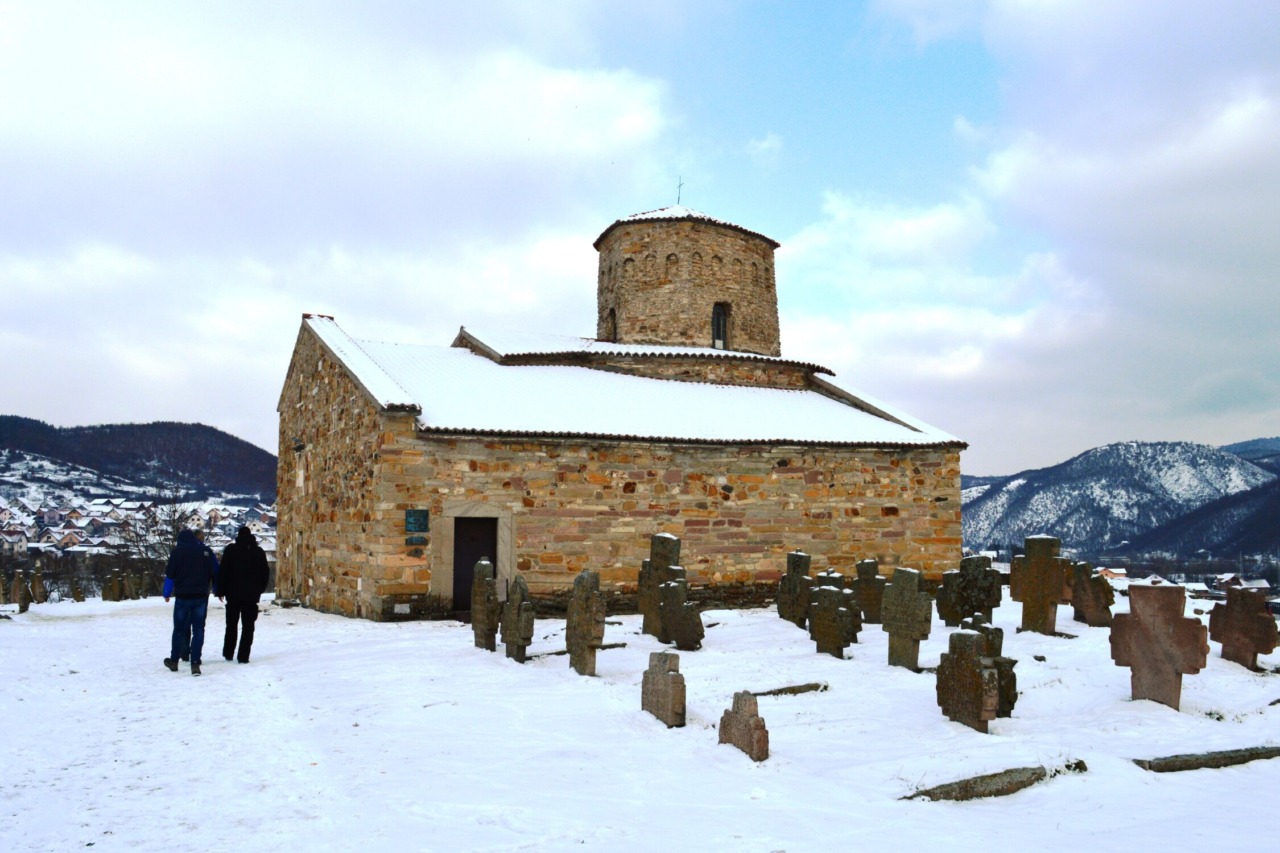
What makes it special:
- the best winter view of Raška and surrounding mountains
- the striking contrast of red and white walls against a snowy backdrop
- a sense of isolation and ancient, almost mythical atmosphere
- ideal wide-angle compositions for winter photography
Winter is the perfect season to visit if you seek spiritual tranquility away from larger monasteries. Nearby are Đurđevi Stupovi and Sopoćani, making Petrova Crkva an essential stop on a winter journey through Old Raška — a region that reveals its most mystical nature under snow.
In winter, you feel as if you’re standing at the top of the world — with a view that awakens and calms at the same time.
Rakovac Monastery – A Hidden Winter Silence in Vojvodina
Why visit in winter:
Rakovac is one of those monasteries where silence is the dominant feature. Snow intensifies the feeling of solitude and intimacy — as if the entire landscape becomes one large, white courtyard.
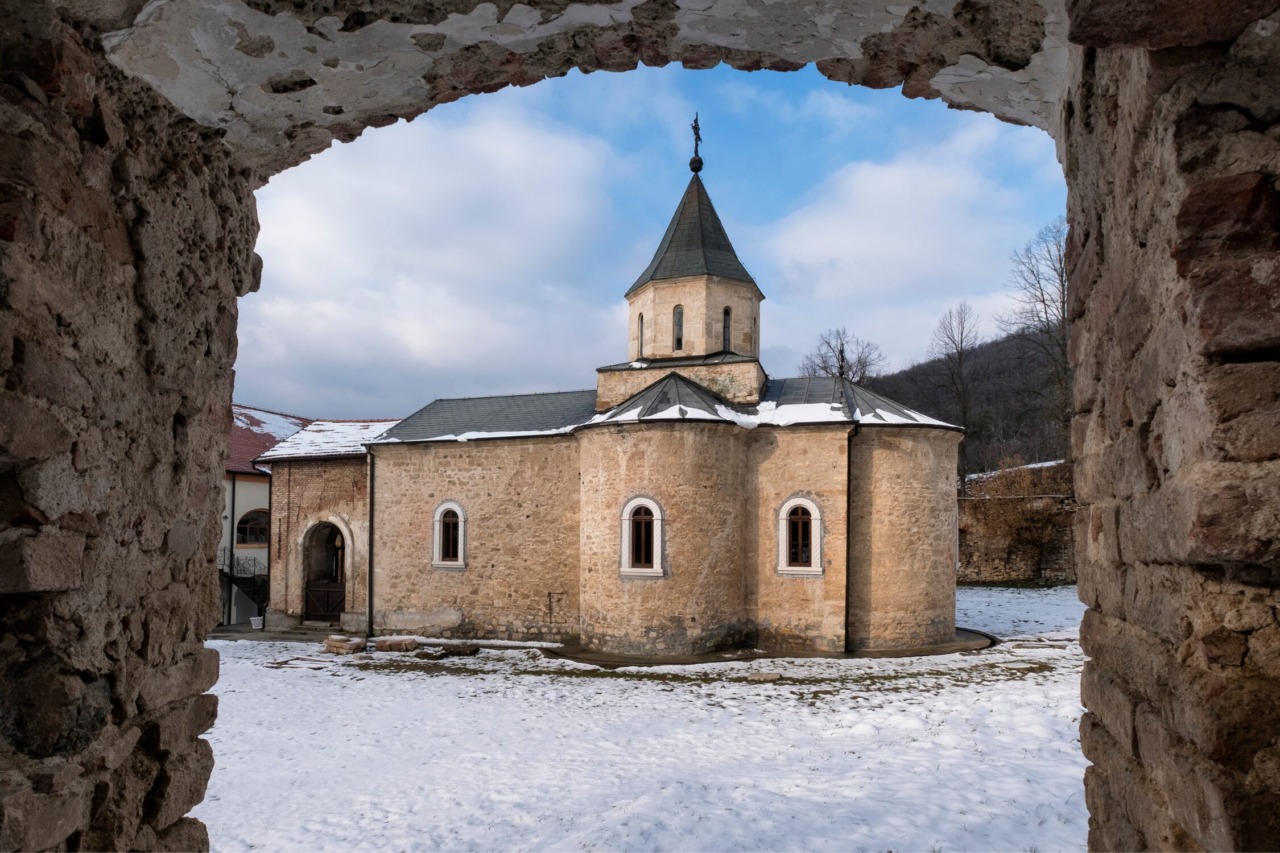
What makes it special:
- a fully natural environment with no visual distractions
- the sound of the stream becomes more pronounced in the quiet winter air
- perfect for travelers seeking mental “cleaning” and slowing down
- small, compact architecture that looks charming under the snow
In winter, Rakovac feels like a place made for one perfect day of peace.
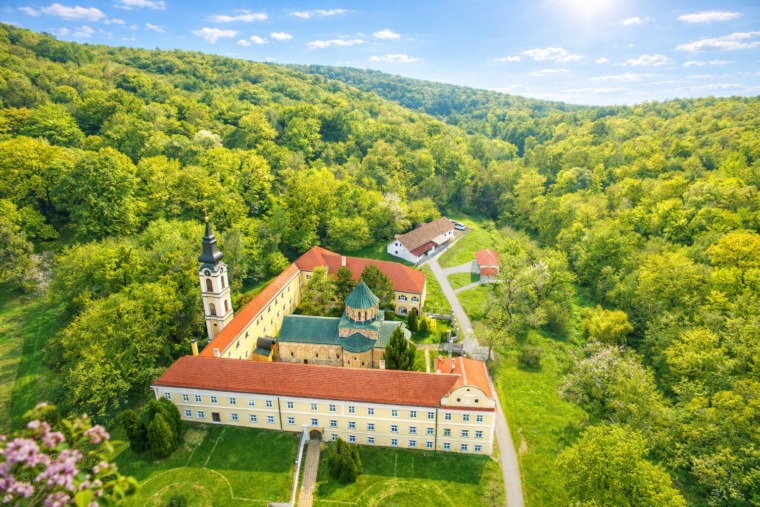
Beočin Monastery – Fruška Gora’s Elegant Winter Story
Why visit in winter:
Fruška Gora is at its most enchanting when coated with a thin, shimmering layer of snow. Beočin then looks like an illustration from an old book — full of color, shadows, and quiet.
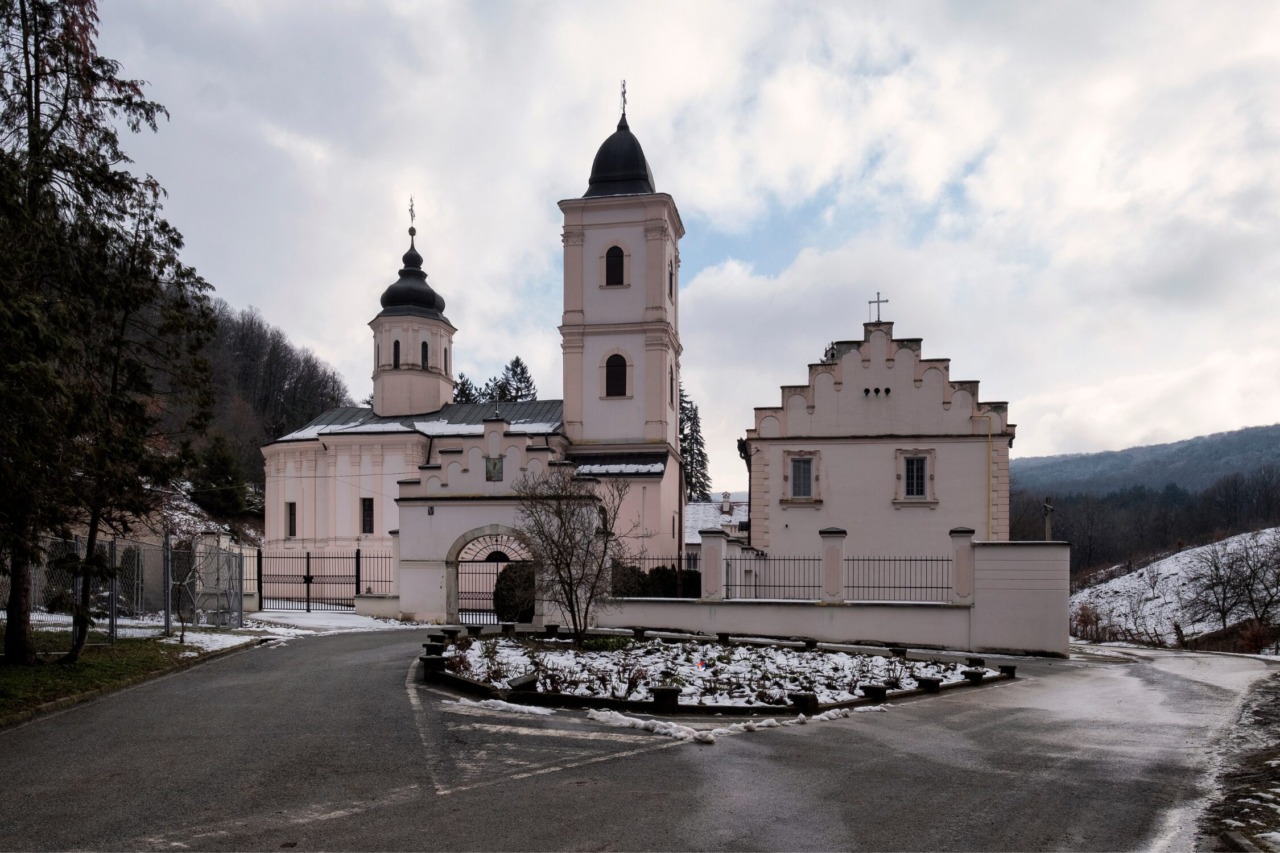
What makes it special:
- a Baroque façade beautifully contrasted by snow
- the gentle rise of kitchen smoke above the monastery
- forest paths ideal for winter photography
- a strong sense of peace even on the coldest days
Beočin is one of Serbia’s most photogenic winter monasteries — glowing in a way summer can’t offer.
Mala Remeta – The Quietest Winter Hideaway of Fruška Gora
Why visit in winter:
Surrounded by dense forest and tucked away from main roads, Mala Remeta feels like a world of its own in winter. Snow absorbs every sound — birds, branches, footsteps.
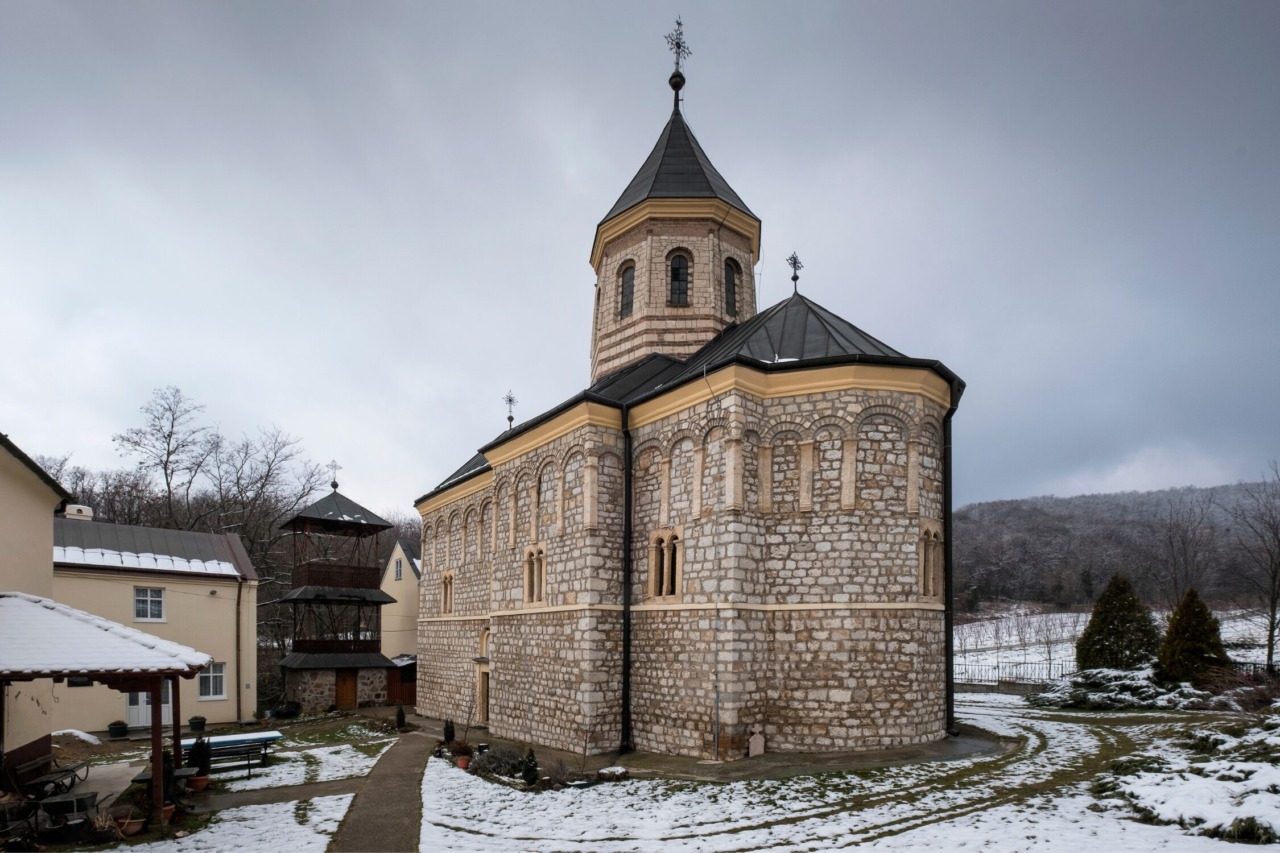
What makes it special:
- pure, uninterrupted silence
- snowy forest “tunnels” leading to the monastery
- white roofs and dark walls forming perfect contrasts
- ideal for travelers seeking complete solitude, without tourists
When snow falls, Mala Remeta feels like it belongs in a fairytale — not in the real world.