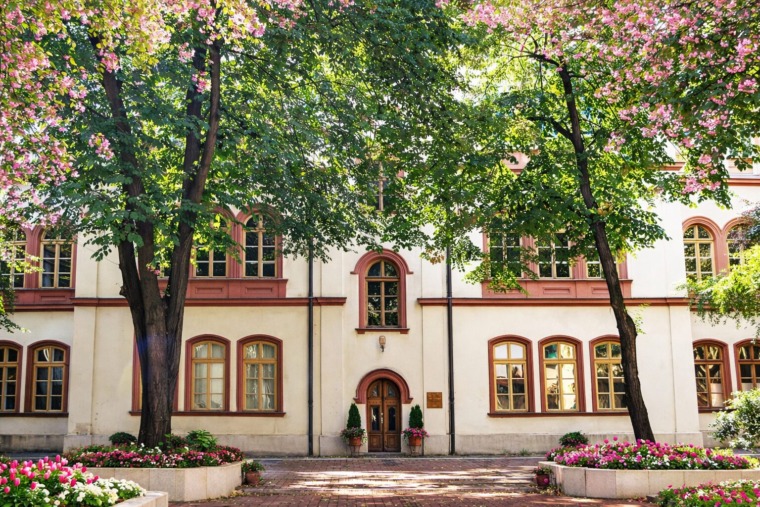
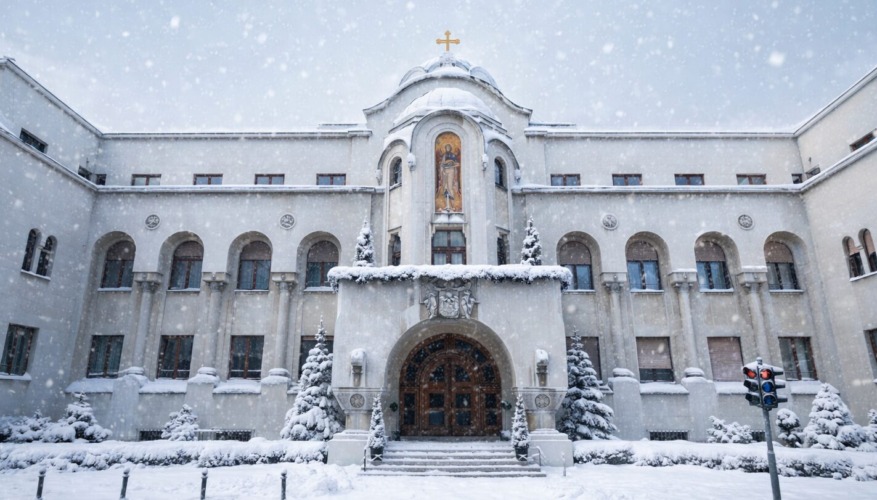
Hidden in the very heart of Belgrade, within the building of the Serbian Orthodox Patriarchate, the Museum of the Serbian Orthodox Church is one of Serbia’s most valuable yet quietly powerful cultural institutions.
This is not a museum to rush through. It is a place where history is not merely observed, but felt. Every object bears the weight of centuries of faith, suffering, creativity, and statehood, making this collection one of the most important sacral treasures in Southeast Europe.
The Birth of a Sacred Treasury
The Museum of the Serbian Orthodox Church was founded in 1954 with a clear mission: to gather, preserve, and present the movable cultural heritage of the Serbian Orthodox Church, once scattered across monasteries, churches, and dioceses throughout the country. Through wars, migrations, and political upheavals, the Church served as the guardian of literacy, art, and national identity — a role powerfully reflected in the museum’s collections today.
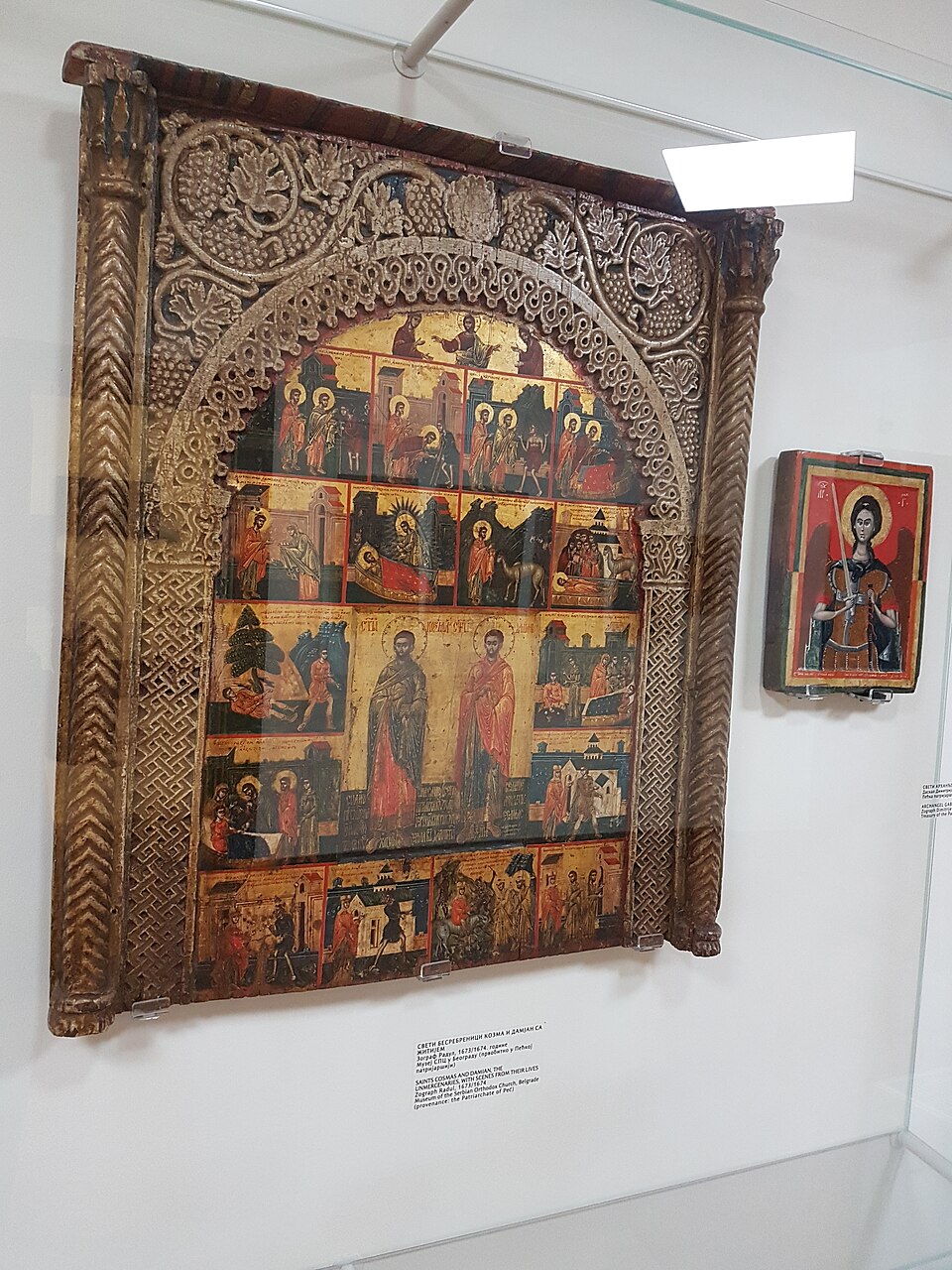
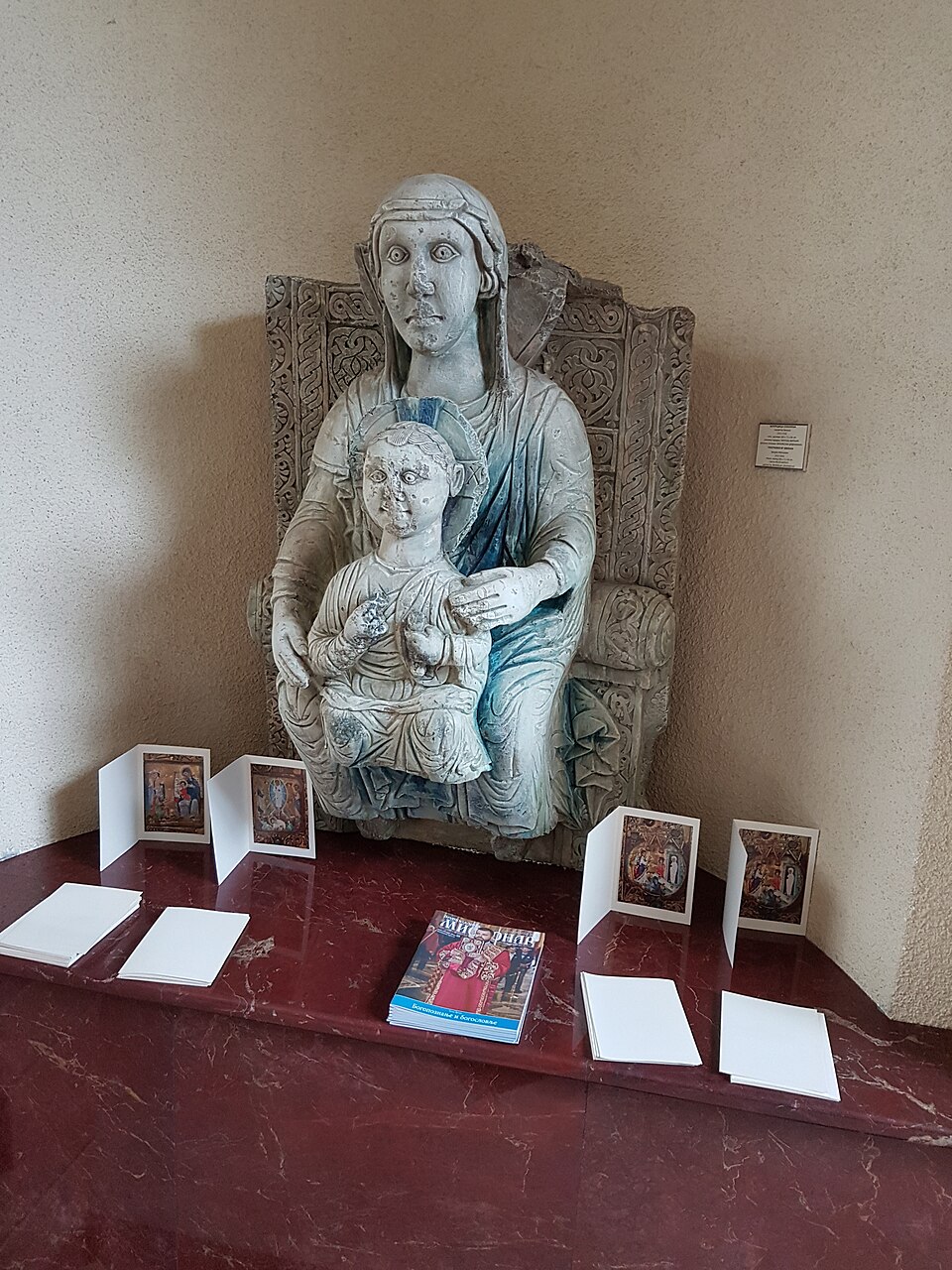
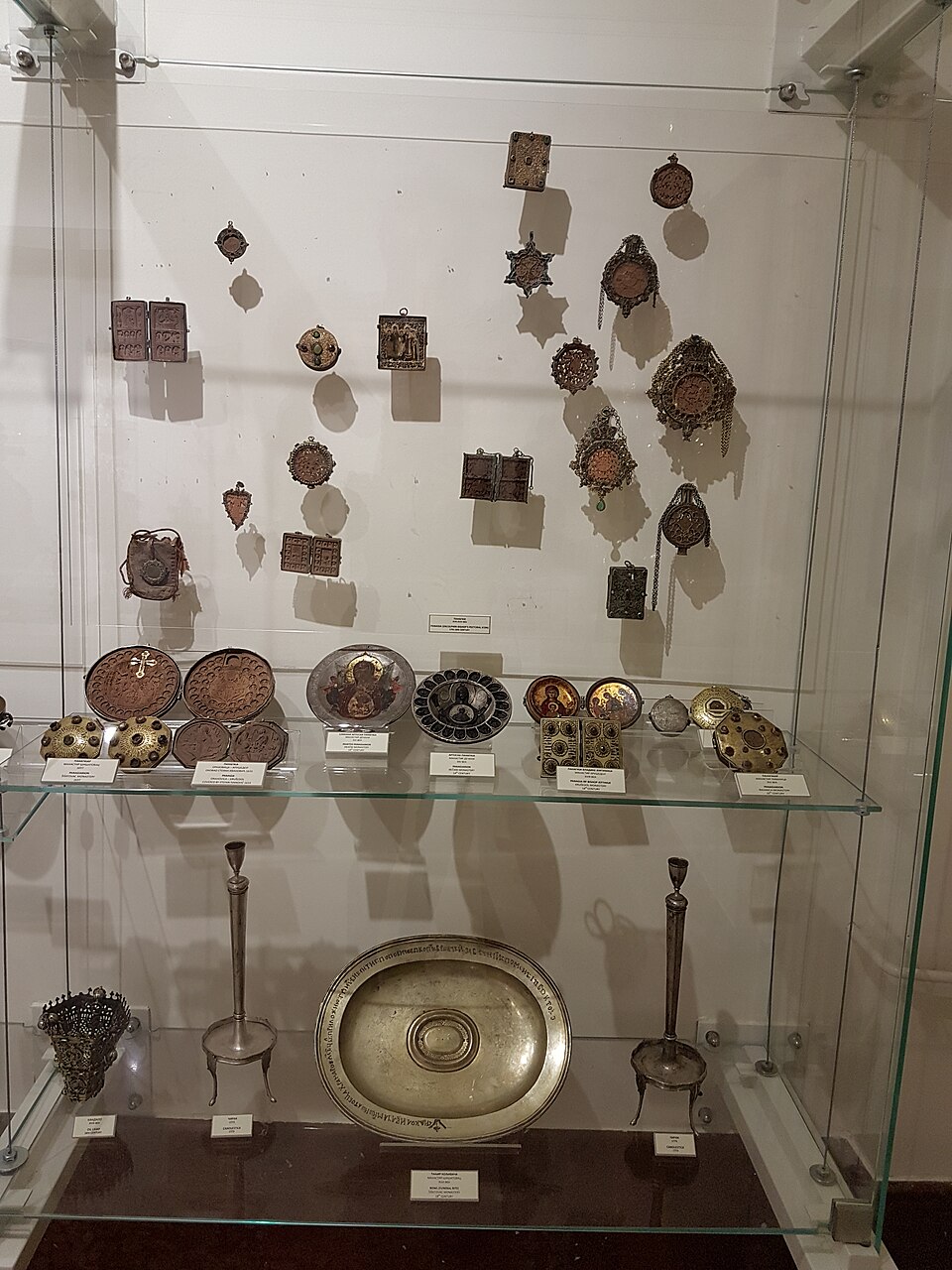
The exhibits span from the Middle Ages to the modern era, with a particular focus on the Nemanjić dynasty and the later spiritual revival under Ottoman rule and in modern Serbia.
Objects That Redefine History
Among more than 30,000 exhibits, there are artifacts whose value lies not only in their age, but in their deep symbolic meaning for Serbian history and identity.
One of the most striking items is the robe of Prince Lazar, ruler and martyr, whose legacy remains central to Serbian collective memory. This garment is far more than court attire — it stands as a silent witness to a defining historical choice and an entire era.
Equally remarkable is the epitaphios (plaštanica) of King Milutin, a masterpiece of medieval textile art and one of the finest preserved examples of its kind. Embroidered with gold and silver threads, it reflects both royal splendor and the profound religiosity of a king who built more churches than any other Serbian ruler.
The museum also preserves the coffin in which King Stefan Dečanski once rested, a deeply moving relic that connects royal lineage, sanctity, and suffering.
Among the most precious written monuments is the “Praise of Prince Lazar” by the nun Jefimija — the earliest known literary work in Serbian culture written by a woman. Embroidered in gold thread, it is a unique fusion of poetry, prayer, personal grief, and spiritual artistry, representing the pinnacle of medieval Serbian devotional expression.
More Than a Museum – A Reflection of a Nation
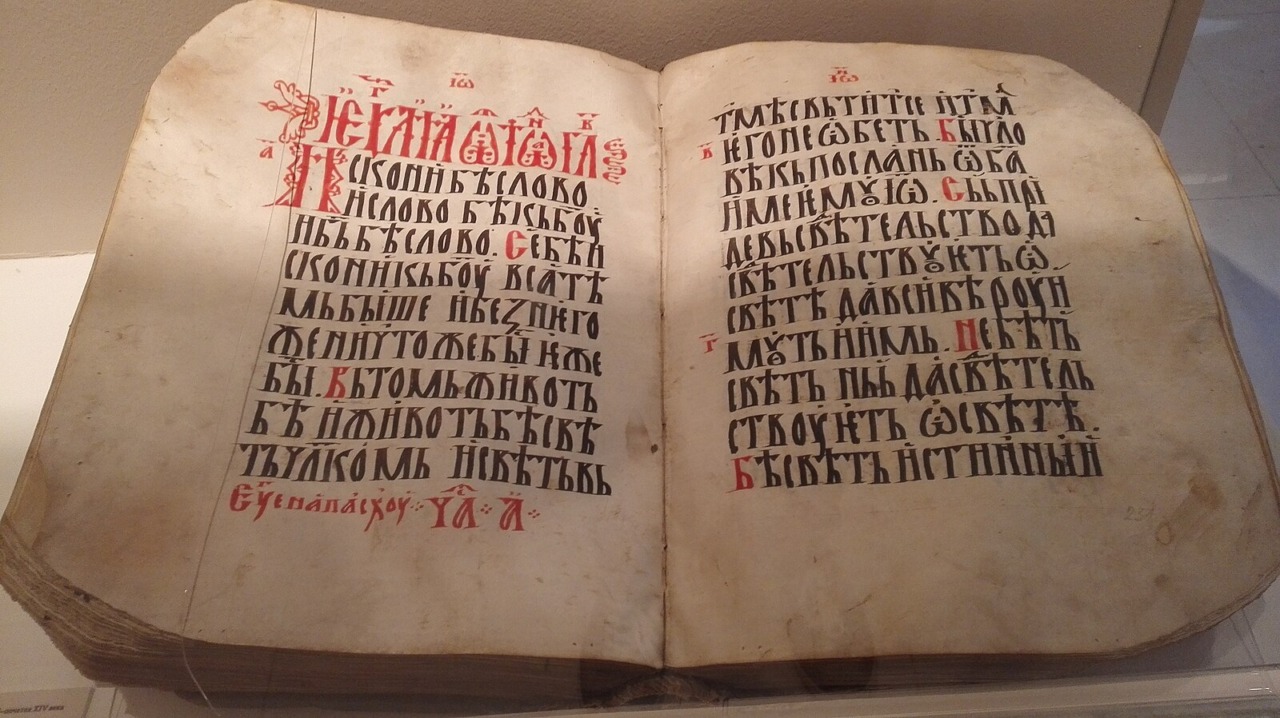
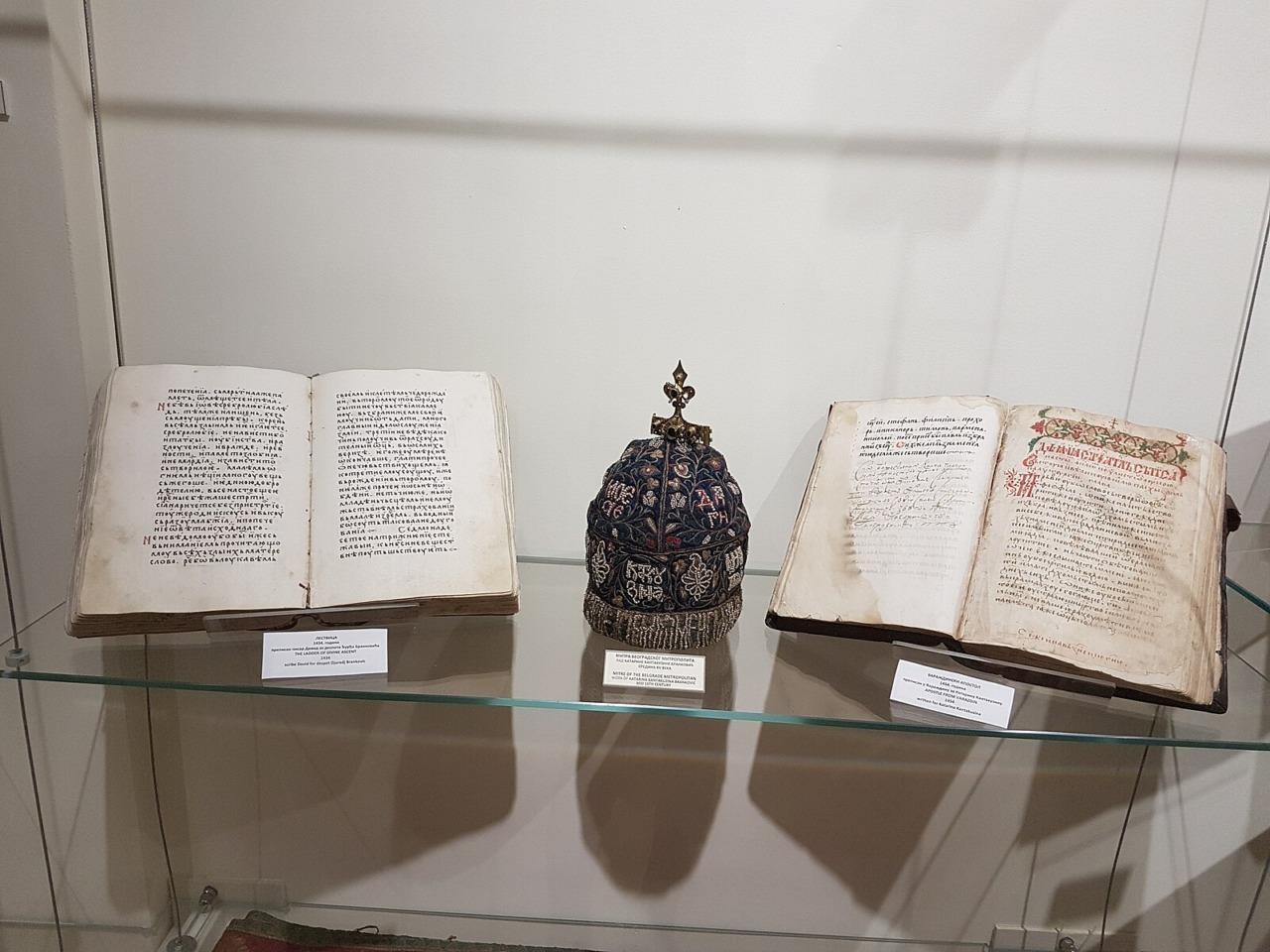
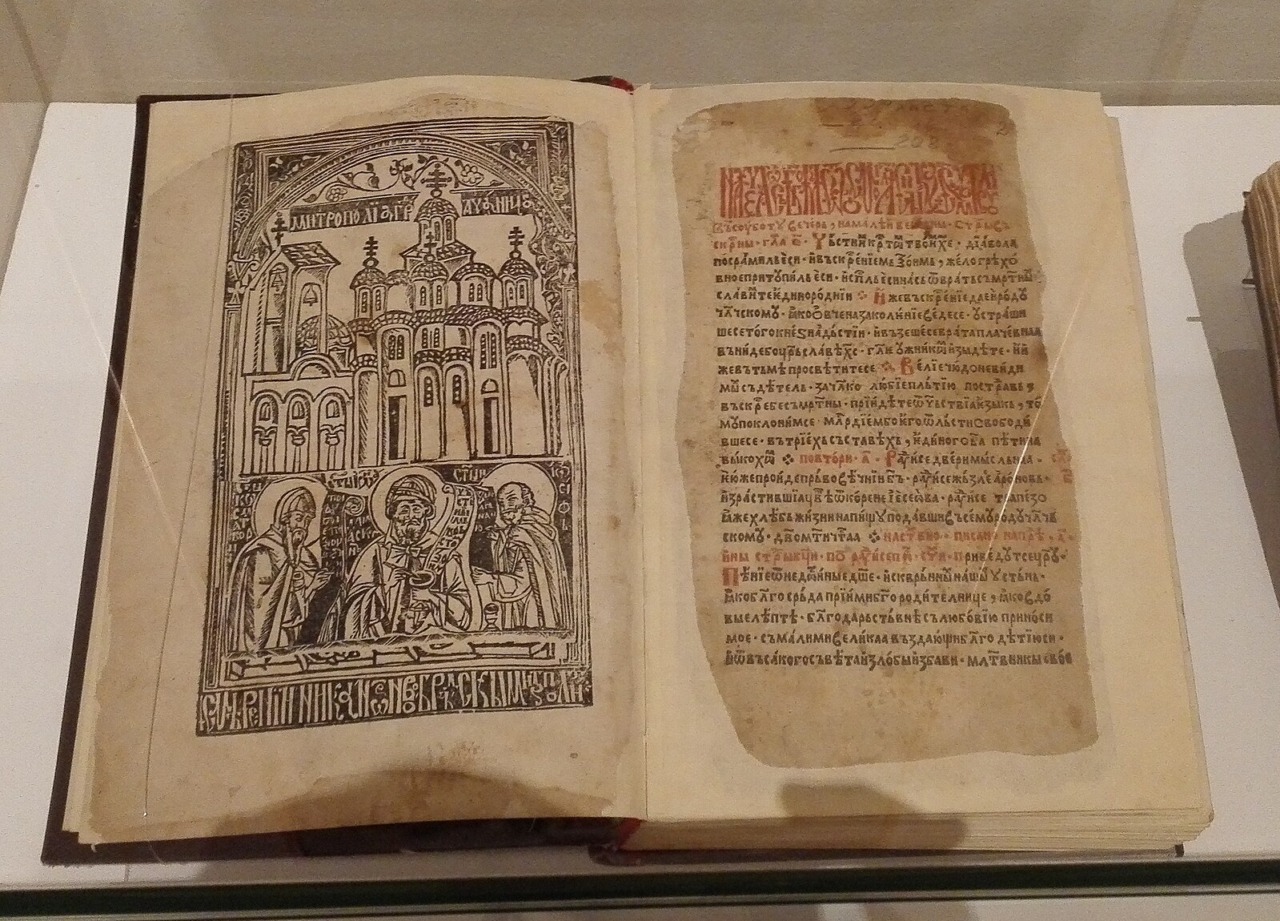
Beyond these iconic relics, the Museum of the Serbian Orthodox Church houses icons, manuscripts, charters, seals, liturgical objects, episcopal vestments, and items of everyday church life. Particularly valuable are manuscripts created in monastic scriptoria and icons that trace the development of Serbian iconography through the centuries.
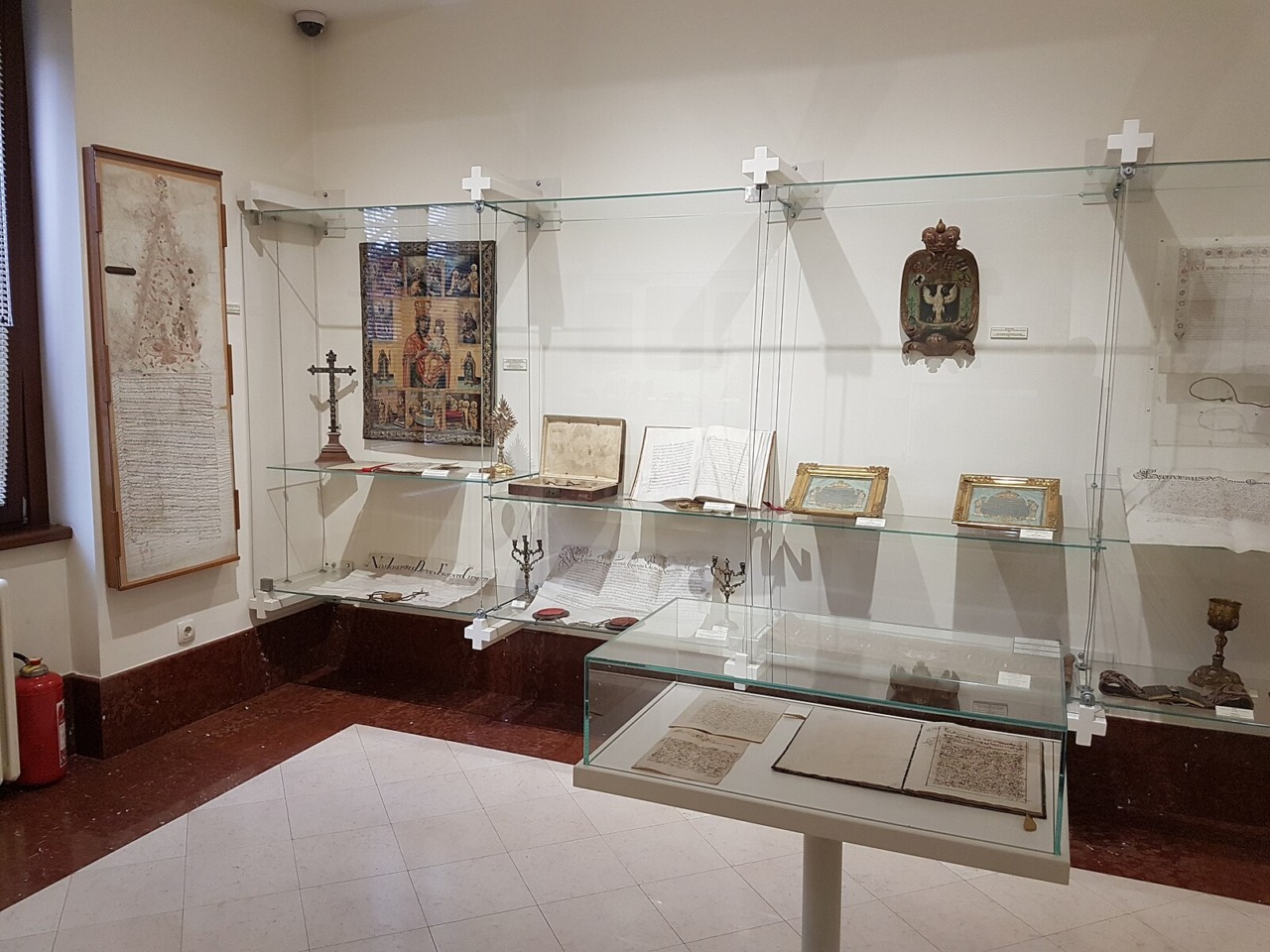
Many exhibits originate from Mount Athos, Jerusalem, Russia, and the Holy Land, highlighting the deep spiritual and cultural connections between Serbia and the wider Orthodox world.
Why the Museum Matters to Visitors
For visitors to Belgrade, this museum offers a rare opportunity to understand why faith, statehood, and culture are inseparable in Serbian history. Even without extensive background knowledge, visitors leave with a clearer picture of Serbian medieval rulers, the role of monasteries as centers of art and literacy, and the resilience of culture in times of hardship.
The museum is especially valuable for international travelers seeking to understand the Balkans beyond clichés — through authentic artifacts, the quiet dignity of the space, and powerful personal stories embedded in each object.
A Quiet Power at the Heart of Belgrade
The Museum of the Serbian Orthodox Church does not rely on spectacle or multimedia effects. Its strength lies in authenticity. In an age of fast information, it offers a slow, profound encounter with the past. For those wishing to experience Belgrade not only as a city of nightlife and architecture, but as a spiritual and historical center of Serbia, this museum is an essential stop.