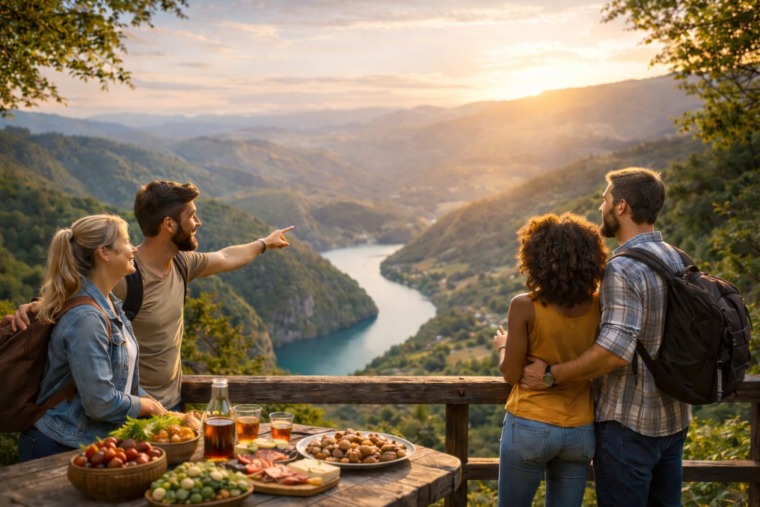

While much of Europe slowly moves on after December 31, Serbia quietly prepares for another celebration – one that feels less staged, more local, and deeply rooted in winter itself. Celebrated on January 13, Serbian New Year offers travelers something increasingly rare: an authentic moment that exists primarily for locals, not tourists.
This is not a repeat of the glittering New Year’s Eve. It is its quieter, warmer, more soulful counterpart – and one of the most underrated reasons to visit Serbia in January.
A Different Rhythm of Winter in Serbia
Serbian New Year unfolds at a slower pace. The streets are colder, the crowds smaller, and the celebrations feel closer to everyday life. Instead of grand countdown spectacles, the night belongs to live music, neighborhood kafanas, church bells, and long conversations over food and rakija.

For travelers, this rhythm is exactly the appeal. January reveals Serbia as it truly is – without filters, fireworks, or forced festivity.
Where to Experience Serbian New Year as a Visitor
Belgrade
In the capital, Serbian New Year blends tradition and urban energy. Kafanas in Skadarlija and Dorćol fill with live music, while city squares host open-air concerts. There is less formality than on December 31, but more spontaneity – and often better music.
Smaller Cities and Towns
Places like Niš, Novi Sad, Kragujevac, Kraljevo, Užice, Kruševac or Valjevo offer a more intimate experience. Celebrations spill from homes into local cafés, with familiar faces, shared tables, and a strong sense of community. For travelers, this is where Serbian New Year feels most genuine.

Mountains and Spas
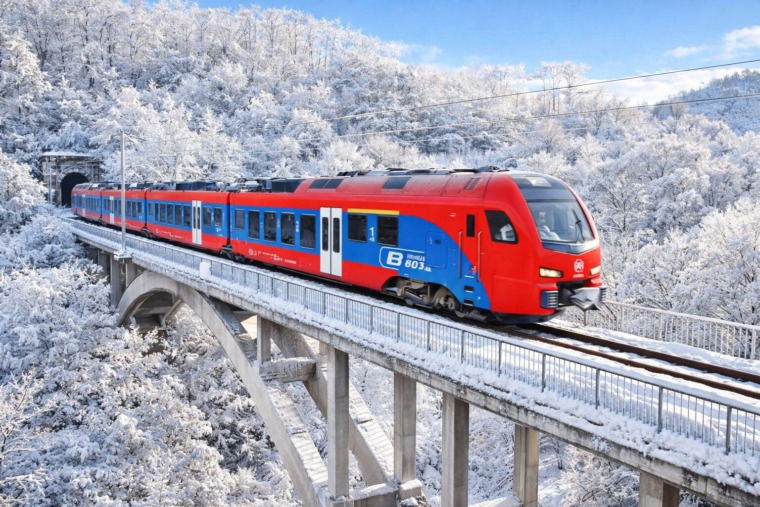
January is peak season for Serbia’s mountains and thermal spas. Celebrating Serbian New Year on Zlatibor, Kopaonik, Stara Planina, or in spa towns like Vrnjačka Banja, Sokobanja and Prolom Banja combines winter landscapes with relaxed evening celebrations – often featuring traditional food, live music, and snowy midnight walks.
What the Night Feels Like
Serbian New Year is less about spectacle and more about atmosphere: the sound of folk and brass music drifting through cold air, the smell of roasted meat and wood smoke and clinking glasses at midnight, without rushing anywhere afterward.
There is no pressure to “do it right.” Many people celebrate at home, others wander from place to place, and some don’t celebrate at all – which makes the night feel natural rather than obligatory.
Food, Music, and Midnight Traditions
Travelers will notice that Serbian New Year tastes like winter:
- slow-cooked meat, hearty stews, and homemade bread
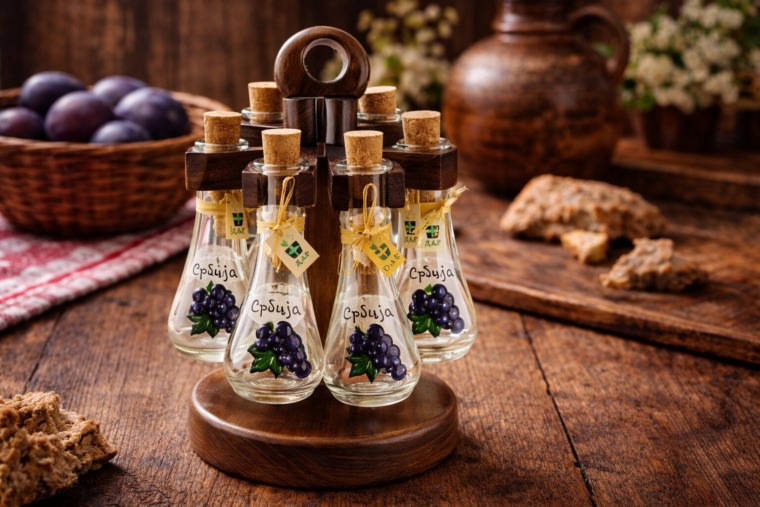
- rakija to warm the hands and start conversations
- live music that invites participation rather than performance
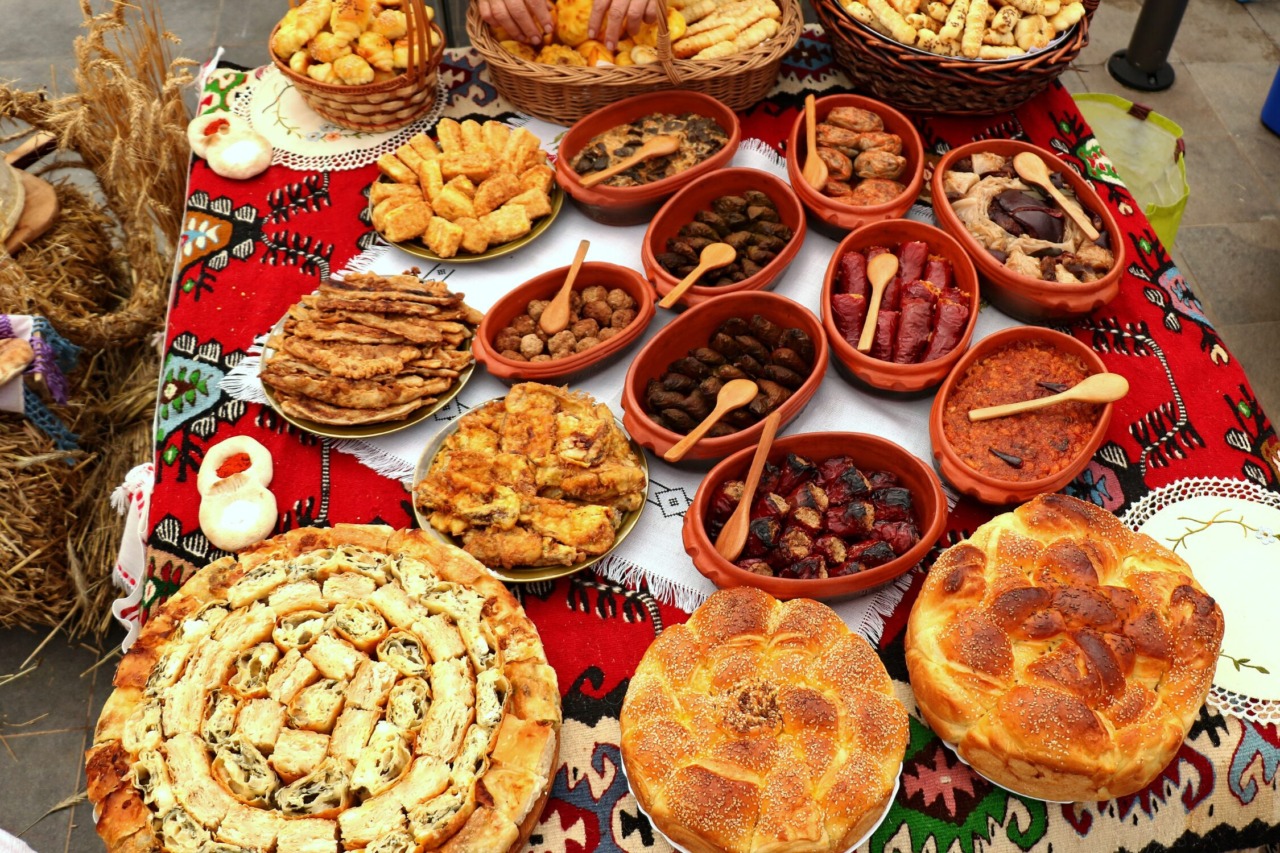
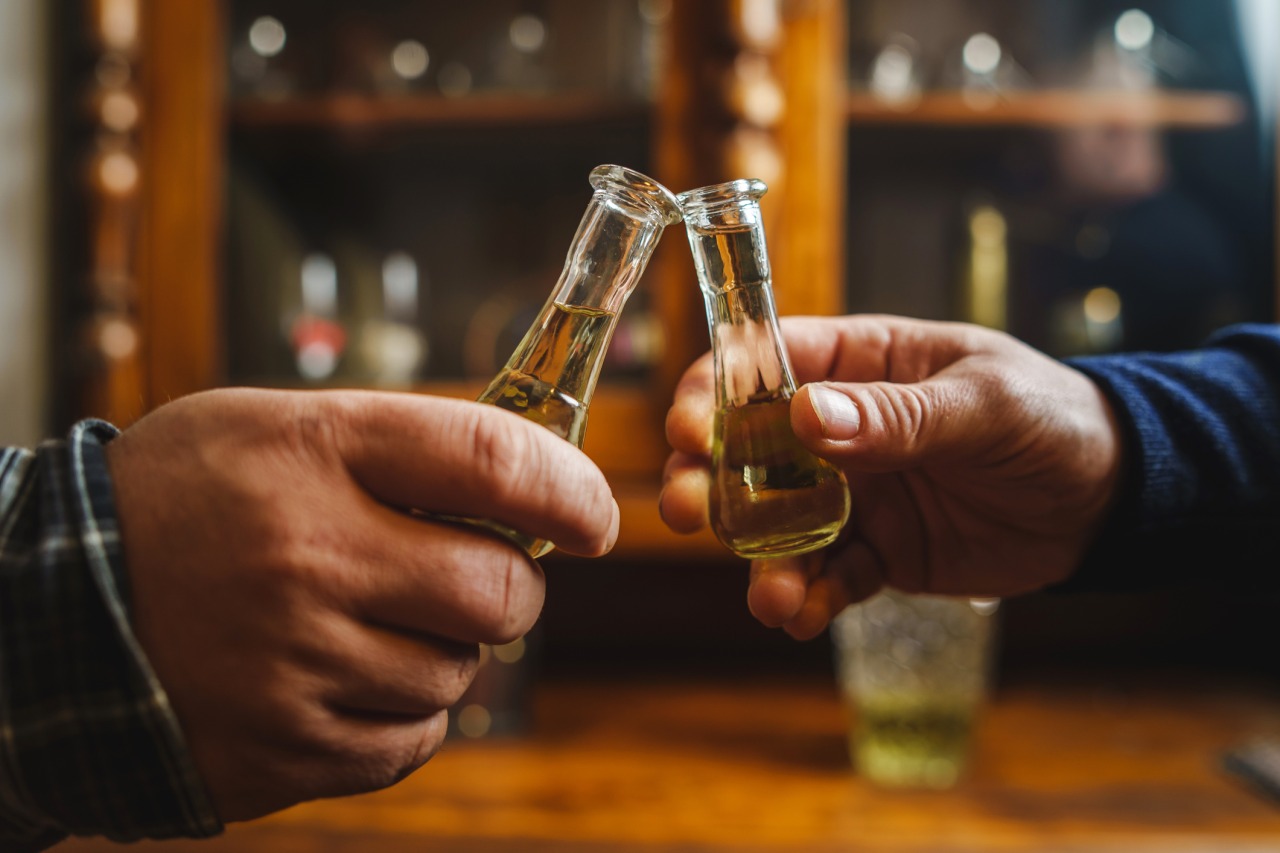
At midnight, celebrations are simple. A toast, a song, sometimes church bells, sometimes fireworks – and then the night continues, unhurried.
Why Serbian New Year Is a Hidden Travel Gem
For visitors, Serbian New Year offers something December rarely does: fewer tourists, lower prices, deeper cultural immersion and real interaction with locals. It is ideal for travelers who value atmosphere over crowds, stories over schedules, and winter landscapes over holiday excess.
Serbian New Year does not try to compete with December 31. It exists alongside it, quietly and confidently. For travelers, that confidence is exactly what makes it special.
If you are looking for a winter journey that feels personal, local, and unpolished – Serbia in January, and its second New Year, might be the experience you didn’t know you were searching for.
Related Articles
5 Little Things in Serbia That Travelers Never Forget
February 20, 2026
Interesting Facts About Sretenje You May Not Know
February 16, 2026
The Sretenje Route: A Guide to Serbia’s Historic Sites
February 15, 2026