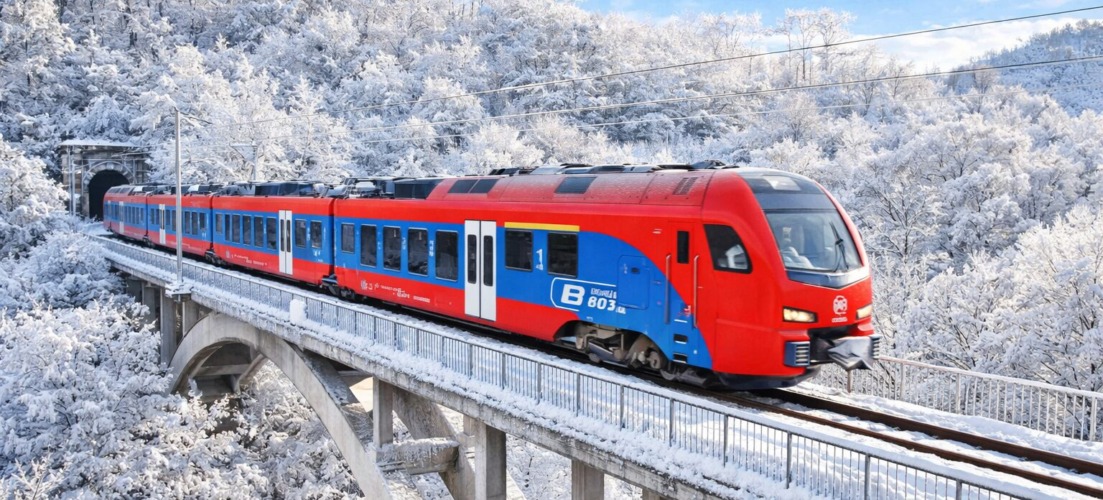
In an age when travel is measured in minutes and destinations are “checked off” in a weekend, train journeys through Serbia offer a quiet alternative. Here, the train is not just transportation. It is a way to experience the country from within – through slowly changing landscapes, villages, rivers, mountains, and towns, seen without haste or filters.
Serbia’s railways connect north and south, plains and mountains, modern cities and places that still follow a slower rhythm. Along these tracks lie stories that cannot be experienced from a car or an airplane.
Belgrade – Novi Sad: A Modern Link Between Two Worlds
The Belgrade–Novi Sad route is currently Serbia’s fastest and most modern railway line. High-speed trains connect the two cities in about an hour, yet the journey still retains its charm.
Leaving Belgrade, urban scenery quickly gives way to the wide plains of Vojvodina. Fields, small settlements, and distant horizons create a sense of calm as the train approaches Novi Sad – a city of culture, festivals, and relaxed riverside life.
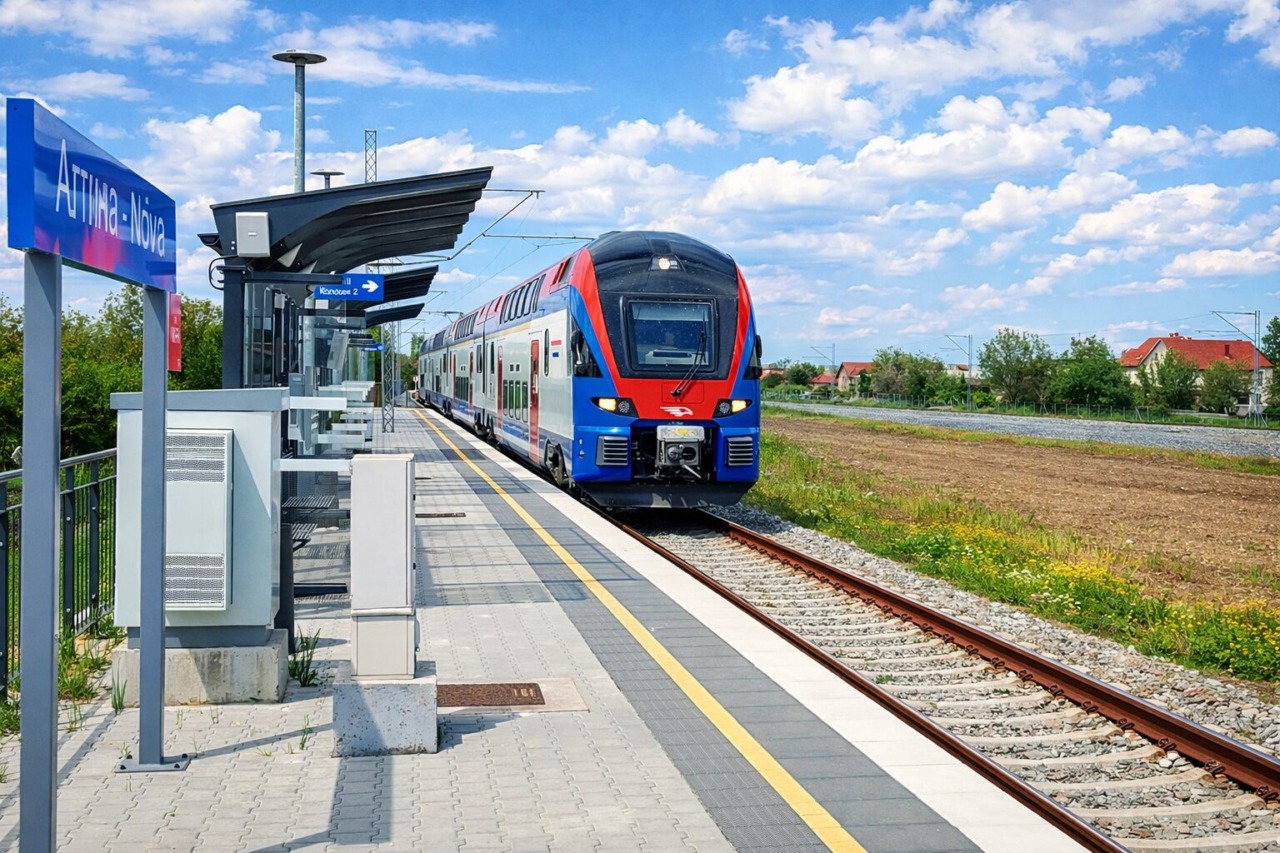
This route is ideal for short trips, weekend escapes, and travelers who want to combine the energy of the capital with the peaceful atmosphere of northern Serbia.
Belgrade – Bar: A Legendary Journey Through Mountains and Sea
Among Europe’s scenic railways, the Belgrade-Bar line holds a special place. It is one of the most impressive railway routes in the Balkans and beyond.
On its way to the Adriatic coast, the train passes through dense forests, deep gorges, mountain passes, monumental bridges, and dozens of tunnels. The bridge over the Mala Rijeka canyon is among the highest railway bridges in Europe.
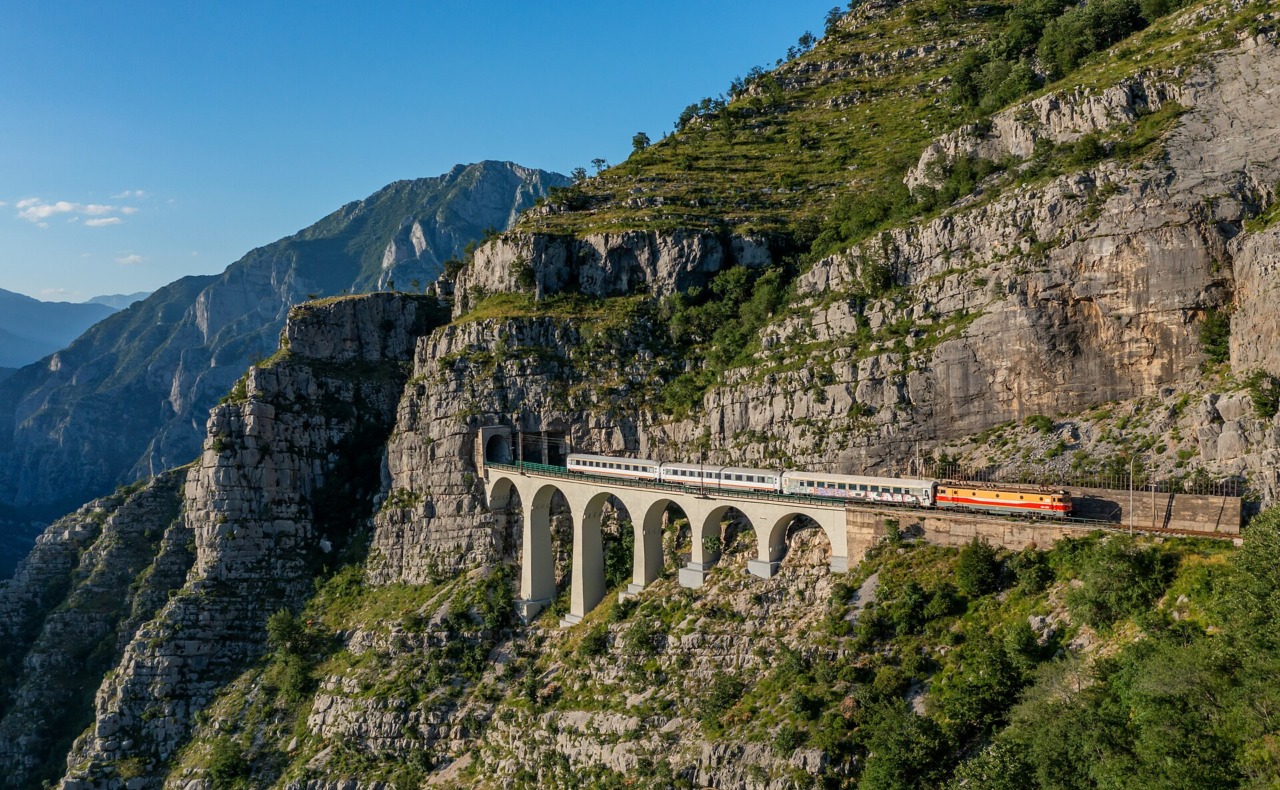
The journey takes several hours, but time passes quickly. Each section brings a new landscape – from central Serbia, through Montenegro’s mountains, to the first glimpse of the sea.
This route is an experience in itself, chosen by many travelers specifically for its views, atmosphere, and sense of crossing multiple worlds in a single day.
Belgrade – Niš: Through the Heart of Serbia
The Belgrade–Niš railway is one of the country’s main transport arteries. It runs through central Serbia, following river valleys, hills, and historic towns.
Slower than the northern high-speed line, this route reveals its beauty through its pace. The landscapes of Šumadija and the Morava valley unfold gradually, offering a glimpse into everyday life in inland Serbia.
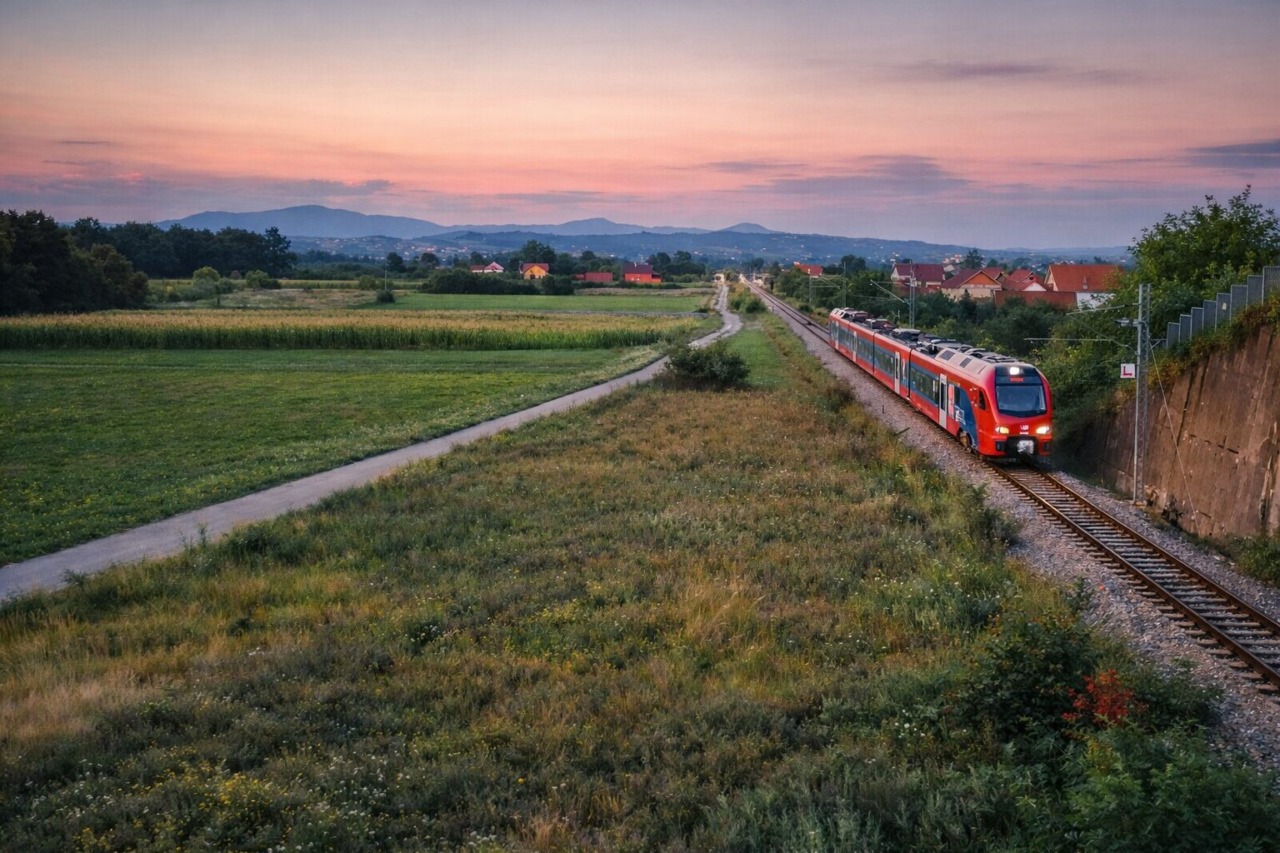
Arriving in Niš means entering one of the oldest cities in the region, rich in Roman, Ottoman, and modern heritage. This route suits travelers interested in Serbia’s cultural and historical depth.
Subotica – Novi Sad: The Quiet Plains of Vojvodina
In northern Serbia, the Subotica–Novi Sad line runs through the heart of Vojvodina. This journey lacks dramatic scenery but offers a subtle, almost meditative beauty.
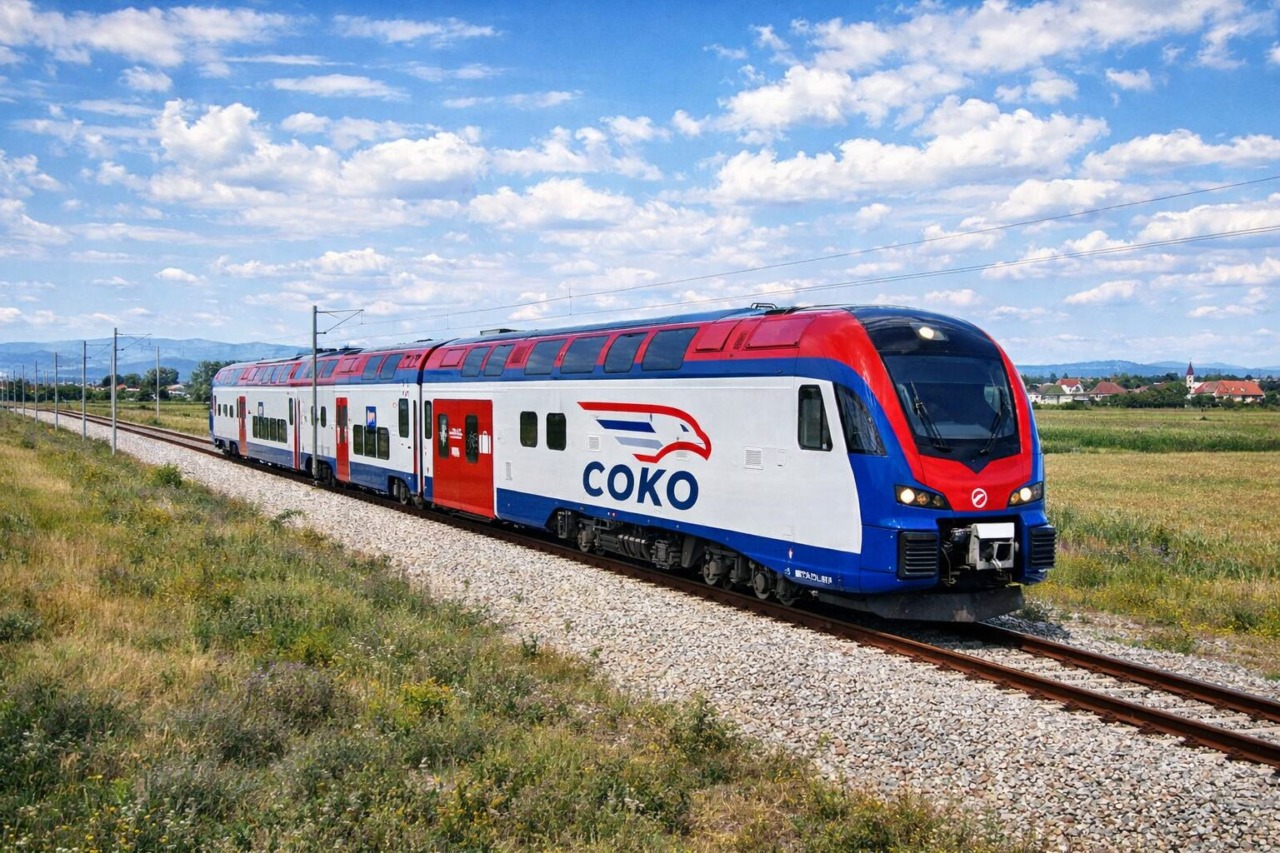
The flat landscape stretches to the horizon, fields change colors with the seasons, and small villages seem frozen in time. The route reveals the region’s multicultural character and agricultural tradition.
Subotica’s Art Nouveau architecture and Novi Sad’s cultural life form a perfect frame for this peaceful journey.
Why Travel by Train in Serbia
Train travel in Serbia offers something increasingly rare: time to observe, reflect, and truly understand a place. It allows travelers to see how cities turn into villages, how architecture and climate slowly change, and how different regions connect. Some routes are fast and modern, others slow and nostalgic, but each tells its own story.
These journeys are for those who want more than arrival – they want experience.
Practical Note
Train schedules in Serbia may change due to infrastructure works and seasonal adjustments. Travelers are advised to check current timetables on the Srbija Voz website or at railway stations before departure.
Related Articles
5 Ideal Spring Tours Through Serbia
March 15, 2026

5 Little Things in Serbia That Travelers Never Forget
February 20, 2026