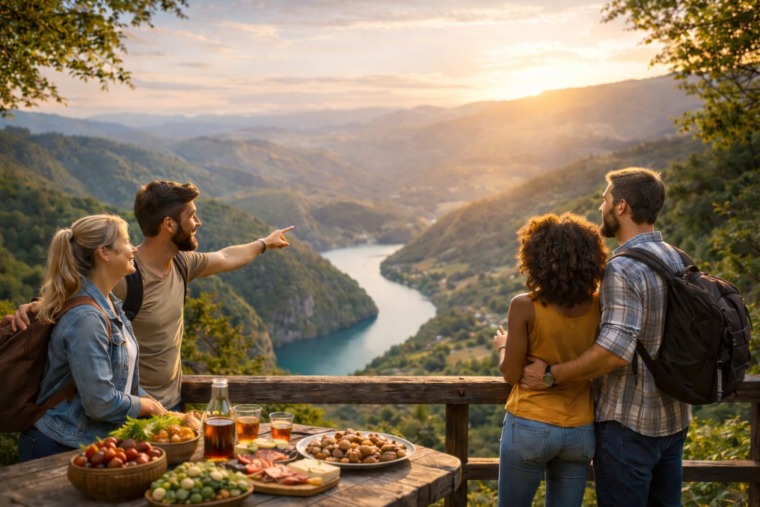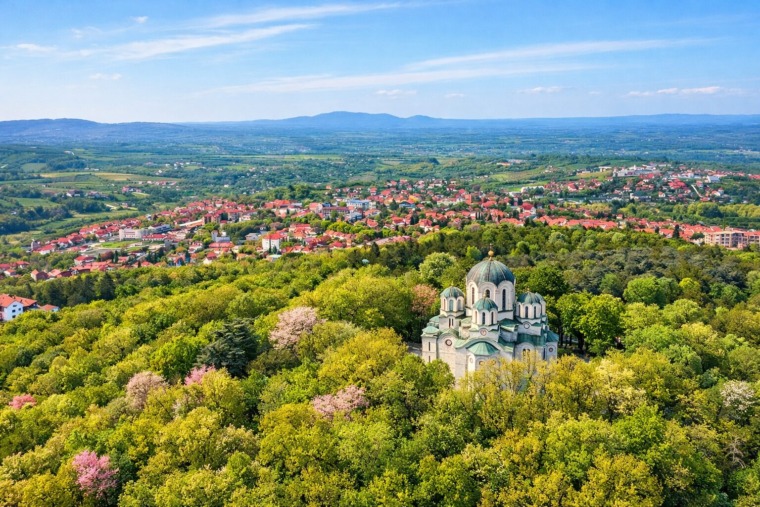
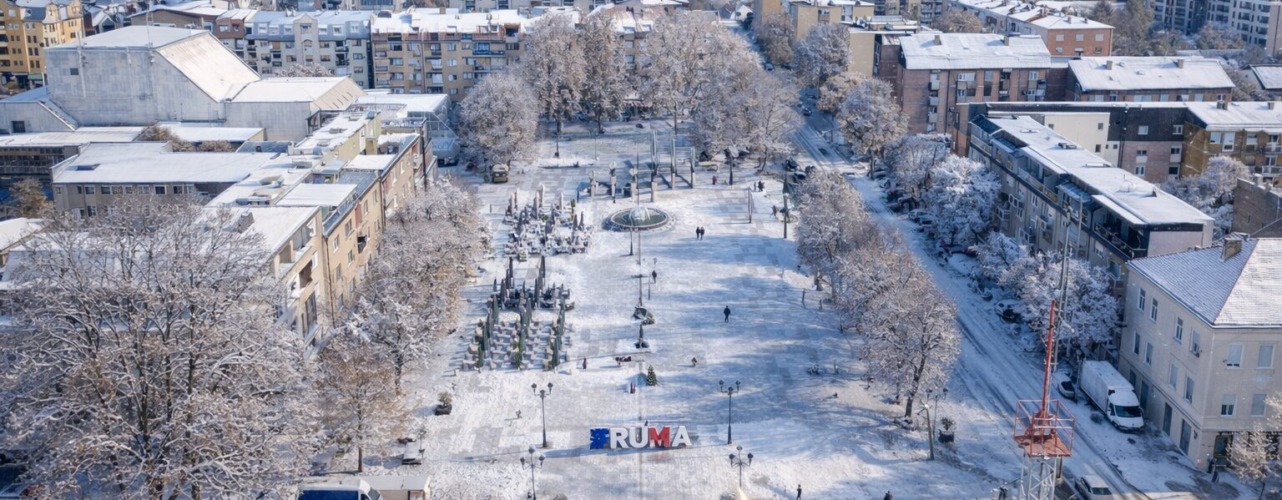
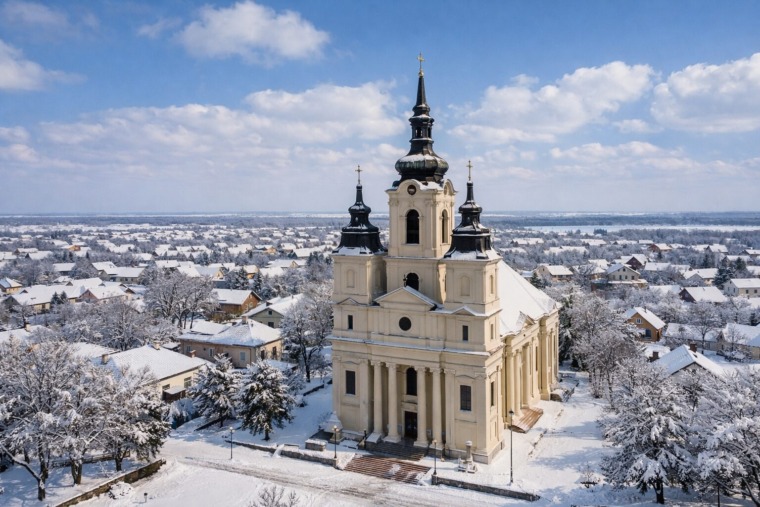
In the heart of the fertile Srem plain, at the crossroads between major cities and peaceful nature, lies Ruma – a town whose story does not reveal itself at first glance, but unfolds gradually through history, architecture, people, and everyday life.
Ruma is not a mass-tourism destination. It is a place for travelers who enjoy slowing down, feeling the local rhythm, and discovering authentic Vojvodina from within.
Traces of an Ancient Past
The area of present-day Ruma has been inhabited since prehistoric times, as evidenced by findings from Gomolava, one of the most important archaeological sites in this part of Europe. The remains found here testify to thousands of years of continuous human presence.
During Roman times, Srem became an important frontier region of the Empire, with Sremska Mitrovica (ancient Sirmium) as one of its administrative and political centers. Near Ruma, the Roman town of Basianae also developed as a significant craft and trade hub.
Through the Migration Period, the Middle Ages, and Ottoman rule, the region underwent numerous changes. The name Ruma was first recorded in the 16th century, in Ottoman registers, as a small settlement on an important trade route.
Its true development began in the 18th century, under Habsburg administration, when the town was built according to a planned urban layout. Streets were designed in a regular grid, construction rules were strictly defined, and settlers from various parts of Europe shaped Ruma’s multicultural character. In 1749, when it gained the status of a free market town, Ruma became an important commercial and craft center of Srem.
A Town Designed for Everyday Life
Modern-day Ruma has preserved the spirit of a carefully planned town. Wide streets, open squares, historic houses, and peaceful parks create a space where life flows without haste.
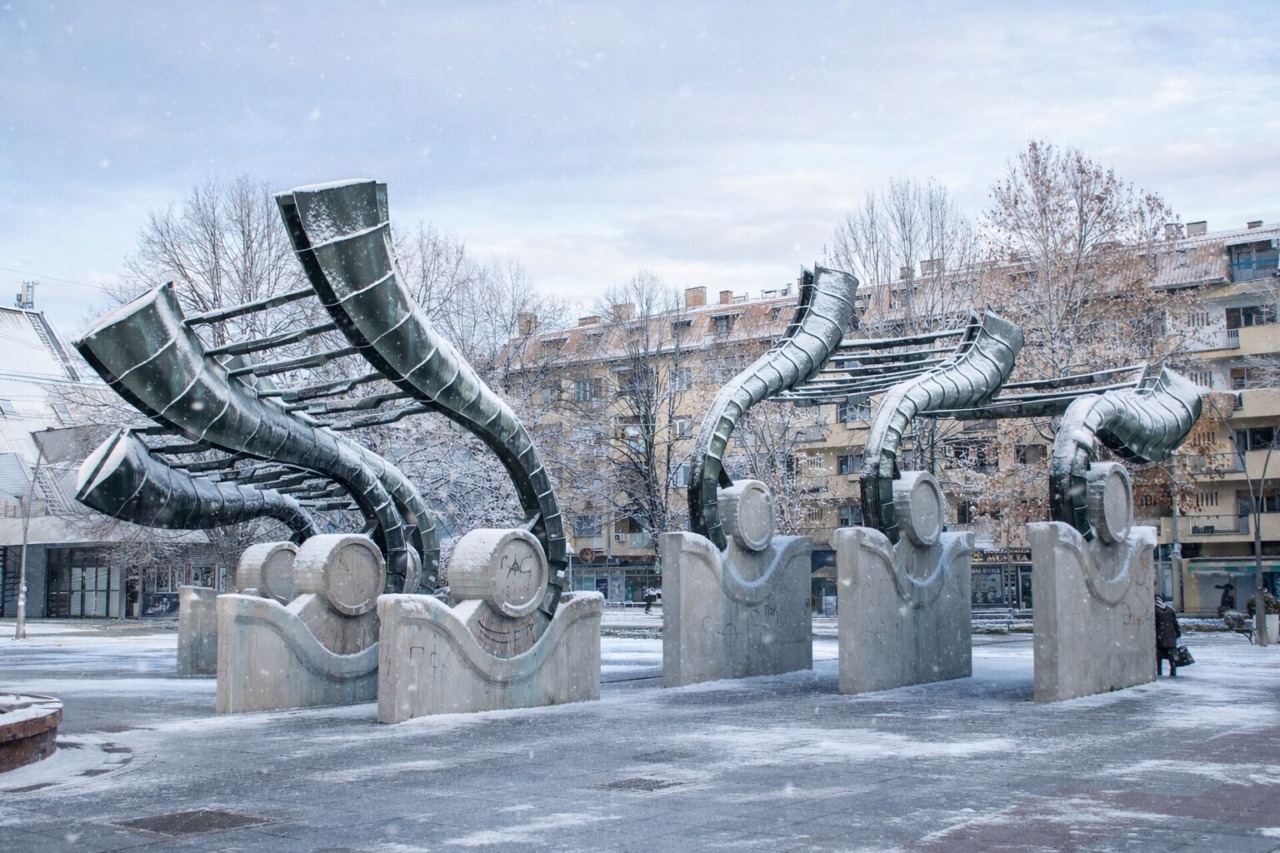
A walk through the center reveals layers of history – from 18th- and 19th-century churches and cultural institutions to contemporary urban spaces. The local museum preserves valuable testimonies about the town’s development, while the Monument to the Revolution stands as one of Ruma’s recognizable landmarks.
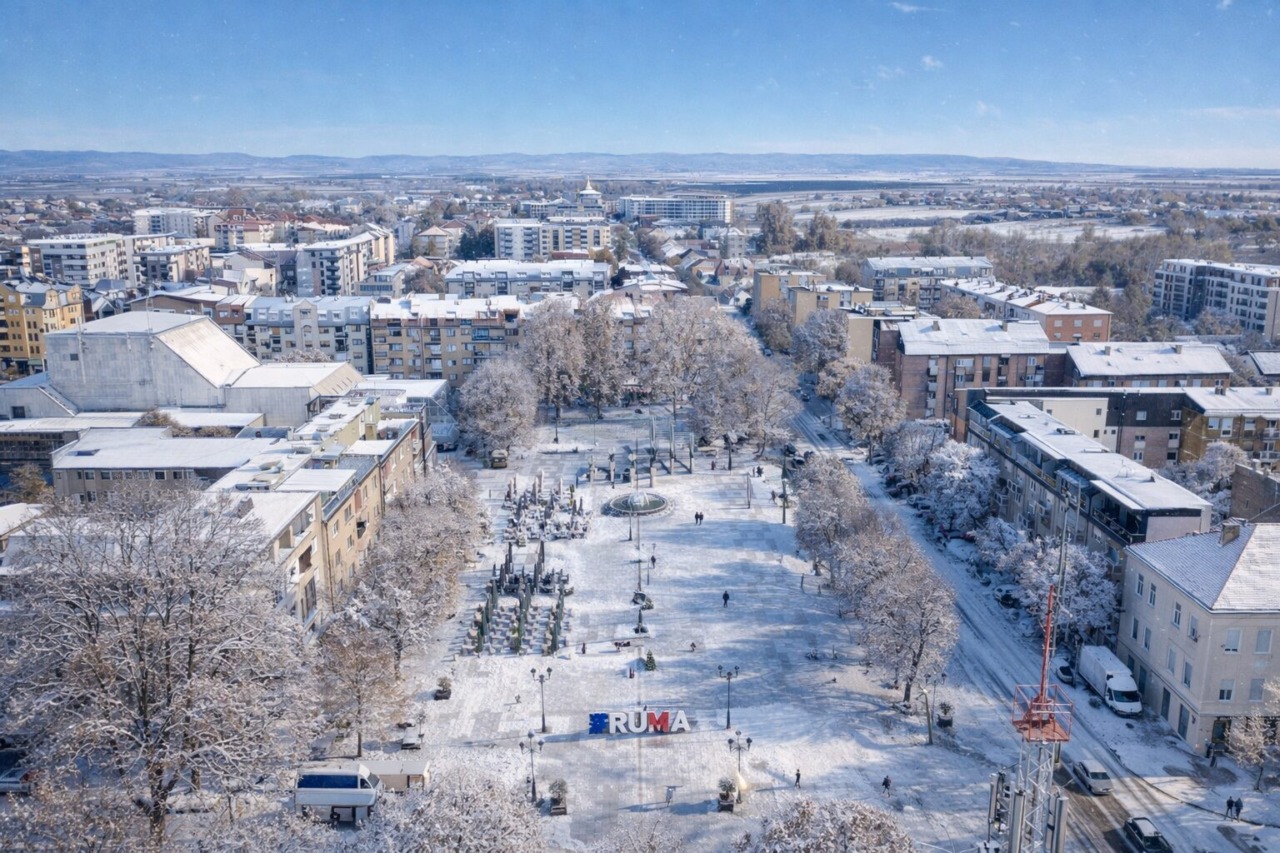
The City Library, named after Atanasije Stojković, reflects the town’s strong intellectual tradition, while numerous annual events give Ruma a lively and modern character.
Between the Plains and Nature
One of Ruma’s greatest advantages is its proximity to nature. Just a few kilometers from the center lies Borkovačko jezero, a favorite getaway for locals and visitors alike. Surrounded by greenery, the lake is ideal for walking, recreation, and escaping the urban routine.
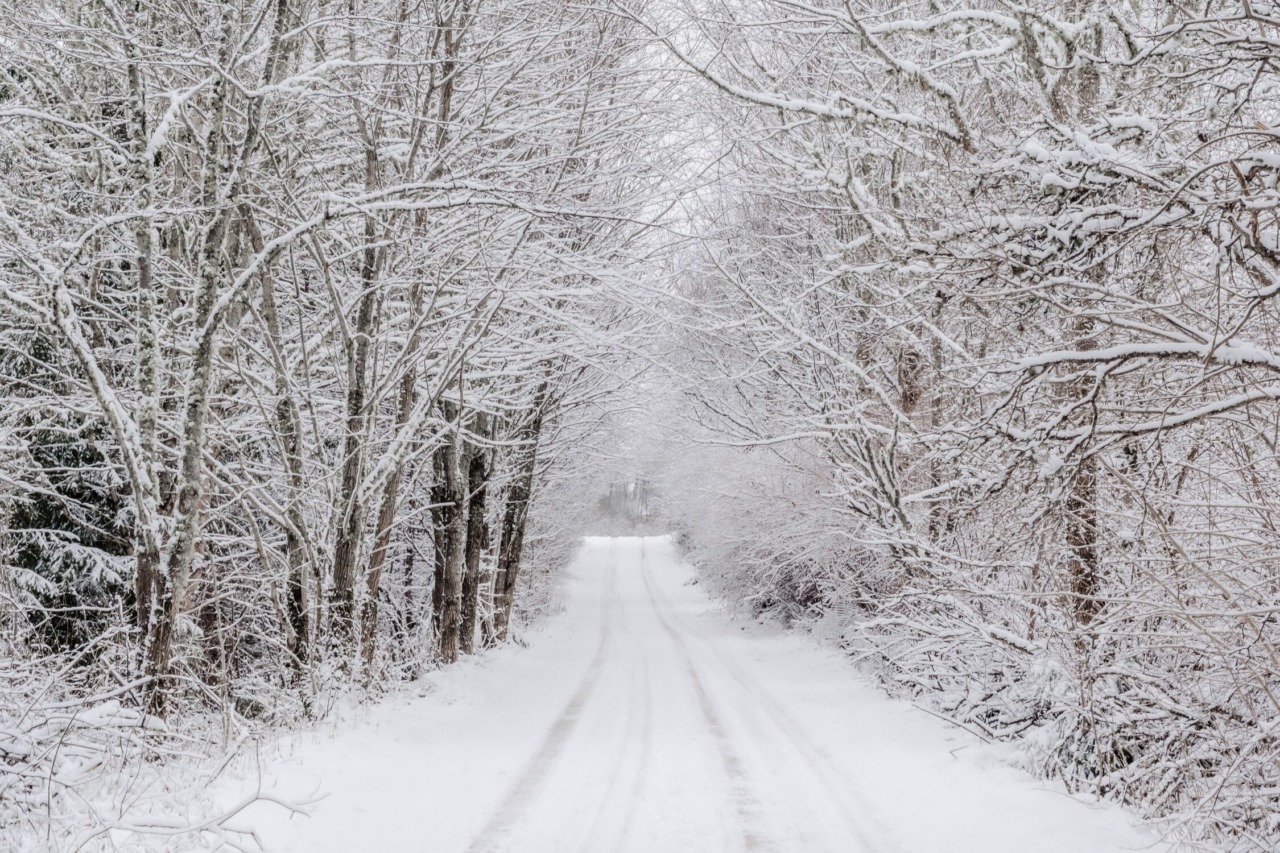
Nearby rises Fruška Gora, a national park known for its monasteries, vineyards, and hiking trails. Thanks to this location, Ruma serves as an excellent base for exploring the natural and cultural heritage of Srem.
Local Life, Events, and Traditions
Ruma has a strong local identity shaped by tradition and community. One of its most recognizable symbols is the Ruma Fair, held every third day of the month since the 18th century. More than just a marketplace, it is a social event that brings together people from across the region.
During the summer months, the town comes alive with cultural programs, concerts, exhibitions, and performances. At that time, Ruma reveals its dynamic and contemporary side.
People Who Shaped Ruma
Throughout its history, Ruma has produced many notable figures in science, culture, and public life. Among them are Atanasije Stojković, Radovan Košutić, and Toša Andrejević Australijanac.
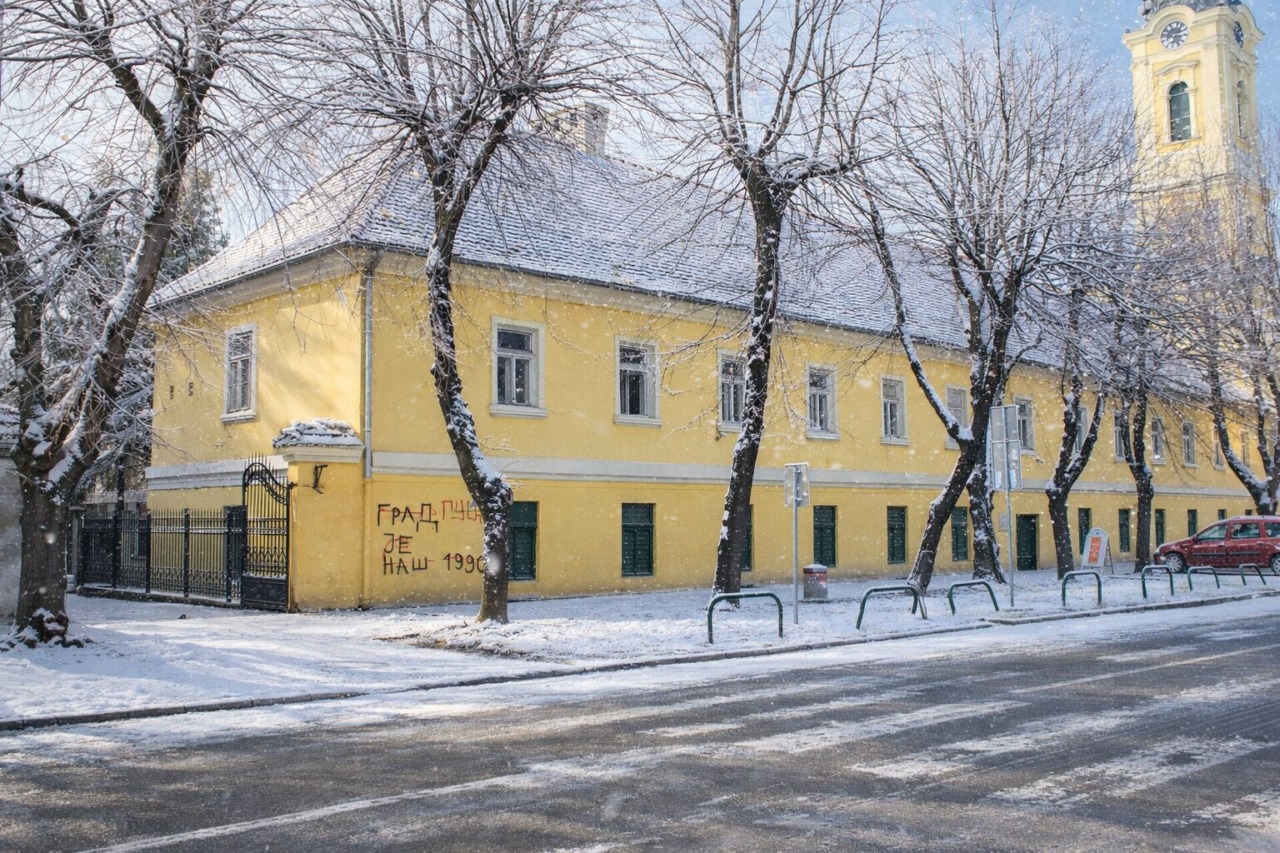
The town’s schools were also attended by prominent personalities such as Isidora Sekulić and Mileva Marić Einstein, further confirming Ruma’s importance as an educational and intellectual center.
Flavors and Atmosphere of Srem
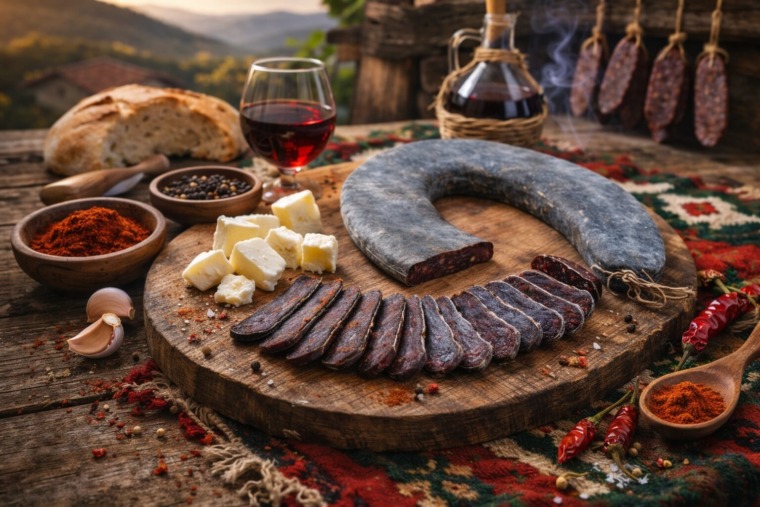
A stay in Ruma is incomplete without experiencing local cuisine. Srem’s gastronomy is based on high-quality domestic products, meat specialties, traditional pastries, and wines from nearby vineyards.
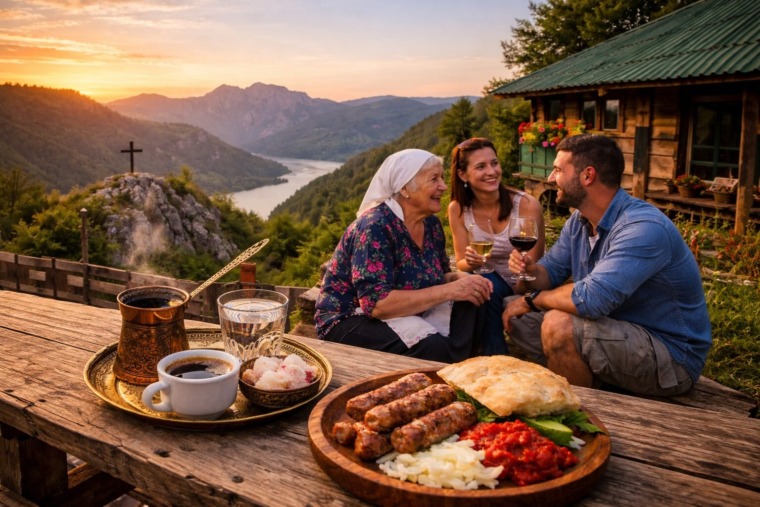
In restaurants, traditional taverns, and family-run establishments, the spirit of hospitality is still carefully preserved, making visitors quickly feel at home.
Ruma as a Slow Travel Destination
Ruma is not a town to be “conquered” in a single day. It is discovered slowly – through conversations with locals, morning walks, quiet evenings on the main square, and excursions into the surrounding countryside.
For travelers seeking authentic places, local stories, and a balance between history, nature, and modern life, Ruma is an ideal destination. Subtle, unpretentious, and sincere, it remains in memory precisely because of its simple yet profound charm.
Related Articles

5 Little Things in Serbia That Travelers Never Forget
February 20, 2026
Interesting Facts About Sretenje You May Not Know
February 16, 2026
The Sretenje Route: A Guide to Serbia’s Historic Sites
February 15, 2026