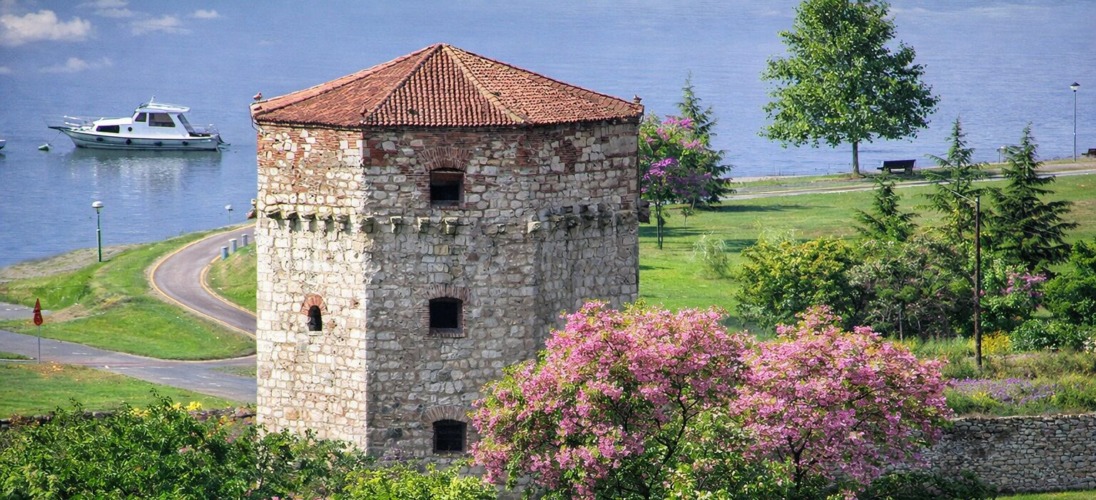
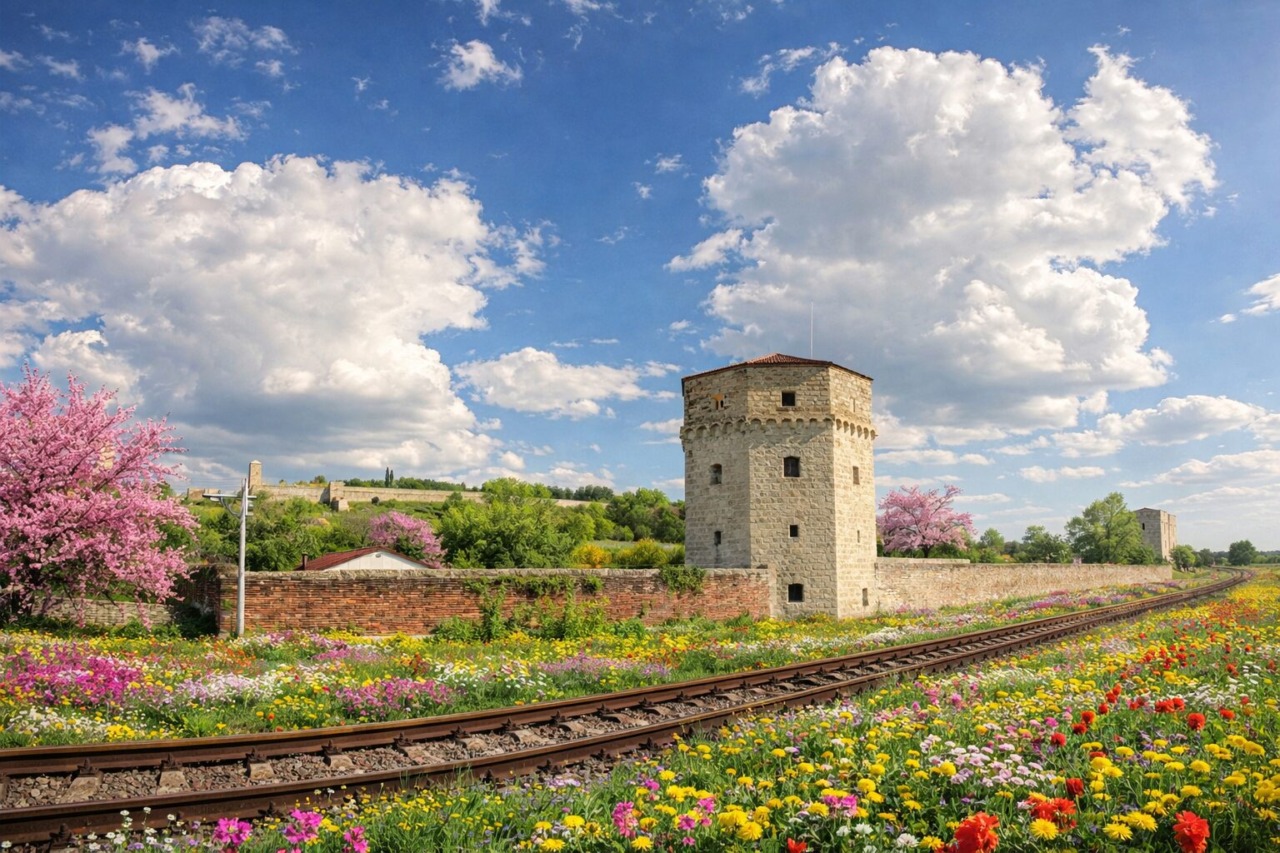
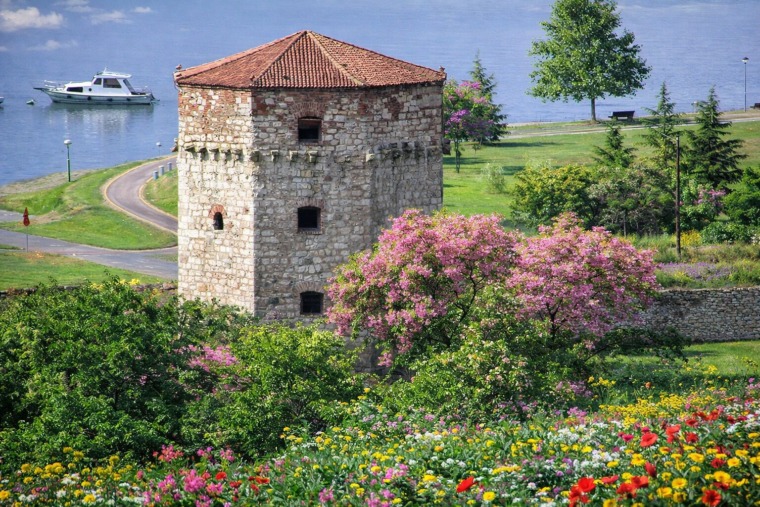
At the confluence of the Sava and Danube rivers, in the lower section of the Belgrade Fortress, stands Nebojša Tower – one of the most important historical landmarks in Belgrade and the only well-preserved medieval structure of its kind in the city. Today, it represents far more than a defensive tower – it is a powerful symbol of resistance, suffering, and the layered history of Belgrade.
A Witness to Turbulent History
Built around 1460, Nebojša Tower belongs to the earliest type of artillery towers designed to withstand cannon fire. At the time of its construction, it was considered a remarkable achievement in military architecture and played a crucial role in defending Belgrade from the advancing Ottoman Empire.
As part of the broader defensive system known as the “Bulwark of Christianity,” the tower helped protect Central Europe from Ottoman expansion. Its strategic position along the Danube allowed control over river access, making it one of the fortress’s most important strongholds.
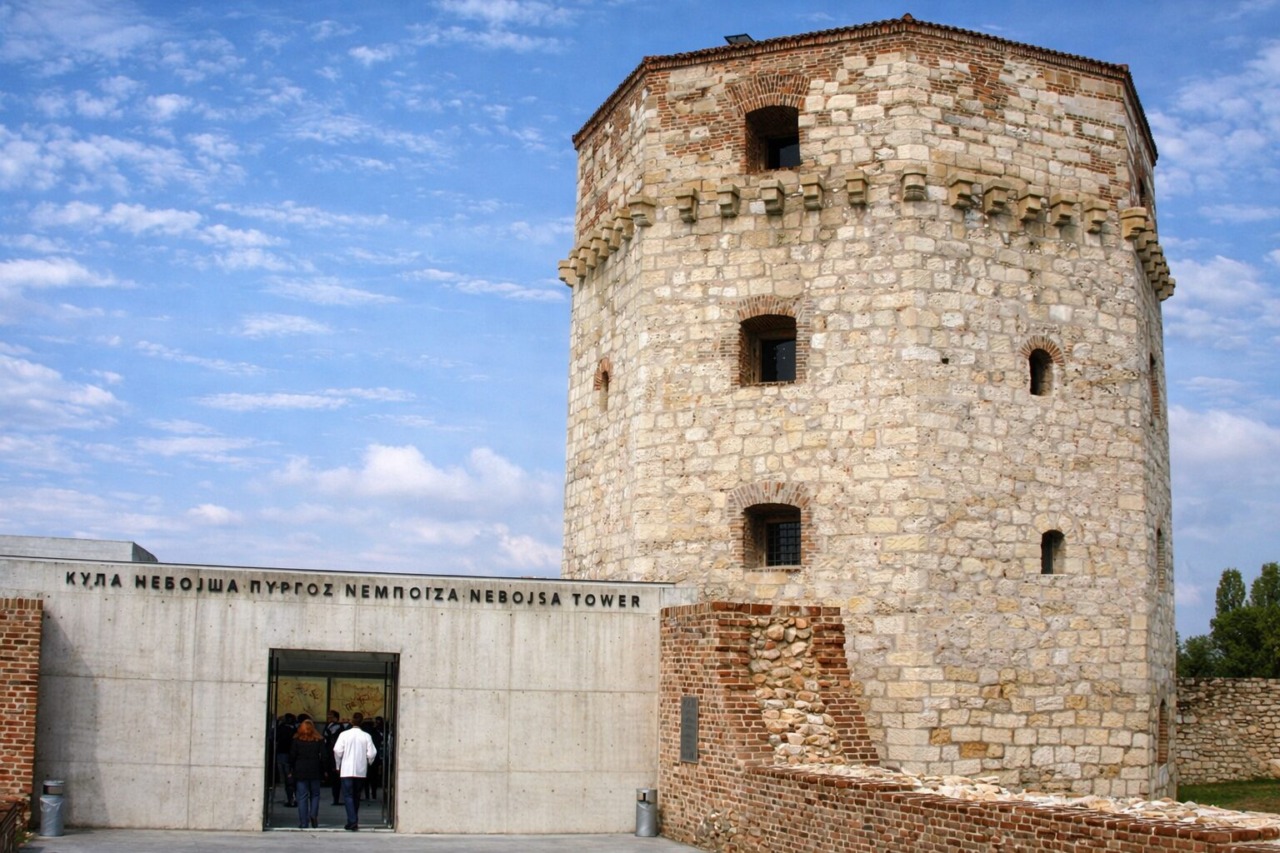
During the siege of Belgrade in 1521, the tower’s cannons fiercely resisted the attackers. Only after it was set on fire did the defense collapse, leading to the city’s fall during the Ottoman conquest of Belgrade 1521.
From Fortress to Prison
Over time, Nebojša Tower lost its military function and underwent a dramatic transformation – it became one of the most notorious prisons in Belgrade.
During Ottoman rule, especially in the late 18th and early 19th centuries, it stood as a symbol of repression. Many fighters for the liberation of Balkan nations were imprisoned and executed here.
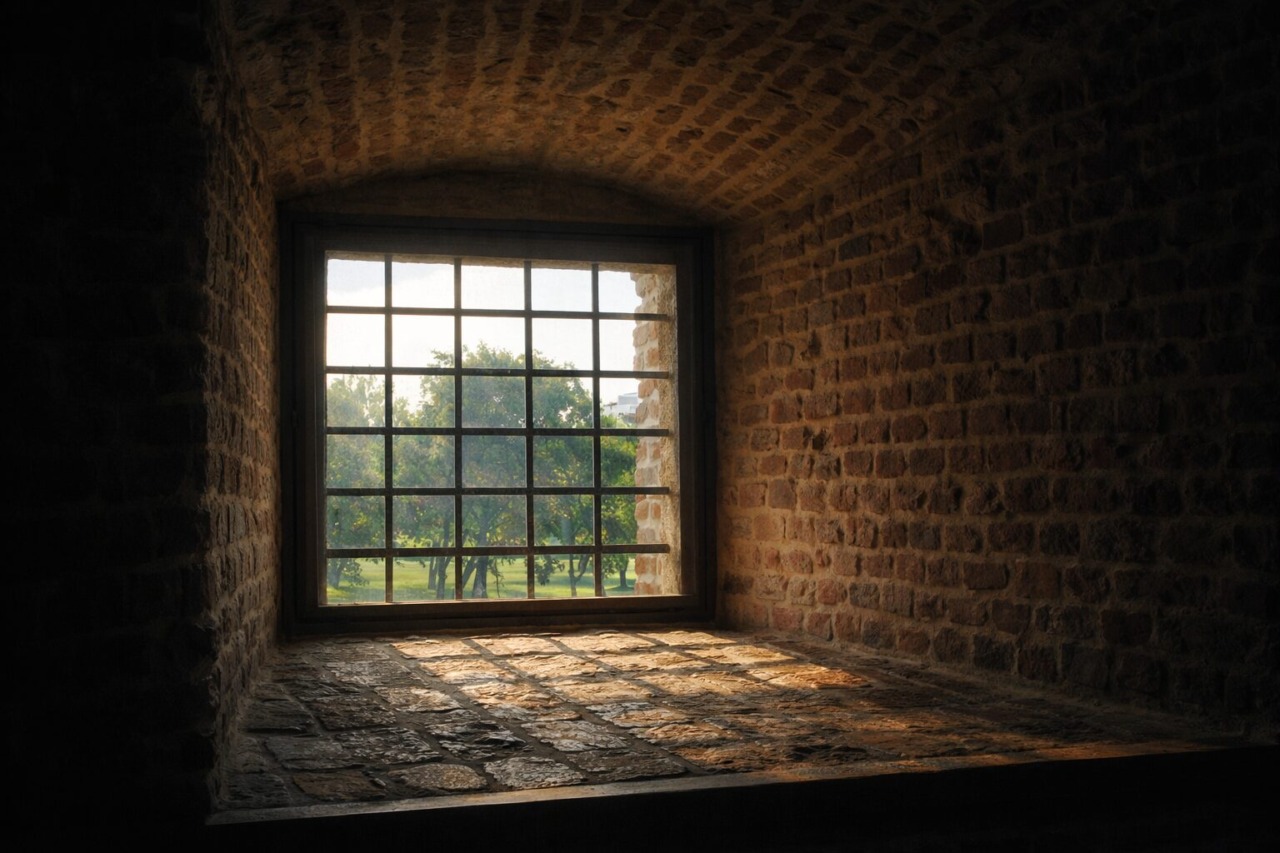
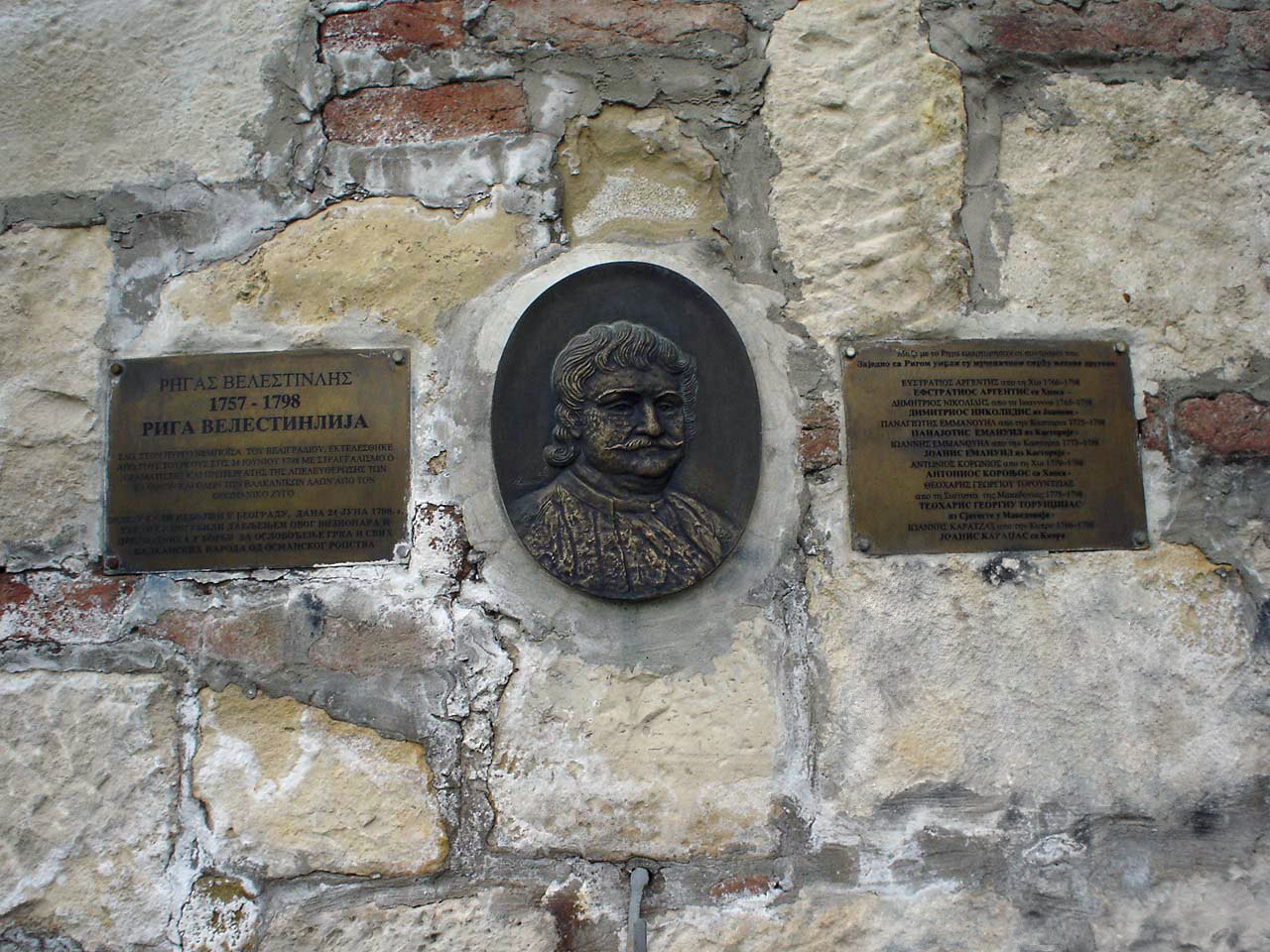
The most famous among them was Rigas Feraios, a Greek revolutionary executed in the tower in 1798. His story turned Nebojša Tower into a place of remembrance not only for Serbia but for the entire Balkan region. Other notable figures include Metropolitan Methodius and Jevrem Obrenović.
How Did the Tower Get Its Name?
Interestingly, Nebojša Tower did not always carry this name. Throughout history, it was known as the White Tower and later as the Timișoara Tower. The name “Nebojša” was given in the early 18th century in memory of the main tower of the fortress of Stefan Lazarević, which was destroyed during earlier sieges of Belgrade.
Nebojša Tower Today
Today, Nebojša Tower has been carefully restored and transformed into a modern museum and cultural space, offering visitors a layered journey through its past.
The annex introduces the tower’s original defensive role as part of the city’s fortification system – the “Bulwark of Christianity” – while also presenting the periods of Ottoman conquest and later Austrian rule.
The ground floor focuses on the tower’s darkest chapter – as a prison. Through multimedia displays, visitors experience its role as a place of suffering and oppression, but also as a memorial to all who were imprisoned here. On the first floor, interactive exhibits bring to life the story of Rigas Feraios – his ideas, revolutionary work, and tragic fate within the tower. The second level is dedicated to the First Serbian Uprising, presenting its causes, key figures like Karađorđe, and the foundation of the modern Serbian state.
Finally, the top level explores Belgrade’s transformation in the early 19th century – from an Ottoman frontier fortress into the capital of the Principality of Serbia under Miloš Obrenović. Through digital exhibits, visitors can discover everyday life, social changes, and the emergence of a modern European city.
What to See and Do Nearby
The location of Nebojša Tower makes it an ideal starting point for exploring one of Belgrade’s most scenic areas, where history, riverside views, and relaxed city life come together.
From here, you can stroll along the riverbanks and take in the breathtaking views of the Sava and Danube confluence, continue through Kalemegdan Park with its iconic viewpoints and layered history, explore museums and galleries within the fortress walls, and end your visit by watching one of the most beautiful sunsets in the city – all while capturing striking moments where nature and heritage seamlessly intertwine.
Why Visit Nebojša Tower?
Nebojša Tower is not just a historical monument – it is a story of Belgrade itself. From a defensive stronghold to a dark prison, and finally to a place of culture and remembrance, it embodies the spirit of a city shaped by centuries of change.
If you want to truly understand Belgrade – its resilience, complexity, and depth – this is where your journey should begin.
Related Articles
5 Ideal Spring Tours Through Serbia
March 15, 2026