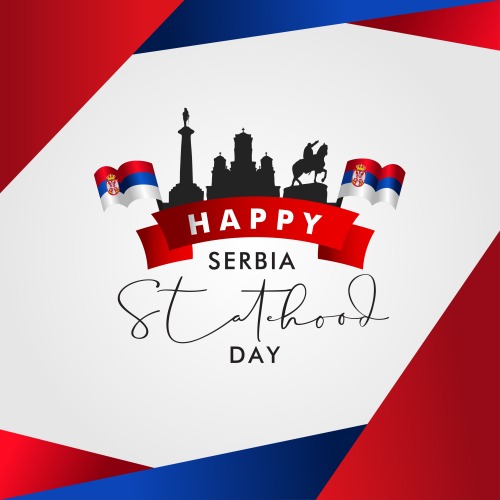
Sretenje, Serbia’s Statehood Day, is often associated with public holidays, official ceremonies, and textbook history. Yet behind this important date lies a series of lesser-known, fascinating, and sometimes surprising facts that make it even more meaningful.
Here are some things about Sretenje you may not know.
Sretenje Has Three Meanings in One Day
Few national holidays carry as much symbolism as Sretenje. February 15 marks:
- the religious feast of the Presentation of Jesus at the Temple
- the beginning of the First Serbian Uprising in 1804
- the proclamation of the Sretenje Constitution in 1835
This makes Sretenje a unique blend of faith, freedom, and statehood.
The First Uprising Did Not Begin in a Major City
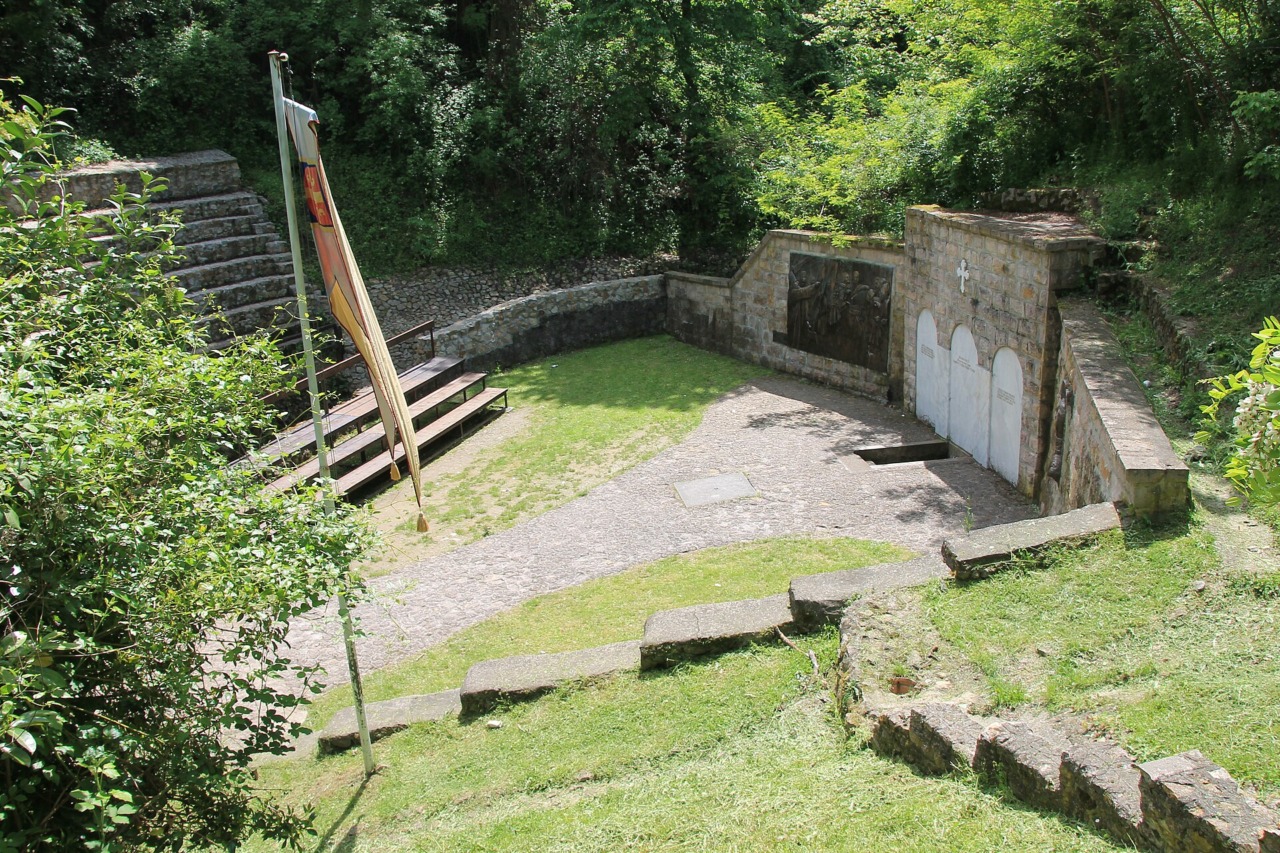
While many historic revolutions started in capitals, Serbia’s struggle for independence began in the small village of Orašac.
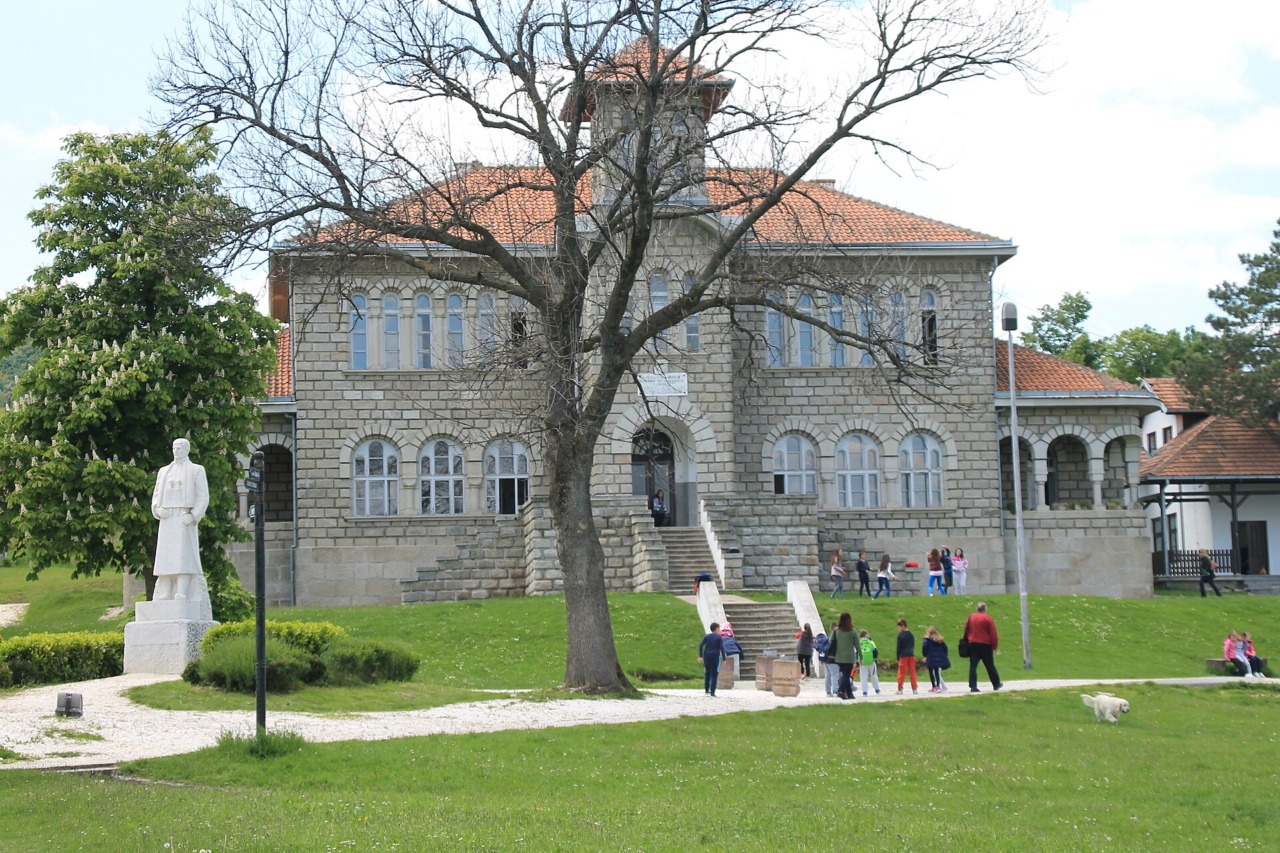
There were no palaces, institutions, or grand halls – only open nature and determined people. This simplicity makes the moment even more powerful.
Karađorđe Was Not the First Choice for Leader
Contrary to popular belief, Karađorđe was not immediately chosen as the leader of the uprising.
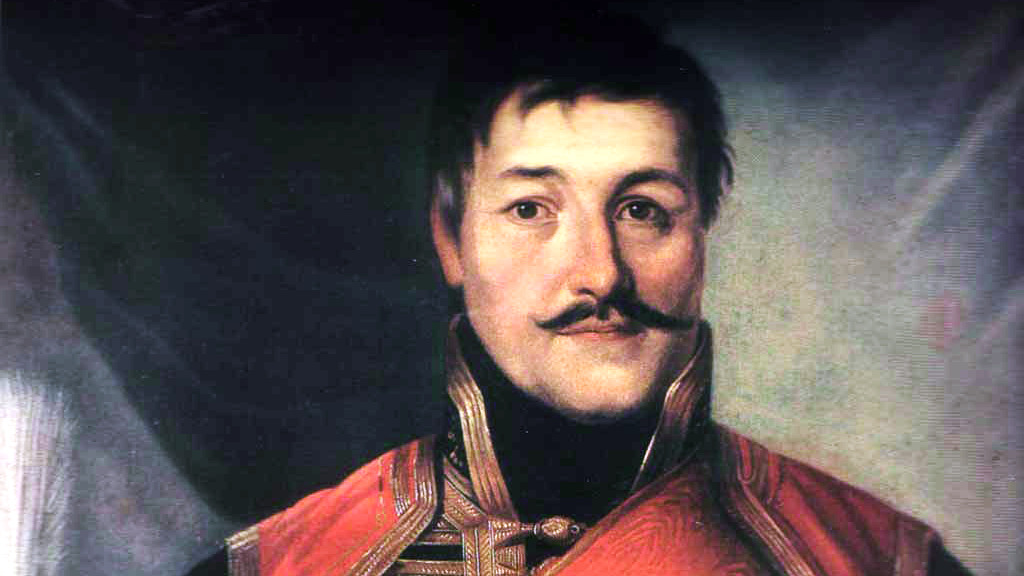
Several respected local leaders refused the role first, believing the rebellion was too risky. Only after their refusal was Karađorđe selected – known for both courage and strict discipline.
The Sretenje Constitution Was “Too Modern” for Its Time
The Constitution of 1835 was among the most progressive in Europe at the time. It introduced:
- separation of powers
- civil rights
- limits on princely authority
- legal protection for citizens
In many ways, Serbia was ahead of much larger European states. Ironically, this progressiveness led to pressure from major powers to abolish it.
The Constitution Lasted Only 55 Days
Despite its historical importance, the Sretenje Constitution was in force for just 55 days.
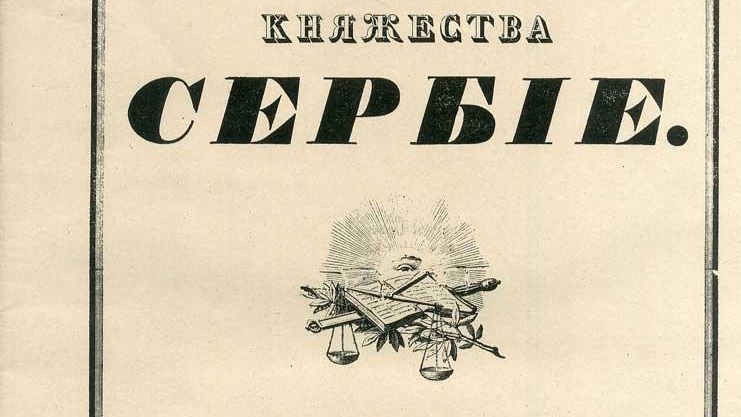
Under pressure from the Ottoman Empire, Russia, and Austria, Prince Miloš was forced to withdraw it. Still, its symbolic value remains strong.
Kragujevac Was Once Serbia’s Political Center
Today, many forget that Belgrade was not always the capital. In the early 19th century, Kragujevac served as:
- the capital
- the seat of government
- a cultural hub
- the center of decision-making
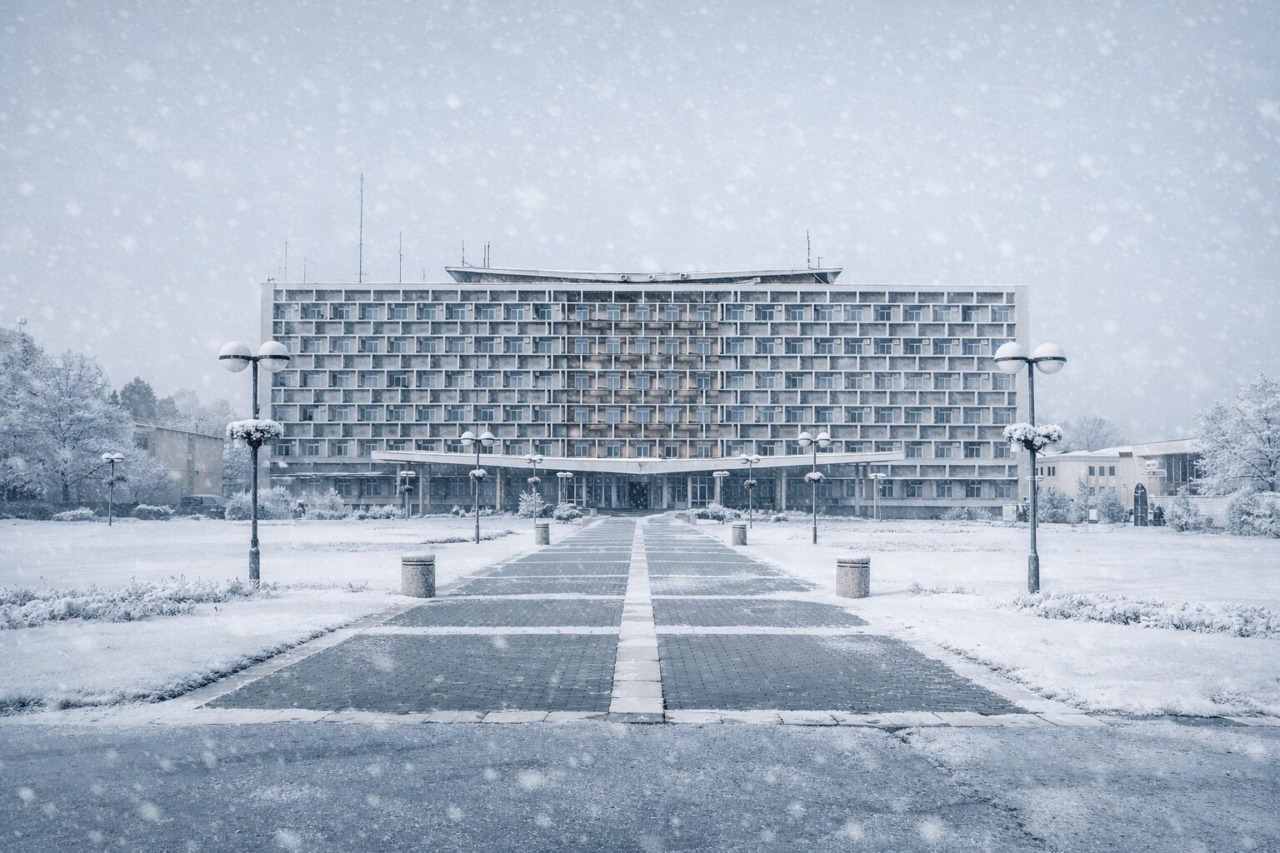
That is why the Constitution was proclaimed there – the city represented the heart of the state.
Sretenje Became an Official Holiday Only in 2002
Although the events linked to Sretenje date back over 200 years, Serbia officially began celebrating Statehood Day in its current form in 2002. Before that, the holiday did not have the same national status.
The Holiday Lasts Two Days for a Reason
Sretenje is celebrated on February 15 and 16. This is not just for convenience. The two-day celebration reflects its combined religious, historical, and national significance.
Orašac and Kragujevac Come Alive During Sretenje
Every February, these two towns become centers of national commemorations. Orašac hosts the main ceremonies, while Kragujevac organizes exhibitions, cultural programs, and official gatherings. For visitors, this is the best time to experience history firsthand.
The Word “Sretenje” Means “Encounter”
The word sretenje comes from Old Slavic and means “encounter” or “meeting.”
Symbolically, it represents:
- the meeting of past and future
- the meeting of faith and state
- the meeting of tradition and modernity
- the nation’s encounter with its own identity
This gives the holiday a deeper meaning beyond history.
More Than Just a Holiday
Sretenje is not merely a commemoration of the past. It is a reminder of:
- the courage of a small nation
- the power of freedom
- the pursuit of justice and dignity
- the importance of historical memory
Each February, Serbia reconnects with its roots – and reflects on who it is and where it comes from.
Related Articles