Winter in Serbia comes with a reputation — and most of it is misleading. Many travelers imagine harsh cold, empty streets, and a destination that somehow goes quiet once the holidays pass. Others assume winter here is only about nightlife, or that there’s little reason to visit outside the warmer months.
The reality is very different.
Serbia in winter doesn’t shut down — it turns inward. Life slows, cafés fill up, conversations last longer, and cities reveal a quieter, more honest rhythm. What you lose in crowds, you gain in atmosphere, authenticity, and a deeper connection to everyday life.
One of the most common misconceptions is that winter in Serbia is unbearably cold. While snow does fall, especially in the mountains, most urban areas experience moderate winter temperatures. Cities like Belgrade and Novi Sad rarely feel extreme.
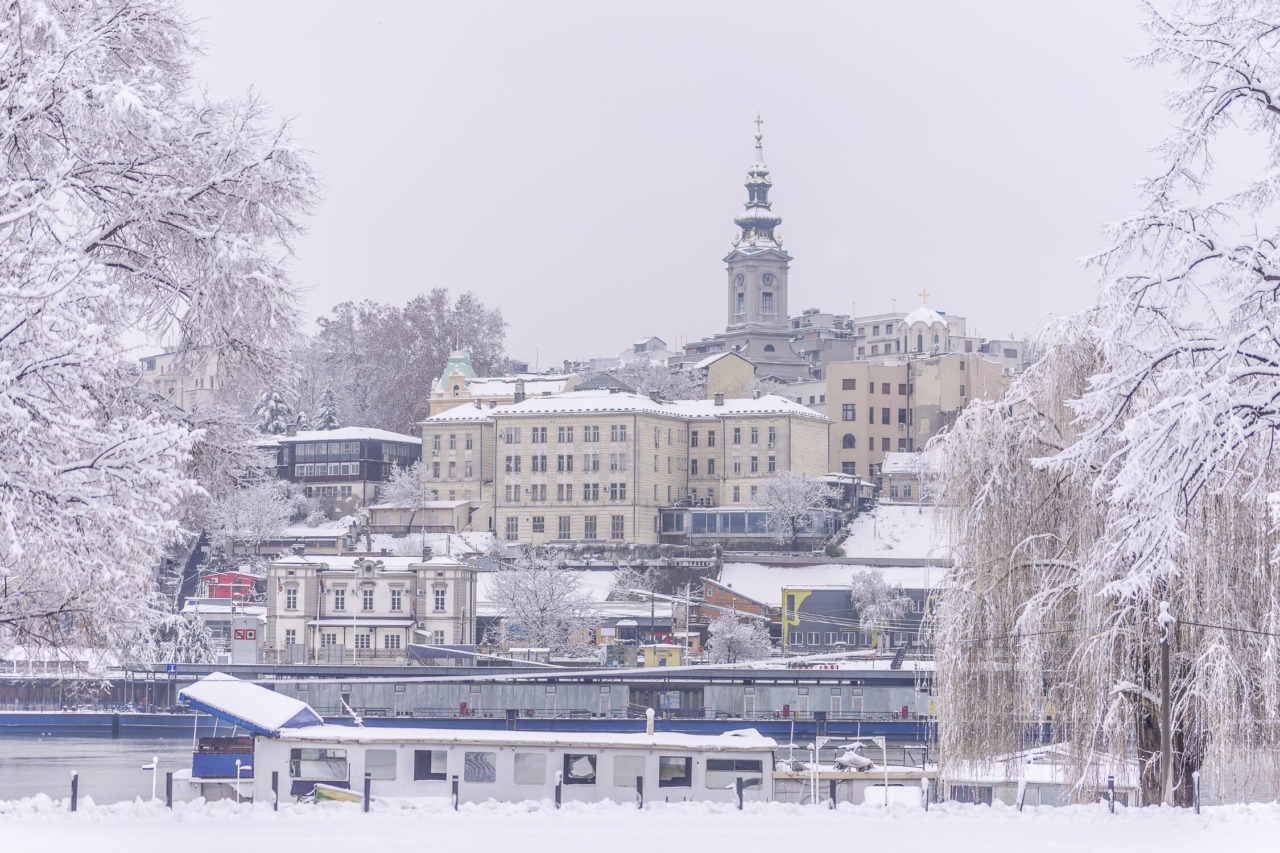
When the cold arrives, life simply moves indoors — into cafés thick with conversation, restaurants glowing late into the night, and homes where hospitality remains unchanged by the season. Winter here isn’t about enduring the weather; it’s about embracing a slower pace.
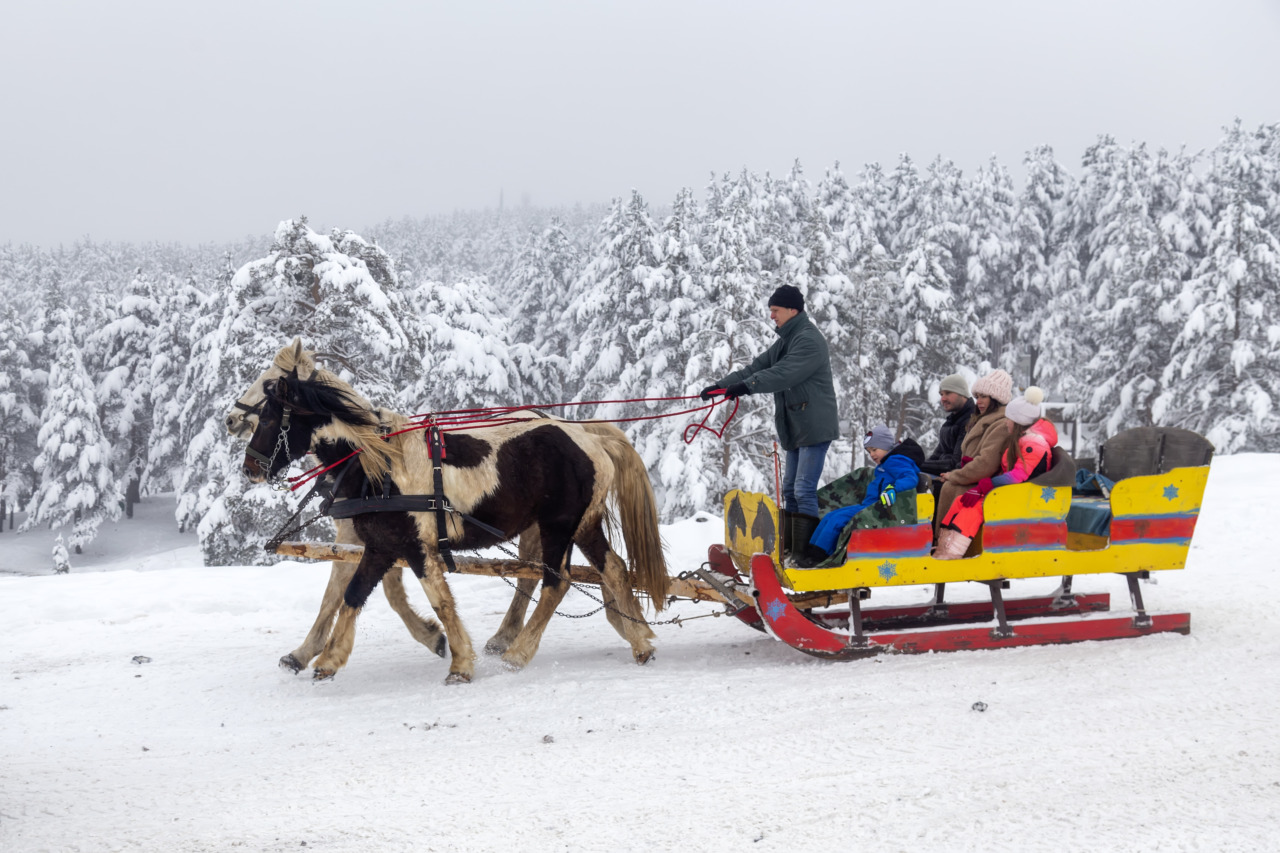
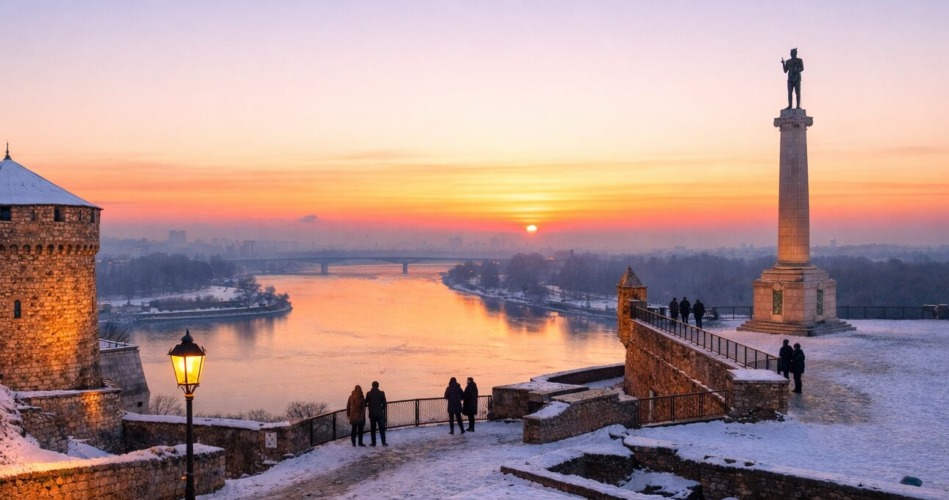
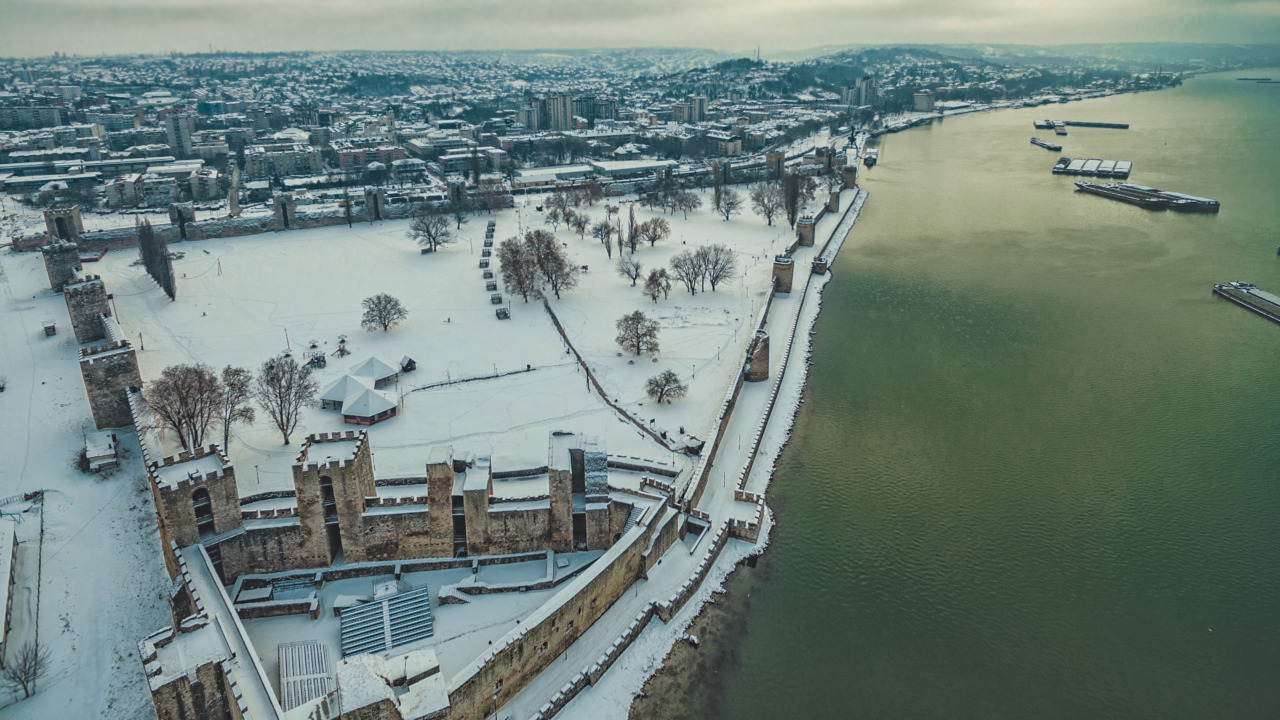
Another myth suggests there’s “nothing to do” in Serbia during winter. In truth, this is when cultural life becomes more visible. Museums, galleries, theaters, and concert halls step into the spotlight. Historic fortresses, riverside paths, and old city streets feel more atmospheric without the crowds, often wrapped in fog or softened by winter light. For many visitors, this is when Serbian cities feel most real — stripped of seasonal performance and left with substance.
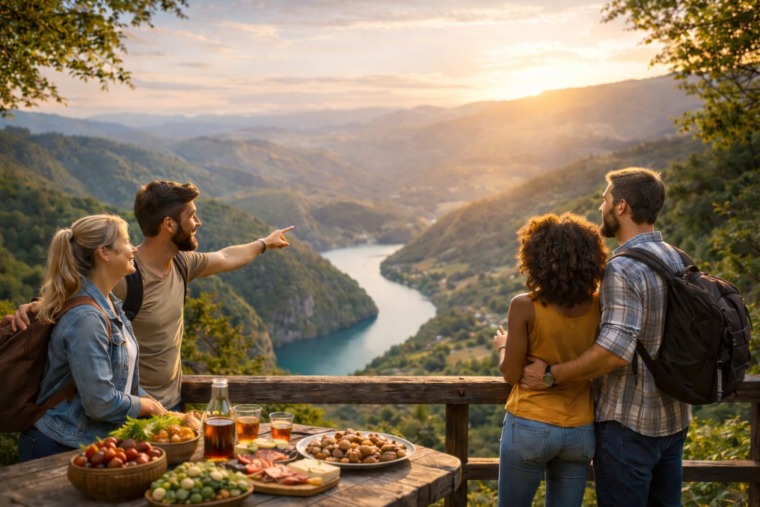
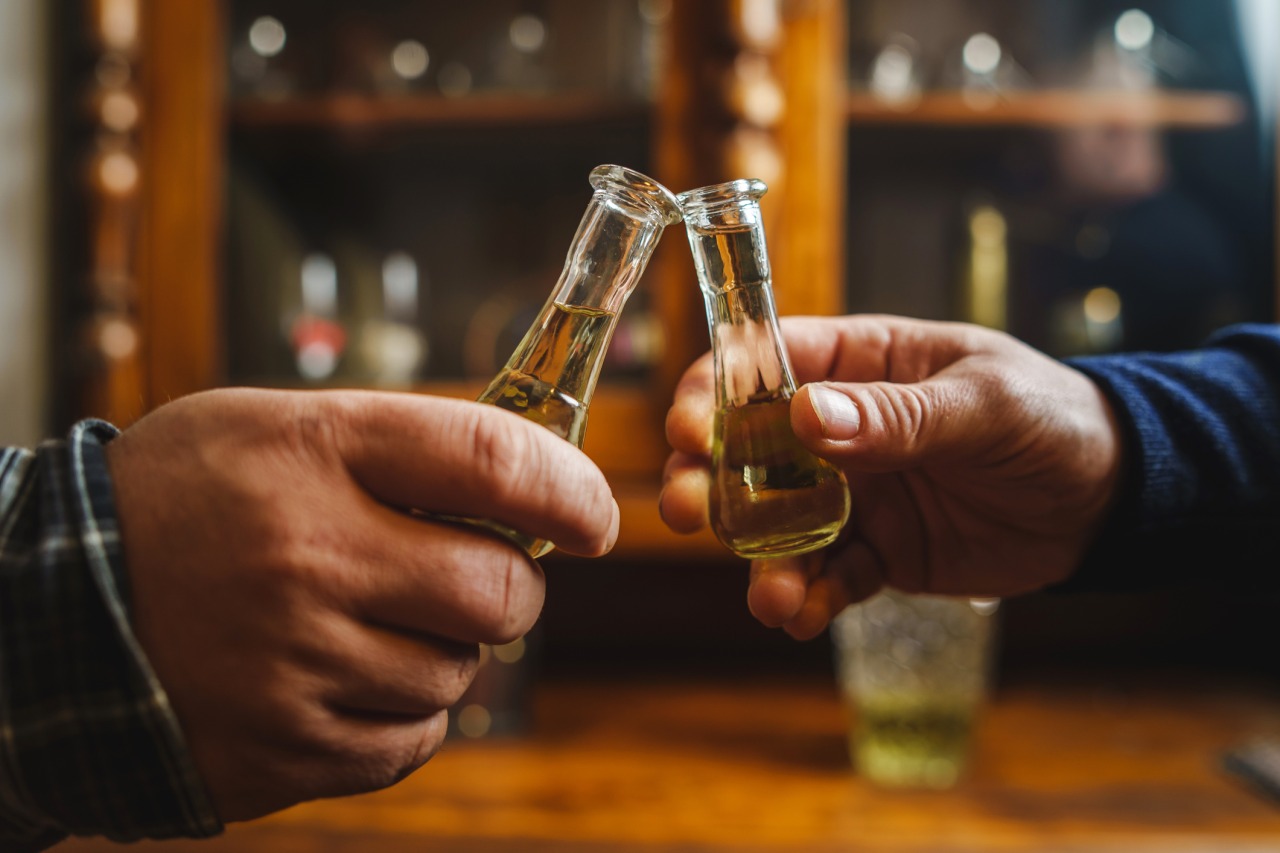
Many visitors also expect winter in Serbia to revolve entirely around nightlife. While Belgrade’s club scene remains active year-round, winter paints a broader picture. Evenings usually begin slowly, over long dinners filled with traditional dishes, local wines, and rakija. Social life stretches deep into the night, but just as often around a table as on a dance floor. Winter emphasizes closeness, not spectacle.
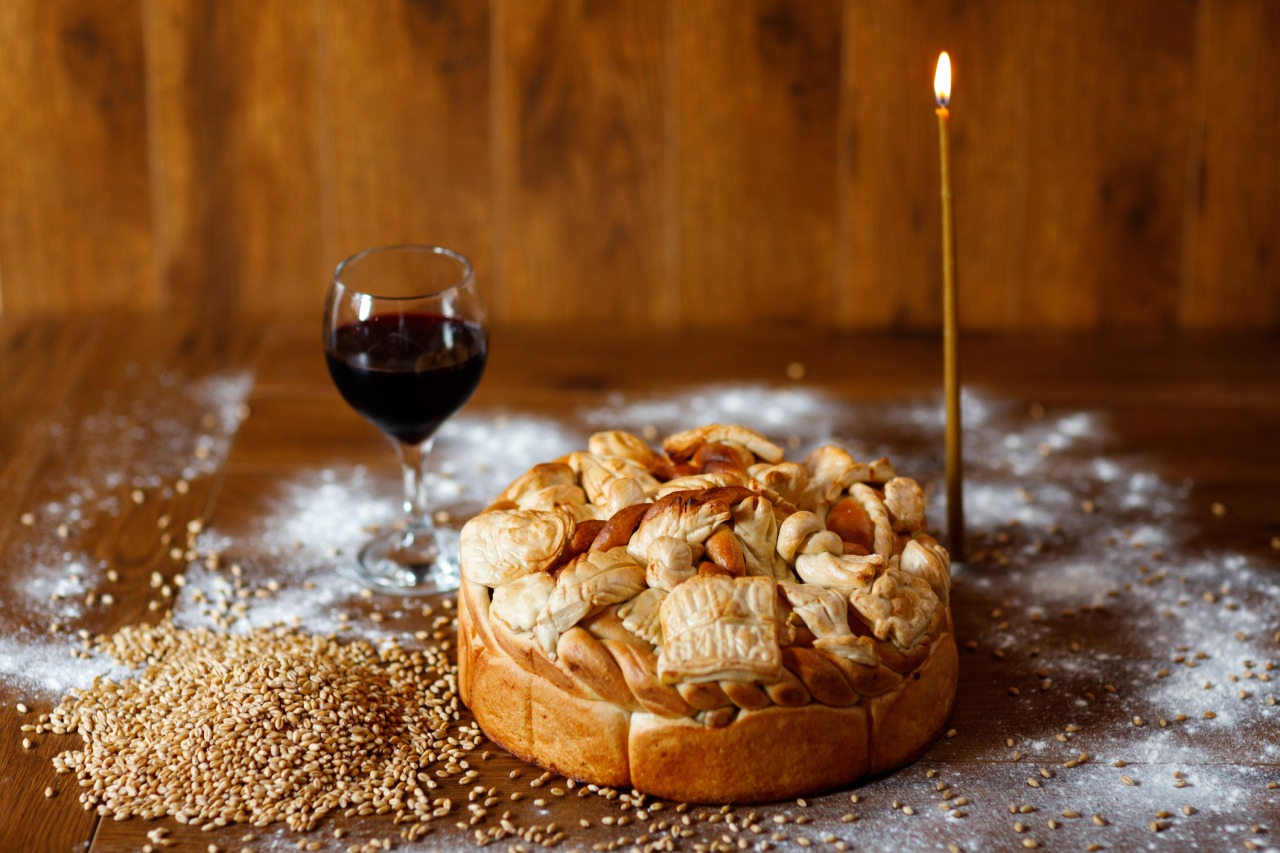
There’s also a belief that winter isn’t the right time to experience Serbian culture. In fact, traditions become more visible during colder months. Holiday customs, slavas, family gatherings, and seasonal food shape daily life. Visitors often notice how deeply hospitality, ritual, and shared meals define Serbian identity — especially when the pace of life slows.
Finally, many assume winter travel in Serbia is inconvenient or limited. In reality, winter often makes travel easier. Popular places are calmer, accommodation prices lower, and experiences more intimate. Without the pressure of peak season, travelers have the space to explore at their own pace and connect with locals in a genuine way.
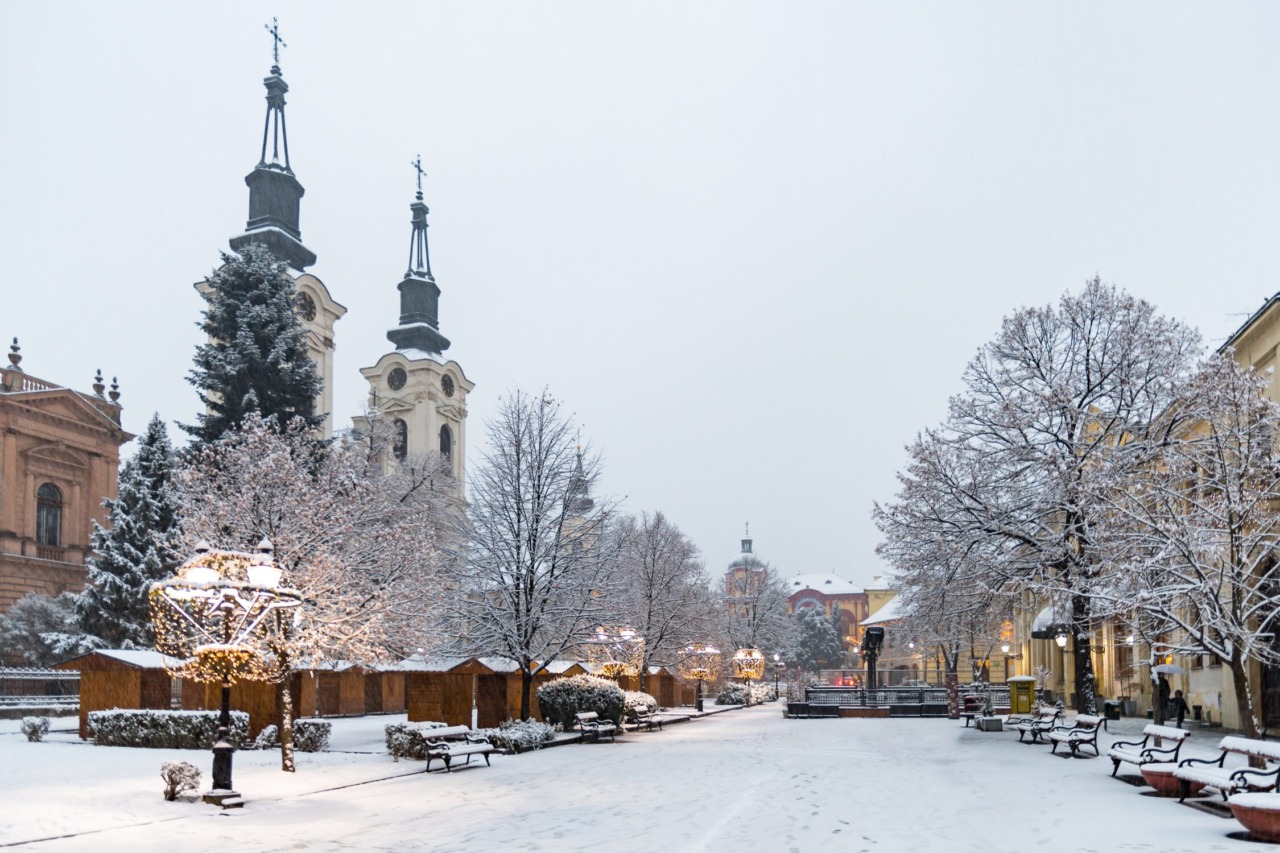
Serbia in winter isn’t designed to impress.
It’s designed to be lived.
For travelers willing to look beyond stereotypes, winter offers a quieter, warmer, and far more honest way to experience the country.
Related Articles

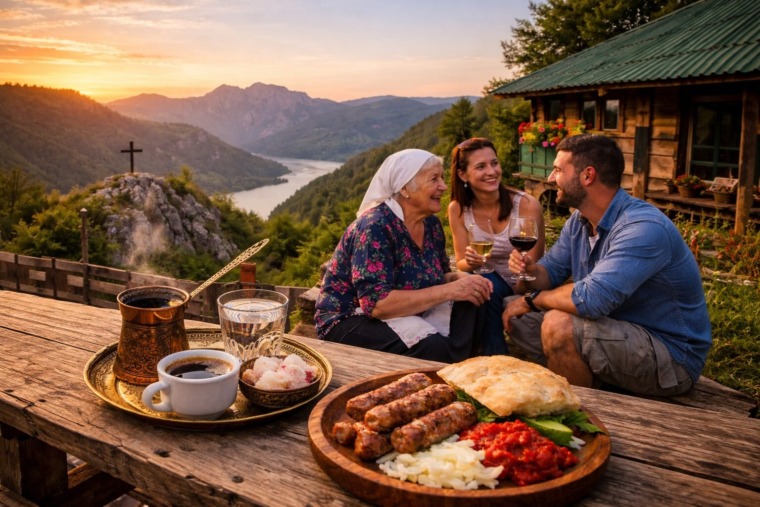
5 Little Things in Serbia That Travelers Never Forget
February 20, 2026
Interesting Facts About Sretenje You May Not Know
February 16, 2026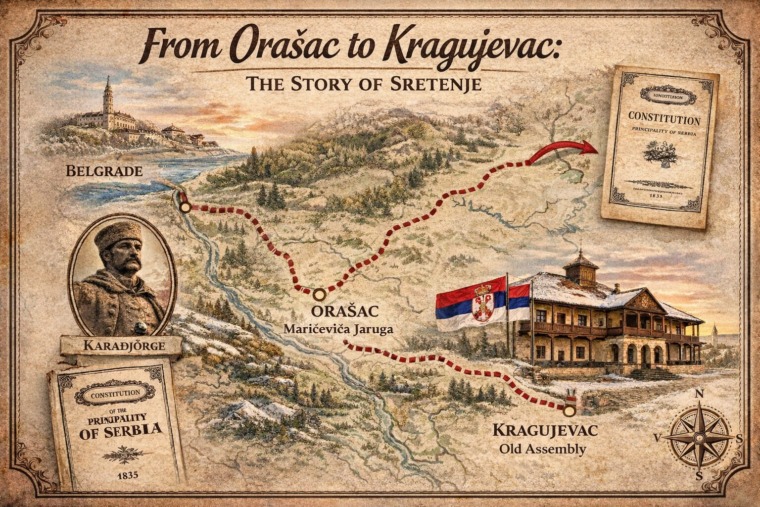
The Sretenje Route: A Guide to Serbia’s Historic Sites
February 15, 2026