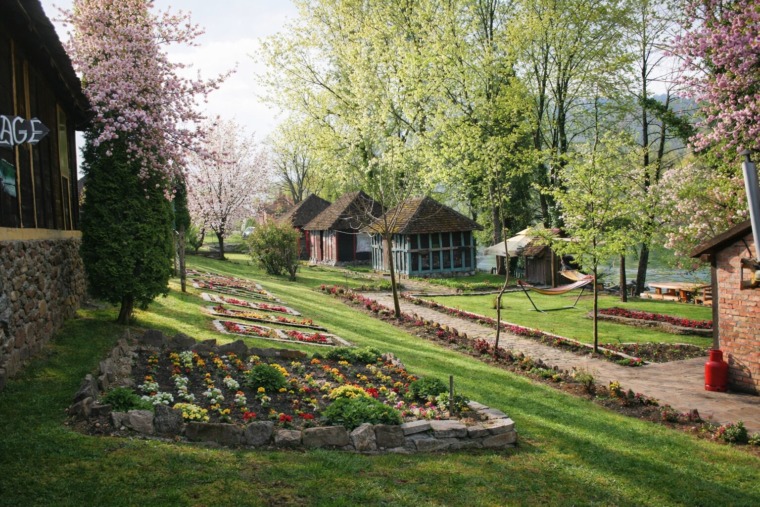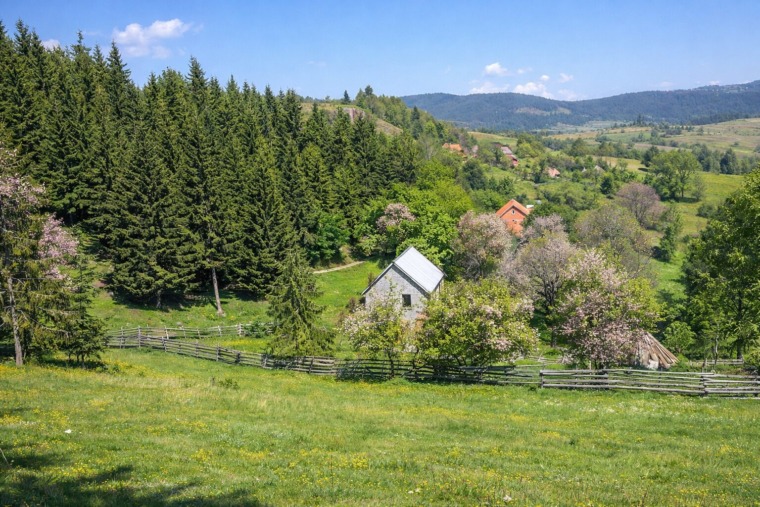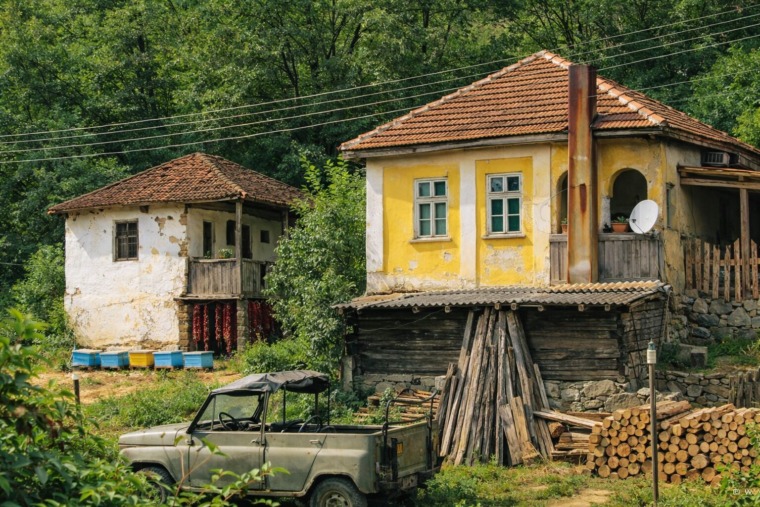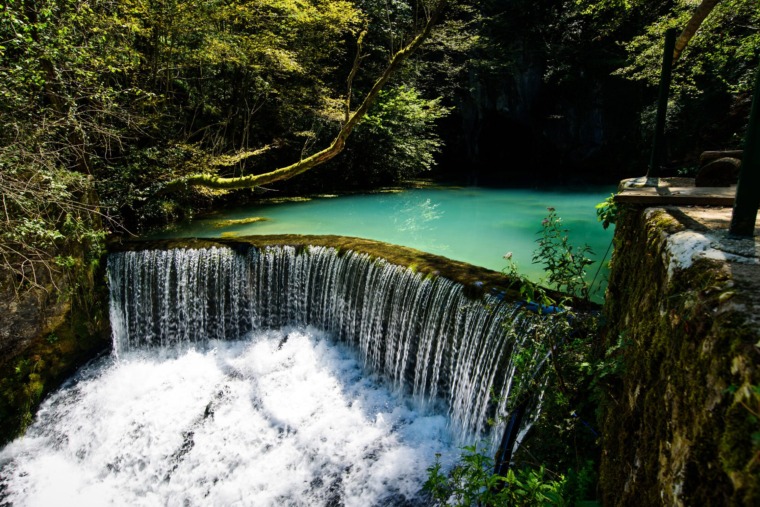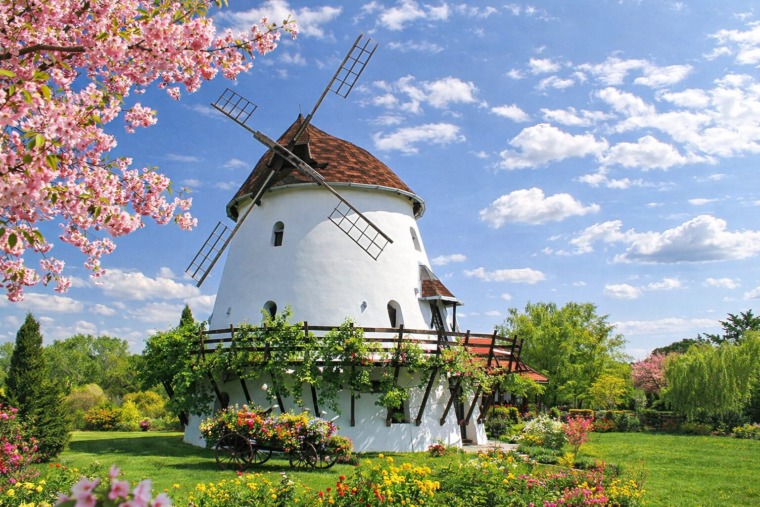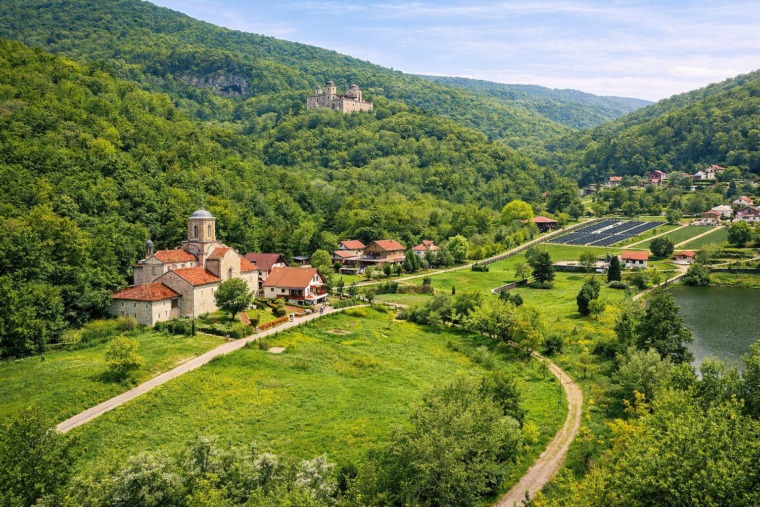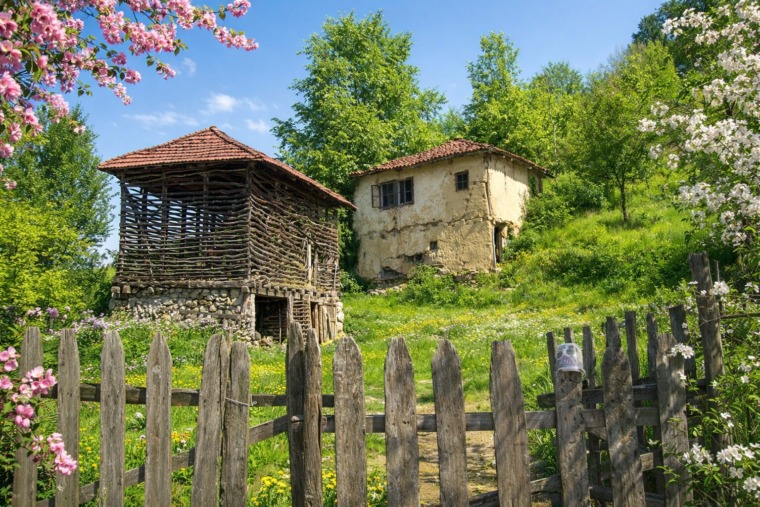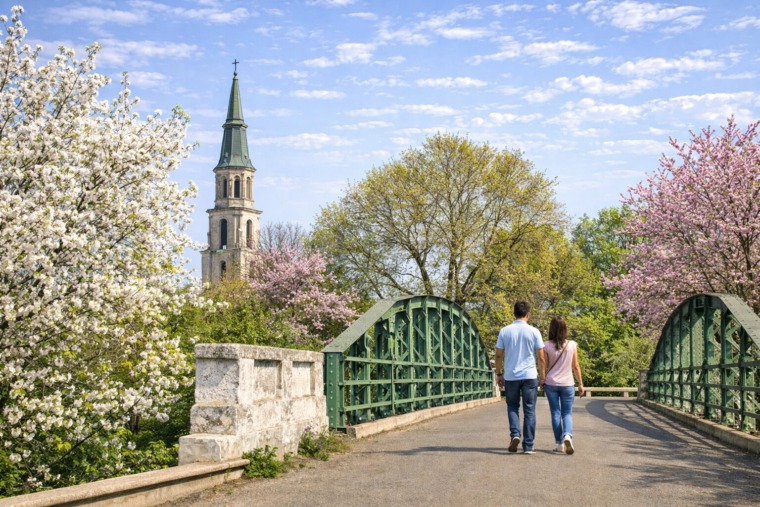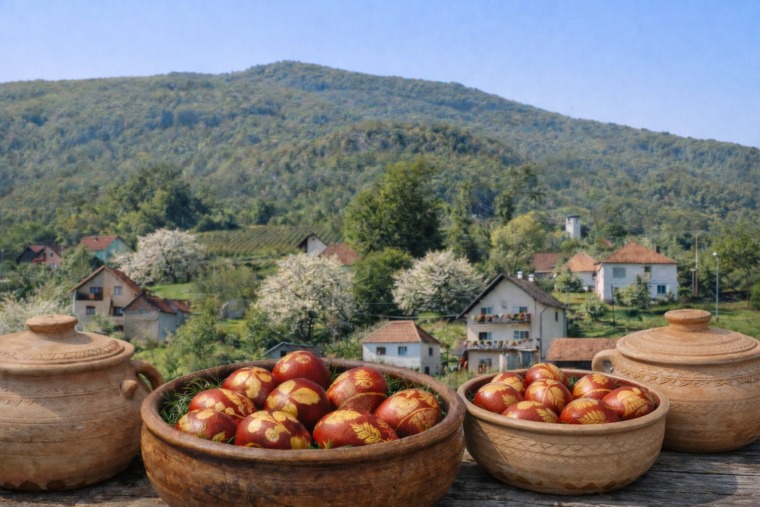
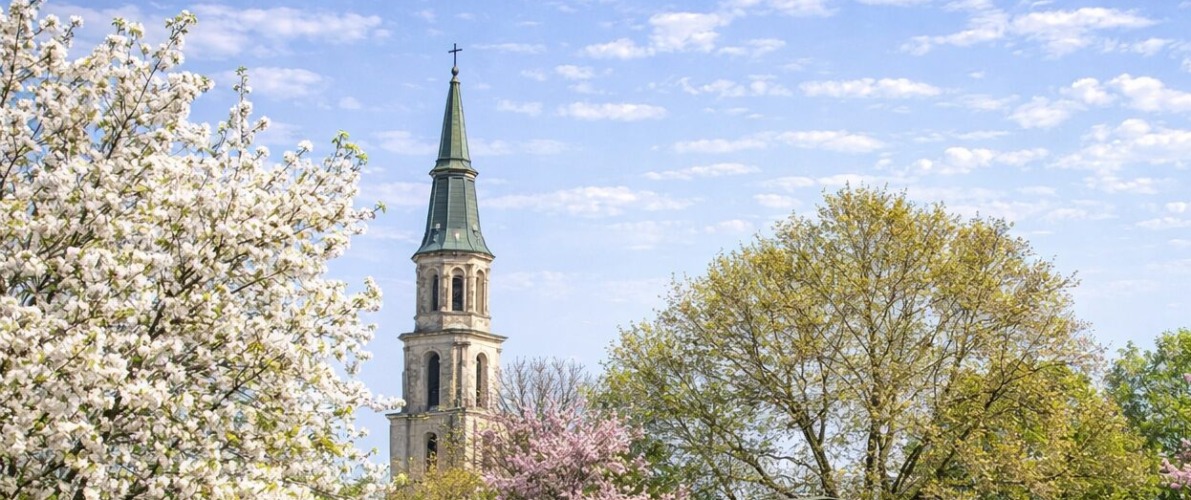
Just a few kilometers from Zrenjanin, in a landscape that does not rely on dramatic views but on quiet balance, lies Ečka – a village often recognized for what surrounds it, yet less for what it truly is. About an hour’s drive from Belgrade and Novi Sad, it sits somewhere between a quick escape and a place worth lingering in, existing gently between movement and stillness.
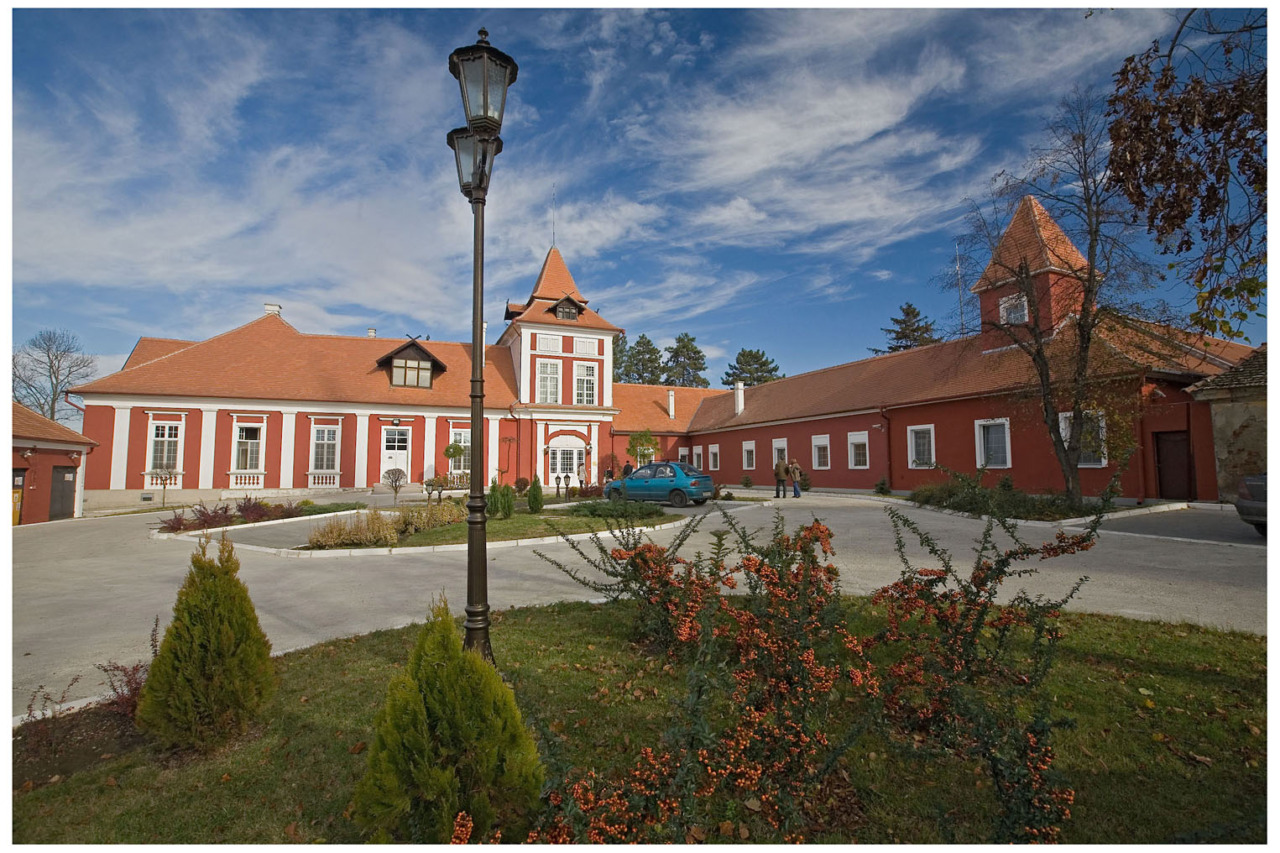
At the center of that impression stands Kaštel Castle, one of the most recognizable landmarks in this part of Banat. Built in the early 19th century and surrounded by water and old trees, the castle still carries the atmosphere of a time when such places were hubs of culture, music, and social life. The story that a young Franz Liszt performed here during its opening no longer feels like a distant anecdote, but rather a natural extension of the setting itself.
Yet Ečka is not only about its castle. It is a village shaped over centuries, with traces that reach deep into the past. Its name is tied to a legend connected to Attila the Hun and a woman whose memory remained in this landscape. Whether history or folklore, such stories are not meant to be proven here – they simply exist as part of the village’s identity.
What to See and Experience in Ečka
Time in Ečka is not defined by a checklist, but by how the space unfolds. A walk around the castle, reflections on the water, and the vast openness of the plains create a sense of calm that is difficult to rush.
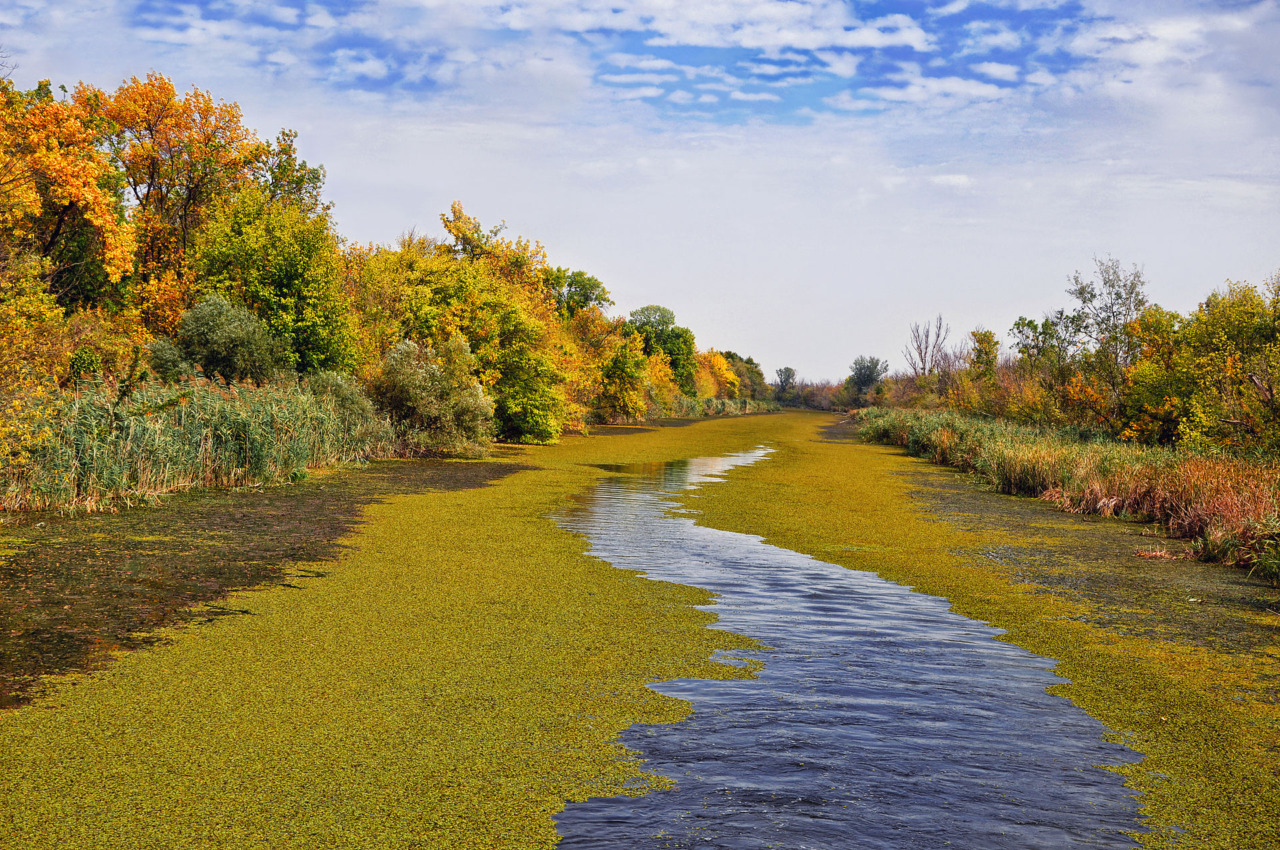
Nearby lies Carska Bara, one of the last remaining wetlands of what was once the Pannonian Sea. It is a place where nature is observed rather than shaped – through birds in motion, still water, and landscapes that remain unchanged in their essence. It is here that the rhythm of this region becomes most apparent: slow, quiet, and enduring.
Ečka is often seen as a stop along the way to these places, yet its true character reveals itself only when you stay longer than planned.
Stories, People, and Layers of Time
Throughout its history, Ečka has changed borders, populations, and influences, yet it has preserved something rare – the ability to turn diversity into everyday life. Serbs and Romanians, who lived side by side for centuries, shared space, customs, and daily routines in a way that feels increasingly uncommon today.
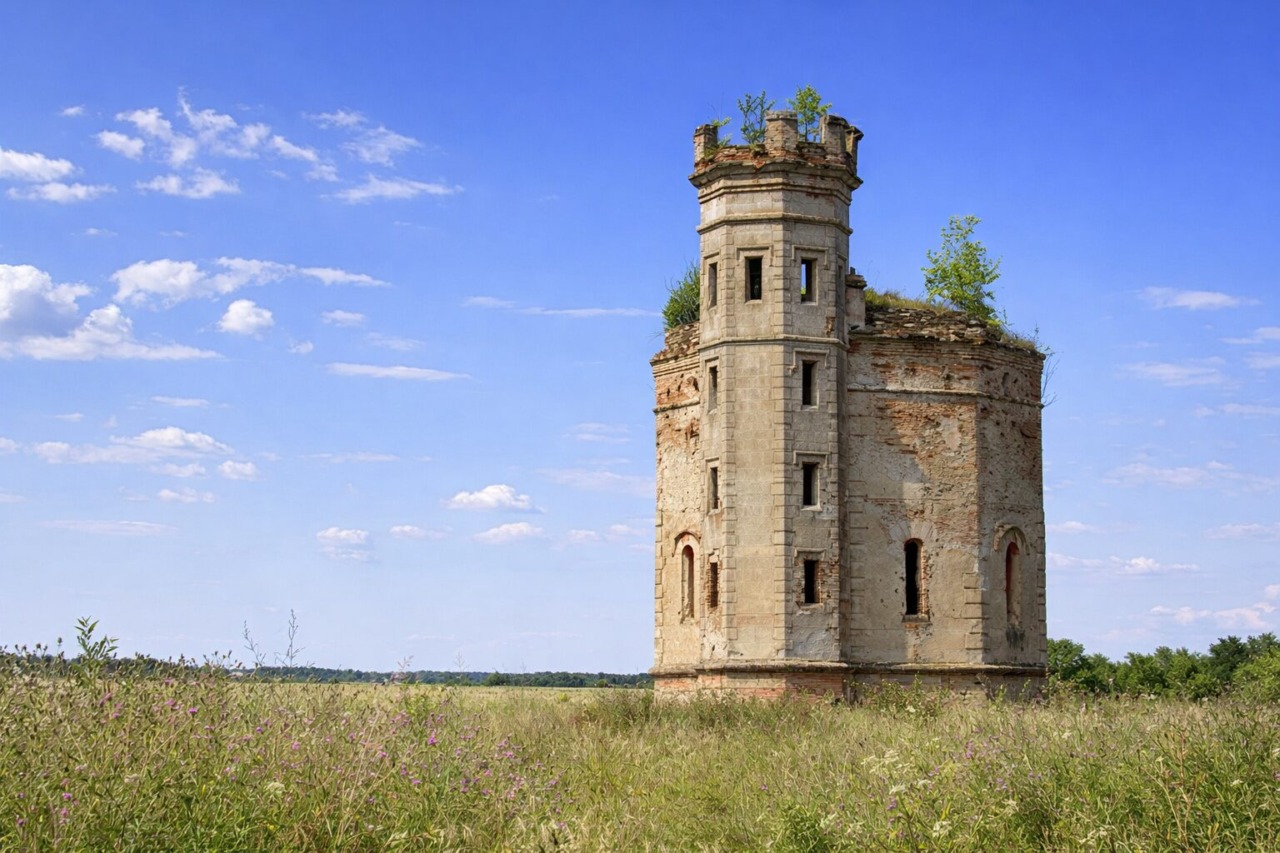
That layered identity remains visible, in a village shaped by multiple cultures yet held together by a quiet sense of unity. Ečka is not defined by a single story, but by many smaller ones that together create its character.
At the same time, like many rural places, it faces the changes brought by modern life. Proximity to the city brings new opportunities, but also raises a subtle question – who will continue to carry these stories forward?
Flavors of the Plains and Everyday Life in Banat
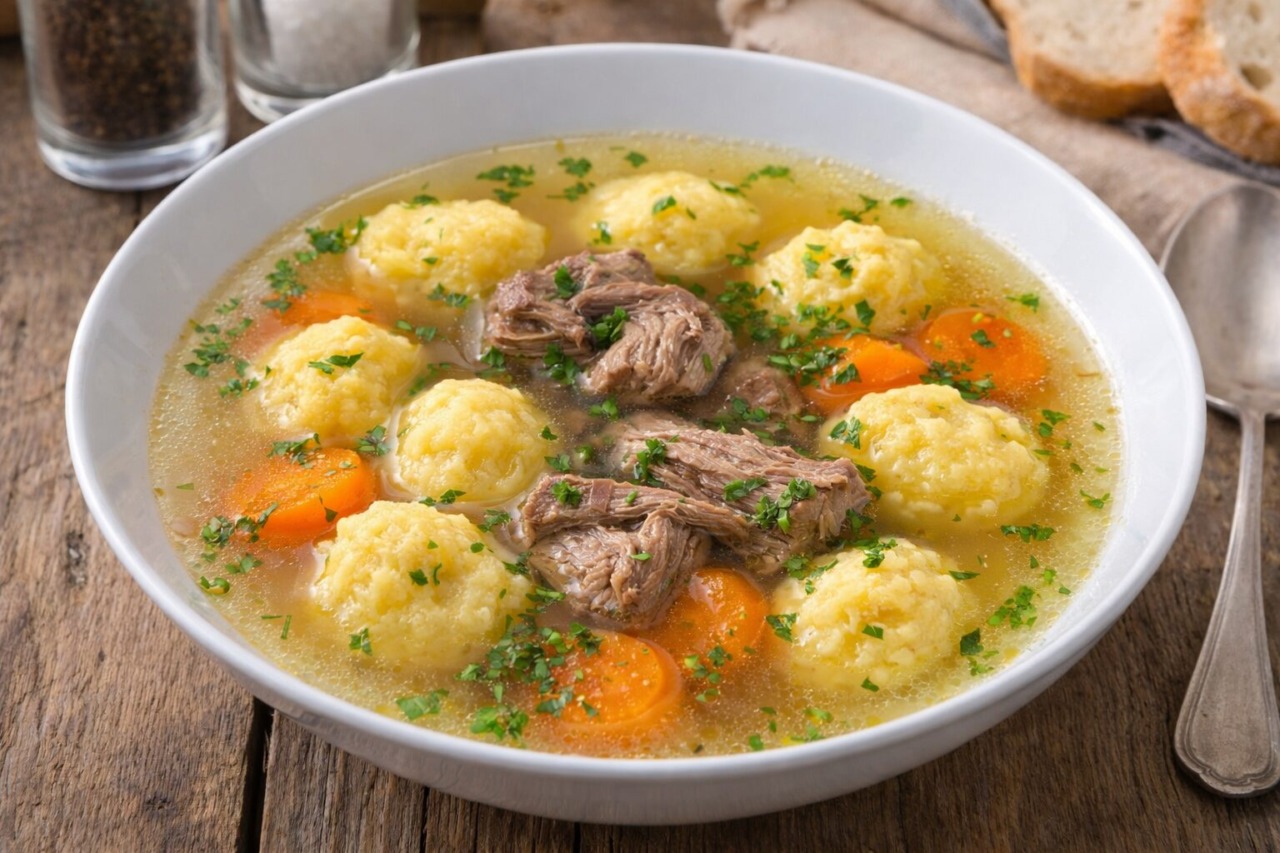
Banat is perhaps best understood through its food. Here, meals are not curated experiences, but natural extensions of everyday life shaped by land, work, and shared tradition.
The cuisine reflects a blend of influences, yet remains grounded in simplicity. Dishes are prepared without urgency, using local ingredients, and served in a way that feels familiar rather than performative. There is no need for reinvention – authenticity is already present.
Ečka is not a place that can be reduced to a single image or reason to visit. It lingers in the meeting of water and plains, in the quiet presence of history, and in the feeling that you have arrived somewhere that is more than just a stop along the way. Only when you slow down does it become clear – Ečka is not just a destination, but a village that still lives by its own rhythm.
This article is part of the series “Villages of Serbia: Return to the Roots,” through which we explore authentic villages across the country – places where life still unfolds at a slower pace, more simply and closer to nature. Through stories about people, food, and landscapes, our goal is to encourage a different way of traveling and to highlight the importance of preserving rural Serbia.
Related Articles