Spring in Serbia arrives quietly through blossoming orchards, the scent of fresh earth, and longer, sunlit days. But one holiday brings it all together in a way that feels deeply personal and timeless: Easter.
In Serbia, Easter is not just a celebration. It is a moment of gathering, tradition, and simple joy – best experienced in places where life still moves slowly and authentically.
Here’s how and where to experience Easter in Serbia.
Easter Traditions That Make Serbia Unique
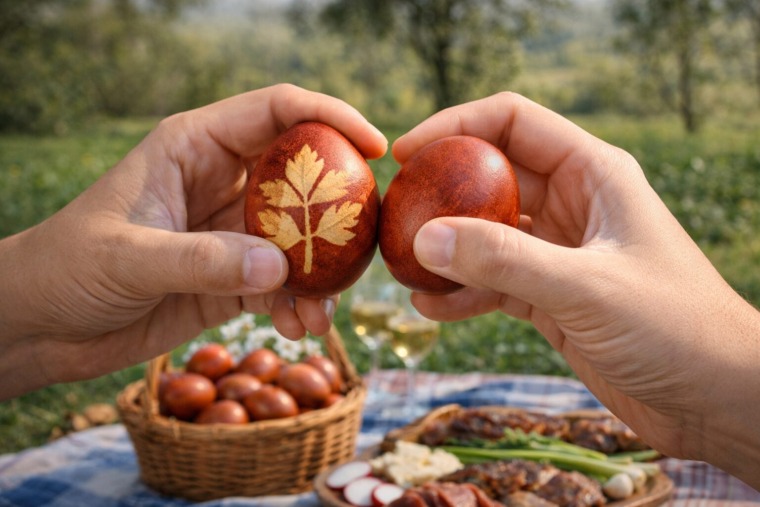
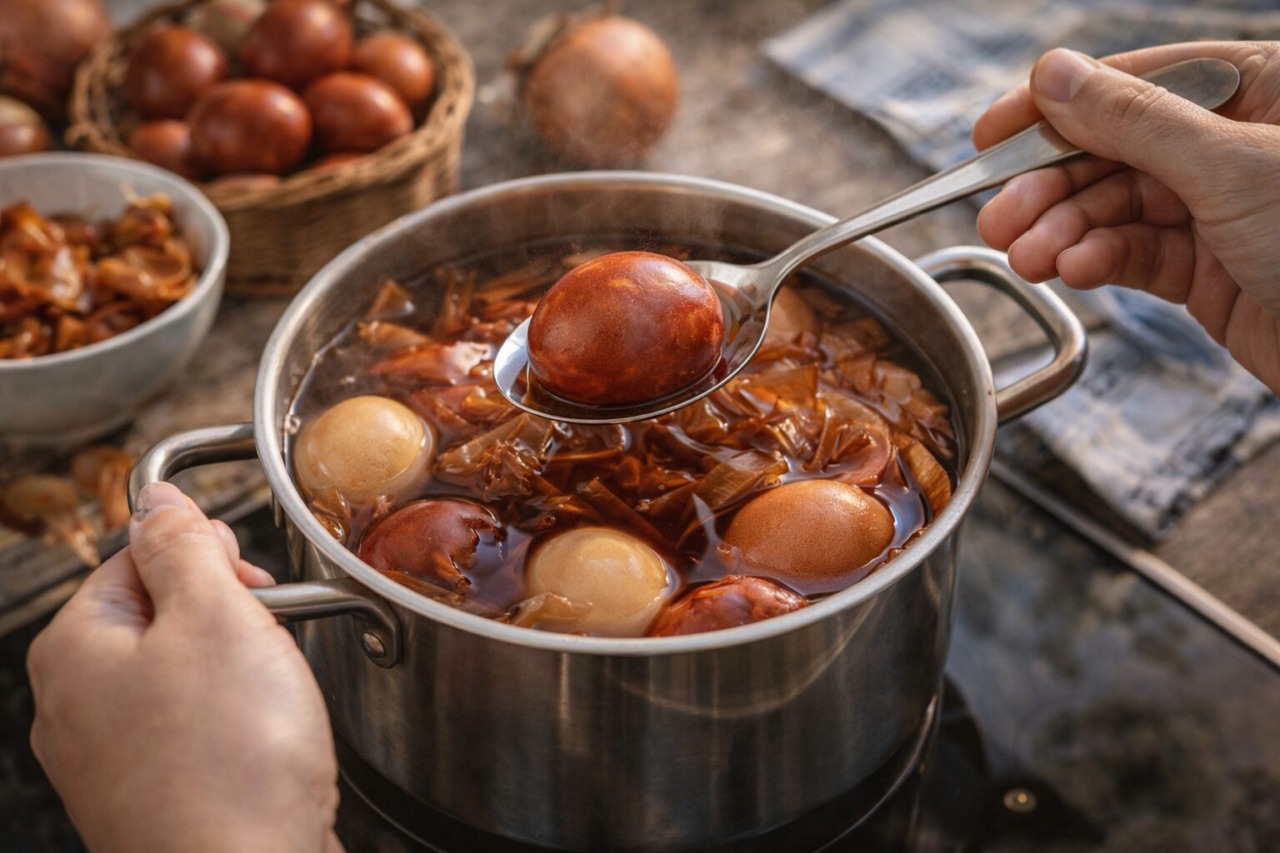
Easter in Serbia is rooted in Orthodox tradition, but it is also deeply tied to family, home, and everyday rituals. One of the most recognizable customs is dyeing eggs – most often in red, symbolizing life and renewal. The first egg, known as the “čuvarkuća” or “guardian of the home,” is carefully kept throughout the year as a symbol of protection and good fortune.
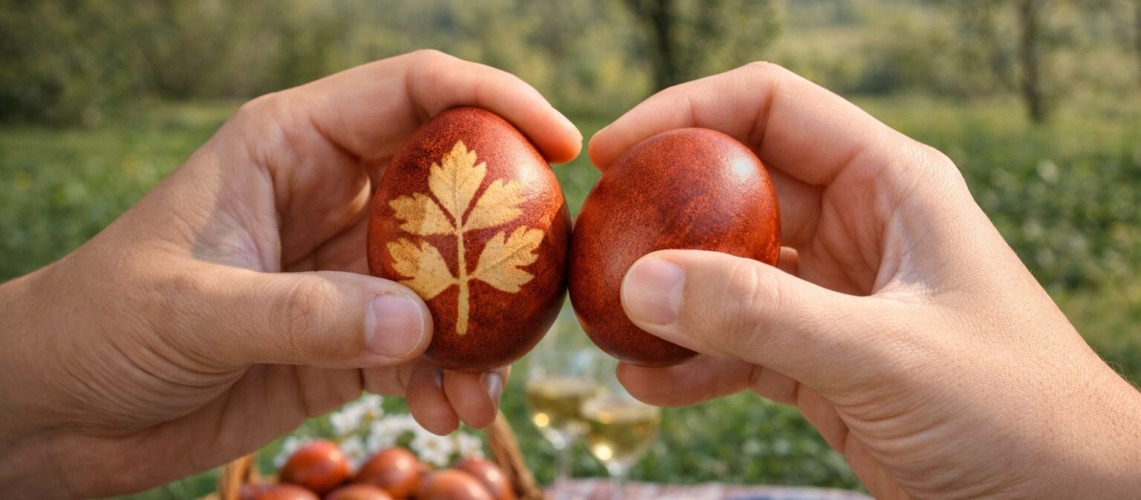
On Easter morning, families gather around the table and begin the day with a joyful ritual: tapping eggs against each other to see whose remains unbroken. It’s a simple game, yet one filled with laughter and a sense of togetherness.
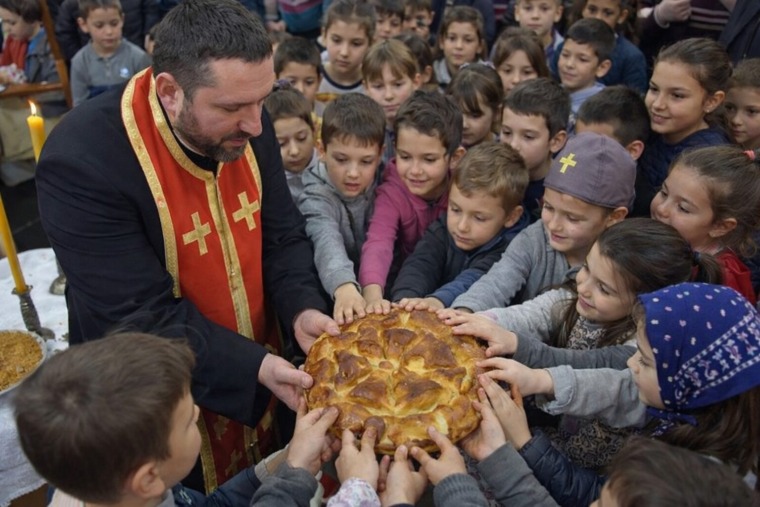
The day continues with a visit to church, followed by long, unhurried meals shared with family. Time is spent outdoors, in gardens or countryside settings, where spring is fully in bloom.
Easter Food in Serbia: Simple, Rich, and Made to Share
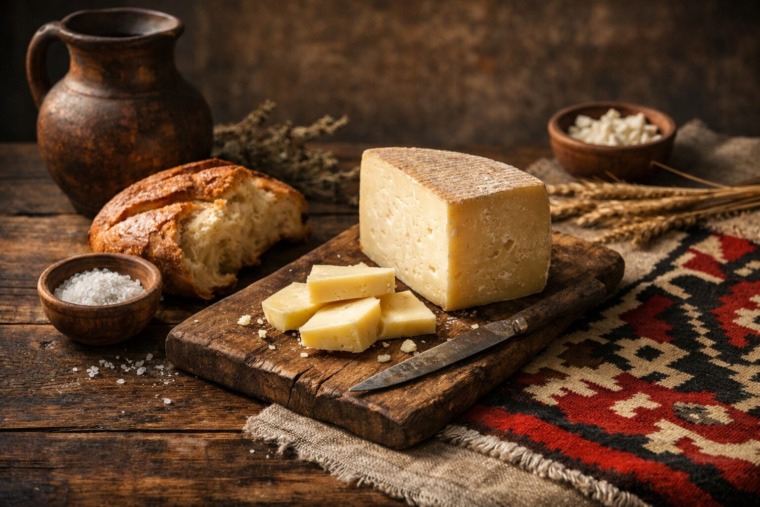
Food during Easter in Serbia is not about extravagance – it’s about tradition, patience, and sharing. Tables are filled with roasted lamb or pork, fresh seasonal salads, homemade bread such as pogača, and a variety of dairy products like cheese and kajmak. Cured meats and traditional cakes often complete the table.
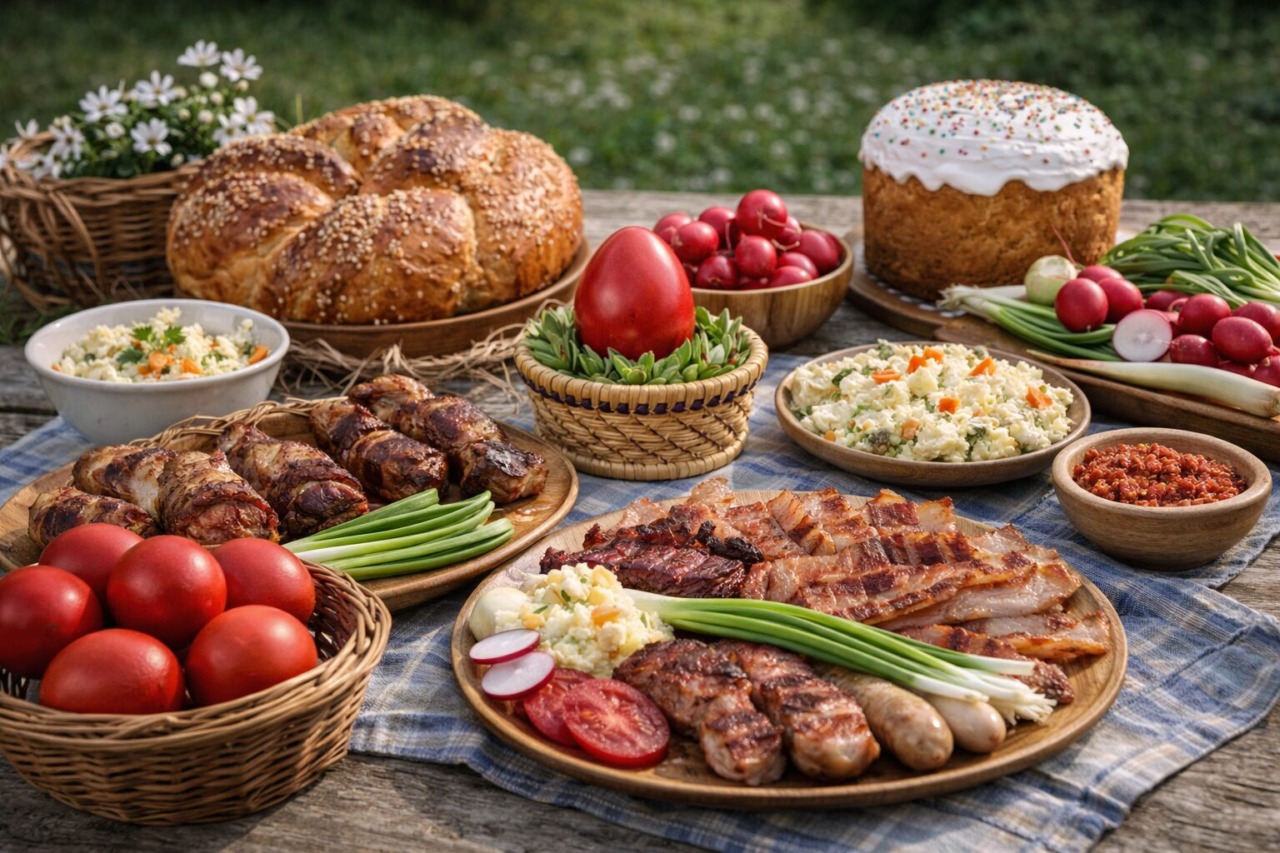
Everything is prepared at home, often following recipes passed down through generations. Meals are long and relaxed, creating space for conversation, storytelling, and reconnecting with family.
Where to Spend Easter in Serbia
Tara National Park – A Peaceful Escape into Nature
Tara National Park is one of the most rewarding places to spend Easter if you are looking for peace, fresh air, and nature. Spring transforms Tara into a vibrant green landscape, ideal for long walks through dense pine forests and scenic viewpoints overlooking the Drina River. One of the highlights is Banjska Stena, a viewpoint offering breathtaking panoramic views – especially magical in the soft light of early morning.
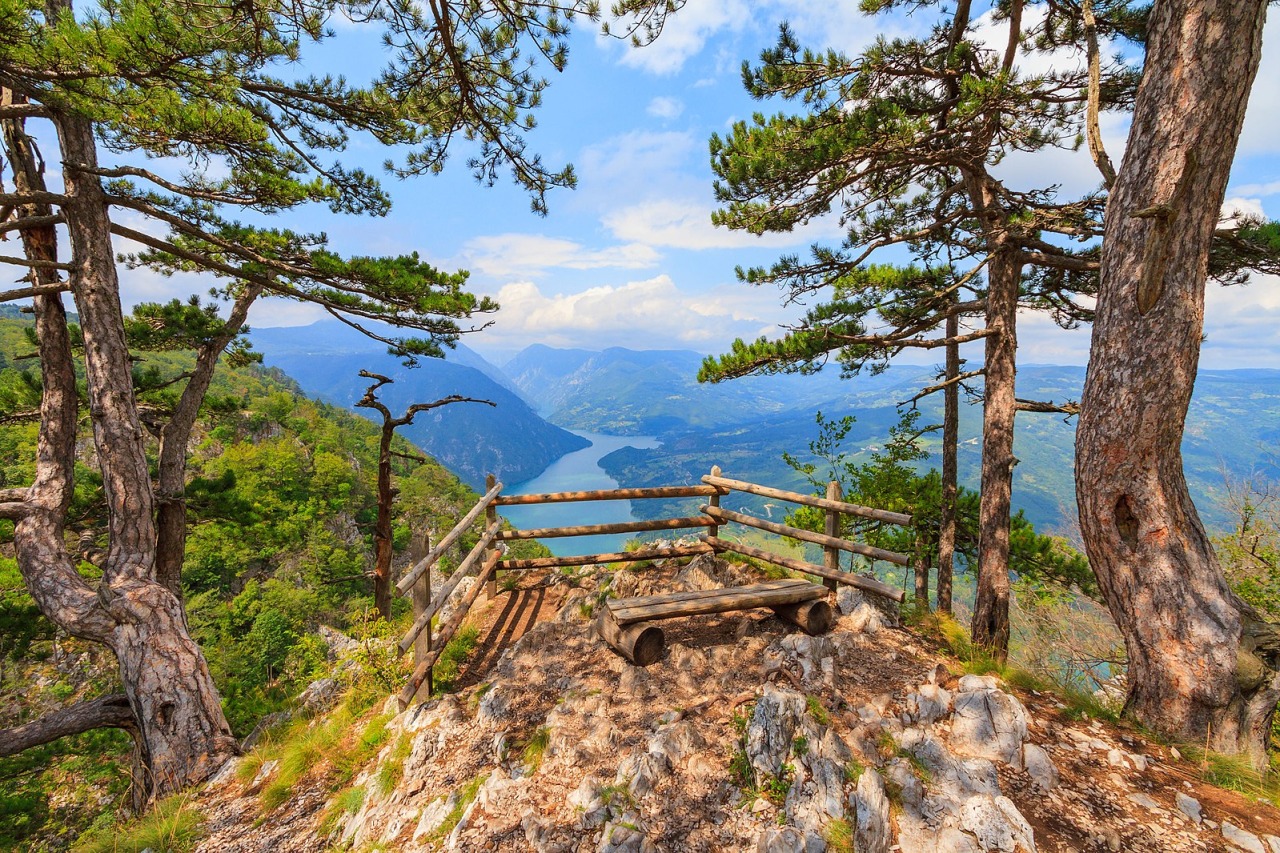
Visitors can spend their days hiking, exploring forest trails, or simply enjoying the quiet atmosphere of wooden cabins surrounded by nature. Easter here often means slow mornings, home-cooked meals, and evenings spent watching the sunset over the mountains.
For a deeper experience, you can visit nearby lakes such as Zaovine, or explore small villages where traditional ways of life are still preserved.
Uvac Canyon – A Dramatic Landscape and Unique Wildlife
Uvac Canyon offers one of the most striking natural landscapes in Serbia. The winding meanders of the river create a view that feels almost unreal, especially when seen from above. Spring is one of the best times to visit – the hills are green, the temperatures are pleasant, and the atmosphere is calm.
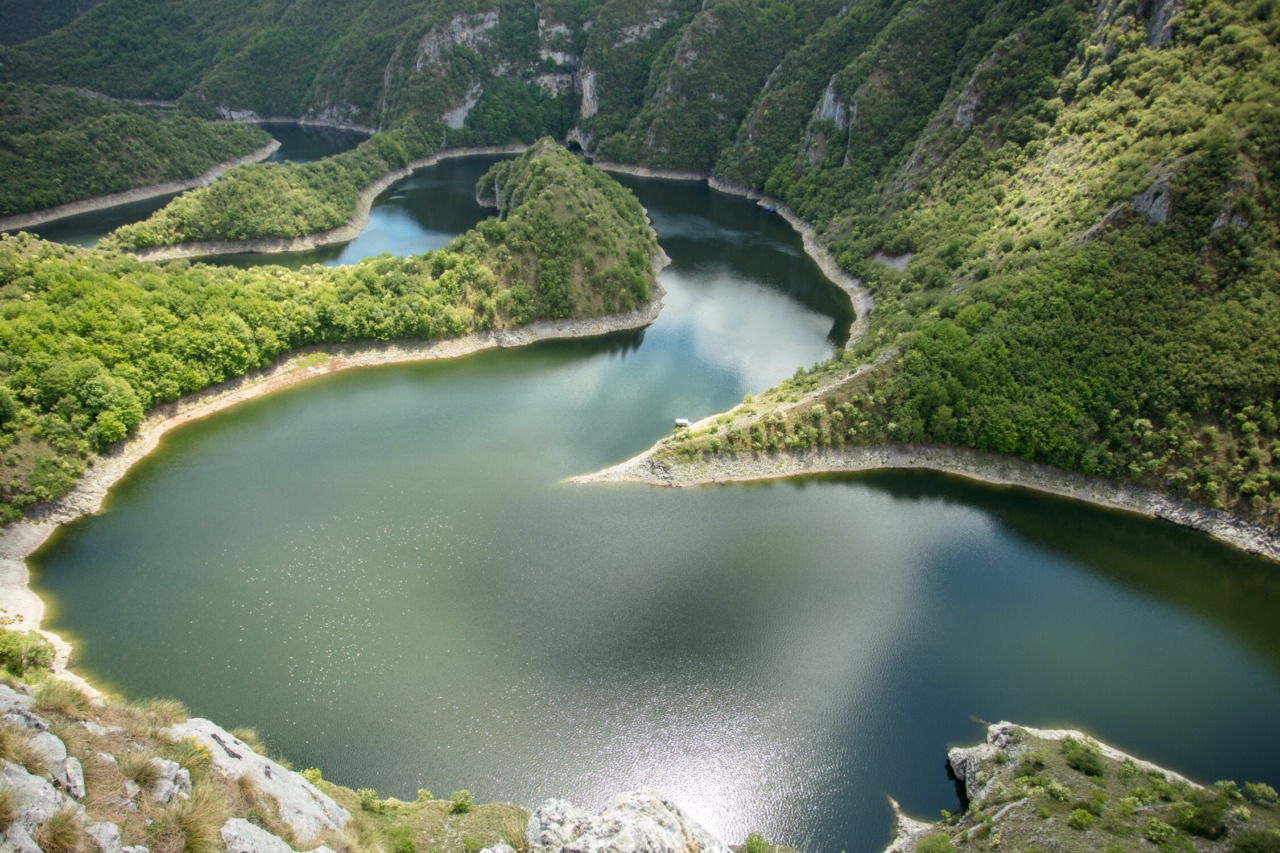
Hiking to viewpoints such as Molitva rewards visitors with unforgettable vistas. Boat tours along the river provide a completely different perspective, allowing you to explore caves and observe the famous griffon vultures that inhabit the area.
Easter in Uvac is ideal for those who enjoy combining light adventure with peaceful surroundings. It’s a place where you can disconnect, spend time in nature, and experience something truly unique.
Fruška Gora – Spiritual Atmosphere and Gentle Landscapes
Fruška Gora is often called the “Serbian Holy Mountain” due to its many monasteries, making it especially meaningful during Easter. This region offers a combination of spiritual heritage and soft, rolling landscapes. Visitors can spend their time exploring monasteries such as Grgeteg, Krušedol, or Novo Hopovo, each with its own history and atmosphere.
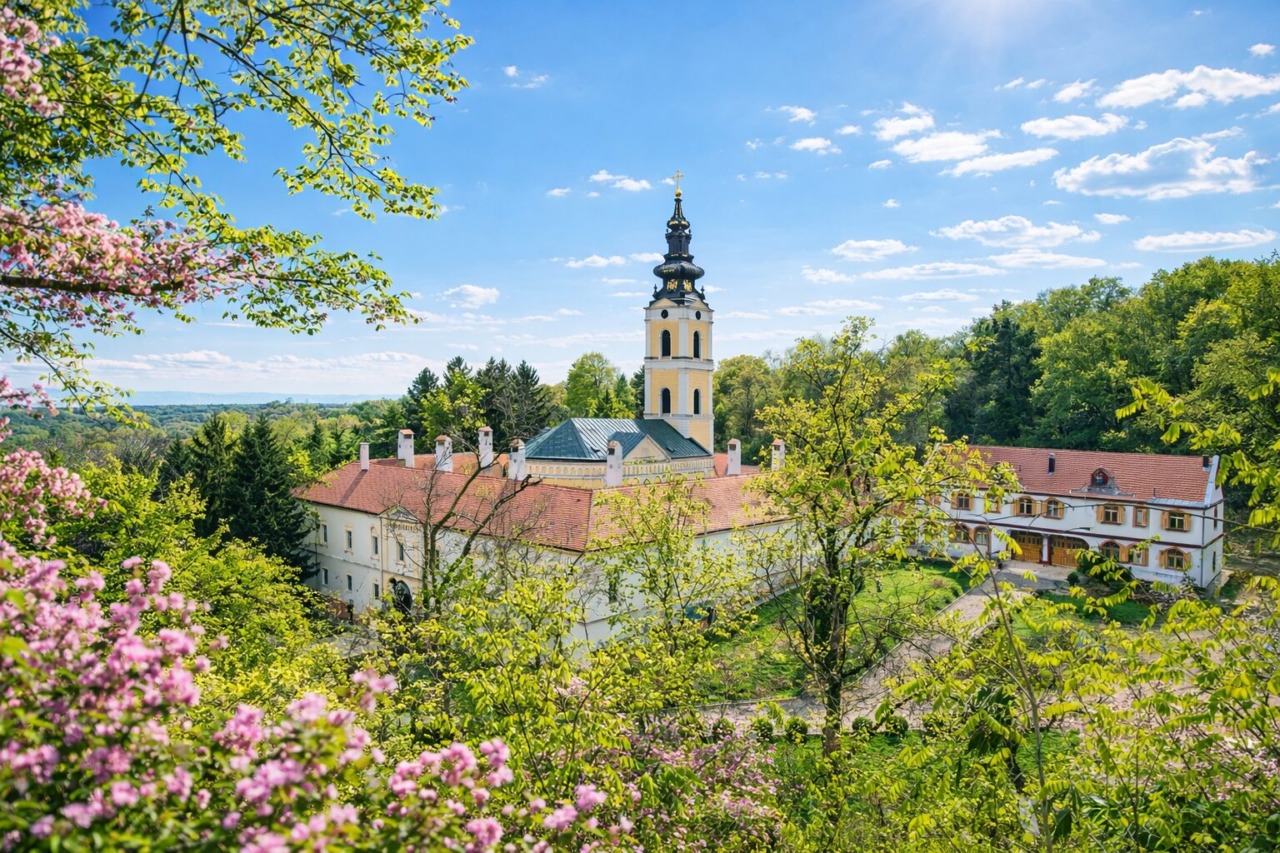
Beyond its spiritual side, Fruška Gora is perfect for relaxed outdoor activities. Easy hiking trails, cycling routes, and vineyard visits make it ideal for a slow-paced holiday. Easter here often includes a balance of reflection and enjoyment – visiting monasteries in the morning, followed by a traditional lunch and a walk through nature in the afternoon.
Mokra Gora and Drvengrad – Tradition, Culture, and Atmosphere
Mokra Gora is one of those places where time seems to move differently. Surrounded by mountains and traditional wooden houses, it offers a deeply authentic experience. Nearby Drvengrad, a unique wooden village created by filmmaker Emir Kusturica, adds a cultural and artistic dimension to the visit.
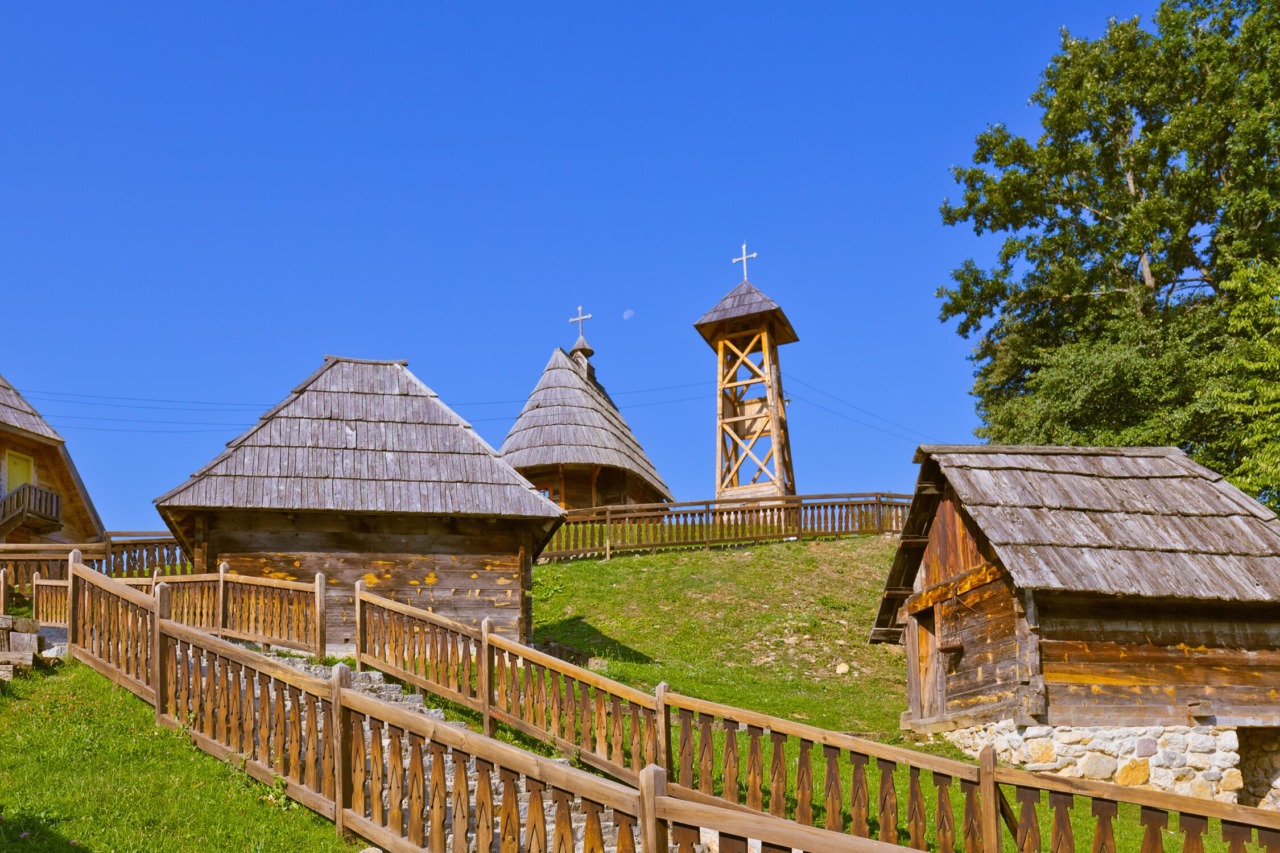
One of the highlights of the area is the Šargan Eight railway – a scenic train ride through tunnels and mountain landscapes that feels both nostalgic and unforgettable.
During Easter, this region is particularly charming. Visitors can enjoy local food, quiet village life, and a strong sense of tradition. It’s a place where culture, history, and nature come together in a very natural way.
Vojvodina Villages – Easter as Locals Experience It
For a truly authentic Easter experience, the villages of Vojvodina offer something special. This region is known for its open landscapes, colorful houses, and a slower pace of life. During Easter, villages come alive with family gatherings, traditional meals, and a strong sense of community.
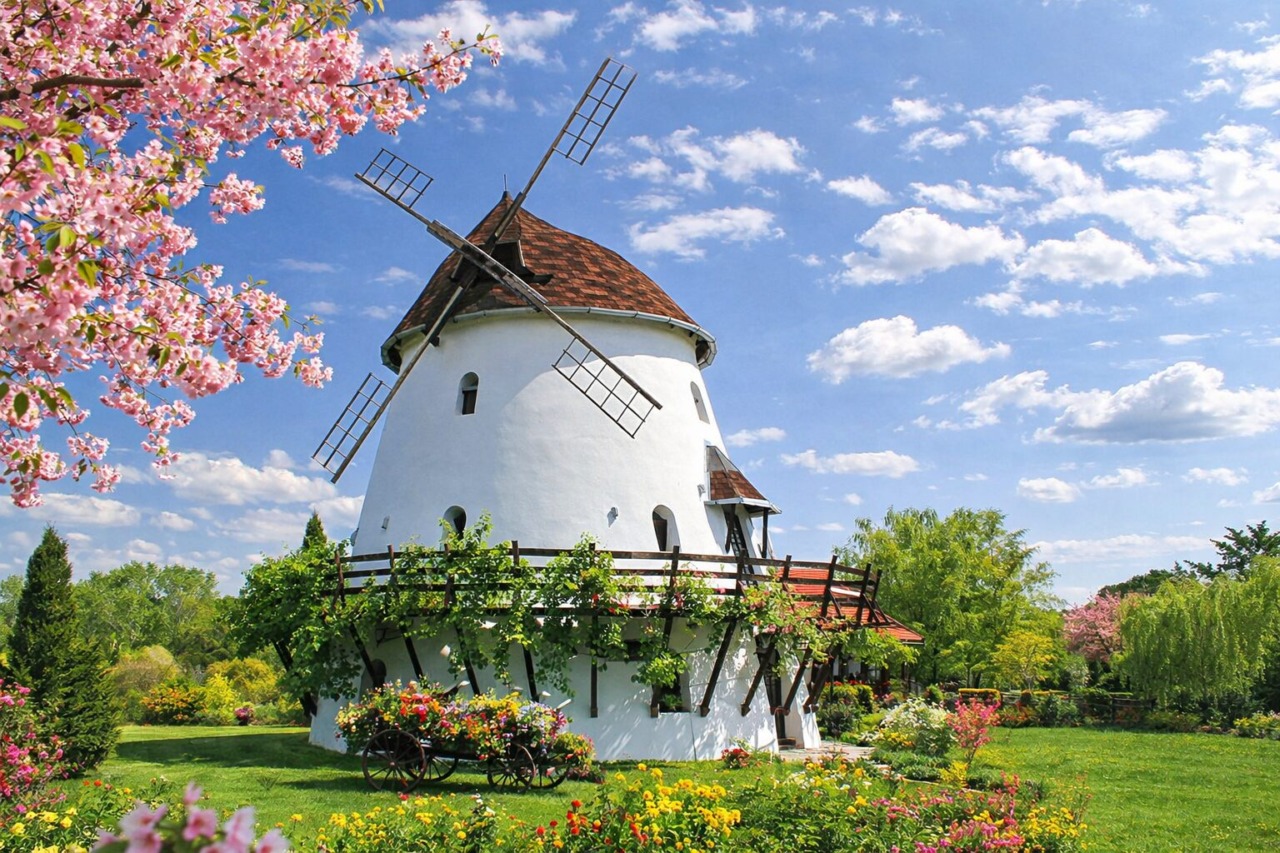
Visitors can experience everyday life – from morning coffee in the courtyard to long lunches that stretch into the afternoon. Walking through the village, you’ll notice blooming gardens, quiet streets, and a welcoming atmosphere.
This is not about sightseeing in the usual sense – it’s about experiencing a way of life. For many, this becomes the most memorable part of their trip.
Why Easter Is the Perfect Time to Visit Serbia
Easter reveals a different side of Serbia. It is quieter than the summer season, more intimate, and deeply connected to tradition. It’s a time when doors are open, tables are full, and visitors can experience the country in a more authentic way.
Whether you choose a mountain retreat, a village stay, or a cultural journey, Easter in Serbia is not just about where you go – it’s about how you experience it.
And in Serbia, that experience is warm, genuine, and unforgettable.