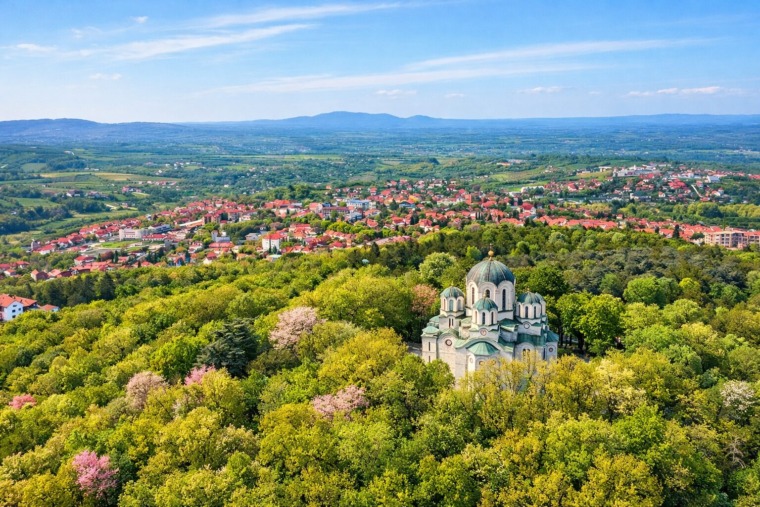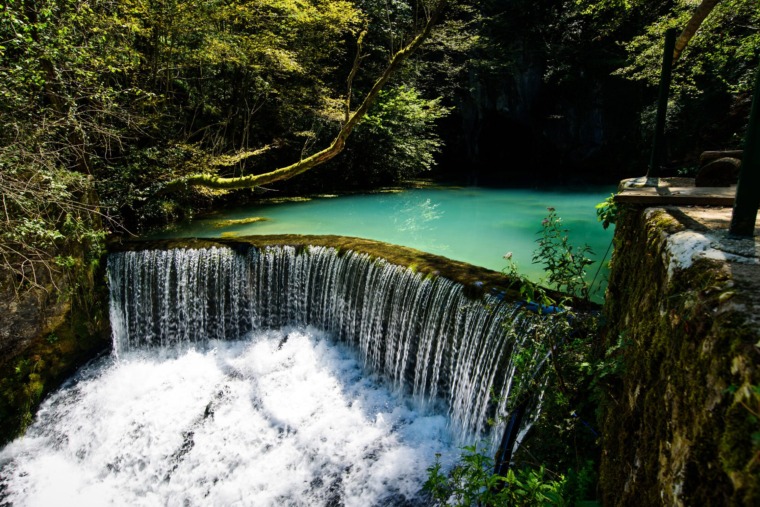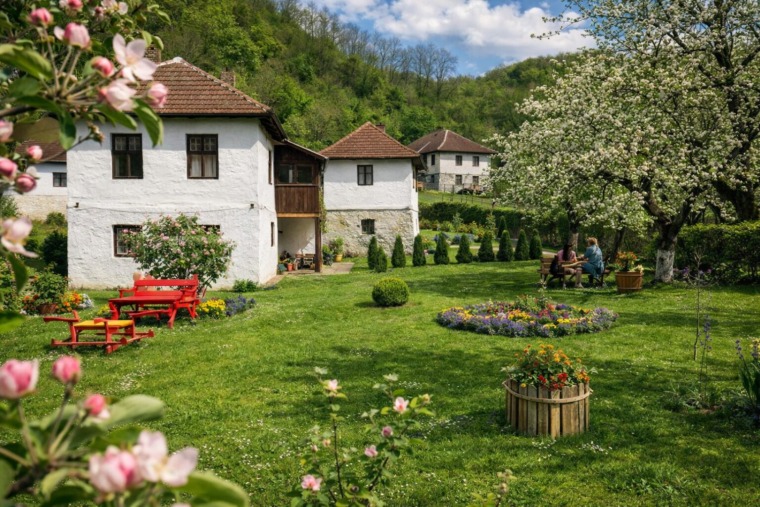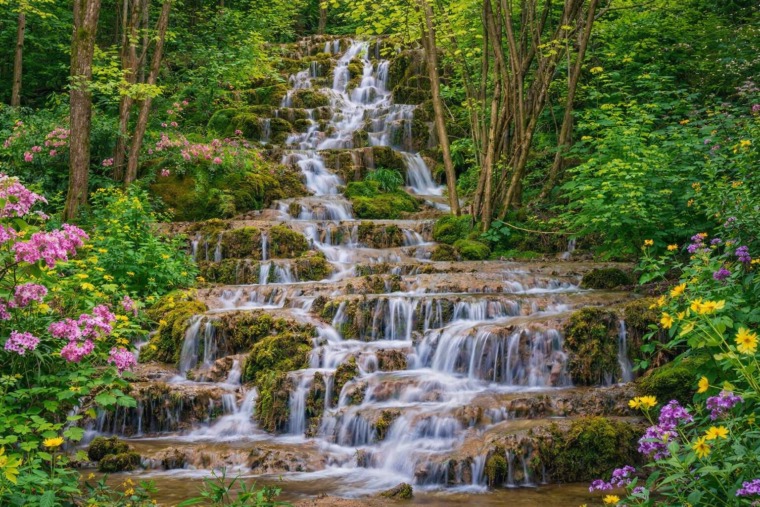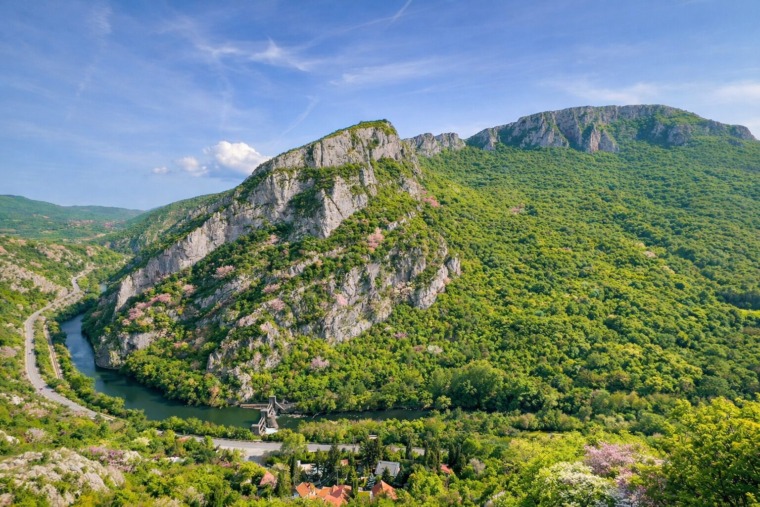
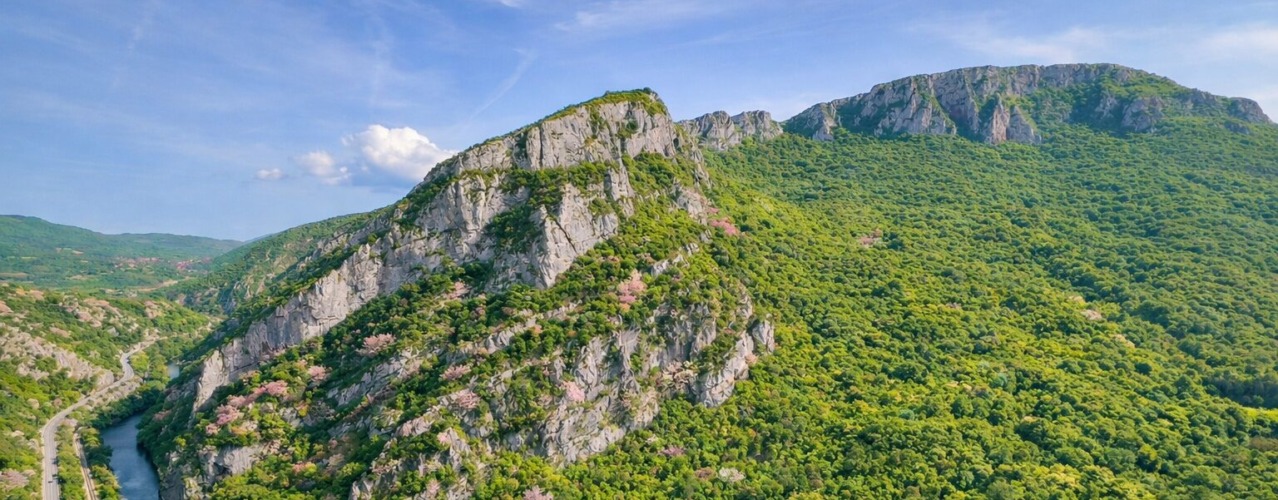
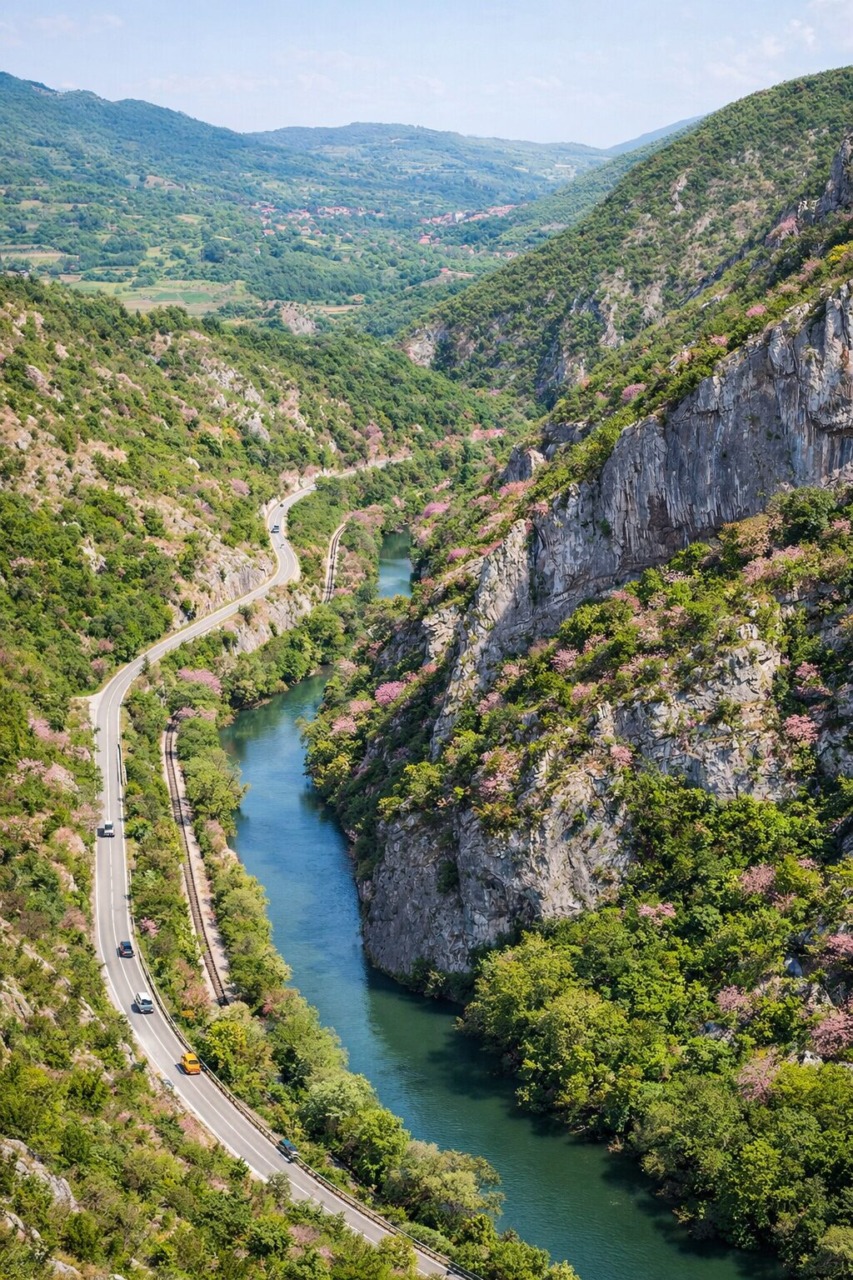
Just 14 kilometers from Niš, one of Serbia’s most striking landscapes unfolds – Sićevačka klisura. In April, the gorge reveals its full character. The Nišava River runs fast and clear, vegetation turns fresh green, and light between the steep rock walls creates contrasts that feel almost Mediterranean – which is why this place is often called the “Serbian Sicily.”
This is not just a scenic stop. It’s a layered landscape of movement, history, and activity – a place you experience by passing through it, stopping often, and exploring beyond the obvious.
A gorge shaped by both nature and time
Positioned between the slopes of Suva planina and the Svrljig Mountains, the gorge is a geological formation – but its story goes much deeper.
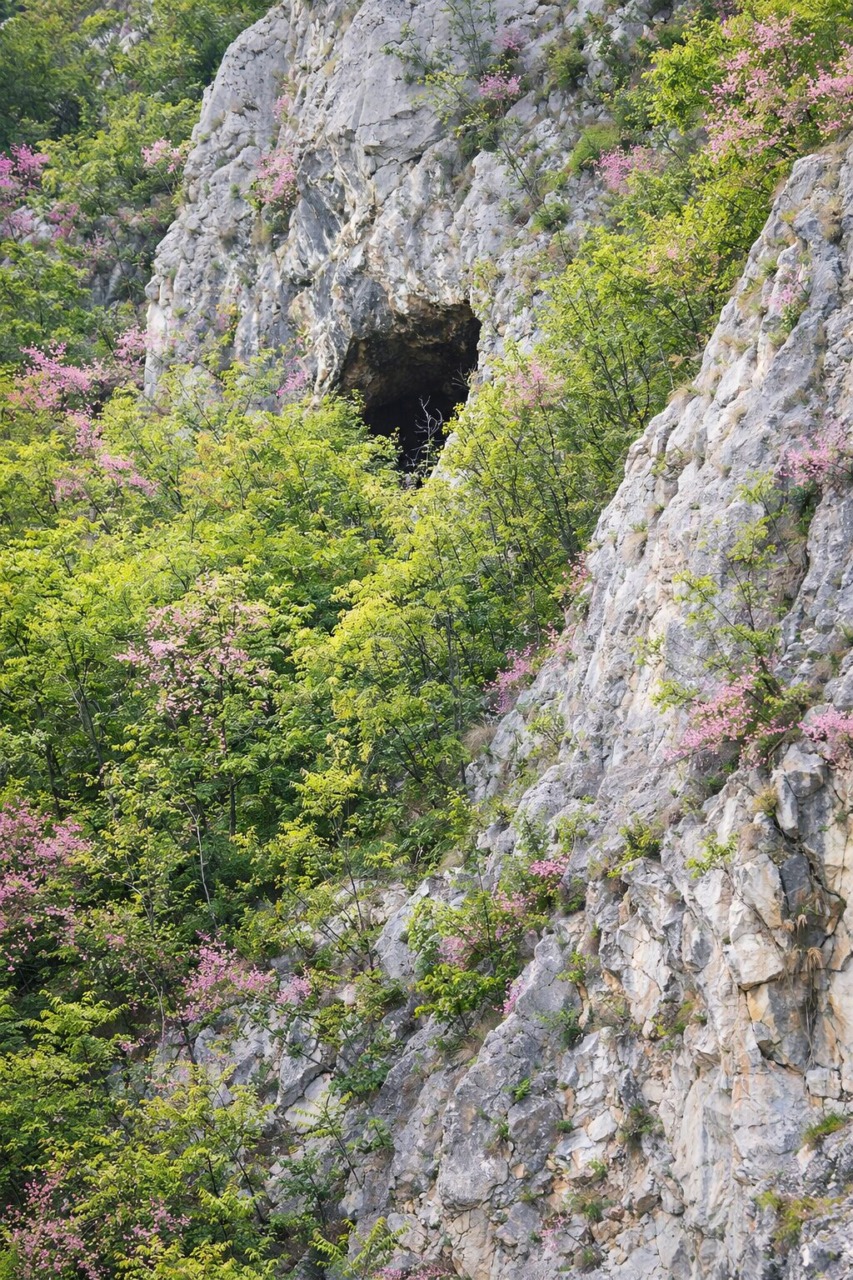
Near the village of Sićevo lie the Balanica caves, where remains over 400,000 years old were discovered – hearths, animal bones, and traces of early humans. Moving through the gorge today means crossing one of Europe’s oldest inhabited areas.
What to see: key spots that define the experience
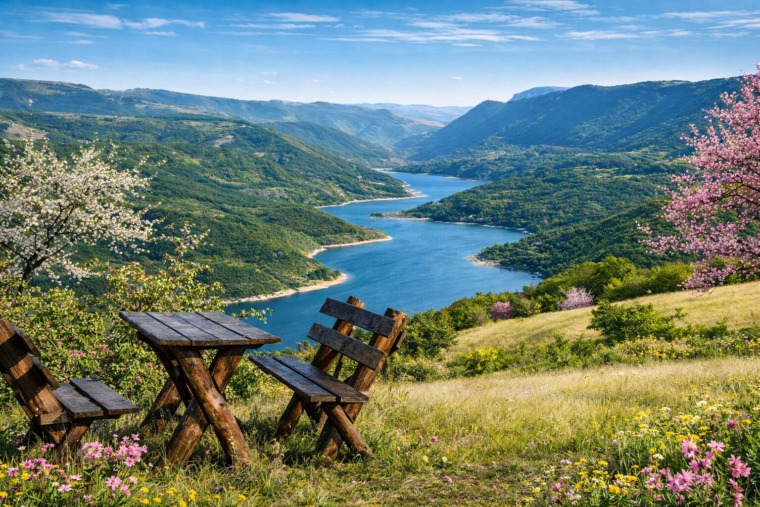
Start above the gorge in Sićevo, where a panoramic viewpoint opens up the entire landscape. From here, you can clearly see the Nišava cutting through the gorge, framed by steep mountain walls.
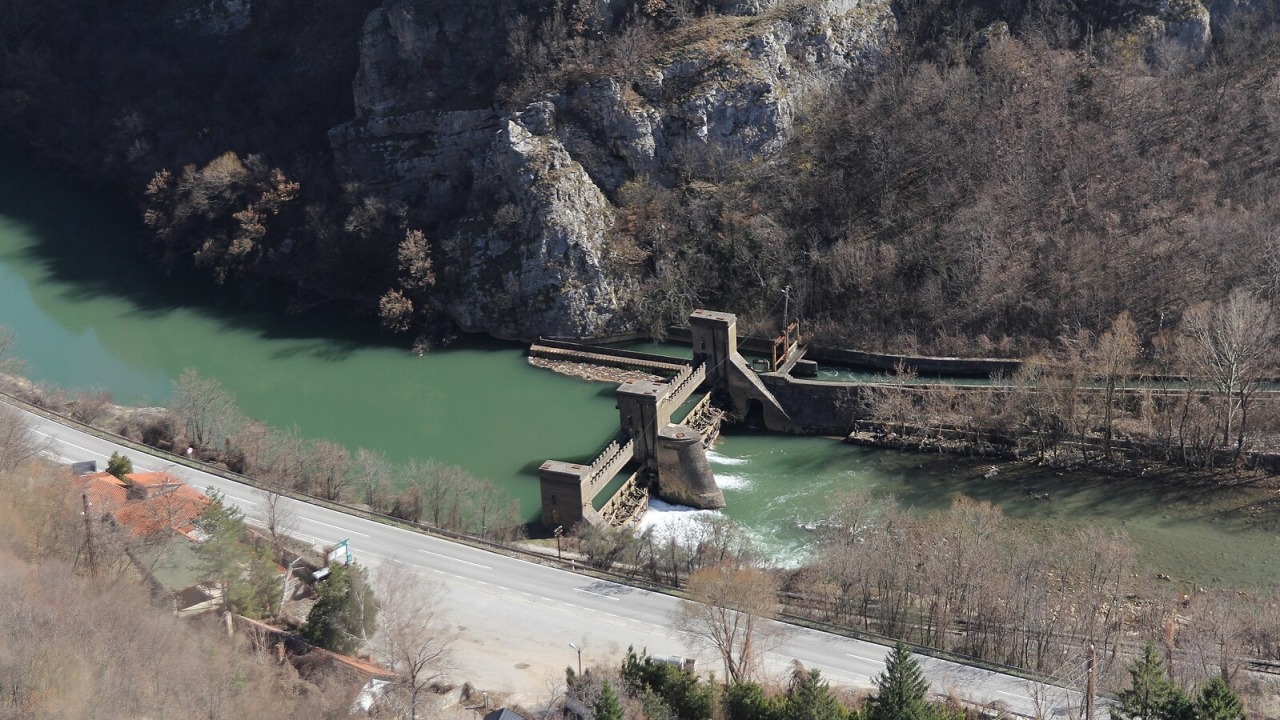
Further down, along the river, you’ll come across the Hydropower Plant Sveta Petka, built in 1908 based on the ideas of Nikola Tesla and Đorđe Stanojević. Still operational today, it adds a striking industrial contrast to the natural setting.
For a different atmosphere, head toward Ostrovica and visit Manastir Svete Petke Iverice and the Monastery of the Holy Mother of God – both hidden within the cliffs and offering a quieter, more reflective dimension of the gorge.
What to do: activities that actually fit the landscape
Sićevačka Gorge is one of the few places in Serbia where you can combine multiple outdoor experiences in a single day – naturally. The steep rock faces make it one of the country’s top spots for sport climbing, especially in spring when temperatures are ideal.
Just above Sićevo, one of the best paragliding take-off points in the region offers wide, stable air currents and open views across the gorge.

Along the river, walking and cycling routes follow the Nišava, with several access points where you can reach the water. Depending on water levels, early spring also marks the beginning of kayaking and rafting season.
Taste and tradition between vineyards
Thanks to its mild, almost Mediterranean microclimate, Sićevo has a long wine tradition. While the old cooperative winery closed, small family vineyards have been returning in recent years.

This is where you can stop for local wine paired with southern Serbian cuisine – roštilj, ajvar, homemade cheese – often served in small places overlooking the gorge.
What to explore nearby
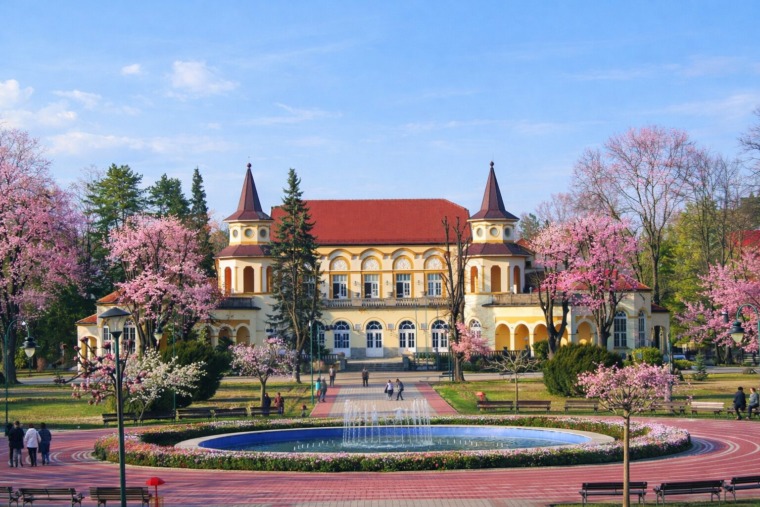
The gorge works perfectly as a base for exploring southern Serbia. Nearby Niška Banja offers a quick wellness break after a day outdoors. Back in Niš, the Niška tvrđava brings a completely different, urban contrast. For deeper nature, Suva Planina offers more demanding hikes and panoramic viewpoints just a short drive away.
Why April
April is when the gorge feels most complete. The river is powerful but clear. Vegetation is fresh without blocking the views. Temperatures are perfect for movement – whether you’re driving, hiking, or climbing. And most importantly – there are no crowds yet.
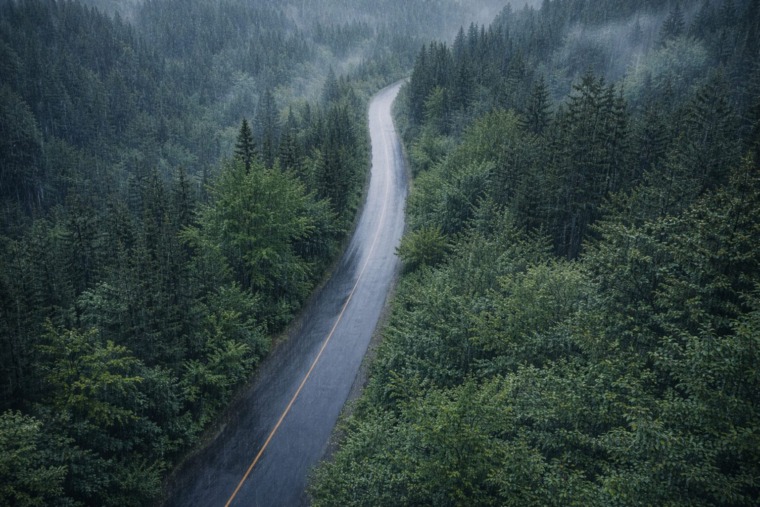
Sićevačka Gorge isn’t experienced from a single point. It unfolds through movement – through the road, the stops, the detours, and the views that appear around every bend. And in April, that experience feels at its best.