In the rich treasury of Serbian Orthodox traditions, few customs are as tender, symbolic, and deeply family-centered as Detinjci, Materice, and Oci. Celebrated over the three Sundays leading up to Christmas, these unique holidays form a cycle of family rituals found almost nowhere else in the Christian world.
Their essence lies not in grand ceremonies, but in the warmth of the home, children’s laughter, symbolic “binding,” and meaningful gift-giving that carries a deeper spiritual message.
These are not merely dates in the calendar – they are moments that shape family identity and gently prepare the heart for the most joyful Christian holiday.
When and Why Are They Celebrated?
Detinjci, Materice, and Oci are observed on the third, second, and first Sundays before Christmas, forming an inseparable whole:
- Detinjci – the third Sunday before Christmas
- Materice – the second Sunday before Christmas
- Oci – the Sunday immediately before Christmas
Their origins lie in the Serbian Orthodox understanding of the family as a “small church” – a place where love, forgiveness, respect, and sacrifice are learned. Through the playful yet meaningful ritual of binding and unbinding, families spiritually prepare for the birth of Christ.
Detinjci – A Celebration of Children and Joy
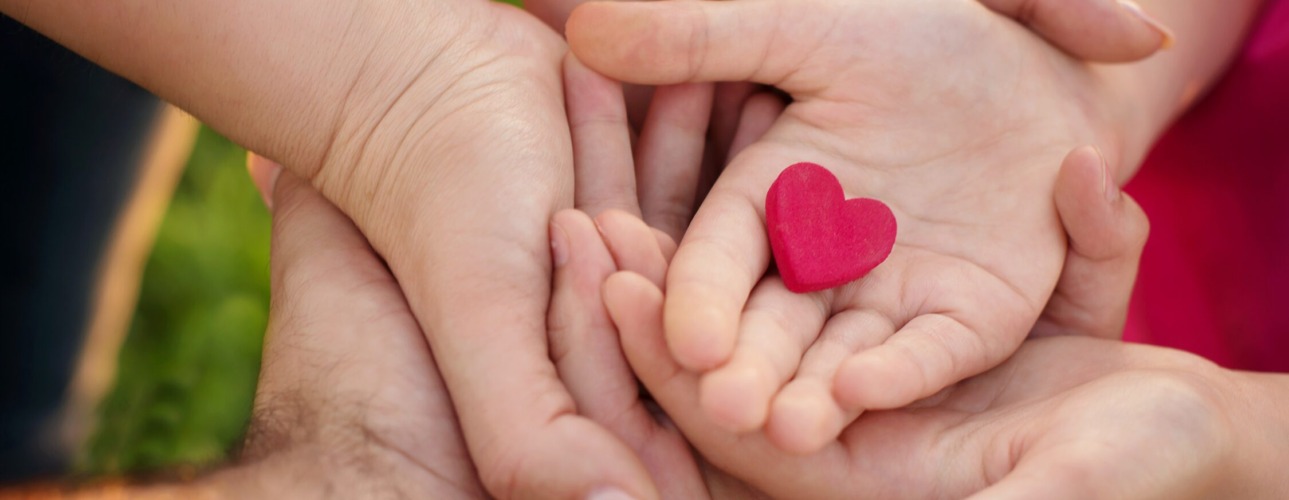
On Detinjci, children take center stage. Early in the morning, often filled with excitement and laughter, they symbolically “bind” their parents, grandparents, or other adult family members using string, scarves, or ribbons. To be “unbound,” the adults must give gifts to the children.
33milos33
Today, these gifts are usually modest – sweets, fruit, or small tokens – but the true value of Detinjci lies not in material exchange, but in shared joy and attention. The holiday teaches children that love is mutual, that it is both given and received, and that the home is a place of warmth and safety.
The symbolism of Detinjci is deeply Christian, reflecting innocence, pure joy, and the childlike happiness with which Christ’s birth is awaited.
Materice – A Quiet Celebration of Motherhood
Materice, celebrated on the second Sunday before Christmas, is often considered the most emotional of the three holidays. On this day, children “bind” their mothers – as well as grandmothers, aunts, and all women who play a maternal role in the family.

Mothers then “unbind” themselves with gifts prepared for their children, usually in advance, knowing the special meaning of the day. Traditionally, this was also a time when mothers gathered the family, prepared a fasting meal, and filled the home with warmth.
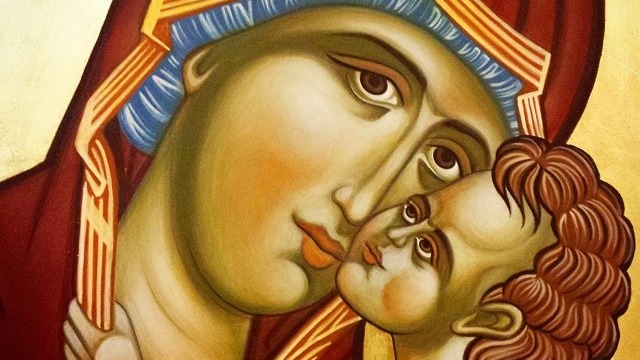
Materice honors motherhood as the source of life, care, and unconditional love. Symbolically, it also recalls the Virgin Mary as the Mother of Christ, while honoring every woman who carries the daily burden of care, patience, and quiet sacrifice.
Oci – The Pillar of the Family Before Christmas
The final Sunday before Christmas is reserved for Oci. Children symbolically “bind” their fathers, who then unbind themselves with gifts. This holiday highlights the role of the father in the family – not only as a provider, but as a protector, role model, and source of stability.
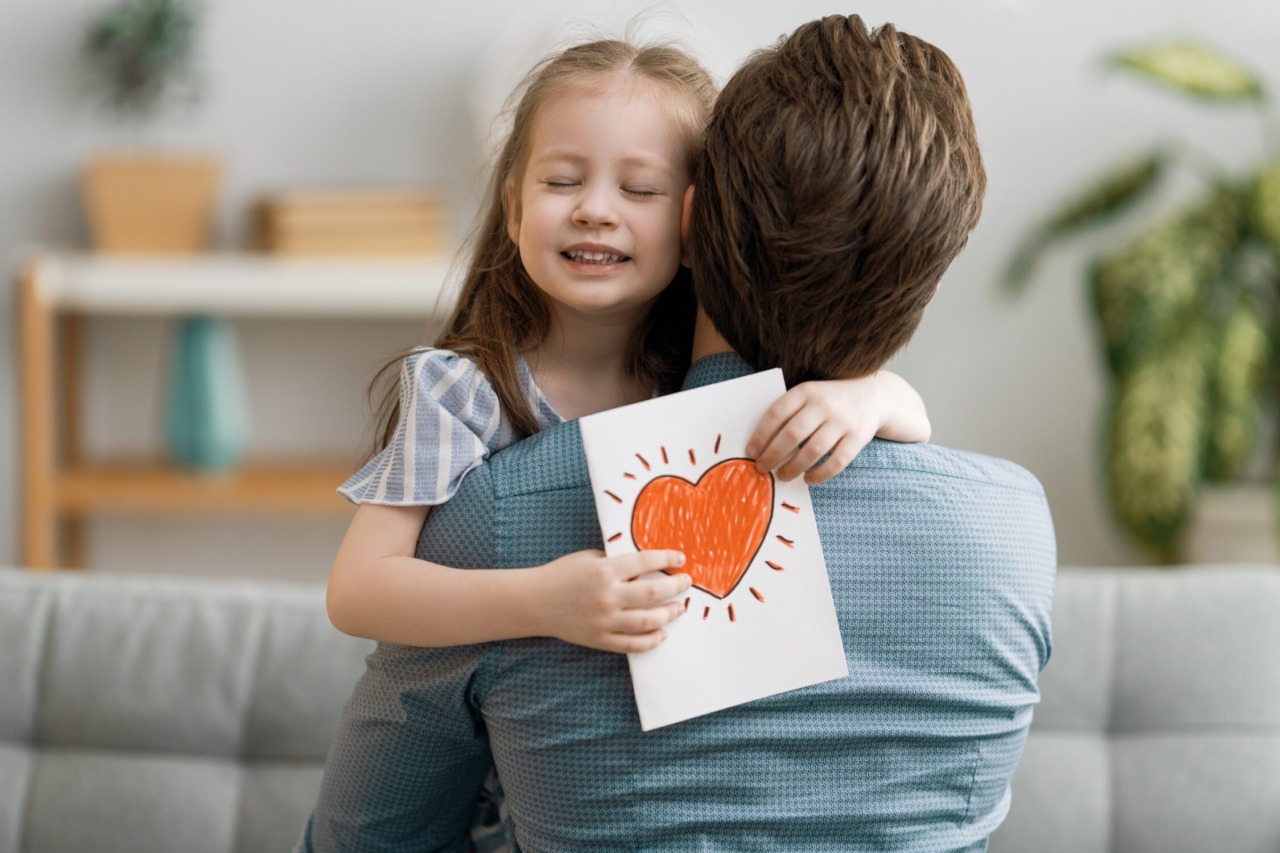
In traditional Serbian culture, the father represented order and responsibility. Celebrated just before Christmas, Oci emphasizes commitment, sacrifice, and love expressed through actions rather than words.
A Shared Message of the Three Holidays
Together, Detinjci, Materice, and Oci form a circle of family love, where each member takes turns binding and unbinding, giving and receiving, forgiving and rejoicing. There are no winners or losers – everyone belongs to the same home and the same story.
Their message remains timeless:
- the family is the foundation of the community
- love is built through small, everyday gestures
- closeness and forgiveness matter more than material gifts
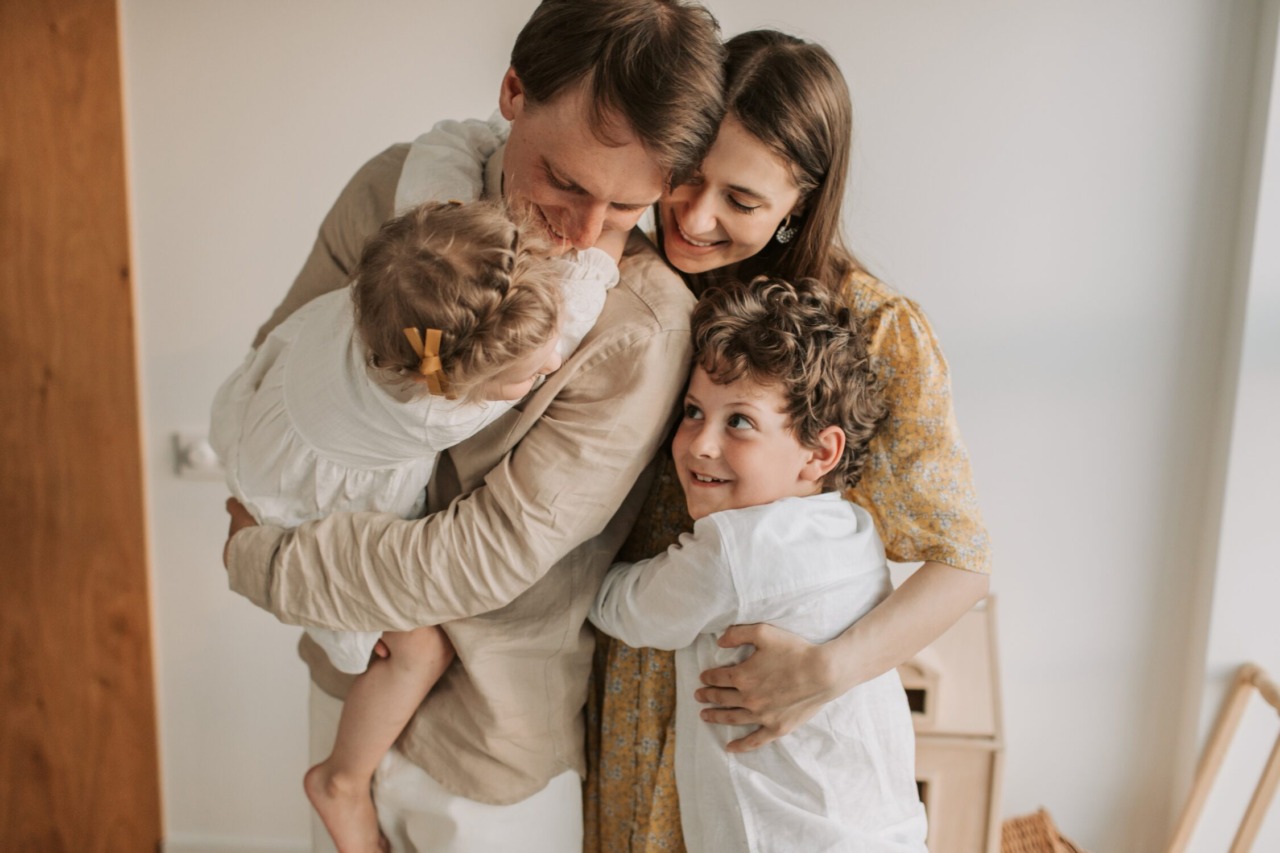
In a fast-paced world where family moments are increasingly rare, these holidays serve as a gentle reminder of enduring values.
A Living Tradition
Unlike many old customs preserved only in books, Detinjci, Materice, and Oci are still widely celebrated across Serbia today, in cities and villages alike, in both traditional and modern households. They evolve with time but never lose their meaning.
These holidays are more than folklore – they prove that tradition can be living, gentle, and contemporary, while preserving what matters most: the family as a place of love and unity.
It is precisely customs like these that make Serbia special – not for their grandeur, but for the depth of emotion they carry.
Related Articles

5 Little Things in Serbia That Travelers Never Forget
February 20, 2026
Interesting Facts About Sretenje You May Not Know
February 16, 2026