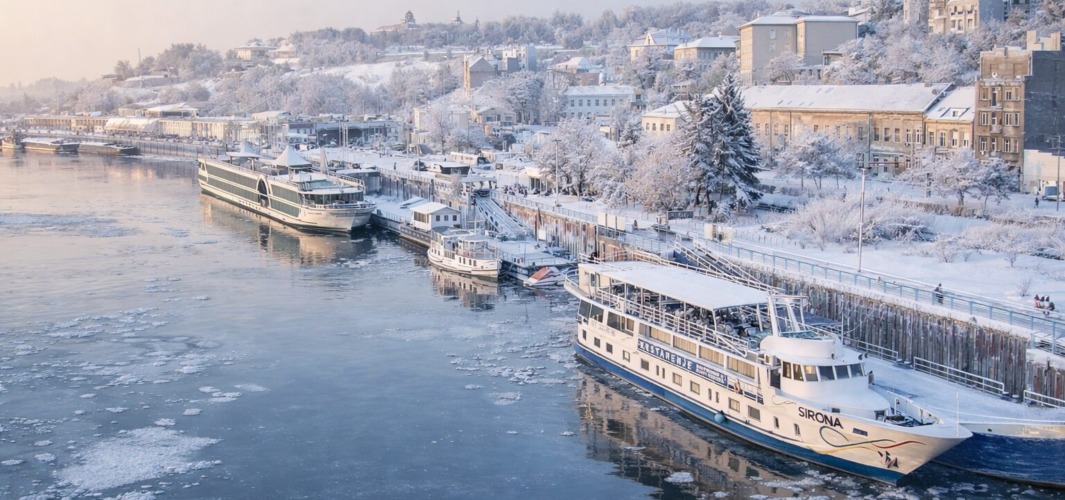
In winter, the Danube reveals a quieter, more intimate side of Serbia. Without cruise crowds, summer festivals, and busy riverbanks, the country’s great river becomes a place of slow walks, wide horizons, and unexpected discoveries. From historic fortresses to nature reserves and forgotten river towns, winter is the perfect season to experience the Danube differently.
Belgrade: Where Rivers Meet in Silence
Winter in Belgrade transforms the famous confluence of the Sava and the Danube into a calm, contemplative space. Kalemegdan Fortress feels more monumental without crowds, its stone walls overlooking misty waters and distant river barges.
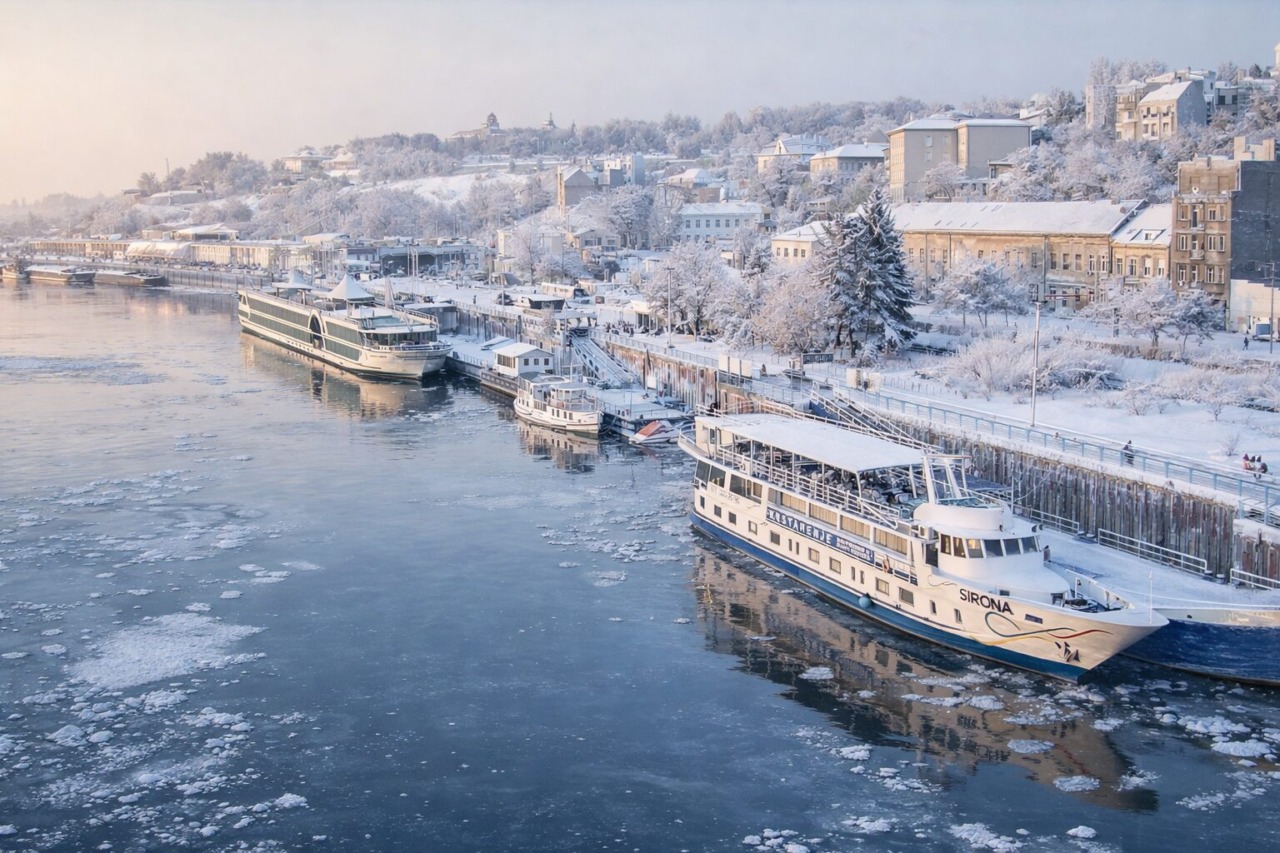
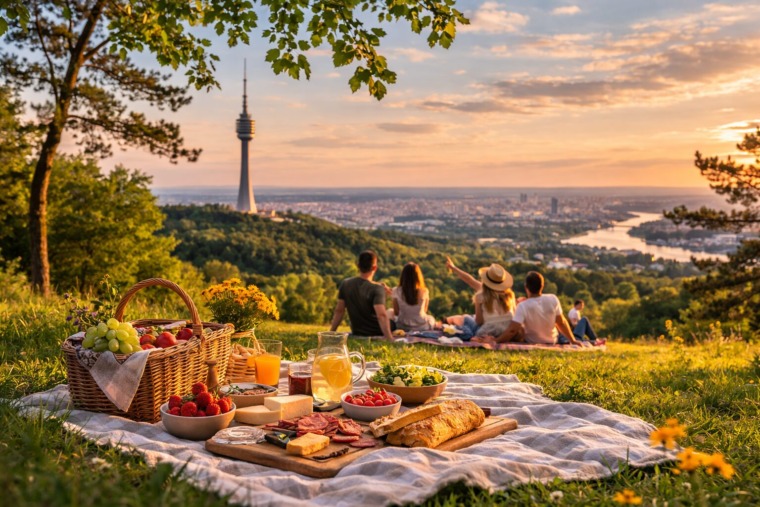
Walks along Dorćol’s riverbanks or Zemun Quay offer clear views and crisp air, while cafés near the river become warm refuges rather than noisy stops. Belgrade in winter is less about nightlife and more about atmosphere.
Zemun: Old Town Charm by the River
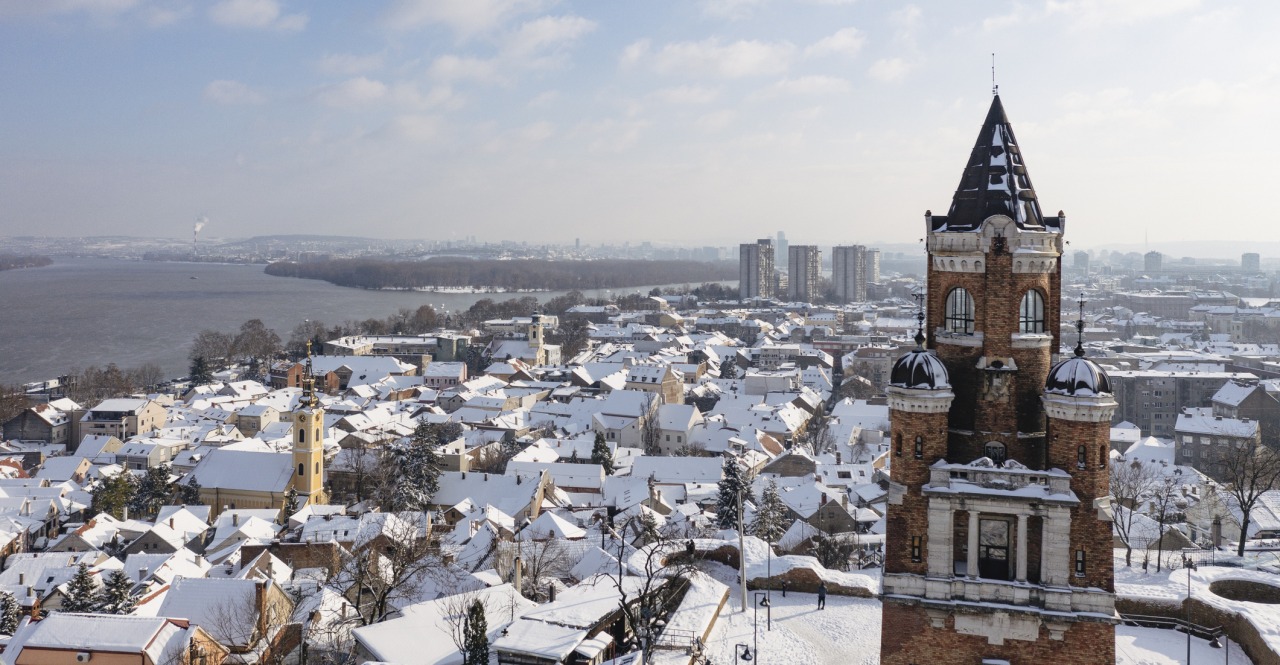
Just downstream, Zemun feels like a small riverside town rather than part of a capital city. Winter highlights its Austro-Hungarian architecture, cobbled streets, and the Gardoš Tower, rising above the Danube like a watchful guardian. The river here moves slowly, often framed by fog and pale winter light, making Zemun ideal for photographers and travelers looking for a nostalgic, old-Europe mood.
Golubac Fortress: Drama in Stone and Water
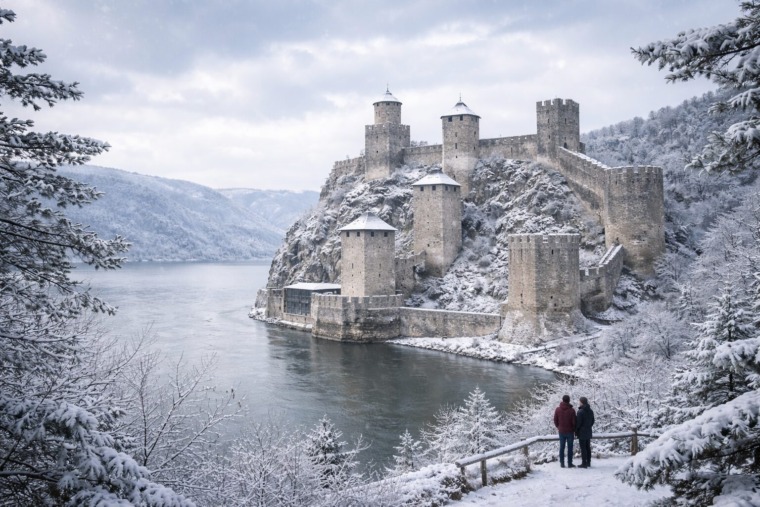
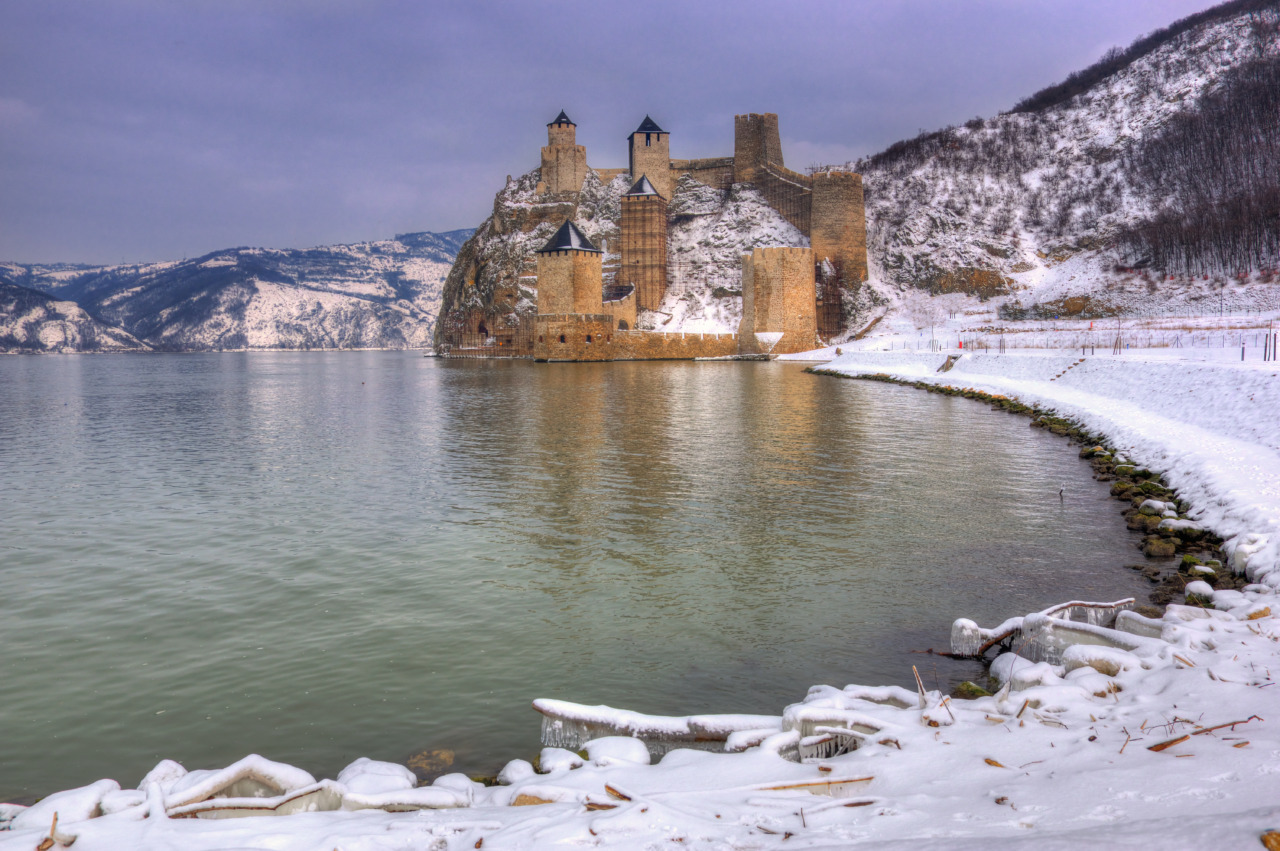
Few places on the Danube feel as powerful in winter as Golubac Fortress. Standing at the entrance to the Iron Gates gorge, its towers rise directly from the river, often surrounded by mist or low clouds. Without summer visitors, the fortress feels timeless and raw. The nearby village of Golubac is quiet in winter, perfect for a peaceful stop before continuing deeper into eastern Serbia.
The Iron Gates (Đerdap): Serbia’s Wild Danube
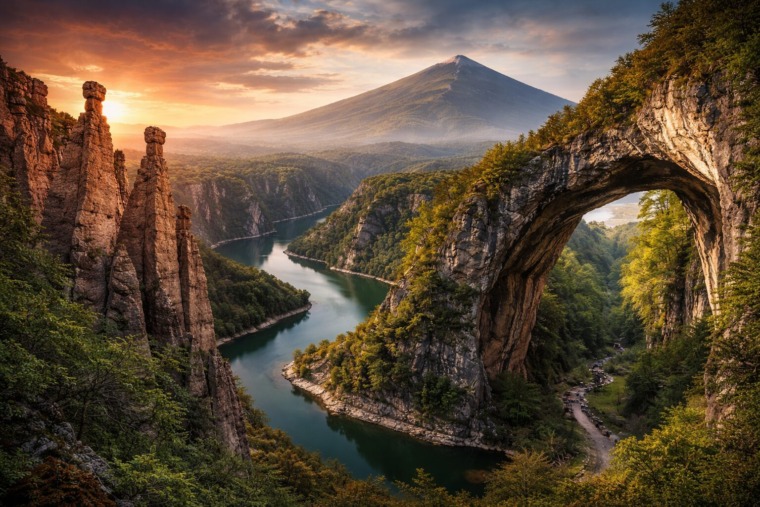
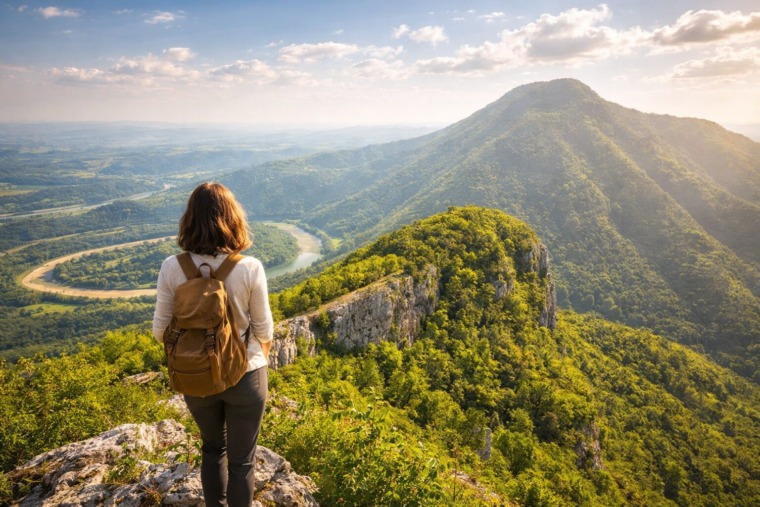
Winter is when Đerdap National Park truly shows its scale. The Danube narrows, cliffs rise dramatically, and the landscape feels almost untouched. Viewpoints along the gorge offer breathtaking perspectives, especially when snow dusts the surrounding mountains.
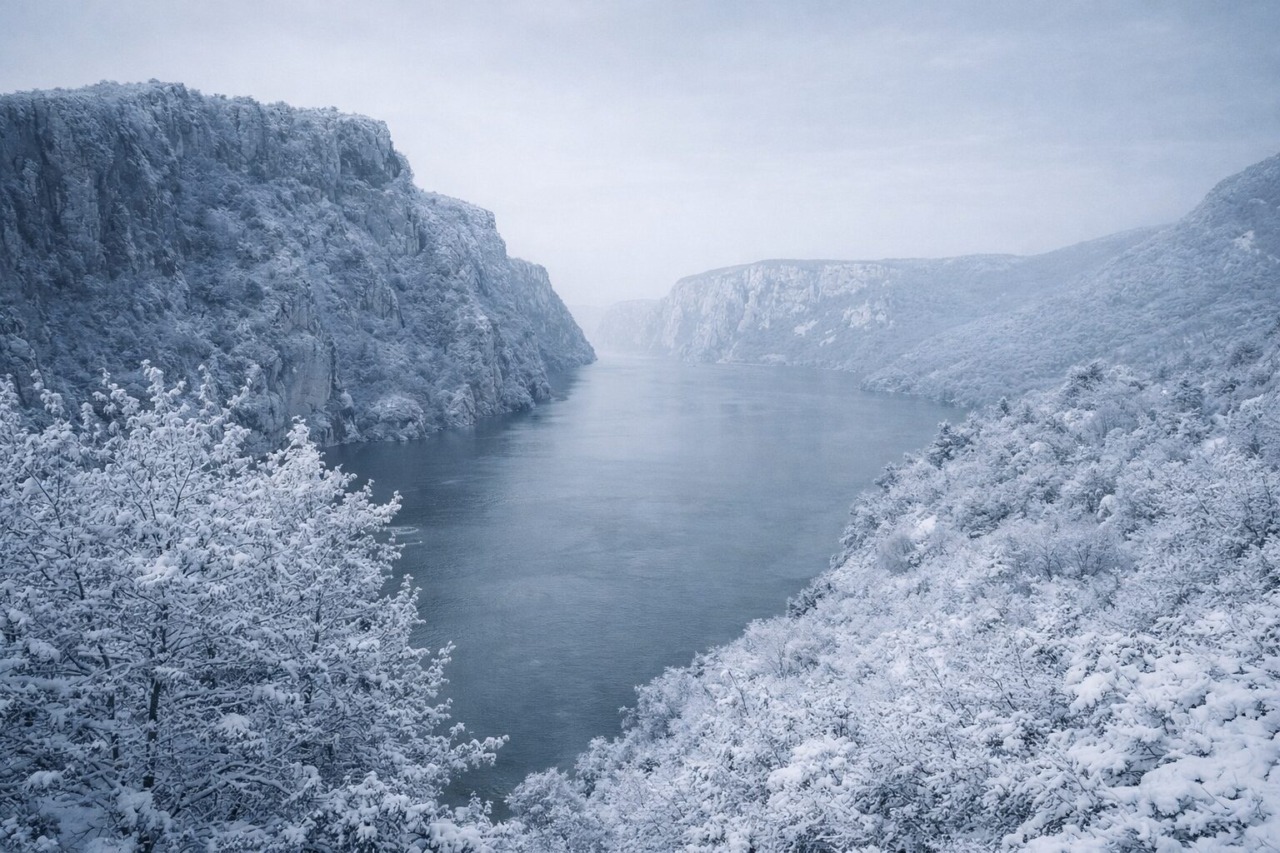
Towns like Donji Milanovac become calm bases for exploration, ideal for travelers seeking nature, silence, and long river views rather than activity-packed itineraries.
Srebrno Jezero and Veliko Gradište: Still Waters, Slow Days
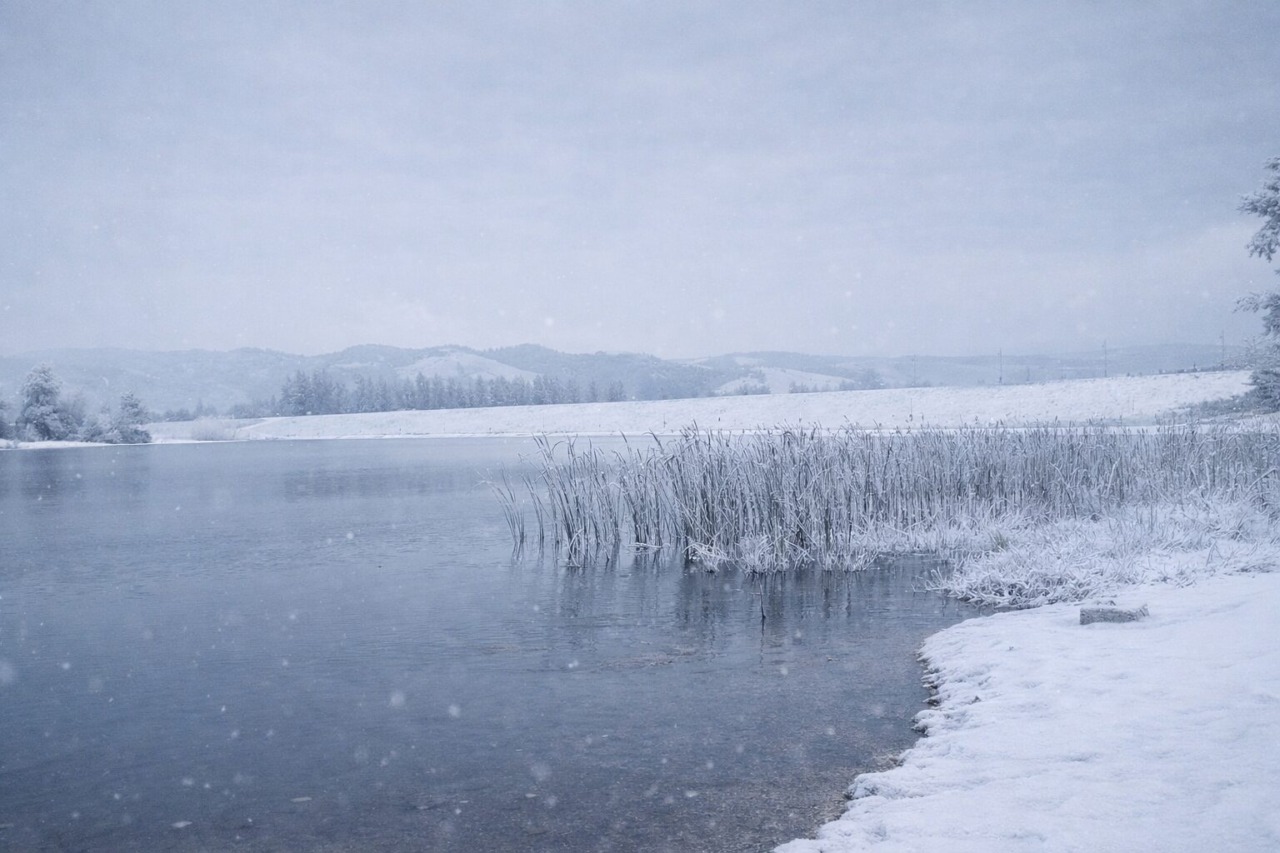
While known as summer destinations, Srebrno Jezero and Veliko Gradište take on a completely different character in winter. The lake freezes partially in colder months, paths are empty, and the Danube nearby flows steadily past bare trees and quiet riverbanks. It’s a destination for long walks, reflection, and local food rather than swimming and crowds.
Smederevo Fortress: Winter Stillness on the Danube
In winter, Smederevo Fortress feels vast and almost cinematic. Its massive stone walls, stretching along the Danube, stand exposed and powerful without summer crowds or events. The wide open space inside the fortress allows visitors to truly grasp its scale – the last great medieval capital of Serbia resting quietly by the river.
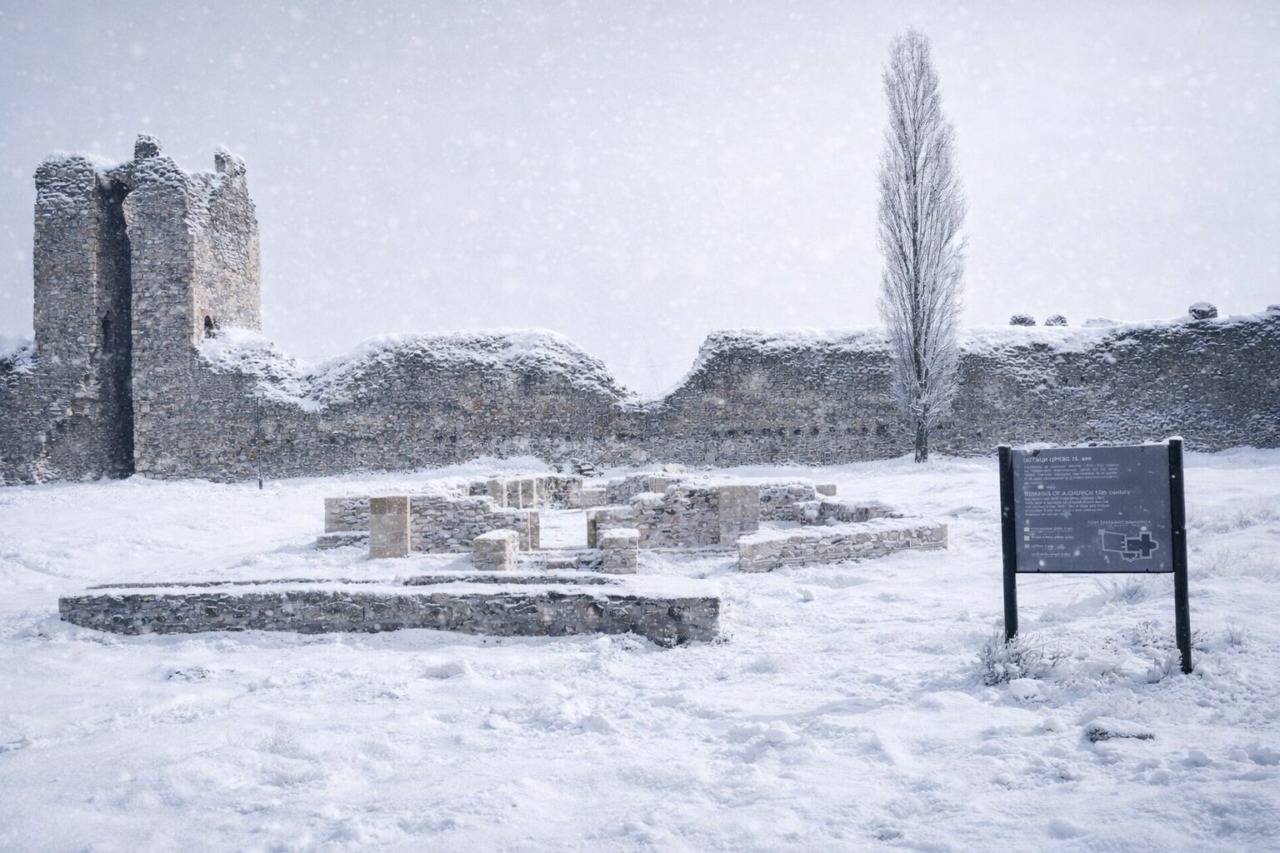
The Danube here moves slowly, often reflecting pale winter skies, while the nearby Jezava River adds to the feeling of water and openness. Winter walks along the fortress walls are calm and uninterrupted, ideal for photography and for understanding the historical importance of Smederevo as a strategic river city. The town itself feels unhurried in winter, making it an easy and rewarding stop along any Danube route through Serbia.
A River for Slow Travelers
Winter along the Danube in Serbia is not about ticking off attractions. It’s about mood, space, and the feeling of moving alongside one of Europe’s great rivers at its most honest. From Belgrade’s fortresses to the wild landscapes of Đerdap, the Danube without crowds invites travelers to slow down, look closer, and experience Serbia beyond the usual seasons.
Related Articles