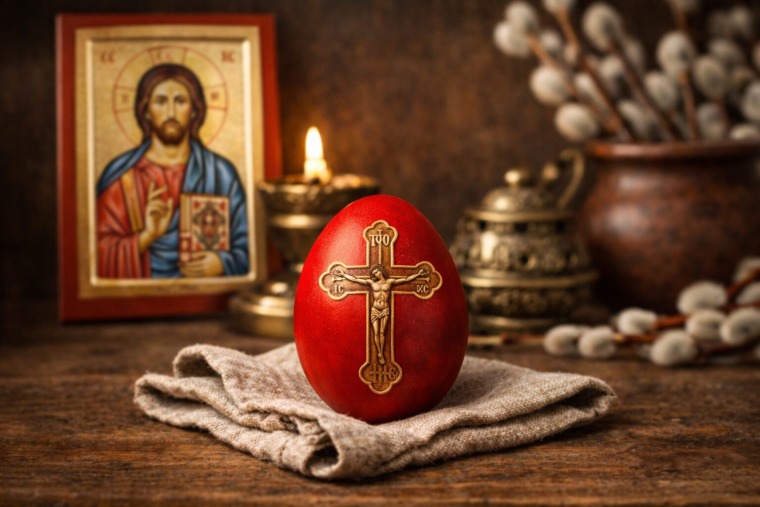

Epiphany or Bogojavljenje is one of the most important Christian holidays and is celebrated in the Serbian Orthodox tradition on January 19. This day commemorates the Baptism of Jesus Christ in the River Jordan and marks the moment when God was revealed to humankind in the fullness of the Holy Trinity – the Father, the Son, and the Holy Spirit. Because of this divine revelation, the holiday is known as Epiphany.
In Serbia, Epiphany is deeply rooted in religious and cultural tradition, closely linking faith, water, and community.
Why Bogojavljenje Is Celebrated
Bogojavljenje commemorates the moment described in the Gospels when John the Baptist baptized Jesus Christ, and God revealed Himself through the voice of the Father from heaven and the descent of the Holy Spirit in the form of a dove. This event confirmed Christ’s divine nature and marked the beginning of His public ministry.
For this reason, Epiphany is celebrated as a holiday of faith and divine revelation, as well as a symbol of spiritual renewal and new beginnings, since baptism represents purification and rebirth.
The Symbolism of Water on Epiphany
Water holds a central place in the celebration of Epiphany. In Christian belief, water symbolizes purification, renewal, and life. On this day, the Great Blessing of Waters is performed in churches and on rivers, lakes, and springs.
In Serbia, it is a long-standing tradition to keep Epiphany holy water throughout the year. It is believed to bring blessings, health, and peace to the household, and it is used on special occasions as an expression of faith.
The Tradition of Swimming for the Holy Cross
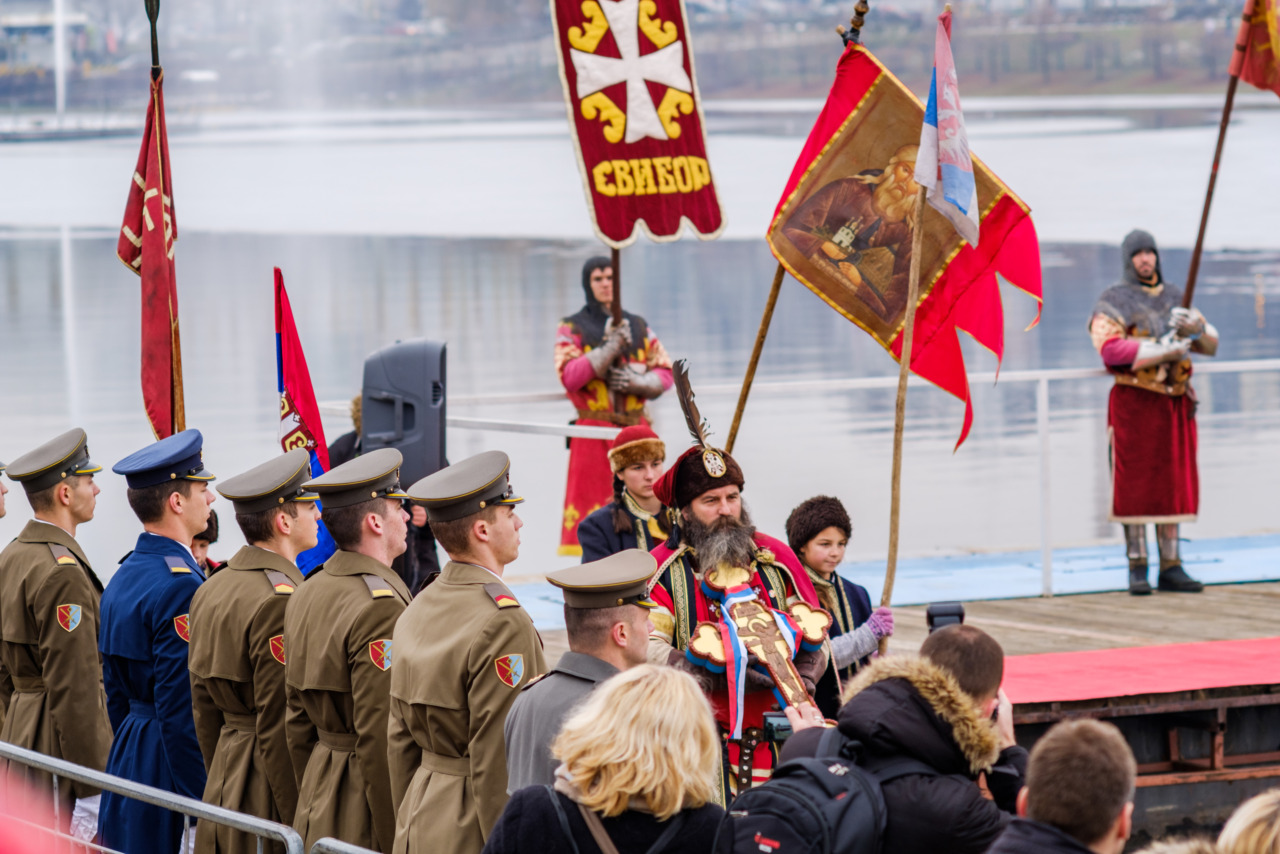
One of the most recognizable Bogojavljenje traditions in Serbia is the swimming for the Holy Cross. Although it has become a large public event in recent years, its original meaning is not competition, but a spiritual act of faith, courage, and devotion.
The cross thrown into the water symbolizes Christ’s baptism, while entering the icy river represents a believer’s willingness to follow faith and take personal responsibility for their spiritual path. Traditionally, the act of participation itself is considered more important than being the first to retrieve the cross.
How Bogojavljenje Is Celebrated in Serbia
Bogojavljenje is marked by church services, the blessing of water, and gatherings of believers. In many towns and villages across Serbia, processions and swimming for the Holy Cross are organized, accompanied by clergy and large numbers of participants and spectators.
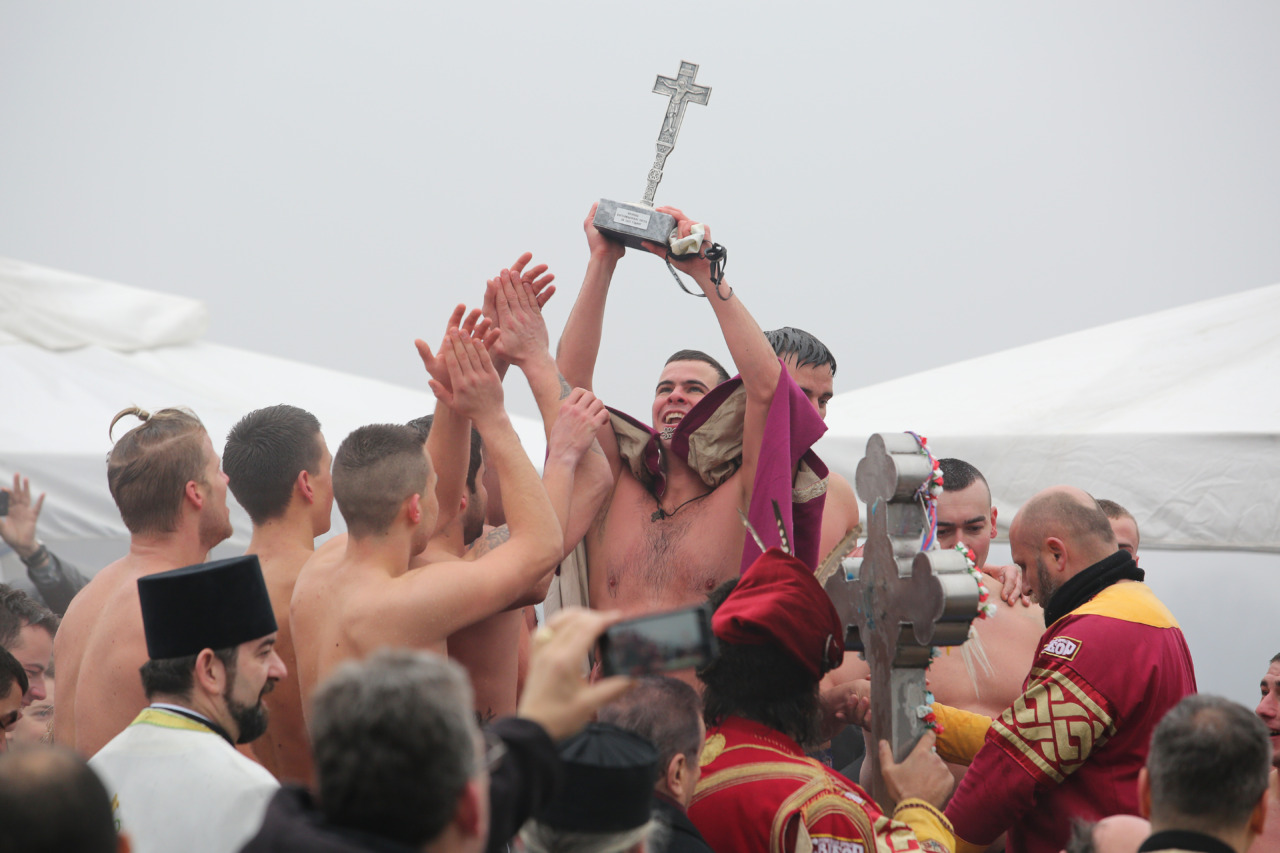
The holiday is also a time for family and community gatherings, carrying a strong message of unity, faith, and mutual respect.
Why Epiphany Still Matters Today
Even in modern times, Epiphany retains its strong spiritual and cultural significance. It serves as a reminder of faith, moral values, and personal responsibility. While forms of celebration may change, the essence of the holiday remains the same – a renewal of faith, spiritual clarity, and connection to tradition.
Epiphany is not merely a remembrance of a biblical event, but a living tradition that continues to shape religious and cultural identity in Serbia.
Related Articles