Belgrade is usually experienced at street level – through its squares, cafés, and bustling sidewalks. Yet the true character of the city often lies above eye level, in details that easily go unnoticed. Belgrade’s windows are its silent witnesses. They have observed empires rise and fall, architectural styles change, and everyday lives unfold behind glass.
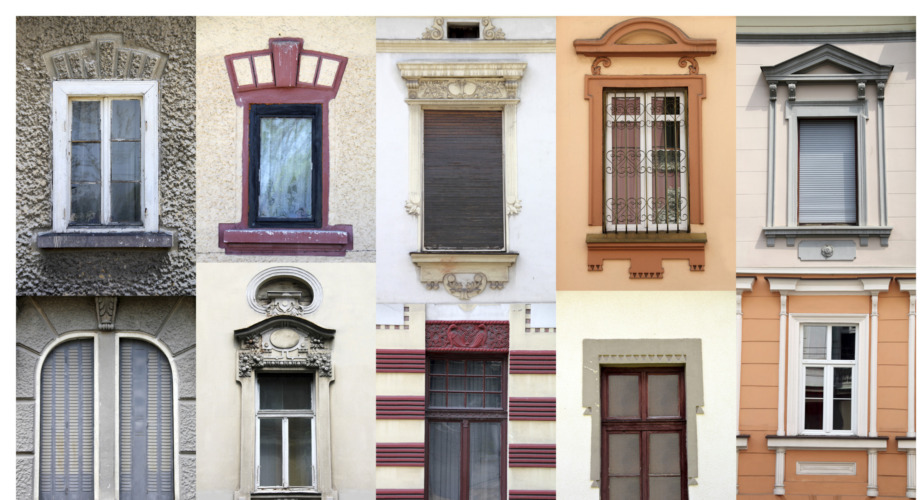
The city’s history is written on its windows – in stucco, wood, wrought iron, shutters, and curtains.
Windows as Mirrors of Belgrade’s Historical Periods
Every architectural era Belgrade has passed through left a visible mark on its windows. From the restrained classicist designs of the 19th century to richly decorated Art Nouveau frames and the clean lines of modernism, windows trace the city’s development almost chronologically.
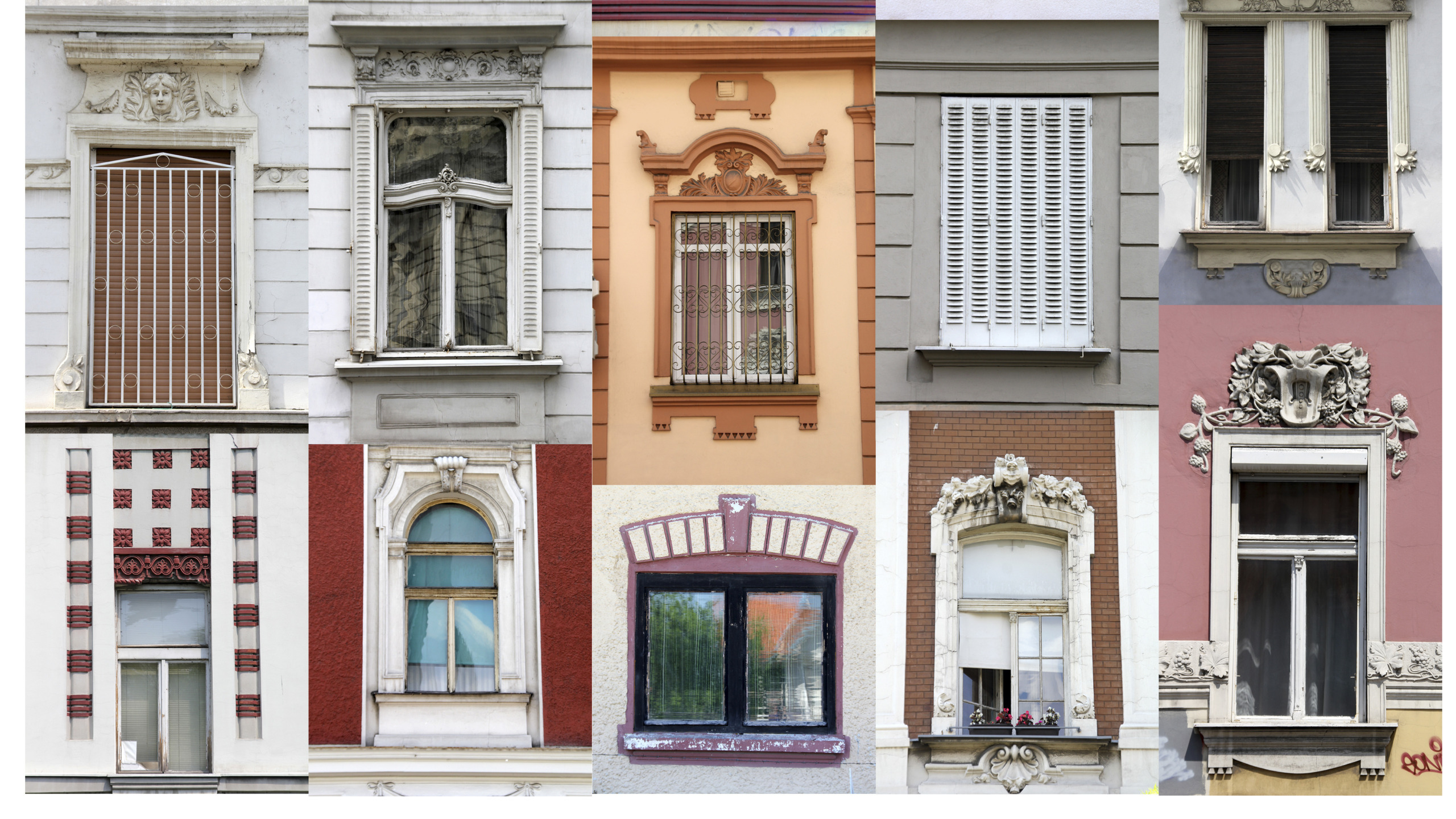
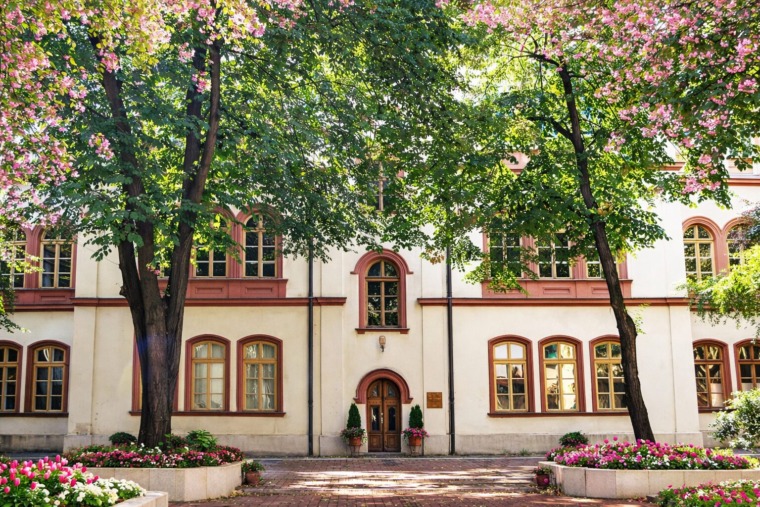
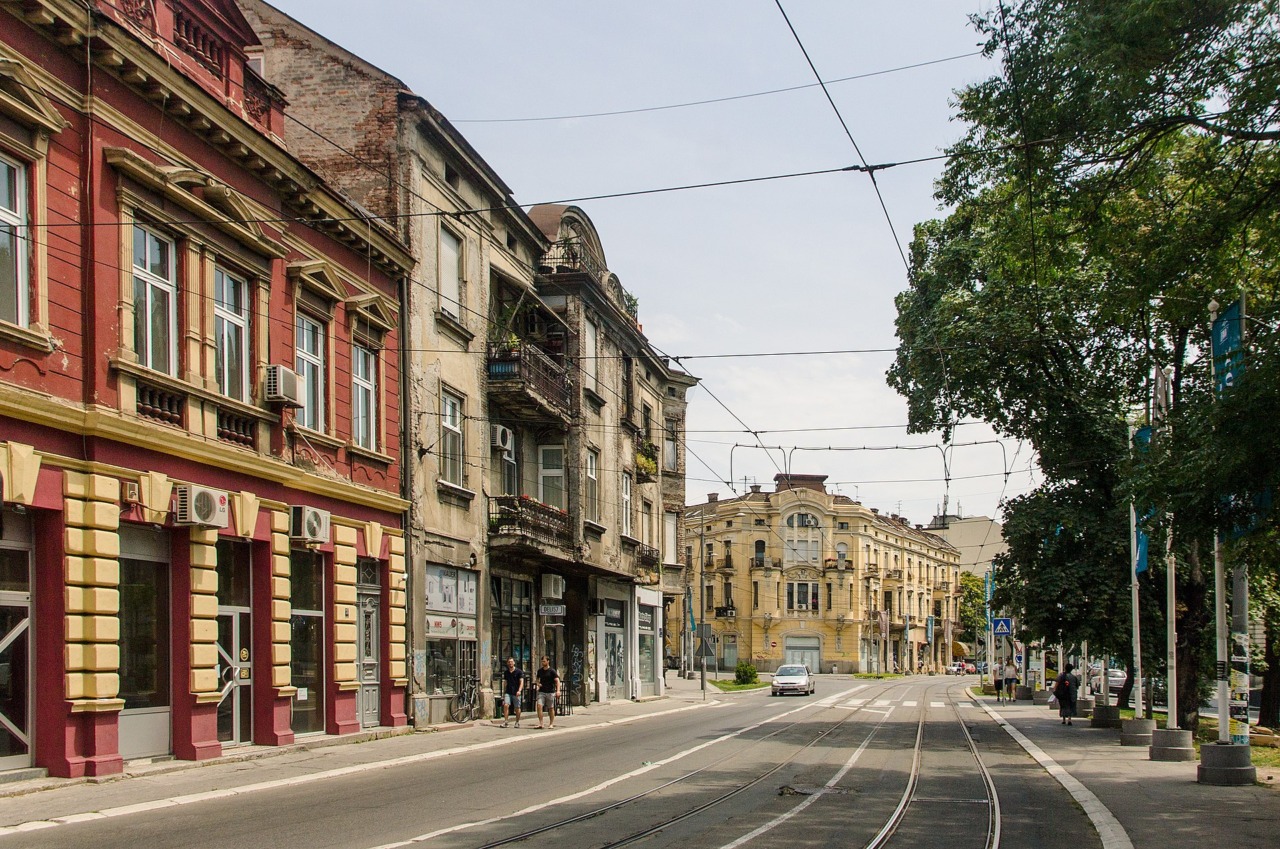
In historic Dorćol, along streets such as Gospodar Jevremova, Dositejeva, and Strahinjića Bana, many windows still reflect the late 19th century – tall, symmetrical, and modestly adorned, marking the city’s transition toward a European capital.
Art Nouveau Windows in Belgrade: Facade as Art
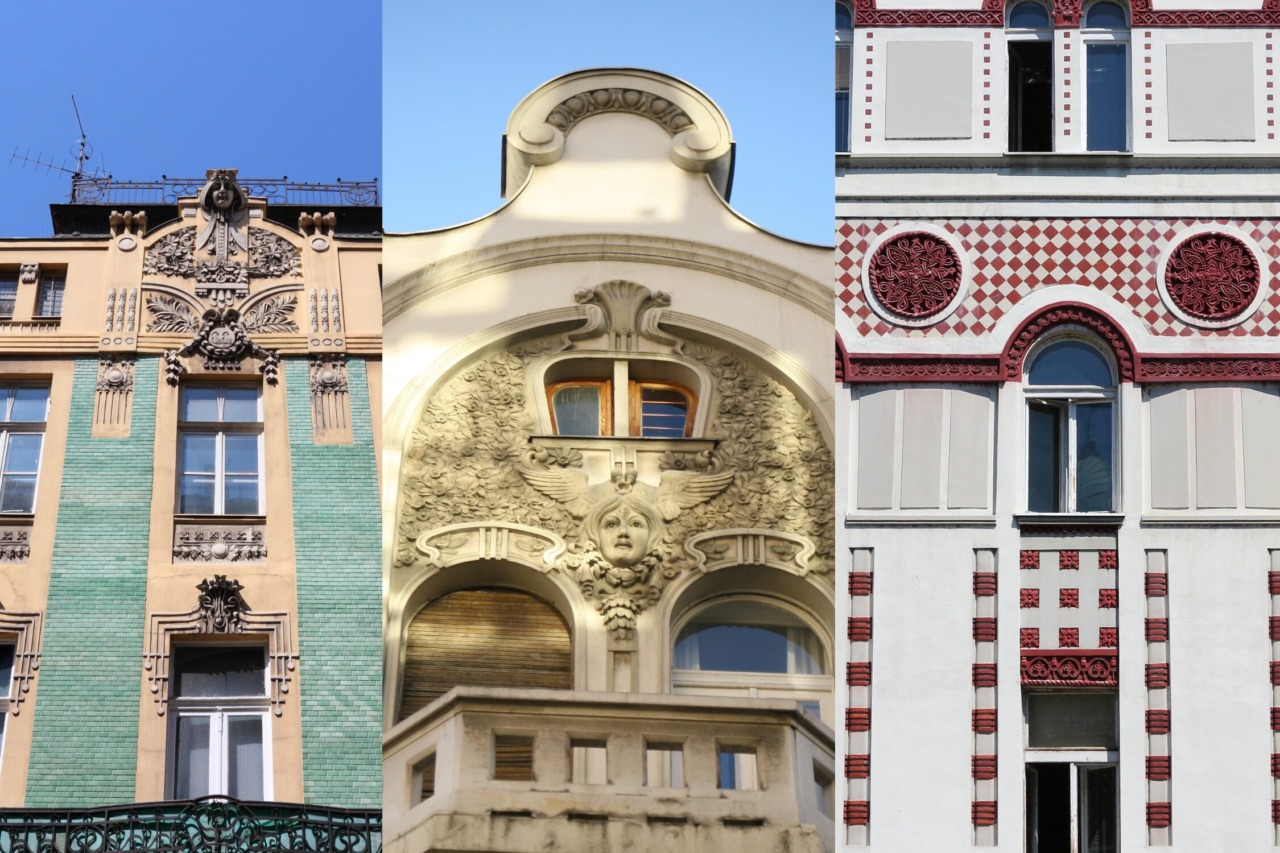
The early 20th century brought one of Belgrade’s most beautiful architectural layers – Art Nouveau. Windows from this period became decorative statements, adorned with floral motifs, stylized figures, masks, and flowing lines.
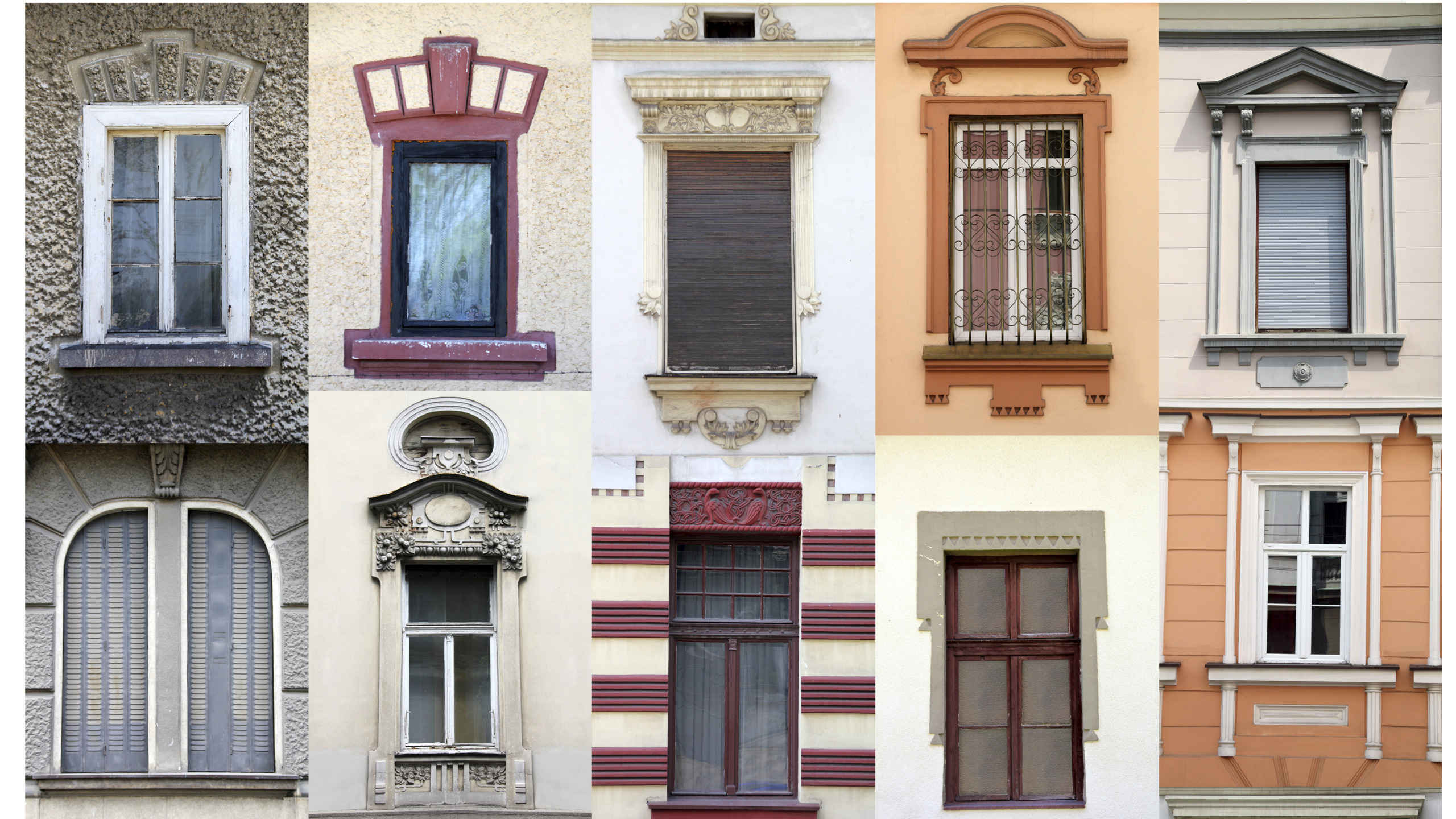
Some of the finest examples can be found in Zemun, particularly along Glavna Street, as well as in central streets like Knez Miloš, Kosovska, and Nemanjina. Here, windows resemble small stages framed by elaborate stucco and wrought-iron details.
Between the Wars: Art Deco and Modernism
The interwar period marked Belgrade’s urban optimism. The city expanded and modernized, and its windows reflected elegance, order, and confidence. Art Deco introduced geometry and subtle ornamentation, while modernism emphasized light and function.
Streets such as Karađorđeva, Kralja Milana, and Resavska still feature buildings from this era, their windows speaking of ambition and belief in progress.
Post-War Architecture and Closed Views
After World War II, Belgrade entered a new architectural phase. Functionalism and socialist urban planning simplified window design, favoring uniformity over decoration.
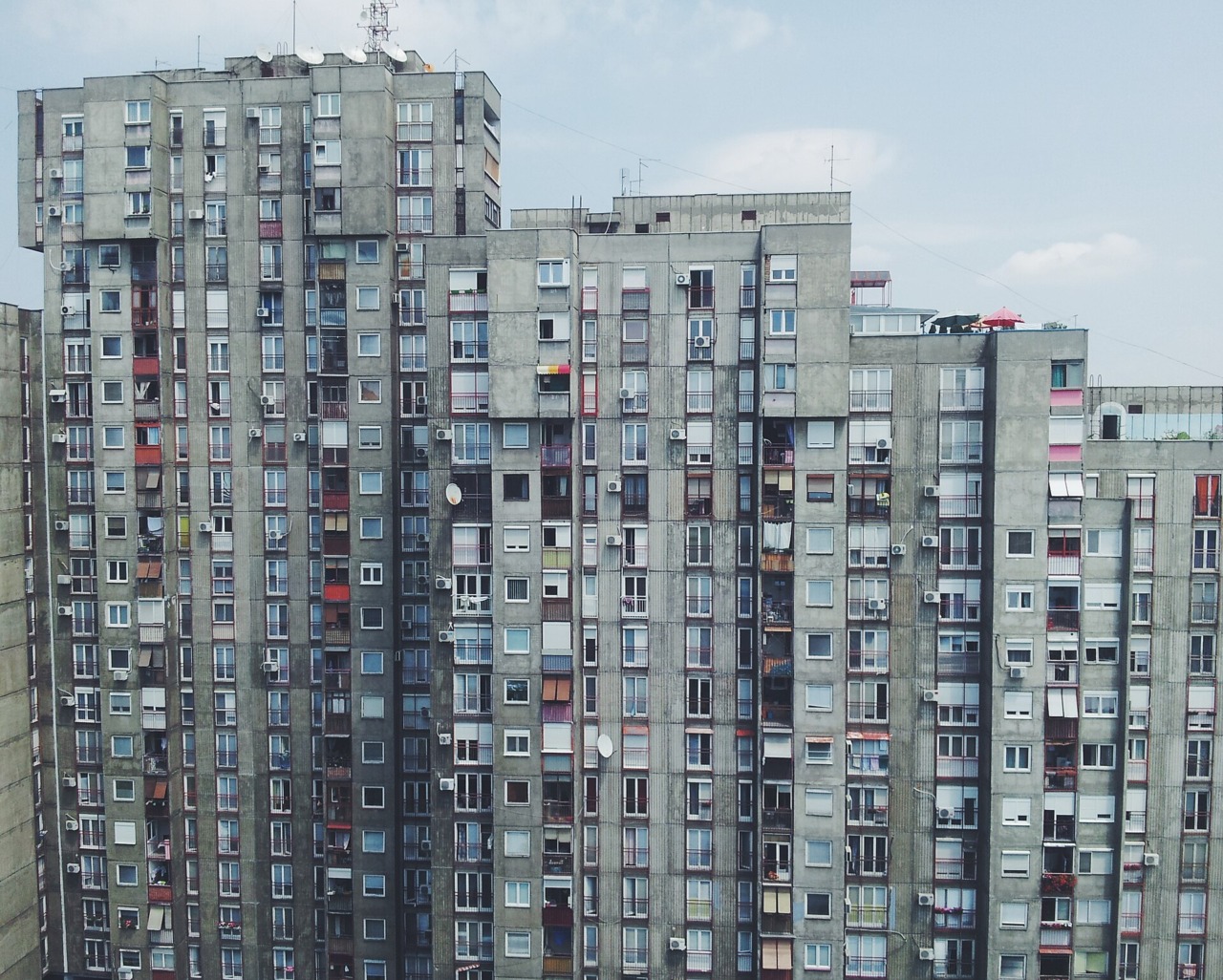
In New Belgrade and later additions to the historic core, windows often appear restrained, sometimes hidden behind shutters – symbols of privacy and collective living in a rapidly changing city.
Belgrade Windows Today: Everyday Life Behind the Glass
What truly defines Belgrade’s windows is life itself. Flower pots, lace curtains, half-open shutters, and aging wooden frames reveal stories of daily routines and personal worlds.
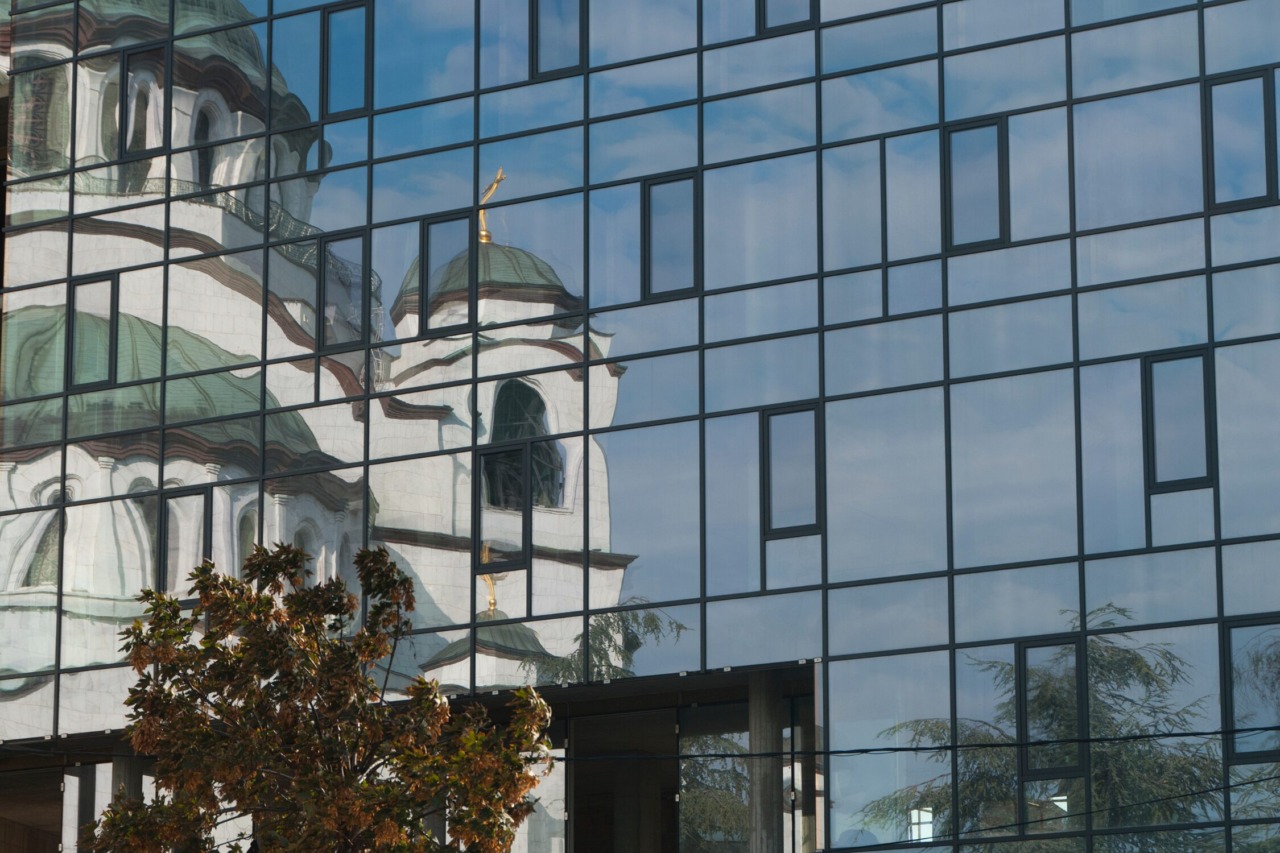
In Dorćol, Zemun, and Vračar, many windows still bear the marks of time – peeling paint and gentle imperfections that add authenticity rather than diminish beauty.
Why Belgrade Should Be Seen Through Its Windows
Belgrade’s windows are not flawless. They are mismatched, restored, altered, and weathered – just like the city itself. They remind us of a place repeatedly rebuilt, constantly evolving, yet deeply rooted in memory.
Next time you walk through Belgrade, look up. Behind every window lies a fragment of history – and the quiet gaze of a city watching you back.