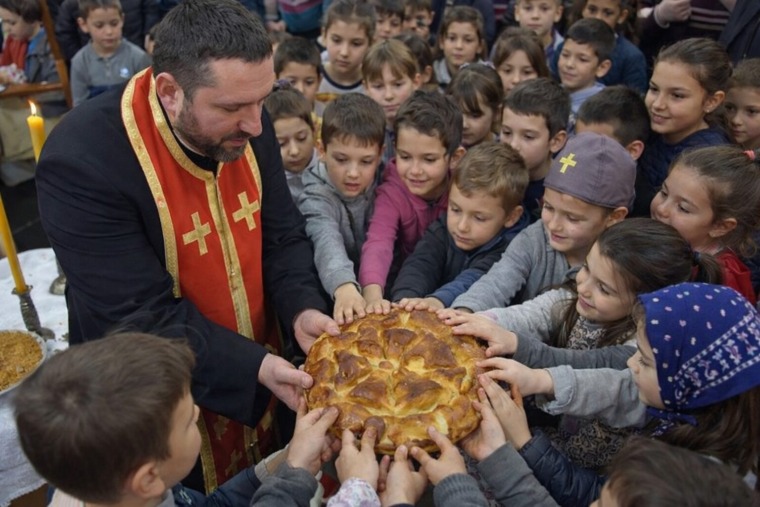

Badnji Day in Serbia is not loud, festive, or spectacular. Its power lies elsewhere – in pauses, in lowered voices, in the way the country seems to slow down and turn inward. While the meaning of the day is shared across Serbia, its expression subtly changes from one region to another, shaped by landscapes, history, and everyday life.
In central Serbia and Šumadija, Badnji Day unfolds quietly behind closed doors. Villages grow still, smoke rises gently from chimneys, and the rhythm of the day follows an unspoken rule of restraint. Families gather early, conversations are softer, and everything feels intentionally unhurried. Tradition here is not performed – it is simply lived, deeply rooted in home and memory.

Travel south, and southern Serbia reveals a different emotional tone. Badnji Day here often carries a strong sense of collective warmth. Even in its calmness, the day feels shared. Neighbors exchange words, preparations echo through courtyards, and the feeling of belonging is tangible. The customs may vary, but the underlying message remains the same: no one should face this day alone.
In Vojvodina, the atmosphere becomes more restrained and contemplative. Influenced by the region’s multicultural and urban character, Badnji Day is marked with simplicity and quiet dignity. Traditions blend naturally into modern life, especially in towns and cities, creating a gentle transition from an ordinary winter day into the spiritual space of Christmas.
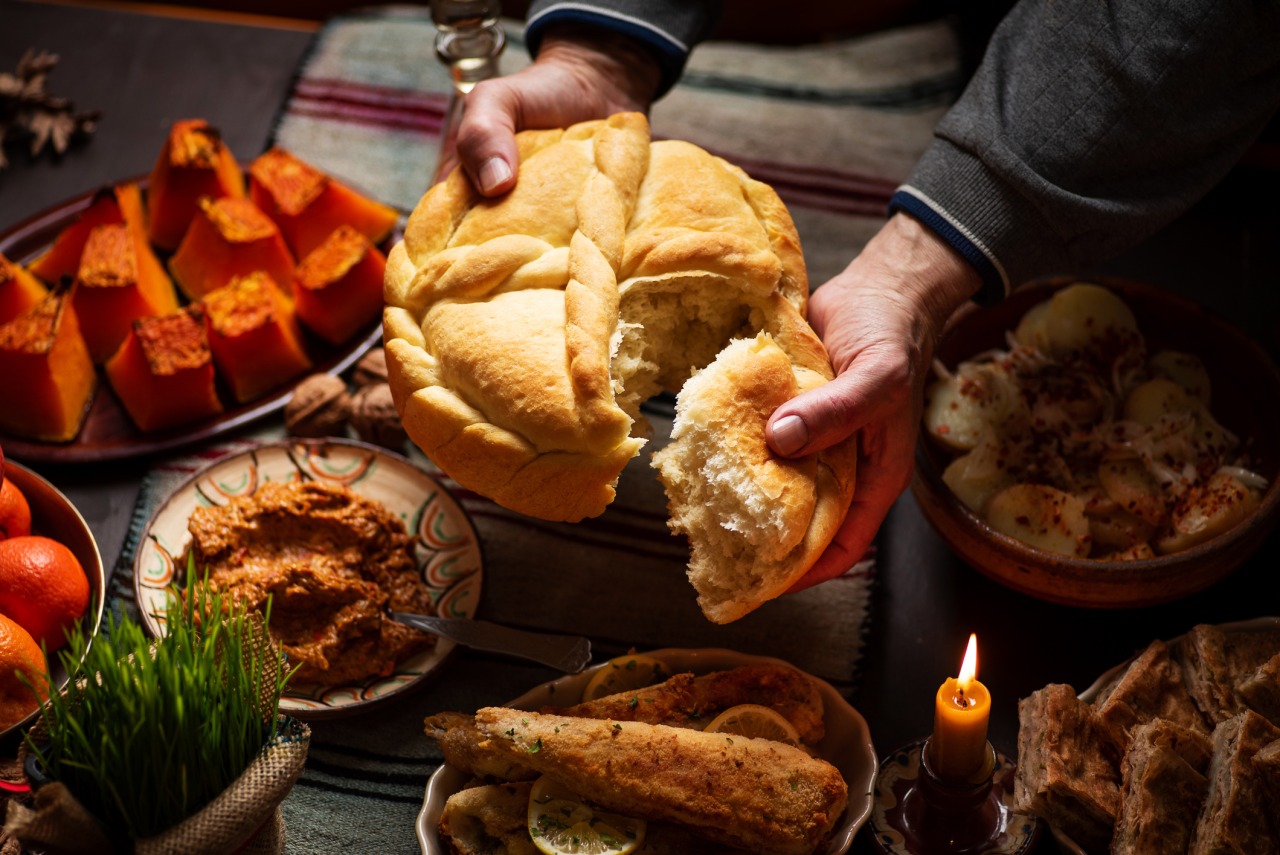
The experience changes once again in mountainous regions of western and eastern Serbia. Here, nature plays a leading role. Snow-covered roads, early darkness, and deep silence frame the day. Life slows down not by choice, but by necessity. Badnji Day feels almost monastic – focused inward, shaped by isolation, reflection, and closeness to the natural world.
In Serbia’s cities, Badnji Day exists between tradition and contemporary life. Streets remain busy longer than in villages, cafés stay open, and obligations continue. Yet, as evening approaches, a subtle shift occurs. People return home, phones are put away, and the noise fades. Even in an urban setting, the essence of the day survives: a pause before celebration.
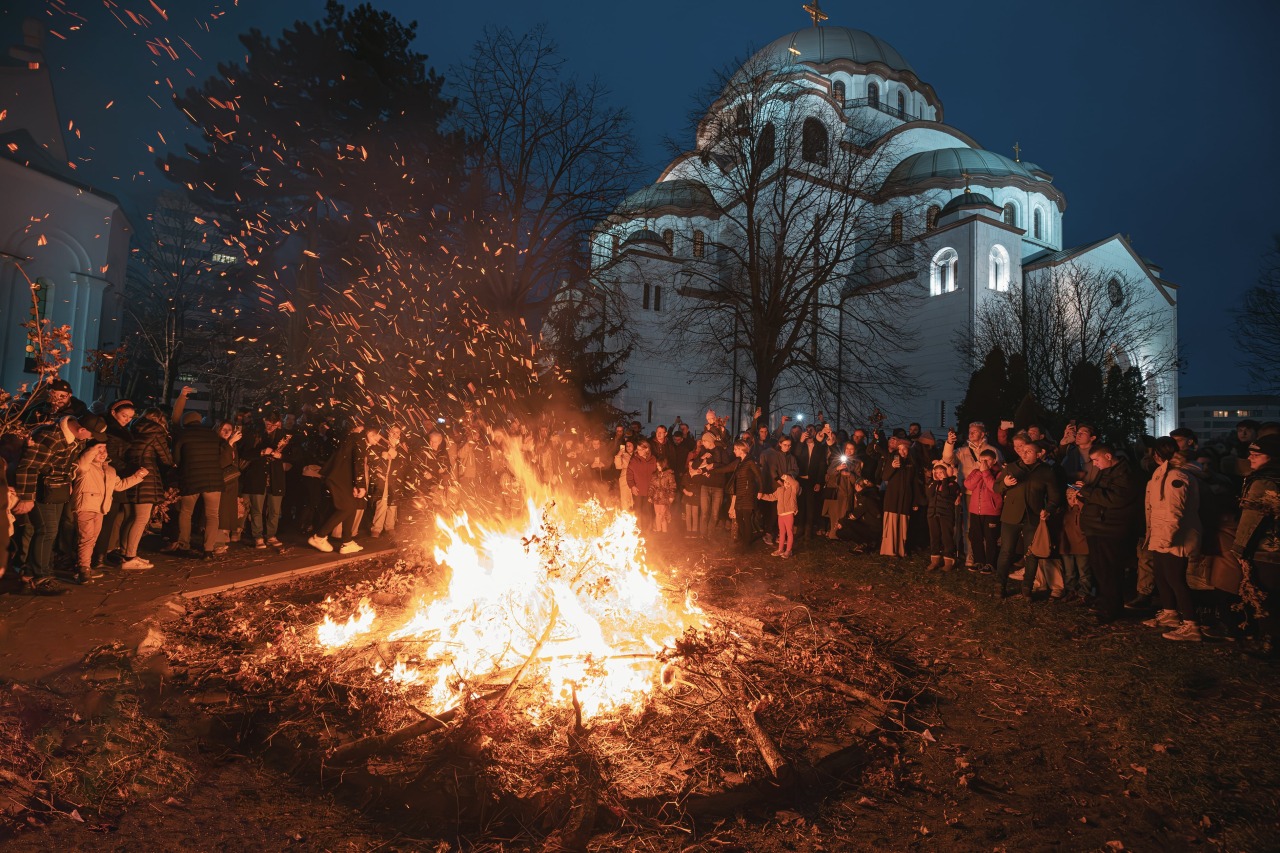
What makes Badnji Day in Serbia unique is not a single ritual, but its ability to adapt without losing meaning. Each region adds its own tone – some quieter, some warmer, some shaped by nature or by city life. Together, these differences form a mosaic of local stories, united by the same sense of waiting, humility, and shared belonging.
Badnji Day is not meant to impress. It is meant to prepare.