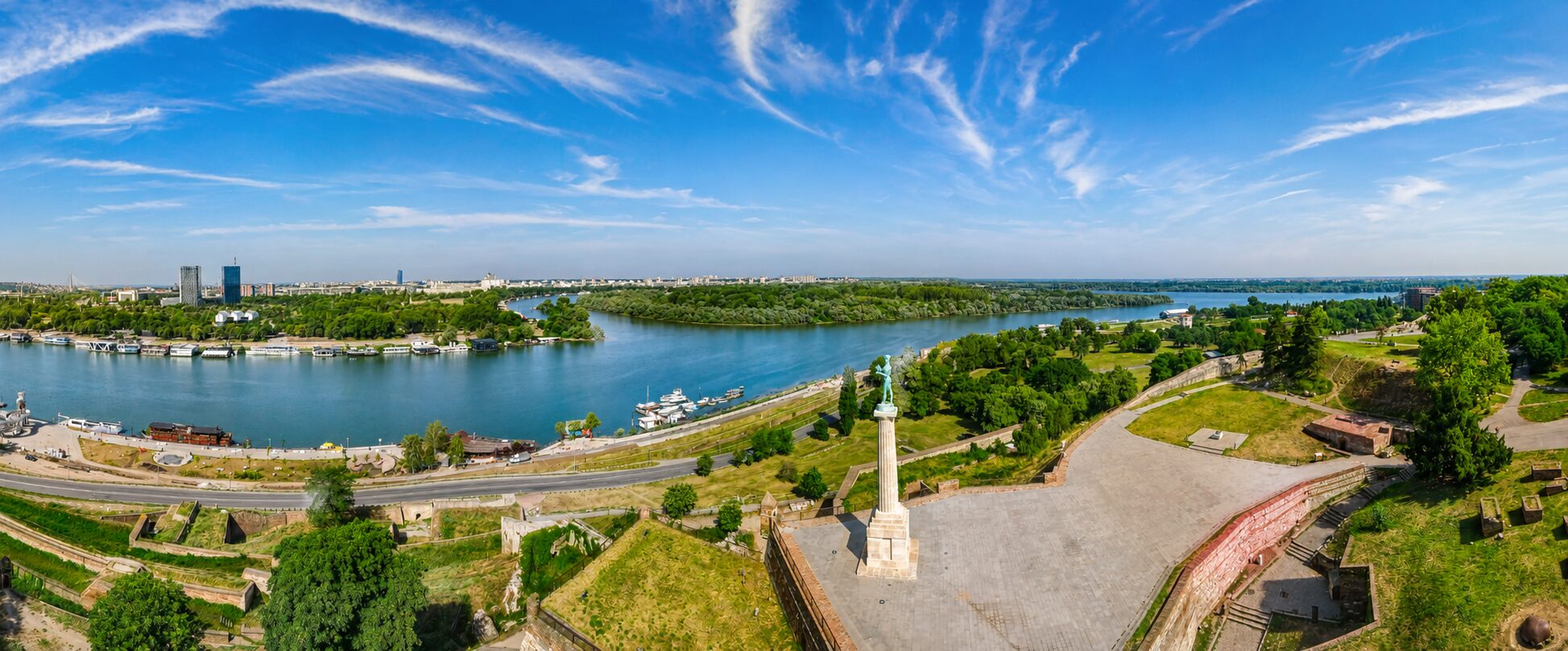
Serbia is a country of geographical contrasts, complex history, strong traditions, and changing cities. Located between Central and Southeast Europe, it has long stood at the meeting point of cultures, empires, trade routes, and political influences.
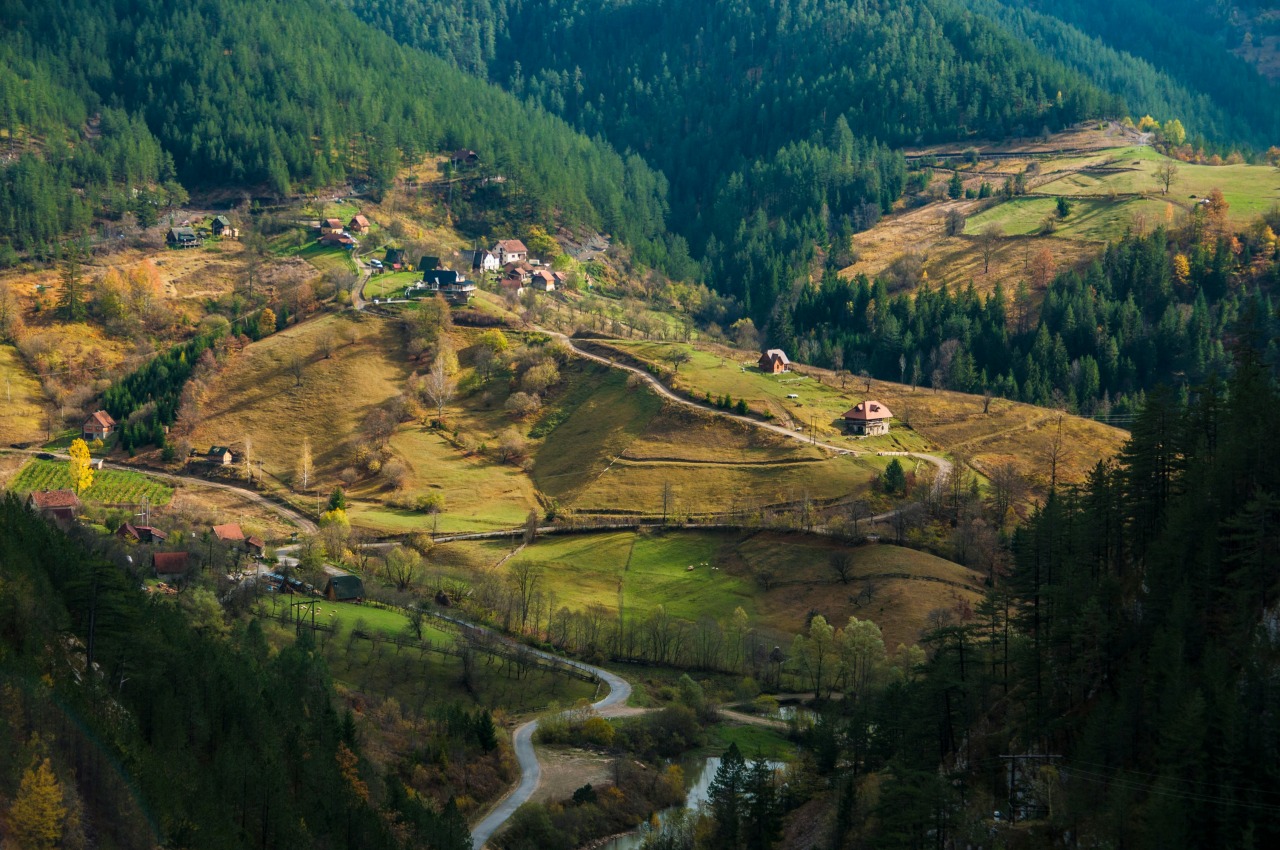
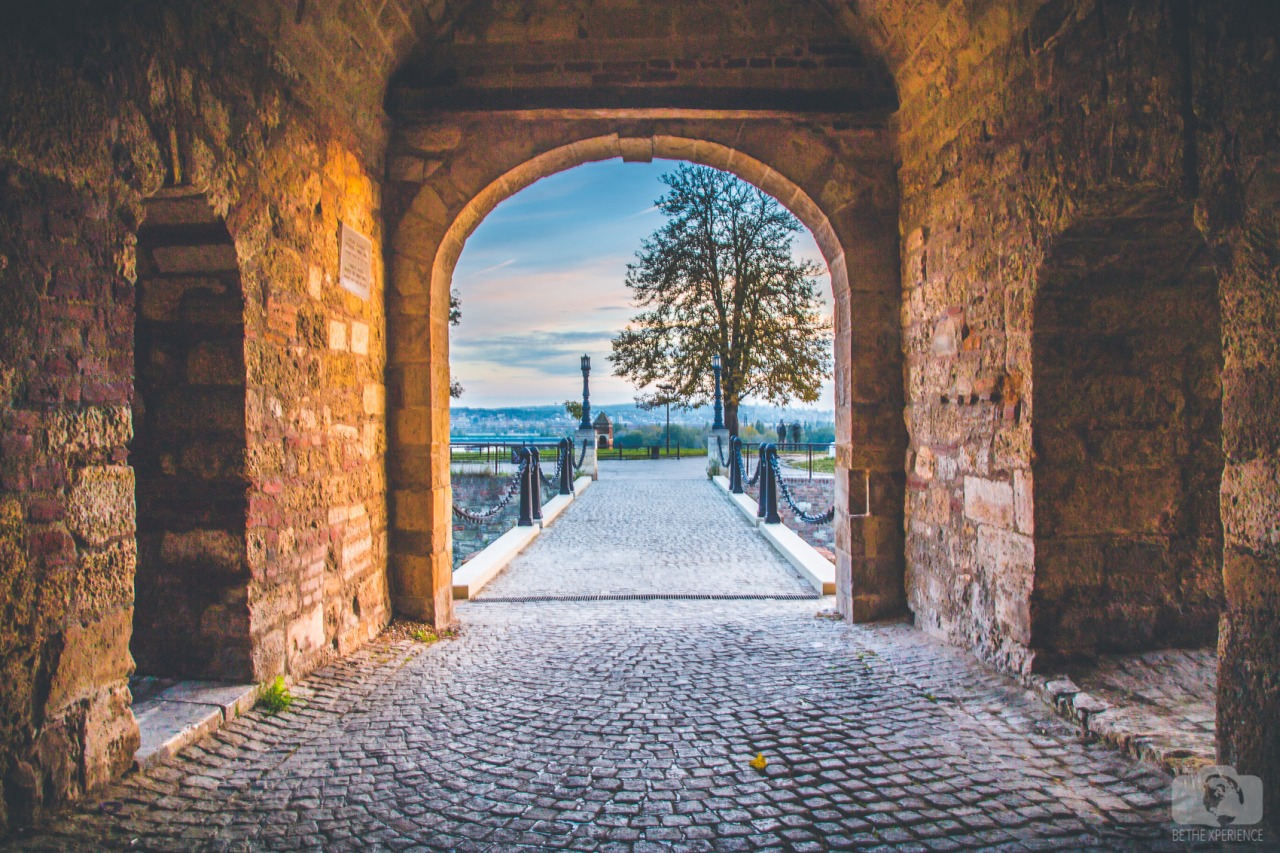
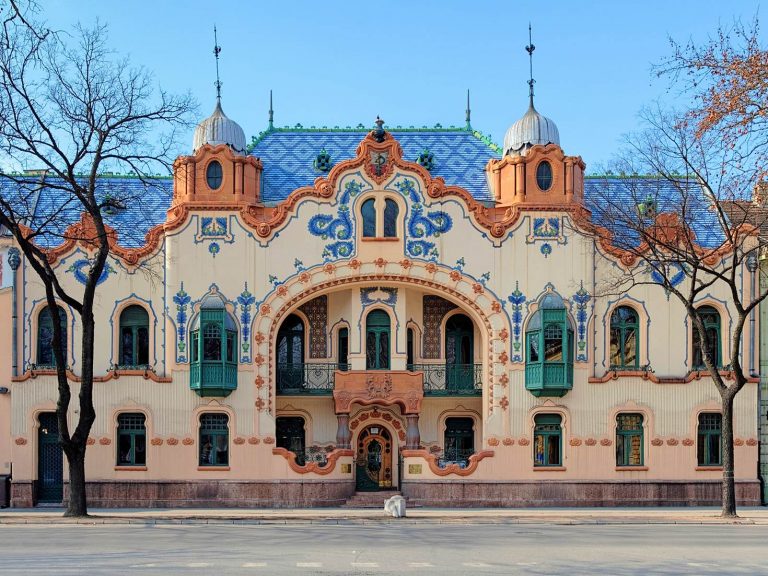
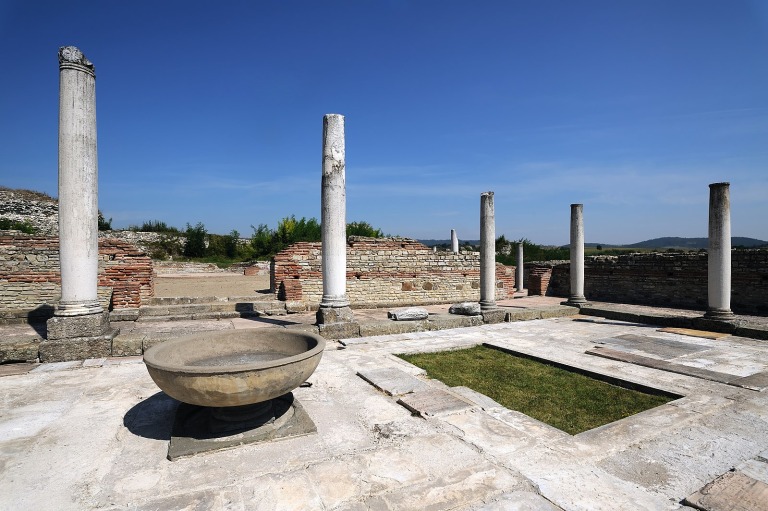
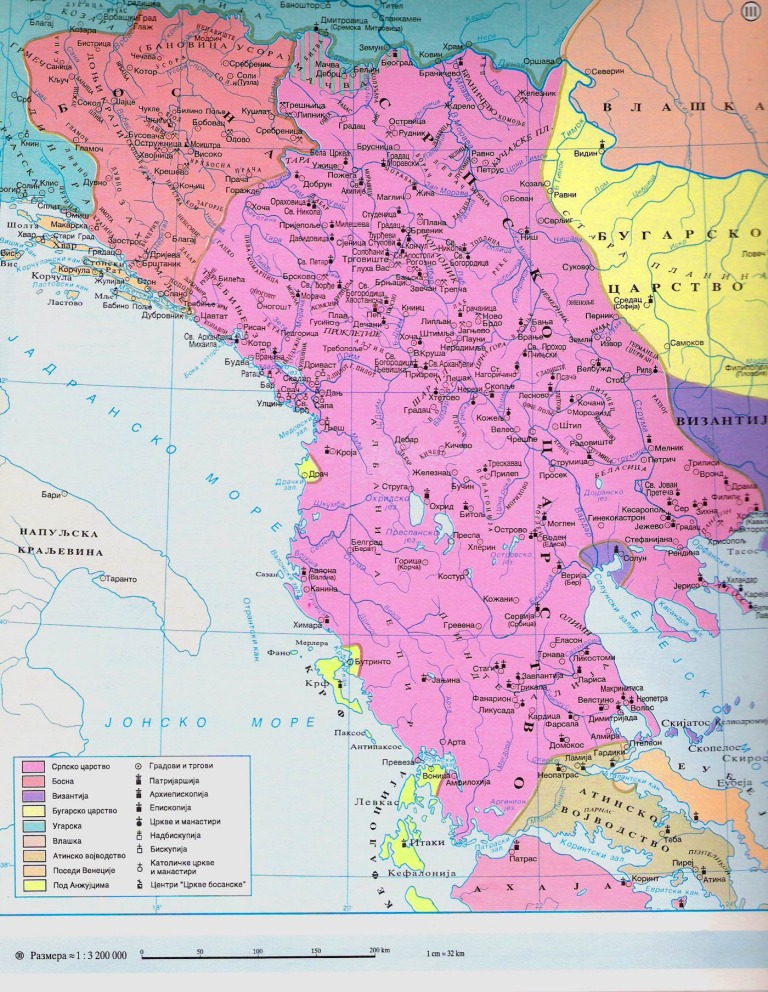
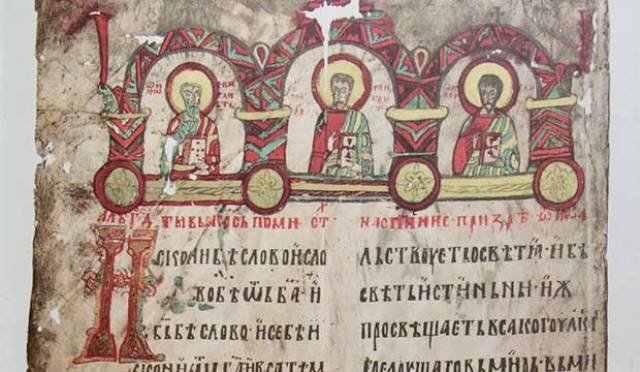
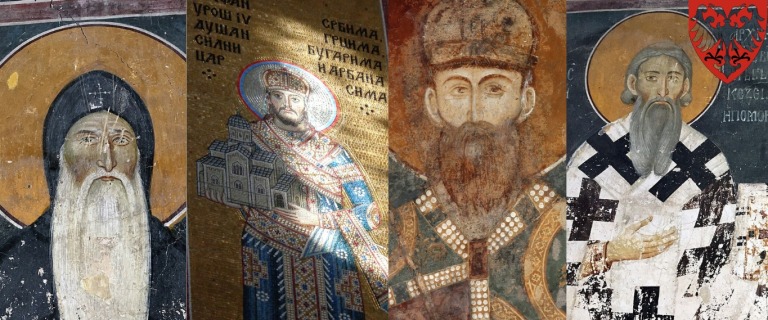
The Danube connects its northern plains with the rest of Europe, while mountains, river valleys, and historic towns shape the central and southern parts of the country. Prehistoric settlements, Roman cities, medieval monasteries, Ottoman heritage, Habsburg architecture, and the legacy of Yugoslavia reveal the many historical layers that remain visible throughout Serbia.
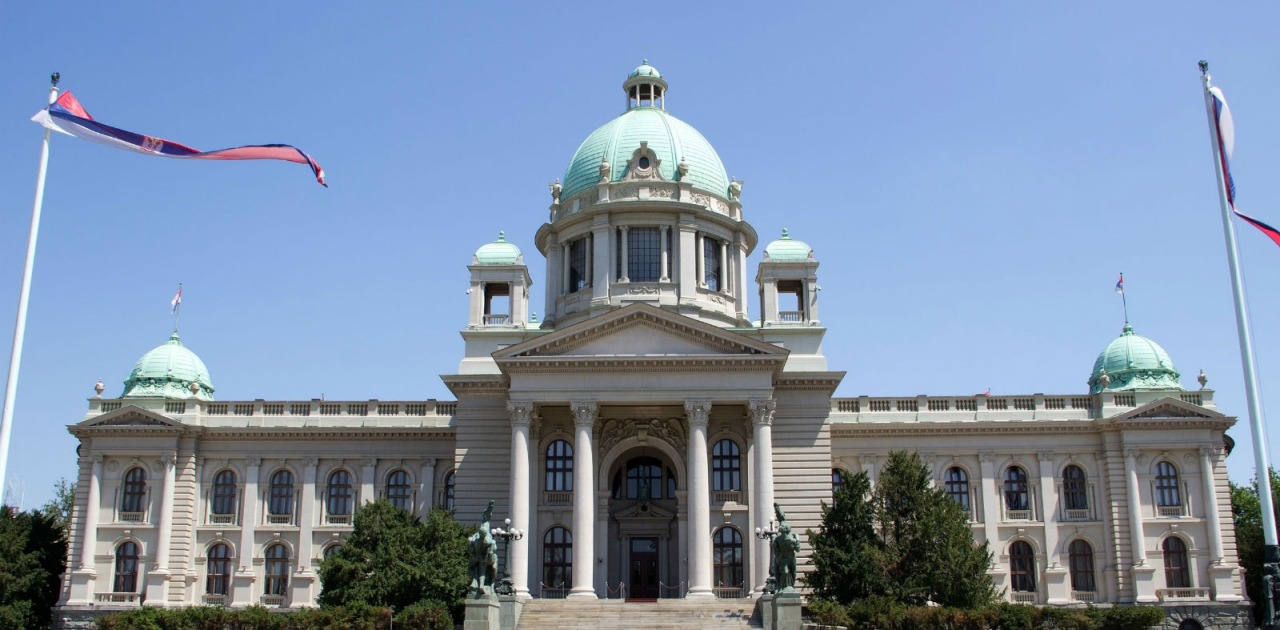
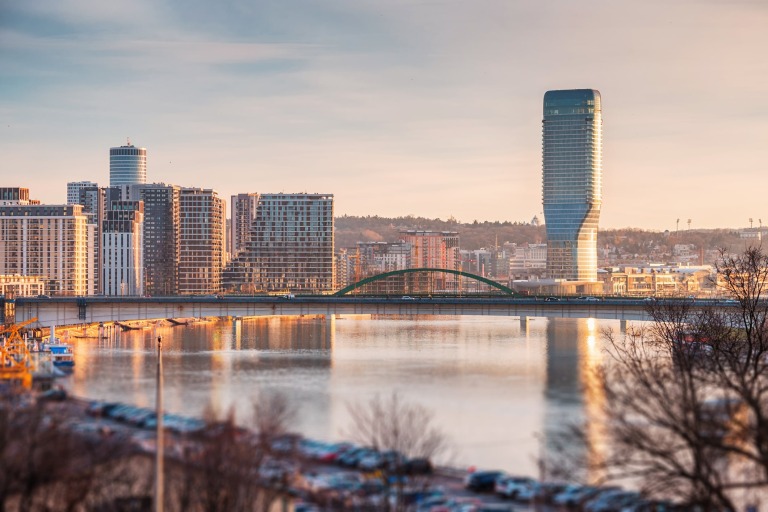
Today, Serbia is a parliamentary republic with a market economy, a diversified society, and close political and economic connections with the surrounding region and the European Union. Belgrade is its capital and principal urban centre, while Novi Sad, Niš, Kragujevac, Subotica, and other cities contribute to the country’s cultural, economic, and regional diversity.
This page provides a starting point for understanding Serbia – where it is, how it developed, how its institutions function, and what shapes its economy today.