

-
Serbia at a Glance
Discover All -
Arts & Culture
Discover All -
Identity & Heritage
Discover All -
Famous Serbs
Discover All
-
Regions
Discover All -
Cities
Discover All -
Nature
Discover All -
Cultural Landmarks
Discover All
-
Outdoor & Wellness
Discover All -
Food & Drink
Discover All -
Tours
Discover All -
Urban Experiences
Discover All -
Seasonal Experiences
Discover All
Partner with Serbia.com
Let's create lasting impact together
Partner with Serbia.com to reach travellers through trusted recommendations, inspiring editorial stories and thoughtfully designed campaigns. Together, we create meaningful visibility that supports your goals and remains valuable long after publication.
Explore partnership opportunities- Serbian Favorite Rituals Everyday traditions and little things that make life in Serbia special.
- Villages of Serbia Charming villages, local stories and authentic rural life.
- Serbia Told By You Personal stories, local perspectives and authentic experiences from across Serbia.
- Is it Worth Visiting in Serbia? Honest destination guides to help you decide which places are worth visiting.
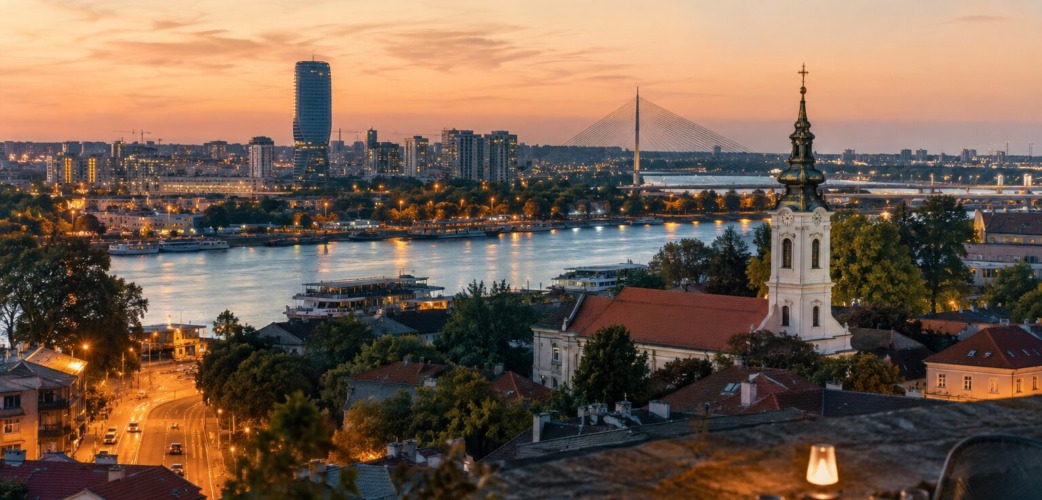
From riverside culture and food to creative energy and everyday spontaneity – here’s why Serbia’s capital is quietly becoming one of Europe’s most talked-about cities.
For years, Belgrade existed slightly outside the spotlight. Travelers passed through. Some came for nightlife, others for history, and many simply knew it as a stop somewhere between Central Europe and the Balkans. It rarely appeared on the same lists as Paris, Lisbon, Barcelona, or Prague.
And then, something shifted.
More travelers started mentioning the same city. Digital nomads stayed longer than planned. Food lovers began paying attention. Airlines added routes. Travel magazines started quietly placing Belgrade among Europe’s rising destinations.
Yet the city itself did not suddenly reinvent who it was. If anything, Belgrade became more interesting because it stayed unapologetically itself. So why is everyone suddenly talking about Serbia’s capital?
Because Belgrade Still Feels Real
Part of Belgrade’s appeal is difficult to explain – mostly because it feels unpolished in a way many European capitals no longer do. This is not a city built around performance.
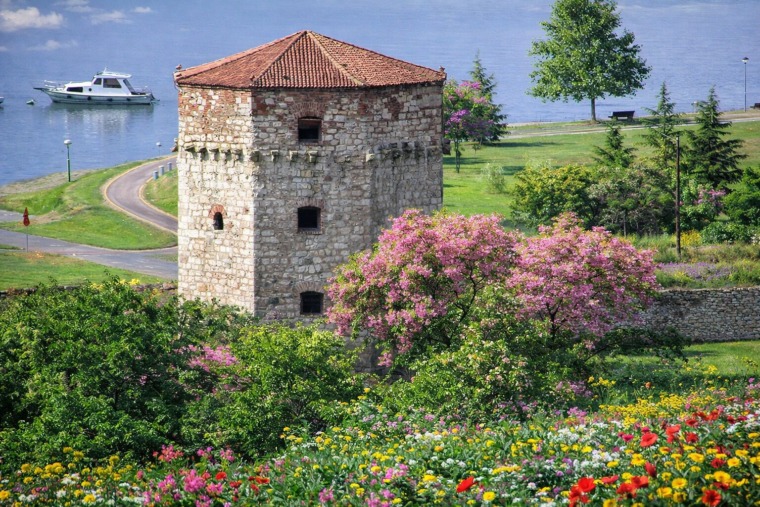
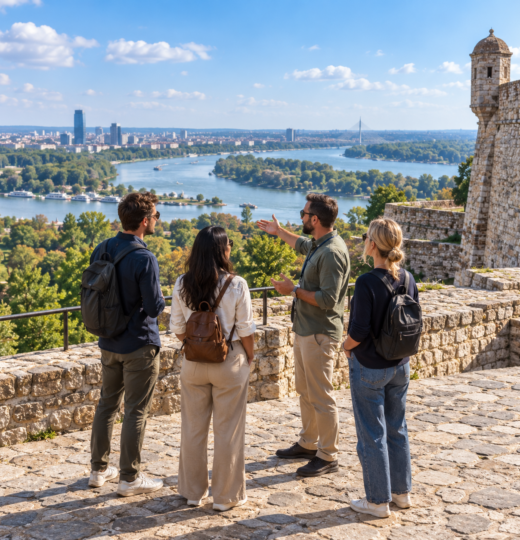
You’ll find crowded cafés on a random Tuesday afternoon, long dinners that somehow turn into midnight conversations, old men playing chess in Kalemegdan, bakeries open late, and neighborhoods where daily life still feels more important than tourism.
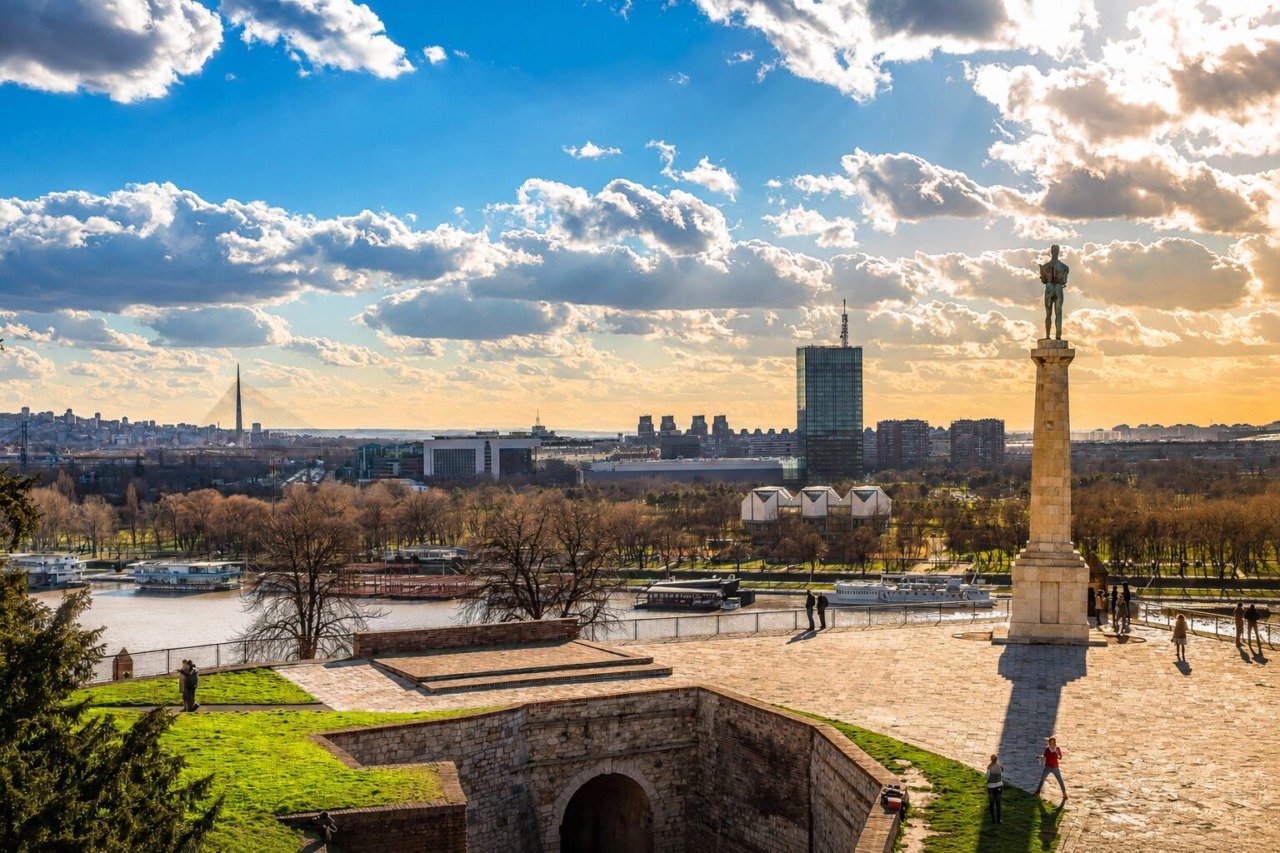
Belgrade does not always try to impress you immediately. Instead, it grows on people. It’s the kind of city visitors often understand only after a few days – when routines settle in, when favorite coffee places emerge naturally, and when evenings somehow become longer than expected.
That feeling of spontaneity is increasingly rare in Europe. And people notice it.
The Energy Is Hard to Describe – But Easy to Feel
Ask almost anyone who has spent time in Belgrade what stood out, and chances are they will mention the atmosphere. Not just nightlife – although the city is famous for it – but energy in the broader sense.
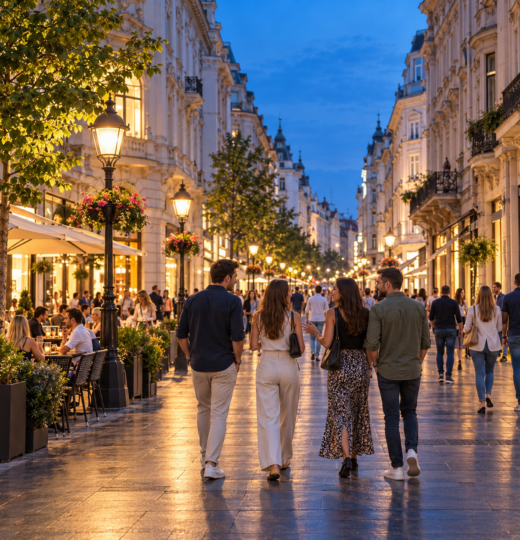
People spend time outside. Terraces stay full. Friends gather for hours without checking the time. Dinner rarely feels rushed. Coffee is never “just coffee.” Belgrade feels social in a way that surprises many visitors.
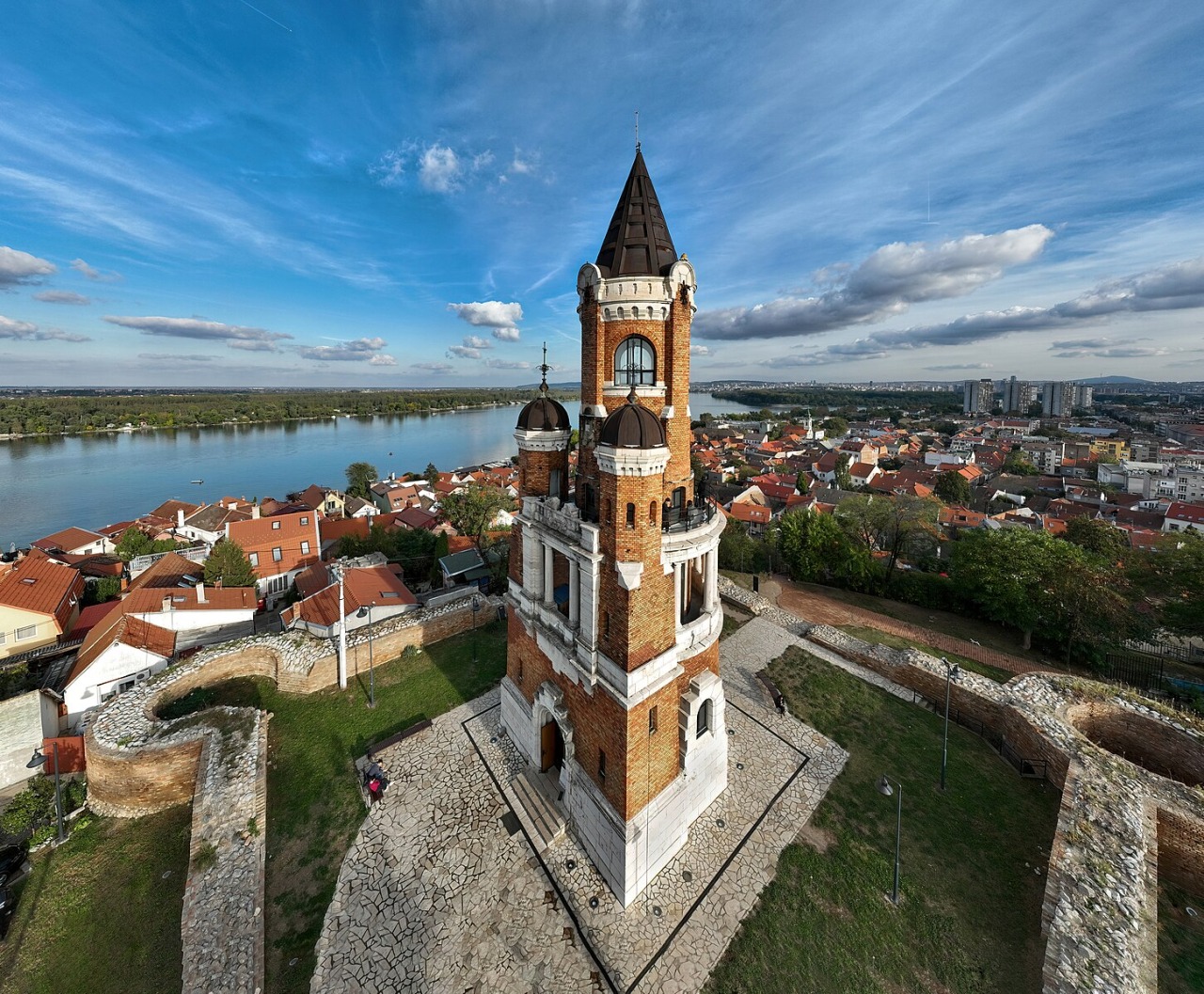

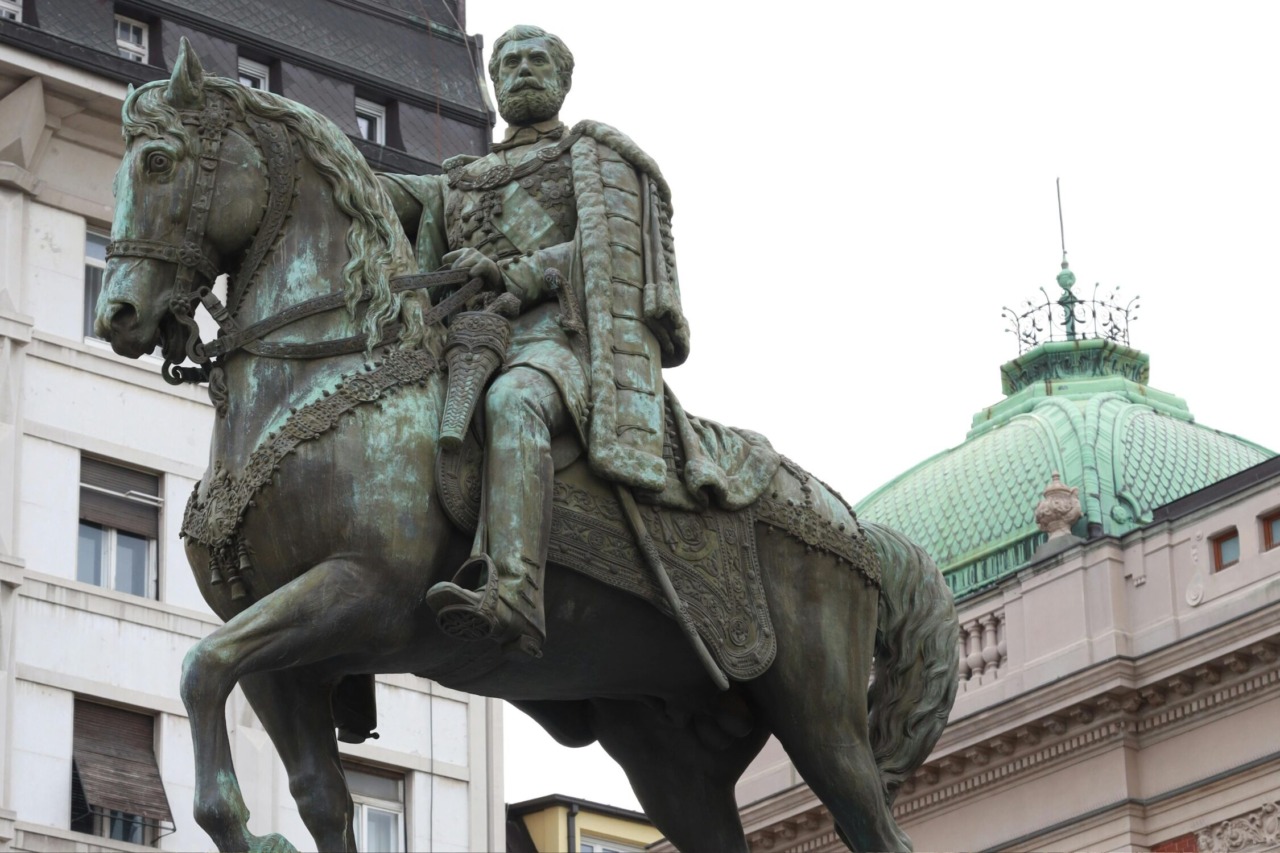
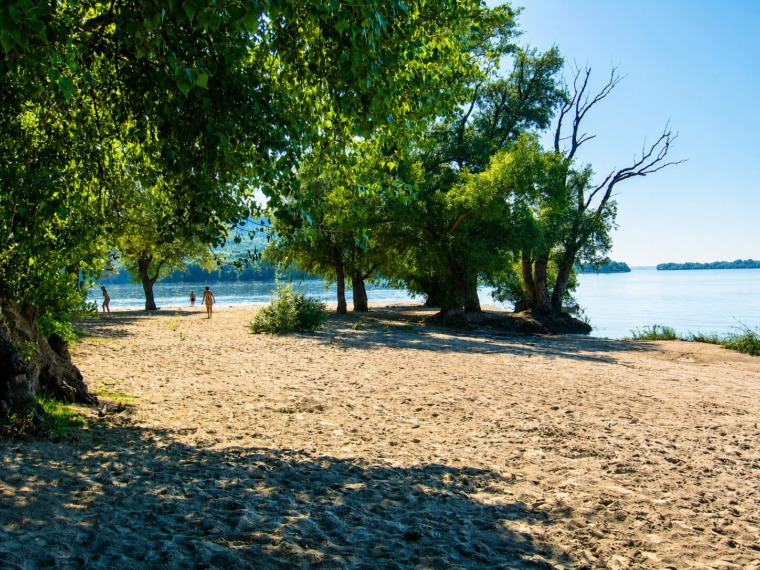
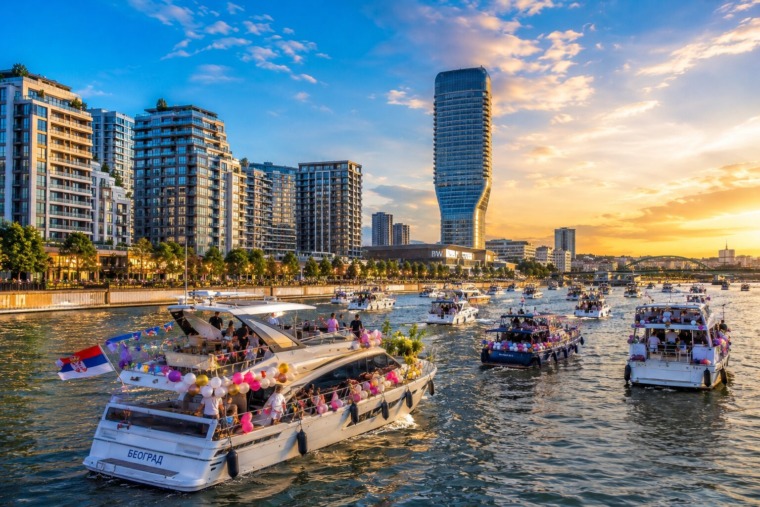
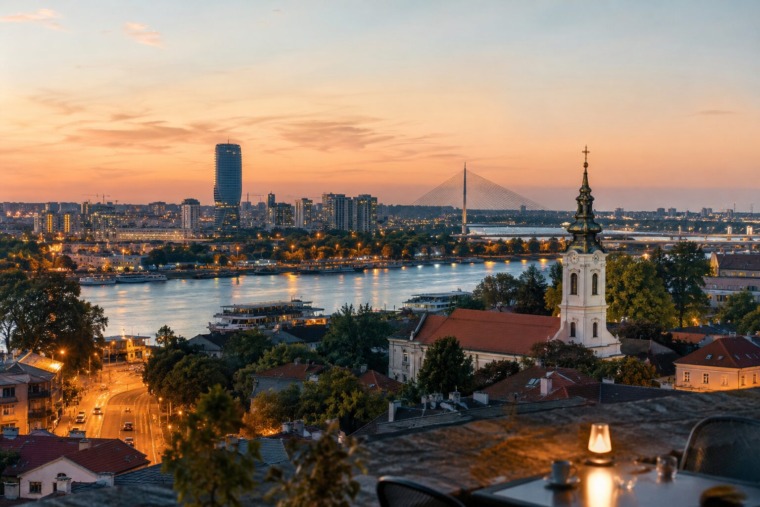
Especially in warmer months, the city moves outdoors. The rivers become gathering places, sunsets turn into evening rituals, and entire neighborhoods feel more alive. Zemun promenades fill slowly at golden hour. Dorćol cafés stay busy late into the night. Ada Ciganlija transforms into something between a beach, sports center, and social hub.
Summer, especially, changes the rhythm of Belgrade. And for many visitors, that rhythm becomes addictive.
The Food Scene Is Better Than Most People Expect
For years, international visitors associated Serbian food mostly with grilled meat and large portions. That still exists – and very much remains part of Belgrade’s identity.
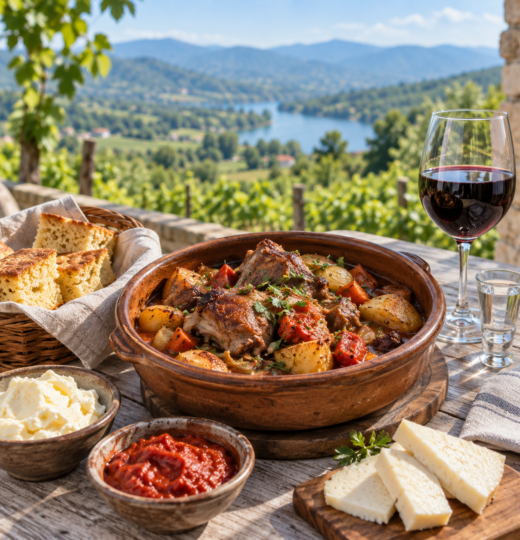
Traditional kafanas continue to shape the city’s food culture, serving recipes that feel deeply connected to Serbian tradition. Slow-cooked dishes, grilled specialties, homemade bread, and meals designed to last longer than planned still define many local experiences. But what surprises visitors today is how much the food scene has evolved.
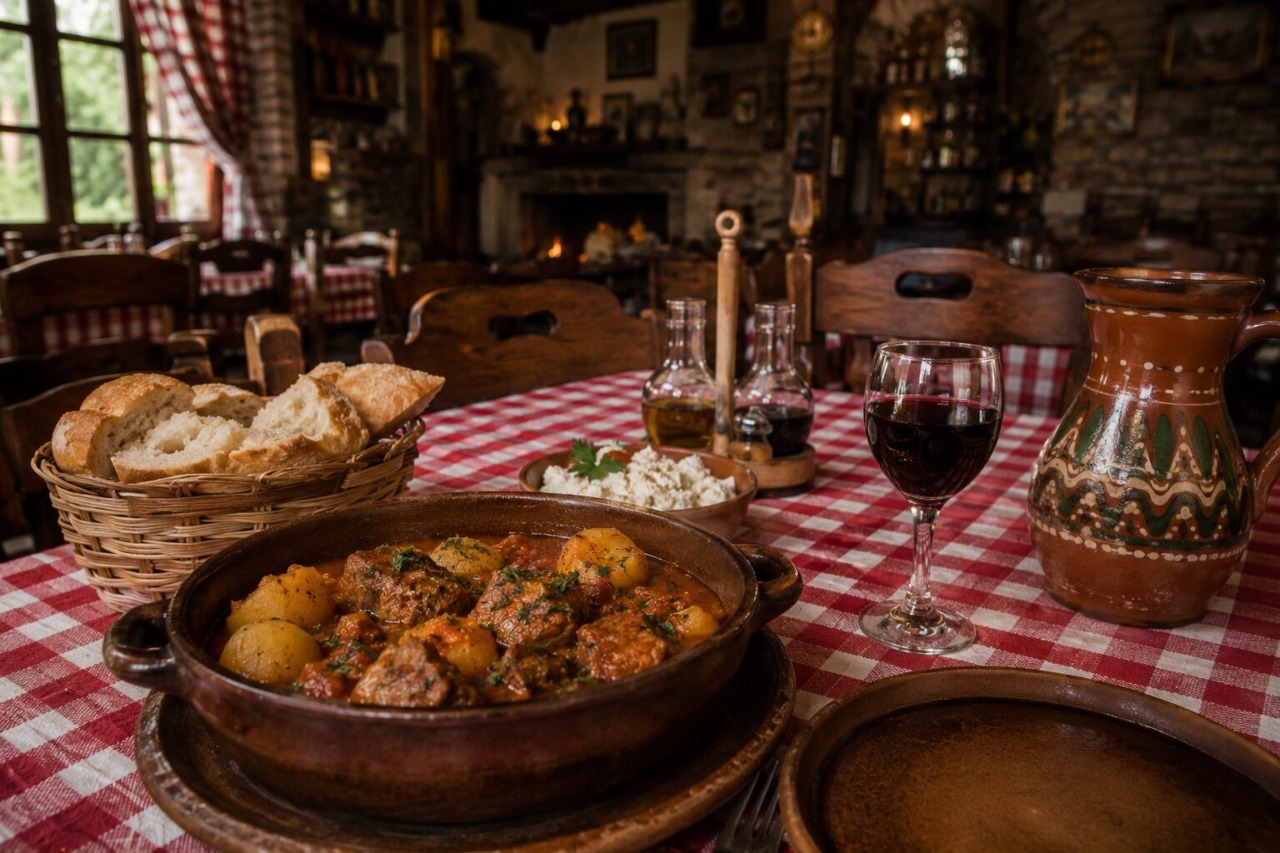
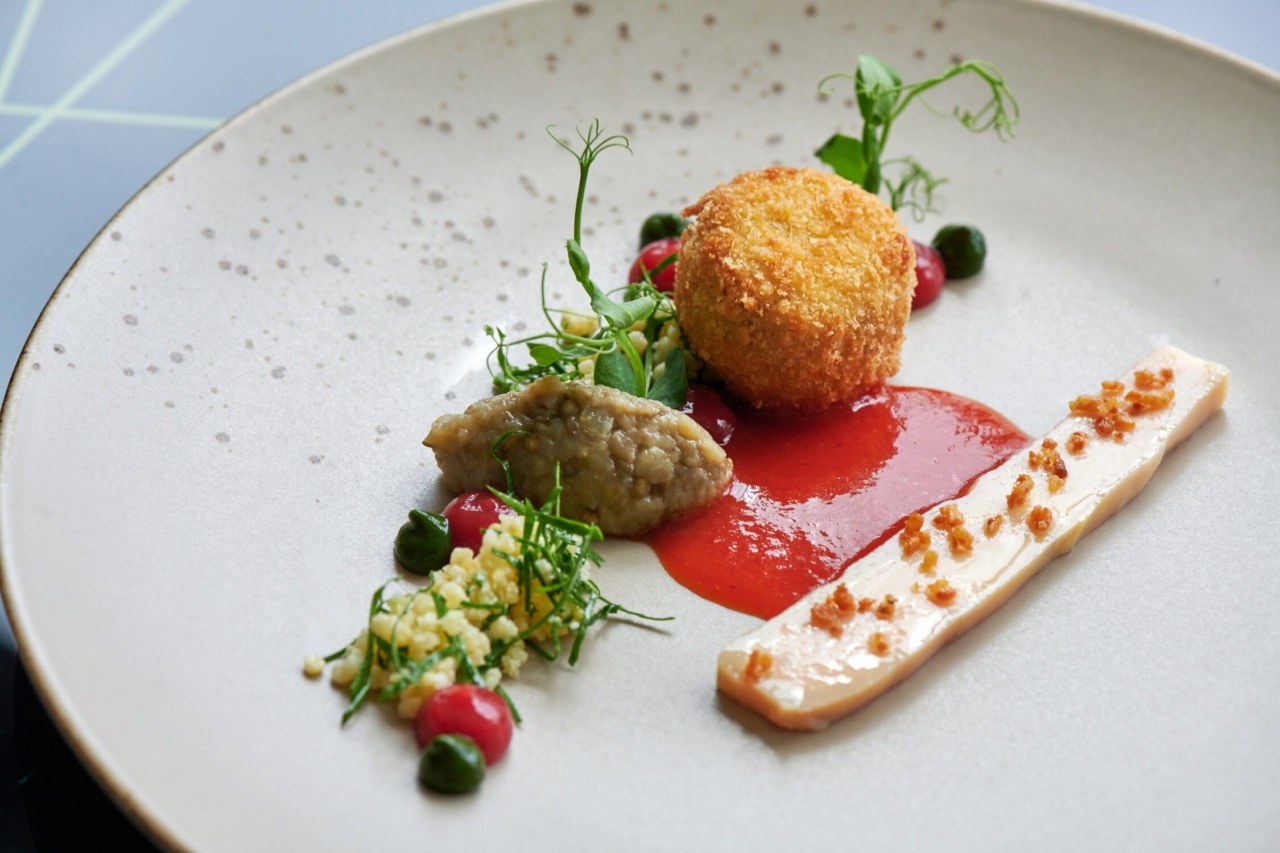
Across the city, traditional flavors increasingly sit next to modern interpretations. Restaurants experiment with Serbian ingredients in more contemporary ways, blending local identity with international techniques. Michelin-recognized restaurants have quietly helped position Belgrade as a destination worth noticing for food lovers.
At the same time, the city has become noticeably more international. Asian, Middle Eastern, Mediterranean, Italian, and fusion concepts continue to grow, while plant-based and vegan restaurants are becoming part of the mainstream rather than the exception.
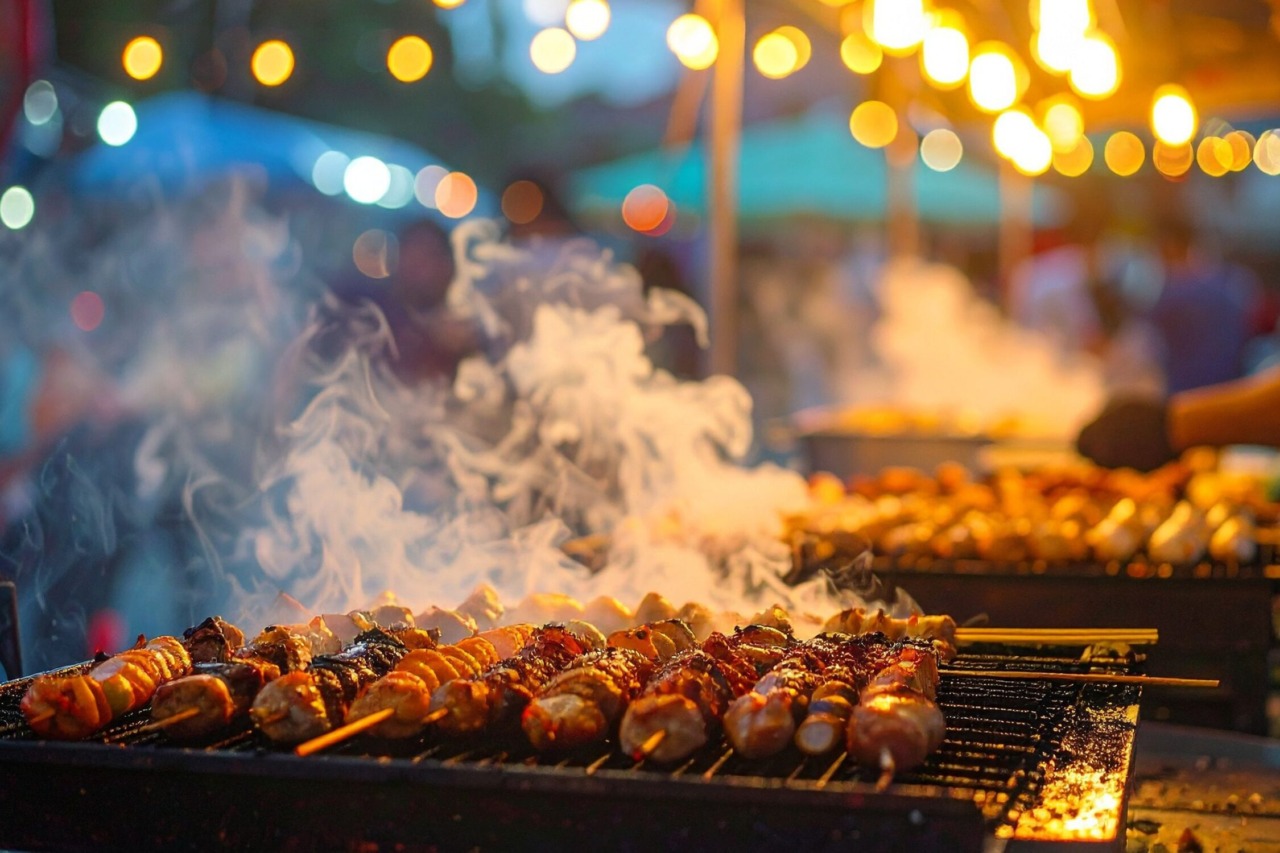
Even street food has evolved into something more interesting than quick convenience. Belgrade may not market itself as a food capital – but increasingly, travelers leave talking about exactly that.
It Still Feels Surprisingly Affordable
Compared to many European capitals, Belgrade still offers a sense of value that travelers increasingly struggle to find elsewhere.
Long dinners don’t necessarily feel expensive. Coffee culture remains accessible. Accommodation options range widely, and staying longer often feels realistic rather than indulgent. For remote workers and digital nomads, this combination has become especially appealing.
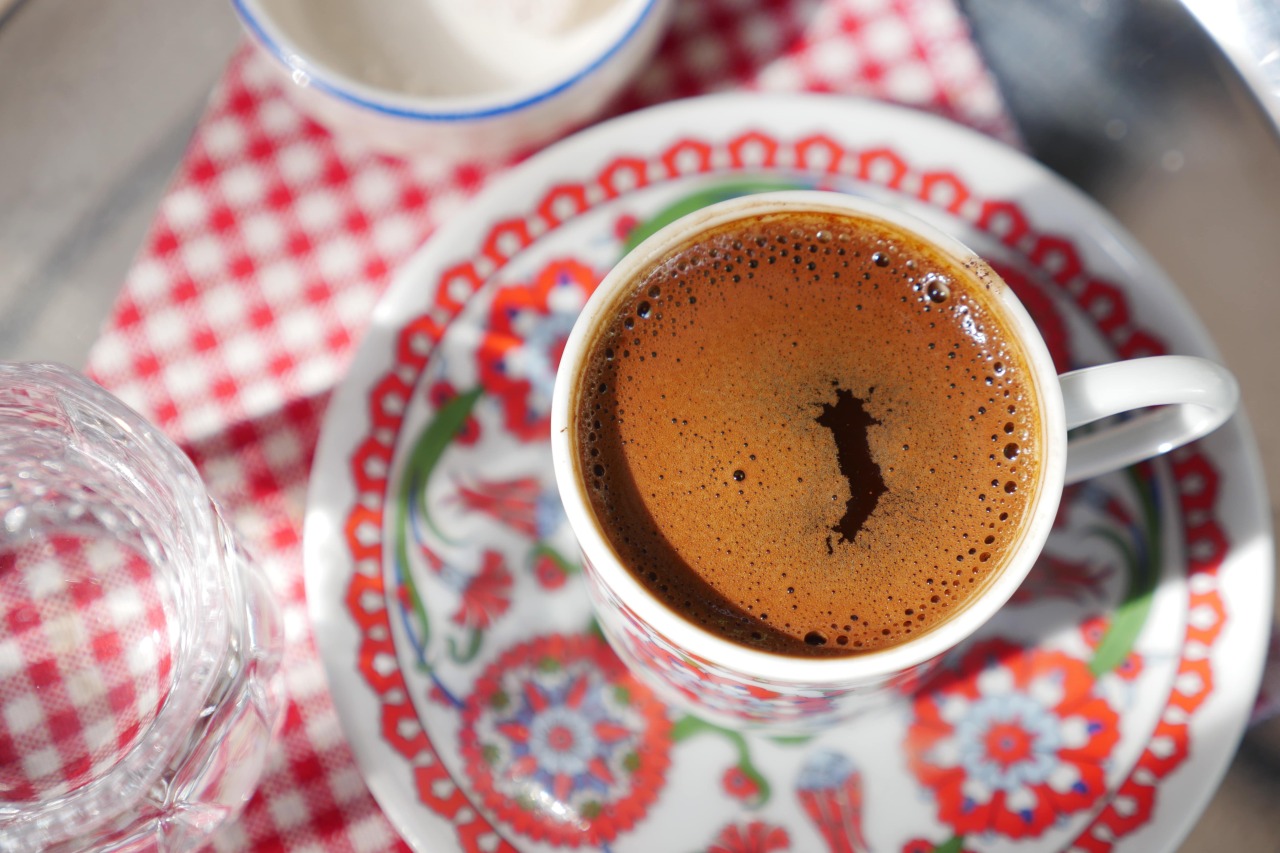
Affordable living, strong café culture, good internet, and a city that feels socially alive create something many travelers now actively look for.
Not necessarily luxury. But quality of life.
Few Cities Feel This Contradictory – And That’s What Makes It Interesting
Belgrade rarely feels visually predictable. The city constantly shifts between eras and identities.
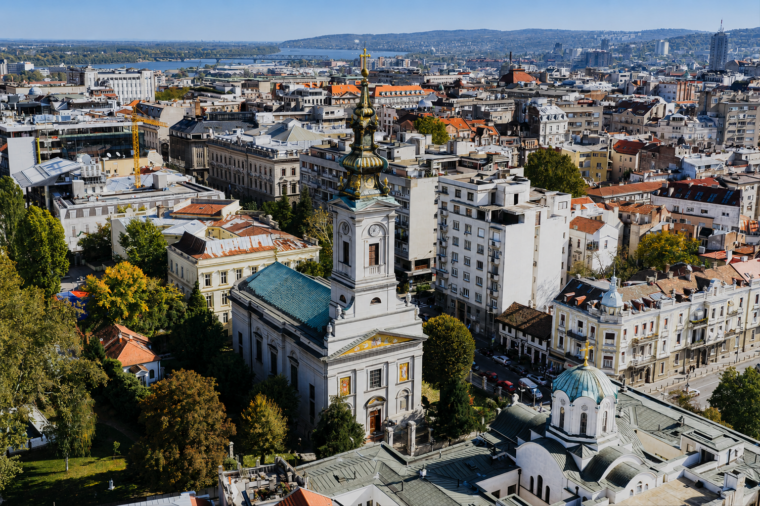
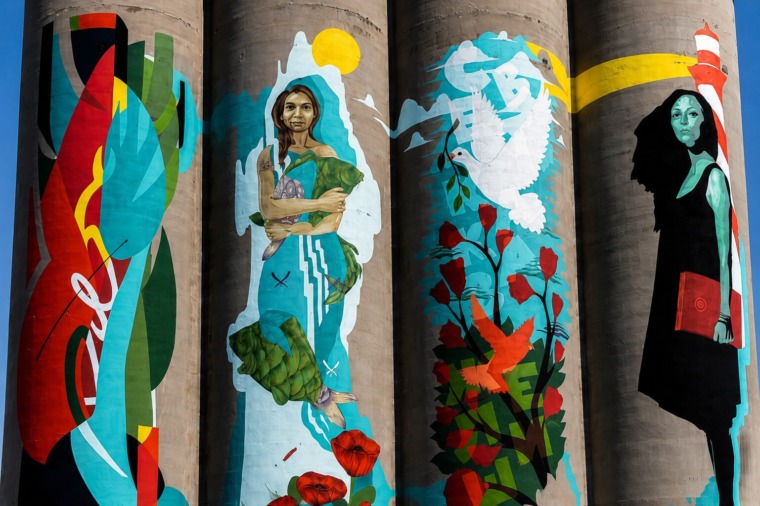
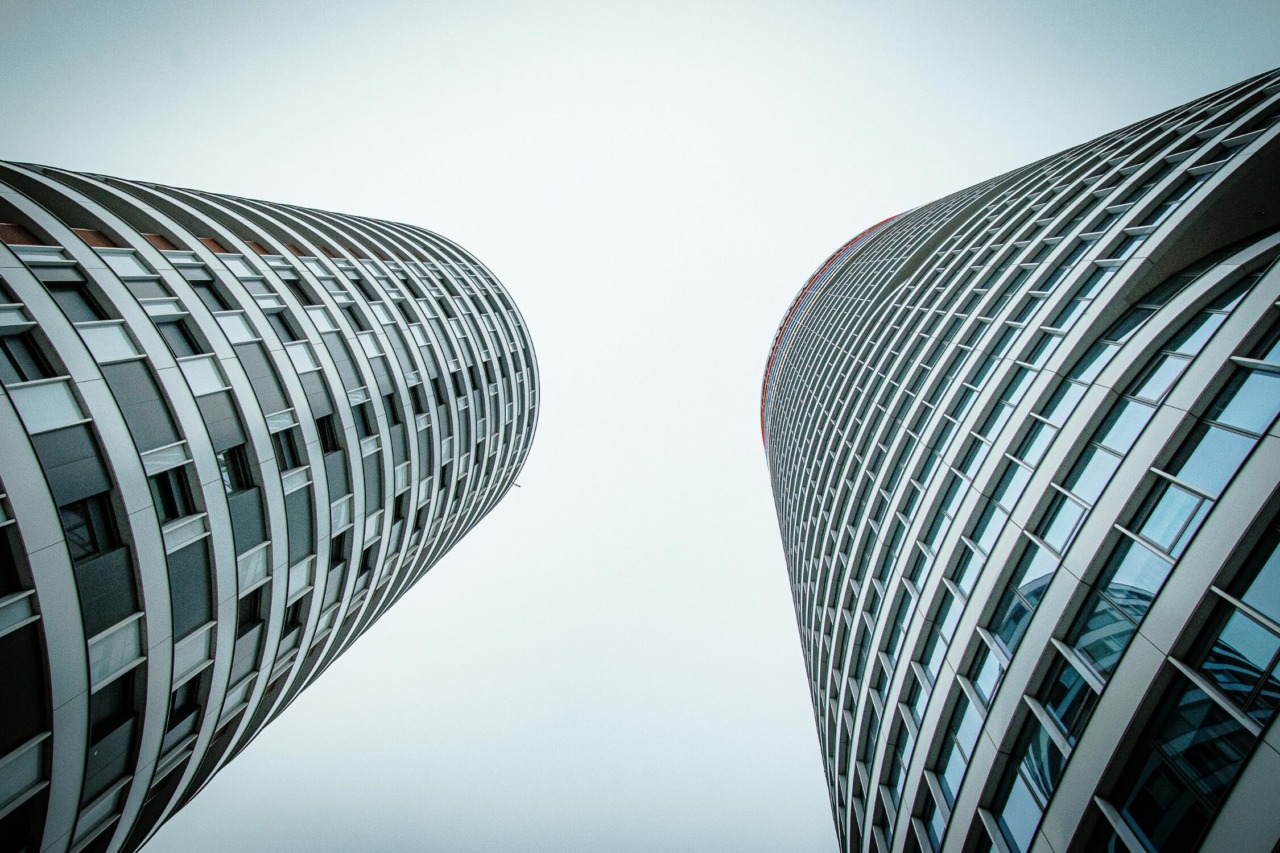
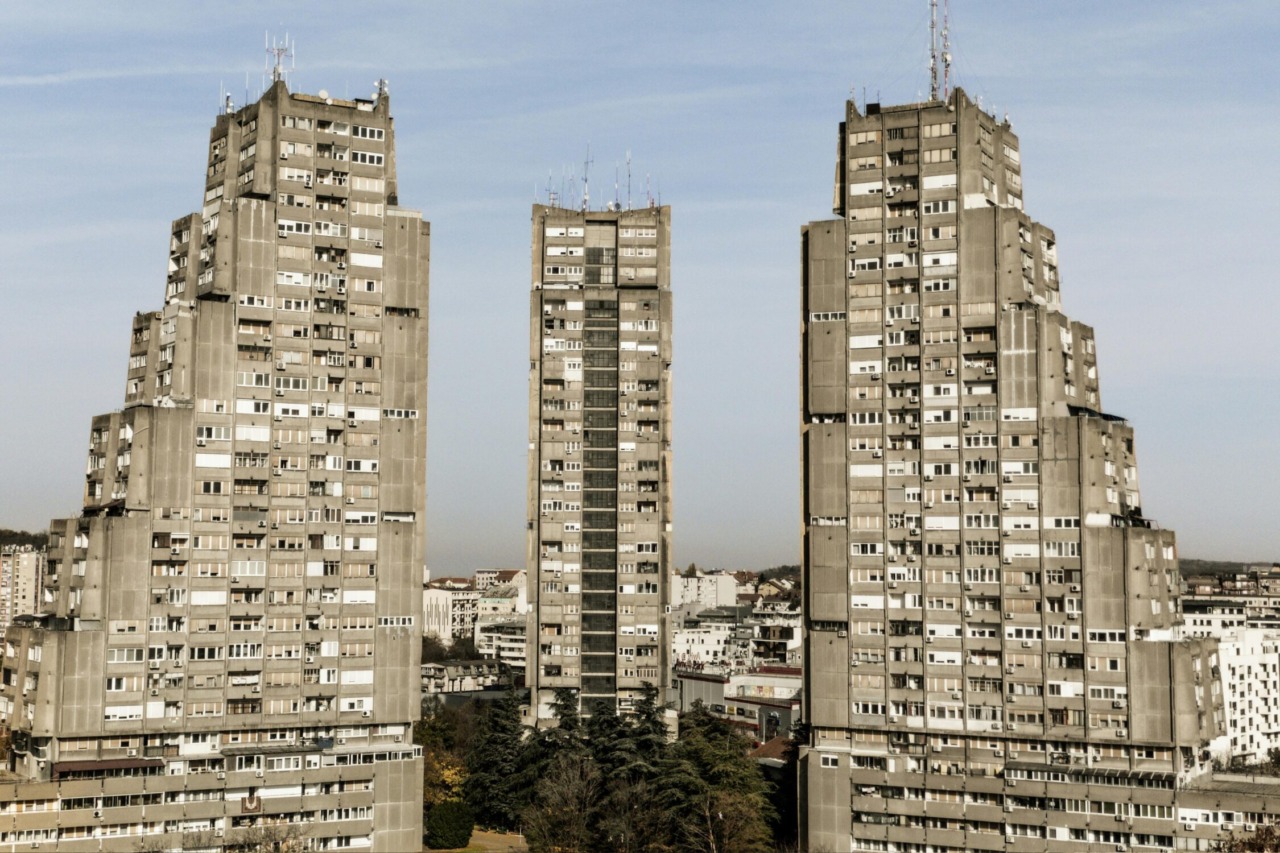
Austro-Hungarian architecture quietly appears in Zemun. Brutalist blocks dominate parts of New Belgrade. Ottoman traces survive in unexpected corners. Glass towers rise next to old façades.
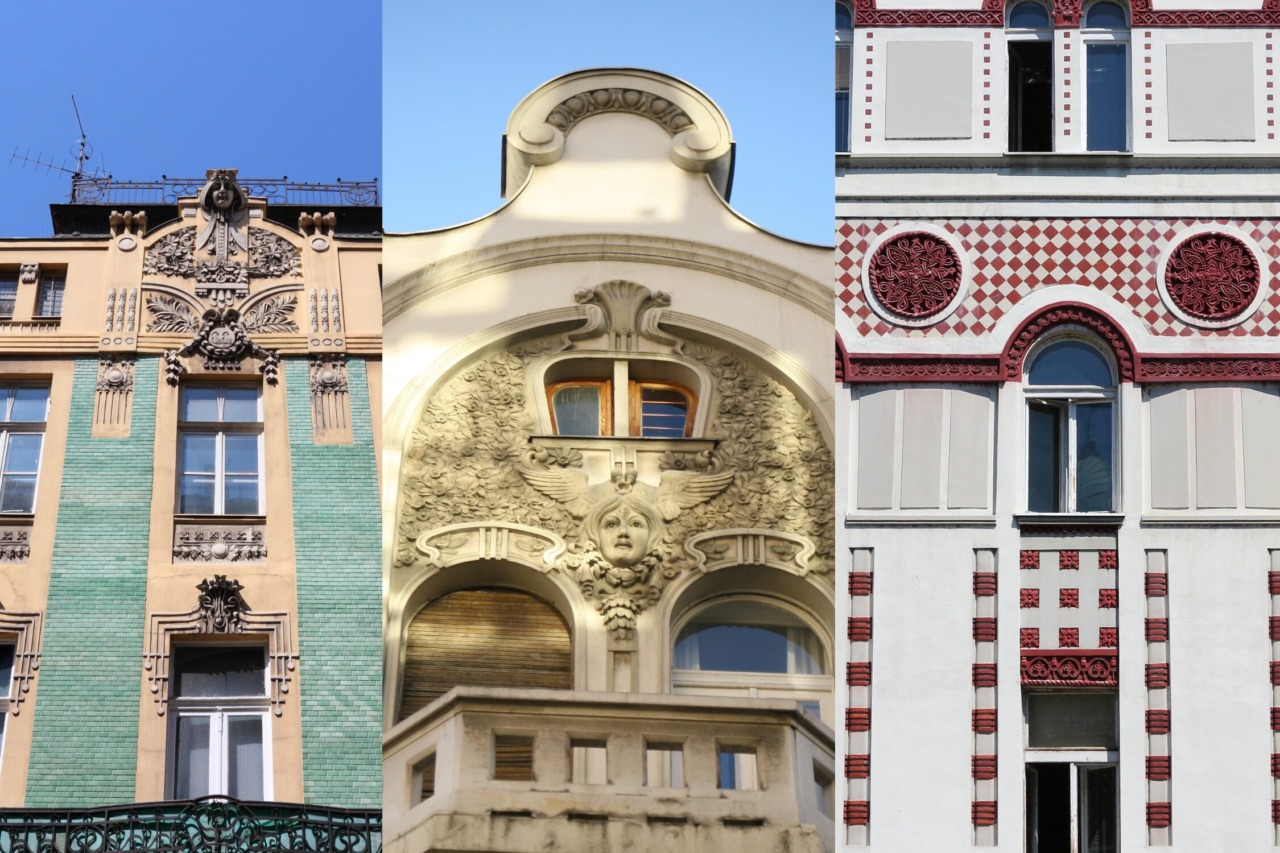
Some streets feel elegant. Others feel raw. Dorćol, Vračar, Zemun, New Belgrade – each neighborhood almost feels like a different city. Instead of feeling confusing, these contrasts often become part of Belgrade’s charm.
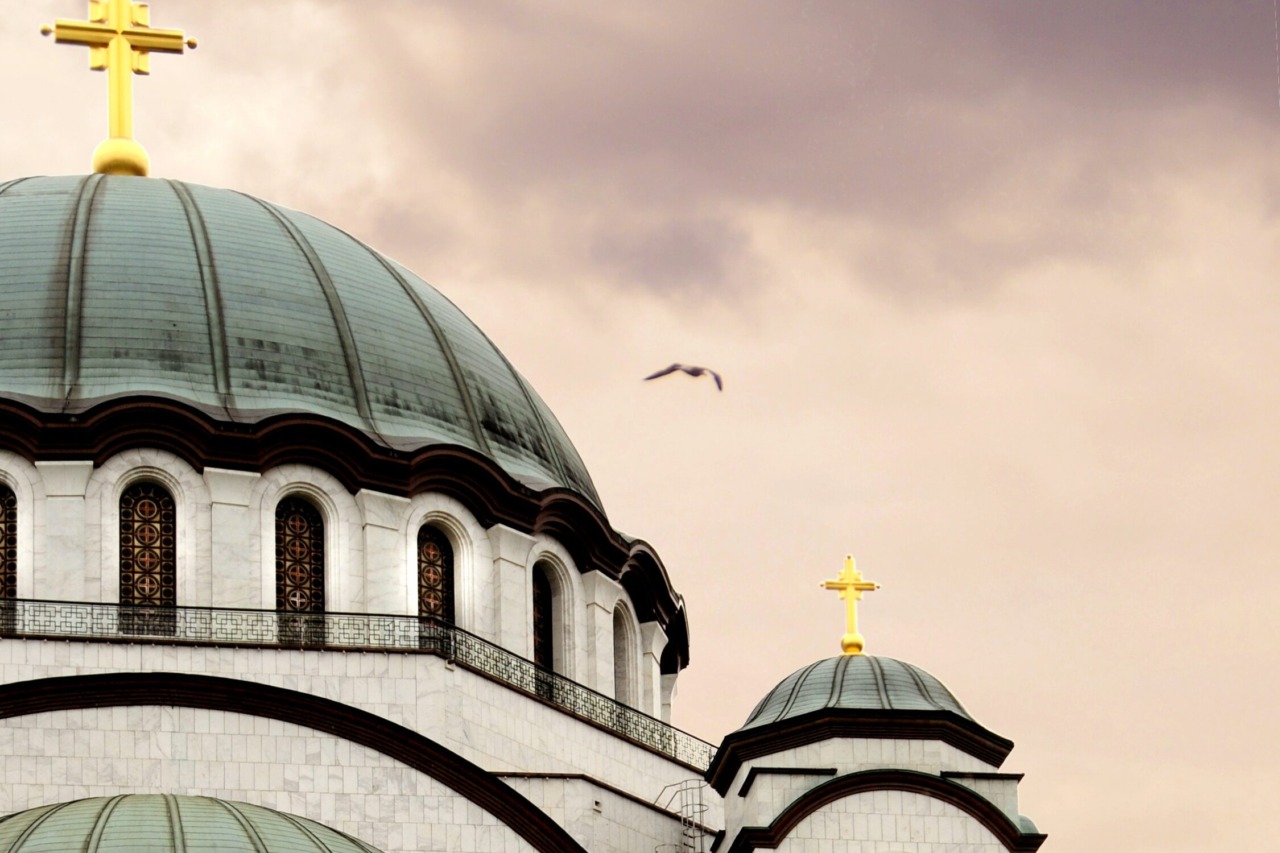
It may not be Europe’s most conventionally beautiful capital. But it is one of the hardest to forget.
Summer Makes People Fall in Love With the City
If there’s a season when Belgrade changes completely, it’s summer. The rivers stop feeling like scenery and become part of everyday life. Ada Ciganlija turns into the city’s summer living room. Outdoor festivals, rooftop bars, riverside restaurants, floating clubs, and evening walks create an atmosphere that feels unexpectedly Mediterranean at times.
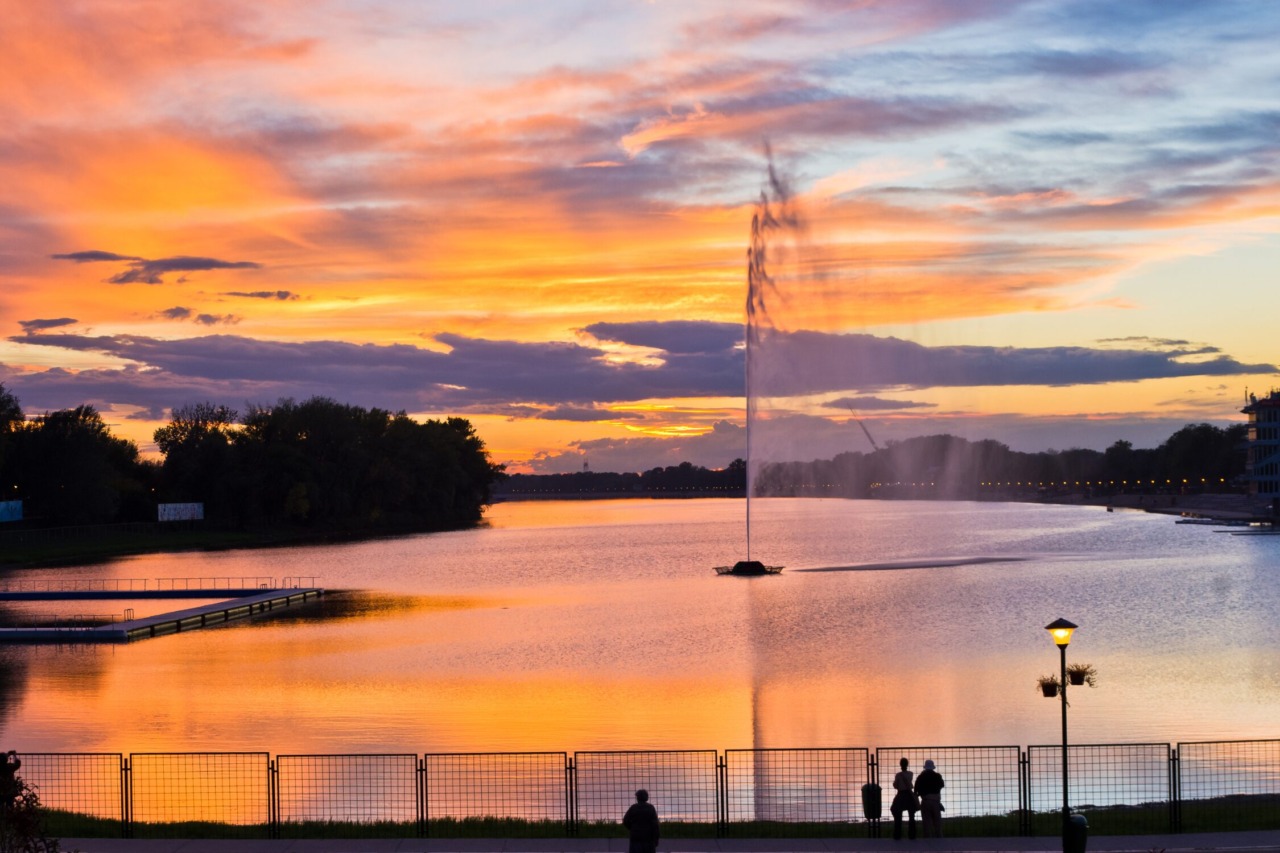
But what many visitors remember most are the smaller moments. Sunsets over Kalemegdan. A drink by the river that turns into dinner. Music drifting through hidden courtyards. Streets that feel quieter just before midnight – before becoming lively again.
Belgrade in summer feels less like a capital city and more like a city people are actually living in. And visitors often want to become part of that rhythm.
It Still Feels Slightly Undiscovered
Perhaps the biggest reason people keep talking about Belgrade is this: It still feels like something you discovered yourself.
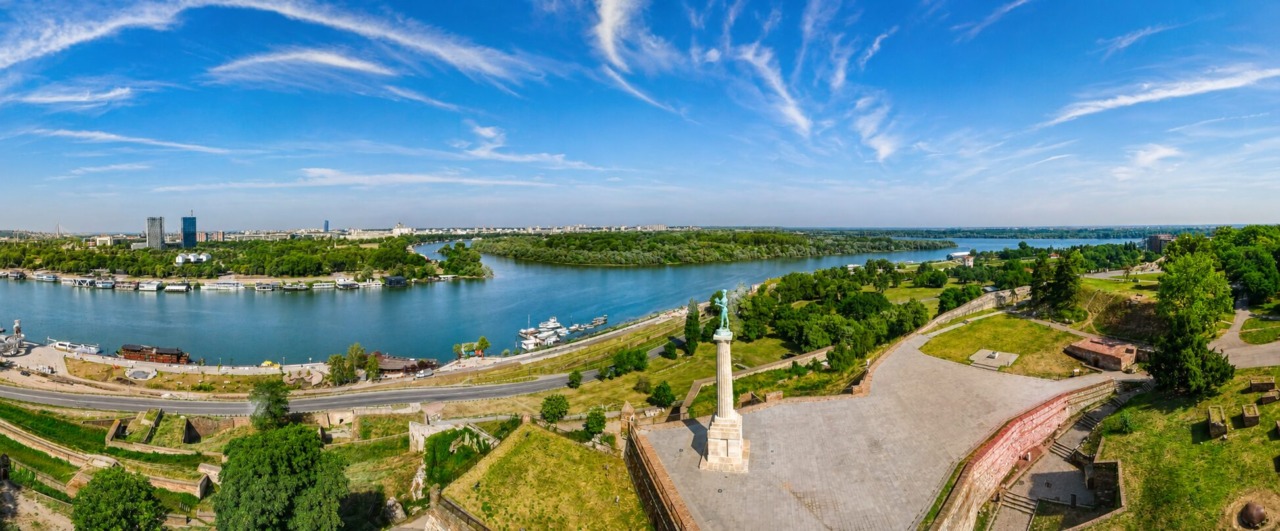
Unlike cities already overwhelmed by tourism, Belgrade still carries a sense of surprise. Visitors arrive with relatively low expectations and often leave unexpectedly attached to the city. It is not perfect. It is not polished. And it does not always try to make things easy.
But maybe that’s exactly the point.
Why Is Everyone Suddenly Talking About Belgrade?
Because cities that still feel authentic are becoming harder to find. Belgrade may not be Europe’s prettiest capital. Or its calmest. Or its most organized. But few cities feel this alive. And perhaps that is exactly why more people are finally paying attention.
Plan your visit
Everything you need to plan your perfect trip.
Related Articles