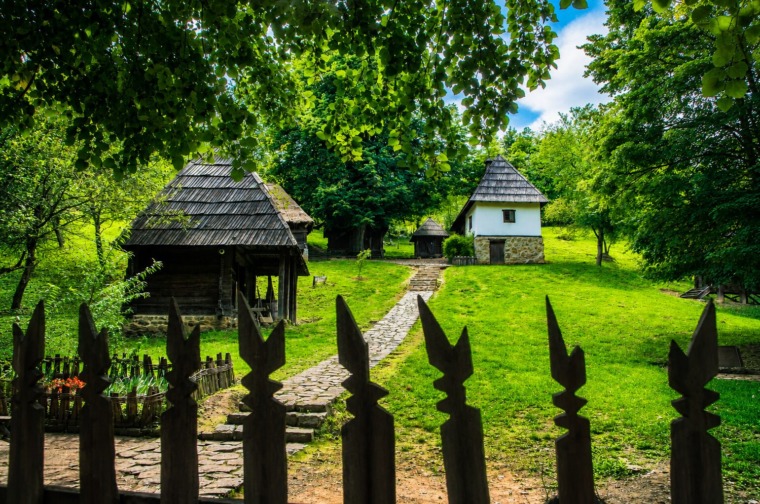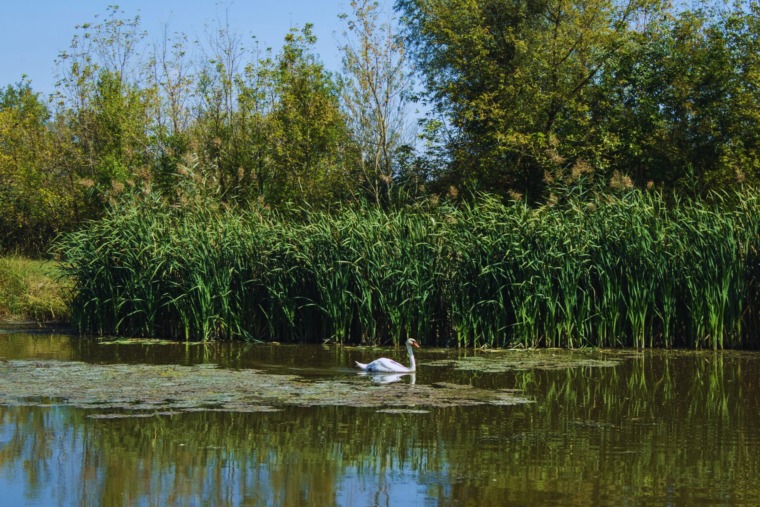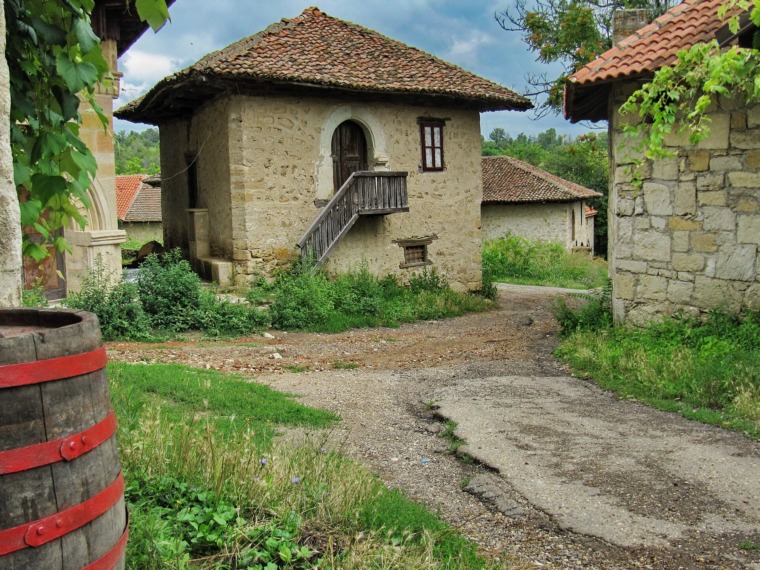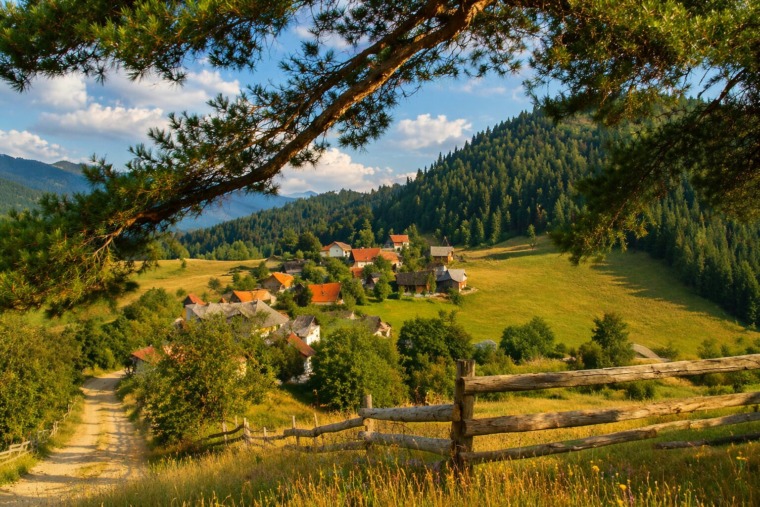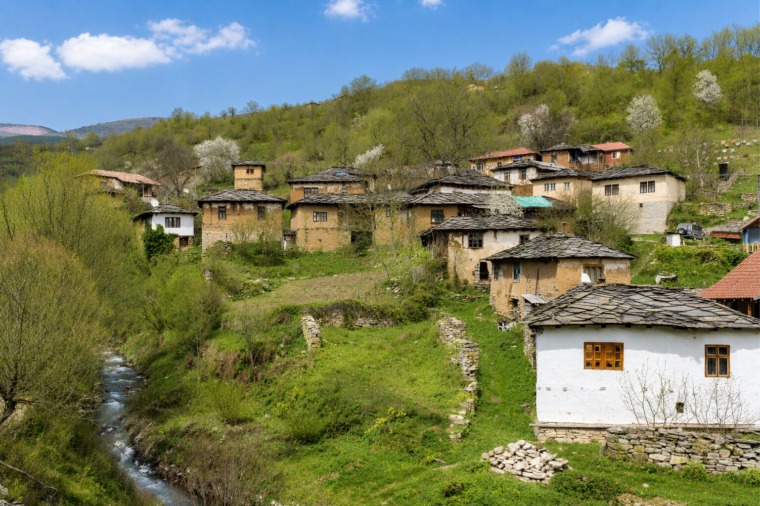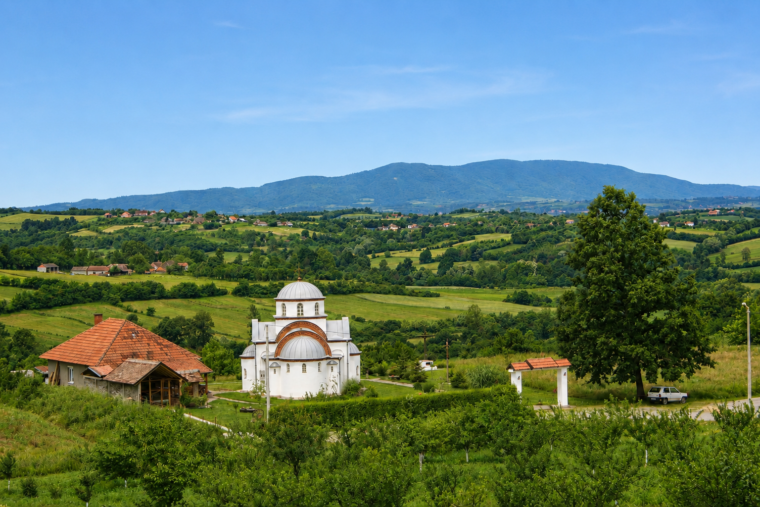

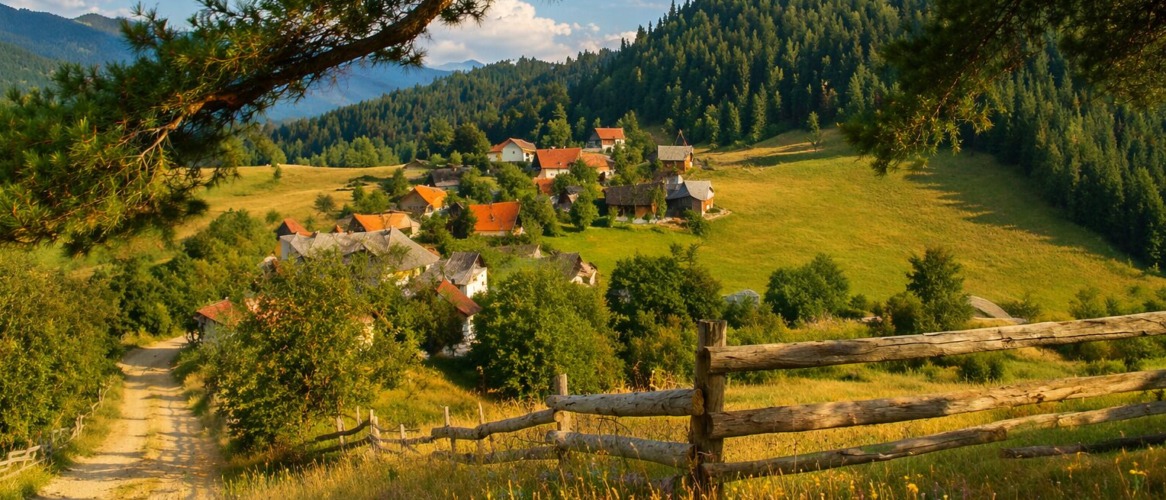
Set between Tara Mountain and the rolling hills of western Serbia, Kremna reveals itself gradually – first through open views and scattered houses, and then through something less visible, but just as present.
The landscape here is not dramatic at first glance, yet it holds your attention. Wide meadows stretch toward forested slopes, while small roads connect households that still rely on what the land provides. This is a place where the setting is not just a backdrop, but a part of everyday life – shaping how people move, work, and gather.
The story that still defines the village
Kremna is one of the rare places in Serbia where a story has become inseparable from the location itself. The legacy of the Tarabići family continues to draw attention, but what makes it interesting is not only the idea of prophecy, but the way it is integrated into the village. It is present in conversations, in references to specific locations, and in the quiet awareness that this is where those stories began.
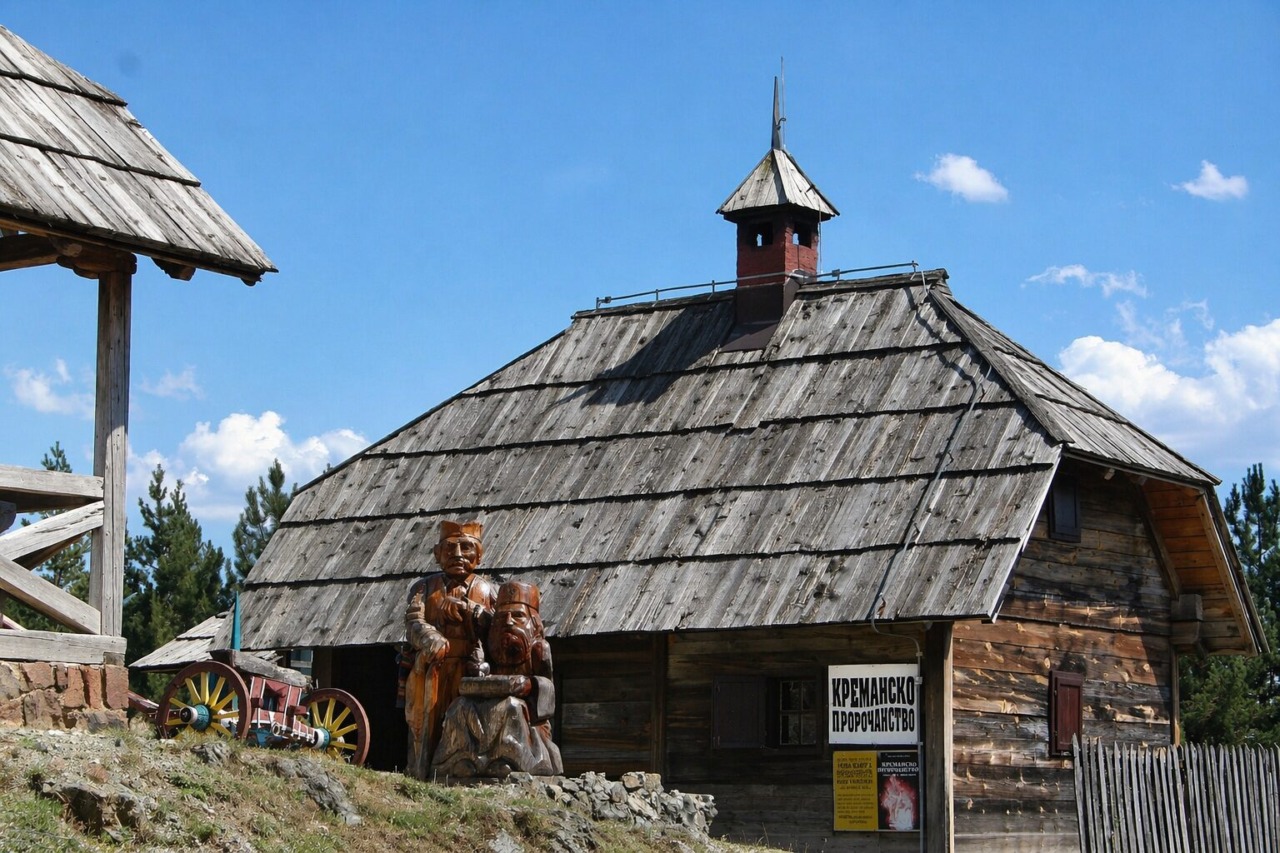
Visiting the area connected to the Tarabići does not feel staged or overly explained. It remains part of the village’s identity – something that adds depth rather than dominating the experience.
How a day in Kremna actually unfolds
Spending time in Kremna quickly moves from observation to participation. Morning often begins with a walk that follows the natural layout of the village, leading past gardens, small fields, and viewpoints that open unexpectedly. The terrain invites movement, not as a planned activity, but as a way of exploring the space itself.
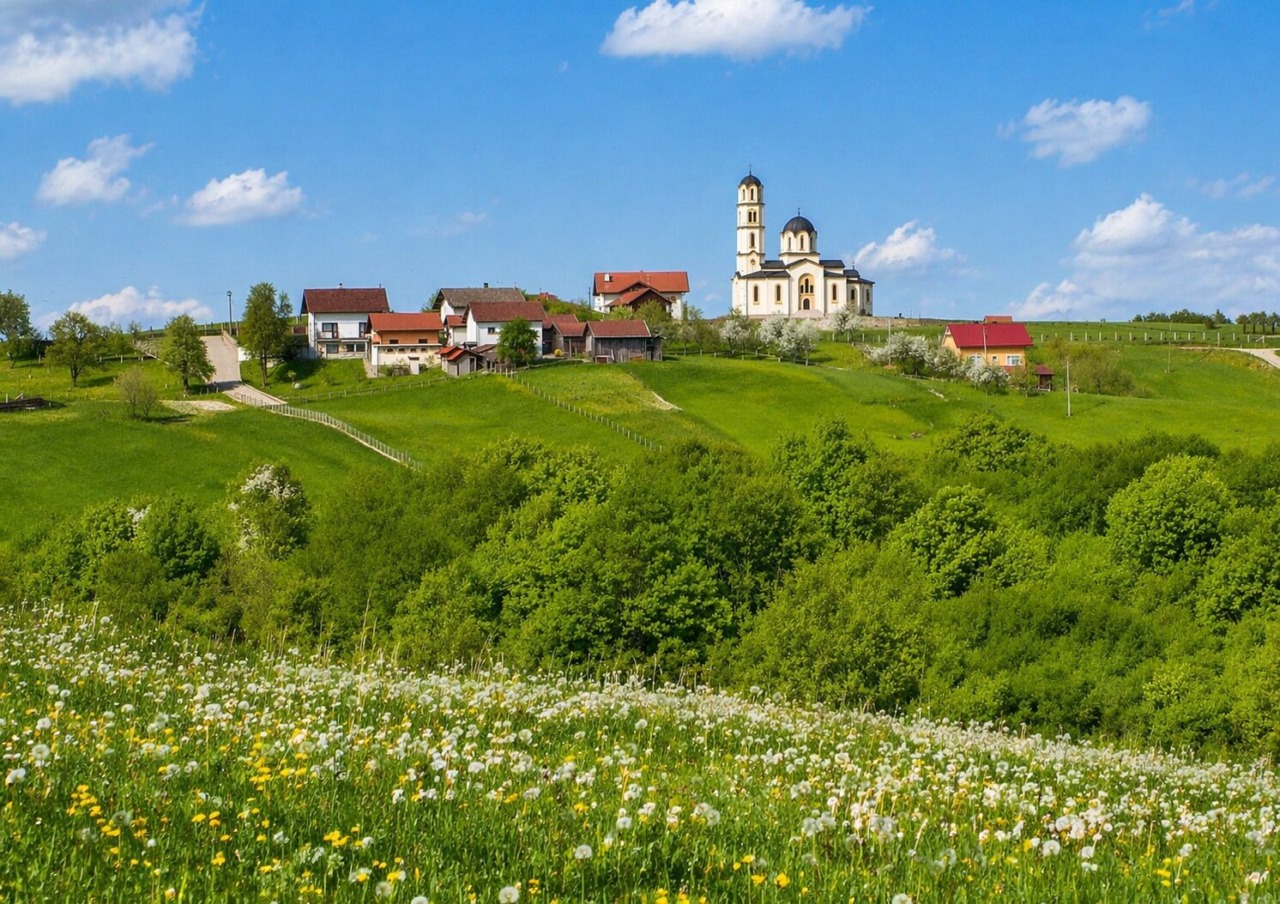
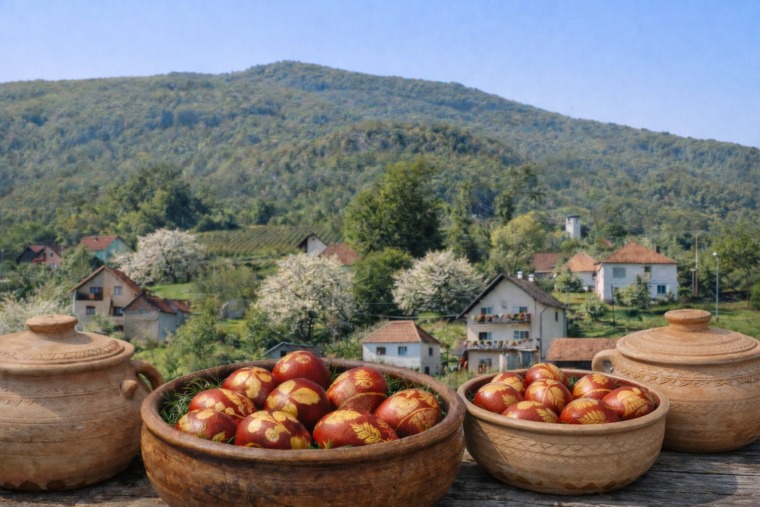
By midday, the focus naturally shifts toward local households. Meals here are not designed for visitors, but they are often shared with them. Freshly baked bread, dishes prepared from locally sourced ingredients, and flavors shaped by tradition become part of the experience. The connection between land and table is direct and visible.
In the afternoon, the surrounding nature becomes more present. Short drives or walks lead toward forest edges, hidden clearings, and viewpoints that reveal a broader perspective of the region. These are not marked attractions, but places discovered through movement.
Rural tourism that still feels real
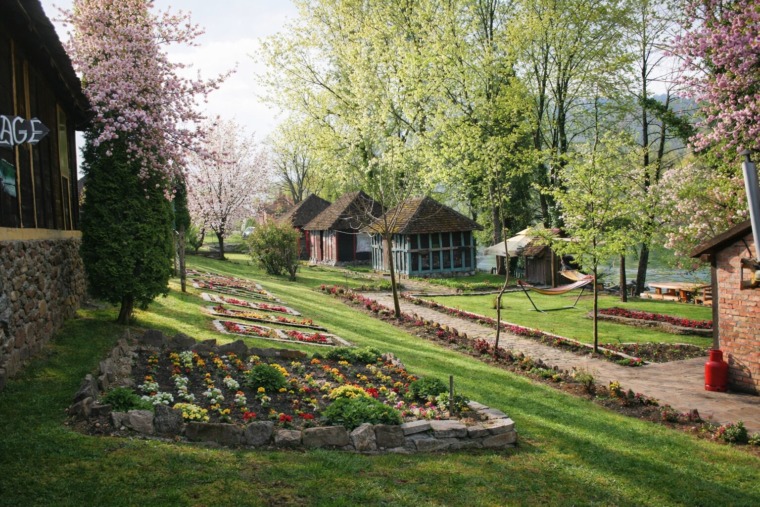
Kremna offers a form of rural tourism that has not been heavily shaped by modern expectations. Staying in a local household often includes more than accommodation. It opens access to everyday life – from the preparation of food to the rhythm of the day. The experience is not curated, but it is welcoming.
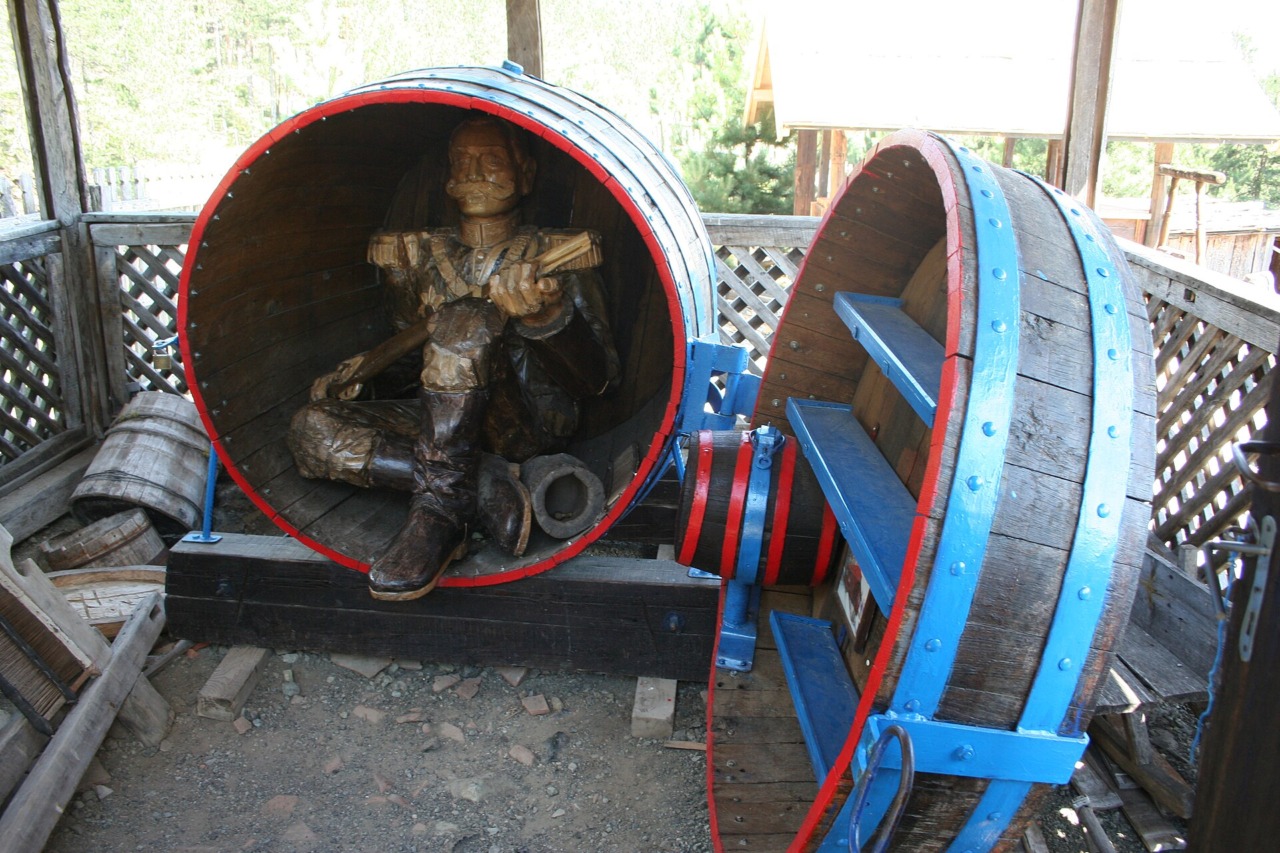
There is a sense of continuity here that does not need to be explained. It is reflected in how things are done, rather than how they are presented.
Exploring beyond the village
The position of Kremna makes it a natural starting point for exploring a wider region that feels connected rather than fragmented.
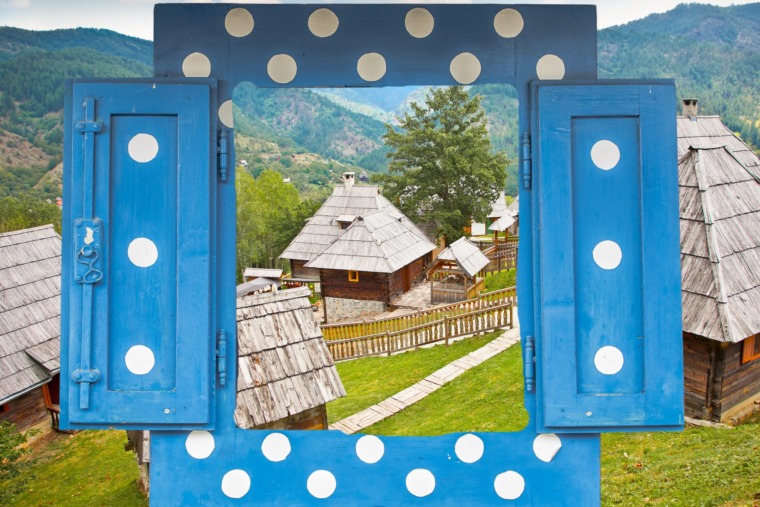
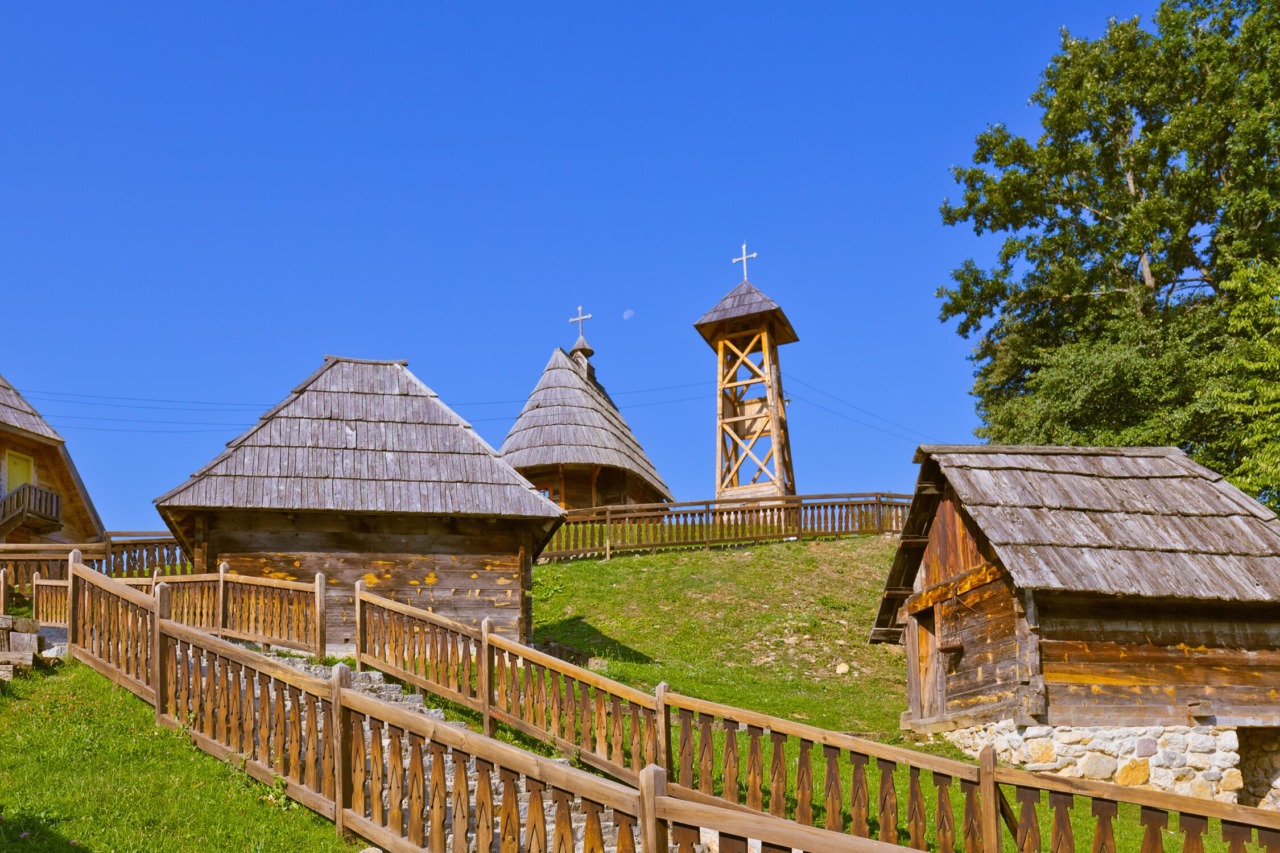
The nearby slopes of Tara Mountain lead toward viewpoints, forest trails, and one of the most preserved natural environments in the country. In another direction, Mokra Gora introduces a more visible cultural layer, where traditional architecture and railway heritage come together. Nearby, Drvengrad adds a distinct artistic and architectural perspective.
Just a short drive from Kremna, the landscape opens into one of the most distinctive experiences in Serbia – the route of the Šargan Eight. Originally built as part of a narrow-gauge railway connecting Belgrade with the Adriatic coast, this section remained known for its unusual engineering solution – a figure-eight loop designed to overcome the steep terrain of the surrounding mountains. Today, that same route has been restored as a heritage railway, offering a slow journey through the heart of western Serbia.
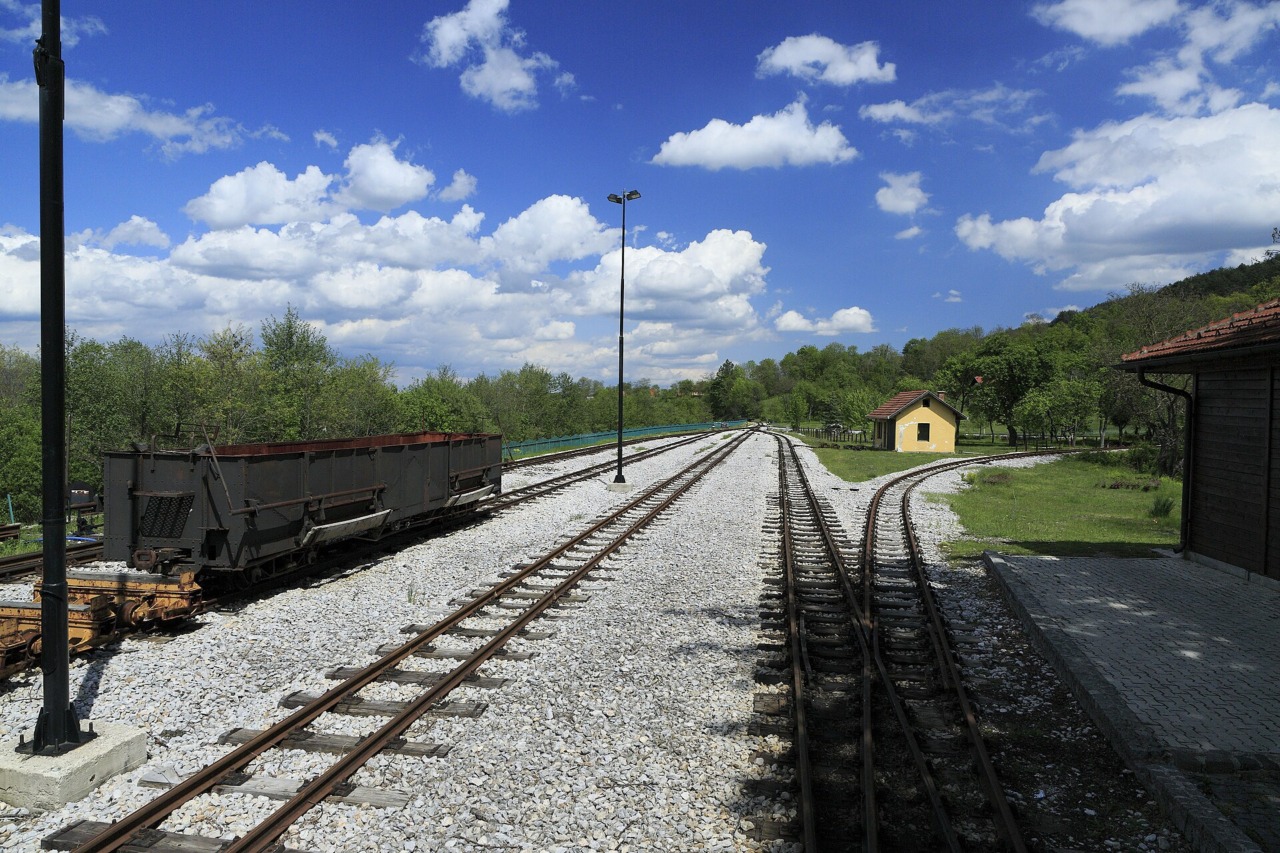
Boarding the train in nearby Mokra Gora transforms the landscape into something dynamic. What appears static from the road becomes layered when seen from the railway – tunnels, bridges, and changing elevations reveal the terrain in a way that cannot be experienced otherwise.
For visitors staying in Kremna, this is not just a nearby attraction, but a natural extension of the place itself. The same hills, forests, and open spaces that define the village continue along the railway, connecting it to a wider story of movement, history, and landscape. The experience is not about speed or destination. It is about perspective – seeing the region from within it.
A place that offers more the longer you stay
Kremna does not reveal itself instantly. What begins as a quiet village becomes something more layered through time – a combination of landscape, story, and everyday life that feels consistent and grounded. The longer you stay, the more these elements connect.
For those looking for a destination that offers both atmosphere and substance, Kremna provides a balance that is increasingly difficult to find.
Related Articles