
-
Serbia at a Glance
Discover All -
Arts & Culture
Discover All -
Identity & Heritage
Discover All -
Famous Serbs
Discover All
-
Regions
Discover All -
Cities
Discover All -
Nature
Discover All -
Cultural Landmarks
Discover All
-
Outdoor & Wellness
Discover All -
Food & Drink
Discover All -
Tours
Discover All -
Urban Experiences
Discover All -
Seasonal Experiences
Discover All
Partner with Serbia.com
Let's create lasting impact together
Partner with Serbia.com to reach travellers through trusted recommendations, inspiring editorial stories and thoughtfully designed campaigns. Together, we create meaningful visibility that supports your goals and remains valuable long after publication.
Explore partnership opportunities- Serbian Favorite Rituals Everyday traditions and little things that make life in Serbia special.
- Villages of Serbia Charming villages, local stories and authentic rural life.
- Serbia Told By You Personal stories, local perspectives and authentic experiences from across Serbia.
- Is it Worth Visiting in Serbia? Honest destination guides to help you decide which places are worth visiting.
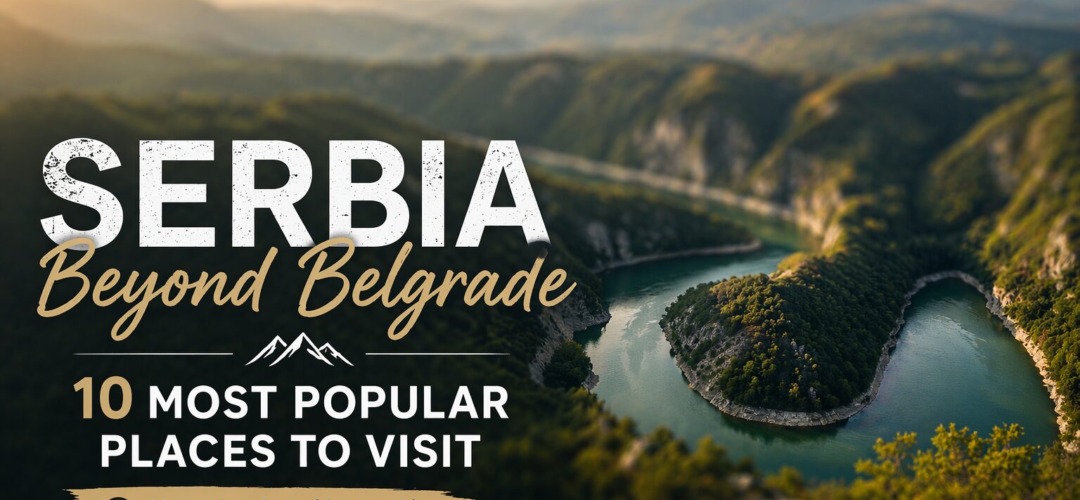
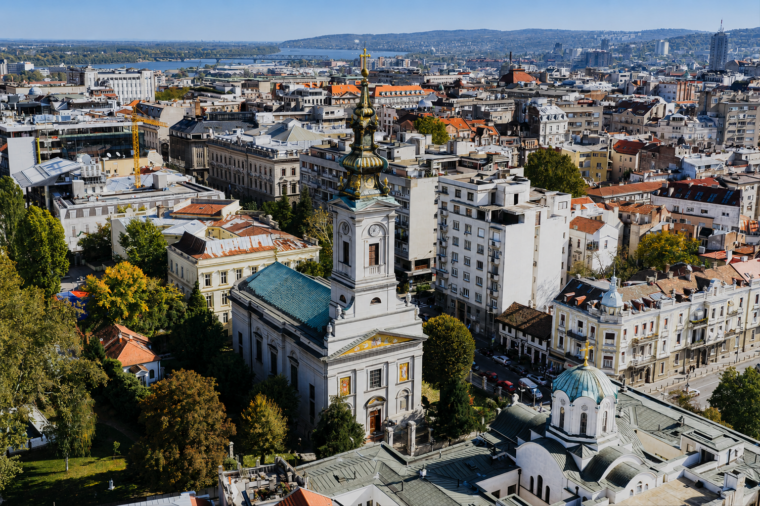
For many travelers, Serbia begins and ends in Belgrade. The capital is dynamic, vibrant, and full of life – but it’s only one part of the country’s story. Beyond Belgrade, Serbia opens into a landscape of mountains, rivers, historic towns, and cultural landmarks that reveal a completely different pace and atmosphere.
Especially in spring and summer, these destinations offer a mix of nature, history, and local character that defines the travel experience across the country.
If you’re planning to explore further, these are some of the most popular and rewarding places to visit in Serbia beyond the capital.
1. Novi Sad – Culture, Architecture, and the Danube
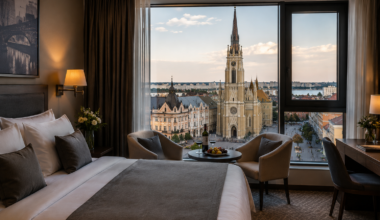
Novi Sad, Serbia’s second-largest city, offers a more relaxed and elegant atmosphere compared to Belgrade. Known for its Austro-Hungarian architecture, wide boulevards, and cultural scene, it is often described as the cultural capital of the country.
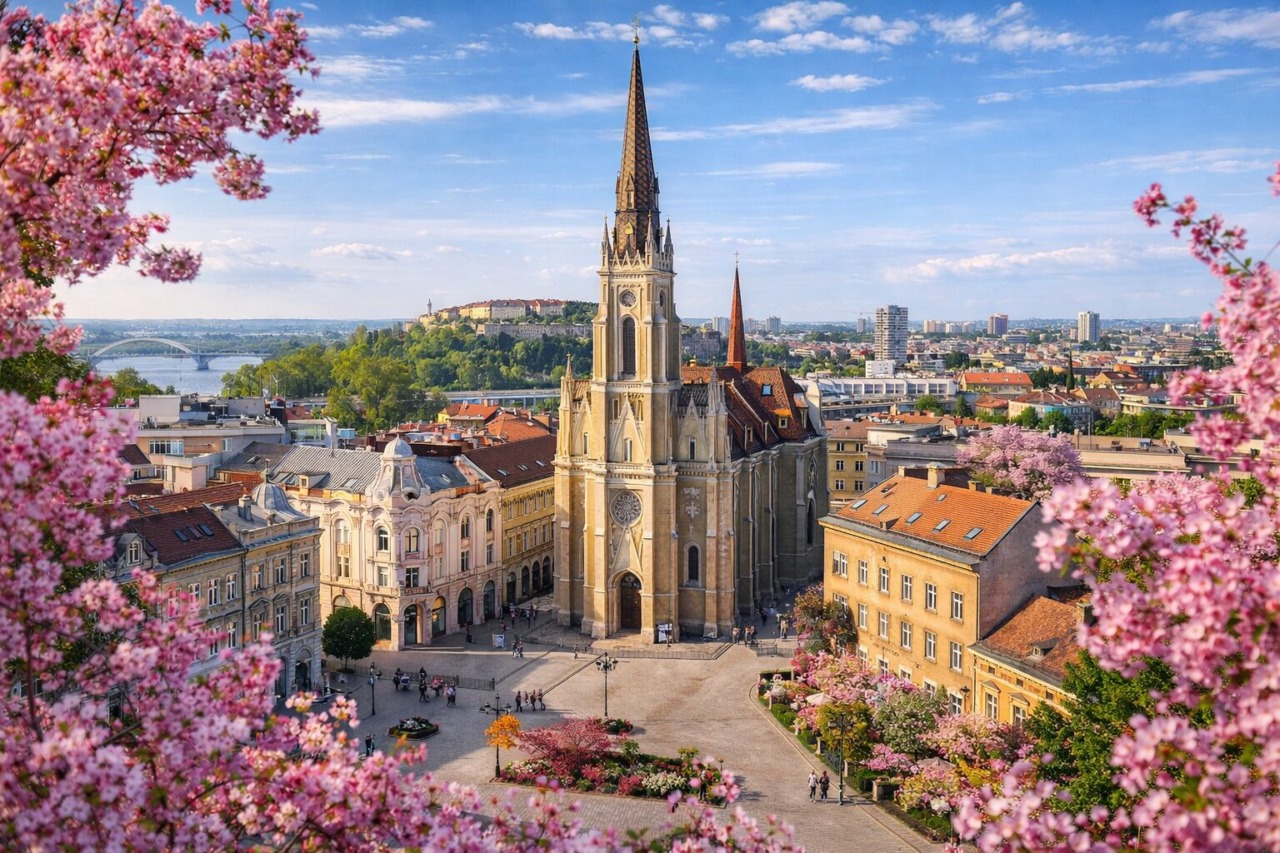
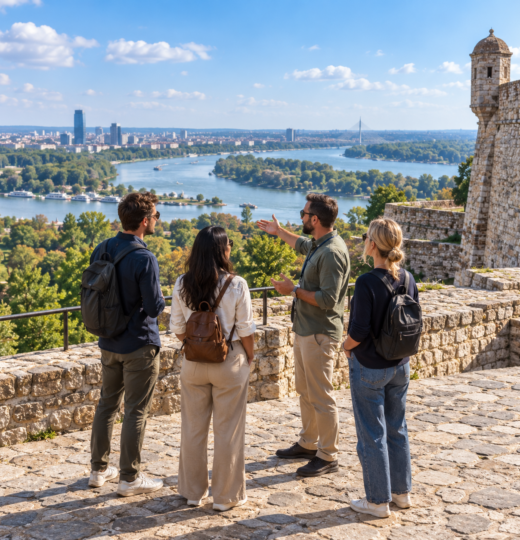
At the heart of the city stands Petrovaradin Fortress, overlooking the Danube – one of the most iconic viewpoints in Serbia. The nearby old town invites slow exploration, with cafés, galleries, and pedestrian streets shaping the rhythm of daily life.
What makes Novi Sad worth visiting is its balance: urban, but not overwhelming; cultural, but still approachable. It is also a perfect base for exploring nearby destinations like Fruška Gora.
2. Tara National Park – Untouched Nature and Scenic Views
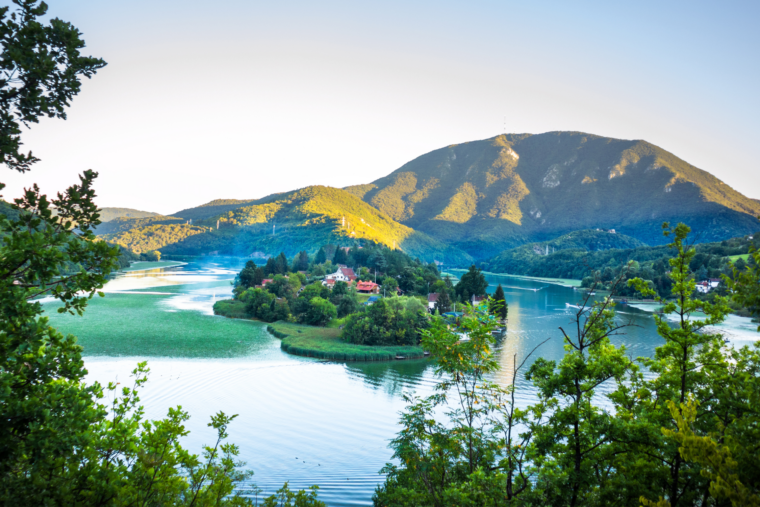
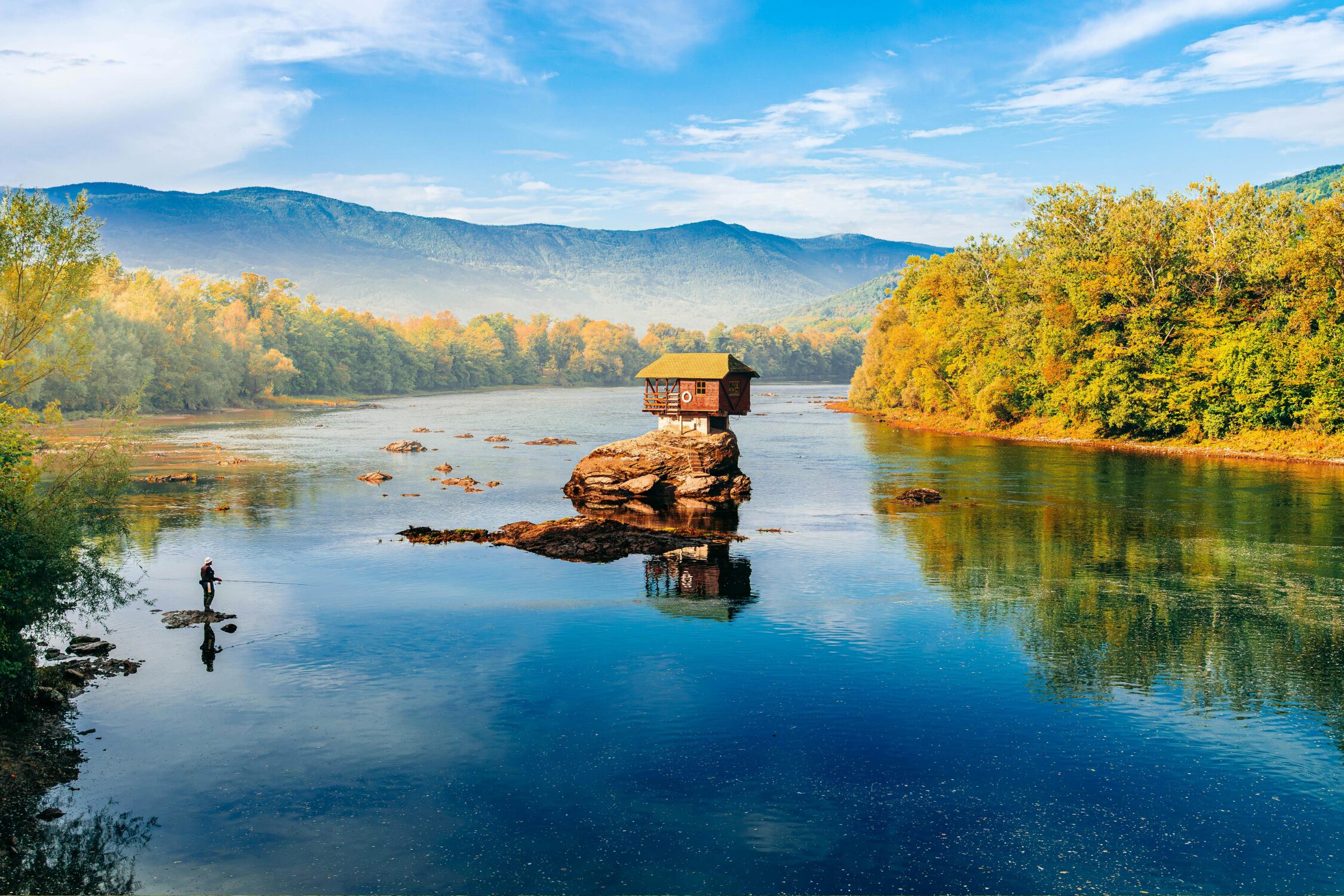
Tara National Park is one of the most beautiful natural areas in Serbia, known for its dense forests, deep river canyons, and breathtaking viewpoints. The Drina River curves dramatically through the landscape, while viewpoints like Banjska Stena offer panoramic views that define the region.
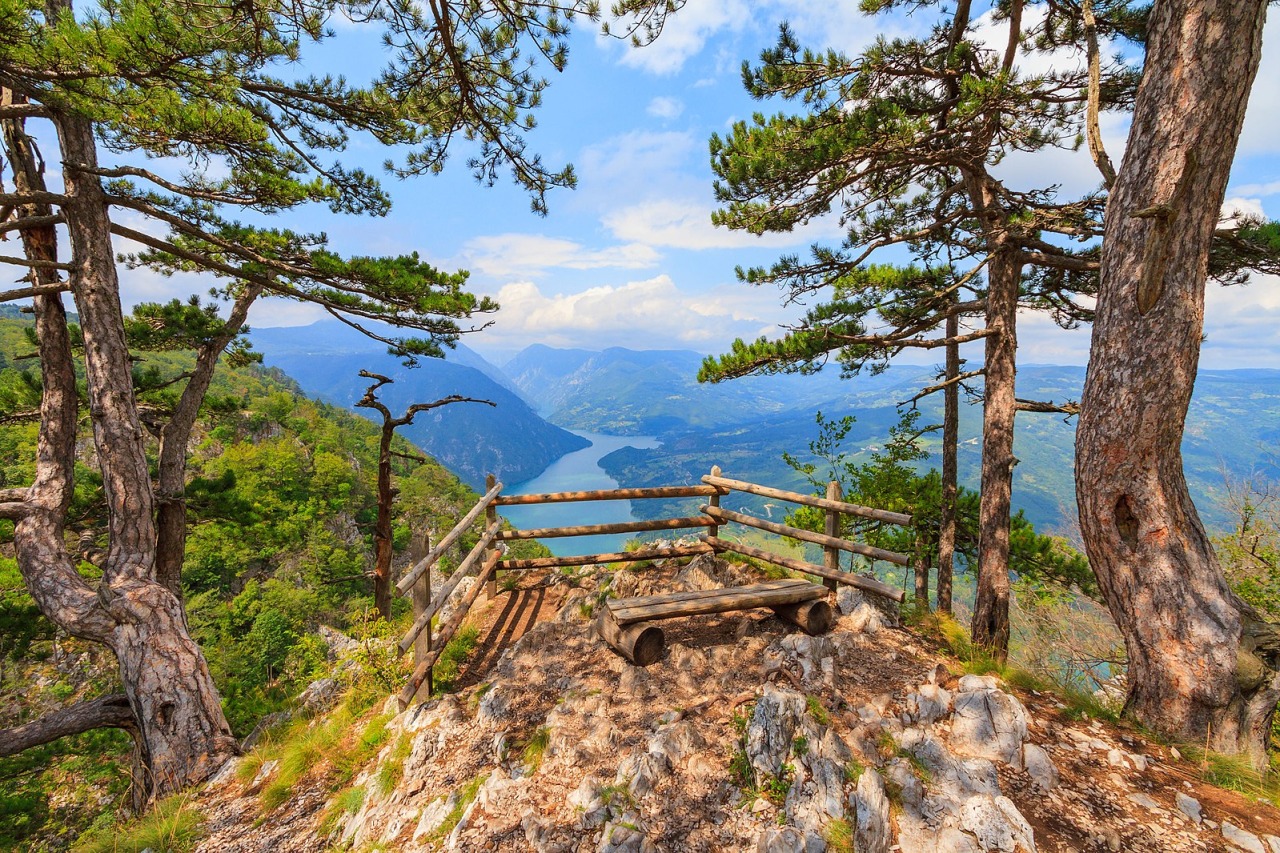
The park is home to rare plant species and wildlife, making it one of the country’s most important natural reserves. Tara is ideal for travelers who enjoy hiking, fresh air, and quiet time in nature. It’s not just a destination – it’s a place where you slow down and reconnect with the surroundings.
3. Uvac – Serbia’s Most Iconic Natural Landscape
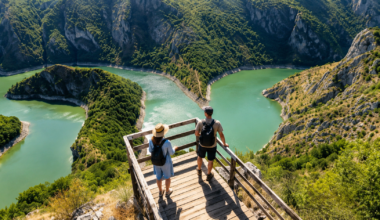
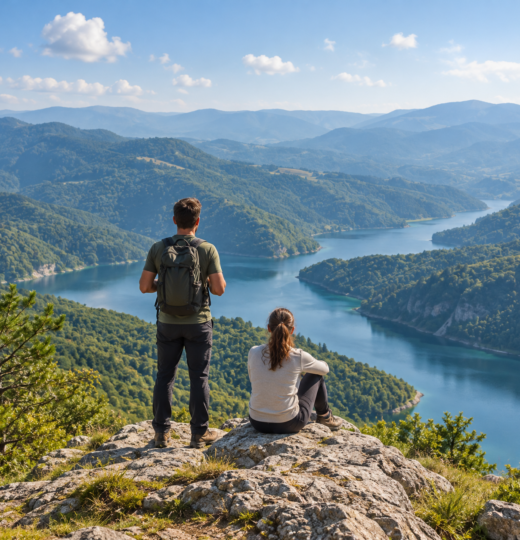
Uvac is one of the most recognizable natural sights in Serbia, famous for its meandering river that creates a series of dramatic curves through the canyon. But beyond the famous viewpoint, Uvac offers much more – hiking trails, boat tours, and the chance to spot griffon vultures, one of the rarest bird species in the region.
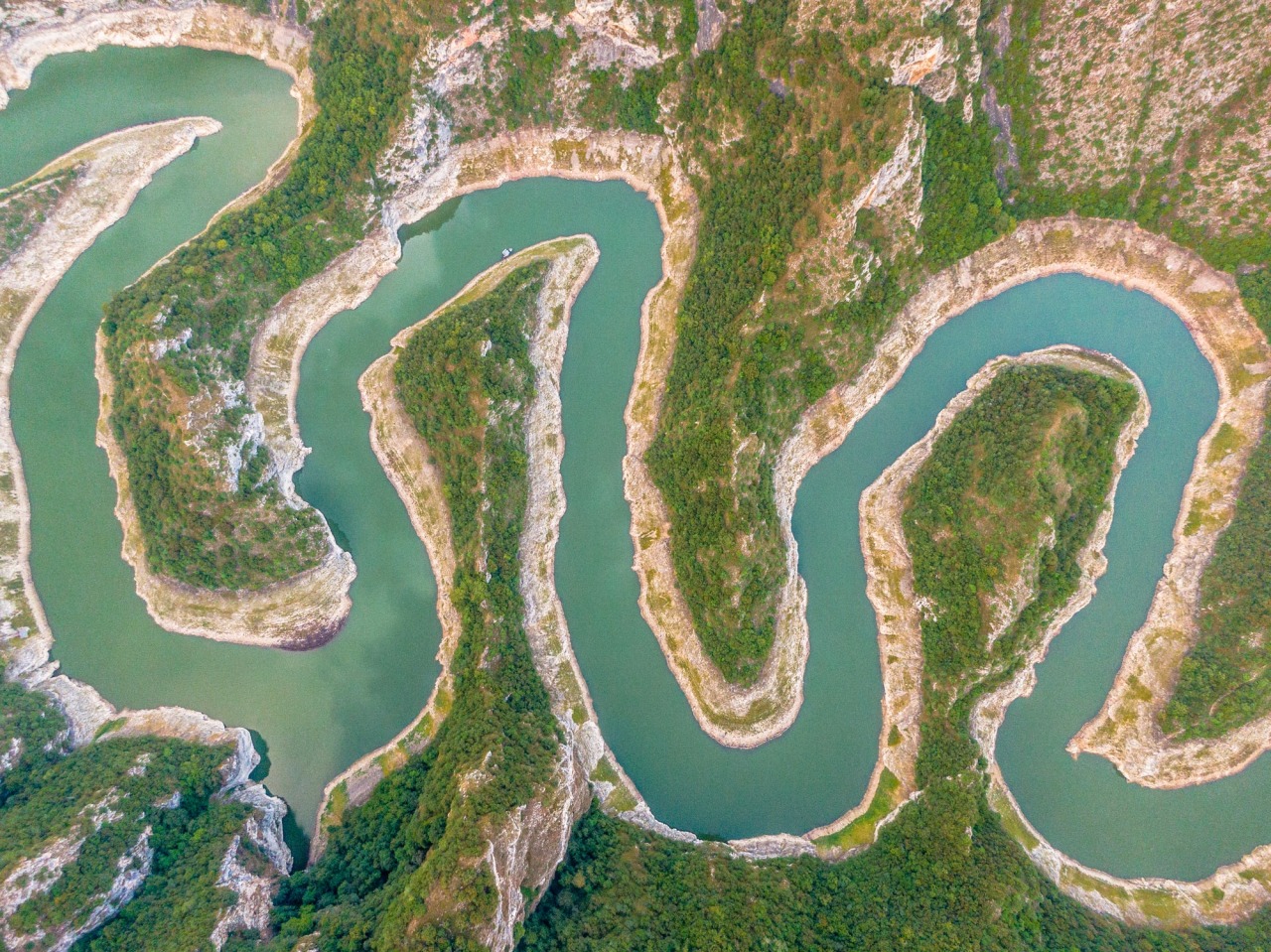
The combination of unique landscape and wildlife makes Uvac a must-visit destination. It’s especially impressive in spring and early summer, when the contrast of green hills and blue water is at its peak.
4. Zlatibor – Mountain Views and Easy Escapes
Zlatibor is one of Serbia’s most popular mountain destinations, known for its accessibility and variety of activities. While the central area can be busy, the surrounding region offers quieter spots like Gostilje, Stopića Cave and Sirogojno open air museum. The mountain is perfect for easy hiking, nature walks, and short getaways.
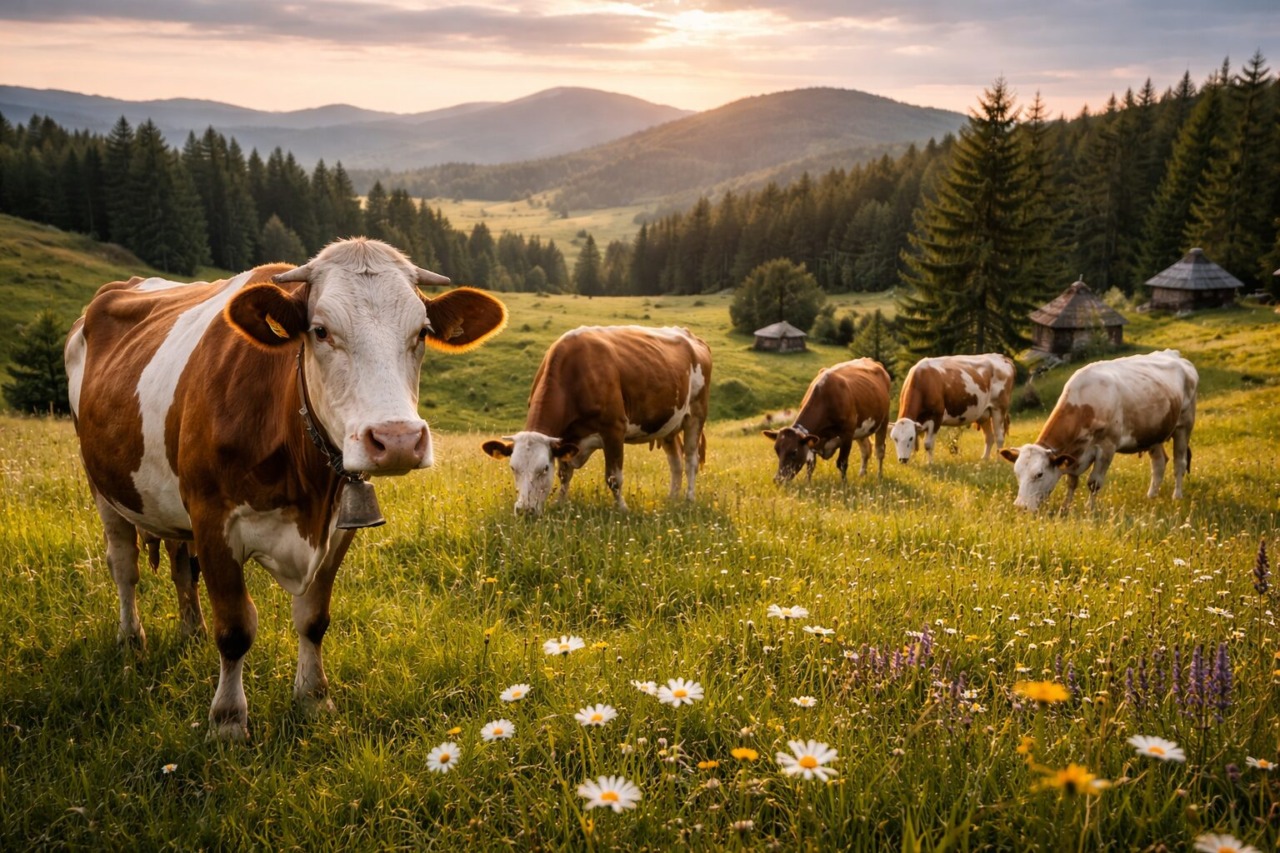
Zlatibor’s appeal lies in its versatility. Whether you’re looking for relaxation, nature, or a base to explore western Serbia, it offers a bit of everything.
5. Mokra Gora & Drvengrad – Tradition and Creative Spirit
Mokra Gora is a small mountain area that combines natural beauty with cultural heritage. Nearby, Drvengrad – a wooden village created by filmmaker Emir Kusturica – adds a unique and artistic dimension.
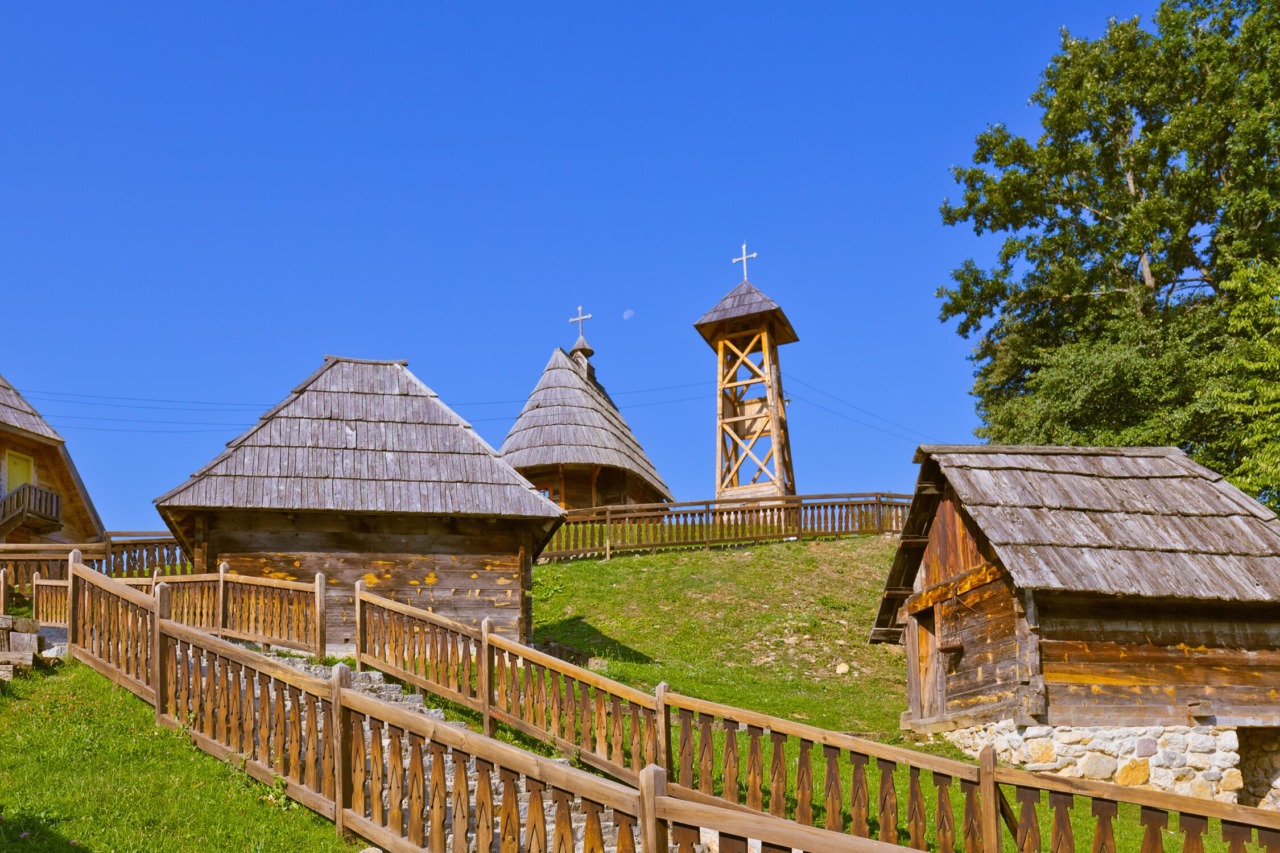
The Šargan Eight railway, a historic narrow-gauge train, is one of the highlights of the region, offering scenic rides through the mountains. This destination stands out for its atmosphere – a mix of tradition, creativity, and landscape that feels both authentic and carefully preserved.
6. Kopaonik – More Than a Winter Destination
Although best known as Serbia’s main ski resort, Kopaonik transforms completely outside the winter season. In spring and summer, it becomes a landscape of green slopes, hiking trails, and open views.
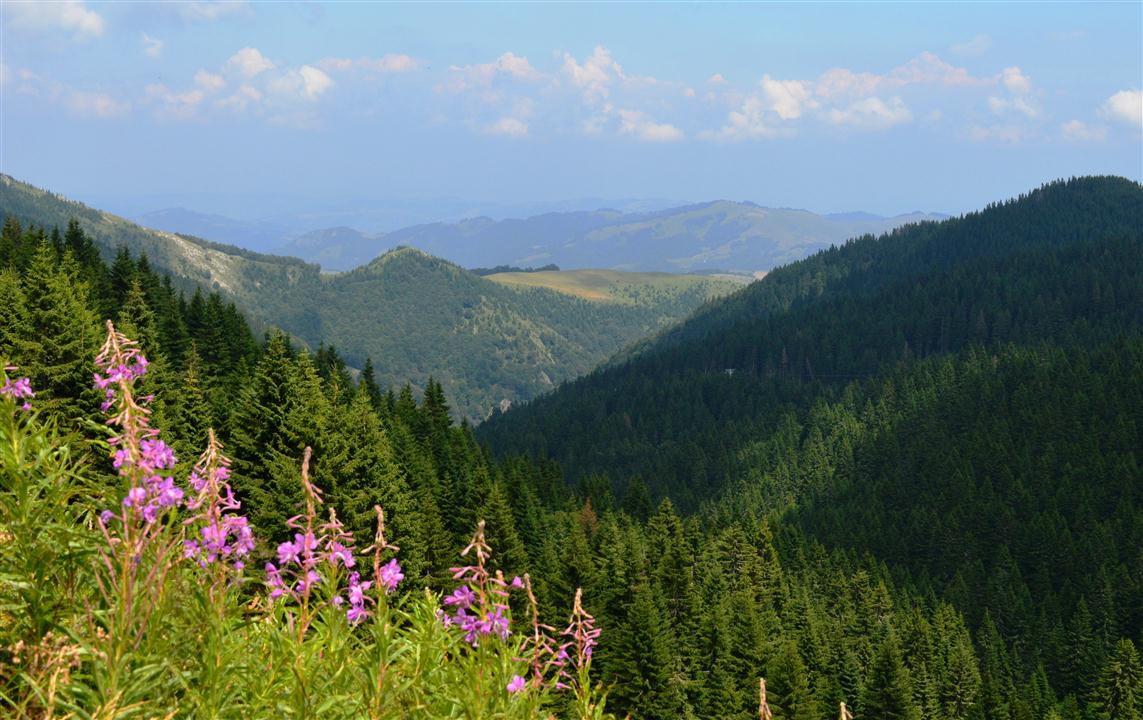
The national park offers numerous paths for walking and exploring, as well as a peaceful environment away from crowded resorts. Kopaonik is ideal for those who want mountain air and space, without the intensity of more remote destinations.
7. Golubac Fortress & Đerdap Gorge – History and Dramatic Scenery
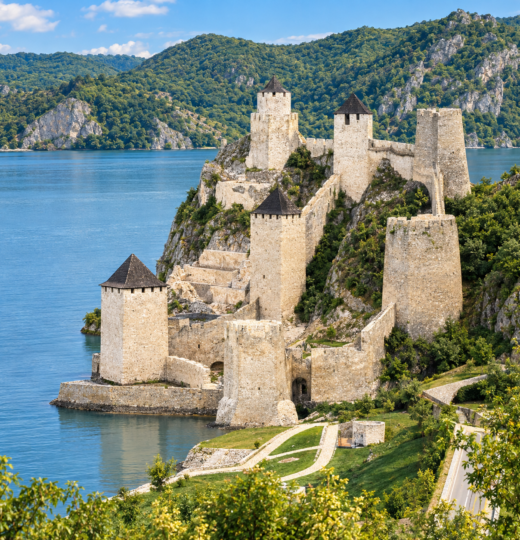
Golubac Fortress, located on the banks of the Danube, marks the entrance to the Đerdap Gorge – one of the most impressive natural landscapes in Serbia.
The fortress itself has been restored and is now one of the best-preserved medieval sites in the region. Beyond it, the Đerdap National Park stretches along the river, offering scenic drives, viewpoints, and a sense of scale rarely found elsewhere.
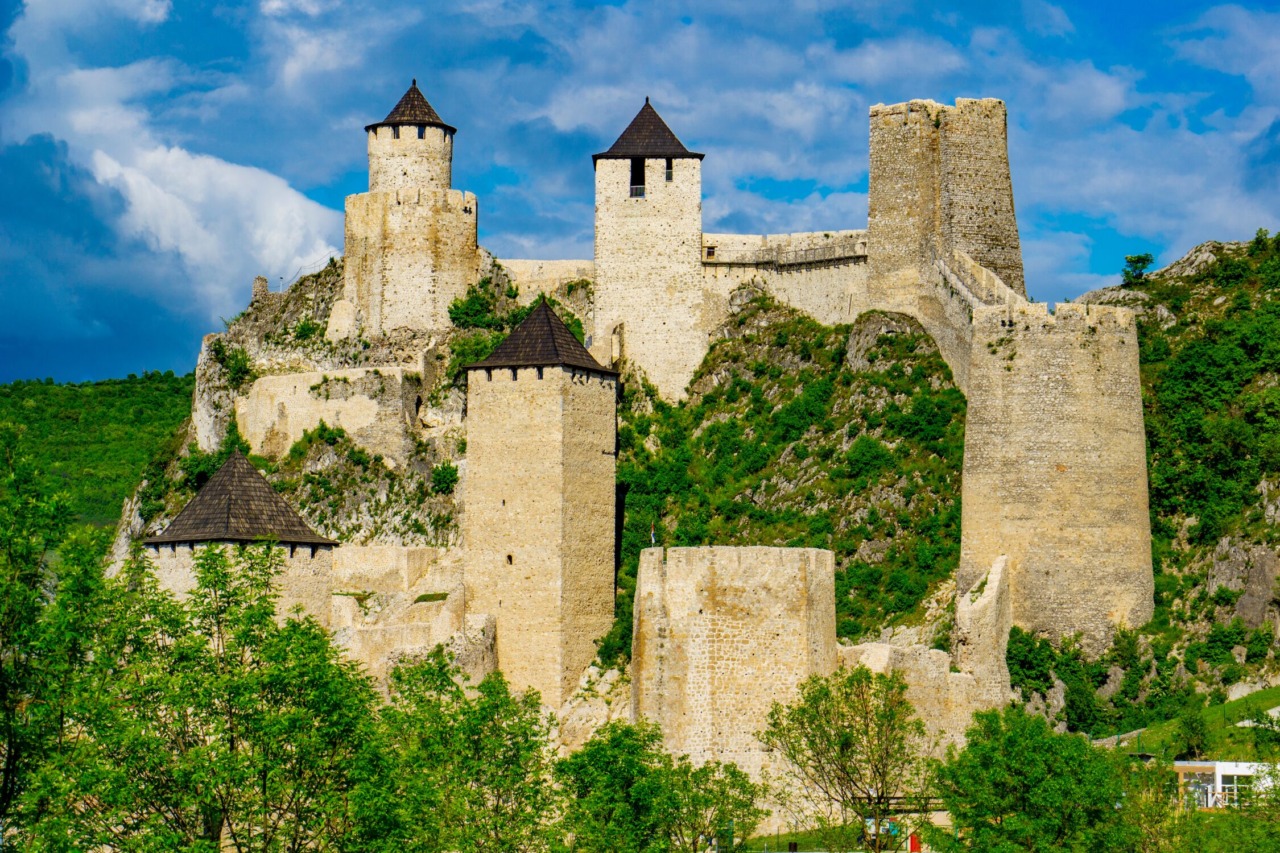
This area combines history and nature in a way that feels both powerful and accessible.
8. Fruška Gora – Monasteries, Wine, and Nature
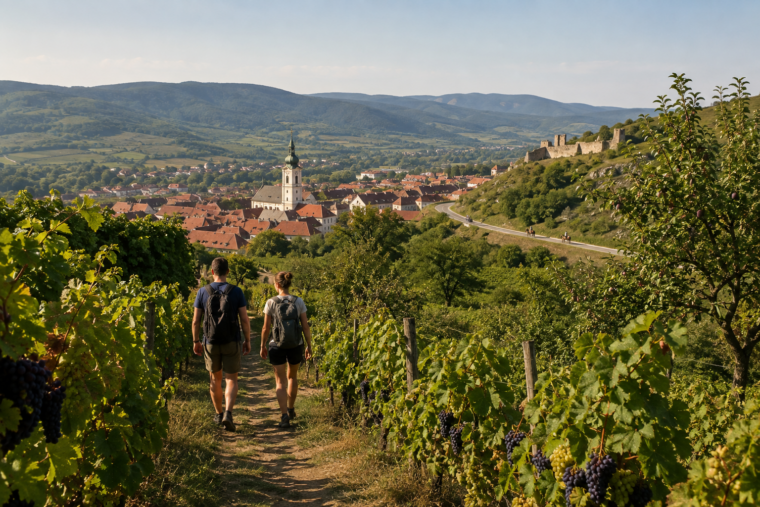
Located near Novi Sad, Fruška Gora is often called the “jewel of Vojvodina.” Known for its monasteries, vineyards, and forested landscapes, it offers a completely different side of Serbia.
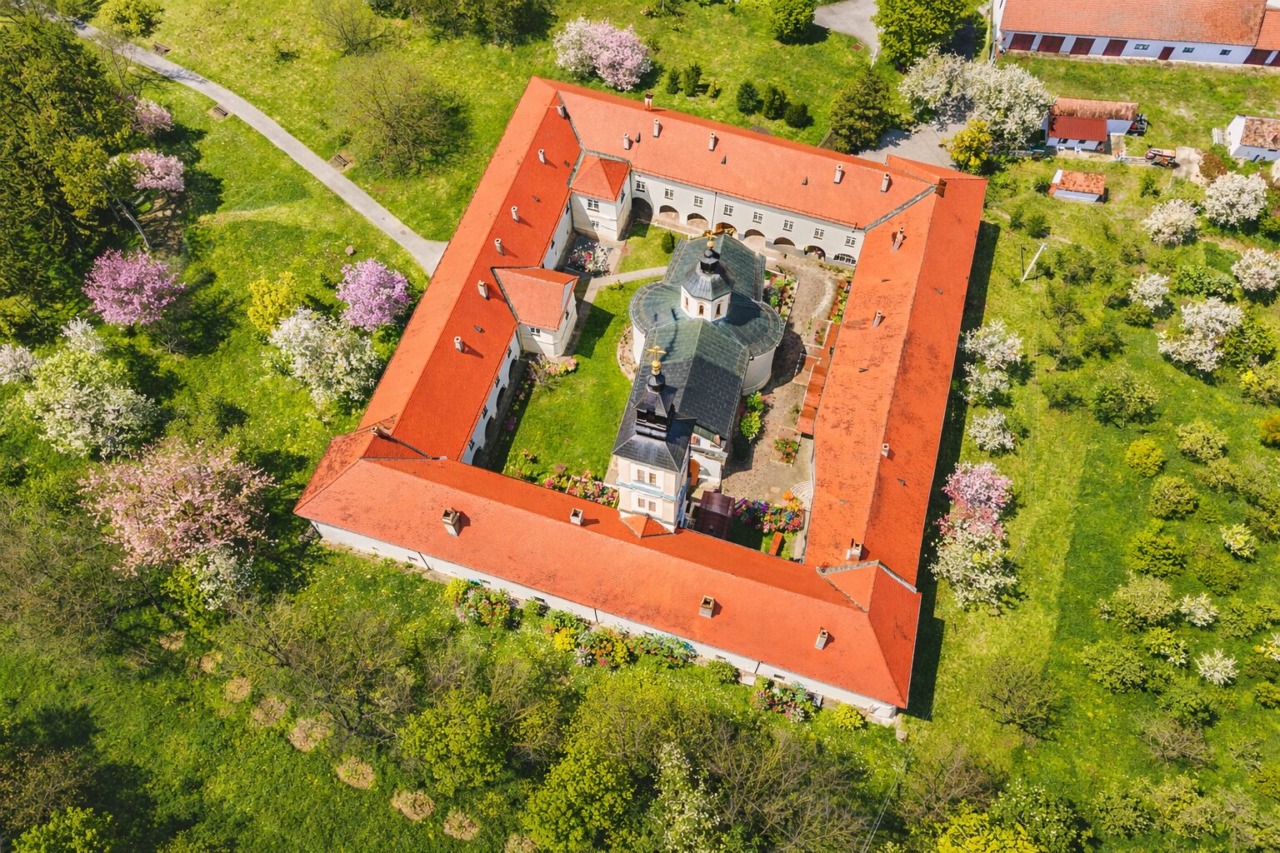
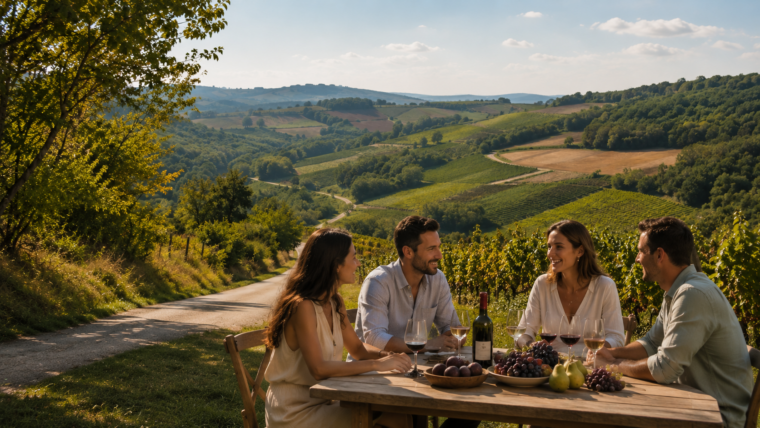
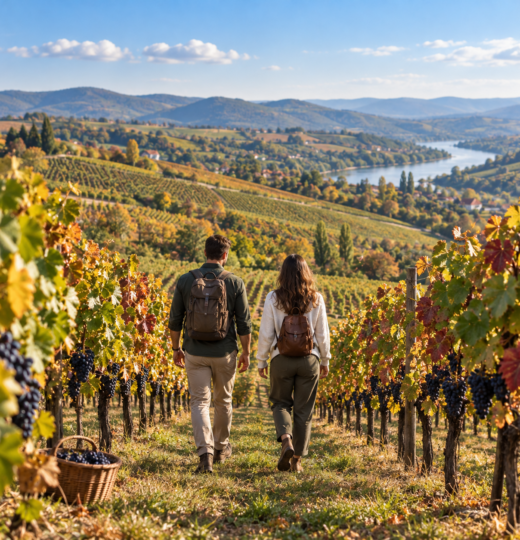
The mountain is home to numerous monasteries, each with its own history, while local wineries add another layer to the experience. Fruška Gora is perfect for day trips, combining culture, nature, and gastronomy in a compact and accessible region.
9. Niš – History, Energy, and Southern Character
Niš is one of the oldest cities in the Balkans, with a history that stretches back to Roman times. Today, it blends that past with a lively and authentic urban atmosphere.
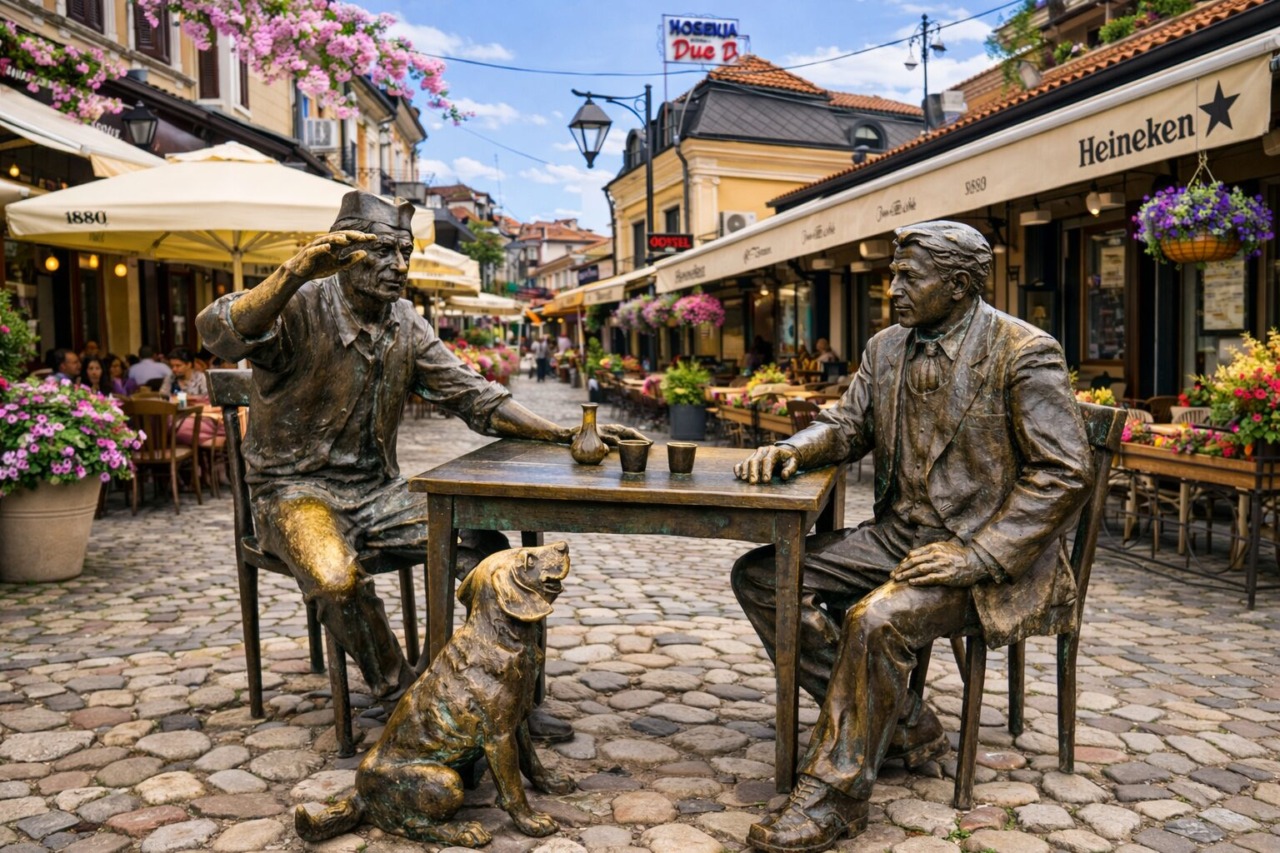
Landmarks such as Niš Fortress and the Skull Tower offer insight into the region’s history, while the city itself feels less polished and more direct than northern Serbia. Niš is worth visiting not only for its historical significance, but also for its energy and character.
10. Subotica – Architecture and Central European Influence
Located in the north of Serbia, Subotica stands out for its distinctive architecture and Central European influence. The city is known for its Art Nouveau buildings, colorful facades, and unique urban layout. It feels different from the rest of Serbia – calmer, more decorative, and shaped by a mix of cultures. Nearby, Palić Lake offers an additional reason to visit, especially during warmer months.
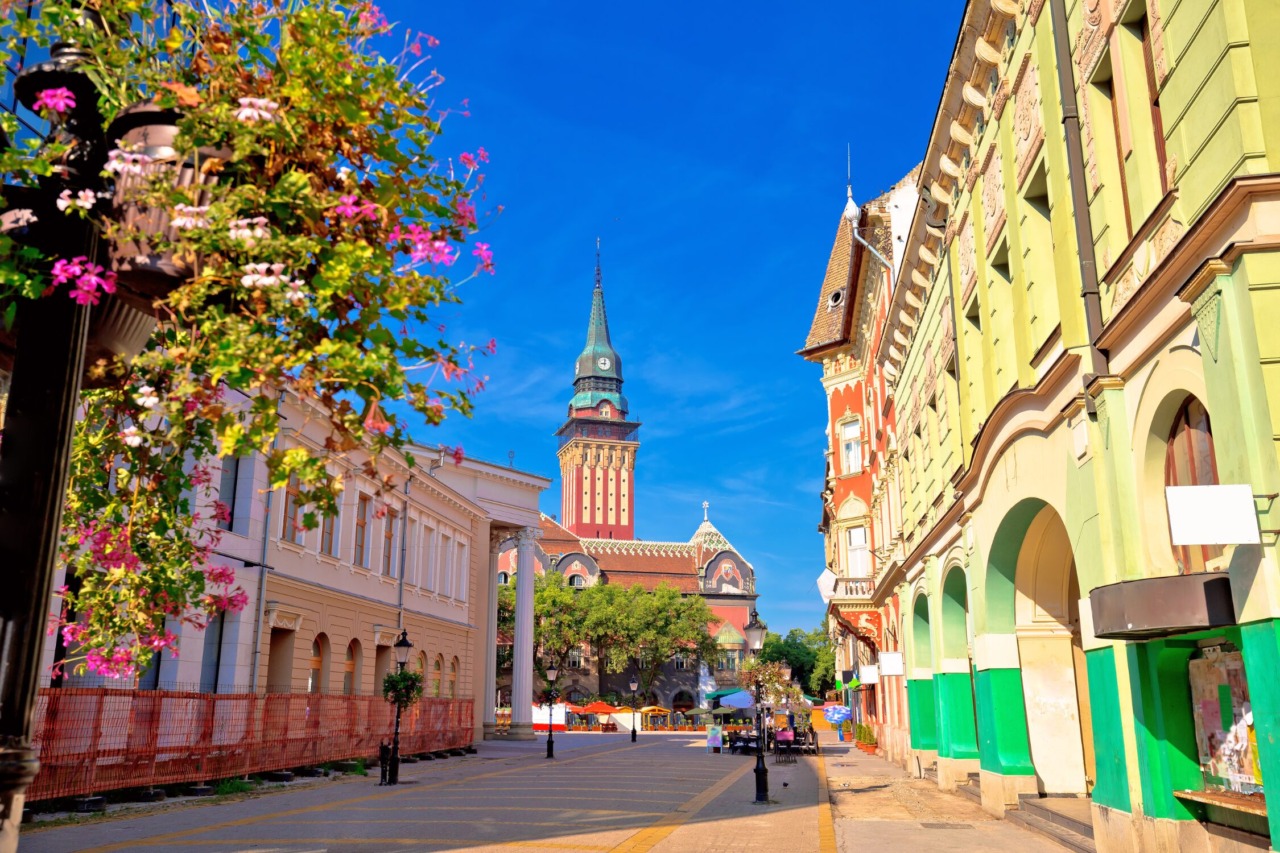
Exploring Serbia beyond Belgrade reveals a country of contrasts – from vibrant cities to quiet mountains, from historic fortresses to untouched nature. Each destination offers something different, but together they create a more complete picture of Serbia – one that goes far beyond the capital.
For those willing to explore further, these places show why Serbia is not just a stop, but a destination worth discovering.
Plan your visit
Everything you need to plan your perfect trip.