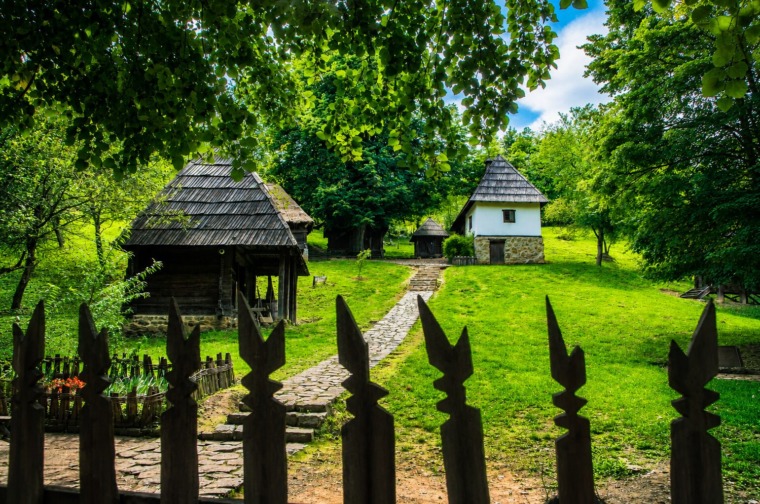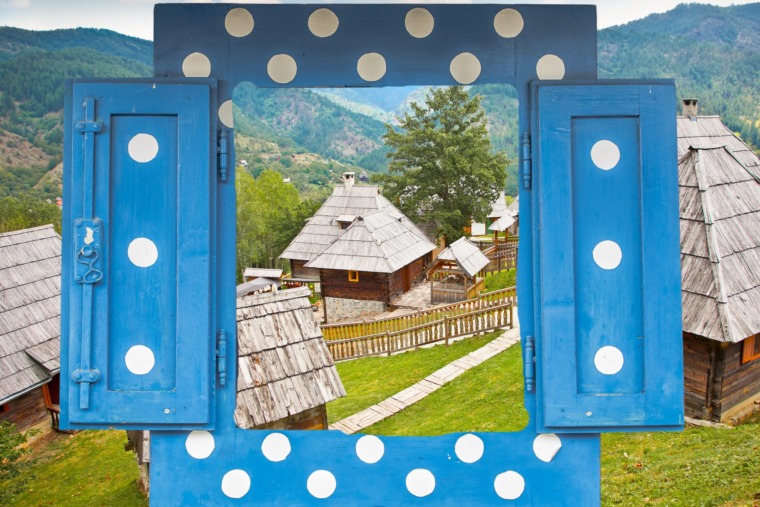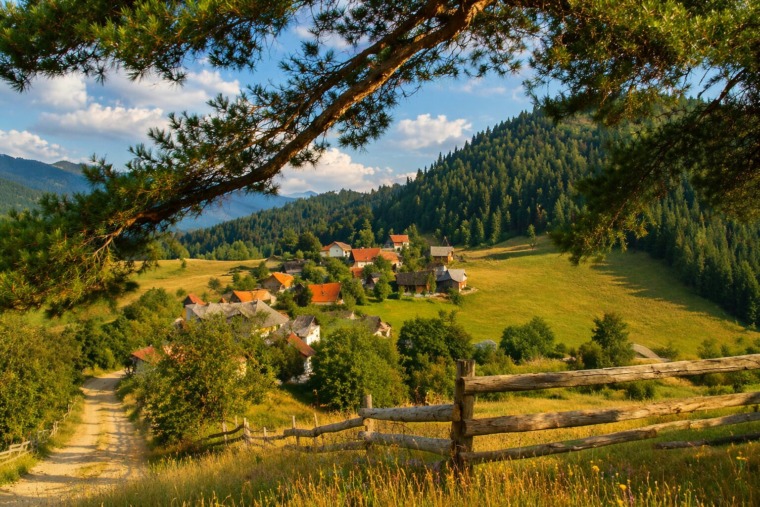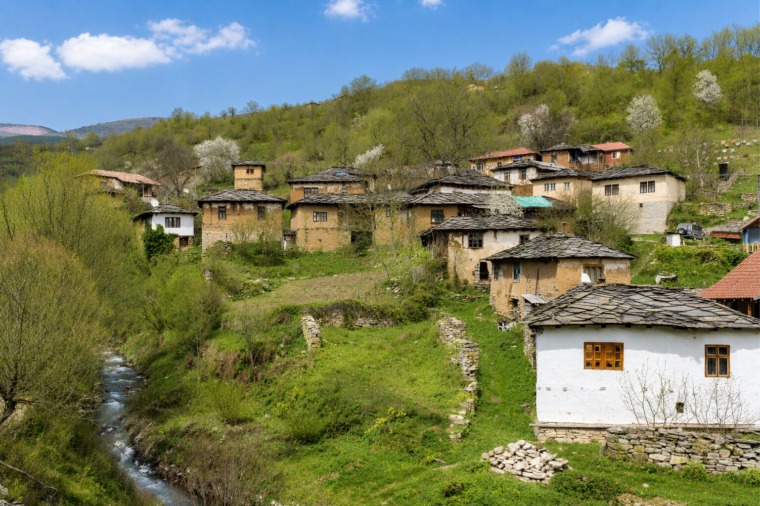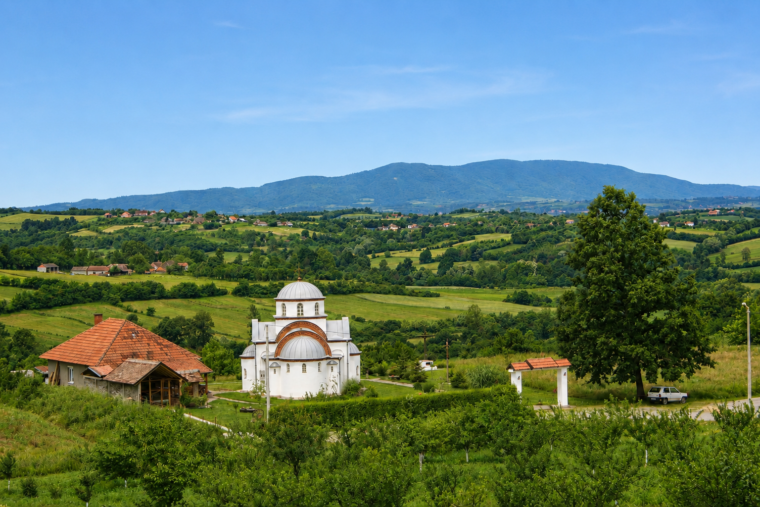

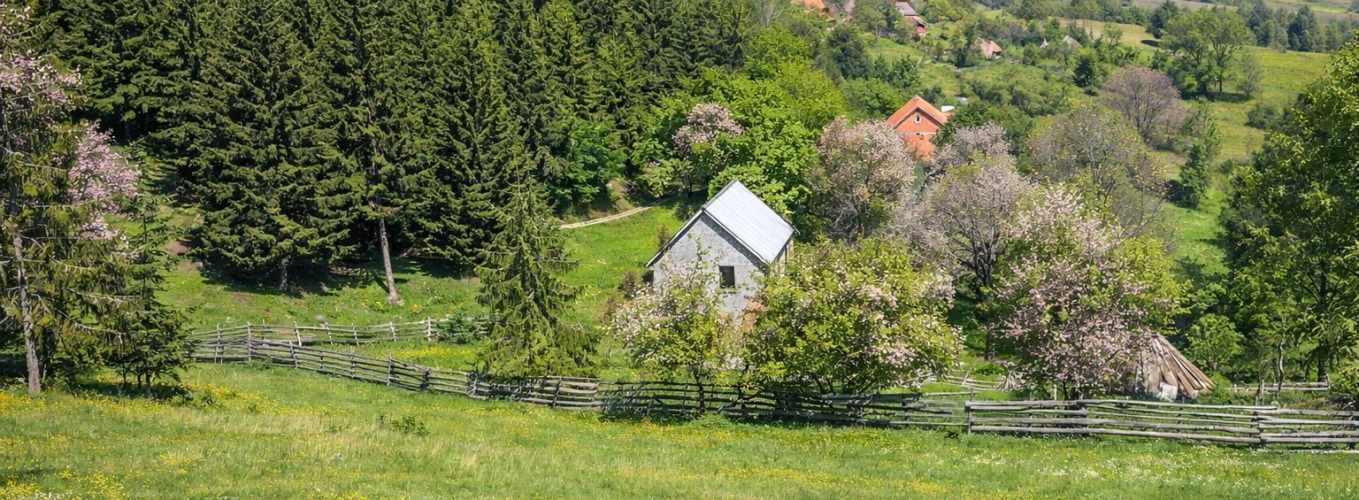
On the plateau of Golija, within a UNESCO Biosphere Reserve, lies Rudno – one of the few places in Serbia where nature and everyday life still move at the same pace.
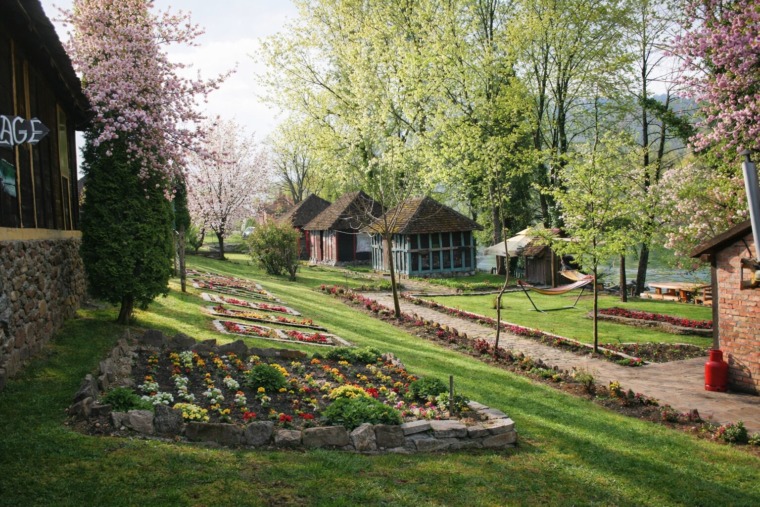
In April, Rudno sits between seasons. Snow retreats from the higher slopes while spring takes over the meadows and village yards. The days are bright, the sun present but gentle, and the air carries a clarity that naturally draws you outdoors.
Air that changes how you feel
Here, Mediterranean and mountain air currents meet – and the difference is noticeable. Mornings are crisp and sharp, while daytime brings a soft warmth that makes being outside feel effortless. This is why Rudno is often described as an “air spa,” not because of facilities, but because of the environment itself. Breathing here feels different – lighter, cleaner, more present.
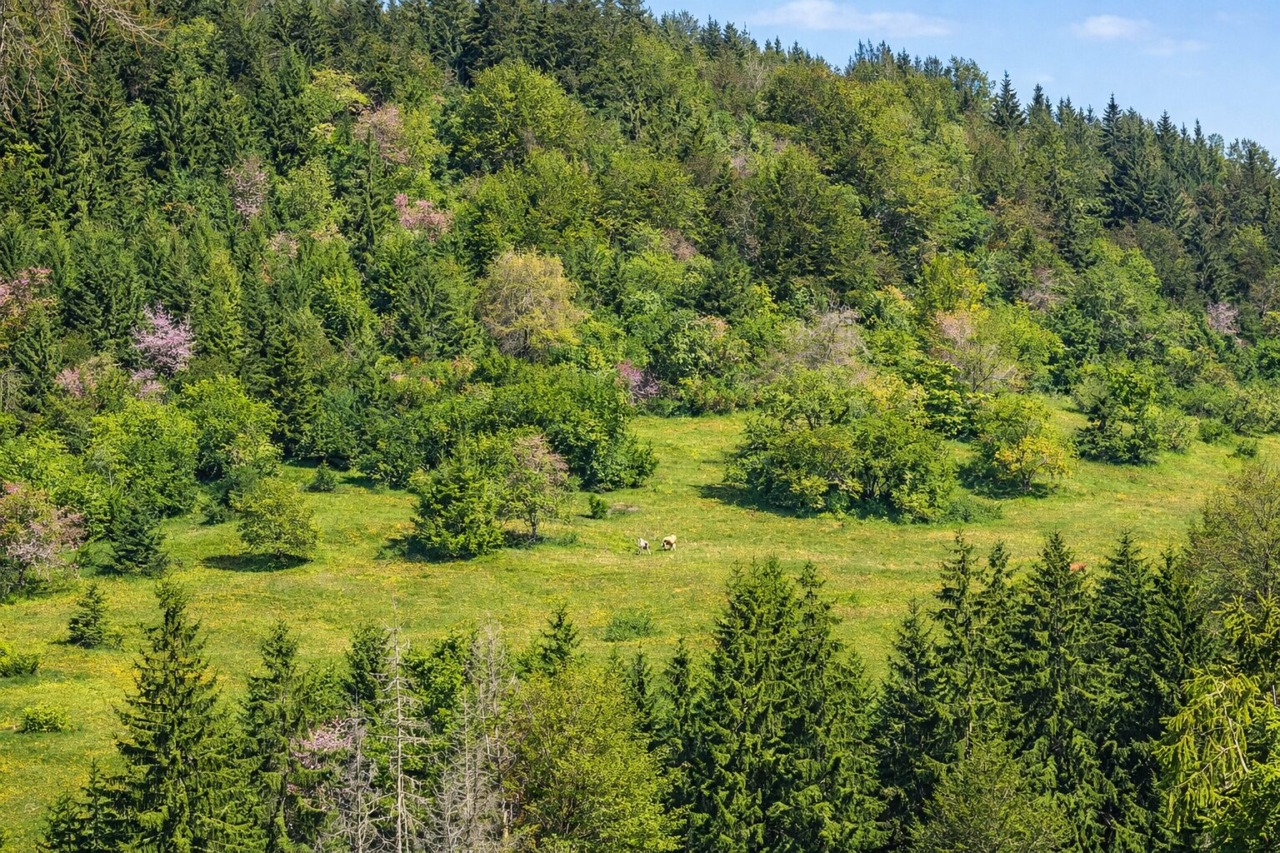
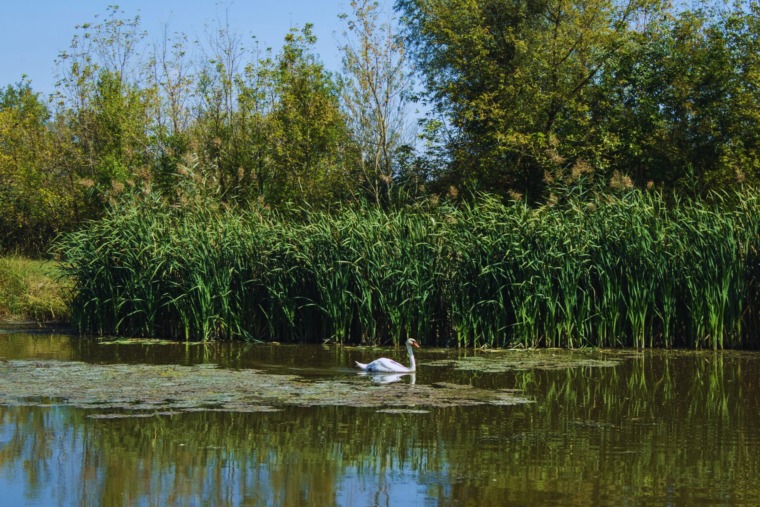
Golija’s UNESCO status is not abstract – it’s visible in everyday details. You can drink water directly from nearby springs, many of which are reached by a short walk or a brief drive through forest paths. Streams run across the meadows, so clean that trout and river crayfish live in them – a clear sign of an intact ecosystem.
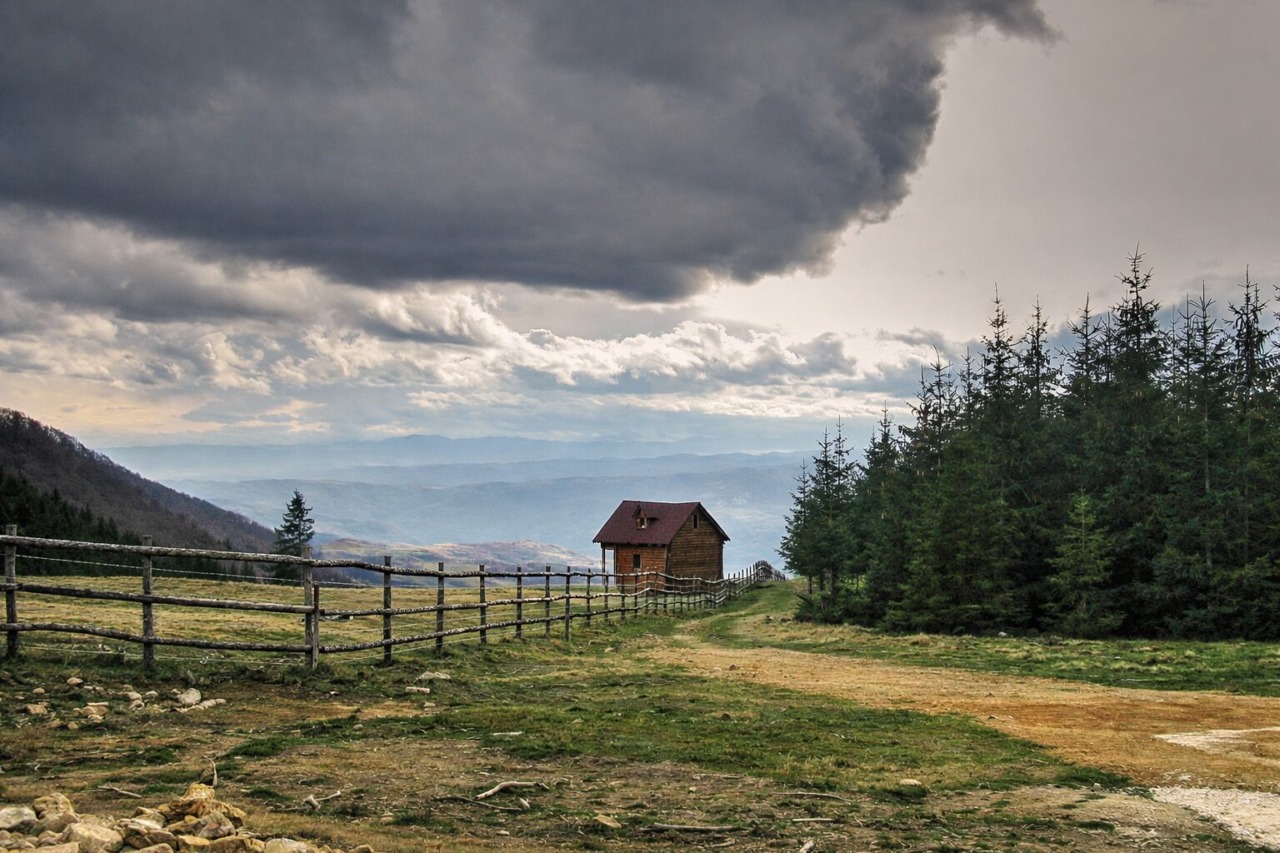
In April, this landscape is at its most expressive. Fresh greens, open views, and light that moves freely across the plateau reveal the mountain without the density of summer.
Moving through space without structure
Time in Rudno naturally unfolds through movement. Mornings often begin with a walk across open meadows above the village, where the landscape stretches far across Golija. As the day continues, you move between forest paths, springs, and wide plateaus without needing a fixed route. Even a simple drive along local roads becomes part of the experience – quiet, open, and uninterrupted.
Village life that still exists
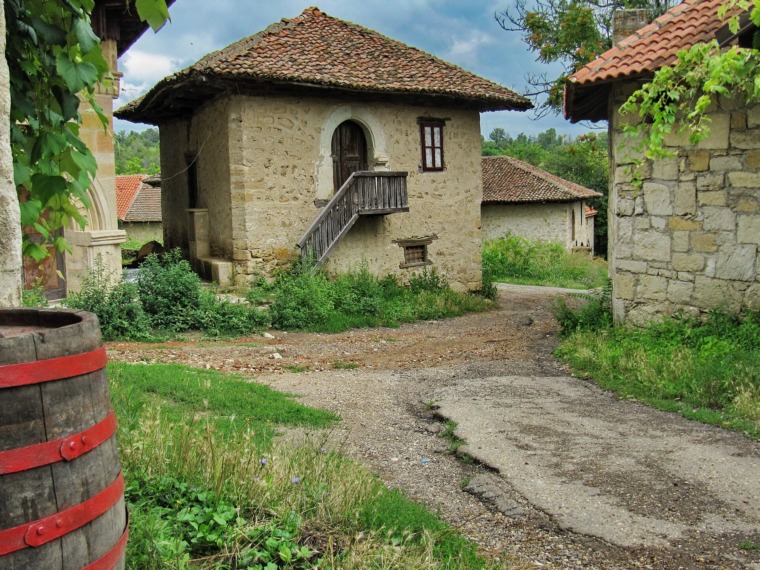
Rudno is not staged – it’s lived. Daily life unfolds in courtyards and kitchens. Hosts prepare food, tend to their homes, and welcome guests in a way that feels natural rather than organized.
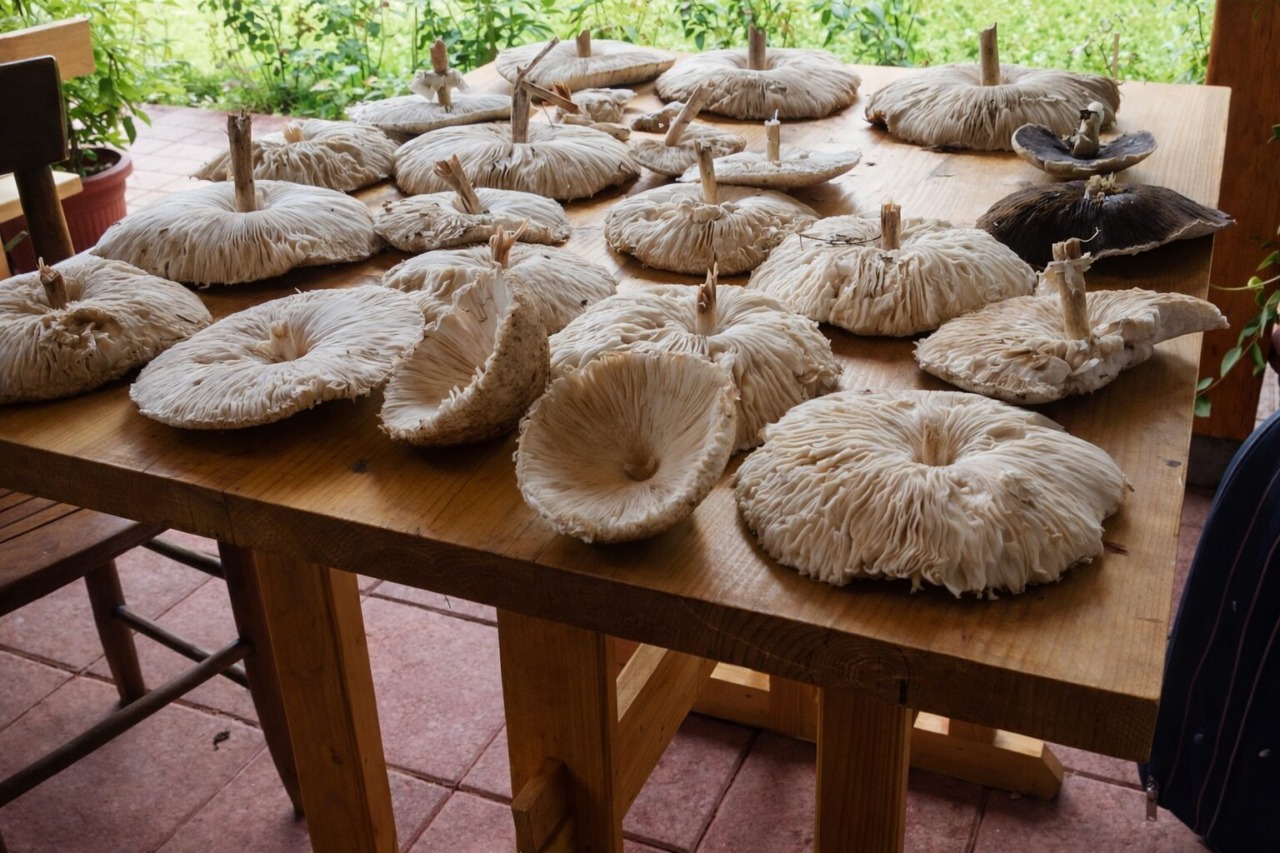
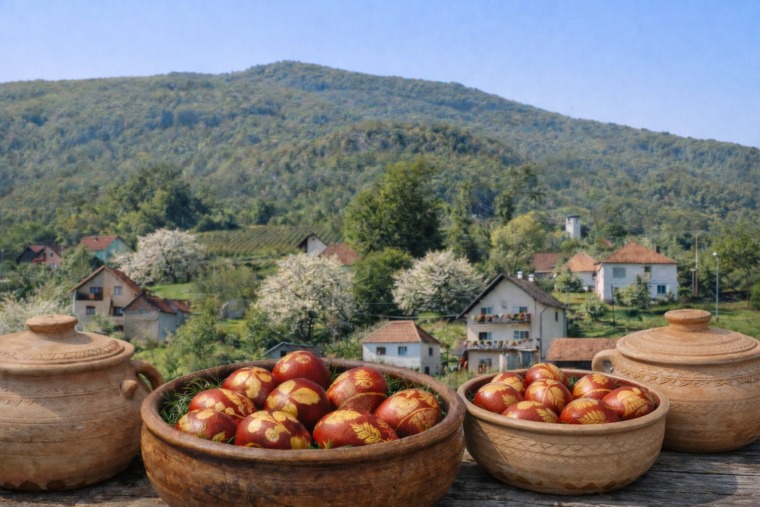
The food reflects that same authenticity. Homemade prosciutto, kajmak, and cheese, buckwheat pies, potatoes grown on Golija, and bread baked in traditional ovens – everything comes directly from the surroundings. Meals here are not curated experiences, but a continuation of local life.
Silence and the absence of signal
One of the most noticeable shifts happens after a few hours. Phone signal becomes weak, internet disappears, and attention moves elsewhere – to the landscape, to movement, to time itself. This isn’t a planned digital detox. It’s simply what happens in a place that doesn’t depend on constant connection.
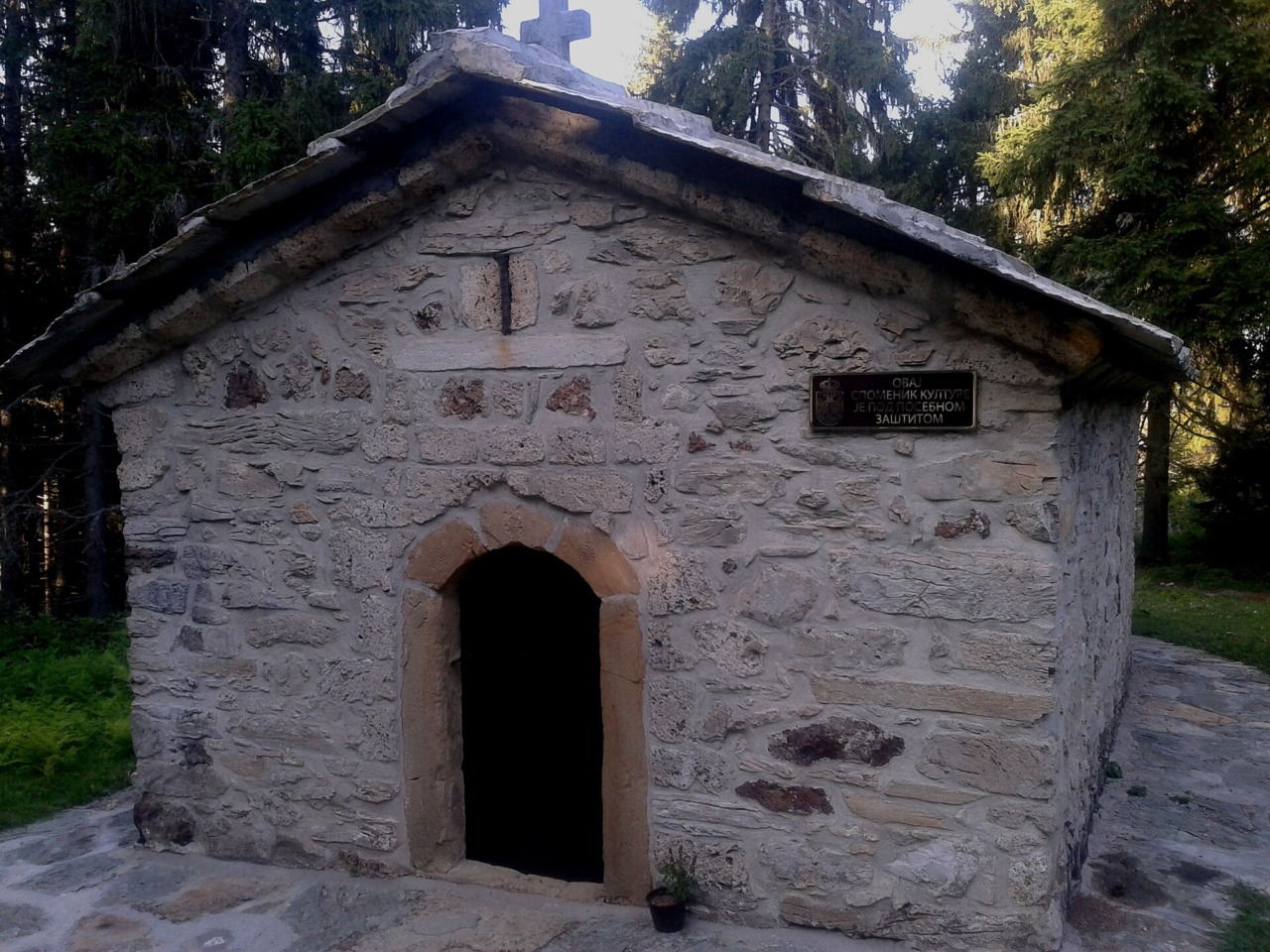
In that quiet rhythm, even the smallest landmarks gain meaning. The Church of Saint Nicholas in Rudno stands as a modest yet deeply rooted spiritual point of the village, reflecting the tradition and faith that have shaped life here for generations.
From Rudno, the experience can easily extend into the cultural landscape of the region. Within less than an hour, you can reach Studenica Monastery and Gradac Monastery, two remarkable sites from the Nemanjić era. Visiting them adds another layer to the stay – where nature and history meet in the same day.
Why April
April brings a balance that is difficult to find later in the year. Nature is active, but not overwhelming. Temperatures are comfortable for staying outside all day. The landscape feels open, accessible, and quiet. It’s the moment when Golija can be experienced without effort.
Rudno doesn’t rely on attractions. It stays with you through air, space, and a way of life that hasn’t been reshaped. And in April, that authenticity feels at its strongest.
This article is part of the series “Villages of Serbia: Return to the Roots,” through which we explore authentic villages across the country – places where life still unfolds at a slower pace, more simply and closer to nature. Through stories about people, food, and landscapes, our goal is to encourage a different way of traveling and to highlight the importance of preserving rural Serbia.
Related Articles