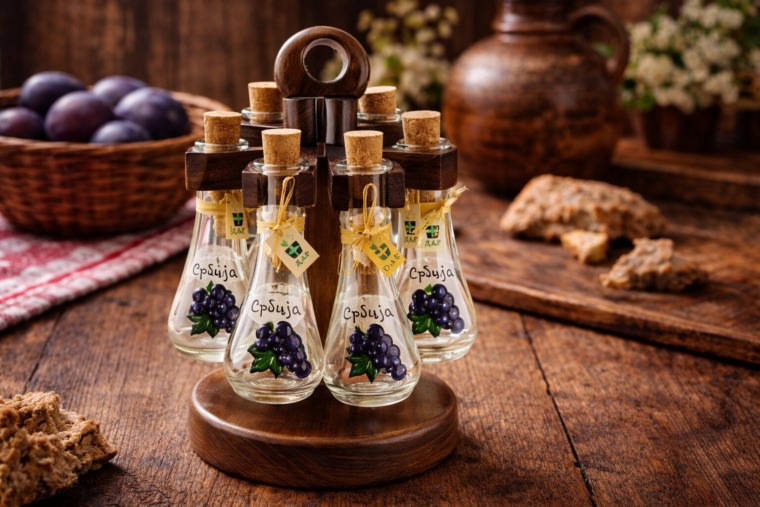

In Serbia, rakija is not enjoyed only from a glass. It is shared out of habit, respect, and tradition. And very often – from a čokanj.
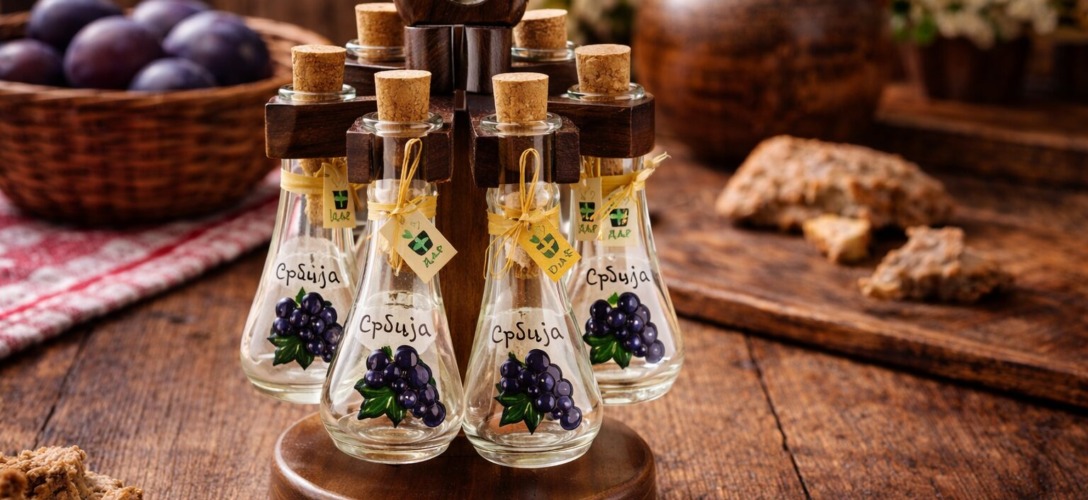
Today, a čokanj usually refers to a small glass flask with a narrow neck and a stopper, used for carrying, serving, or gifting rakija. Yet its story begins much earlier, with the čutura – a wooden or leather-covered vessel that preceded the modern čokanj.
Together, the čokanj and the čutura represent continuity: a practical, hospitable way of life deeply connected to rakija.
From Čutura to Čokanj
In the mountainous and pastoral regions of central and western Serbia, especially in Šumadija, shepherds, woodcutters, and travelers once carried čuture – sturdy wooden or leather flasks for water and rakija. They were durable, easy to carry, and perfectly suited for long days spent outdoors.
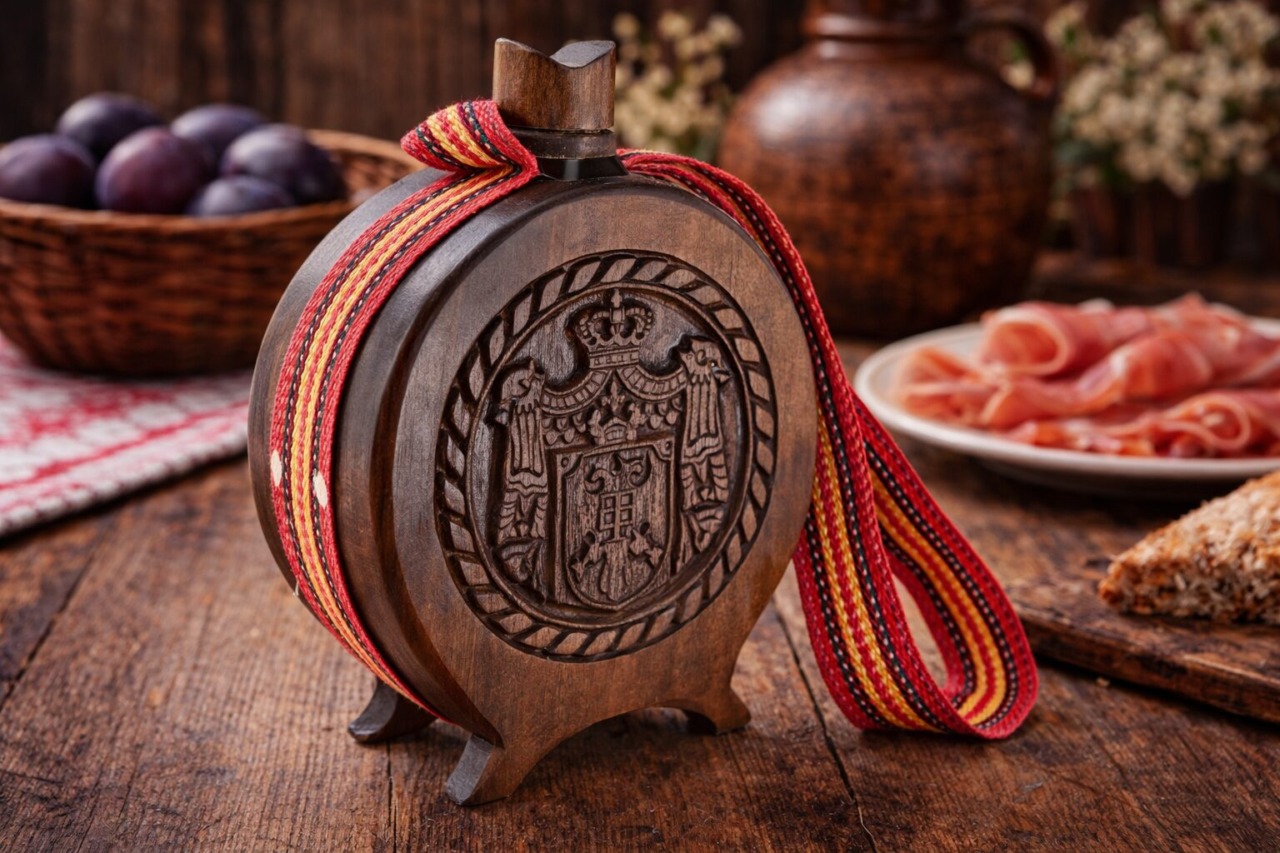
At a time when glass bottles and modern packaging did not exist, the čutura was essential. It was used for warmth, rest, and the inevitable toast “to health.”
With the spread of glassmaking and changing lifestyles, the čokanj gradually replaced the čutura. Smaller, lighter, and more elegant, it retained the symbolism of its predecessor in a more contemporary form.
What a True Čokanj Looks Like Today
Modern čokanj flasks are usually made of glass, with simple or decorative stoppers made of cork, wood, or metal. Their compact shape makes them easy to carry in a pocket, bag, or suitcase, which is why they are so popular as travel companions and gifts.
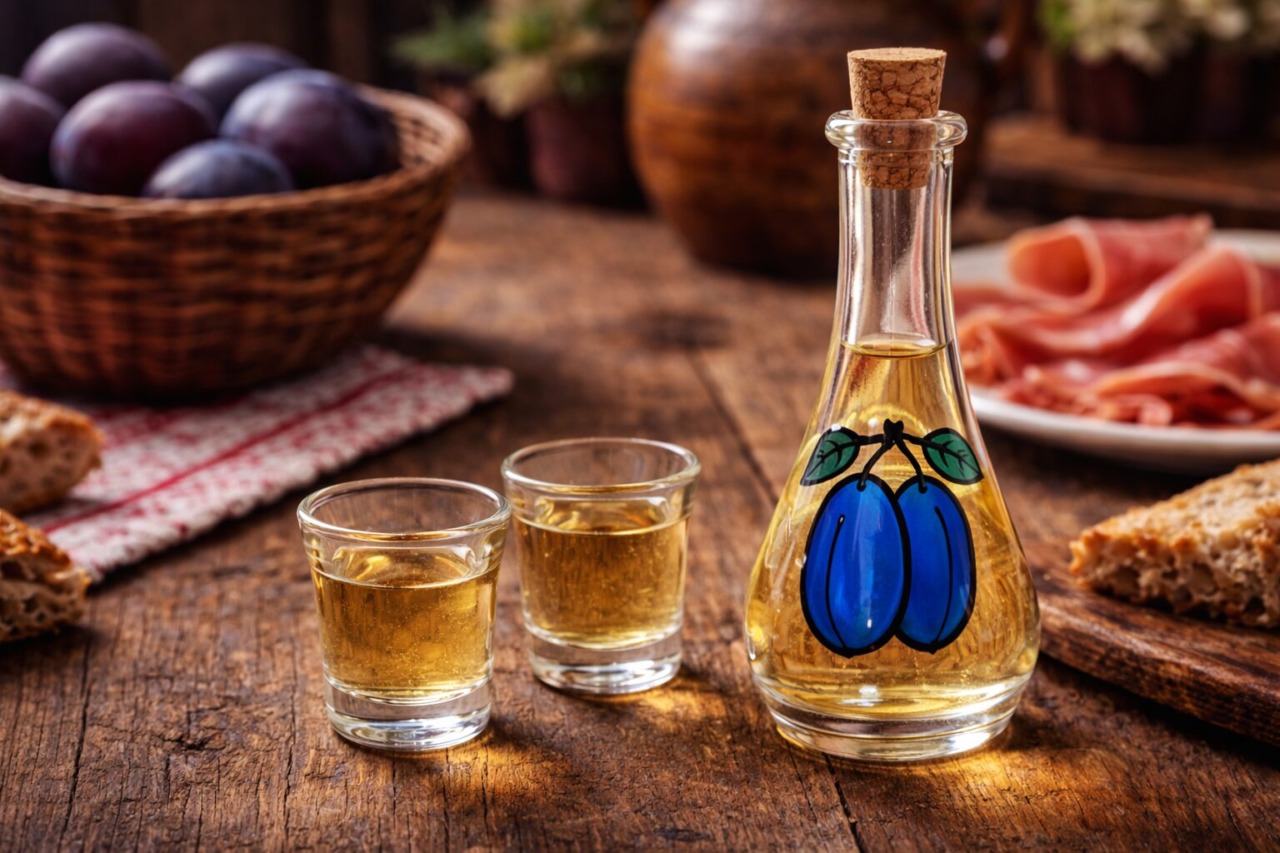
Unlike the purely functional čutura, today’s čokanj also has an aesthetic role. It is often decorated with Serbian motifs, engravings, personal names, or symbols of specific regions.
A good čokanj does not alter the taste of rakija. It preserves and presents it.
Čokanj and Rakija – An Inseparable Bond
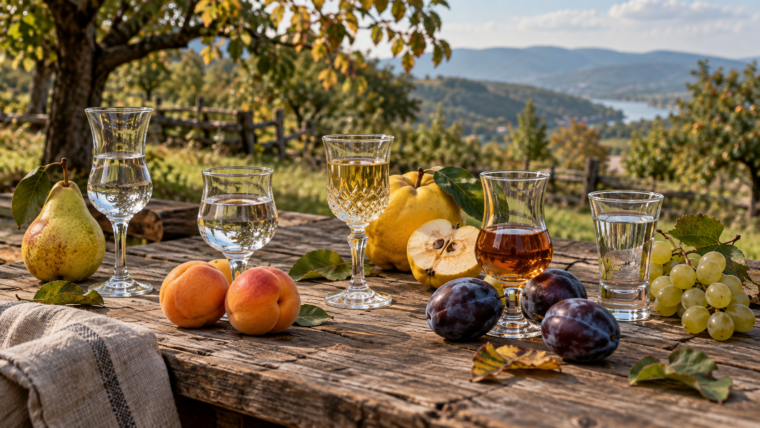
Without rakija, a čokanj has little meaning. Without a čokanj, rakija loses part of its ritual. It is most often filled with plum brandy, but also with quince, apricot, pear, or grape rakija, depending on regional and family traditions. Rakija from a čokanj is sipped slowly, in small amounts, accompanied by conversation and toasts.
“To health,” “For the road,” “Let’s raise a glass” – these phrases almost always accompany this simple but meaningful act.
A Symbol of Hospitality and Trust
When a host takes out a čokanj for a guest, it is a sign of special respect. It means offering one’s own rakija – homemade, trusted, and personal. Not something bought along the way, but something with origin and story.
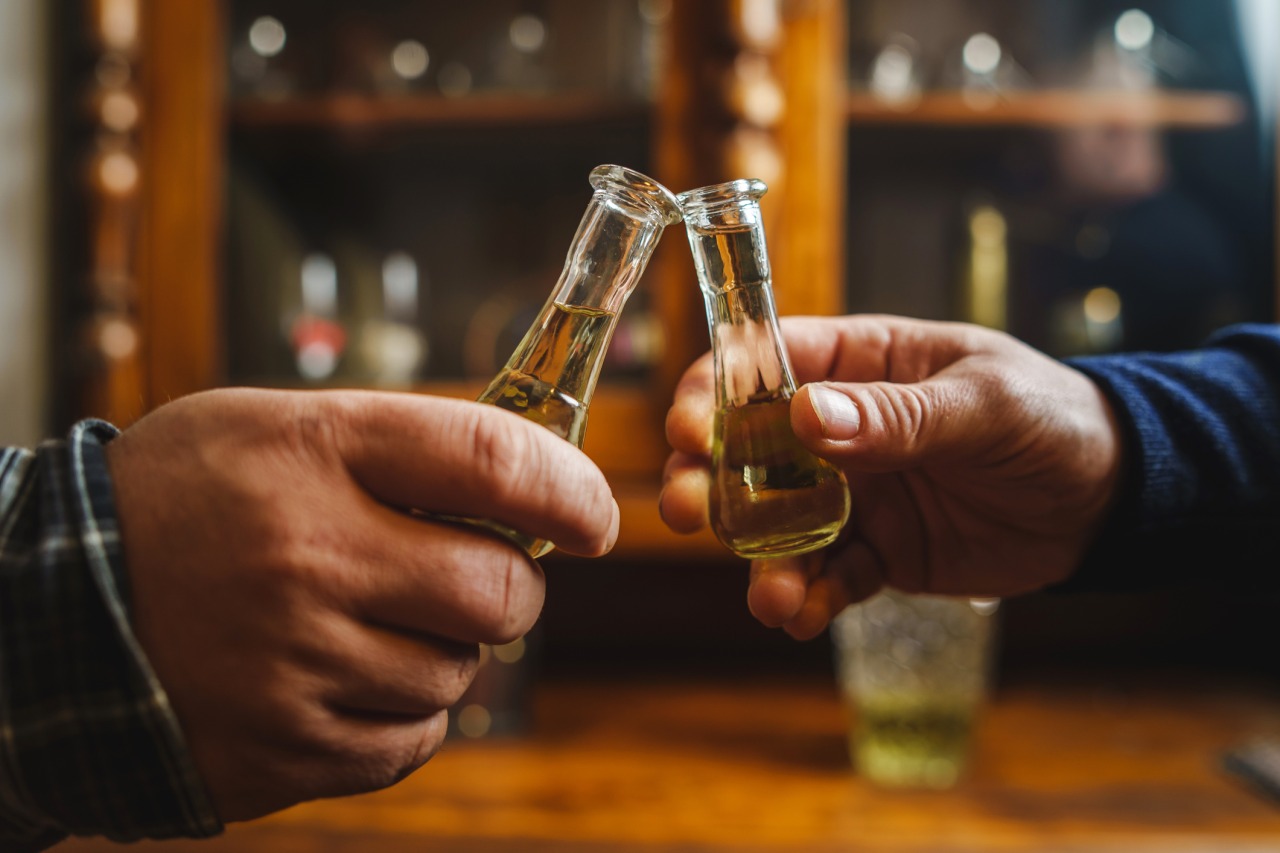
In that moment, the čokanj becomes a bridge between host and guest, a symbol of openness, trust, and mutual respect.
Čokanj as a Serbian Souvenir
Today, the čokanj is one of the most recognizable traditional souvenirs from Serbia. It can be found at ethnographic festivals, fairs, and craft shops across the country.
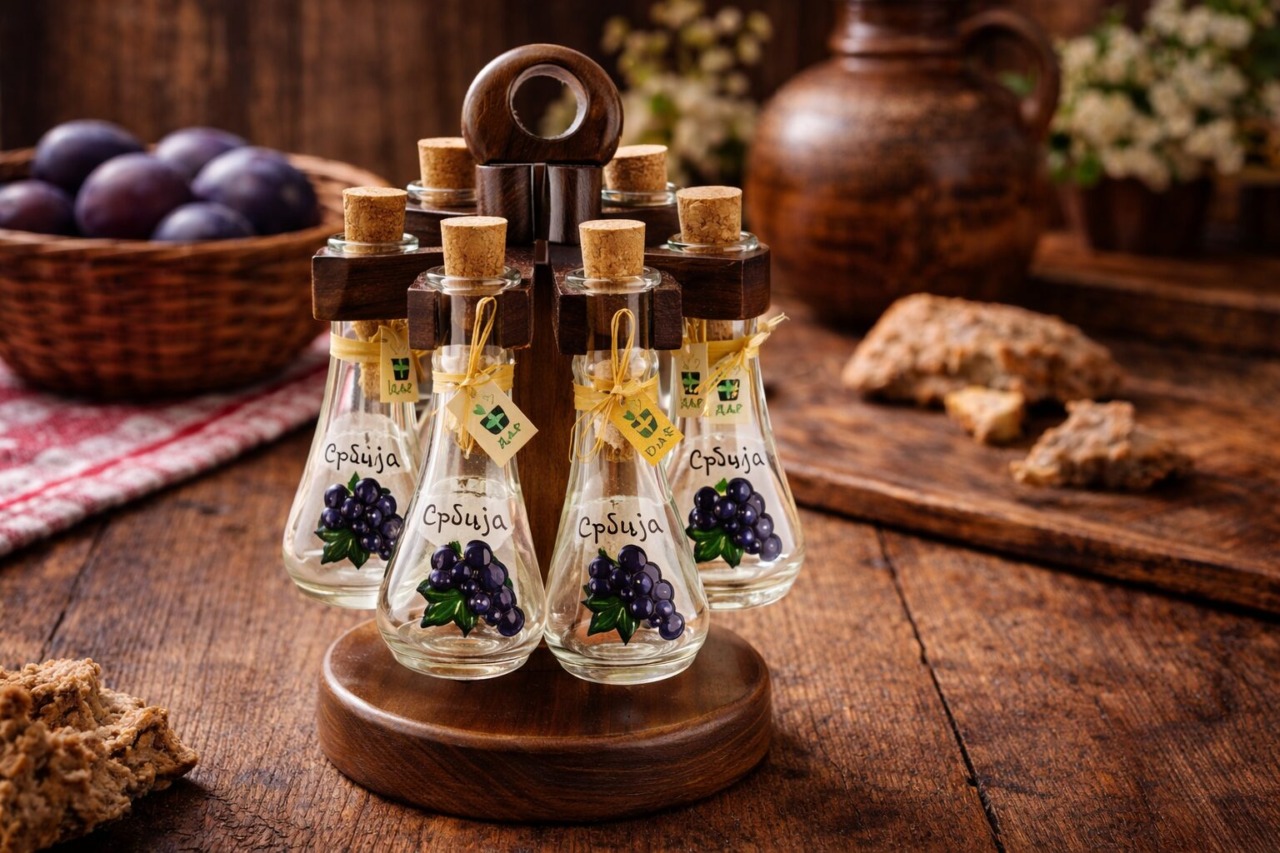
Thanks to its small size and symbolic value, it is easy to carry and easy to give. For foreign visitors, it is an exotic and authentic keepsake; for locals, an emotional reminder of home, family, and tradition.
Craftsmanship in a Contemporary Form
Although it is now made of glass, a quality čokanj still requires careful craftsmanship. The glass must be durable, the stopper precise, and the design balanced between tradition and modern aesthetics.
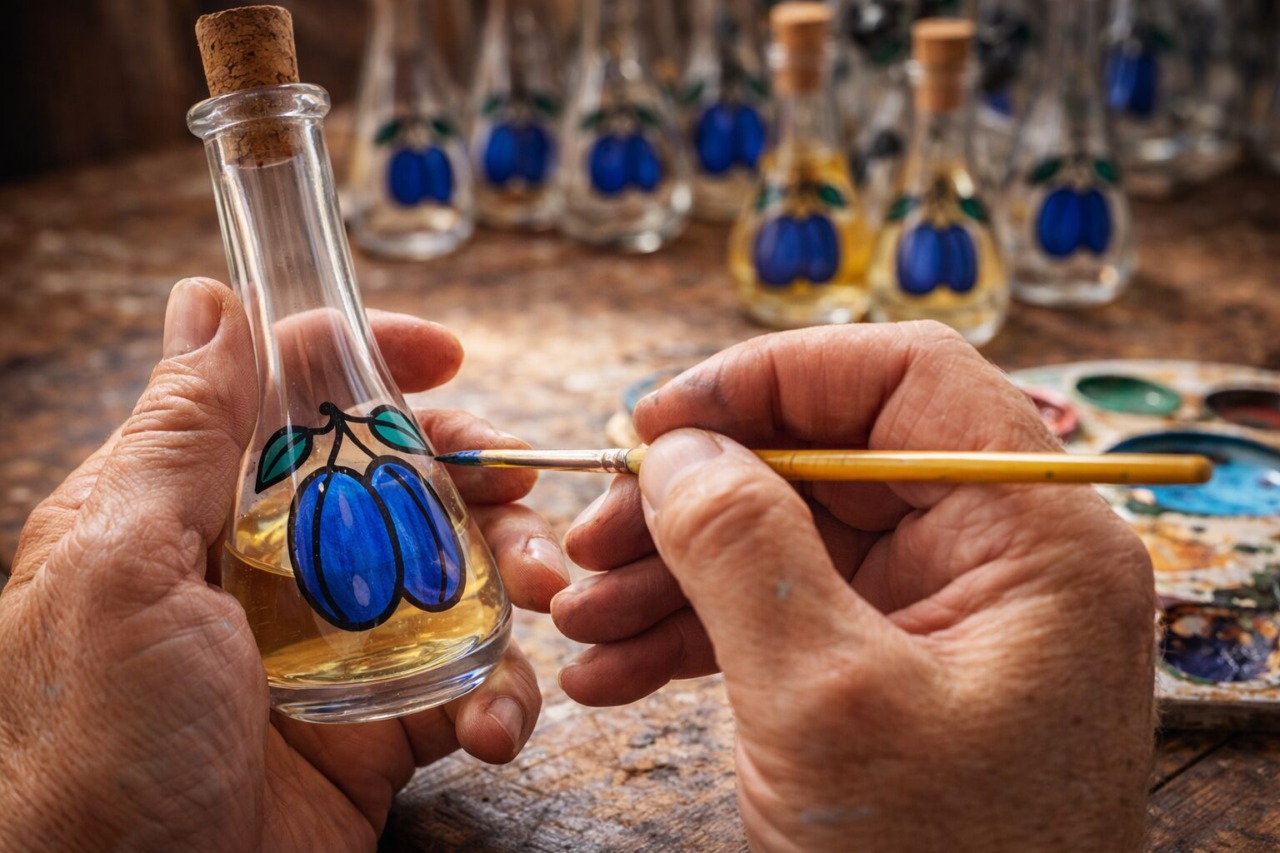
The best examples are still produced in small workshops, where handwork, experience, and attention to detail come together. Each piece has its own character – just like the rakija it holds.
Why Čokanj and Čutura Matter Today
In an age of disposable packaging and mass production, the čokanj and the čutura remind us of a different relationship with objects. They are not thrown away. They are not replaced every year. They do not follow trends. They last.
They represent a link to the past, respect for craftsmanship, and a slower, more meaningful way of enjoying drink and company.
More Than a Vessel
Whether it is an old wooden čutura or a modern glass čokanj, the essence is the same. They are not just containers for rakija. They are memories, rituals, and messages. Messages to slow down. To pause. To raise a glass.
That is why the čokanj and the čutura rightfully belong in the Authentic Serbian Products series.
Because some objects are not made only to be used.
They are made to be remembered.
Related Articles

5 Little Things in Serbia That Travelers Never Forget
February 20, 2026
Interesting Facts About Sretenje You May Not Know
February 16, 2026
The Sretenje Route: A Guide to Serbia’s Historic Sites
February 15, 2026