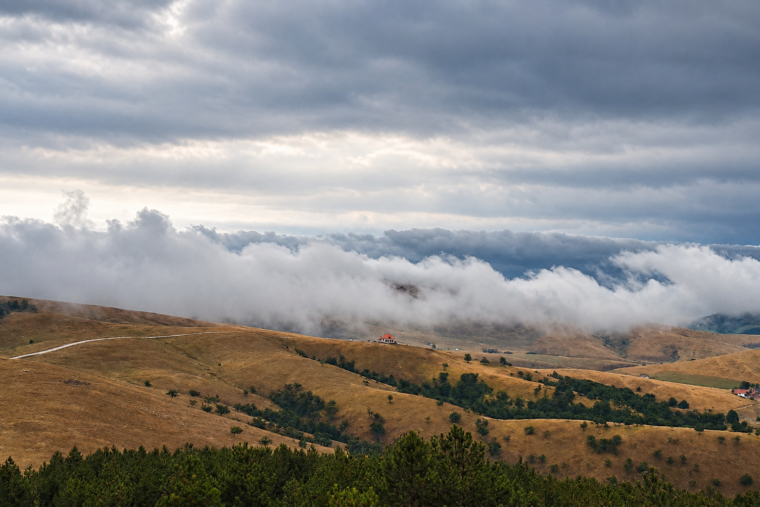

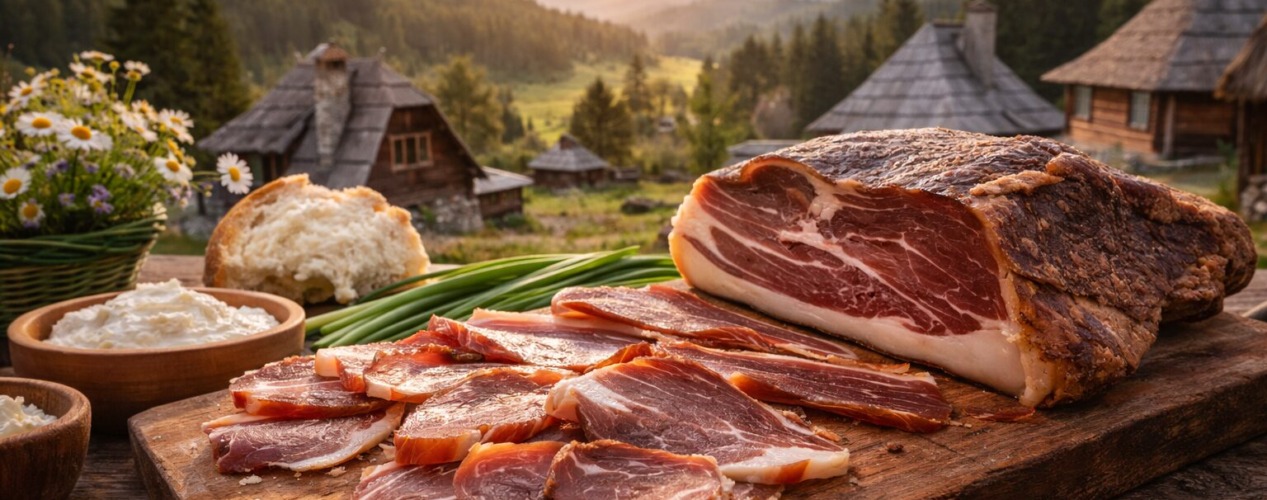
In western Serbia, where mountains descend into valleys and winters linger longer than elsewhere, one of the country’s most recognizable flavors is born. Zlatibor and Užice prosciutto are not simply cured meats. They are the result of nature, climate, knowledge, and time that cannot be rushed.
In this region, prosciutto is not made according to a written recipe. It is shaped by experience, intuition, and the rhythm of the seasons. It is not scheduled by deadlines or adapted to market demands. Here, the process unfolds at its own pace.
The Mountain as an Ally
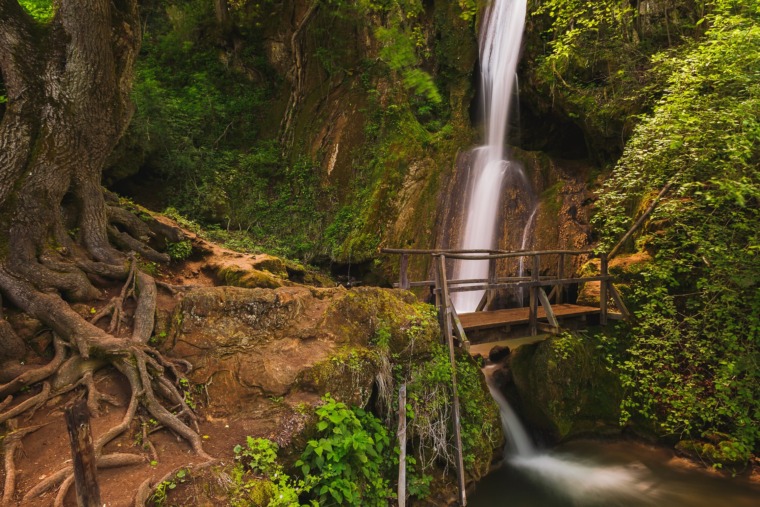
The Zlatibor and Užice region offers what prosciutto truly needs – and what cannot be artificially created: cold winters, dry air, steady winds, and significant temperature changes. These natural conditions allow the meat to cure gradually, without industrial chambers or mechanical control.
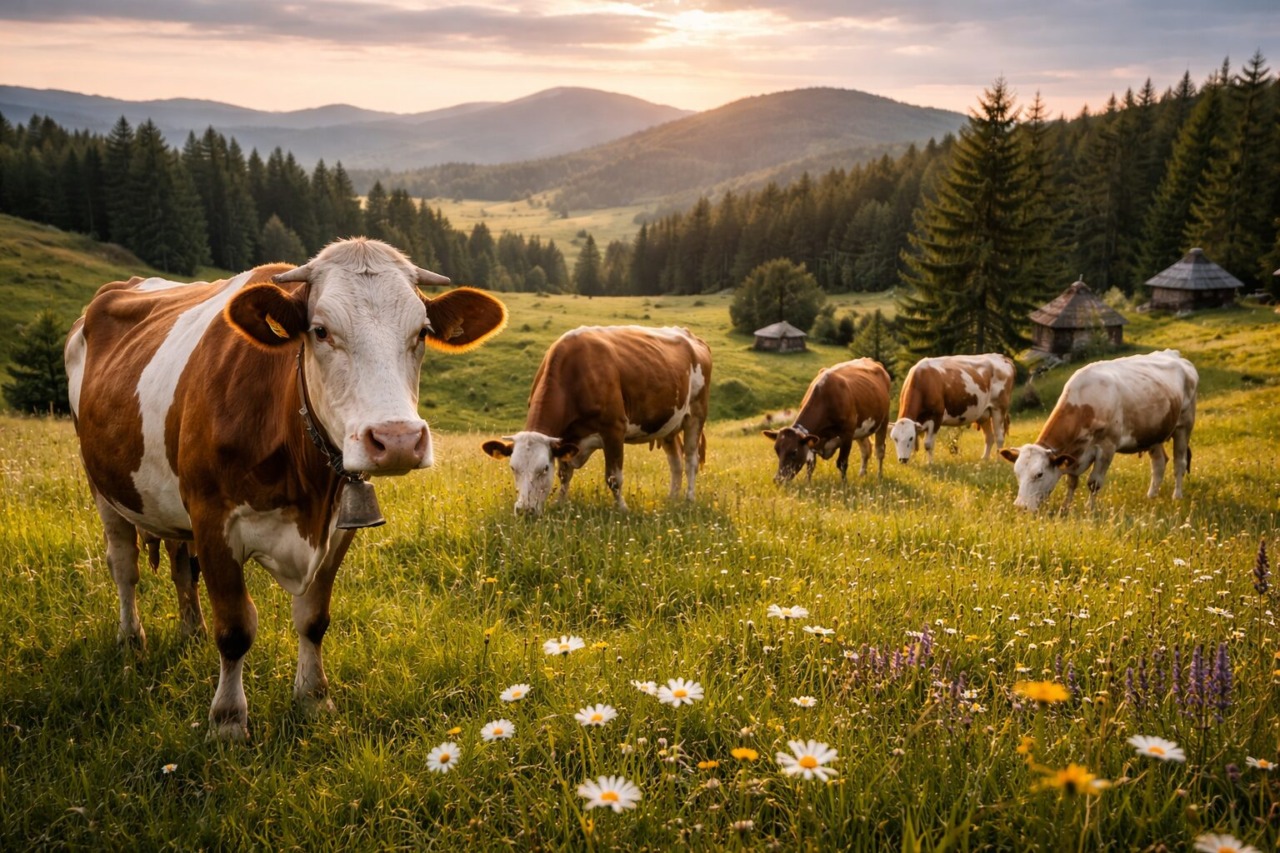
The mountain plays an active role in every stage. The air dries, the cold preserves, and the wind balances the moisture. Without this environment, the prosciutto would not develop its distinctive flavor and texture.
A Process Without Shortcuts
Everything begins with the careful selection of meat. In traditional households, attention is still paid to origin, feeding practices, and overall quality. The meat is salted with precision – neither too much nor too little – then left to rest, washed, smoked, and finally hung to dry.
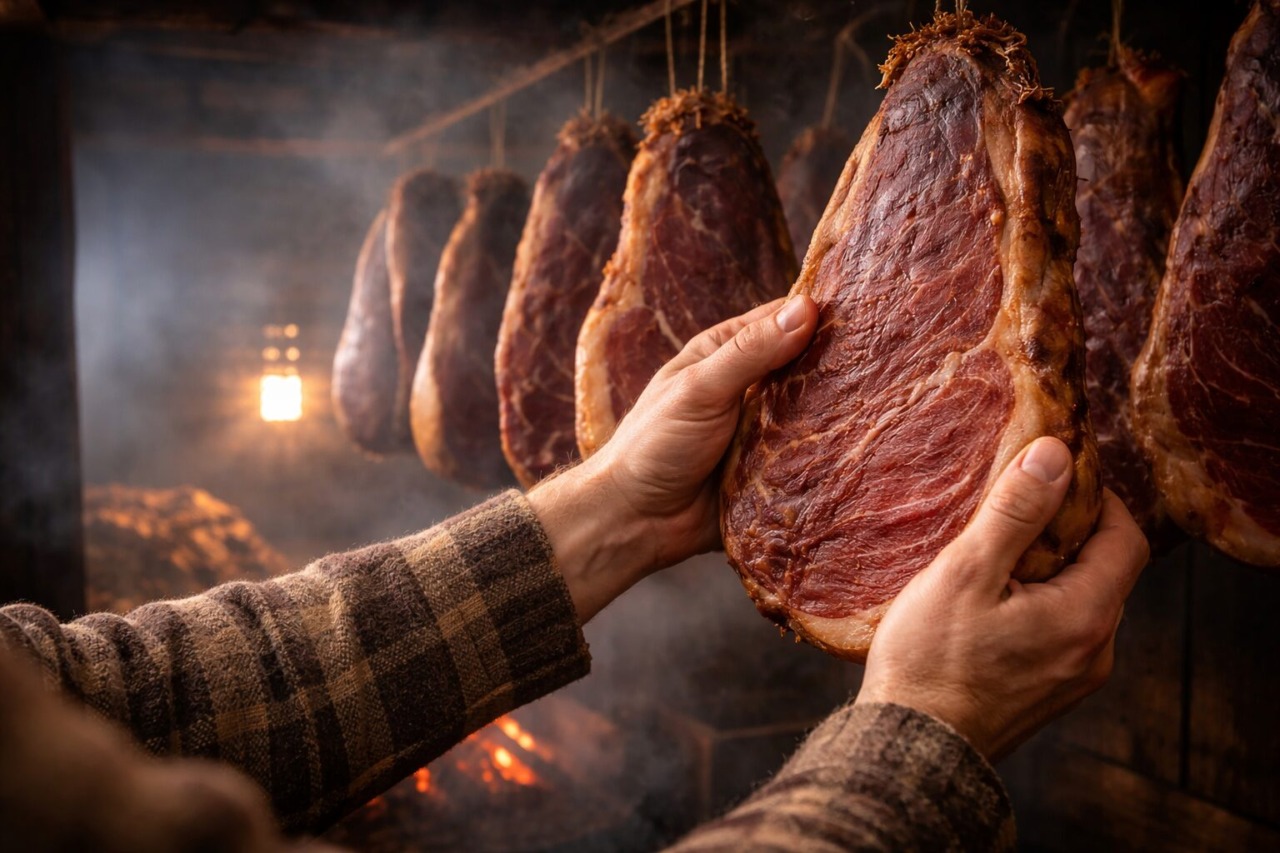
Smoking is done slowly, using beech or oak wood. The smoke must not dominate the flavor; it gently surrounds the meat, protecting it and adding depth. What follows is the longest stage – maturation – which may last months, sometimes even more than a year.
There is no universal date when prosciutto is ready. The final decision belongs to the master, guided by sight, touch, aroma, and years of experience.
The Smokehouse as the Heart of the Household
In many Zlatibor and Užice homes, the smokehouse is not a secondary building. During winter, it becomes a central space – a place where the fire is tended, the meat is checked, and knowledge is passed on.
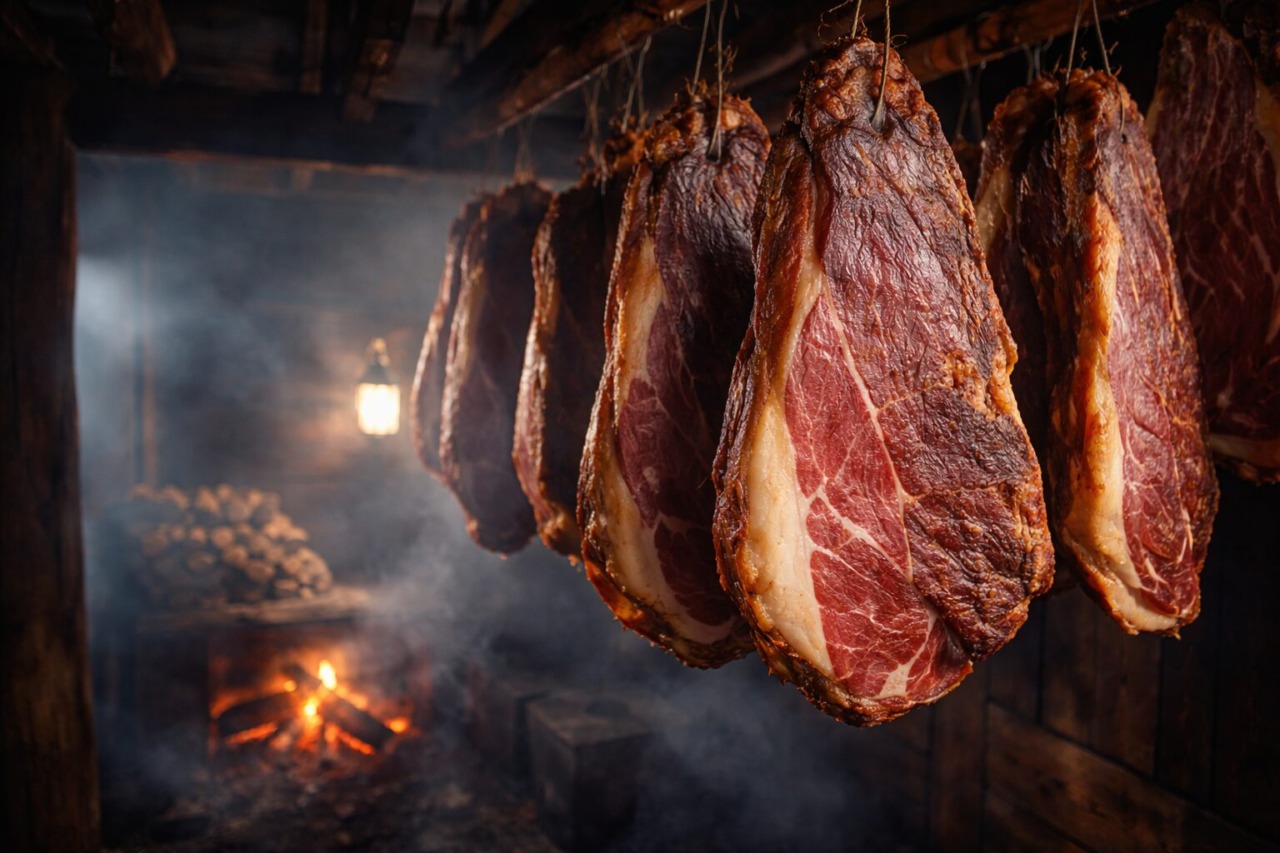
Here, younger generations learn by observing. They are shown when to ventilate, when to close the space, when to wait a little longer. The knowledge is rarely written down. It lives in practice, in repetition, and in trust.
Authenticity Through Difference
Unlike industrial products, where every piece is identical, traditional prosciutto from this region is never exactly the same. Some cuts are leaner, some richer, some more intensely smoked, others milder. That variation is not a flaw – it is the mark of authenticity.
Each piece reflects the household in which it was made, the particular winter in which it cured, and the subtle differences in climate. In that individuality lies its true value.
Prosciutto as Part of Culture
In western Serbia, prosciutto is more than an appetizer. It is a gesture of hospitality and a symbol of pride. It is not served casually, nor sliced without intention. It is reserved for guests, celebrations, and important occasions.
At local markets and village fairs, people often know whose prosciutto is considered the finest. Reputation is built not through advertising, but through years of consistent quality and respect for tradition.
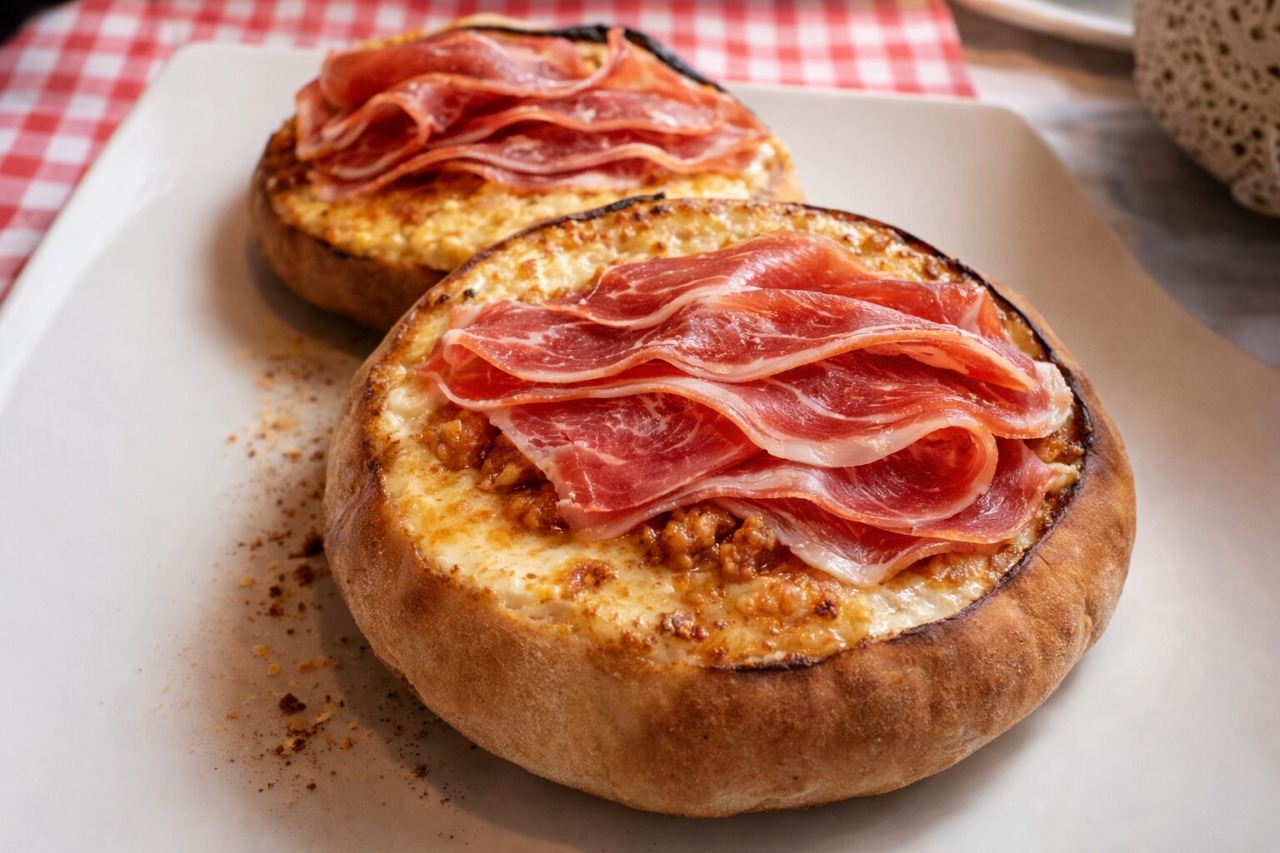
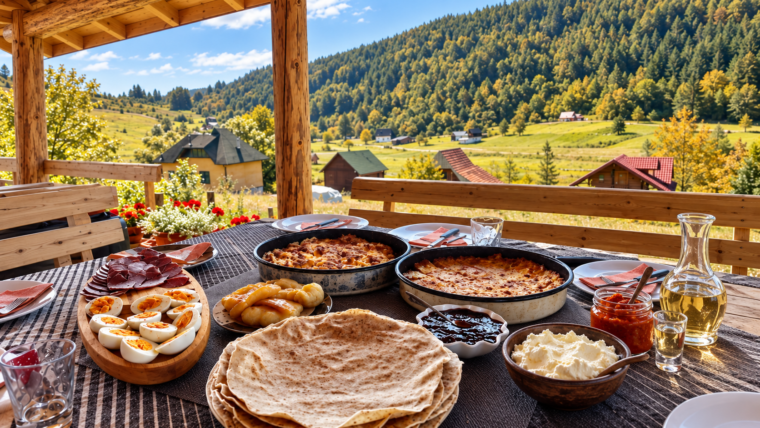
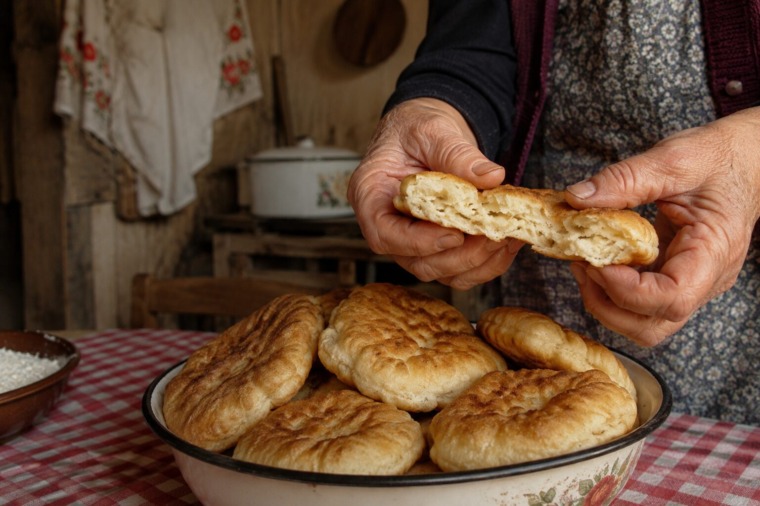
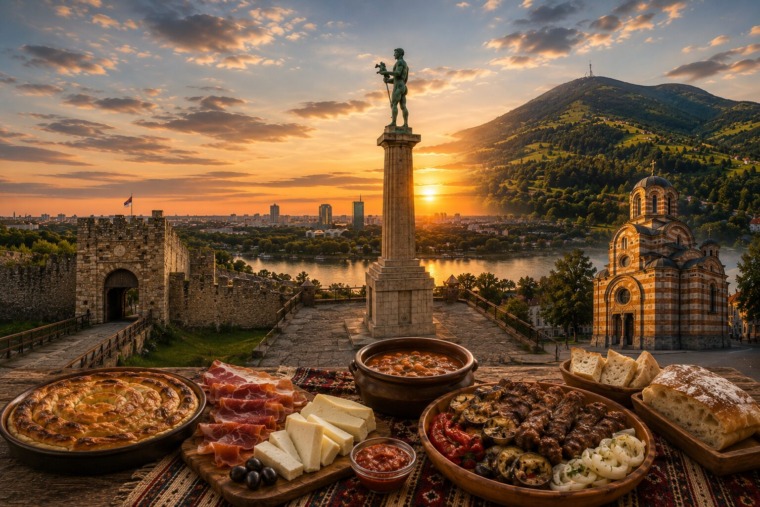
When served, it is presented simply – with homemade bread, cheese, kajmak, and of course in the famous komplet lepinja. It requires no decoration. A good product speaks for itself.
Why It Matters Today
In a world of speed and standardization, Zlatibor and Užice prosciutto stand in contrast. They remind us that quality takes time, that flavor cannot be accelerated, and that knowledge holds greater value than machinery.
This product shows that rural Serbia continues to preserve skills that are becoming rarer – and increasingly valued. In an era of uniform tastes, mountain prosciutto remains distinctly its own.
More Than Cured Meat
The story of Zlatibor and Užice prosciutto is not merely gastronomic. It is a story of winter, of smoke rising from wooden huts, of hands inspecting each piece, and of patience that cannot be taught overnight.
That is why it belongs in the Authentic Serbian Products series.
Because some flavors are not made in factories.
They are shaped where time is respected.
Related Articles