
Today is Saint Sava’s Day, one of the most meaningful and deeply rooted holidays in Serbia. It is not only an important religious feast, but also the school slava-a day dedicated to education, knowledge, and the values that have shaped Serbian society for centuries.
Who Was Saint Sava
Born as Rastko Nemanjić, the youngest son of Grand Prince Stefan Nemanja, Saint Sava chose a spiritual path at a young age, leaving behind the comforts of court life. His decision to devote himself to faith, learning, and service to the people would forever change the course of Serbian history.
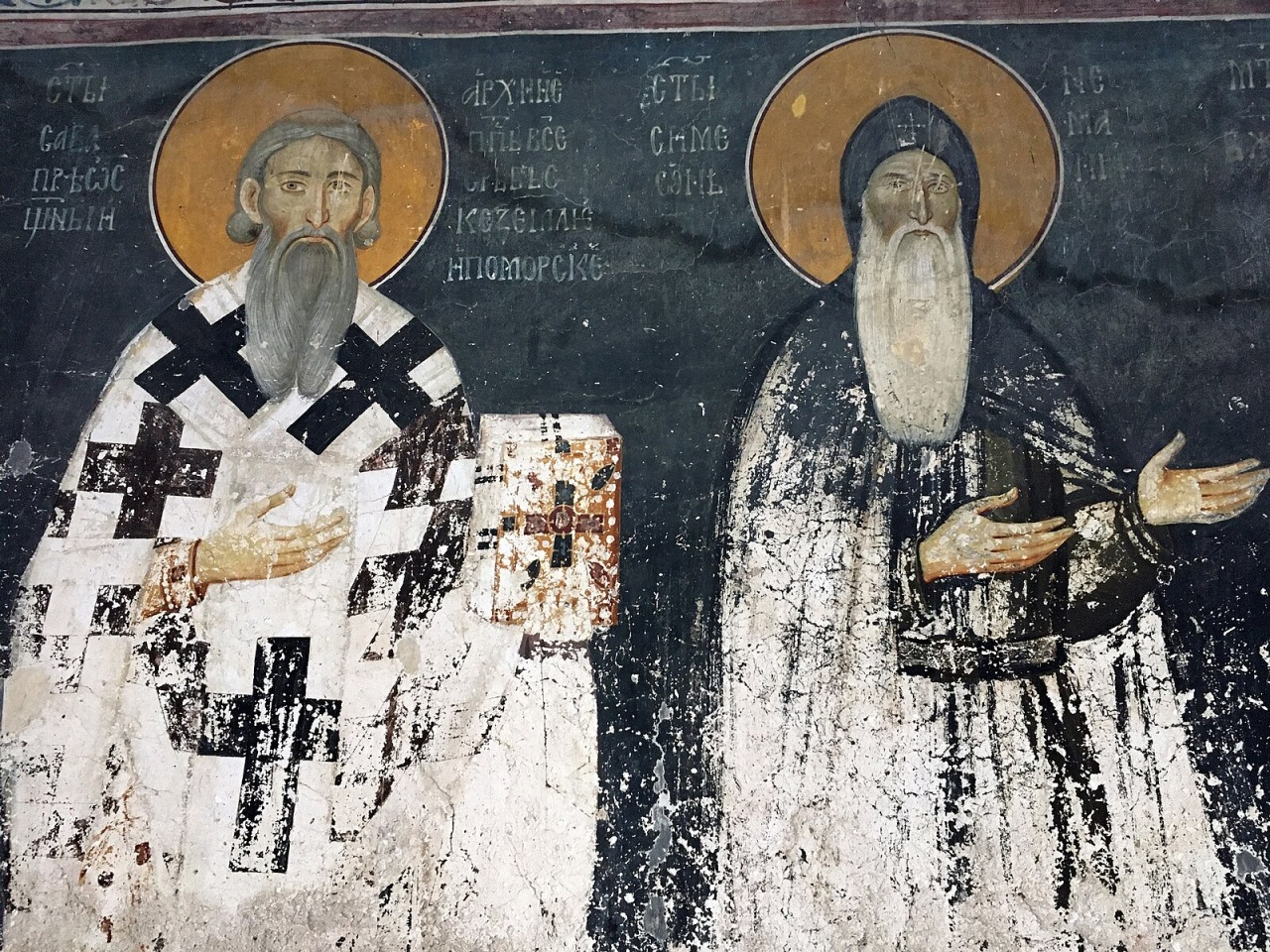
As the first Archbishop of the autocephalous Serbian Orthodox Church, Saint Sava laid the foundations not only of the Church, but also of education, law, and culture. His Nomocanon (Zakonopravilo) became one of the most important legal and moral texts of medieval Serbia. His mission was clear: to educate the people in faith, literacy, unity, and compassion.
Why Saint Sava Is the School Slava
Saint Sava is regarded as the protector of students and teachers, as he understood that knowledge is the cornerstone of freedom and national continuity. In the 19th century, he was officially proclaimed the school slava, a tradition that continues in Serbia to this day.
On January 27, schools across the country mark this day not as an ordinary school day, but as a celebration of learning and values.
How Schools in Serbia Celebrate Saint Sava’s Day
Although each school has its own program, the spirit is the same everywhere. Celebrations usually include:
- the performance of the Saint Sava Hymn
- school ceremonies and student performances
- recitations, choirs, short plays, and literary readings
- awards for outstanding students and teachers
- messages emphasizing knowledge, respect, unity, and responsibility
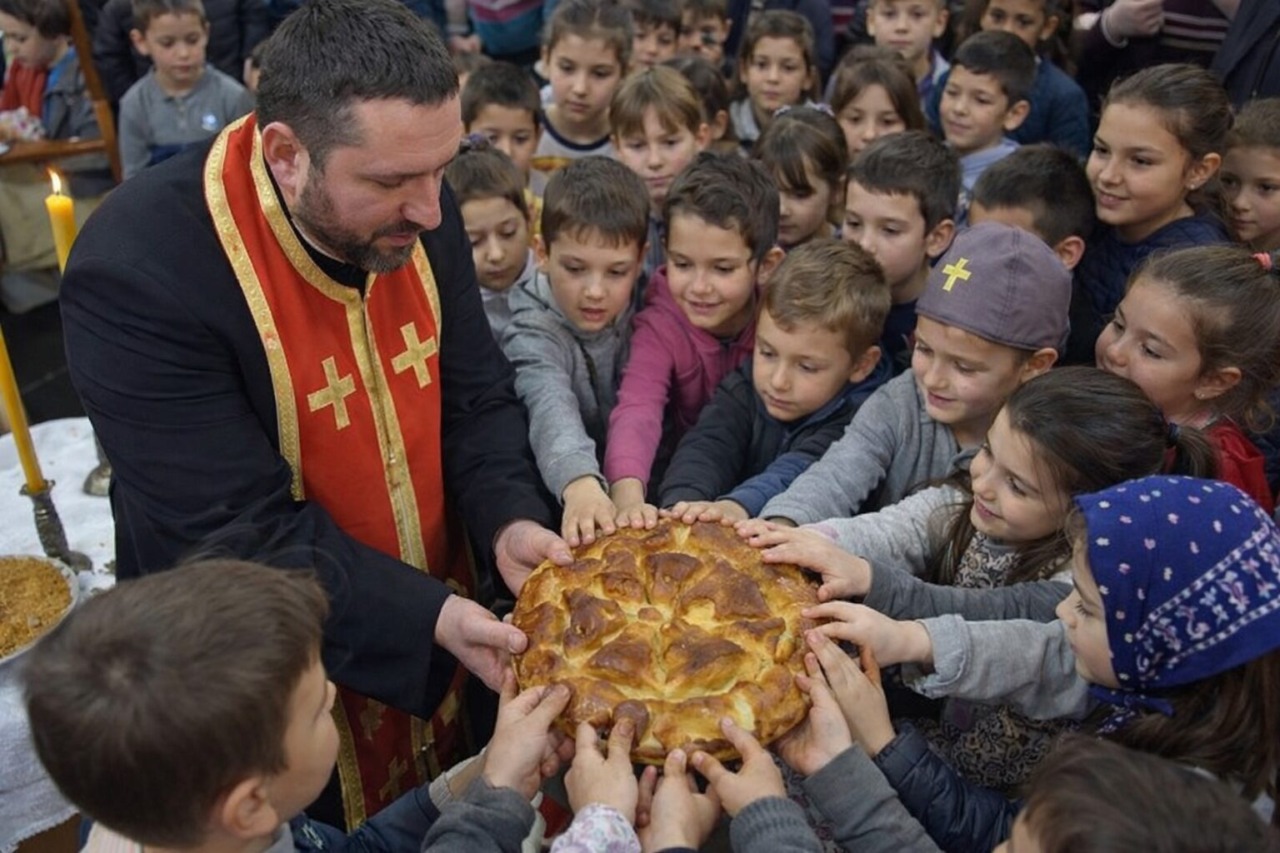
On this day, schools become a space where tradition meets future generations.
Customs and Symbolism
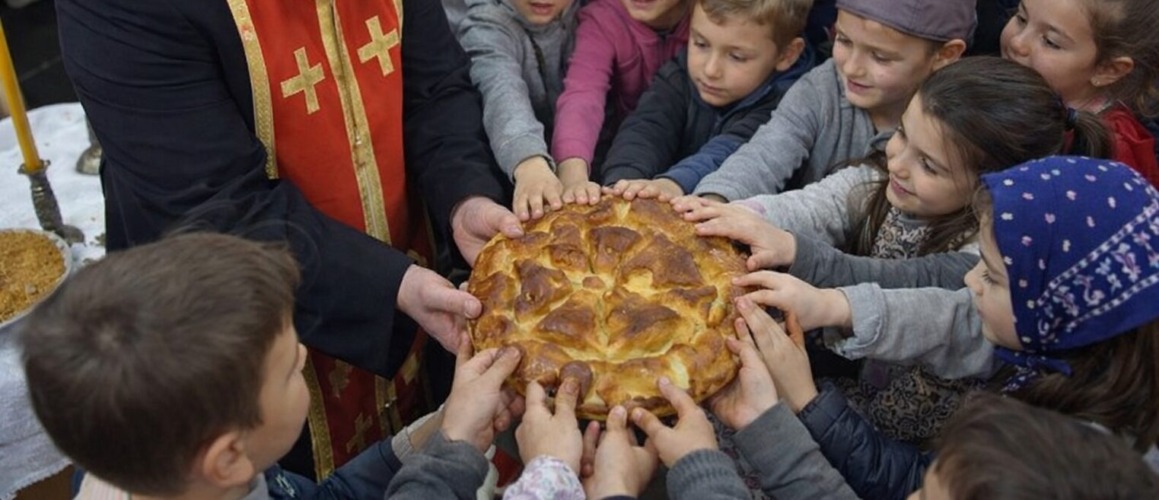
Although Saint Sava’s Day is not a family slava in the traditional sense, it is marked with respect and simplicity. In schools and institutions, slava bread is traditionally broken, and koljivo is often prepared as a symbol of gratitude and remembrance.

Saint Sava is not associated with grandeur, but with wisdom, humility, and spiritual richness. His legacy teaches that knowledge must always be guided by kindness and moral responsibility.
The Importance of Saint Sava Today
In modern times, Saint Sava remains a symbol of education that shapes character, not just intellect. He reminds us that schools are not merely places for acquiring information, but spaces where values are formed.
In a fast-paced and noisy world, the Saint Sava tradition calls us back to:
- respect for teachers
- responsibility that comes with knowledge
- unity and mutual understanding
- learning as a lifelong value
A Holiday That Connects Us All
Saint Sava’s Day is one of the rare occasions that unites the Church, schools, and society as a whole. It belongs to everyone-children and adults alike-whether seen as a religious feast or as a cultural and educational symbol.
More than a memory of the past, it is a reminder of values that endure.
Happy Saint Sava’s Day – the school slava of Serbia.
Related Articles