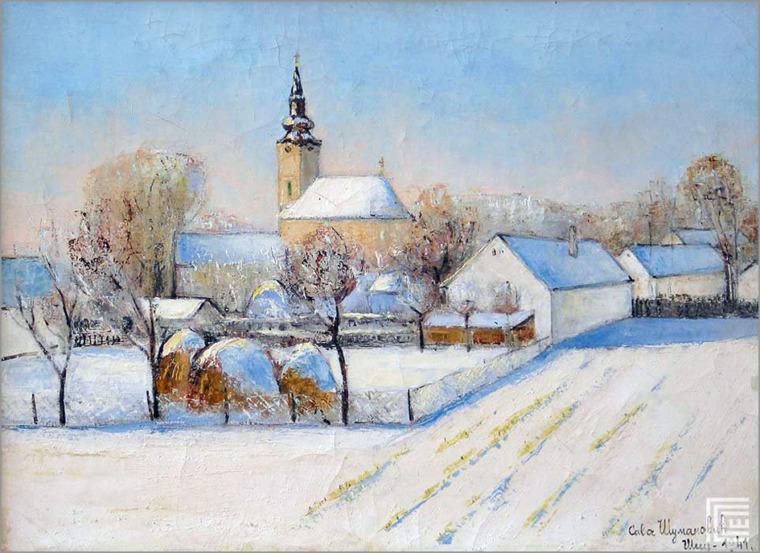

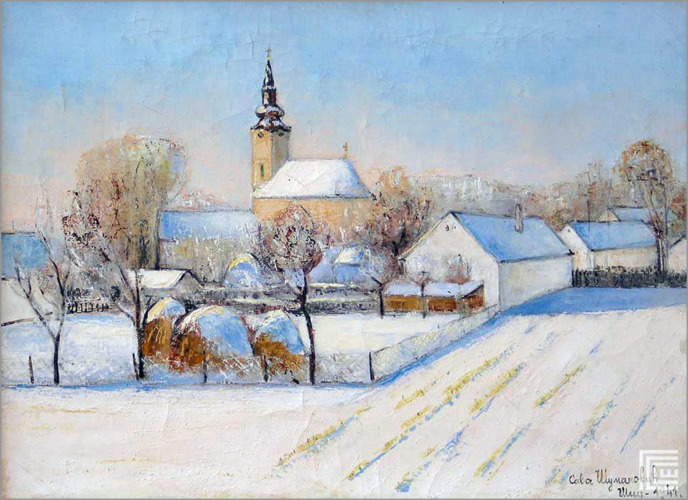
Exactly 130 years ago, Sava Šumanović (1896–1942) was born – one of the greatest and most distinctive painters Serbia has ever produced. His life and work remain forever suspended between light and darkness: radiant artistic brilliance and a tragic end, personal introspection and turbulent history. More than a century after his birth, Šumanović’s paintings continue to speak – quietly, powerfully, and universally.
Origins and Early Years: The Path to Art
Sava Šumanović was born in Vinkovci, then part of the Austro-Hungarian Empire, into a prosperous and educated family. He spent his childhood and youth in Šid, a town that would later become not only his refuge but also one of the central motifs of his art.
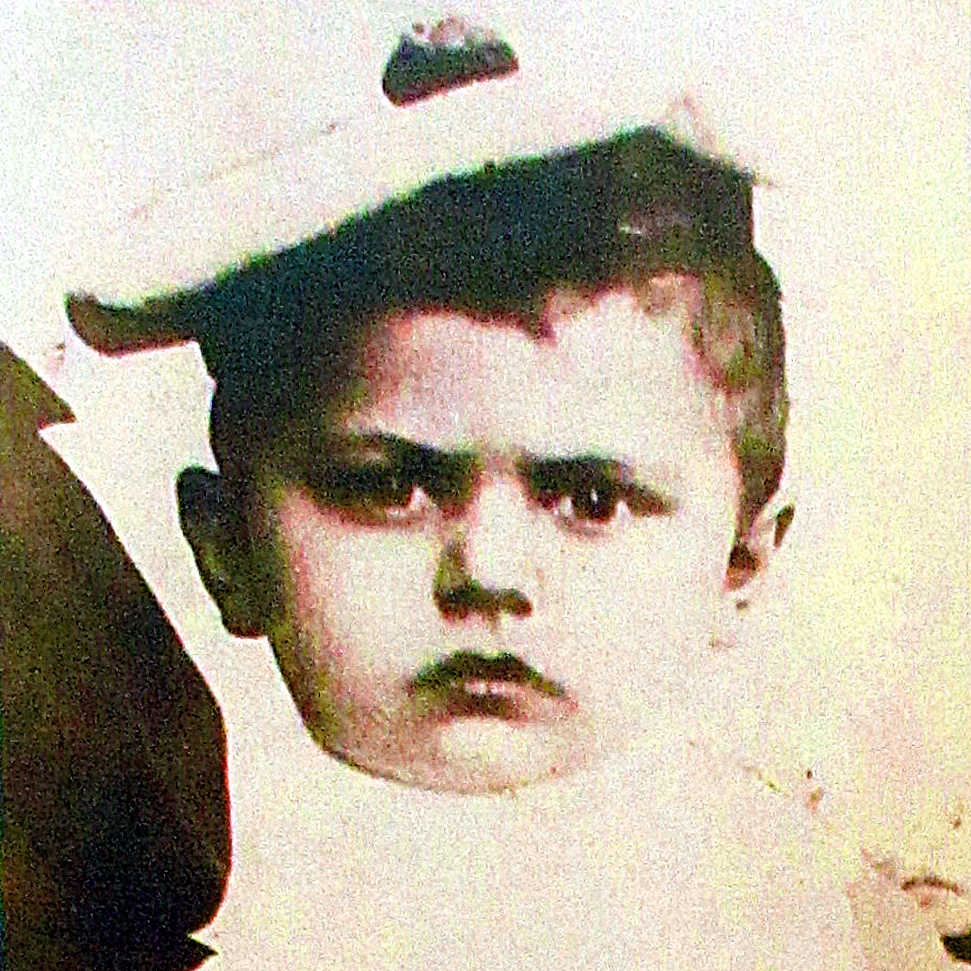
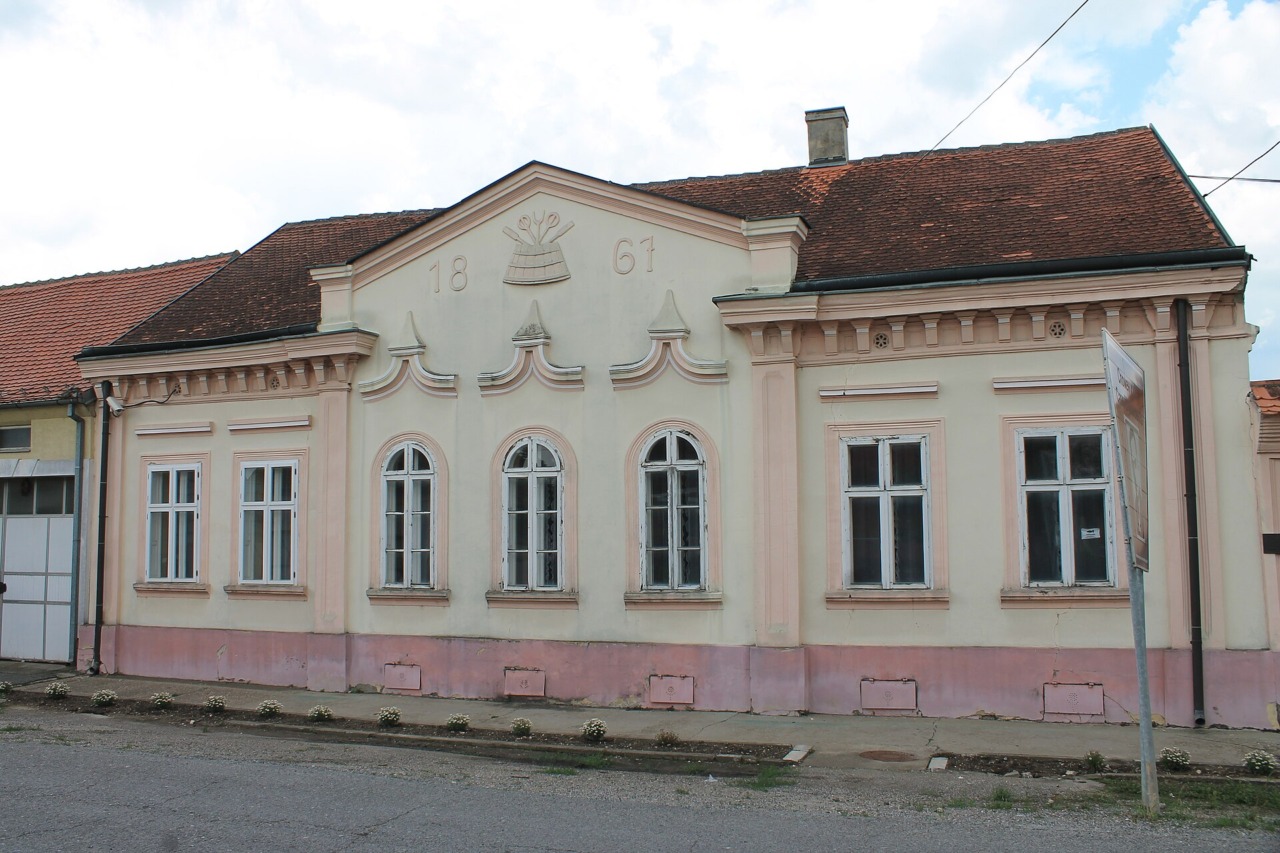
His exceptional talent for painting revealed itself early. He began his formal artistic education in Zagreb, but the true turning point came with his move to Paris – at the time, the undisputed capital of world art.
Paris: Encounter with Modernism
Šumanović’s stay in Paris during the 1920s proved decisive. There, he encountered the most important currents of modern art: Cubism, Fauvism, and Post-Impressionism. He was particularly influenced by Paul Cézanne, as well as by the broader Parisian avant-garde.
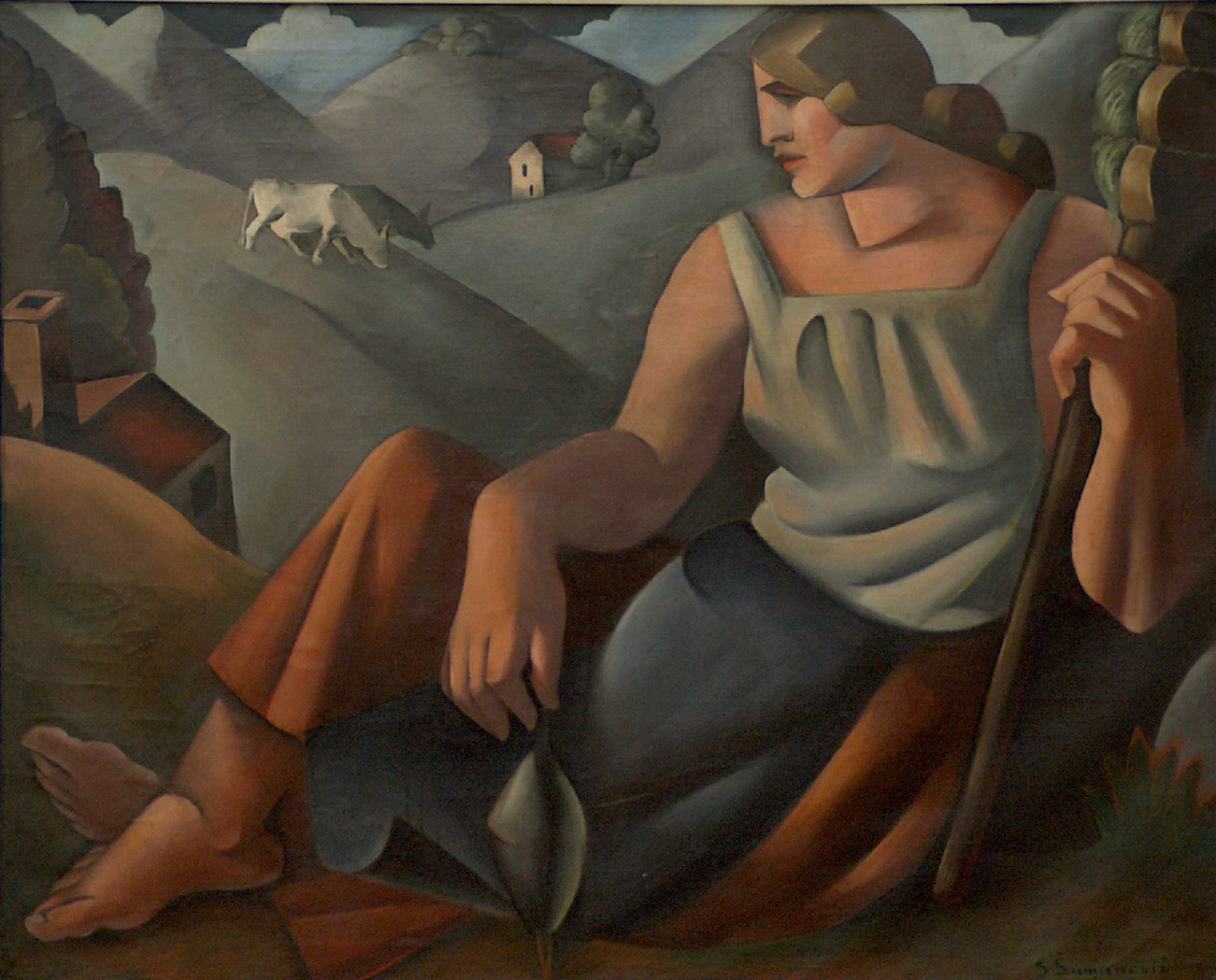
Yet Šumanović never remained a mere follower. Instead, he developed a highly personal style marked by strong color, clear structural composition, and a calm monumentality – even within seemingly intimate scenes.
Paintings from his Paris period reveal intellectual discipline combined with emotional depth, a balance between reason and lyricism.
Return to Šid: Creating a Personal Universe
Upon returning to Šid, Šumanović entered his most mature and productive phase. It was during this period that his most celebrated works were created.
His motifs were simple yet powerful:
- the landscapes of Srem
- female nudes in nature
- rural and small-town scenes
- quiet, almost meditative compositions
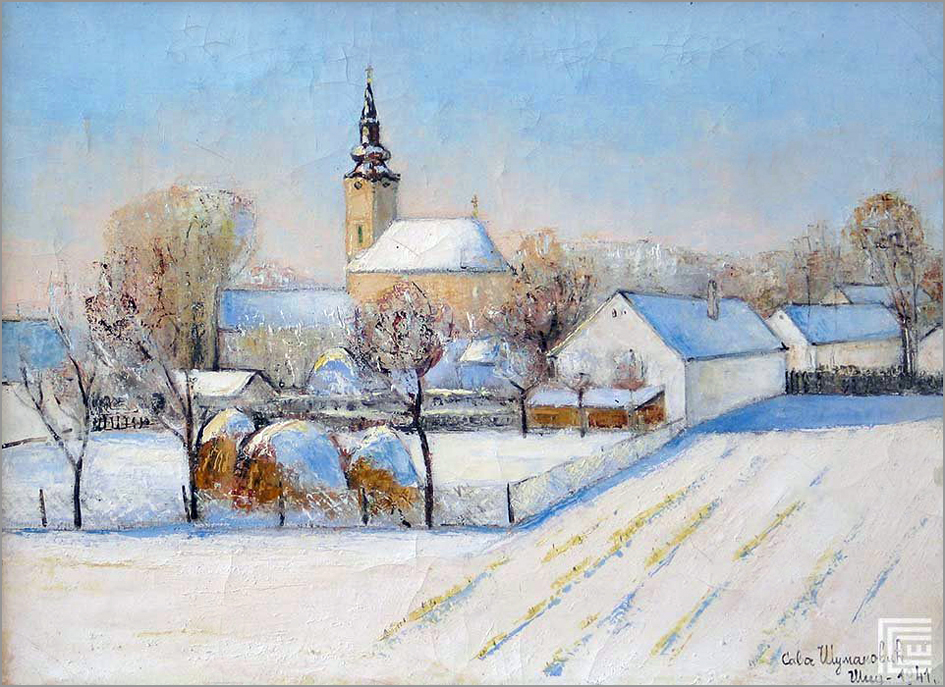
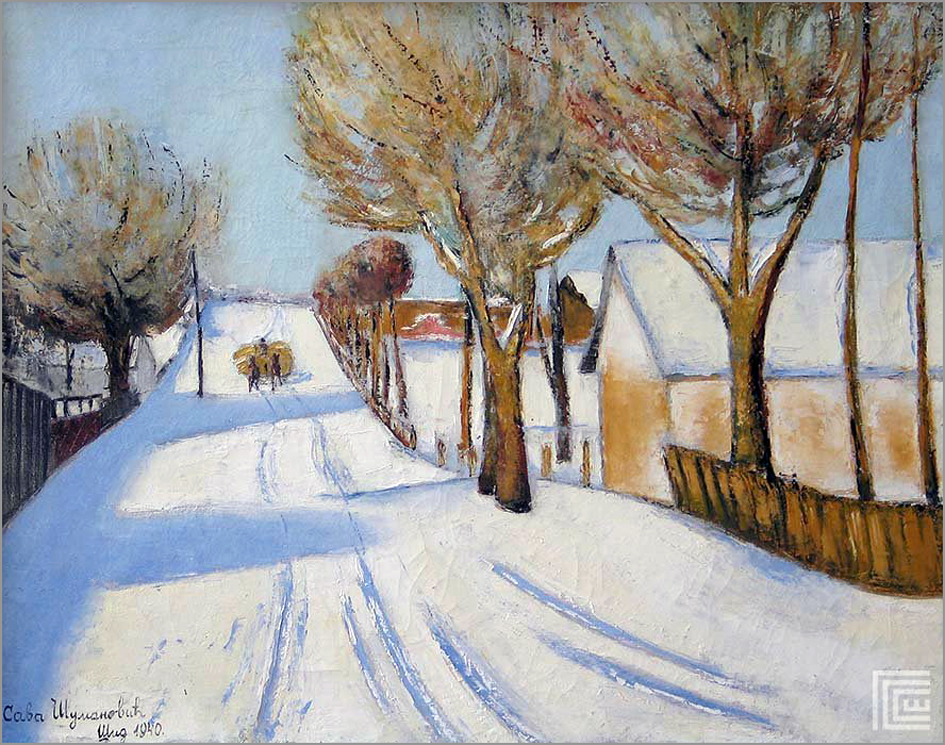
Among his most significant works are: Šid Landscape, Grape Harvest, The Drunken Boat, Nudes in a Landscape and Spring in Šid.
These paintings radiate serenity, light, and balance, yet beneath the surface lies a profound inner tension and an intense personal struggle.
“I Paint as I Know and Can” – An Artist Between the World and Himself
One of Šumanović’s most famous statements reads: “I paint as I know and can.”
This seemingly simple sentence encapsulates his entire artistic philosophy. It speaks of honesty, resistance to compromise, and the belief that art must remain a personal truth rather than a trend or ideology.
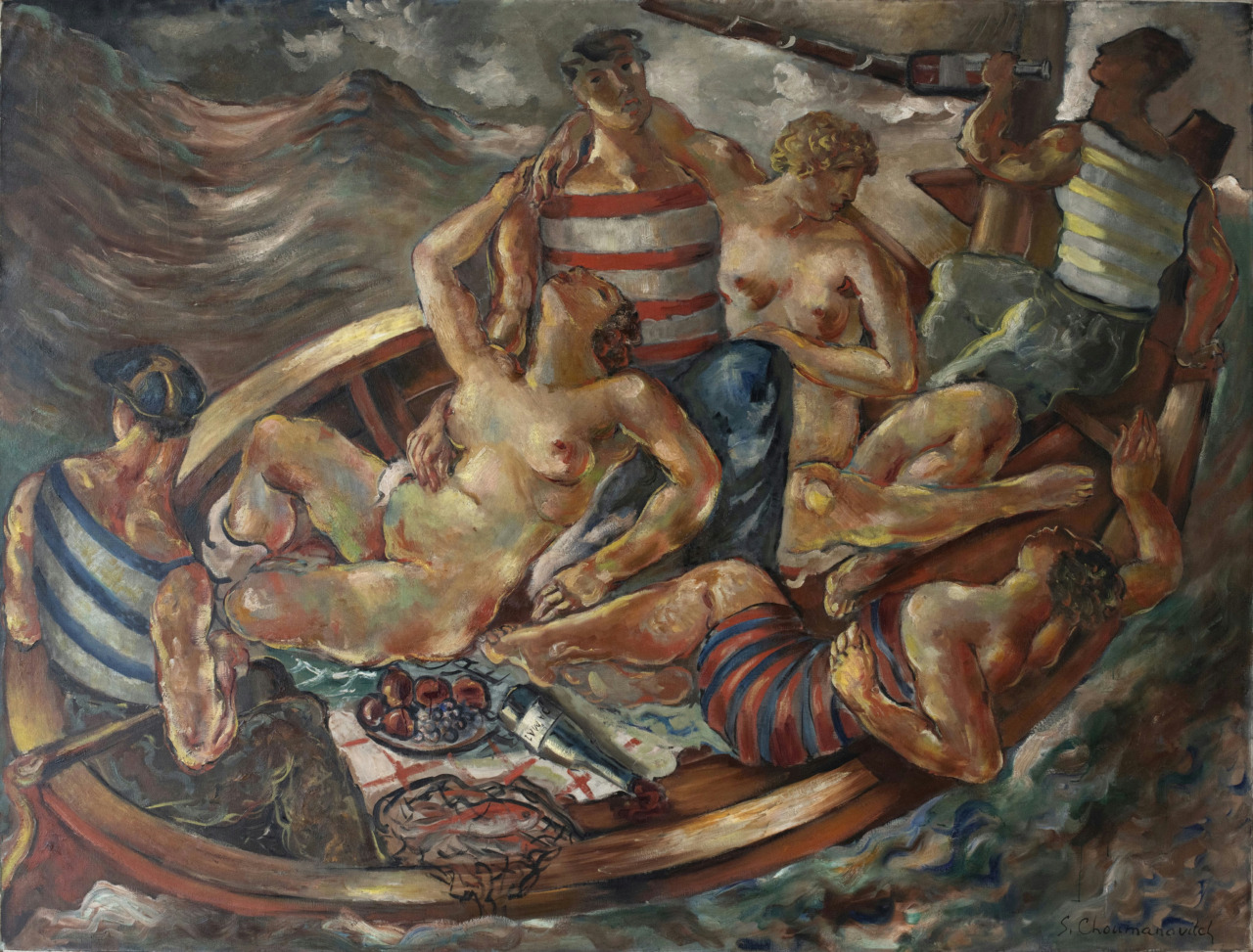
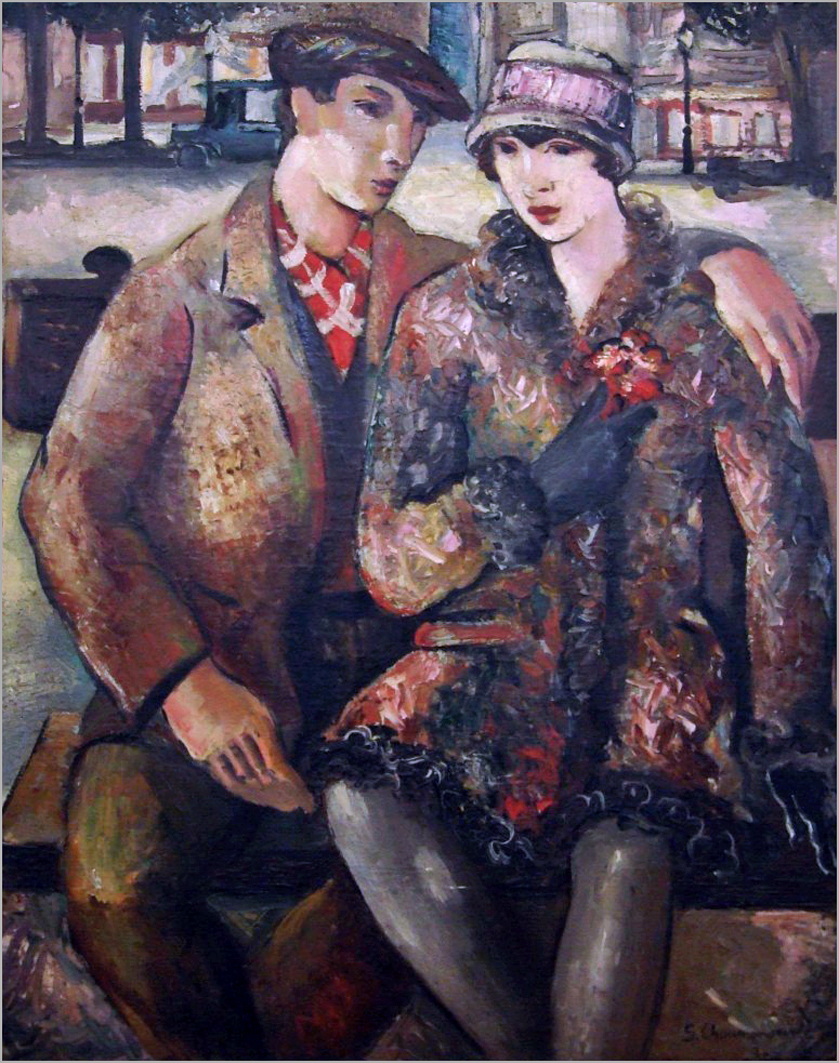
Though he struggled with psychological crises and periodically withdrew from public life, Šumanović never stopped painting. His art became a space of silence, order, and light – a refuge from a world growing increasingly dark and unstable.
A Tragic End and a Historical Break
In 1942, during World War II, Sava Šumanović was arrested by the Ustaša authorities of the Independent State of Croatia. Without trial, he was taken along with dozens of prominent Serbs from Šid and executed in Sremska Mitrovica.
He was only 46 years old.
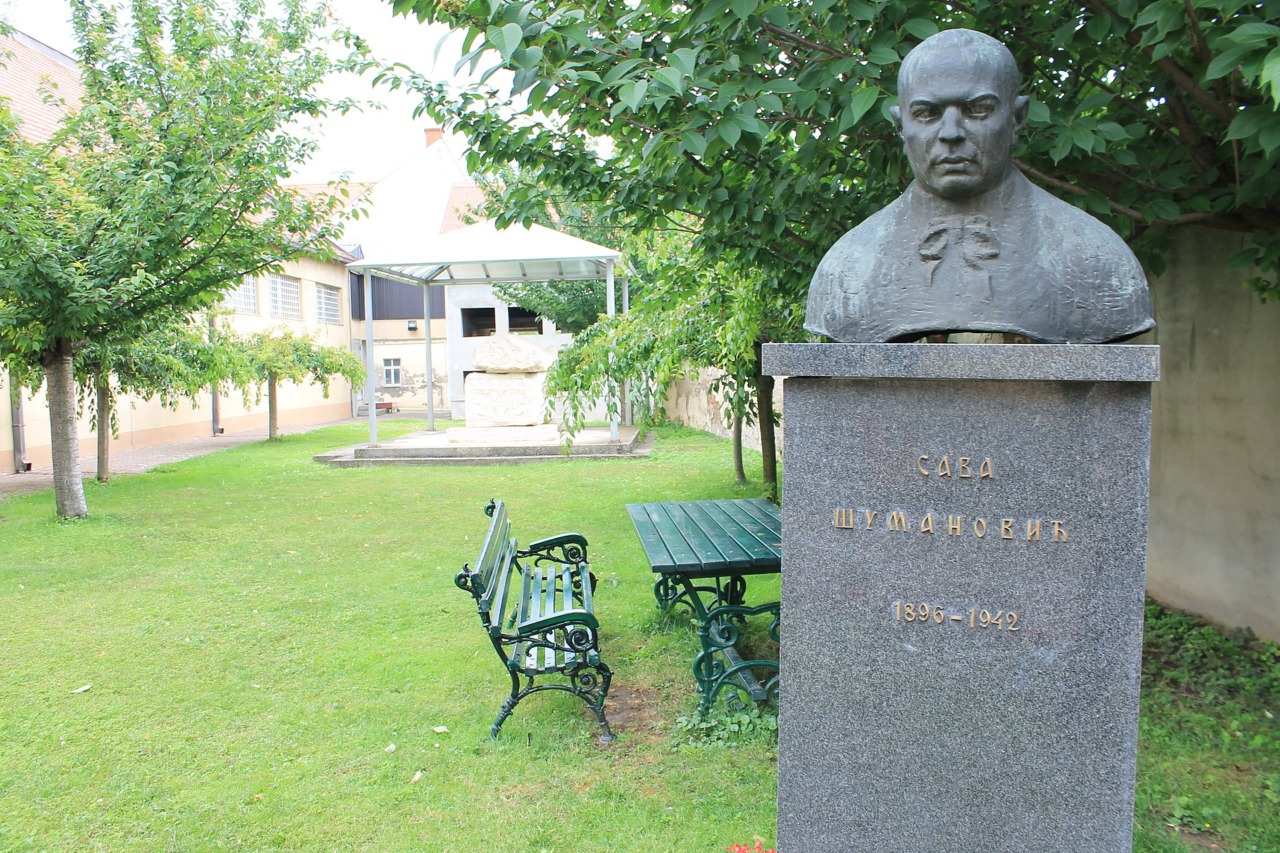
His death stands as one of the most devastating losses in the history of Serbian art – the violent interruption of a life at the height of creative power.
Recognition and Lasting Legacy
During his lifetime, Šumanović was respected, but full recognition came after his death. Today, he is widely regarded as:
- one of the most important Serbian modernists
- a key figure bridging traditional painting and European avant-garde movements
- an artist whose works command high prices at international auctions
- an essential name in every survey of 20th-century Serbian and Yugoslav art
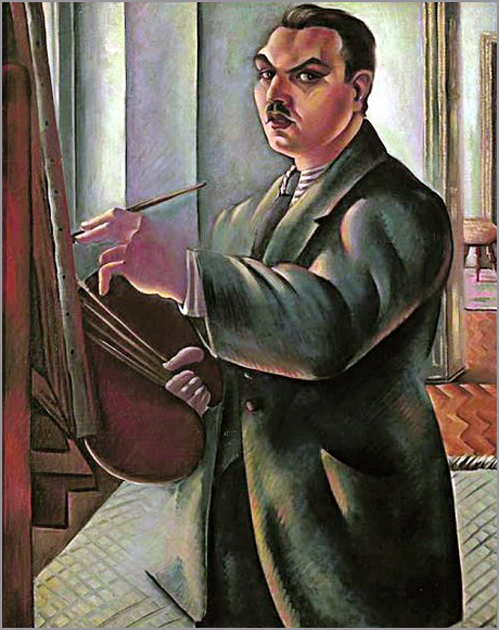
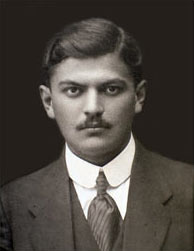
The Sava Šumanović Art Gallery in Šid houses the largest collection of his works and stands as one of Serbia’s most important cultural institutions.
Why Sava Šumanović Matters Today
In an age of speed, noise, and superficiality, Šumanović’s paintings feel almost therapeutic. His work reminds us of: slowness and attentive observation, the power of color and silence, the dignity of personal artistic expression and art as an inner necessity rather than a market-driven product.
One hundred and thirty years after his birth, Sava Šumanović remains a symbol of an artist who created with sincerity, courage, and unwavering integrity – and who, because of that, remains timeless.