
-
Serbia at a Glance
Discover All -
Arts & Culture
Discover All -
Identity & Heritage
Discover All -
Famous Serbs
Discover All
-
Regions
Discover All -
Cities
Discover All -
Nature
Discover All -
Cultural Landmarks
Discover All
-
Outdoor & Wellness
Discover All -
Food & Drink
Discover All -
Tours
Discover All -
Urban Experiences
Discover All -
Seasonal Experiences
Discover All
Partner with Serbia.com
Let's create lasting impact together
Partner with Serbia.com to reach travellers through trusted recommendations, inspiring editorial stories and thoughtfully designed campaigns. Together, we create meaningful visibility that supports your goals and remains valuable long after publication.
Explore partnership opportunities- Serbian Favorite Rituals Everyday traditions and little things that make life in Serbia special.
- Villages of Serbia Charming villages, local stories and authentic rural life.
- Serbia Told By You Personal stories, local perspectives and authentic experiences from across Serbia.
- Is it Worth Visiting in Serbia? Honest destination guides to help you decide which places are worth visiting.
Serbia is a land shaped by borders, rivers, and centuries of change. Fortresses rose along trade routes and waterways, built not only for defense but for endurance. In winter, these fortifications reveal their most authentic face. Snow strips away distractions, leaving stone, sky, and silence.
Without crowds or noise, winter turns fortresses into spaces of reflection. The cold sharpens the senses, slows movement, and allows visitors to truly feel the weight of history embedded in their walls.
Smederevo Fortress – The Severe Beauty of a Medieval Capital
Smederevo Fortress is one of the largest lowland fortresses in Europe, and winter is when its monumental scale is felt most strongly. Snow emphasizes the precision of its lines, the length of its walls, and the massiveness of its towers, which appear almost geometrically exact against the white landscape. The Danube, often calm and opaque in winter months, further intensifies the sense of isolation and strength.
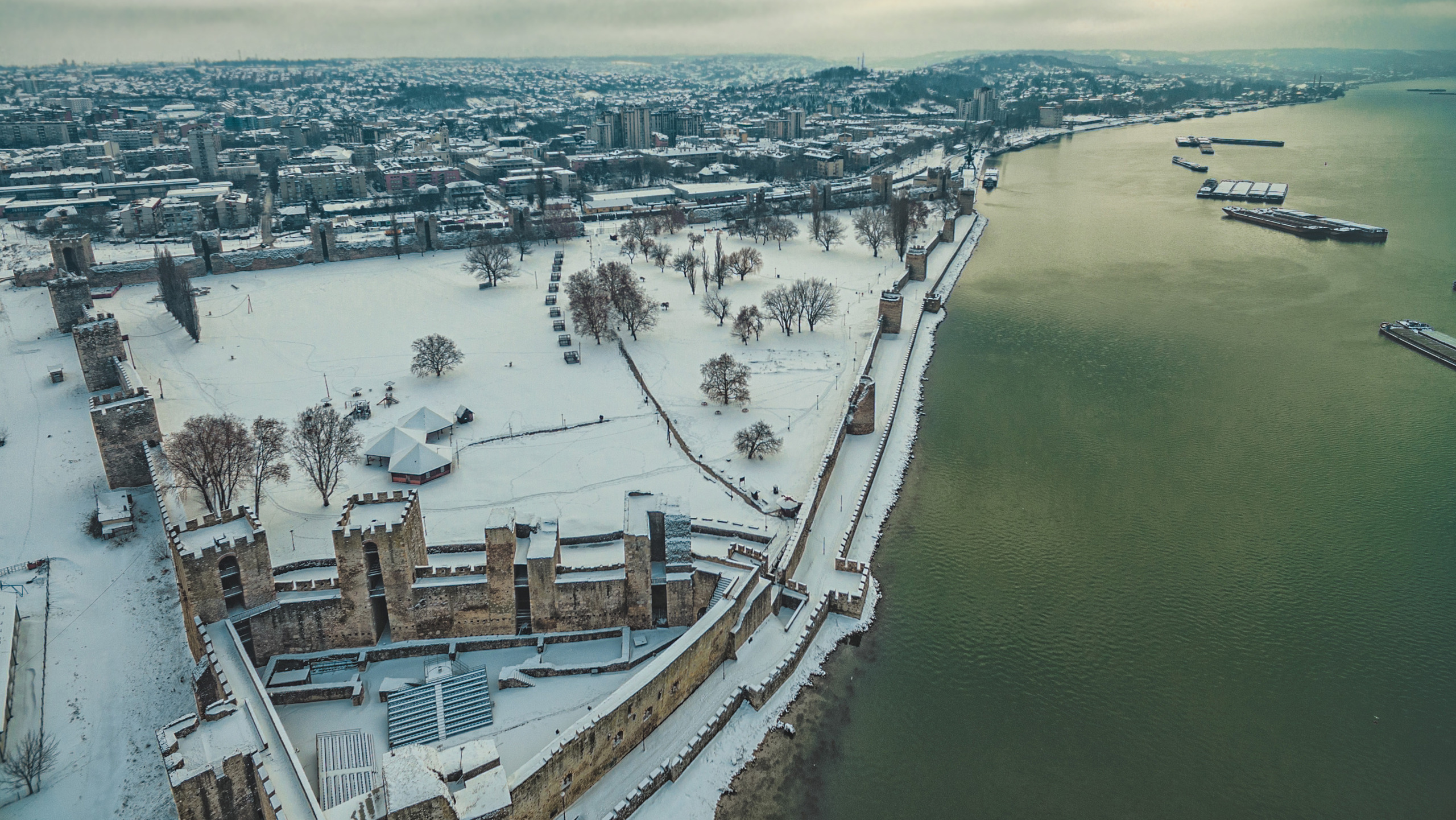
A winter walk inside the fortress offers a rare opportunity to experience the space without distraction. Cold and silence evoke the weight of the historical moments this place has witnessed — from the capital of the Serbian Despotate to the symbolic end of medieval Serbia. In winter light, Smederevo feels solemn, dignified, and almost ascetic, as if consciously carrying the burden of its past.
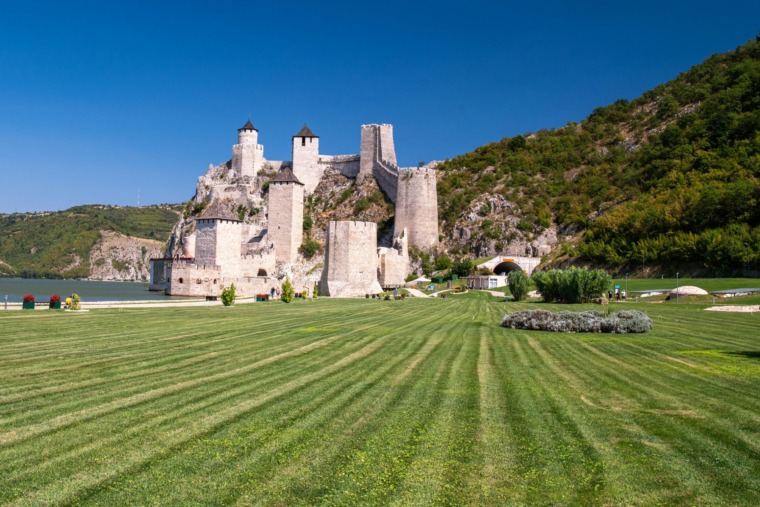
Golubac Fortress – A Dramatic Encounter of Stone, River, and Snow
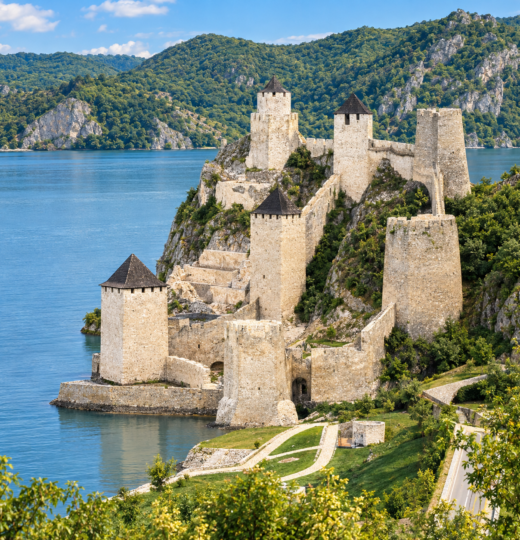
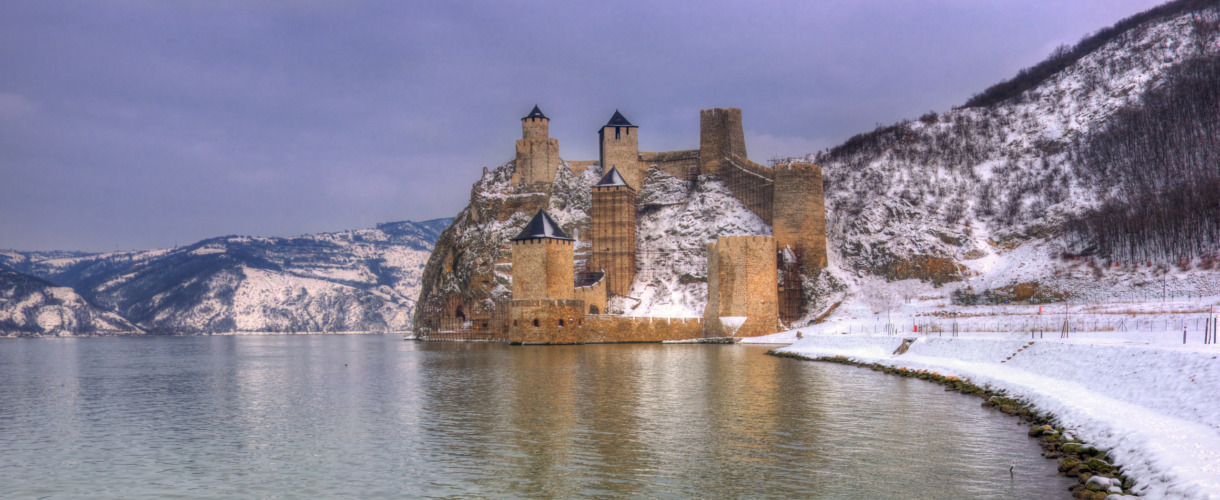
In winter, Golubac looks like a scene from legend. Its towers, aligned along the rock at the entrance to the Đerdap Gorge, seem to grow directly out of nature when covered in snow, rather than having been built by human hands. The contrast between white walls, the dark river, and gray cliffs creates one of Serbia’s most striking winter landscapes.
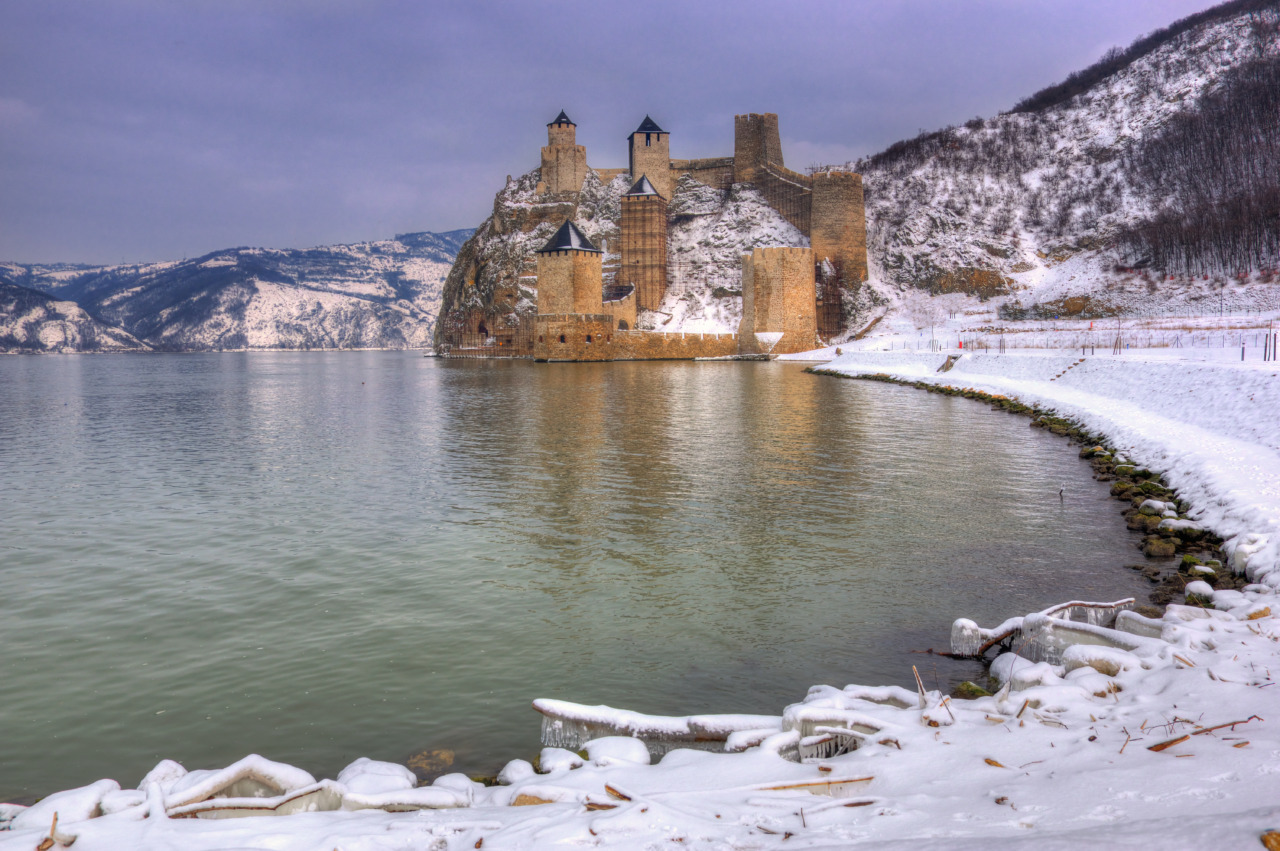
Without the summer crowds, Golubac is experienced in near silence, broken only by wind and the Danube. The power of nature is unmistakable here — the fortress does not dominate the landscape but exists in harmony with it. Winter further emphasizes this balance, making every visit introspective and visually compelling.
Petrovaradin Fortress – Silence Above the City and the River
Petrovaradin Fortress is known for its size and complexity, yet winter reveals its softer side. Snow covers bastions and pathways, softening the sharpness of stone and creating a sense of vast, open space. Views of Novi Sad and the Danube in winter light feel calmer, almost poetic.
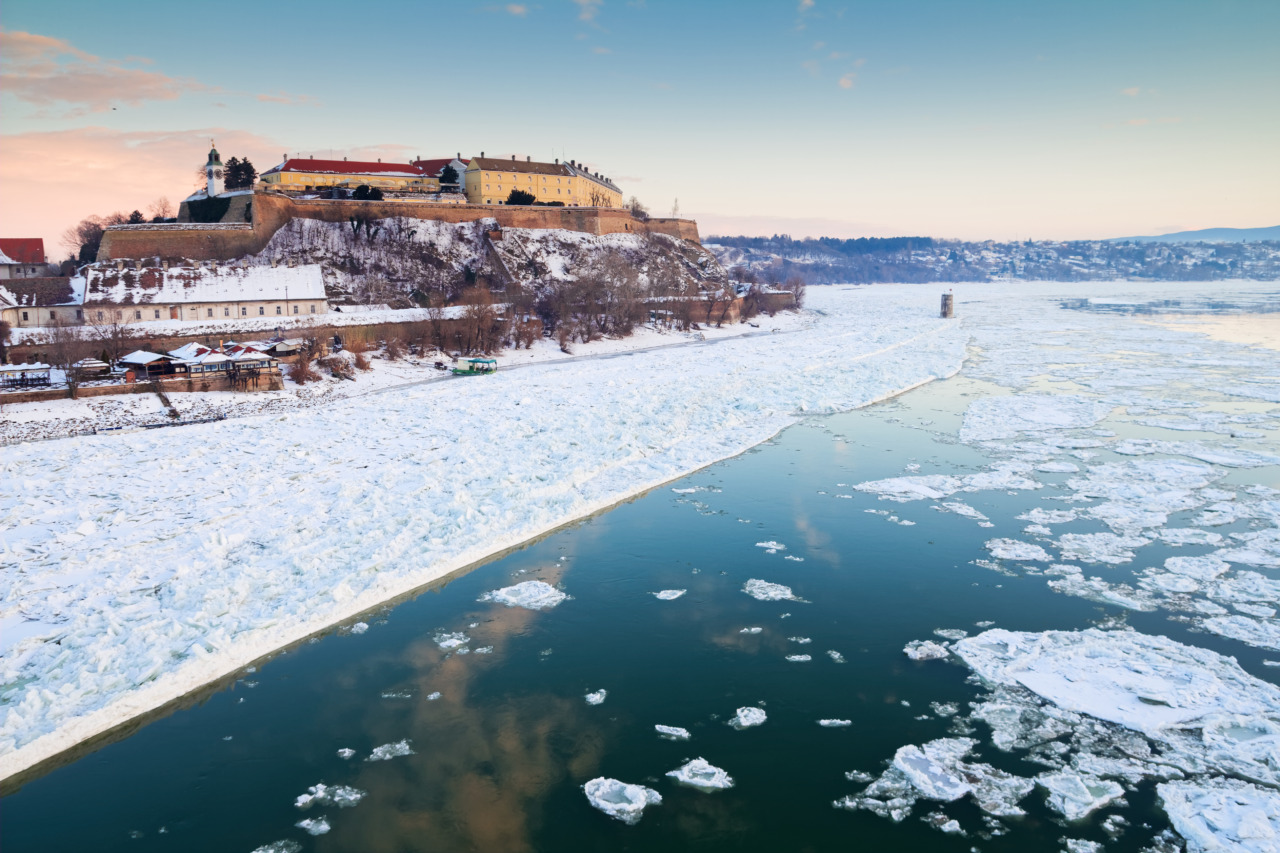
Wintertime Petrovaradin invites long walks and slow reflection. The fortress clock, often wrapped in fog, takes on symbolic weight — a reminder of the passage of time. The absence of noise and events allows visitors to focus on architecture, proportions, and the remarkable strategic logic of the site.
Kalemegdan – Belgrade’s Timeless Anchor in Winter
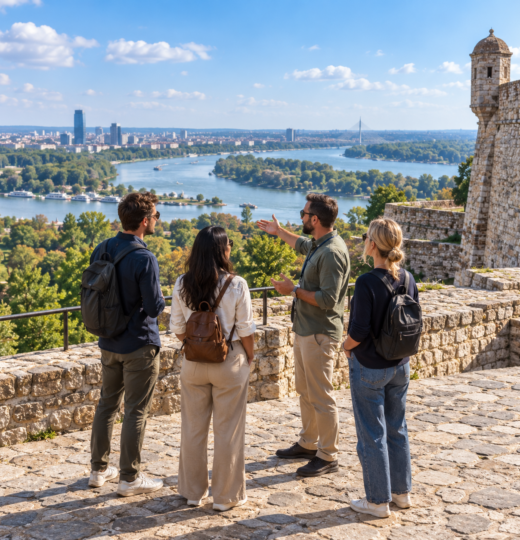
In winter, Kalemegdan feels almost intimate, despite standing at the very heart of the capital. Snow softens footsteps, and the view of the confluence of the Sava and Danube becomes deeply meditative. Here, Belgrade’s layered history is most palpable — Roman, medieval, Ottoman, and modern eras coexist within a single space.
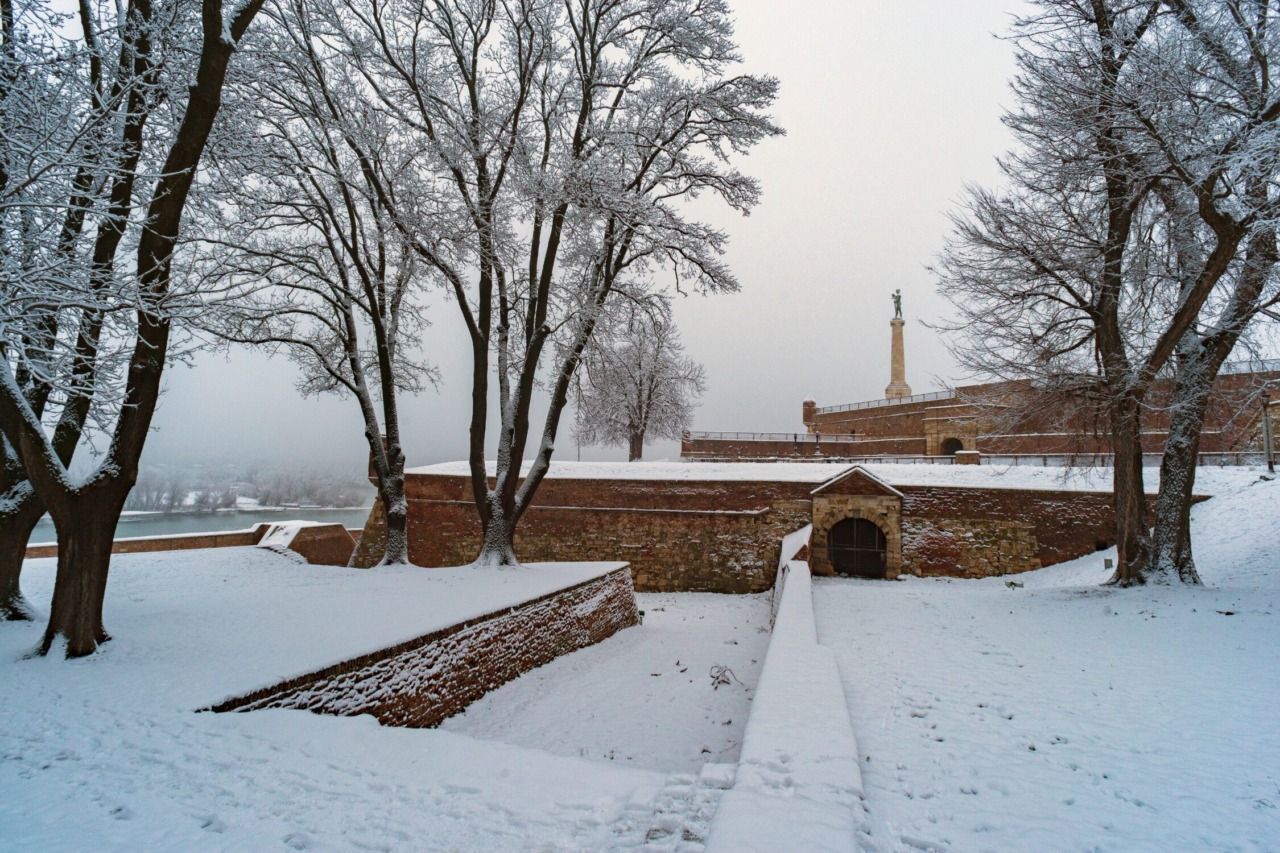
Winter walks across Kalemegdan create a different relationship with the city. Belgrade appears distant, while the fortress remains calm and enduring. In colder days, this space ceases to function as a tourist attraction and becomes a place of silence, memory, and views that linger long after.
Winter as the Ideal Season for Fortresses
Winter strips away the unnecessary layers. Without crowds, noise, or distractions, fortresses return to their essential purpose — to stand as witnesses to time. Visiting during this season offers a more authentic experience, clearer forms, and a deeper emotional connection to place.
For travelers who wish to discover Serbia beyond postcards and summer routes, winter fortresses offer an experience that is quiet, powerful, and unforgettable.
Plan your visit
Everything you need to plan your perfect trip.
Related Articles