
Holidays in Serbia feel different from the rest of Europe. They are louder, warmer, more spontaneous — and at the same time deeply rooted in tradition. Whether you are visiting for New Year’s celebrations, winter city breaks, or Orthodox holidays in January, Serbia offers a unique blend of festive energy and genuine hospitality.
Here is what travelers should know before coming — and how to truly experience the holiday season like a local.
A Country That Celebrates With Heart
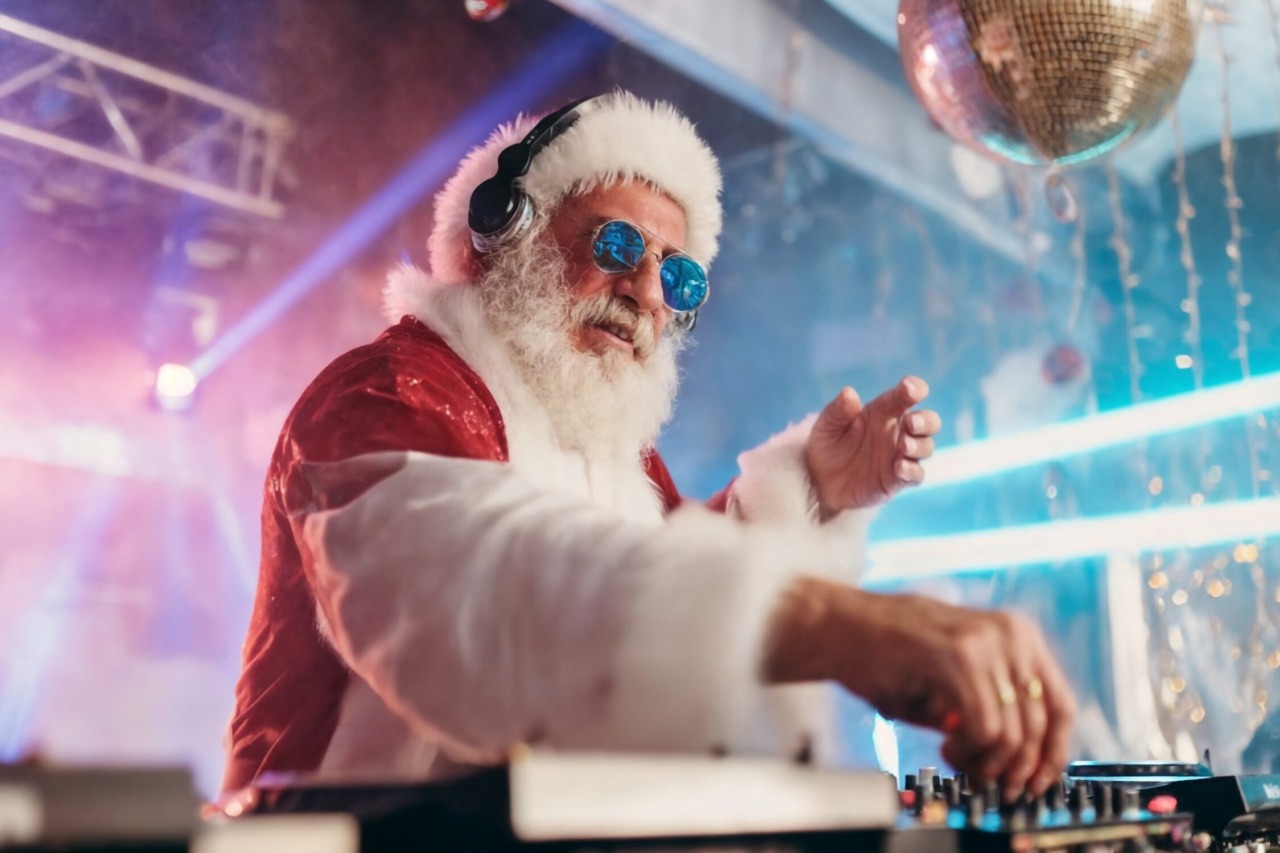
In Serbia, holidays are not just dates on a calendar — they are lived intensely. Streets stay lively late into the night, cafés are full even on cold days, and celebrations often extend beyond official schedules. Music plays a central role, from live bands and DJs in cities to traditional brass bands at private gatherings.
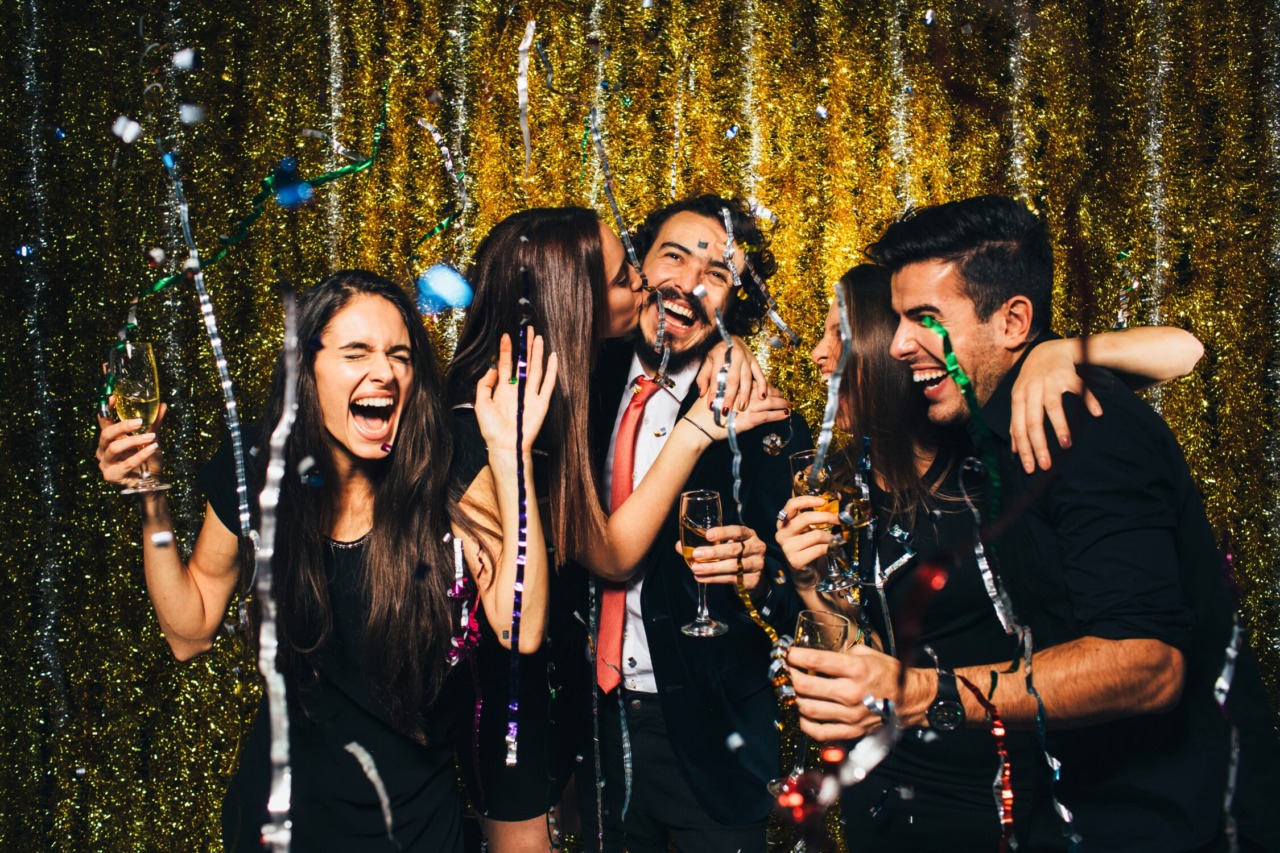
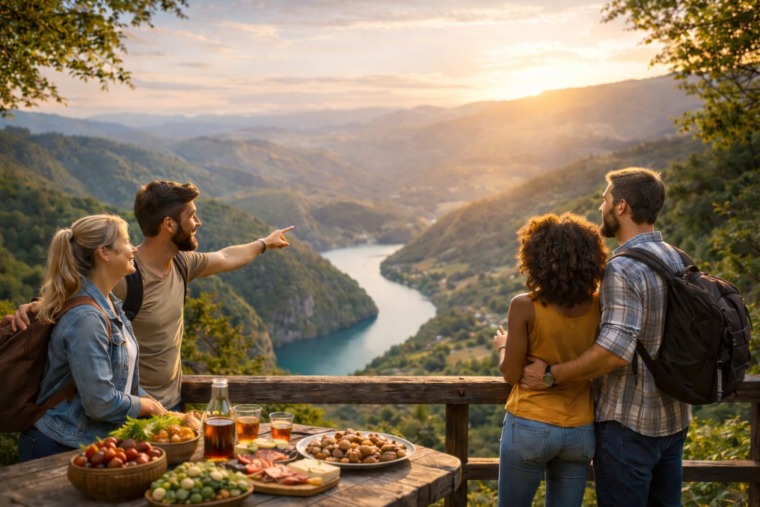
Visitors are often surprised by how welcoming the atmosphere feels. It is perfectly normal for locals to start conversations, offer recommendations, or even invite guests to join a celebration.
What to Expect During the Holiday Season
December and January are the most festive months, but they come with a few specifics:
Cities slow down during major holidays, especially on Orthodox Christmas (January 7), when many businesses close for the day. However, cafés, restaurants, and hotels usually remain open, particularly in Belgrade, Novi Sad, and tourist centers.

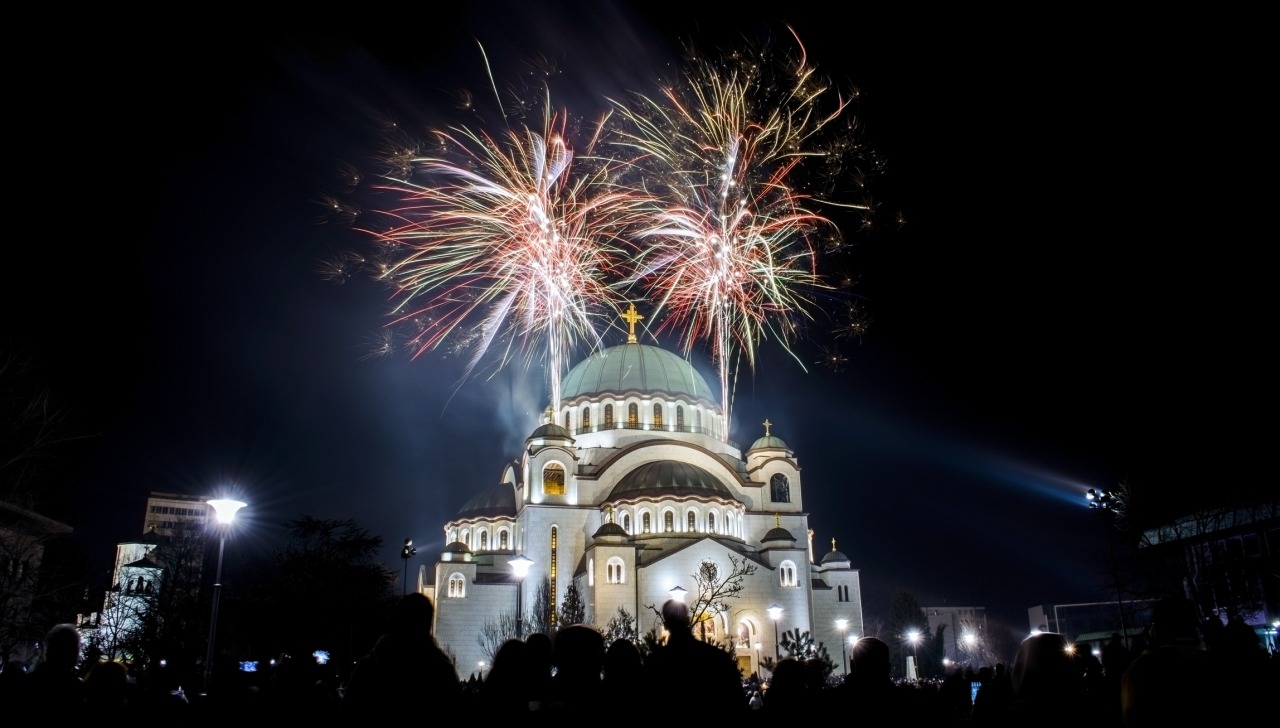
New Year’s Eve is celebrated twice — on December 31 and again on January 13 (Serbian New Year, according to the Julian calendar). This gives travelers a rare chance to experience two festive nights within the same trip.
Weather and What to Pack
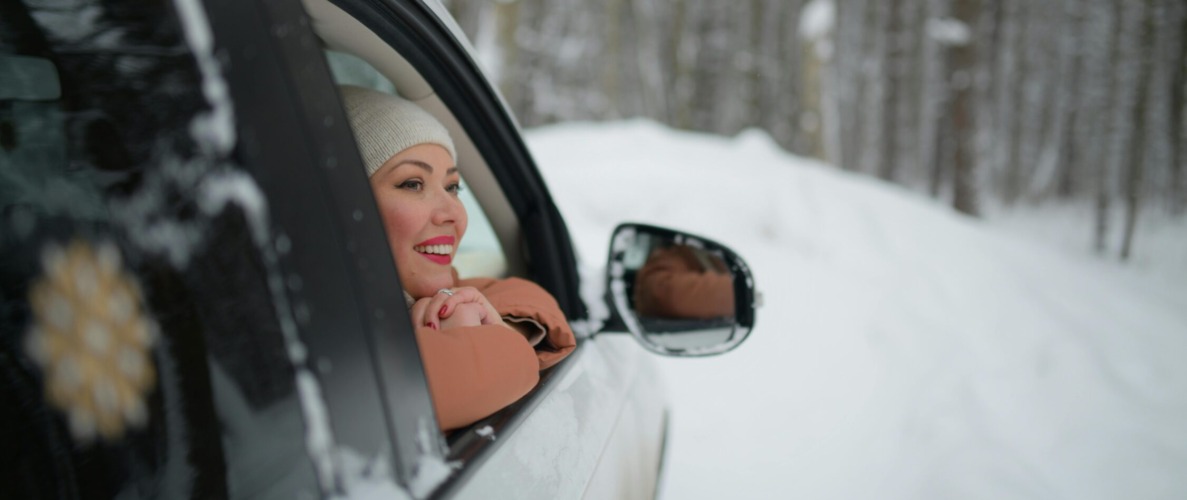
Winters in Serbia can be cold, but rarely extreme in cities. Snow is possible, especially in January, but urban areas often enjoy crisp, clear days.
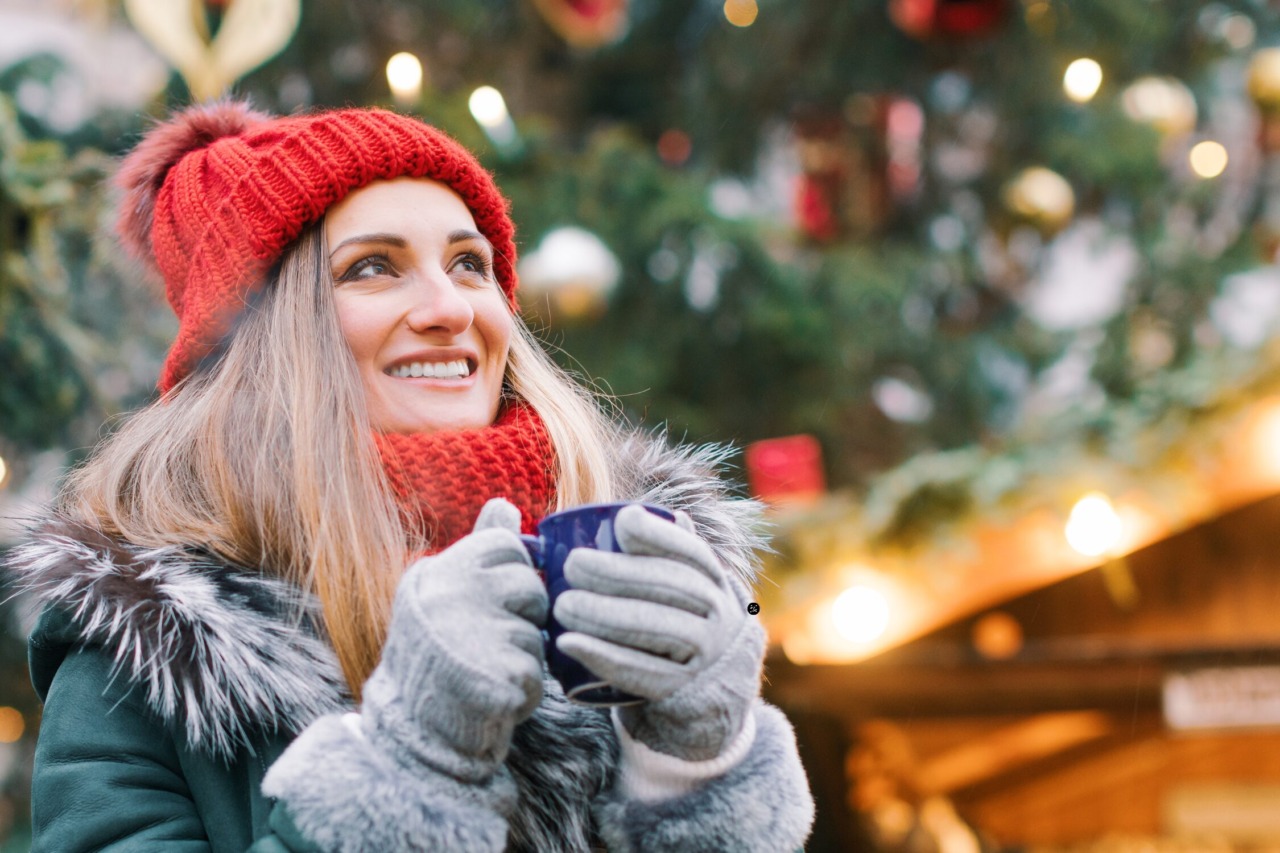
Pack warm layers, waterproof shoes, and a good coat. Stylish winter wear fits right in — Serbians dress well even in cold weather, especially when going out in the evenings.
Food and Drink: A Holiday Highlight
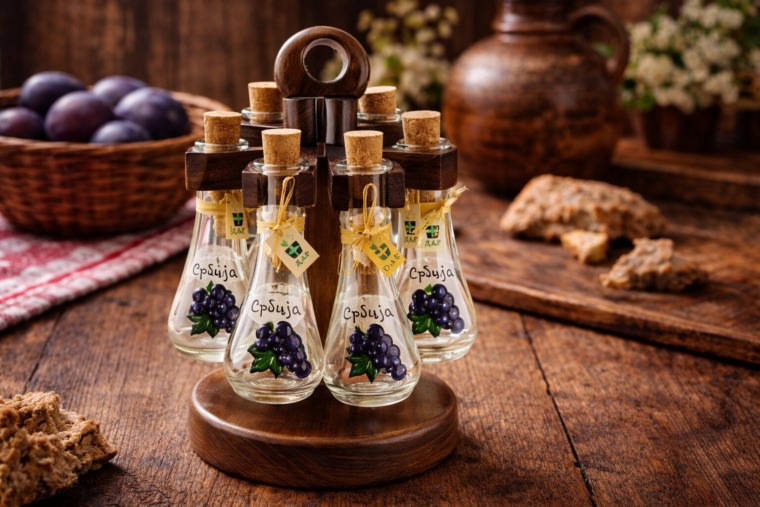
Holiday meals in Serbia are generous and comforting. Expect slow-cooked dishes, grilled meats, rich stews, and warm pastries. Winter is also the season of rakija, Serbia’s famous fruit brandy, often served as a welcome drink.
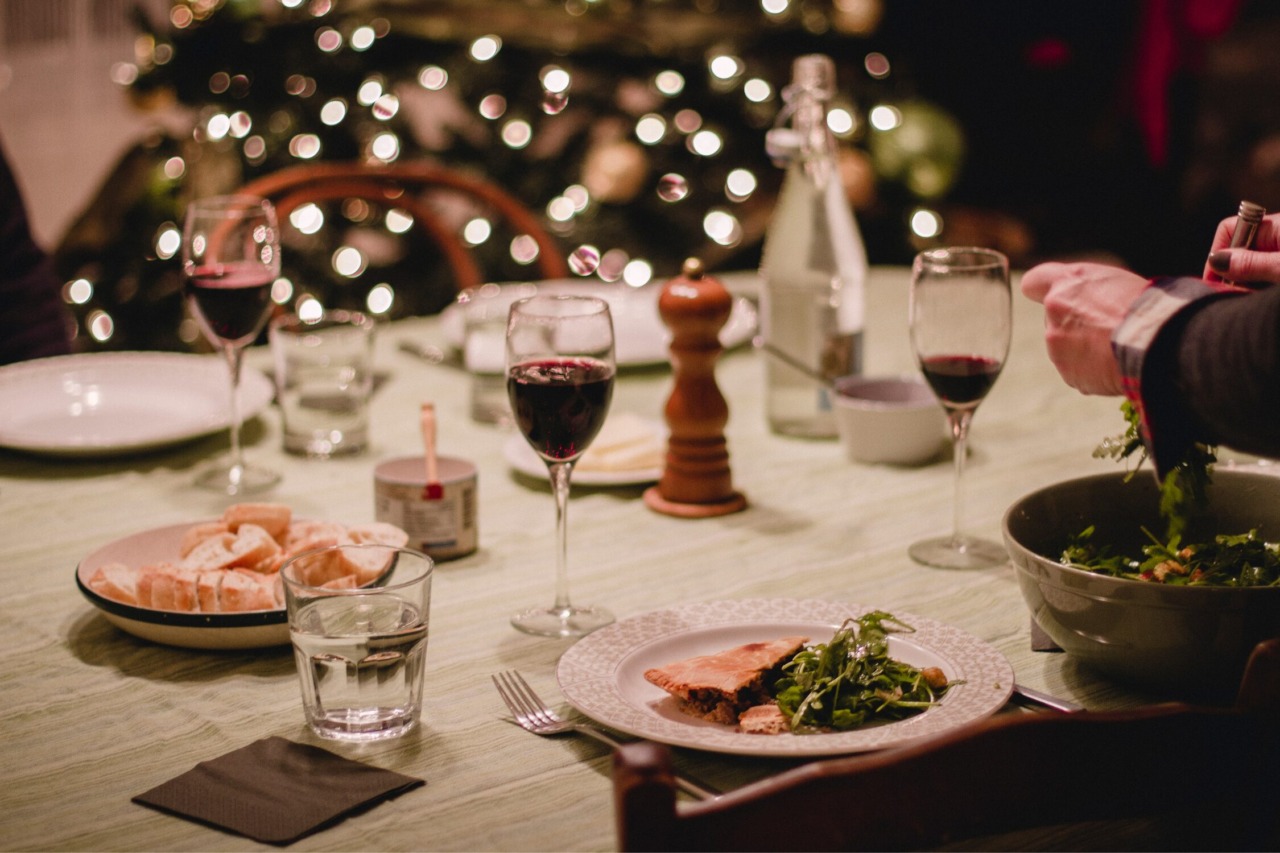
Do not be surprised if a simple café visit turns into a long break with coffee, dessert, and conversation. Meals are social events, not rushed routines.
Where to Celebrate: From Cities to Quiet Retreats
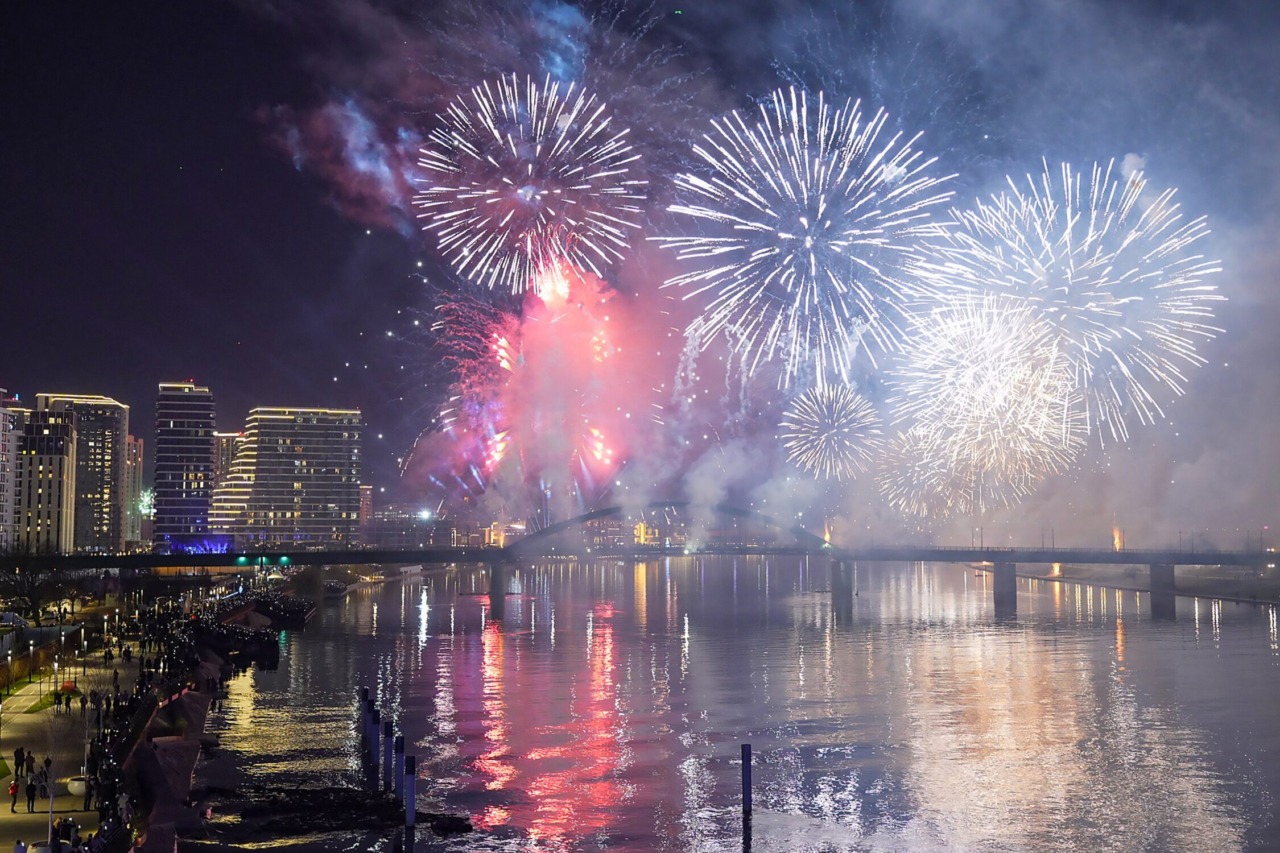
Belgrade is the heart of urban celebrations, offering street parties, clubs, floating river venues, and elegant hotel events. Novi Sad, Niš, Subotica and other Serbian cities provides a slightly calmer but equally charming festive atmosphere.
For travelers seeking peace, spa towns, rural households, and monasteries offer a slower rhythm — perfect for reflection and rest during the winter season.
Local Tips for First-Time Visitors
Serbia is safe, walkable, and easy to navigate, but a few tips go a long way:
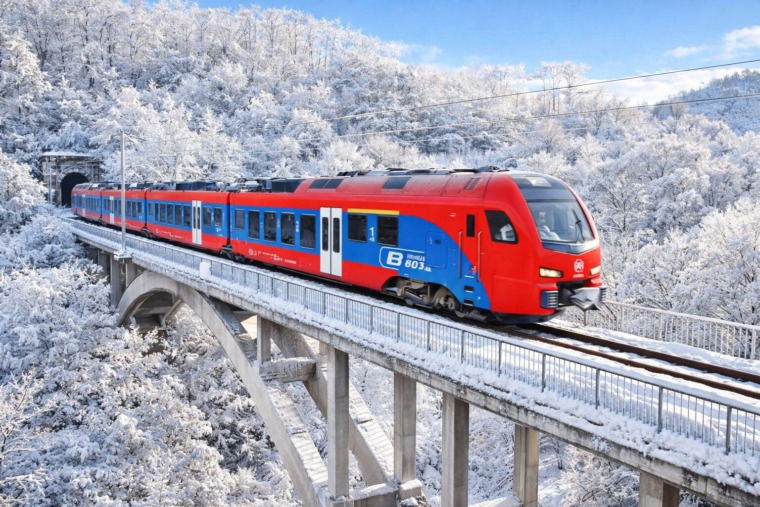
Cash is still widely used, especially outside big cities. Tipping is appreciated but not mandatory — rounding up the bill is common. English is widely spoken among younger generations. Public transport works during holidays, but schedules may be reduced.
Most importantly: accept spontaneity. Some of the best holiday moments in Serbia are unplanned.
Why Serbia Feels Different During the Holidays
What makes Serbia special is not just the events or decorations — it is the sense of shared celebration. There is a feeling that holidays belong to everyone, not just tourists or locals.
For travelers, this means one thing: you are not just visiting Serbia during the holidays — you are invited to be part of them.
Related Articles
5 Little Things in Serbia That Travelers Never Forget
February 20, 2026
Interesting Facts About Sretenje You May Not Know
February 16, 2026
The Sretenje Route: A Guide to Serbia’s Historic Sites
February 15, 2026