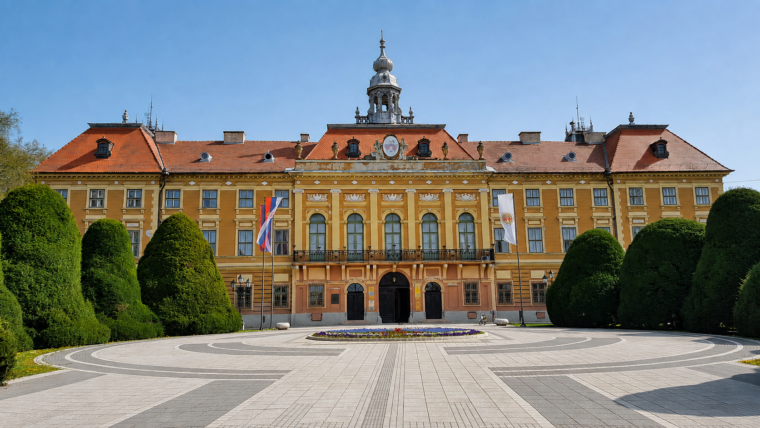

There are cities you discover through museums, and then there are those that reveal themselves while you wander their streets. Čačak belongs to the latter. At first glance modest and unassuming, yet unexpectedly rich just a few steps in, this Serbian town has grown over the past decade into one of the most important centers of urban art in the region. Thanks to the DUK – Days of Urban Culture festival, Čačak today proudly carries the title of Serbia’s true capital of murals.
More than 130 murals, covering over 7,000 square meters, have transformed city facades into an open-air gallery accessible to everyone. No tickets, no opening hours, no barriers. All you have to do is walk.
DUK – When the City Becomes a Canvas
DUK is not merely a festival, but a long-term vision of how art can live with a city, not alongside it. Over ten years, the festival has brought more than 120 local and international artists from over 20 countries to Čačak, creating a visual map of the city that continues to evolve.
Photographer: DUK festival
Photographer: DUK festival
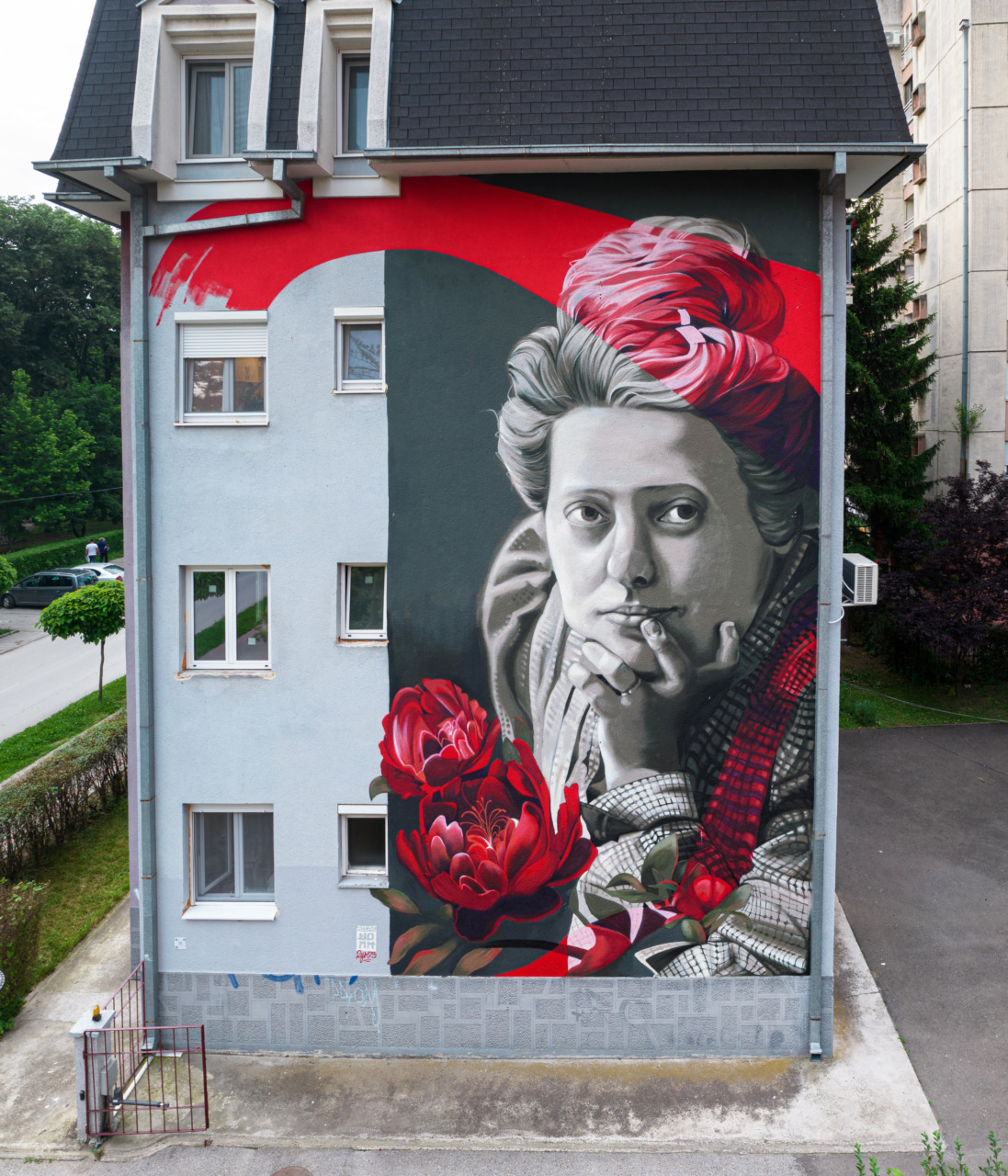
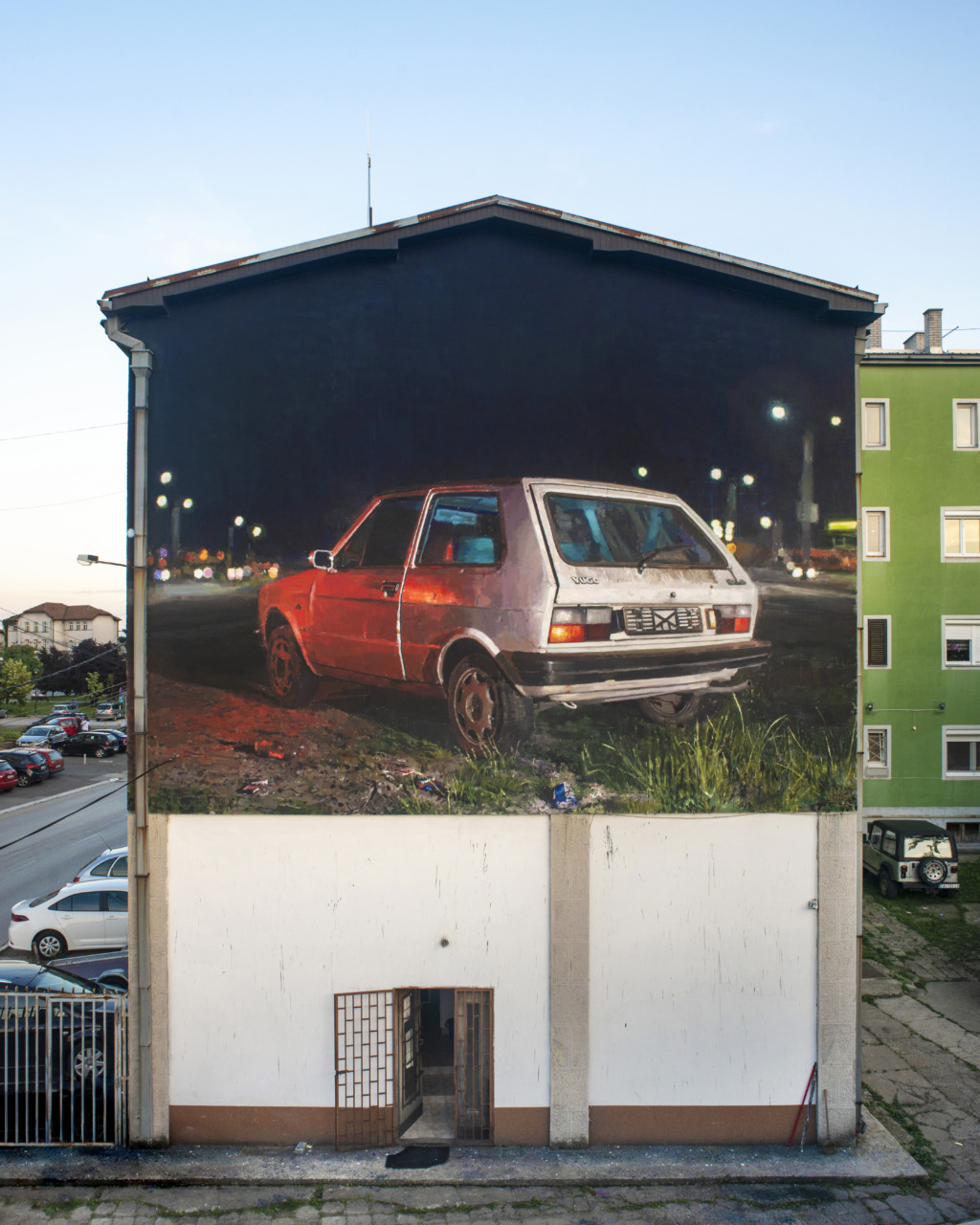
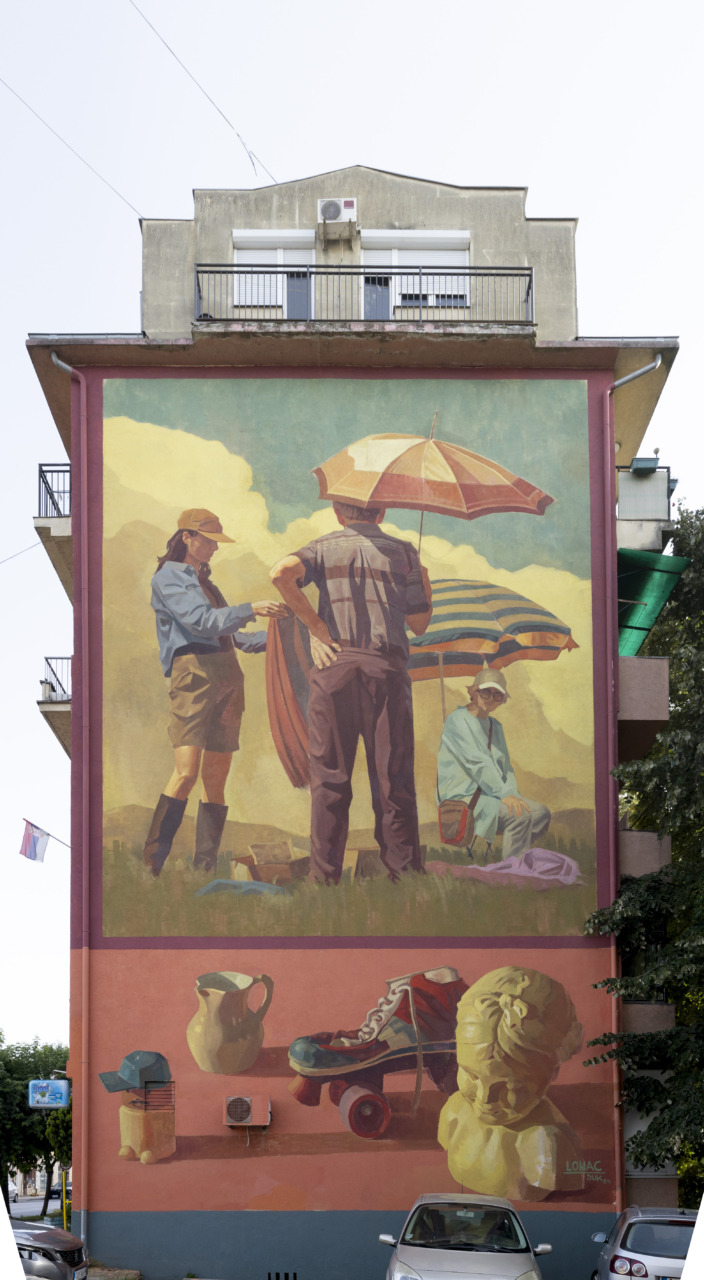
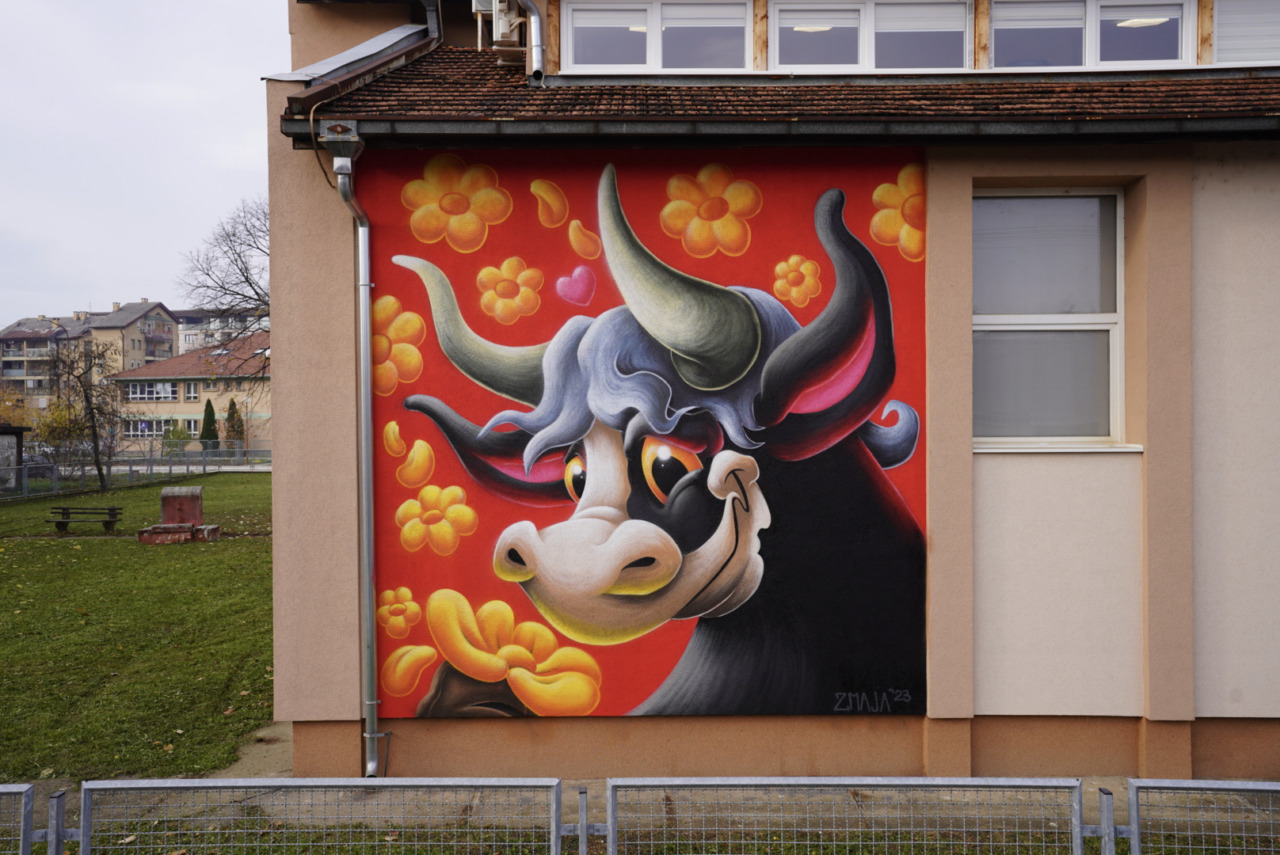
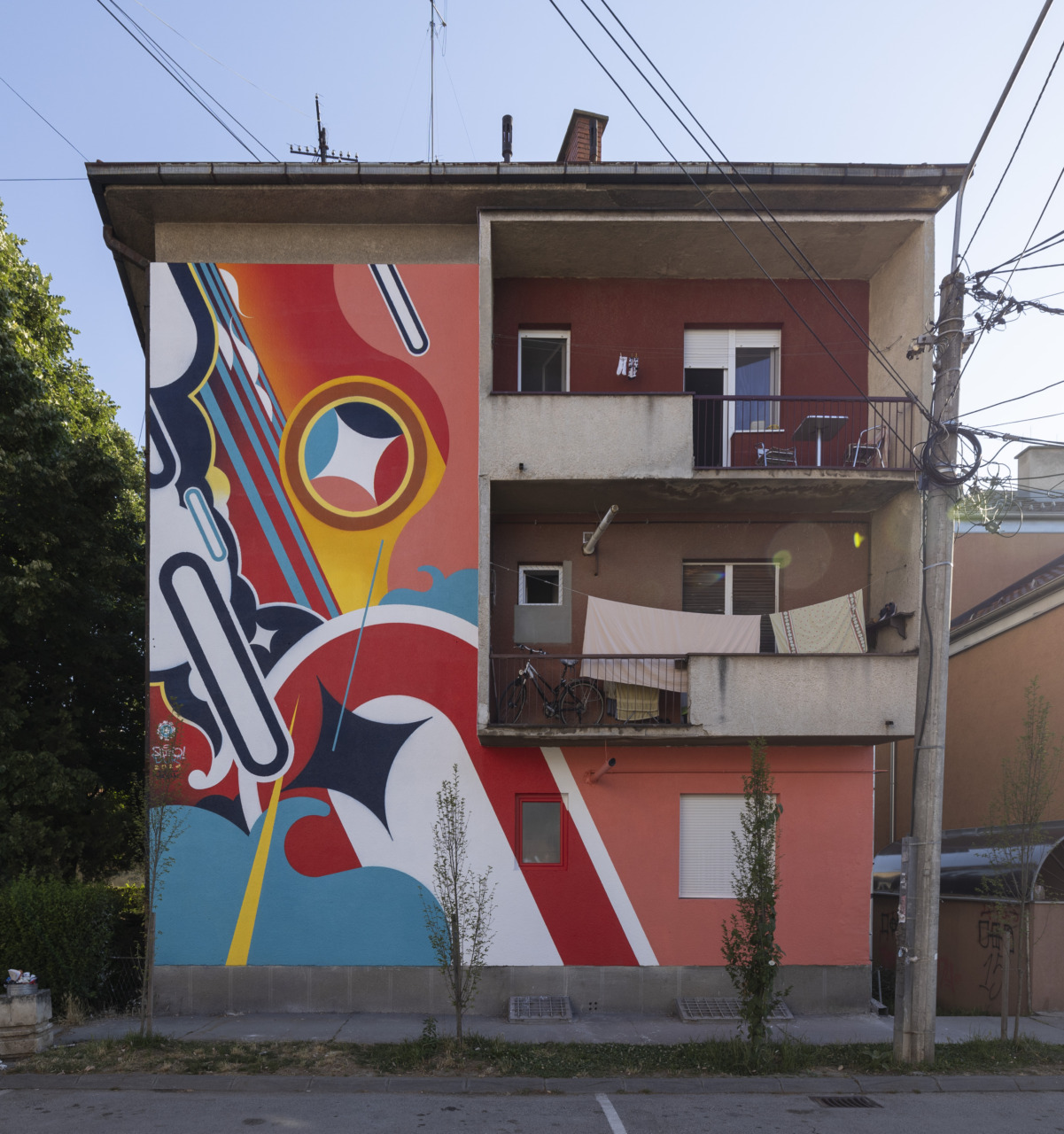
Rather than random interventions, the murals in Čačak are carefully planned. Locations, themes, and aesthetics are chosen to communicate with the architecture, the neighborhood, and the people who live there. The result is an exceptionally diverse collection – from realistic portraits and poetic narratives to abstract forms and contemporary symbols carrying universal messages.
As the organizers themselves point out, it is precisely this diversity and respect for context that has earned Čačak its reputation as a city with one of the most beautiful open-air galleries in this part of Europe.
Iconic Murals of Čačak – Just Part of a Much Bigger Story
Among more than 130 murals that now shape Čačak’s visual identity, some have become recognizable city landmarks and essential stops on any urban walk. Still, it is important to emphasize that they do not stand alone – each one is part of a carefully built, much broader urban collection spreading across different streets and neighborhoods.
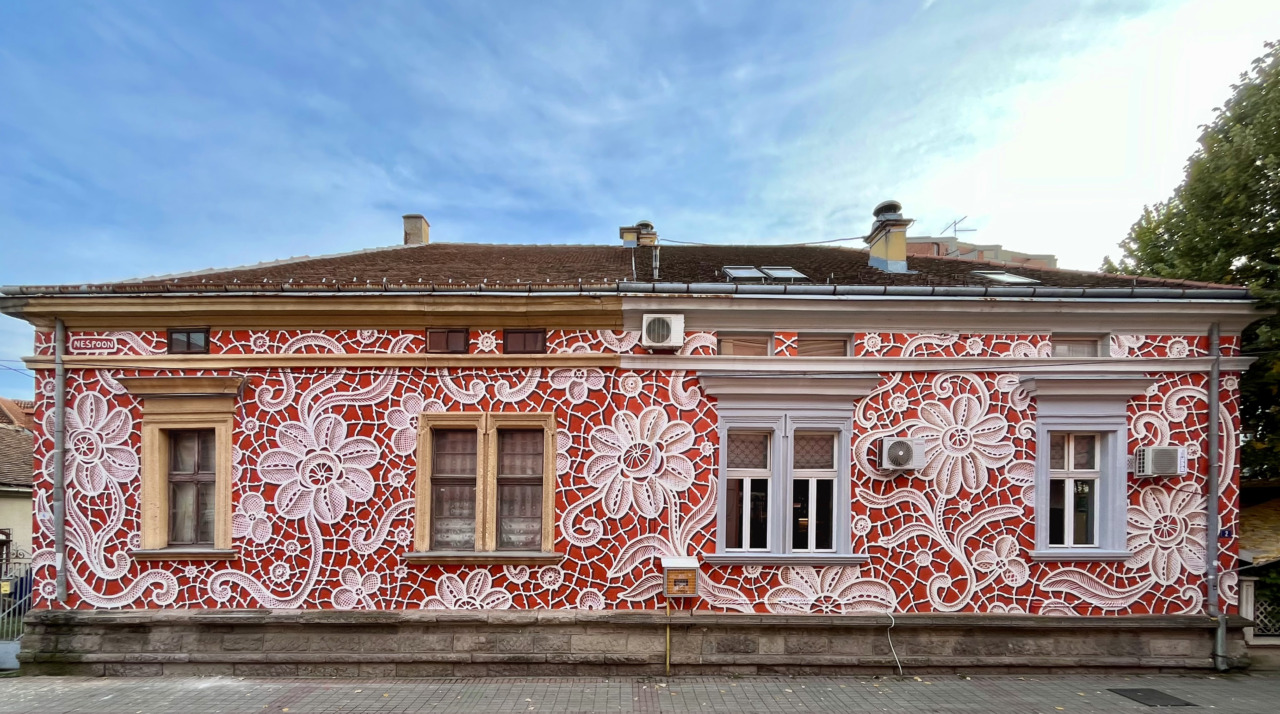
Photographer: DUK festival
One of the most recognizable works is the mural by Polish artist NeSpoon in Rajićeva Street, often described as “grandma’s lace doily on a wall.” Its delicate, lace-like structure, inspired by traditional crochet, brings a sense of warmth and intimacy into the urban space, evoking family memories and values passed down through generations.
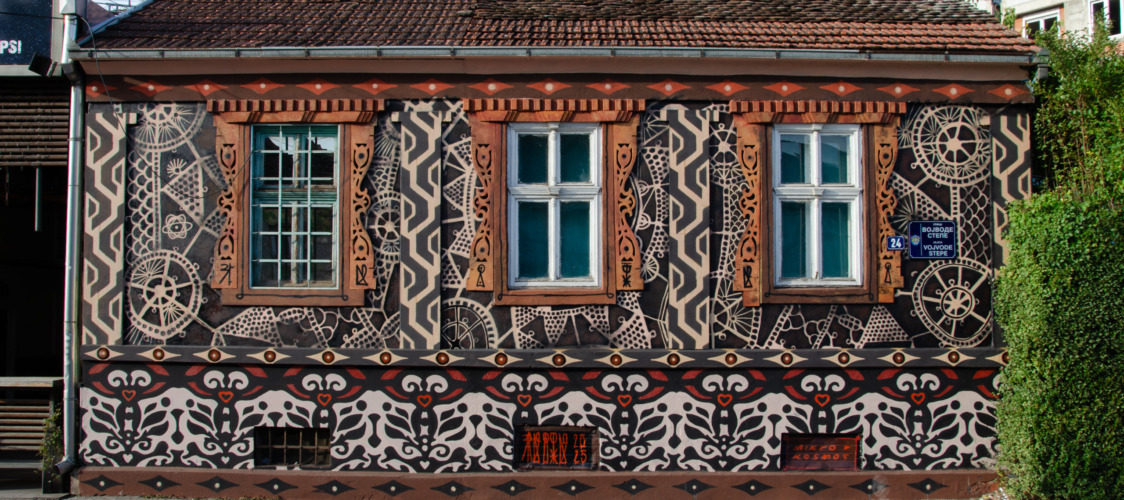
Equally powerful, yet entirely different in expression, is the mural “Kolo” by artist Mikro Kosmos in Vojvode Stepe Street. By skillfully integrating painting with architectural lines, this work tells a story of togetherness, rhythm, and collective identity – motifs deeply rooted in local tradition.
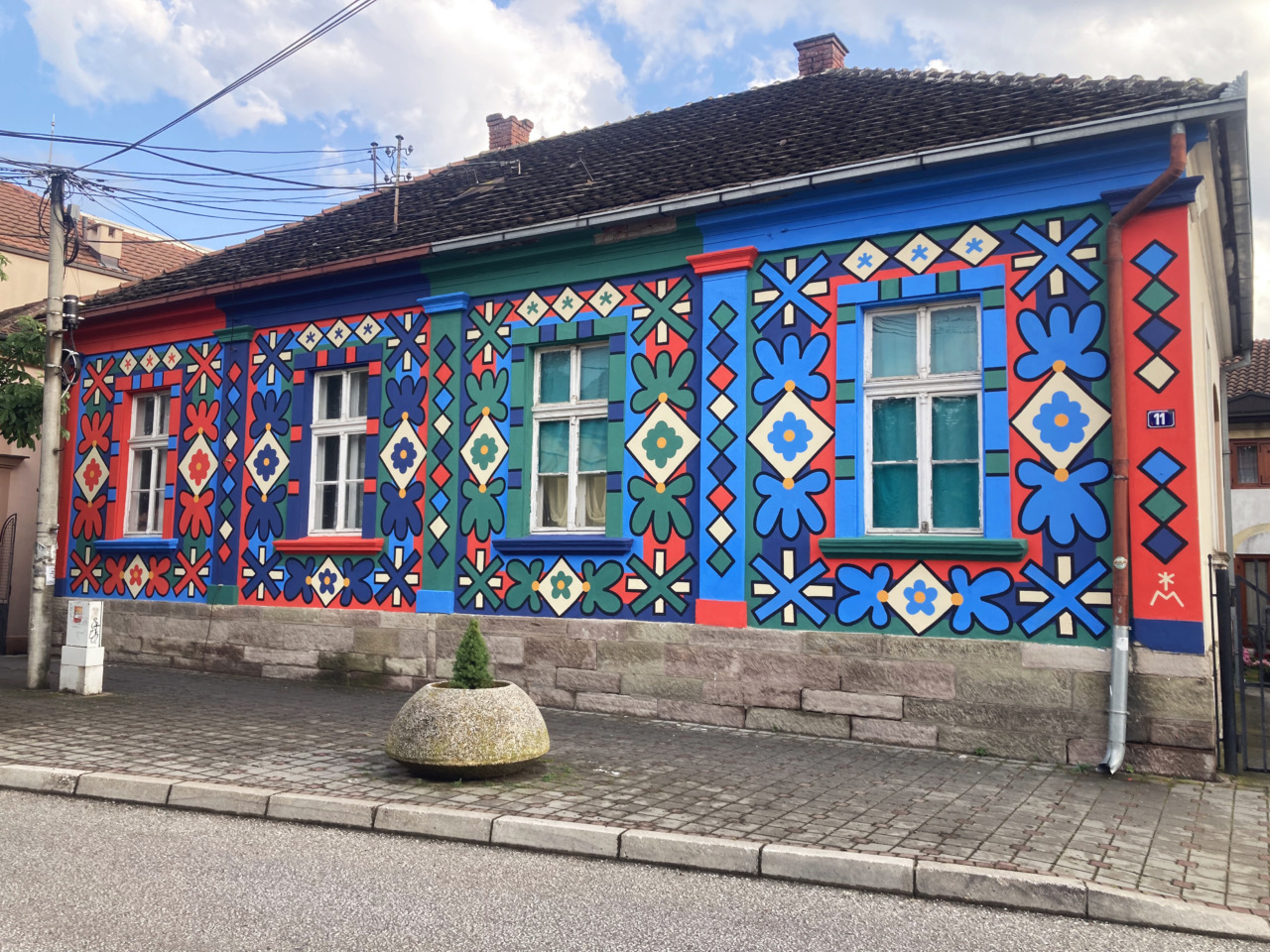
Photographer: DUK festival
Beyond these well-known examples, Čačak’s walls are home to many other striking works: murals exploring nature and the relationship between humans and their environment, strong portraits that seem to follow passersby with their gaze, abstract compositions that break the city’s gray routine, and pieces inspired by local stories, myths, and contemporary social themes. It is precisely this diversity of styles, poetics, and messages that makes the murals feel not like isolated highlights, but like a single, living exhibition constantly growing and changing.
In Čačak, there is no single mural you must see. There is the experience of a city read layer by layer, wall by wall.
A City as a Free Open-Air Exhibition
Walking through Čačak today feels like visiting an exhibition where walls act as curators and streets as gallery corridors. Each mural has its own story, yet together they form a cohesive whole – a visual diary of the city created over an entire decade.
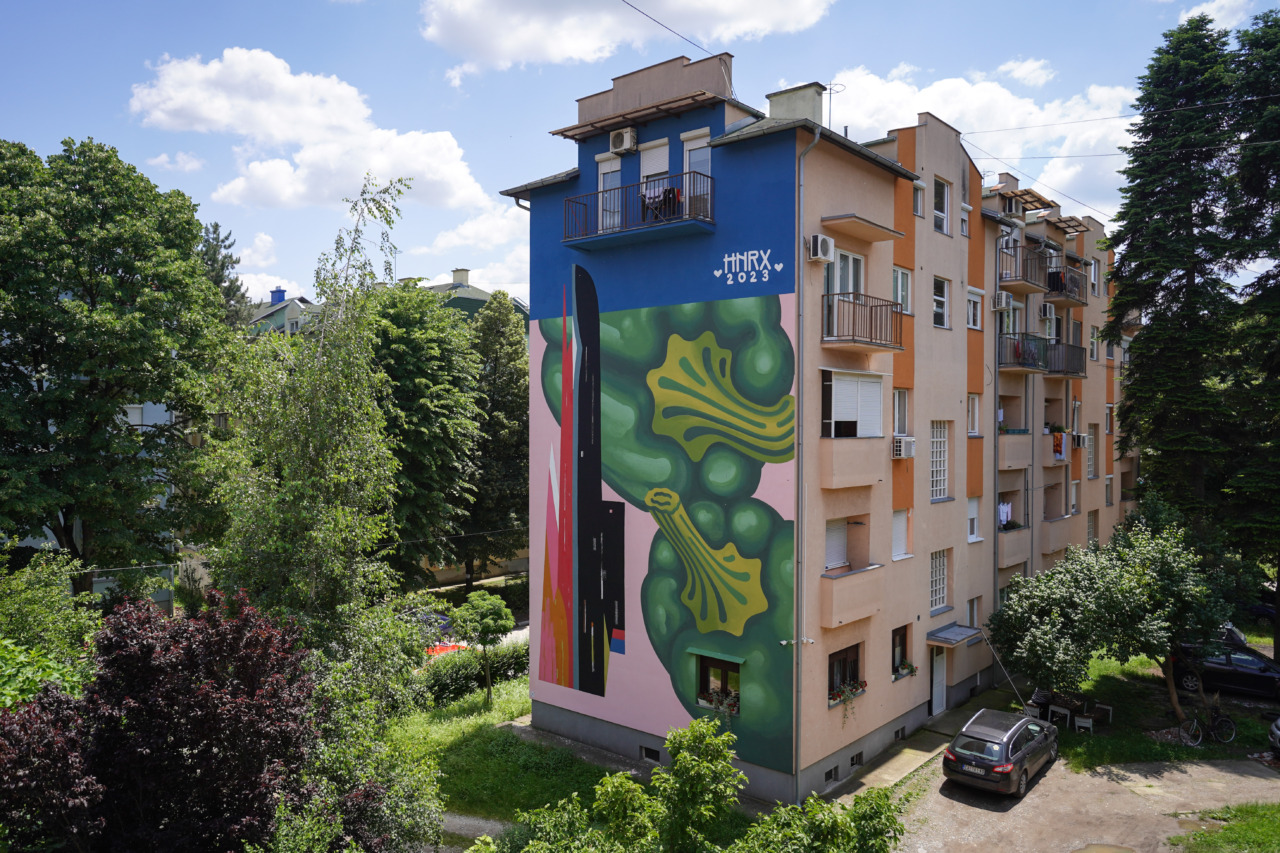
Photographer: Irena Jevtović
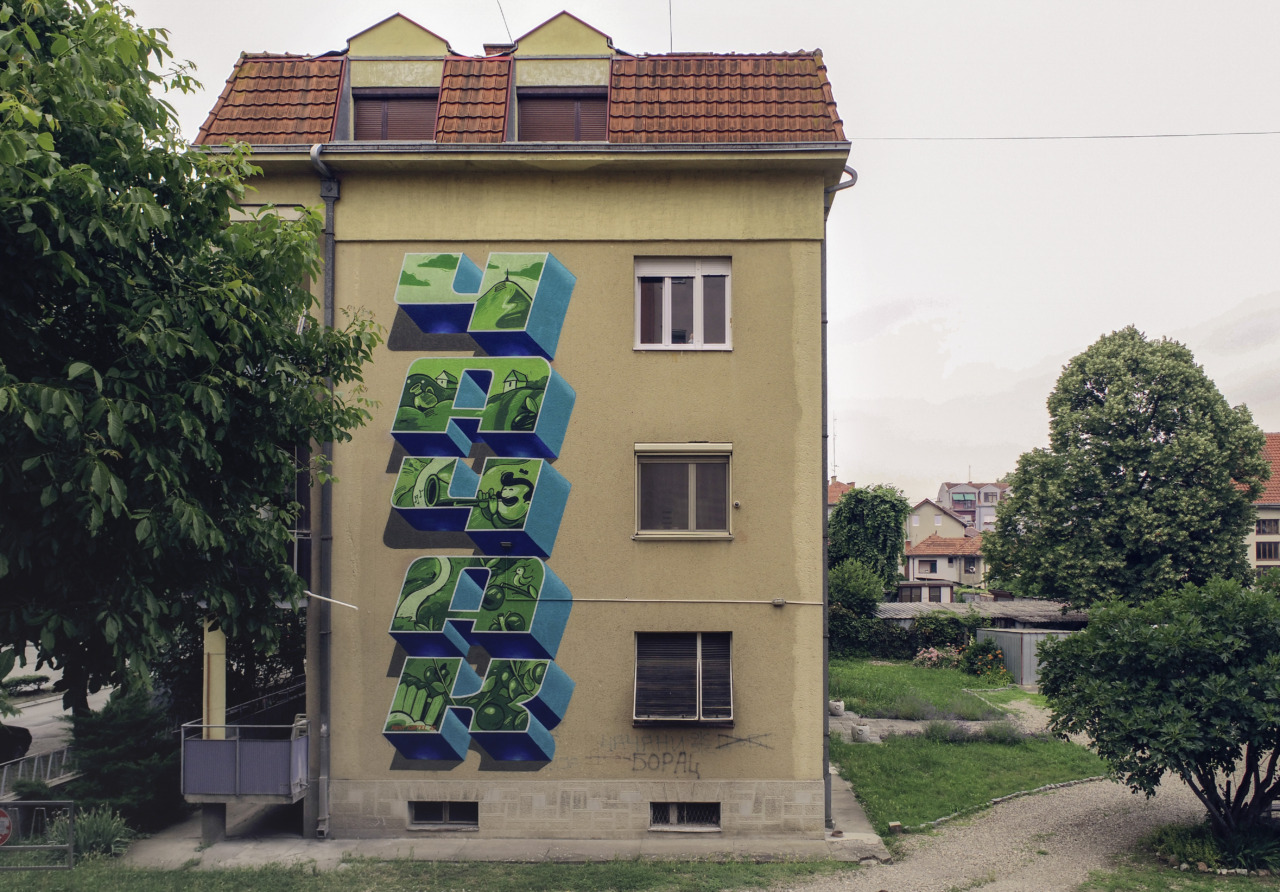
Photographer: DUK festival
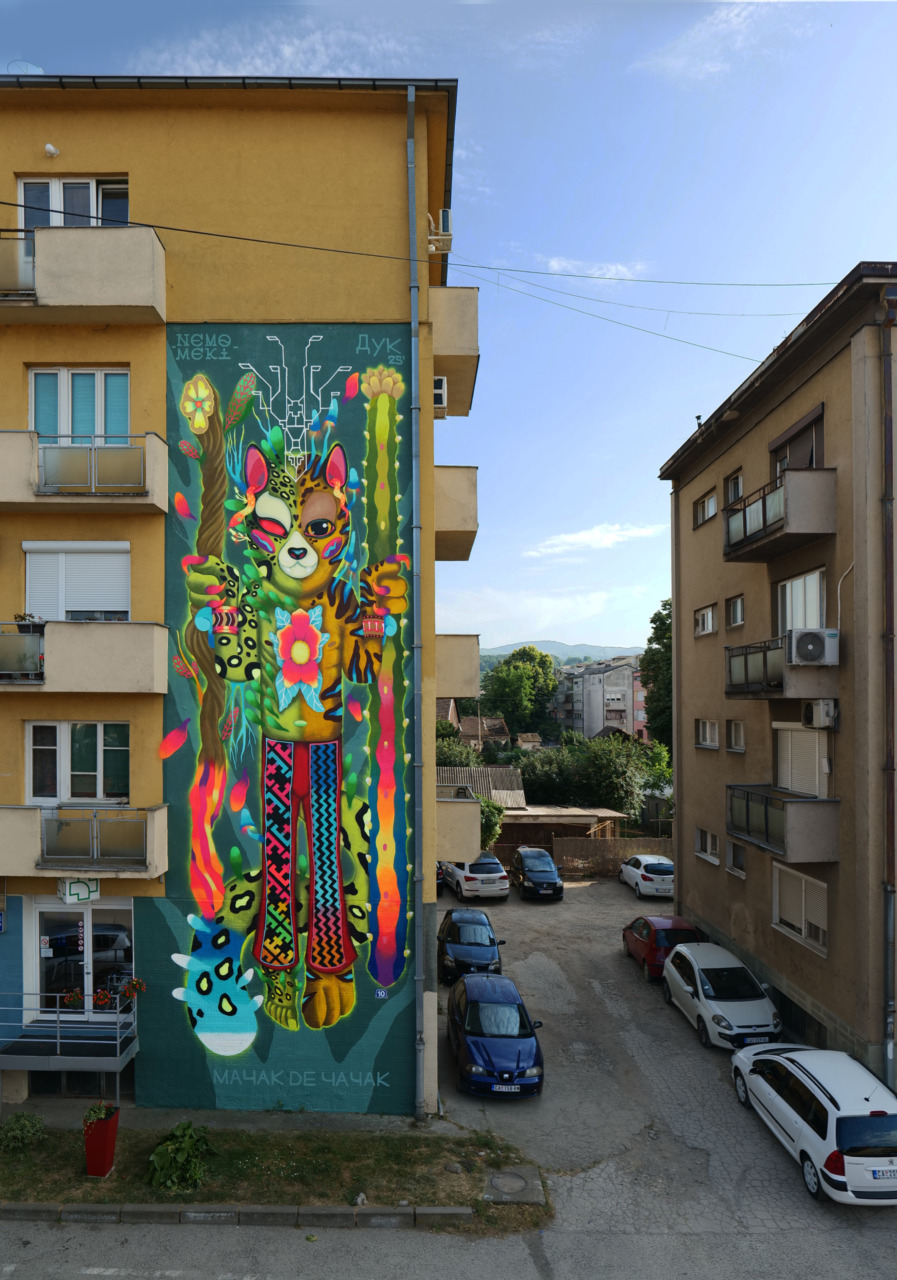
Photographer: DUK festival
What makes this collection truly special is its accessibility. There is no elitism, no distance. Art is present in everyday life – between cafés and shops, in courtyards and on buildings you may have passed for years, now seen through new eyes.
Art as Resistance and Continuity
Like many independent cultural initiatives, DUK has faced significant challenges, including the lack of institutional support. Yet the festival never stopped. On the contrary, murals continued to appear precisely at moments when it seemed most difficult – as quiet acts of resistance and belief that meaningful cultural stories must go on.
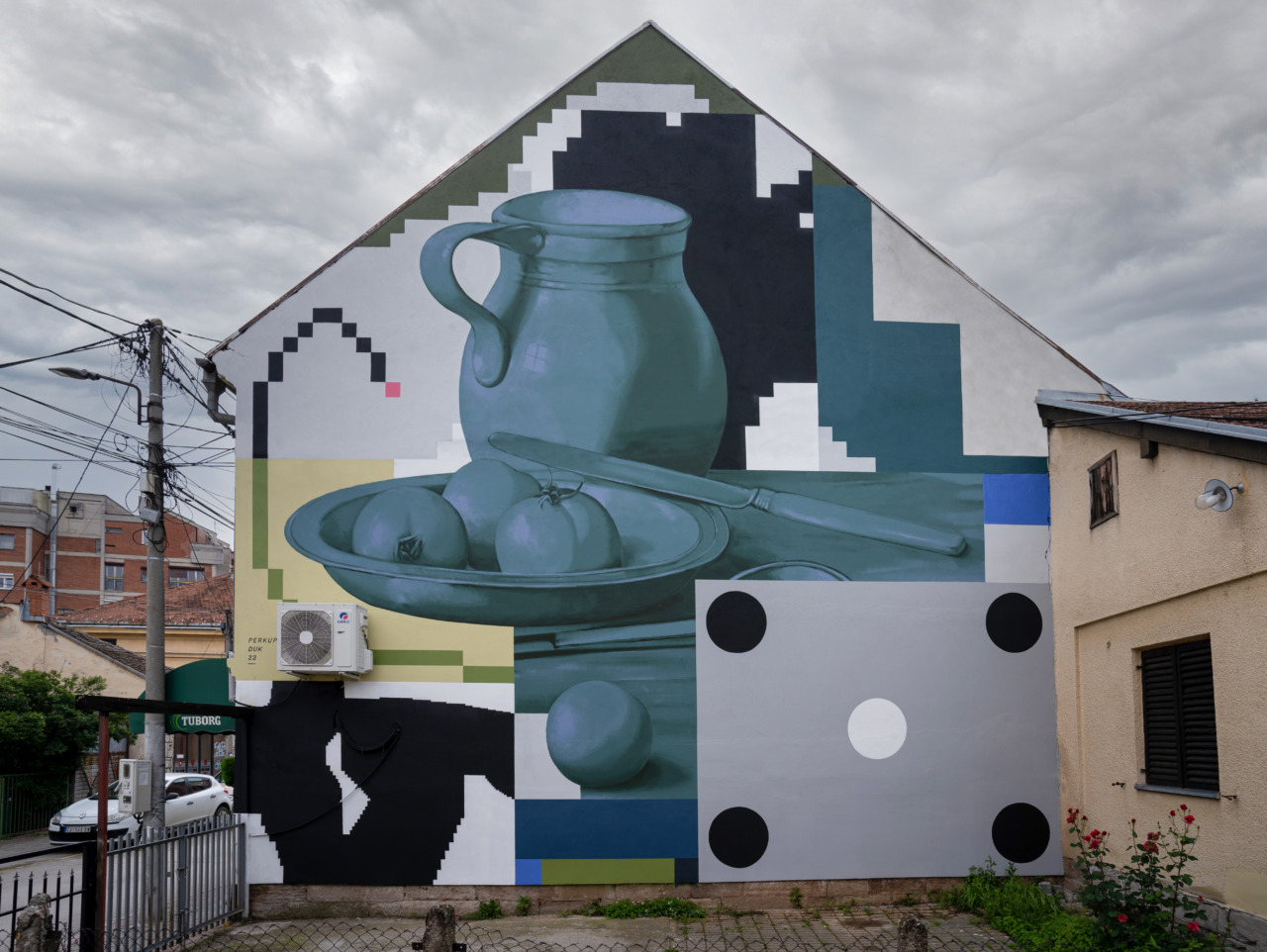
Photographer: Irena Jevtović
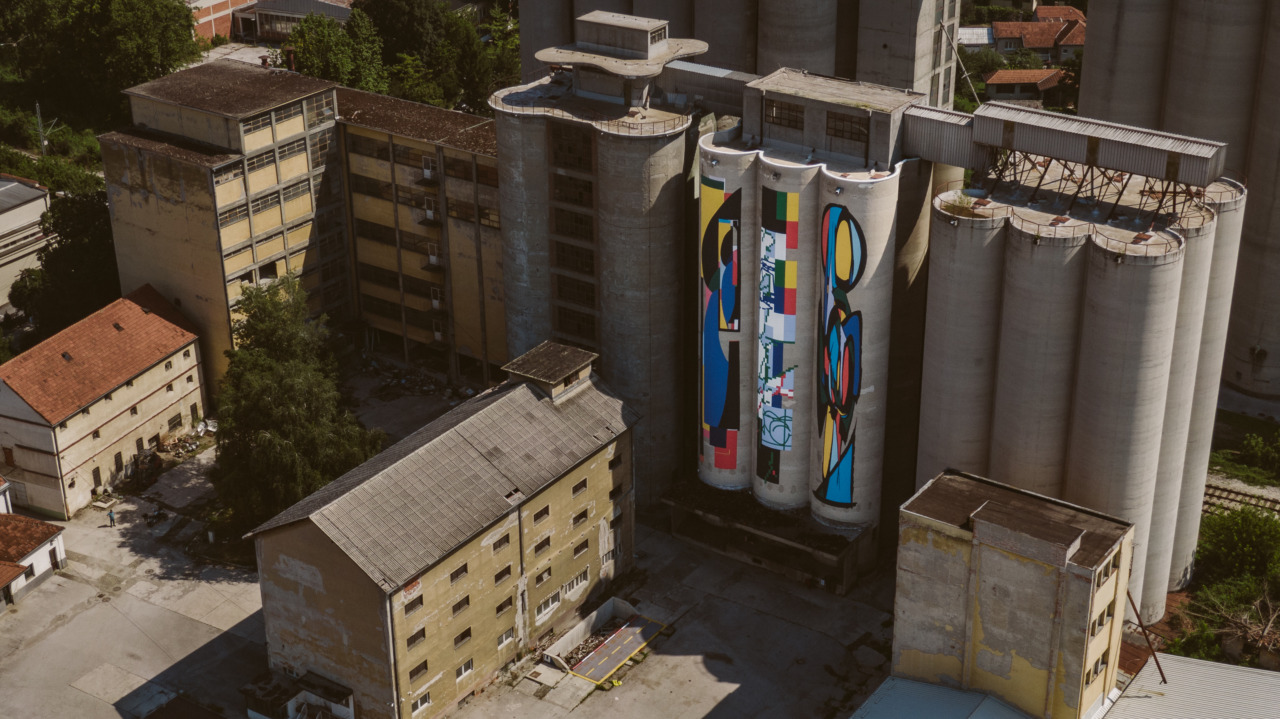
Photographer: DUK festival
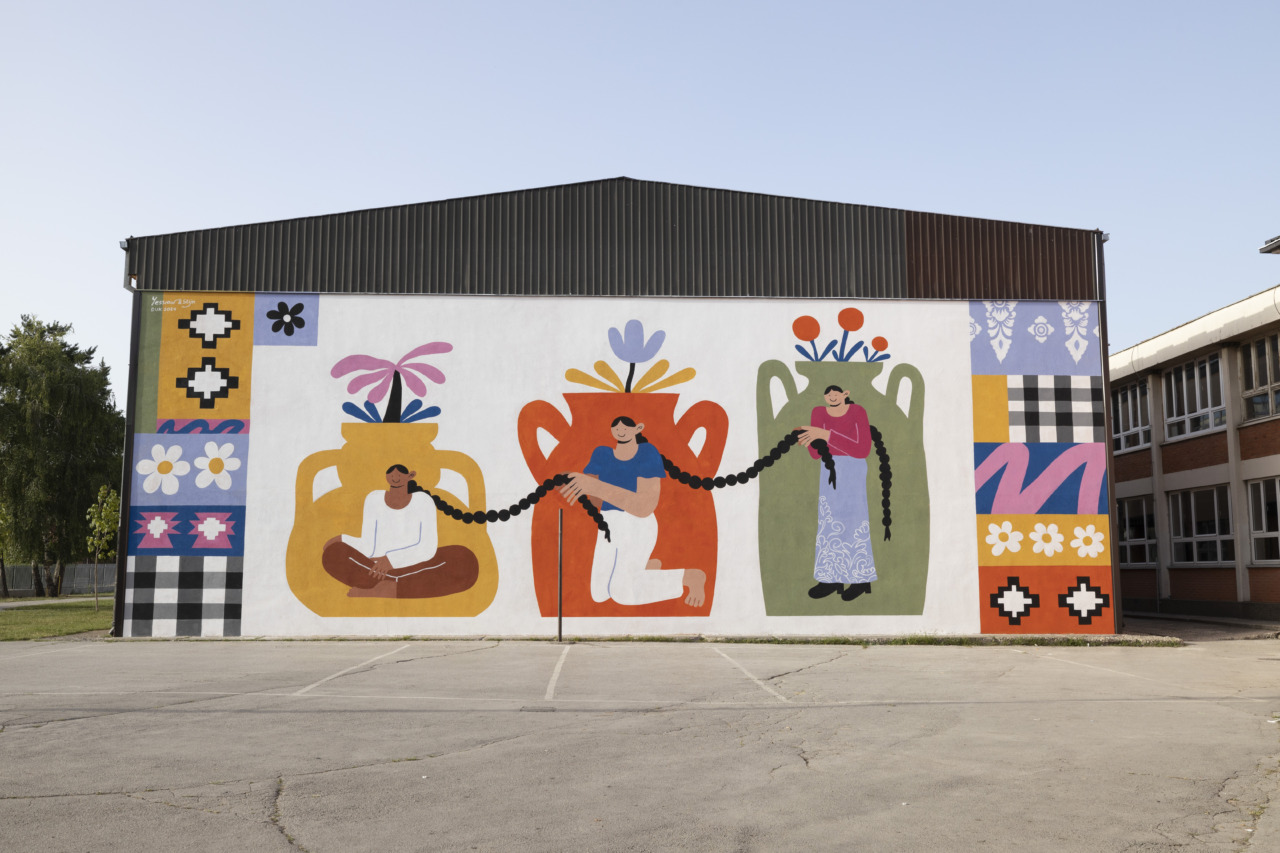
Photographer: DUK festival
In that sense, the murals of Čačak are more than artworks. They are traces of perseverance and proof that a city can grow richer and more beautiful even when circumstances are far from ideal.
Why Visit Čačak Today
If you are looking for a different kind of urban experience, Čačak offers something rare – the opportunity to enjoy world-class art completely free of charge, without crowds or clichés. You don’t need a route; just start walking and let the city guide you.
Photographer: Lazar Todorović
Photographer: Irena Jevtović
Photographer: DUK festival
In Čačak, art is not only observed – it is lived. And that is precisely why this city rightfully carries the title of Serbia’s mural capital.
Join us this Saturday Dec 20 at 7 PM at the Cultural Center of Čačak for an exhibition celebrating ten years of the DUK festival, followed by the promotion of a newly published monograph created to mark the anniversary.
Featured photo: Artist: Mikro Kosmos (Serbia), Photographer: Dunja Kleut